
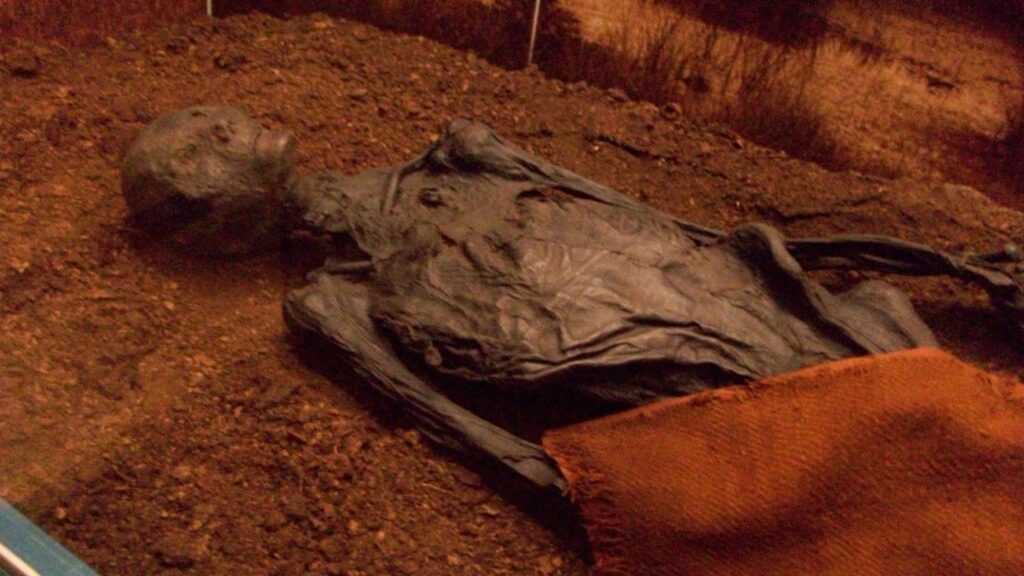
There is something quietly shocking about coming face-to-face with a person who died thousands of years ago and realizing they still have skin, hair, eyelashes, even a last meal sitting in their stomach. These are not just skeletons in museum cases; they are time travelers whose bodies somehow dodged the normal rules of decay. From high-altitude Andean volcanoes to dark European peat bogs and the icy grip of Alpine glaciers, a tiny handful of human beings were preserved so well that modern science can study them almost like recent patients in a hospital.
Over the last few decades, these extraordinary remains have turned into a kind of deep-time laboratory. With CT scanners, DNA sequencing, isotope chemistry and even microbiome analysis, researchers are reconstructing diets, diseases, social rituals and violence from thousands of years ago with a level of detail that still feels slightly unreal. I remember standing in front of one of these mummies in a museum and being far more unsettled than any horror film; it felt less like looking at the dead and more like accidentally intruding on someone’s sleep. That discomfort is exactly what makes the science so powerful: it forces us to admit that these were real people, with fears, loyalties and pain that are not so different from ours.
Frozen in Murder: Ötzi the Iceman and the First Solved Prehistoric Cold Case
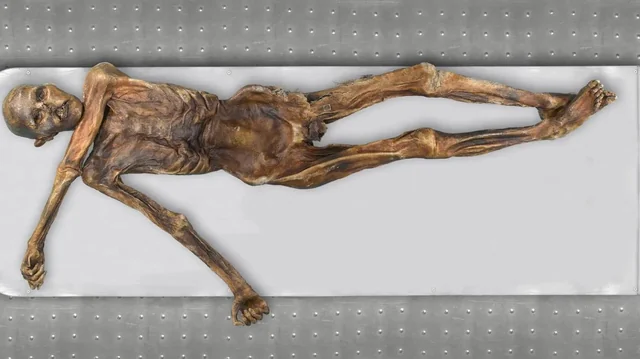
Imagine hiking in the Alps, spotting a body half-buried in ice, and assuming it’s a recent climber who met a tragic end – only to learn later he died more than five thousand years ago. That was Ötzi, discovered in 1991 on the border of modern Italy and Austria, so perfectly preserved that his skin, organs, last meal and even the contents of his pockets survived. Modern scans revealed an arrowhead lodged in his left shoulder and trauma to his head, turning his death into one of the oldest murder cases ever investigated with forensic methods. By analyzing blood traces and wounds, scientists built a plausible scenario: he was ambushed, badly injured and died within a short window, likely on the run.
But the real surprise is not just how he died – it is how much we know about how he lived. Chemical analysis of his bones, teeth and gear show that he roamed across different valleys, giving researchers a map of his movements over years. The pollen and grain fragments in his gut reveal that his final meal was a high-energy mix of meat and bread eaten shortly before his death, probably a deliberate “power meal” for a demanding mountain trek. Even his tattoos turned out not to be random decoration: many line up with joints and spine areas, suggesting some kind of therapeutic body marking, perhaps similar to acupuncture. Standing back from the details, it is hard not to feel that we know this one Neolithic man better than many historical kings whose names fill textbooks.
The Children of Llullaillaco: Sacrifice, Empire, and the Most Intimate Evidence of Ritual
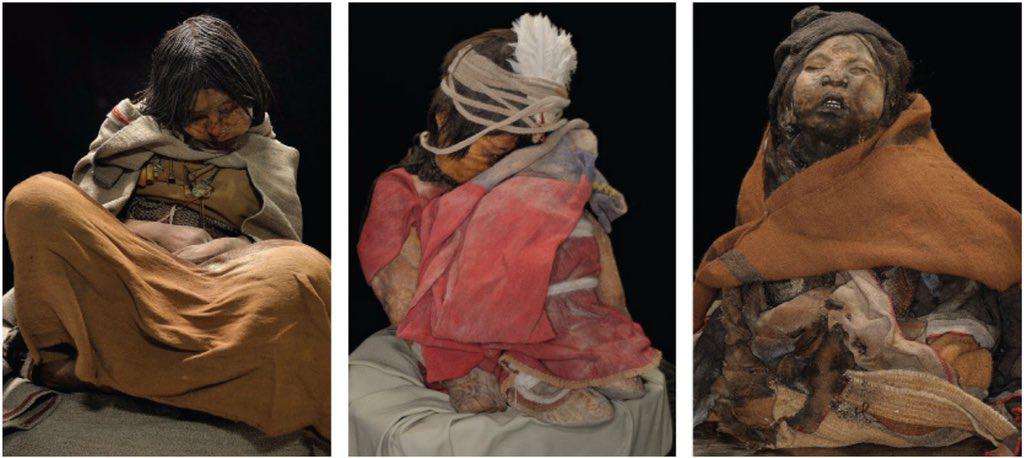
High on a volcano in the Andes, at over six thousand seven hundred meters above sea level, archaeologists in 1999 opened a stone shrine and found three Inca children who looked eerily as if they had just fallen asleep. Their skin, braids and clothing were so intact that you can still see individual strands of hair and the folds in their woolen garments. The freezing, dry, oxygen-poor air essentially freeze-dried their bodies, making them some of the best-preserved mummies ever found. Historical sources already hinted that the Inca practiced child sacrifice called capacocha, but these children gave that story a human face that written records never could.
Researchers analyzed their hair like a biological diary, following changes in diet and drug exposure over the last year of their lives. They found rising levels of coca and alcohol, especially in the teenage girl often called the Maiden, suggesting carefully managed intoxication to calm and control them during months of ritual travel and preparation. Their teeth and bones show that they had been well-nourished before being chosen, likely selected from elite families to embody political loyalty and cosmic order. That is a brutal truth that is easy to gloss over in abstract: an expanding empire cemented power not only with roads and armies, but by taking real children and turning their deaths into permanent offerings on mountaintops. For me, the science here is almost unbearable in its intimacy – braids, coca leaves in a mouth, and lungs showing signs of respiratory issues at the time of death – yet it also forces us to confront how far people will go when they believe the universe demands a price.
Bog Bodies and the Dark Side of Iron Age Religion
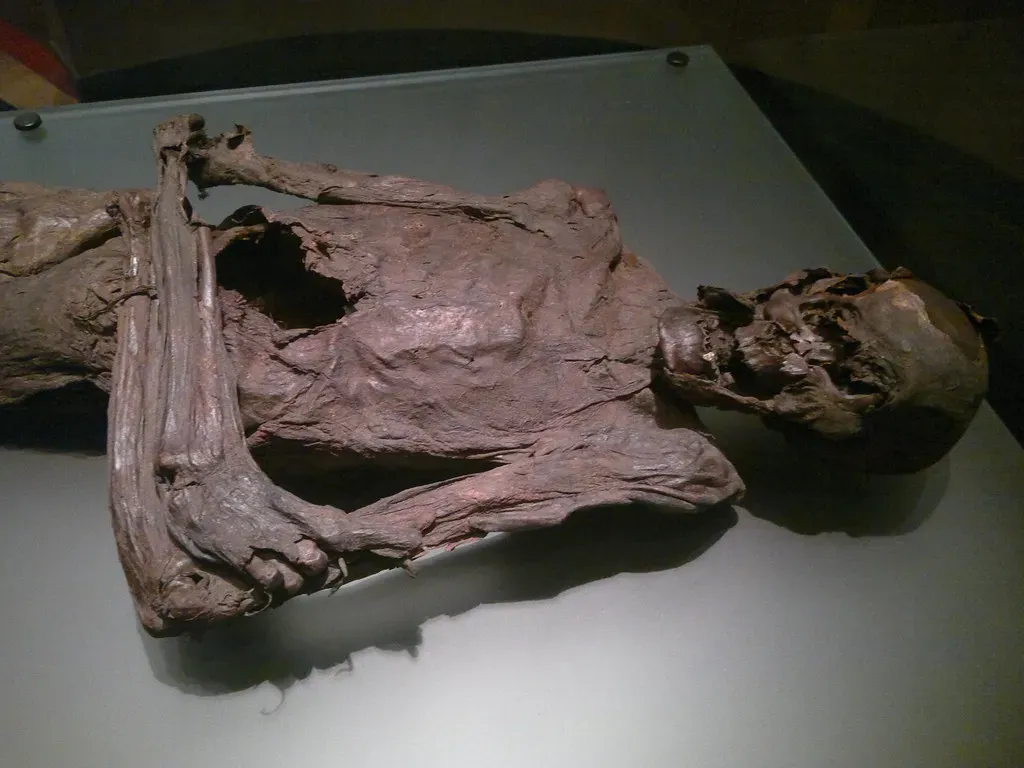
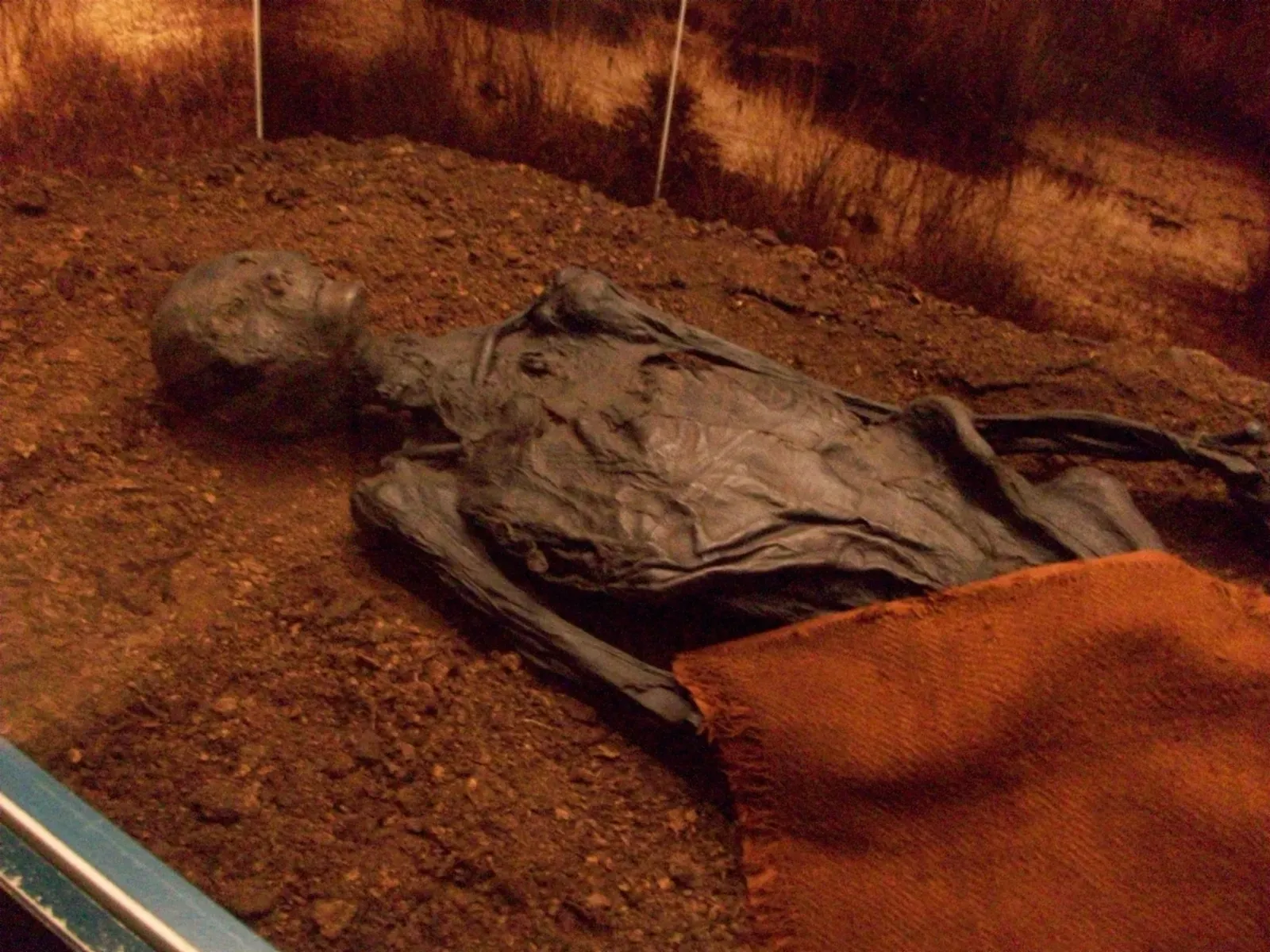
In the peat bogs of northern Europe, another group of astonishingly preserved people quietly waited for modern science. Bodies like the Tollund Man in Denmark, discovered in 1950, still have stubble on their chins, wrinkles on their foreheads and the peaceful expression of someone who might wake up at any moment. The chemistry of the bog – acidic water, low oxygen, high levels of natural tannins – tans the skin and soft tissue like leather while dissolving bones. That strange combination leaves a haunting mix of softness and distortion that is very different from the dry, linen-wrapped mummies many of us imagine when we hear the word.
CT scans and autopsies on bog bodies have revealed ligatures around necks, broken bones, slit throats and carefully arranged burial positions. This pattern suggests that at least some of these individuals were ritually killed rather than casually dumped, possibly as offerings to gods or as executions with religious overtones. Analysis of Tollund Man’s stomach contents showed a barley and flax porridge, sprinkled with wild seeds, eaten just before he died – simple, everyday food, not a lavish “last meal.” That detail undercuts the romantic idea of noble sacrifice and instead paints a picture of ordinary people swept up in violent rituals they may not have chosen. To me, the bog bodies show how religion, justice and politics can blur together in ways that are disturbingly familiar, even two thousand years later.
Ancient DNA: Rewriting Family Trees and Identities
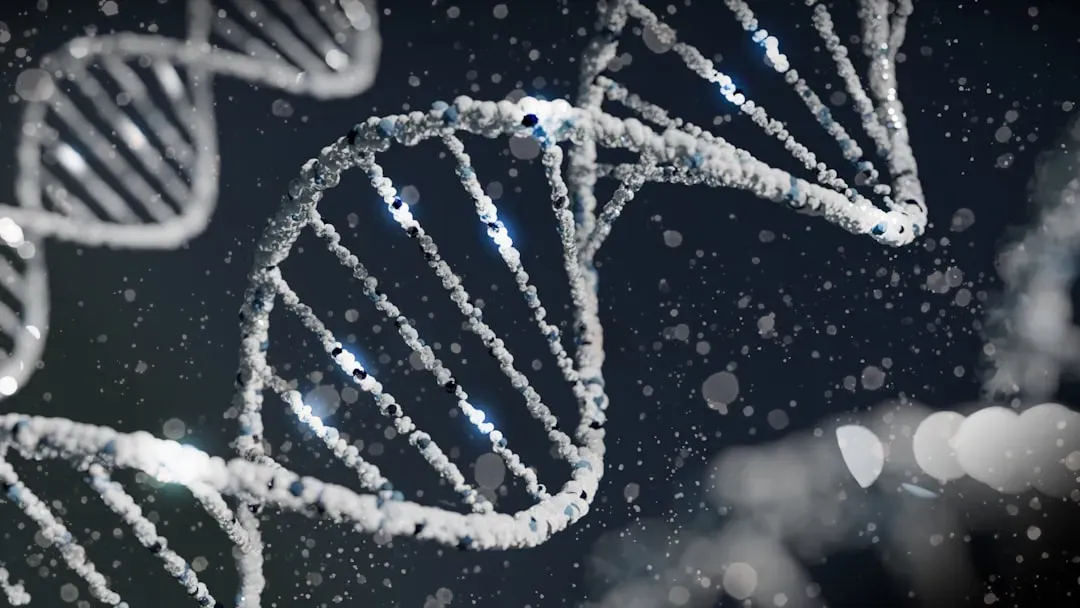
Modern sequencing technologies have turned preserved bodies into genetic time capsules, rewriting what we thought we knew about ancient populations. From Ötzi’s well-preserved tissues, scientists have reconstructed nearly his entire genome, discovering that he was lactose intolerant, carried risk genes for heart disease and had a specific ancestry link to early European farming communities. These findings challenge the neat stories many of us learned about a simple progression from hunter-gatherers to farmers, revealing instead a tangled web of migrations and mixtures. It is almost like opening a family tree and discovering entire branches of relatives you never knew existed.
The Andean child mummies, along with other well-preserved remains in the region, have also contributed to a more nuanced understanding of Indigenous genetic history in South America. Their DNA helps trace how people spread along the spine of the Andes and how imperial expansions like the Inca reshaped the genetic map without completely erasing local identities. For living communities, this is not just academic; it can affirm deep-held oral histories about origins and movements that written colonial records often ignored or dismissed. At the same time, there is an uncomfortable edge here: ancient DNA can be empowering, but it can also be used clumsily or even politically, which is why many scientists now argue that the genetic stories of ancient people must be told in partnership with their descendant communities, not over their heads.
Health, Disease, and the Surprising Modernity of Ancient Bodies
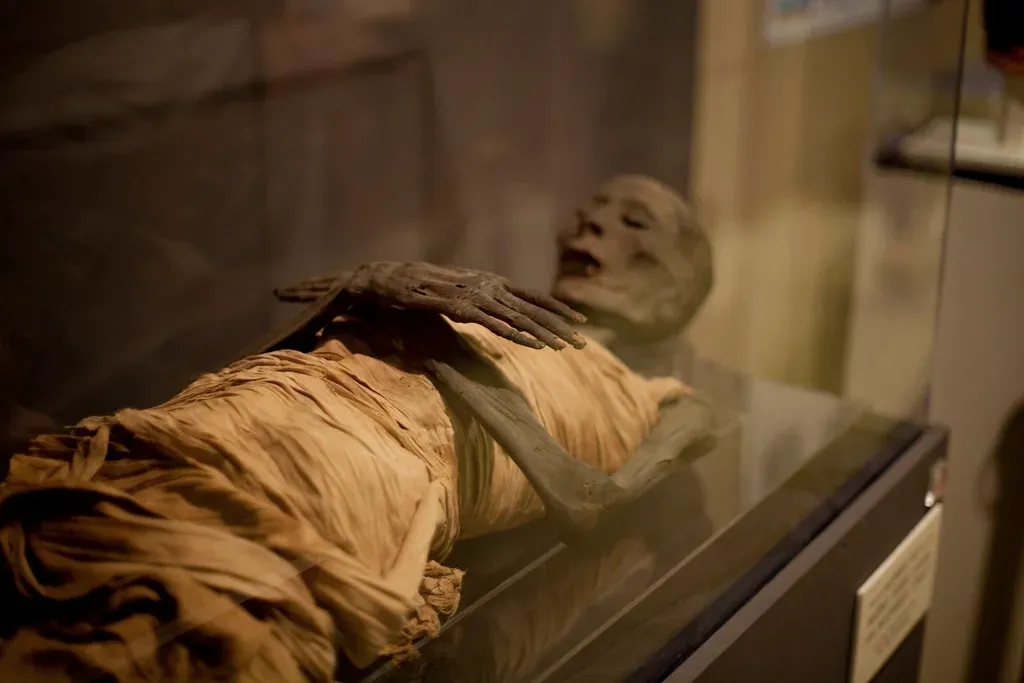
One of the most humbling lessons from these preserved bodies is how many “modern” diseases have ancient roots. Ötzi, for example, shows evidence of arteriosclerosis, suggesting that clogged arteries are not just the result of fast food and couch-bound lifestyles. Genetic and tissue analyses also point to infections like Lyme disease and Helicobacter pylori in his system, making it clear that even a rugged, mountain-traversing Neolithic man carried a heavy microbial baggage. The Inca children and bog bodies likewise show signs of respiratory problems, intestinal parasites and other health issues that make their worlds feel far less romantic and far more bodily than old adventure stories ever let on.
At the same time, these bodies are offering unexpected clues about the deep history of pathogens that still shape our lives. Recent work on ancient papillomavirus in well-preserved remains has helped researchers track how cancer-linked viruses have shadowed humans for vast stretches of time, evolving alongside us long before industrial pollution or cigarettes entered the picture. Studies of old gut bacteria in preserved intestines, including those from Ötzi, hint at a microbiome that looks very different from that of people living in urban, industrialized societies today. That contrast is not just medical trivia; it raises hard questions about how much of our rising burden of autoimmune and metabolic diseases comes from drifting so far away from the microbial worlds our bodies evolved with.
Daily Life in Microscopic Detail: Food, Work, and Climate
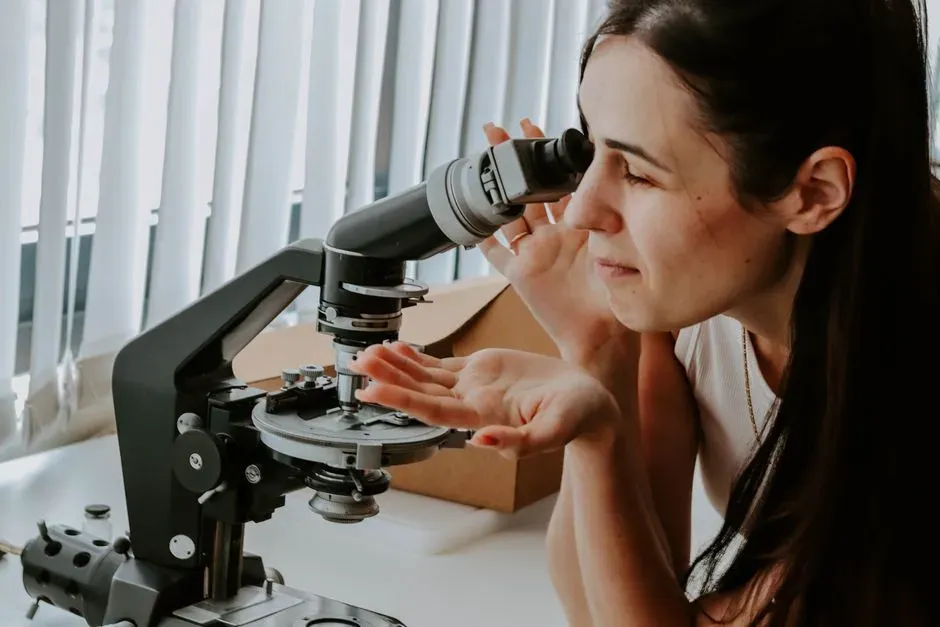
Because these bodies are so well preserved, they hold everyday details that almost never survive in ordinary graves. Stomach and intestinal contents can be examined under microscopes to identify grains, meat fibers and plant fragments, giving us literal snapshots of last meals. Scientists have found complex porridges, smoked meats and even changes in diet that track seasonal work or long-distance journeys. In some cases, wear patterns on teeth and joints match these dietary findings, painting a fuller picture: the kind of repetitive strain from grinding grain, climbing steep terrain or carrying loads day after day. This is not the grand narrative of empires; it is the lived reality of sore backs, aching knees and the comfort of a familiar dish.
The chemical signatures locked in hair and bones also provide climate and landscape clues that pure archaeology often struggles to supply. Isotope analysis tells scientists where people likely got their water and food, which in turn reveals whether they were mostly local or moved across different ecological zones. Variations in these signals over a lifetime can hint at droughts, changing pastures or political shifts that altered food distribution. Put together, these tiny data points turn into stories of adaptation and resilience – families moving with herds when pastures failed, or empires redirecting food flows to support growing capitals. Personally, I find this deeply grounding: the same forces that make us check weather apps or worry about supply chains today were already shaping lives thousands of years ago, just with much higher stakes and fewer safety nets.
The Ethics of Disturbing the Dead: Science, Tourism, and Respect
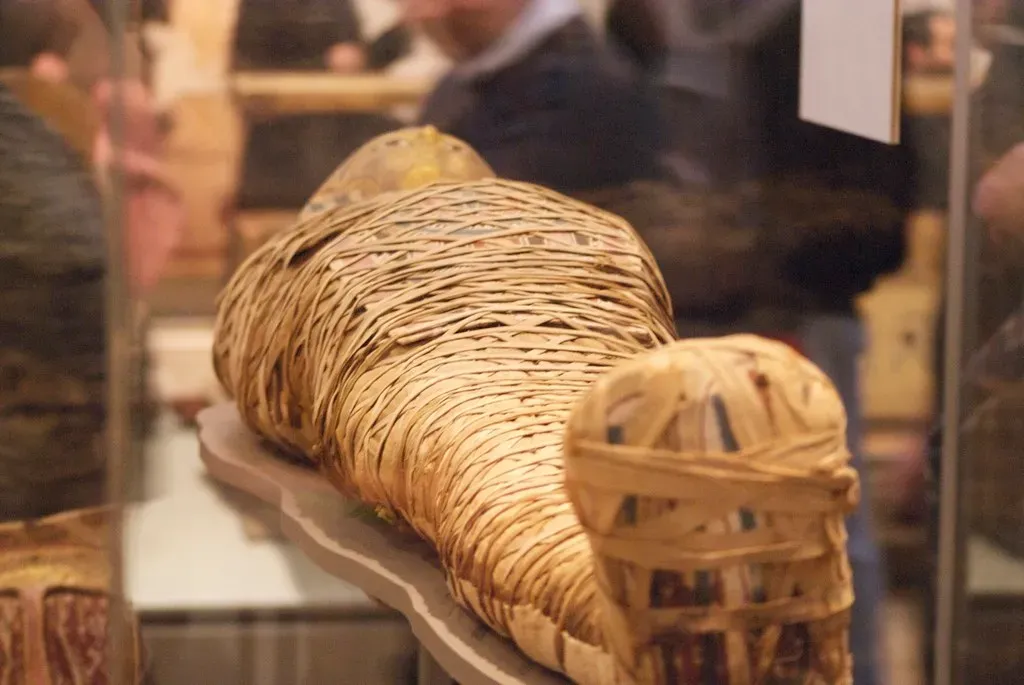
For all the astonishing knowledge these preserved bodies offer, there is an uncomfortable question lurking in the background: what right do we have to study them, display them and build careers on their remains? When you see the Llullaillaco children sitting behind glass in a museum, cheeks still rounded, it is hard not to feel that you are looking at someone who deserves privacy rather than public scrutiny. Many Indigenous communities have raised forceful concerns about how their ancestors’ bodies and burial sites have been handled, especially when early excavations treated them more like curiosities than like people. The fact that the science is now far more careful and respectful does not erase that history.
In the last couple of decades, there has been a slow but real shift towards involving descendant communities in decisions about research and display, including consultation about which tests are acceptable and how remains should be cared for. Some bodies have been reburied or moved out of public view; others remain on display, but with fuller context that foregrounds the wishes of living communities and the humanity of the dead. To my mind, this ethical pushback is not an obstacle to science but a necessary course correction. If the whole point of studying these bodies is to better understand human lives, then it feels hypocritical to ignore the living humans who feel a connection to them. In a way, the deepest lesson these preserved individuals offer is not about past diets or diseases at all, but about how we choose to treat each other across the gulf of time.
Conclusion: What the Undecayed Dead Really Tell Us About Ourselves
Looking across all these cases – an arrow-struck hunter in the Alps, drugged children on a volcano, carefully hanged men in peat bogs – it is tempting to focus on the sensational: the perfect skin, the forensic twists, the horror-movie closeness of death. But the longer I sit with the science, the more I think the most important lesson is how stubbornly human these people are. Their bodies preserve love and fear, obedience and defiance, bad luck and bad decisions, written in scars, tattoos, lesions and the quiet evidence of what they ate for breakfast. We like to imagine that modern life is uniquely complex, yet the evidence in these frozen, tanned and desiccated tissues screams that people have always navigated tangled webs of power, belief, environment and biology.
That is why I think we should resist both extremes: neither worship ancient bodies as mystical relics nor reduce them to anonymous specimens in a lab. The best work in this field treats them as partners in a conversation, where science brings tools and descendant communities bring memory, and both are needed to do justice to the dead. In the end, the world’s best-preserved ancient human bodies act like brutally honest mirrors: they show us that our species has always been fragile, inventive, capable of tenderness and cruelty in equal measure. The real question is not what secrets they still hide, but what we choose to do with the truths they have already laid bare – are we ready to let them change how we see ourselves, or will they just become another curiosity we scroll past?