There is something deeply unsettling about watching a velociraptor open a door with a claw, look straight into the camera, and seem to think. You feel a jolt in your stomach, like you’ve just seen the future and the past collide in one terrifying, brilliant animal. Movies keep returning to these razor-clawed predators, not just as monsters, but as masterminds, planners, and even secret protagonists, and it’s no accident.
When Hollywood turns velociraptors into near‑geniuses, it is quietly telling a story about us: our fear that we are no longer the smartest beings in the room, our guilt about what we’ve done to nature, and our weird desire to see ourselves outsmarted. The science does not support super‑intelligent dinosaur hackers, and yet the myth only grows stronger with each new blockbuster. So why do filmmakers keep cranking up raptor IQ until they’re basically knife‑armed humans with scales?
The Real Velociraptor: Much Smaller, Probably Not a Supervillain
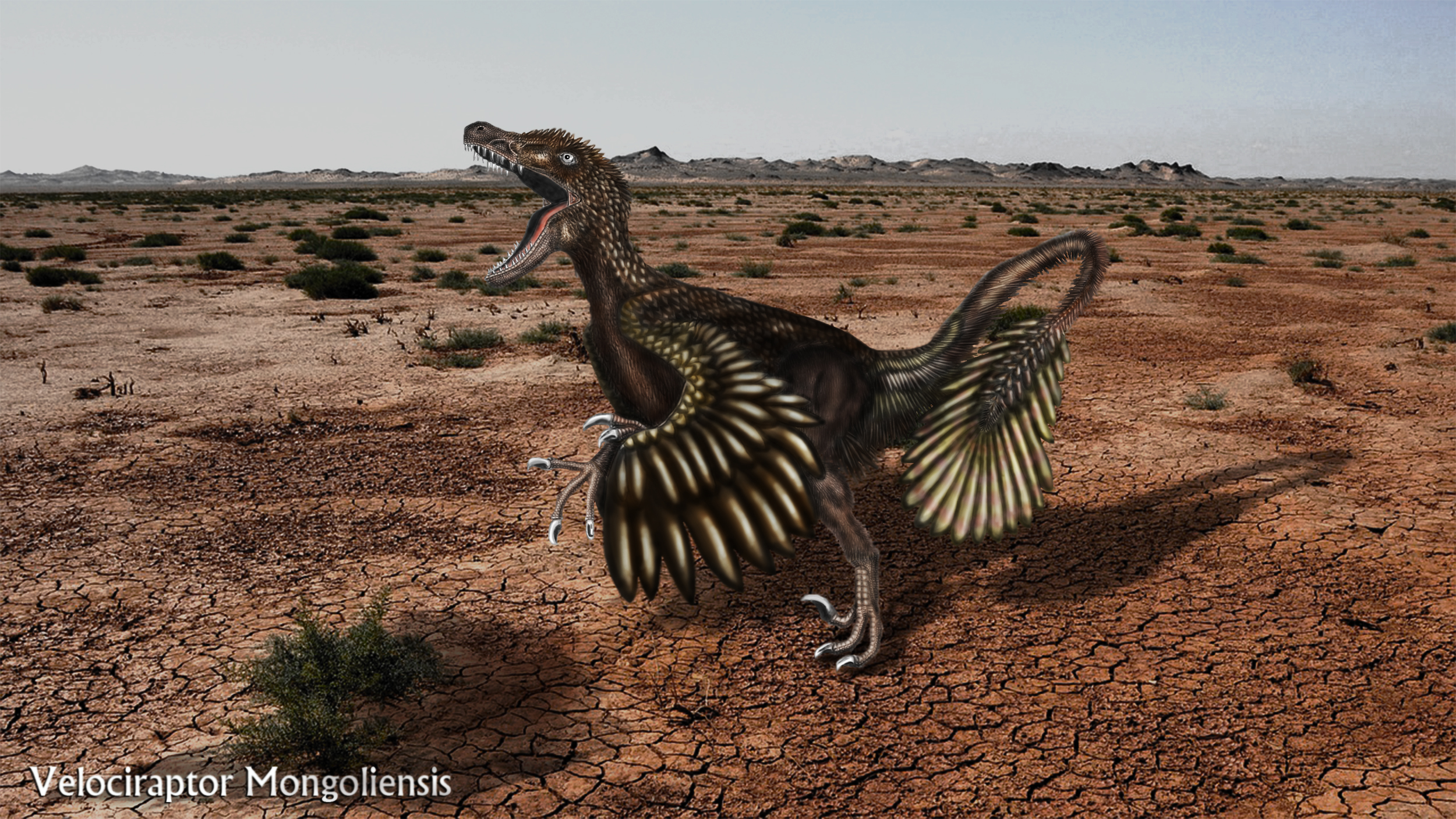
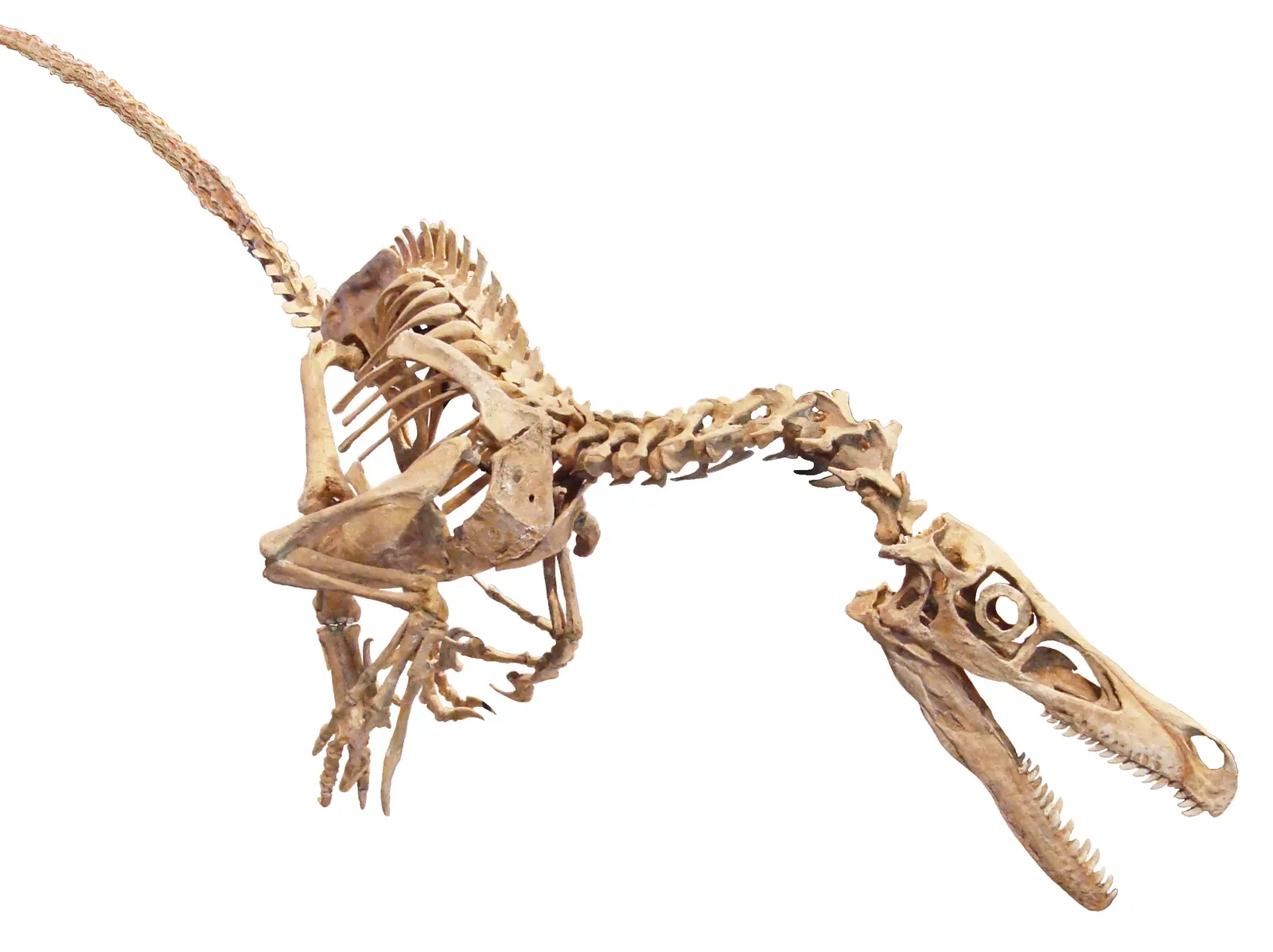
Here is the first shocker: real velociraptors were closer in size to a large turkey than a horse‑sized nightmare. They were feathered, probably lightweight, and very unlikely to be smashing through kitchen doors the way movies love to show them. Paleontologists generally agree that they were fast, agile predators, but not the towering monsters that stalk our dreams.
Scientifically, nobody has found strong evidence that velociraptors were ultra‑intelligent compared to other predatory dinosaurs. Braincase studies suggest they were probably clever enough for pack tactics and hunting, but nothing close to human‑level reasoning or puzzle‑solving. In other words, the cinematic genius‑raptor is not a reconstruction of the past; it is a reflection of our imagination. The gap between the fossil record and the movie version is where the real story sits.
Why Hollywood Loves the “Smarter Than You” Monster
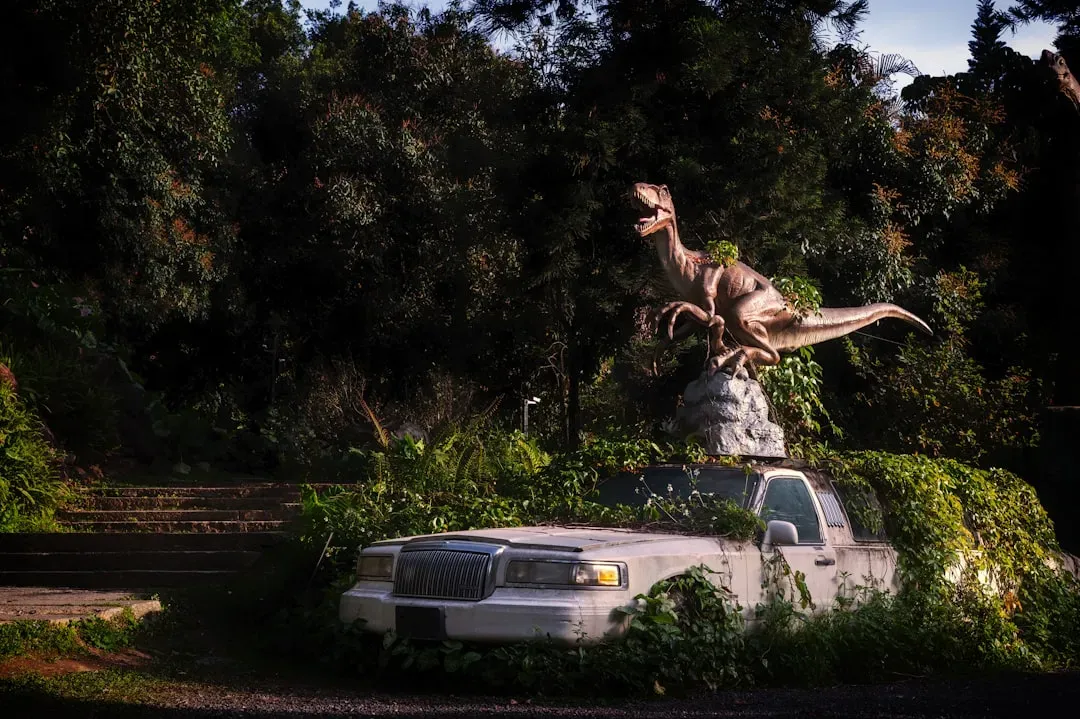
Scary creatures that are just big and strong eventually stop being interesting; there is only so many times you can watch a giant thing smash a car. Add intelligence, though, and now you have a villain that can stalk, plan, and anticipate what the characters will do next. That is what velociraptors have become on screen: not just predators, but rival minds. We are not terrified just that they will eat us, but that they will outthink us.
Filmmakers understand that the most unsettling horror is often psychological. A raptor that can problem‑solve, coordinate with its pack, or learn from mistakes hits a very modern nerve: the fear that something else could knock humans off our mental throne. In that role, velociraptors are like nature’s answer to artificial intelligence in a dinosaur costume. They are a way to explore the nightmare of losing our status as the apex thinker, without making yet another evil robot movie.
Velociraptors as Mirrors of Human Intelligence (and Arrogance)
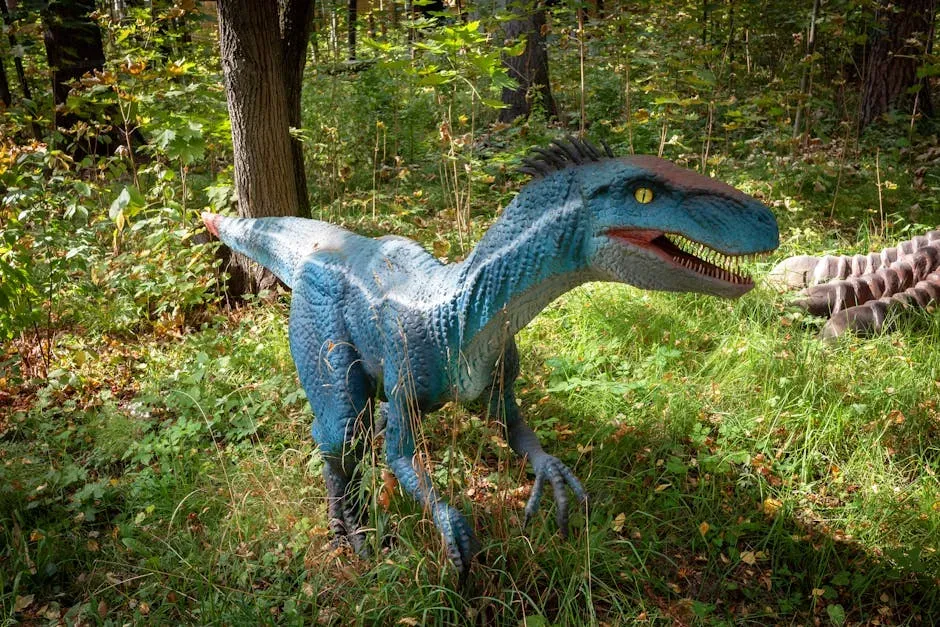
Every time a movie raptor figures out how to test an electric fence, open a latch, or lure a character into a trap, we are really watching our own intelligence turned against us. The raptors learn the rules of a human‑built environment and bend those rules to their advantage. That is a subtle admission that our systems are not as perfect or as secure as we like to believe. The monster is not just strong; it is learning, adapting, and using our inventions as toys.
In that sense, Hollywood’s raptors function like a cultural confession of arrogance. We build fences, labs, weapons, and cages and assume that because we designed them, they will always work. Then the story gives that same problem‑solving drive to something wild and prehistoric, and suddenly everything we built looks fragile. The smarter the raptor appears, the more ridiculous and overconfident our human systems seem, and audiences keep coming back for that uncomfortable honesty.
Dinosaurs, AI, and the Fear of Being Replaced
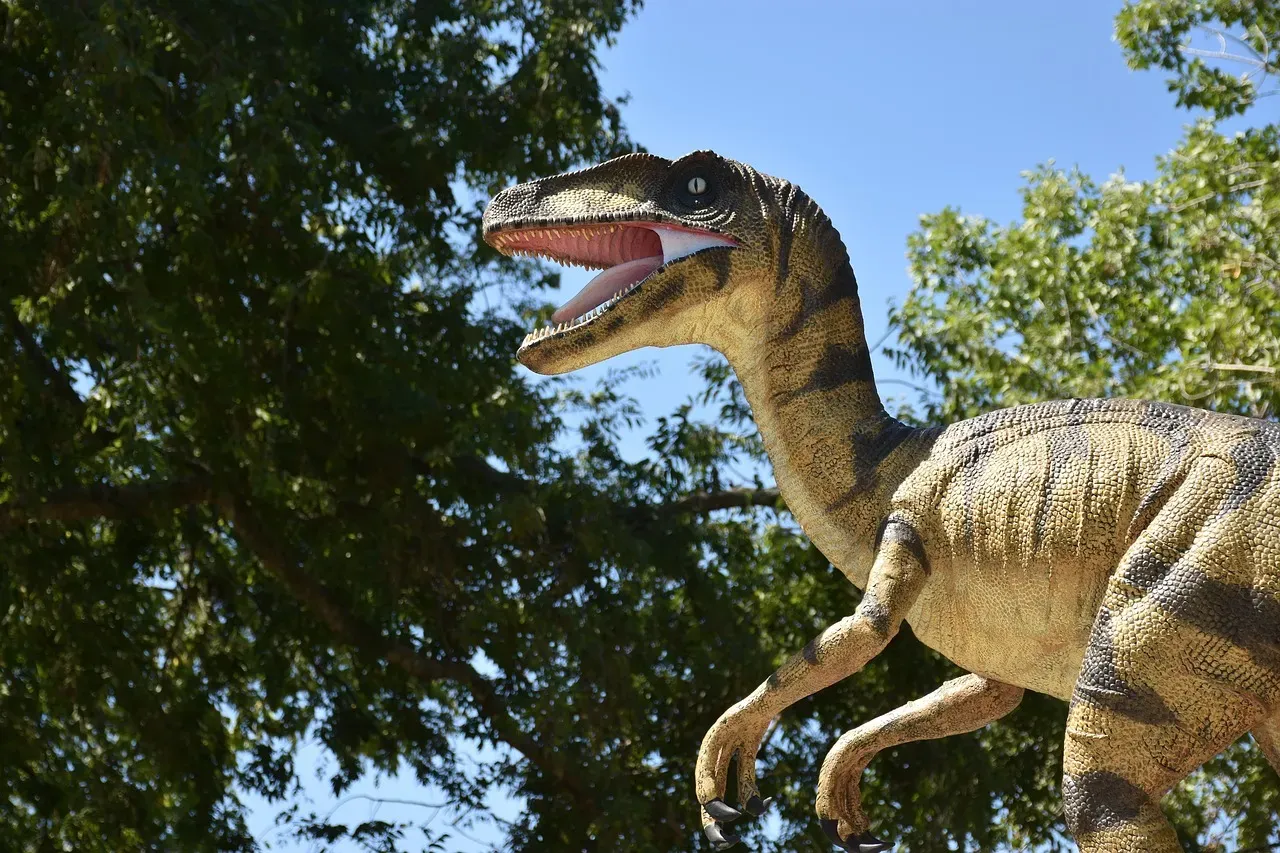
Even though the script is about dinosaurs, the subtext in these films feels shockingly current: what happens when something we created or unleashed becomes smarter than we are? Swap the raptors for advanced AI, and the emotional structure is almost identical. You have entities learning faster than humans, bypassing controls they were never supposed to bypass, and treating us like obstacles, not masters. The claws and teeth are just a more cinematic version of lines of code going rogue.
This is where the “smarter than humans” angle really bites. Velociraptors are a safe stand‑in for our deepest technological anxieties. No one leaves the theater worried that an actual dinosaur is going to stalk their hallway, but they might walk out thinking about what else we are underestimating. Smart raptors let us explore a world where humans are suddenly second place in intelligence, while still keeping us a comfortable distance from real‑world debates about algorithms and machines.
The Pack: Turning Raptors into Social Strategists
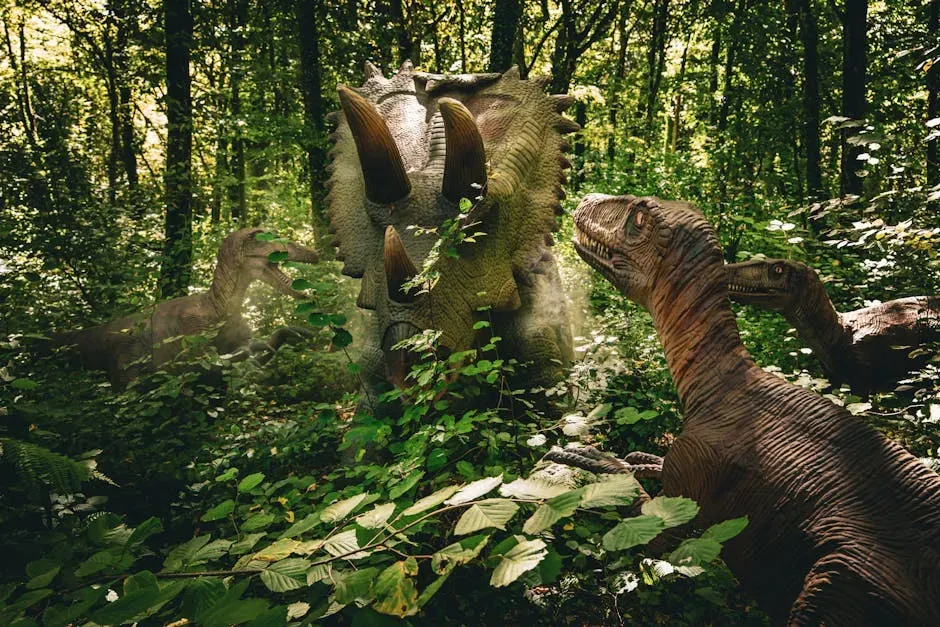
One of the most striking choices in modern dinosaur movies is to present raptors as not just smart, but socially strategic. They move in coordinated packs, flank their prey, and seem to communicate complex plans through looks and calls. Whether or not real velociraptors behaved exactly like wolf‑packs, the cinematic version leans hard into the idea of a shared, almost military intelligence. This turns each encounter into a battle of teams, not individuals.
That pack behavior also makes them feel eerily human. We recognize ourselves in coordinated hunts, in roles and leadership, in the unspoken understanding within a group. When a raptor alpha evaluates a situation and the others respond, it triggers the same narrative brain circuits that we use to understand squads, families, or even office politics. The result is a predator that does not just chase you; it organizes, delegates, and executes a plan, which is a chillingly human way to be hunted.
I still remember the first time I saw a raptor look back at its pack in a movie and clearly “call an audible” in the middle of a chase. It hit me that I was no longer watching an animal; I was watching something that behaved like a dangerous coworker with talons. That is the emotional leap Hollywood is going for: the sense that raptors are not just creatures, but rival teams.
When Raptors Become Almost Human Characters
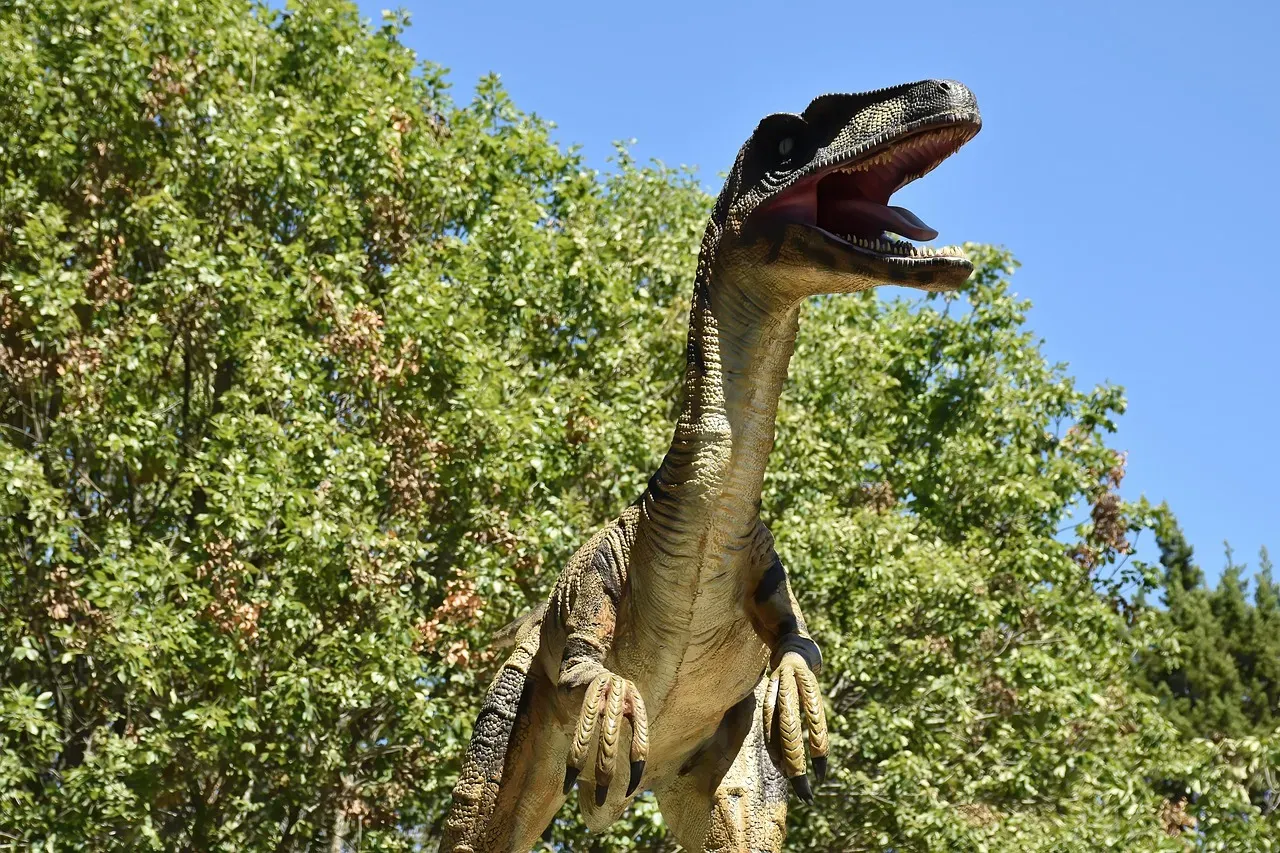
As the franchise cycles rolled on, velociraptors started to be framed less as one‑note monsters and more as recurring characters with personality, loyalty, and even moral ambiguity. Suddenly, you have favorite raptors, raptors that can be trained, and raptors that switch sides. Once a creature becomes a named character with recurring screen time, the pressure to make it feel intelligent skyrockets. Nobody wants a main “character” that just snarls and runs in a straight line.
This is where things get especially strange: the raptor stops being a symbol of nature and starts being a kind of alien friend‑enemy. Filmmakers lean into eye contact, micro‑expressions, and moments of hesitation that feel almost like moral choices. The dinosaur’s brain becomes a blank canvas for whatever human traits the story needs that day: loyalty, rebellion, curiosity, or cold calculation. It is not that Hollywood truly believes a velociraptor could do all this; it is that we are eager to project human depth onto anything that keeps our attention long enough.
The Marketing Logic: Smarter Raptors, Bigger Hype
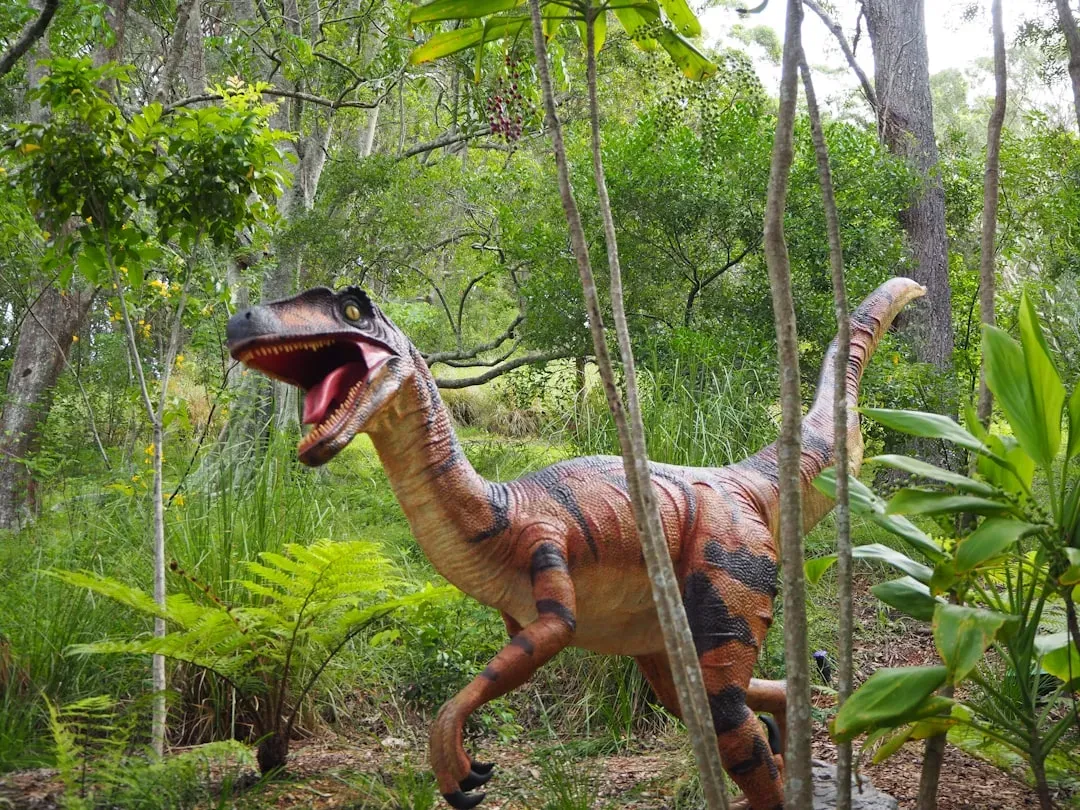
Behind the scenes, there is also a blunt commercial logic. Each new film needs to raise the stakes without simply repeating the same jump scares and chase scenes. Making the raptors smarter is a cheap and powerful way to do that. Once they can bypass security systems, trick humans, or resist control methods that worked in previous movies, the story resets its tension. The old solutions no longer work, which keeps audiences from feeling like they have seen it all before.
There is also a marketing advantage in hinting that this time the dinosaurs are not just bigger, but more advanced. Viewers love the promise of a new kind of threat, something that forces the heroes into unfamiliar territory. Promoting intelligence plays well in trailers and posters, because it suggests twisty, unpredictable danger. In a media landscape where attention is the rarest currency, “they are smarter now” is an easy, punchy hook.
The Strange Truth: It Says More About Us Than About Dinosaurs
When you strip away the claws, the roaring, and the CGI spectacle, the super‑intelligent velociraptor is really a story about human insecurity. We keep imagining nature, technology, or some hybrid of the two coming back to test our claim to being the pinnacle of intelligence. Hollywood leans into that fear because it reliably hits something raw in us: the suspicion that our dominance might be temporary, and that our creations or miscalculations could come back smarter and meaner.
My own take is that we cling to these overpowered raptors because on some level, we think we deserve them. We bulldozed ecosystems, resurrected extinct genomes in fiction, and wrapped the planet in tech we barely understand, and the movies answer with a scaly, knife‑toed judgment day. Velociraptors are not really smarter than humans, but the choice to make them seem that way is a kind of cultural self‑portrait. The strange reason Hollywood keeps doing it is simple and unsettling: we are no longer sure we should be at the top of the mental food chain, and raptors give that anxiety teeth. Did you see them as monsters first, or as our twisted reflection?