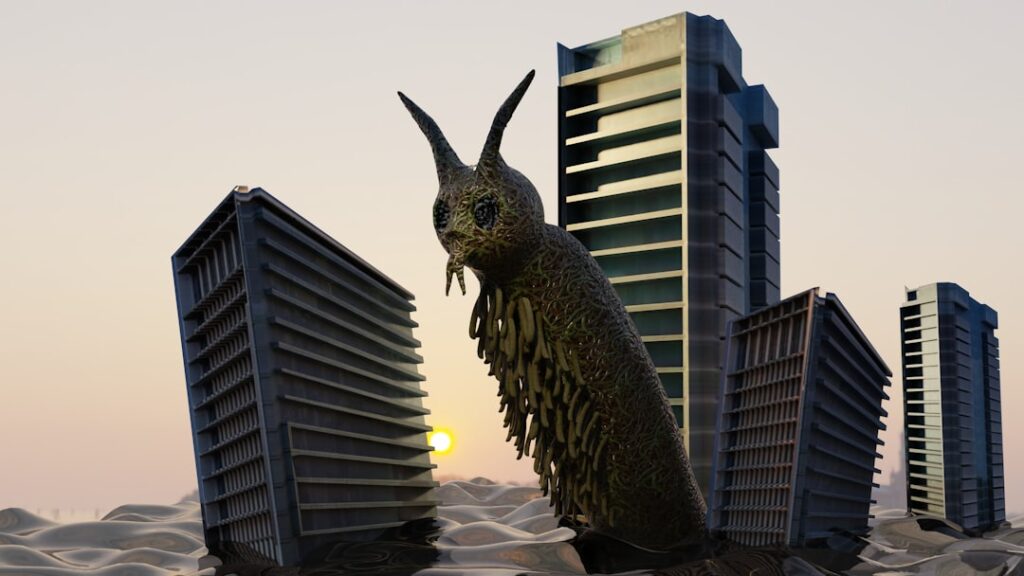
You would think that towering creatures tearing cities apart would send us running for the exits, not back into the theater for a sequel. Yet time after time, humans line up to watch skyscraper-sized beasts stomp, roar, and wreak havoc, and we call it entertainment. There is something strangely comforting about the familiar silhouette of a giant reptile on the horizon or the thundering footsteps of a massive ape shaking the screen. It feels ancient, like an echo from a part of our brain that remembers a world where we were not at the top of the food chain.
Evolutionary psychologists think that this obsession is not a random pop culture quirk, but a side effect of very old mental wiring. Our ancestors survived by paying intense attention to threats, especially big, looming, predatory ones. Today, predators rarely chase us through the streets, but in our stories, they still do, and our brains light up as if the danger were real. Giant monsters are like exaggerated holograms of our deepest survival fears and secret desires, and once you see them that way, it is hard to unsee it.
The Ancient Predator Alarm Still Ringing in Our Heads
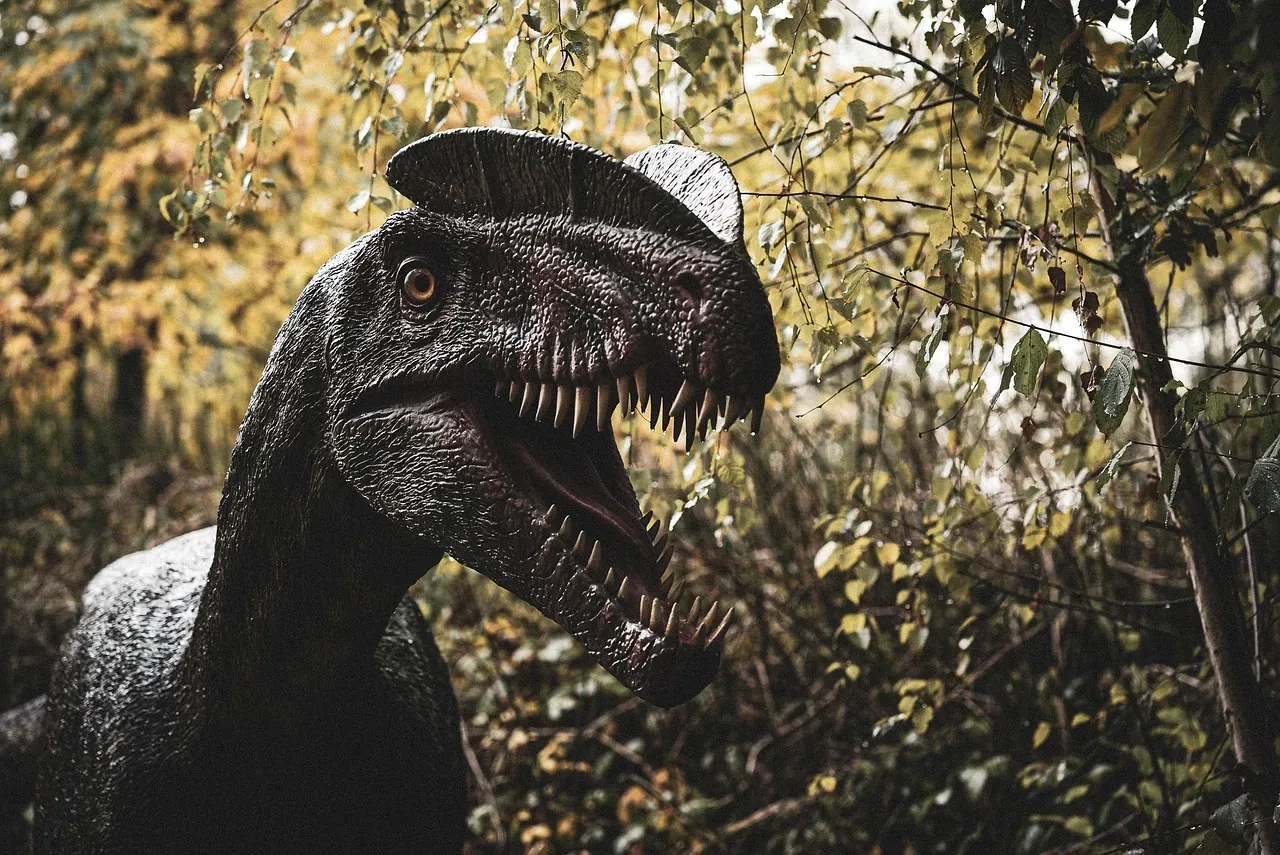
Imagine living tens of thousands of years ago, in a world where something bigger and hungrier than you might be lurking just beyond the firelight. For our ancestors, paying attention to large looming dangers was not entertainment; it was life or death. Evolutionary psychology suggests that the human brain developed specialized circuits for rapidly detecting predators, especially big ones with forward-facing eyes, sharp teeth, or sudden movements. These mental alarm systems were tuned to overreact rather than underreact, because mistaking wind for a tiger was cheaper than mistaking a tiger for wind.
Giant monsters hijack this old alarm system by pushing every button at once. They are oversized, loud, and impossible to ignore, often combining traits of multiple predators into one massive threat. Even though we know the creature is fictional, our bodies respond with quickened heartbeats, sweaty palms, and a jolt of adrenaline, much like our ancestors might have felt while hearing branches snap behind them at night. The difference is that we now experience this rush from the safety of a couch or a cinema seat, enjoying the very fear that would once have sent us sprinting for our lives.
Why Our Brains Pay Extra Attention to Huge, Looming Things
Our visual system is not neutral; it is biased to notice some things more than others, and big, looming shapes are at the top of that list. Research in psychology shows that rapidly approaching objects, especially those that appear large, are processed as potential threats and command priority in our attention. This makes basic survival sense: an object that is moving toward you and getting bigger by the second could be trouble, whether it is a rock rolling downhill or something with teeth. Our brains evolved to flag that pattern as critical before we even consciously understand what we are seeing.
Giant monsters are basically the ultimate looming object. When a massive creature strides into view, it triggers that hardwired system in a dramatic way: its size, its motion, and its direction all scream danger. The camera angles in monster movies often exaggerate this further, showing the beast from a low, human perspective, so the threat seems even more overwhelming. Without us realizing it, we stay glued to the scene because our ancient neural hardware is shouting that this is information we cannot afford to miss, even if we are safe in real life.
The Safe Threat: How Fiction Lets Us Enjoy Fear
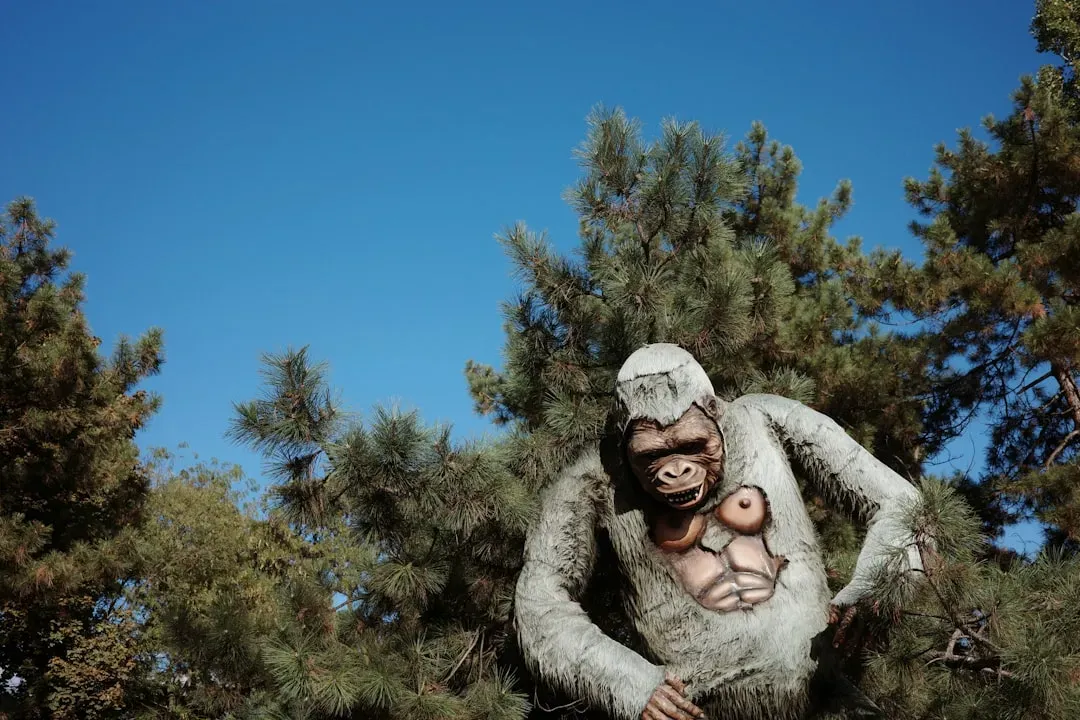
One of the strangest things about being human is that we willingly seek out experiences that mimic fear and danger, as long as there is a safety net. Evolutionary psychologists argue that this is not a flaw, but a training feature: simulated threat allows us to rehearse responses without risking our lives. Just as children play games of chase or mock fighting to practice dealing with danger, adults turn to horror, thrillers, and giant monster stories for a more elaborate form of the same instinct. The key is that our rational mind knows we are safe, even while our emotional systems flirt with panic.
Giant monsters create the perfect safe threat. They are so exaggerated that we know, logically, we will never face them in our daily routine, yet they still plug into ancient fear systems enough to make our hearts race. That gap between emotional reaction and rational safety is what makes the experience addictive. We get the adrenaline rush, the sense of surviving chaos, and the relief when the credits roll, all without any real risk. It is like stepping onto a roller coaster designed by our Paleolithic brain, just built out of CGI and sound design instead of wood and steel.
The Allure of Catastrophe: Testing Ourselves Against the Apocalypse
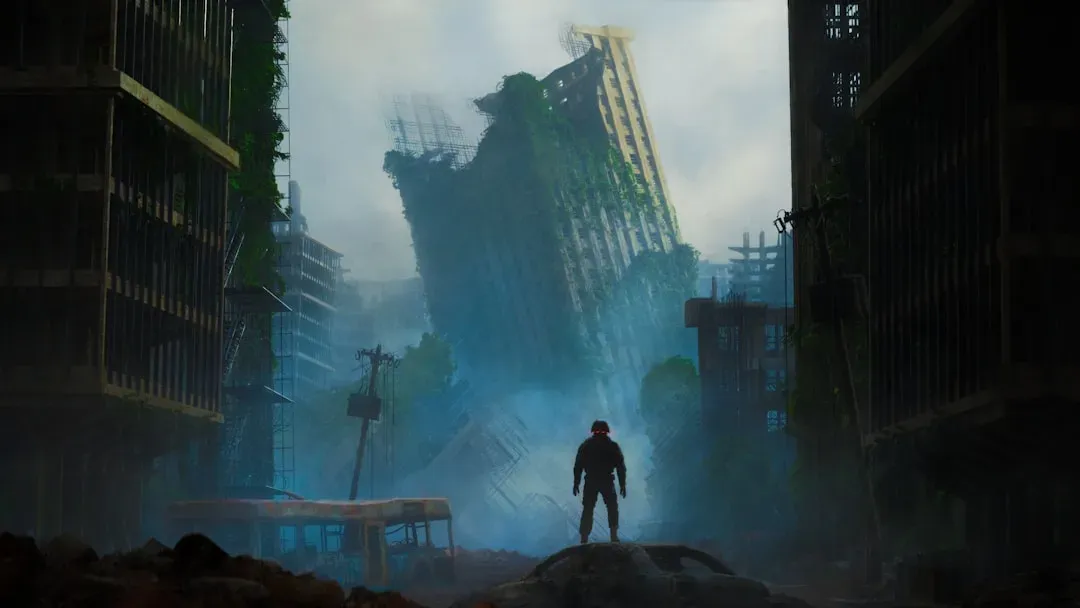
Humans have always told stories about the end of the world, from ancient flood myths to modern disaster movies. Giant monsters slot perfectly into this pattern by acting as walking, roaring apocalypses that tear down our fragile sense of control. Evolutionary psychology suggests that we are drawn to scenarios that test our ability to cope with extreme threats, because mentally rehearsing catastrophe can improve problem solving and resilience. When we imagine how we would respond, where we would hide, or who we would save, we are running simulations that feel strangely useful.
Watching a colossal creature crush buildings like sandcastles is horrifying, but there is also a thrill in seeing our species pushed to the limit. Some people quietly imagine themselves as the clever survivor, the resourceful leader, or even just the ordinary person who somehow makes it through. In that way, monster-driven destruction becomes an emotional stress test; we deliberately lean into chaos to see how it feels and to fantasize about emerging on the other side. It is dark, sure, but it is also a way for a very anxious, very imaginative species to practice facing the unthinkable.
Big, Scary, and Kind of Cute: Our Love of Hyperbolic Creatures
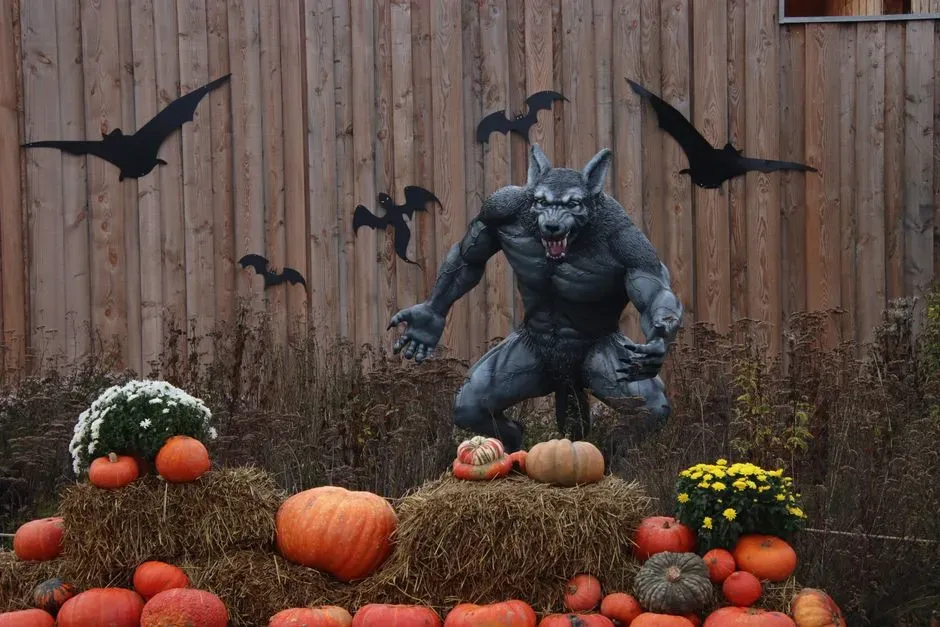
There is a funny twist to many giant monsters: as terrifying as they are, they can also feel strangely endearing or even cute. Oversized eyes, lumbering movements, and expressive faces can trigger the same nurturing instincts we feel toward animals or even babies, just cranked up to a surreal scale. Evolutionary psychology has long noted our responsiveness to certain features that signal vulnerability or familiarity, and monster designers often blend those cues into otherwise menacing creatures. The result is a bizarre fusion: a towering beast we would never want to meet, yet secretly kind of like.
This mixture of fear and affection can make giant monsters feel less like pure villains and more like misunderstood forces of nature. Sometimes the creature is framed as a victim, awakened or provoked by human arrogance, pollution, or war. That framing taps into moral emotions and empathy, not just fear, inviting us to care about something that could crush us with one casual step. It is a psychological tightrope: we are fascinated because the monster sits right on the edge between threat and almost companion, the way a thunderstorm can be both terrifying and beautiful when watched from a safe distance.
Tribal Brains, Giant Foes: Uniting Against a Common Enemy
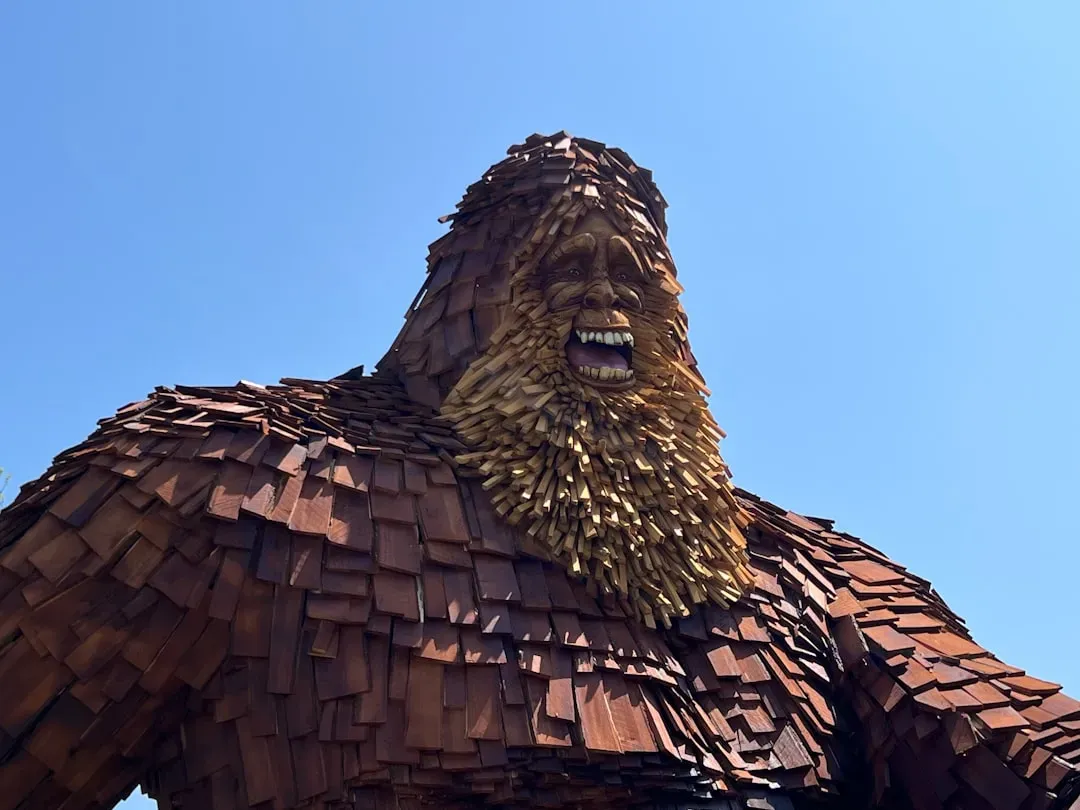
Humans are deeply social and intensely tribal; our brains evolved to navigate loyalty, status, and group conflict. One reliable way to reduce infighting within a group is to introduce a bigger, external enemy that everyone can rally against. From an evolutionary angle, this made sense: cooperating to face a shared threat improved a group’s odds of survival. Giant monsters serve as an ideal symbolic enemy, huge enough to swallow all our smaller disputes and redirect our attention toward collective survival.
In stories, cities, nations, or even rival factions often have to work together to confront the towering creature on the horizon. Viewers get to experience that feeling of unity, of “us against it,” without any of the real-world costs. This scratches a deep psychological itch for belonging and coordinated action, like a massive, imaginary team sport with very high stakes. On some level, cheering for humanity against the monster is cheering for the idea that, despite everything, we are capable of pulling together when it really matters.
Monsters as Mirrors: What Giant Beasts Say About Us
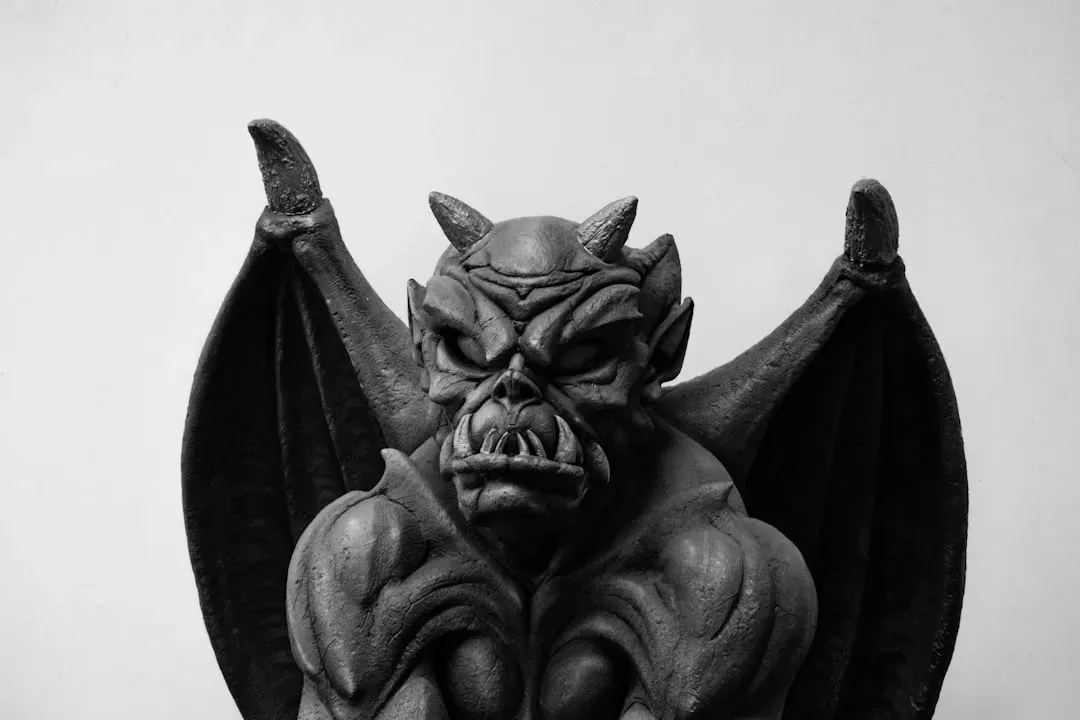
Evolutionary psychology does not just see monsters as random nightmares; it sees them as reflections of our fears, drives, and conflicts. A colossal predator can embody our fear of being prey, but it can also symbolize our own aggressive impulses, our technological excess, or our disregard for the environment. Over time, the kinds of giant monsters that dominate pop culture tend to map onto whatever anxieties are simmering in a particular era. While the core draw may come from ancient predator detection systems, the specific form often carries modern meaning layered on top.
When we are captivated by a particular giant creature, we are often responding to more than just size and teeth. The monster might be coded as a punishment for hubris, a metaphor for pollution, or a stand-in for some faceless geopolitical fear, even if we do not consciously notice it. Our evolved brains love stories that wrap emotional lessons inside vivid, high-stakes scenarios, and monsters are perfect delivery vehicles. In that sense, the giant beast on screen is not just attacking a city; it is barging straight into our shared unconscious, acting out conflicts we have not fully named yet.
From Campfire Shadows to IMAX Roars: Ancestral Stories, Modern Screens
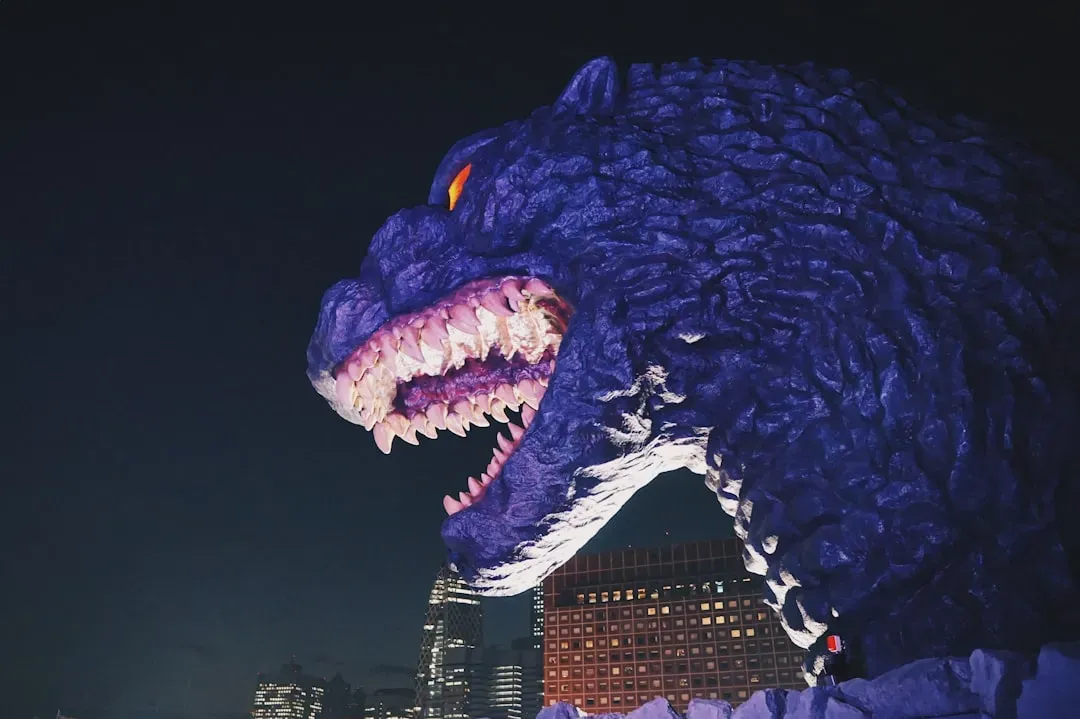
Long before cinemas and streaming platforms, humans told scary stories around campfires, using the darkness beyond the flames as a kind of natural movie screen. Those tales often involved dangerous animals, spirits, or towering beings that blurred the line between nature and nightmare. Evolutionary psychologists see storytelling itself as an adaptation, a way of sharing survival-relevant information and social lessons in a memorable form. Giant monster tales are a high-tech continuation of that very old habit, just scaled up with visual effects and surround sound.
When we sit in a dark theater and watch a giant monster emerge, we are recreating that campfire experience in a new wrapper. Our bodies react in ancient ways, even while the imagery is cutting-edge and glossy. The screen becomes the new darkness, the speakers become the rustling branches, and the monster is the exaggerated shape our ancestors thought they saw in the shadows. It is a weird blend of prehistoric brain and modern technology, and maybe that tension is exactly what makes these stories so satisfying: we get to be both cave dwellers and city dwellers at the same time.
Conclusion: Loving the Beasts That Once Would Have Killed Us
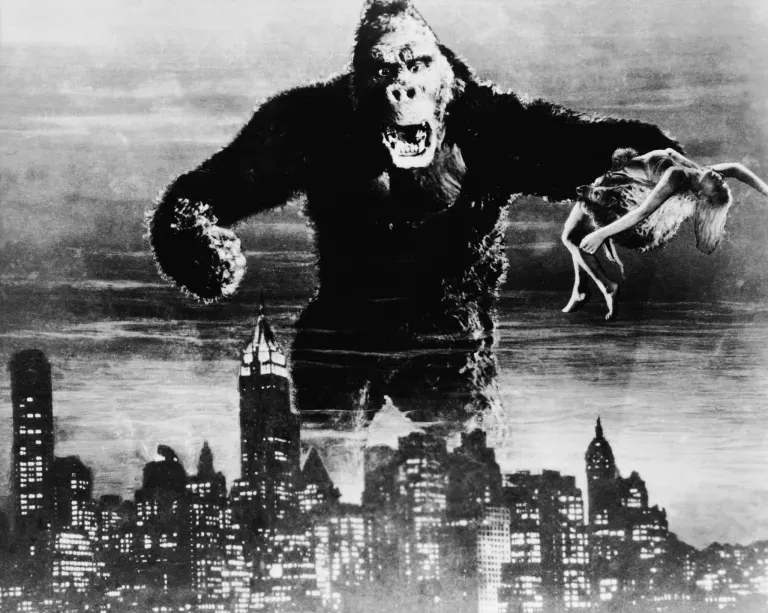
When you look at giant monsters through an evolutionary lens, our affection for them starts to feel less strange and more inevitable. They press on ancient buttons in our brains: predator detection, fear rehearsal, group bonding, and moral storytelling. At the same time, they give us a safe playground to explore dread, awe, and even tenderness toward the very things that symbolize our vulnerability. In my view, that is the real secret behind their staying power: they let us flirt with extinction while still being home in time for dinner.
I think we love giant monsters because they let us experience the raw, primal intensity our ancestors knew, without leaving our modern comfort behind. They remind us that under the Wi‑Fi and the concrete, we are still nervous primates scanning the horizon for danger, secretly thrilled when we find it in just the right dose. Maybe that is the paradox at the heart of it all: we crave safety, but we also crave the feeling of surviving what could have killed us. Next time a huge creature roars on screen and you feel that shiver of delight, you might quietly ask yourself: is it the monster I love, or the ancient version of me that it wakes up?