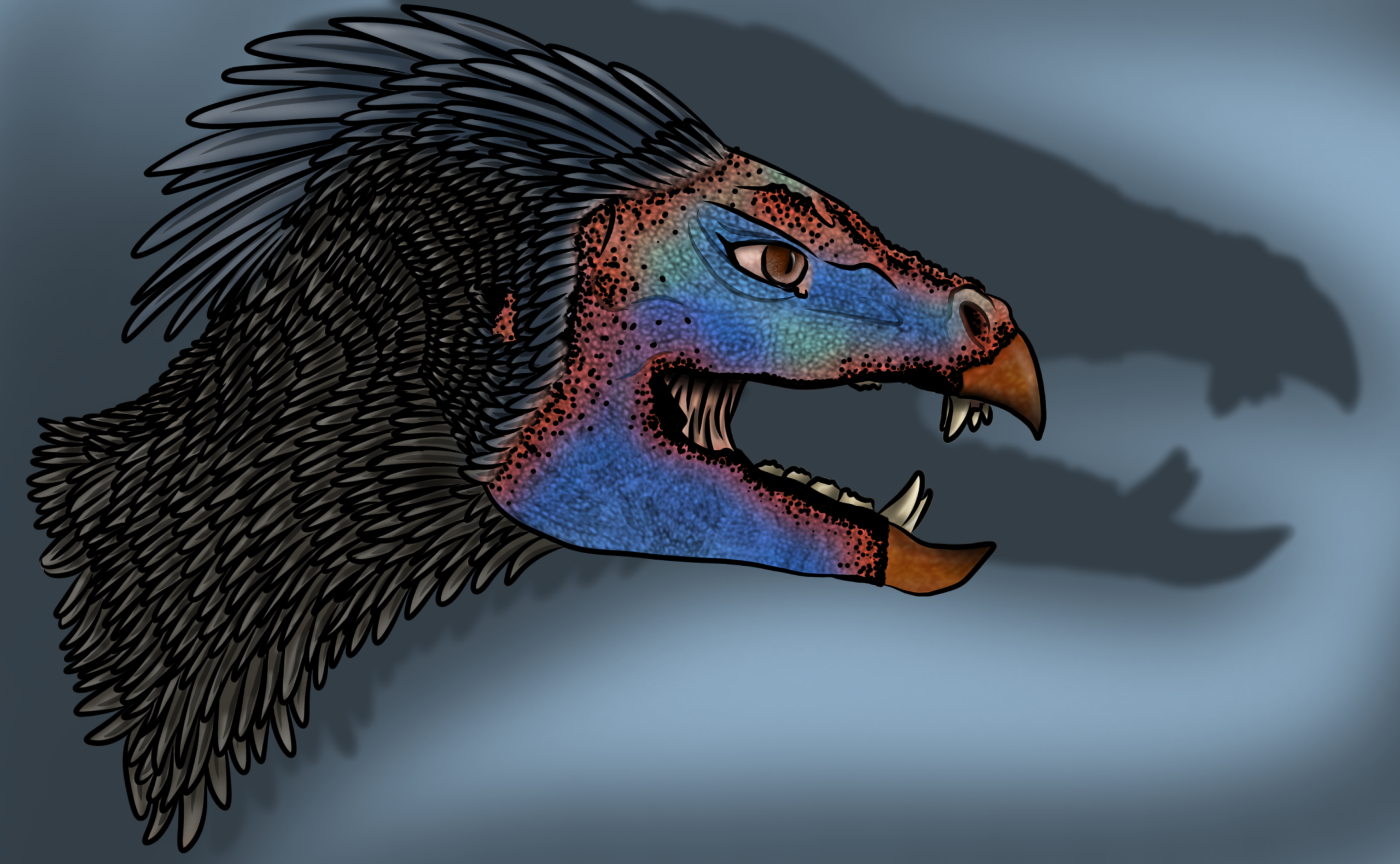
If you tried to design the weirdest dinosaur you could imagine, you’d probably still fall short of Pegomastax. This tiny creature from the Early Jurassic looked like someone mashed up a parrot, a porcupine, and a hedgehog, then shrunk it down to the size of a house cat. It carried a beak, sharp fang-like teeth, and a body covered in bristle-like structures that have left paleontologists arguing about what on earth it was doing with all that equipment.
Yet for all its viral-friendly weirdness, Pegomastax is more than just a quirky internet dinosaur. It sits at a fascinating point in dinosaur evolution, blurring the line between cute and dangerous, plant-eater and potential omnivore, prey animal and living fortress. The more scientists study it, the clearer one thing becomes: this is not a creature that fits neatly into any simple box, and that’s exactly why it has captured so much attention.
A Cat-Sized Dinosaur That Looked Like a Walking Cactus
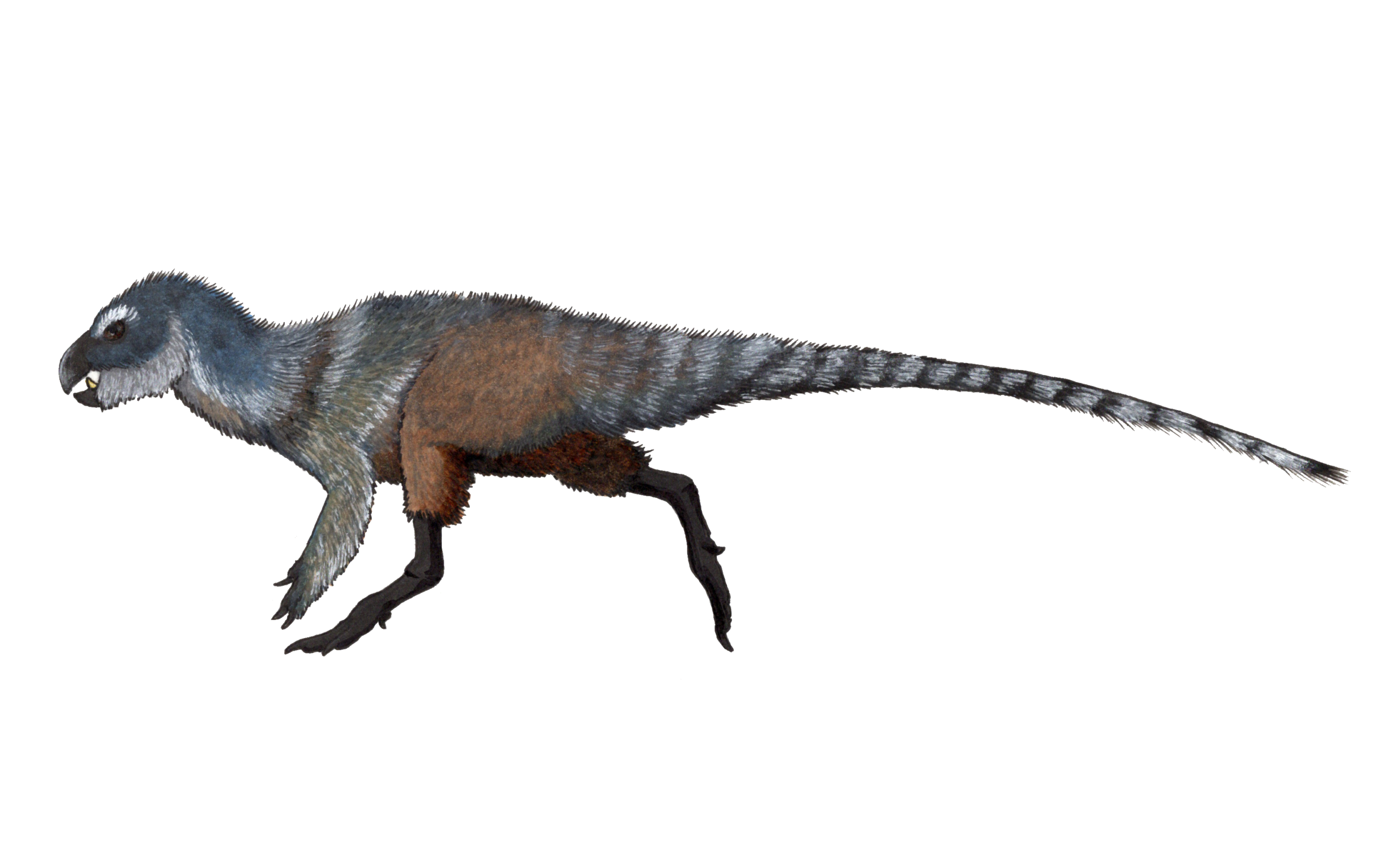
The first shocking thing about Pegomastax is its size. Forget the towering predators you see in movies; this dinosaur was roughly as long as your forearm, with a body mass closer to a small cat than a monster reptile. That in itself is a reminder that most dinosaurs were not giants, but part of a complex ecosystem full of small, fast-moving animals trying not to get eaten. Pegomastax likely darted between low plants and rocks, its small frame helping it stay unnoticed in a world full of much larger threats.
What makes Pegomastax stand out visually, though, is not its size but its covering of spiky, quill-like structures. While we do not have a fully preserved coat like a fossilized porcupine, evidence from close relatives in the heterodontosaur family suggests it bore a coat of bristles or filamentous structures across its body. Picture a lightly built, two-legged dinosaur with a parrot-like beak and a body that, from a predator’s view, looked a bit like a very uncomfortable mouthful. It is the sort of design you’d expect from nature when the main rule is: do not be easy to swallow.
The Porcupine-Like Bristles: Armor, Display, or Both?
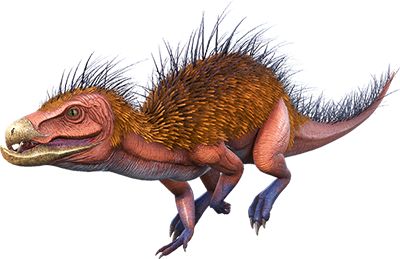
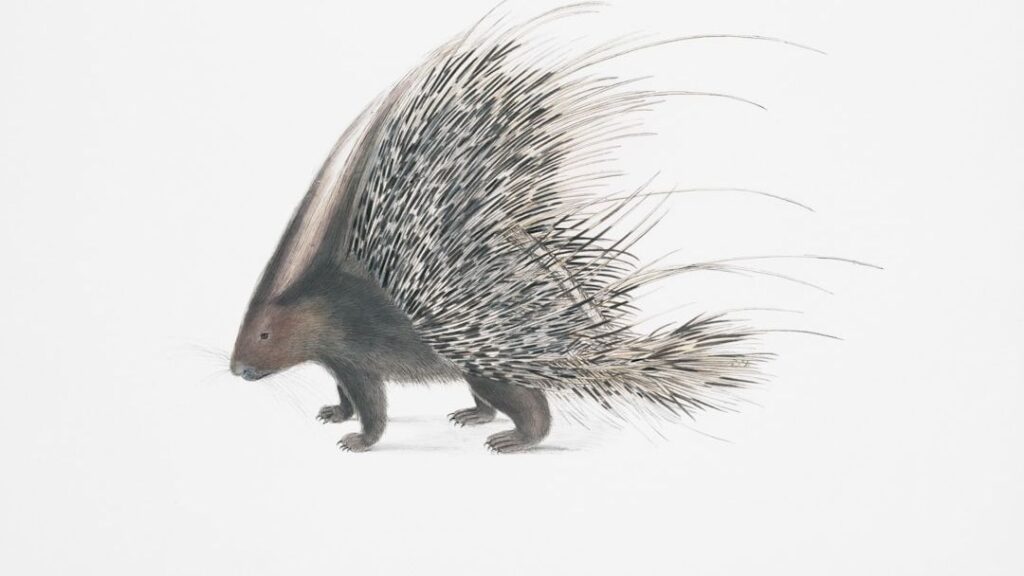
The porcupine comparison comes from those likely bristles, which would have made Pegomastax look bristly or even spiky when fluffed out. Unlike true porcupine quills, which are long, hardened hairs, the structures on small ornithischian dinosaurs were probably more like stiff filaments, somewhere between hair and feather in function. They would not have turned Pegomastax into a walking spear, but they could have made biting it a lot less pleasant and helped discourage casual attacks from smaller predators. Even a minor penalty for biting the wrong prey can make a big difference in survival over thousands of generations.
However, evolution rarely wastes a good structure on just one job. Those bristles could also have been used for visual display: raising them to look bigger when threatened, signaling to potential mates, or helping individuals recognize members of their own species. Think of how a porcupine raises its quills, or how a bird fans its feathers; Pegomastax may have done something similar on a smaller, subtler scale. I like to imagine it puffing up like an angry, spiky bird when a predator got too close, suddenly doubling its apparent size in a last-ditch attempt to say: I’m not worth the trouble.
A Beaked Plant-Eater… With Fangs?
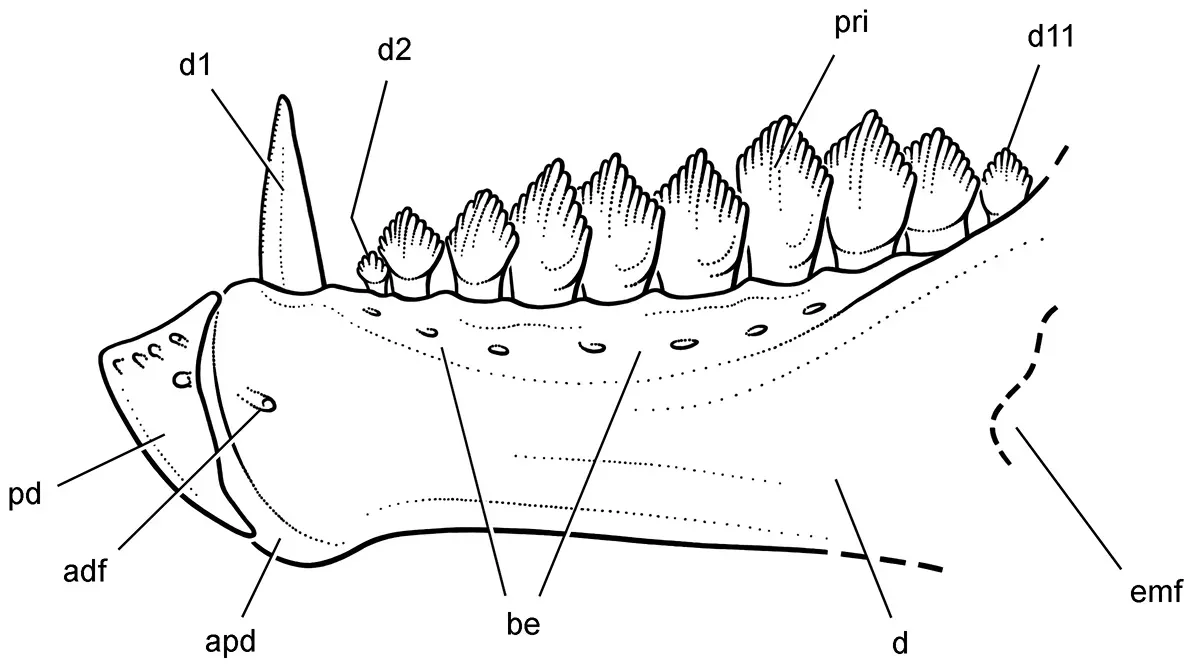
Just when the porcupine-like bristles seem strange enough, Pegomastax throws in another surprise: a sharp, parrot-style beak paired with enlarged canine-like teeth. The front of its jaws was equipped with a beak ideal for clipping vegetation, much like a modern parrot or tortoise. Behind that, its cheek teeth were adapted for grinding plant material, which fits comfortably with the idea of it being primarily herbivorous. In other words, this spiky little dinosaur was probably spending a lot of its day doing something very unglamorous: quietly chewing plants.
The fangs, though, are what capture people’s imagination. Those enlarged teeth may have helped it process tougher plant material, like seeds, nuts, or fibrous stems, much the way some rodents use their incisors. Some scientists have suggested it could have been an occasional omnivore, nipping at insects or small animals when the opportunity arose. In my view, it is more productive to see it not as a secret predator in disguise but as a flexible forager, armed with a slightly overbuilt toolkit that allowed it to survive in changing environments. Nature often prioritizes versatility over perfection, and Pegomastax feels like a case study in that principle.
Life on the Ground: A Spiky Survivor in a Dangerous World
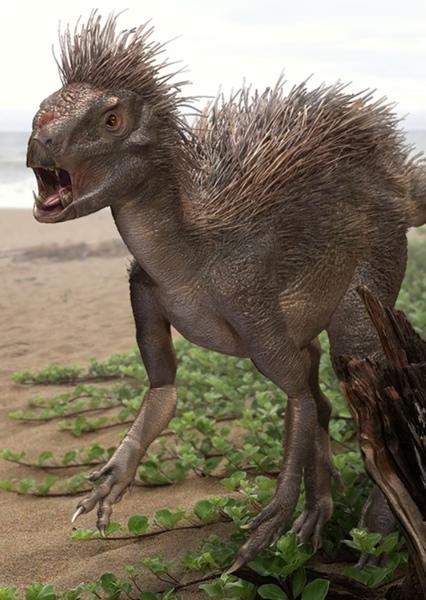
To really appreciate Pegomastax, it helps to picture its world. It lived during the Early Jurassic, a time when dinosaurs were diversifying rapidly into many sizes and shapes, and when predators were a constant, looming risk. A small ground-dweller like Pegomastax would have been on the menu for all kinds of carnivores, from early theropods to opportunistic hunters that snapped at anything they could catch. Being fast, alert, and hard to catch were not optional traits; they were the difference between passing on your genes and becoming someone else’s lunch.
In that context, the porcupine-like bristles, agile body, and potentially sharp bite start to look less like oddities and more like an integrated survival strategy. The bristles added a physical and visual barrier, the small frame allowed quick dashes for cover, and the strong jaws gave it the ability to exploit a range of tough plant foods that less-equipped herbivores might ignore. I like to think of Pegomastax not as a failed experiment in dinosaur design but as a clever, ground-level survivor that made the most of every advantage it could evolve in a hostile landscape.
Why Pegomastax Still Matters: Rethinking What Dinosaurs Could Be
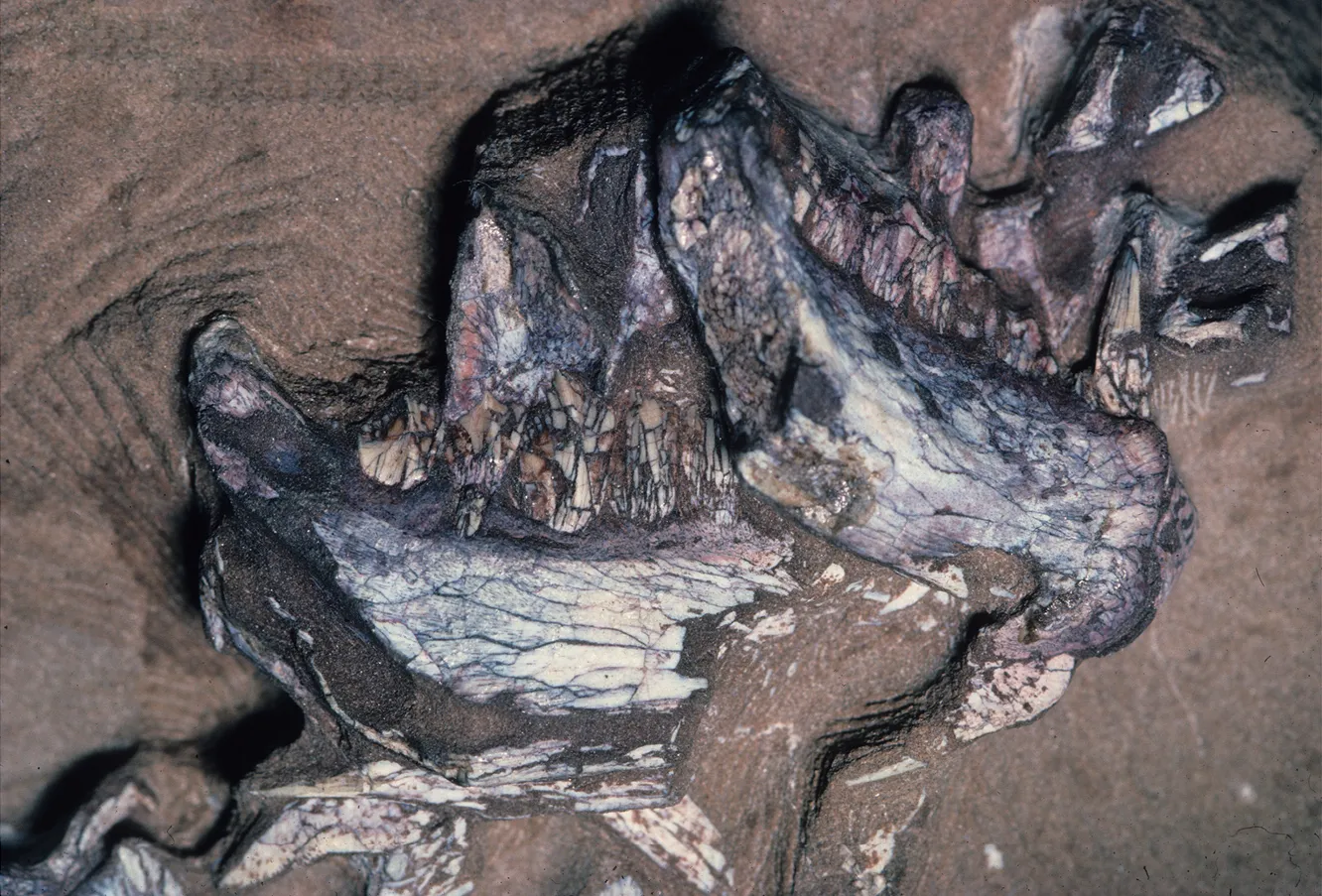
What really makes the strange case of Pegomastax so compelling is how it forces us to rethink our mental picture of dinosaurs. For a long time, pop culture framed dinosaurs as either enormous, scaly predators or lumbering, tail-dragging plant-eaters. A tiny, bristle-coated, beaked animal with possible porcupine-like features does not fit that stereotype at all. It pushes us toward seeing dinosaurs as diverse, experimental, and often downright odd, much more like the varied birds and mammals we see around us today.
In my opinion, Pegomastax is one of those fossils that quietly rewires your sense of the past. It shows that even early in dinosaur history, evolution was already playing with complex body coverings, mixed diets, and intricate defensive strategies. This is not a half-finished prototype; it is a fully realized animal that simply followed a different design path than the giant predators that get all the movie roles. The more we uncover strange, small dinosaurs like Pegomastax, the harder it is to cling to any simplistic story about what dinosaurs were like, and that is a good thing.
Conclusion: A Tiny Dinosaur That Refuses to Be Simple
When you put all the pieces together, Pegomastax comes across as a stubbornly unconventional little survivor. It was small but well-armed with bristle-like coverings, beak and fangs, and a body plan built for alert, ground-level living. Rather than seeing its porcupine-like features as a freakish exception, it makes more sense to treat them as part of a spectrum of defensive and display traits that dinosaurs were experimenting with far earlier than most people realize. In a world obsessed with giant carnivores, this cat-sized oddball quietly reminds us that weirdness can be a path to success.
My honest take is that Pegomastax deserves to be far more famous, not just as a meme-worthy spiky dinosaur, but as evidence that prehistoric life was every bit as inventive, layered, and unexpected as the ecosystems we see today. It challenges our lazy assumptions, nudges us to accept that reality can be stranger than fiction, and invites us to imagine an ancient world full of strange little creatures bristling with quirks. The next time you picture dinosaurs, will you still see only towering monsters, or will a tiny, porcupine-like herbivore sneak into that mental scene and quietly steal the show?