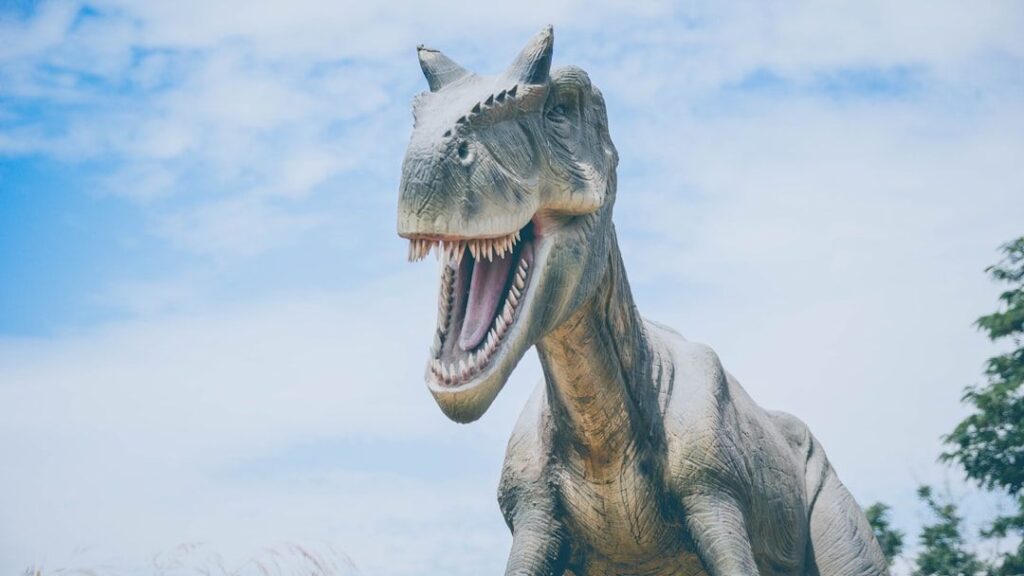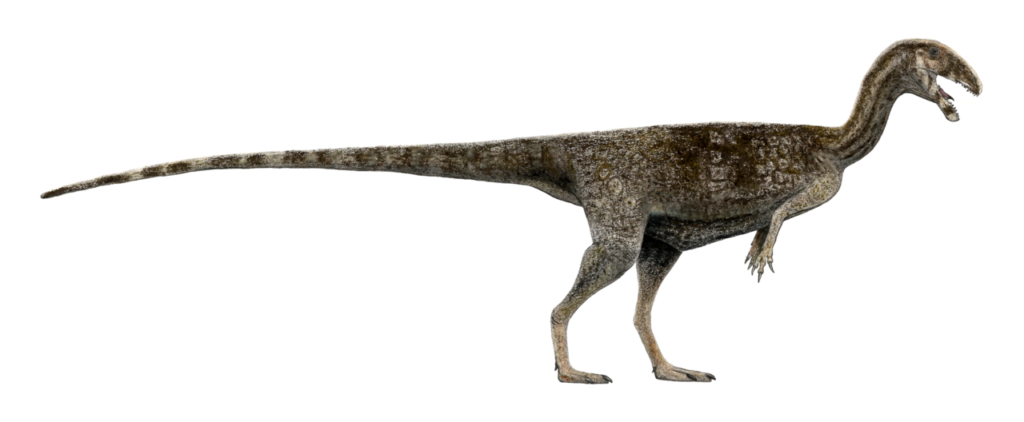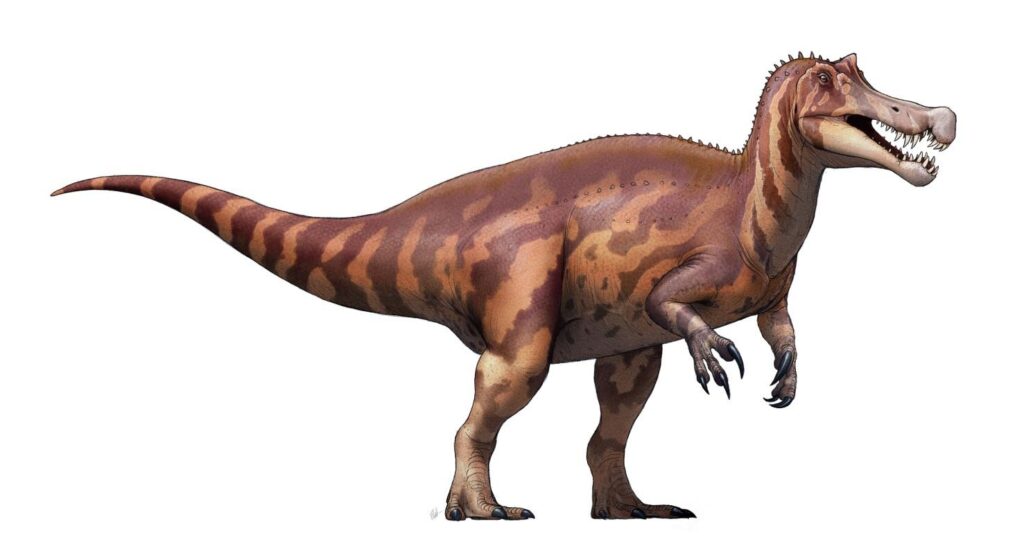
Irritator might just have the most relatable name in the entire dinosaur world. This fish‑eating predator from ancient Brazil did not get its name because it was grumpy or annoying, but because it literally drove the scientists who studied it up the wall. The more they uncovered, the more they realized the fossil had been tampered with, misidentified, and generally messed around with before it ever reached a museum. Imagine finally getting your hands on a rare dinosaur skull, only to discover someone had “fixed” it with car body filler and random bones.
But once you get past the chaotic backstory, Irritator turns out to be genuinely fascinating. It was a sleek spinosaurid hunter with a crocodile‑like snout, a brain tuned for tracking movement, and a lifestyle that blurred the line between land predator and aquatic specialist. In a way, it is a perfect example of how messy, emotional, and oddly human real science can be. Let’s dive into eight of the most intriguing things we know about this wonderfully named dinosaur.
1. Its name literally comes from scientific irritation
The story behind Irritator’s name sounds like something out of a dark comedy. When paleontologists first examined its skull, they discovered that fossil dealers had artificially lengthened and “improved” it using extra bone fragments and even modern filler material to make it look more spectacular and fetch a higher price. Cleaning all of that off and figuring out what was real and what was fake took a lot of painstaking, frustrating work. By the time the scientists were done, “irritation” felt like the most honest description of the entire experience, and the dinosaur was officially christened Irritator.
There is something almost refreshing about how blunt that choice is. Most dinosaur names are poetic, grand, or mythic, but this one is basically the scientific version of an eye roll. It is a reminder that fossil science is not just about dramatic discoveries – it is also about dealing with human greed, sloppy preparation, and the emotional roller coaster of realizing your “amazing” specimen has been heavily altered. Personally, I love that the irritation was immortalized in the name instead of hidden behind polite language. It makes the whole field feel more honest and more human.
2. It was first mistaken for a giant flying reptile
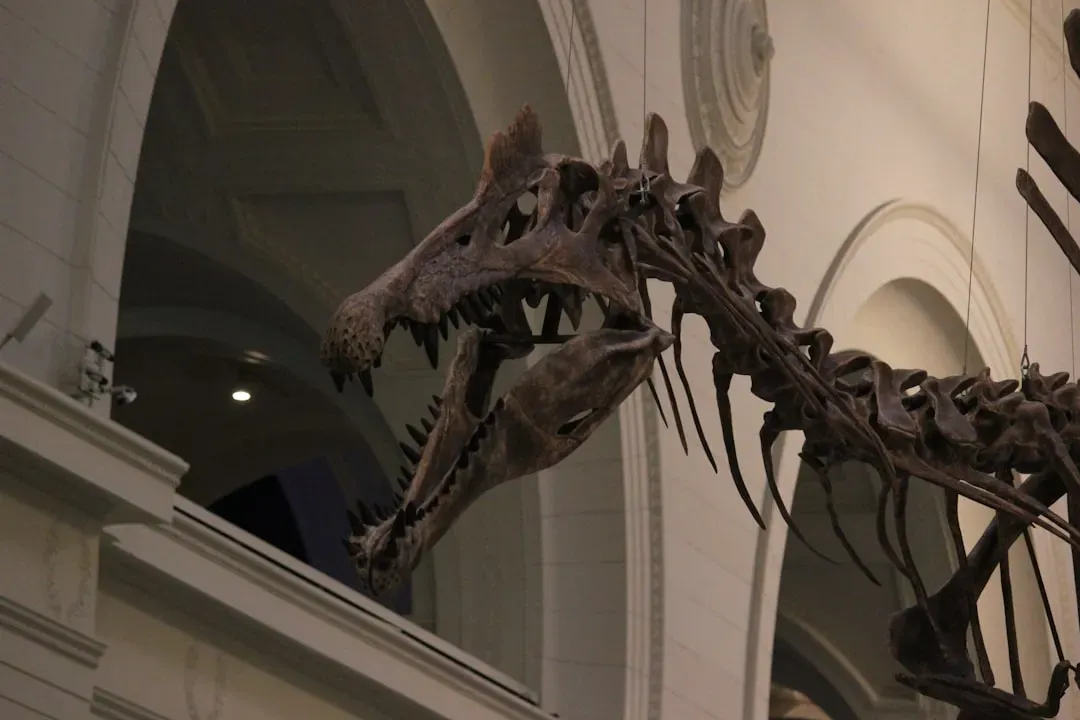
Before anyone realized Irritator was a dinosaur, it was thought to be a pterosaur – a flying reptile like Pteranodon. This mix‑up actually makes sense if you know where it was found. The rocks of the Romualdo Formation in northeastern Brazil are famous for beautifully preserved pterosaurs, so when a long, narrow skull turned up there, many experts instinctively slotted it into the pterosaur category. A paper describing it as a pterosaur was reportedly already in progress before reviewers and further study showed that the teeth, jaw structure, and other details looked far more like a theropod dinosaur.
I find this error weirdly comforting. Even highly trained specialists can be led astray by expectations and context. It is like walking into a bakery and assuming every smell must be bread, even when one of them is clearly coffee. In this case, it took careful comparison with other fossils to realize the skull belonged to a spinosaurid dinosaur instead. That pivot – going from flying reptile to semi‑aquatic predator – completely changed how scientists imagined the animal’s behavior, environment, and place in the ecosystem.
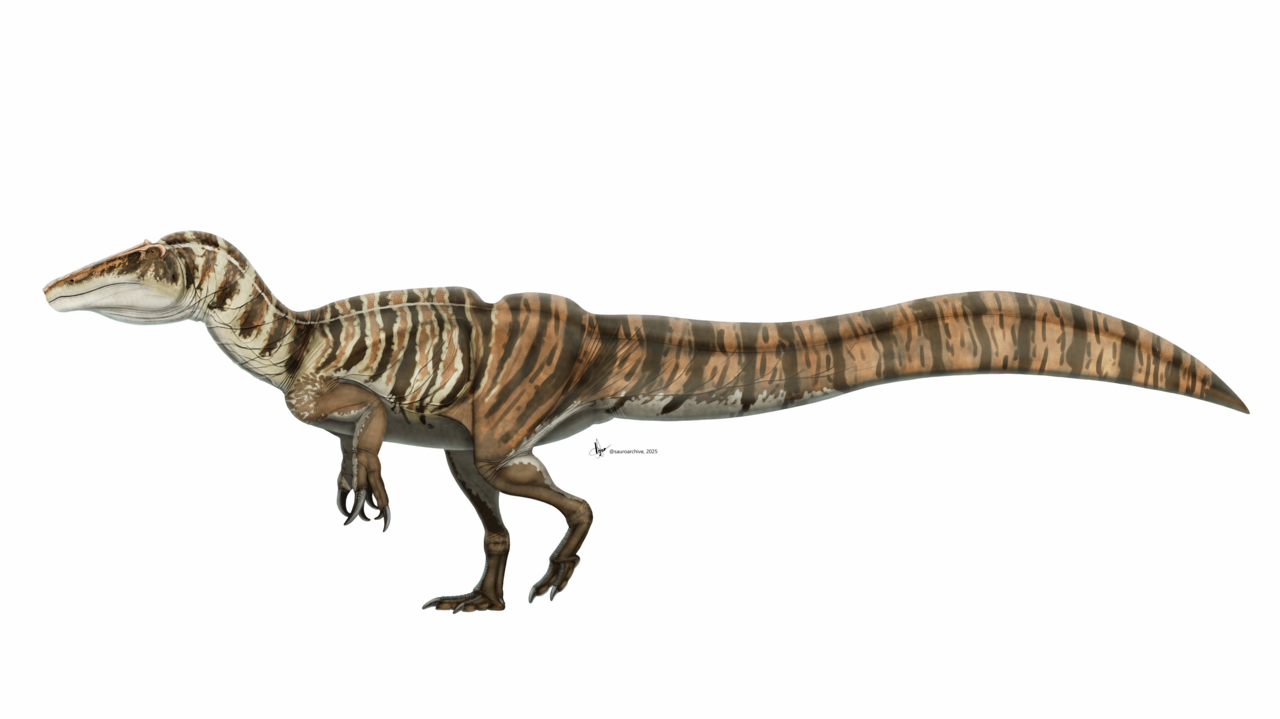
3. Irritator was a medium‑sized spinosaurid with a crocodile‑like snout
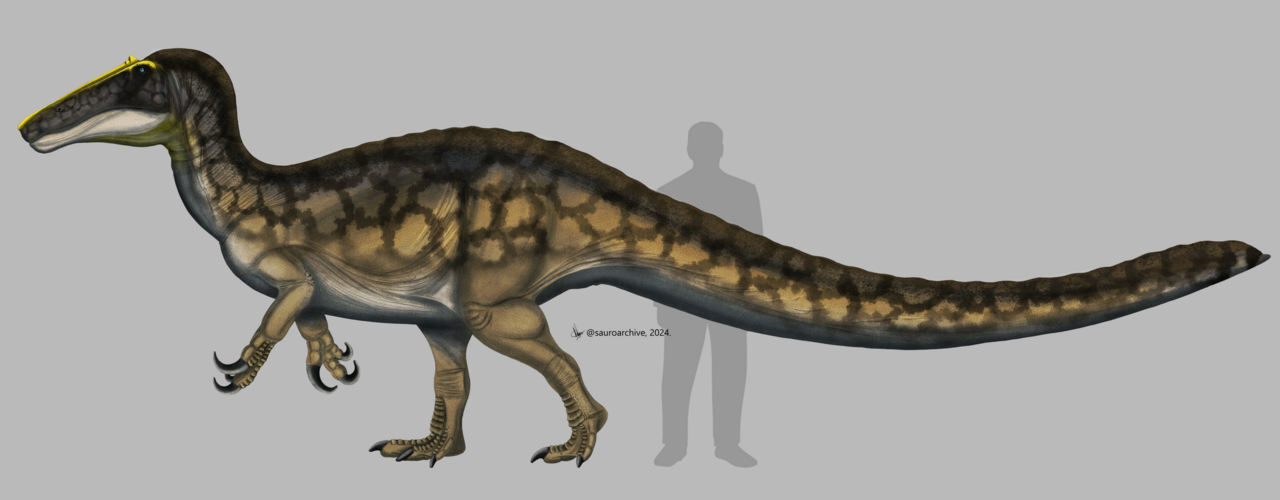
Unlike its oversized cousin Spinosaurus, Irritator was probably closer to what you might call “large, but not monstrous” by dinosaur standards. Estimates based on its skull and related spinosaurids suggest a body length in the several‑meter range rather than the gigantic extremes some spinosaurs reached. Even so, this was not a small animal: picture a powerful, narrow‑snouted predator longer than most cars, moving on two strong hind legs. Its skull is one of the most complete spinosaurid skulls known, which makes it especially valuable for understanding the whole group.
The shape of that skull is one of its standout features. Irritator had a long, slender snout filled with conical, unserrated teeth – much more like a crocodile’s jaws than the blade‑edged teeth we normally associate with meat‑eating theropods. The nostrils sat further back from the tip of the snout, and it had a reinforced secondary palate in the roof of the mouth, again echoing crocodiles. All of that points toward a lifestyle where snapping at slippery, struggling prey – especially in or near water – was the norm. If you imagine it standing in a shallow lagoon, jaws poised above the water like a heron with the power of a small truck, you are not far off.
4. It was probably a fish‑eater that did not say no to other prey
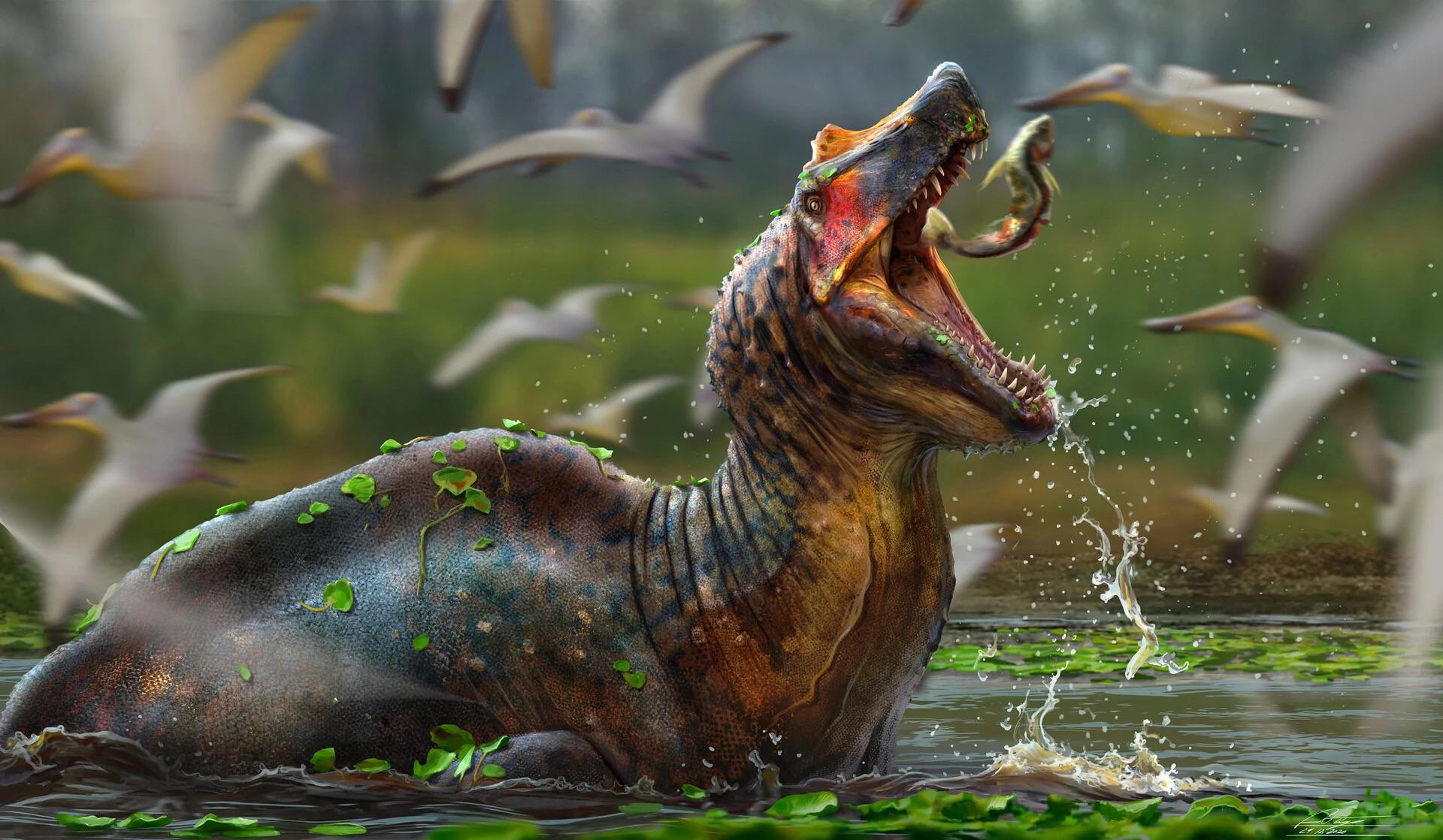
Everything about Irritator’s anatomy screams “fish specialist,” but not “fish only.” Its conical teeth are perfect for gripping rather than slicing, which is exactly what you’d want when catching wet, thrashing animals that you cannot easily tear apart mid‑air. The long snout would have allowed it to quickly snap at prey without pushing a lot of water in front of its jaws, giving it a stealth advantage. Studies of its skull structure and inner ear suggest it had good coordination for tracking and reacting to movement, which fits nicely with the idea of it lunging at darting fish.
But like modern crocodiles, Irritator almost certainly was an opportunist. Fossil evidence from closely related spinosaurids, and a direct case of an Irritator individual associated with pterosaur remains, indicate that these animals did not turn their noses up at other prey. If a small dinosaur, a turtle, or even a flying reptile got too close to the water’s edge – or was already dead and floating – there is no reason to think Irritator would have been picky. In my mind, that makes it feel less like a specialist diva and more like the practical, take‑what‑you‑can‑get predator that successfully thrives in a tough environment.
5. Its brain and senses show adaptations for life around water
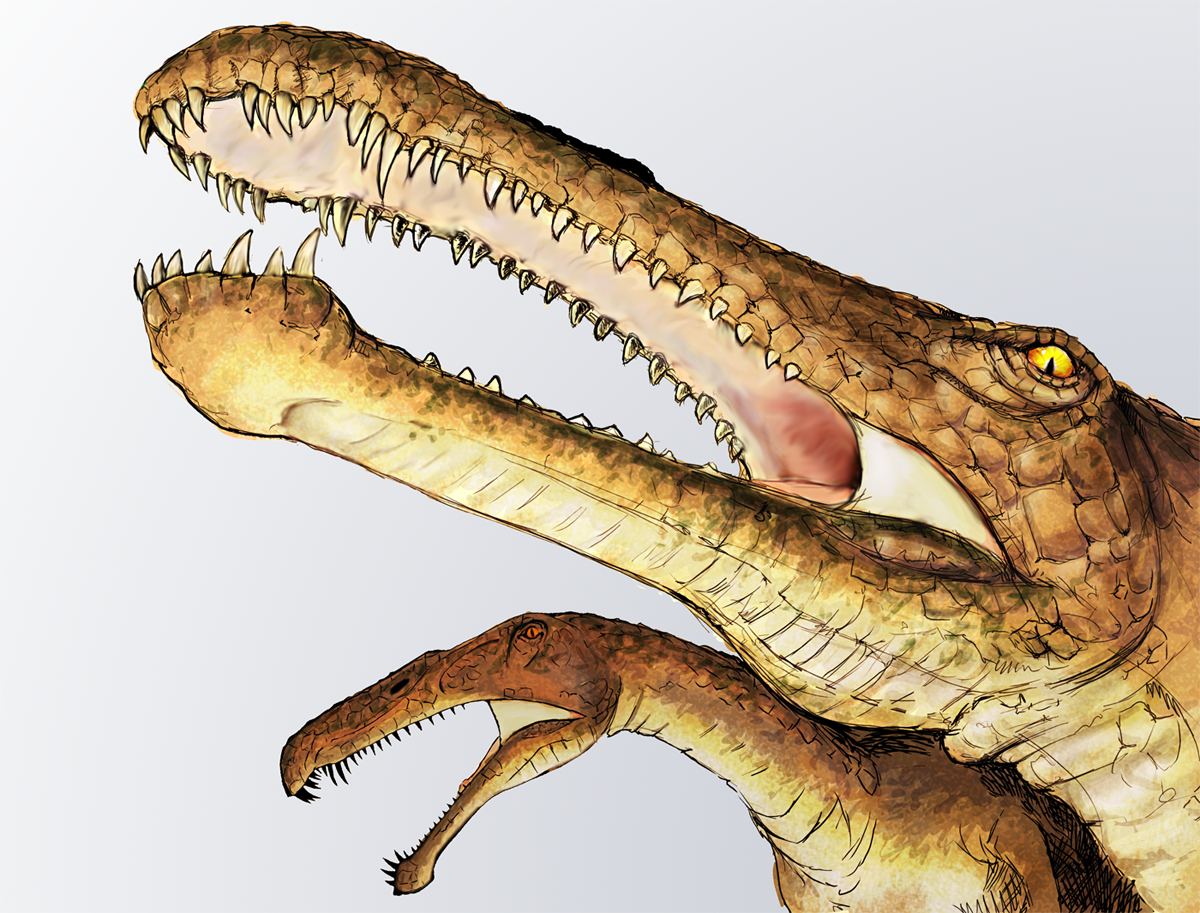
Modern CT scans of the Irritator skull have allowed scientists to digitally reconstruct parts of its brain and inner ear, and the results are fascinating. Its olfactory tracts (linked to sense of smell) were elongated, suggesting smell mattered, but some of the standout features involve the flocculus, a brain region connected to balance and coordinating eye and head movements. In Irritator, this area was relatively well developed, hinting at strong abilities to keep its gaze locked on targets while its head and body were moving – exactly the kind of skill you want when trying to grab fast prey in unstable or aquatic settings.
The semicircular canals of the inner ear, which help animals sense rotation and maintain balance, also give clues to how Irritator might have moved its head and neck. Together with the skull’s structural reinforcements, they point toward a predator comfortable with quick strikes and possibly sudden changes in posture while partially in water. When I read about that, I picture something like a cross between a heron and a crocodile: standing or wading, then snapping its head down with surgical precision. The more we peek inside dinosaur skulls, the harder it becomes to see them as lumbering brutes – they start to look like finely tuned, highly specialized animals.
6. It lived in a tropical lagoon ecosystem full of flying reptiles
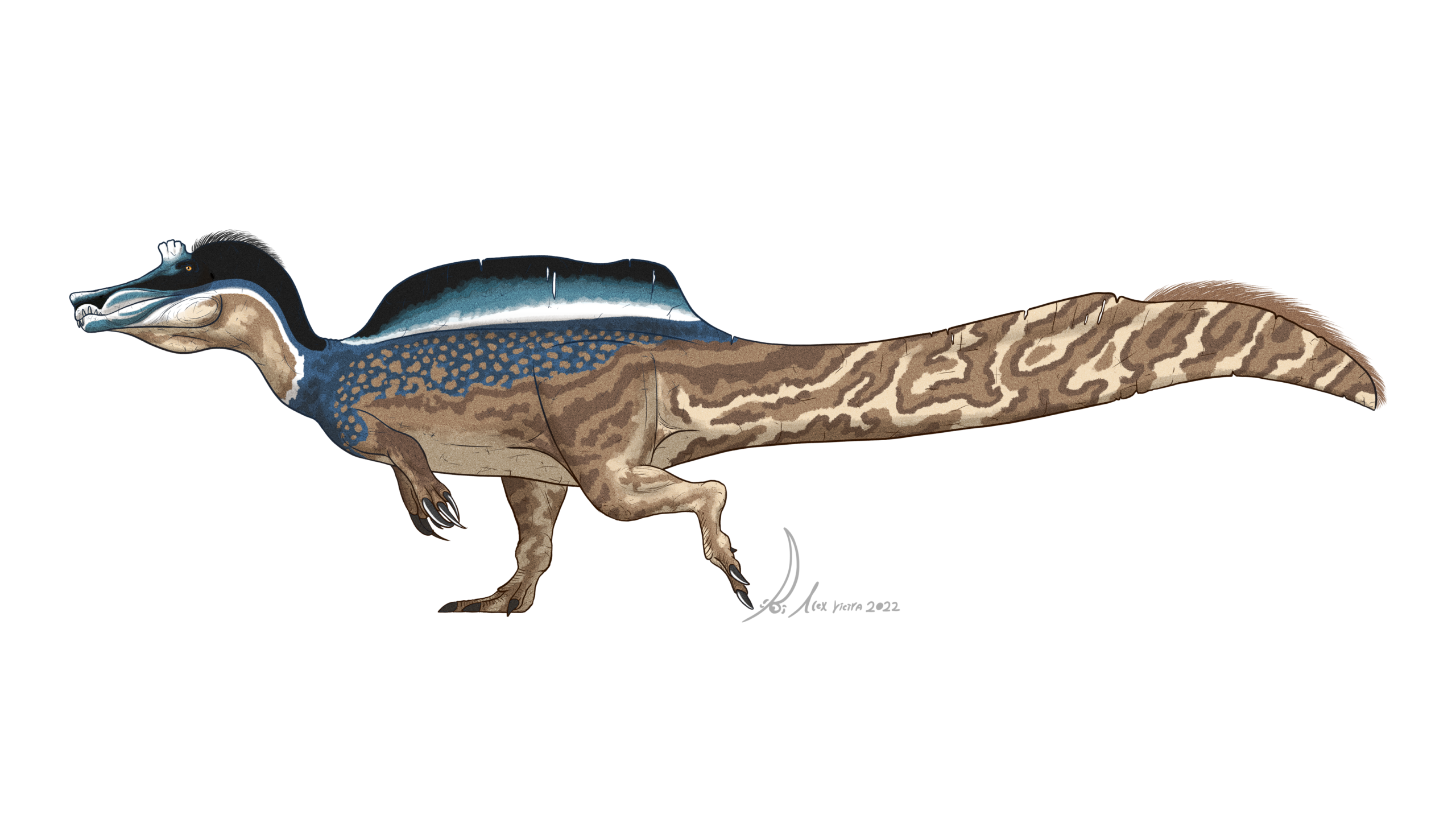
Irritator roamed what is now northeastern Brazil during the Early Cretaceous, around one hundred ten million years ago. Back then, the region was a warm, tropical coastal environment with a large lagoon that sometimes behaved like a lake and sometimes like a shallow sea, depending on changing sea levels. The sediments of the Romualdo Formation preserve not just bones but also delicate structures like soft tissues in some animals, which tells us conditions were often calm and low in oxygen at the seafloor – a perfect trap for the remains of unlucky creatures.
This ecosystem was absolutely packed with pterosaurs, along with fish, turtles, crocodyliforms, and other dinosaurs. That means Irritator shared its world with flocks of large flying reptiles swooping over the water, schools of fish beneath the surface, and competitors or scavengers on the shoreline. To me, that mental image is cinematic: a semi‑aquatic theropod standing in the shallows while pterosaurs wheel overhead and distant sauropods move on the horizon. It also hints at complex food webs, with Irritator likely near the top, preying on aquatic life while occasionally clashing – directly or indirectly – with other predators for resources.
7. It may share an identity crisis with another Brazilian dinosaur
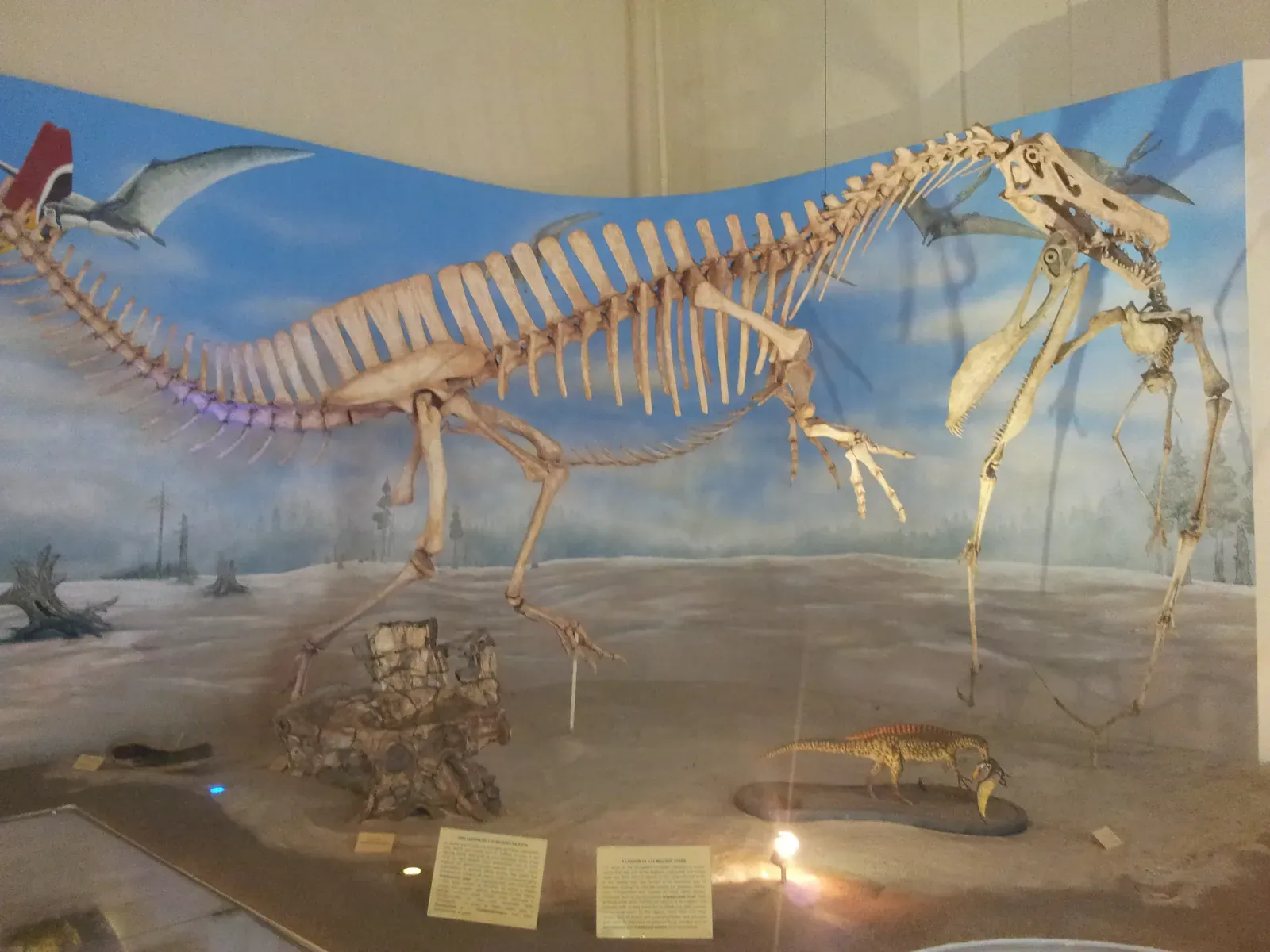
There is another spinosaurid from the same region called Angaturama, known mainly from the front part of a snout. For years, paleontologists have debated whether Angaturama is actually a separate genus or just the front end of Irritator under a different name. Some researchers have pointed out that the preserved parts seem to fit together nicely in terms of size and morphology, suggesting they could belong to the same animal. Others argue that without overlapping bones, it is risky to simply merge them, especially when naming and classification have lasting scientific consequences.
I personally lean toward cautious skepticism here. It is tempting to clean up the family tree by merging fragmentary animals, but paleontology has a long history of both over‑splitting and over‑lumping species. What is undeniable is that both Irritator and Angaturama represent spinosaurids from the same formation, reinforcing the idea that these fish‑eating theropods were an important part of that ecosystem. Whether Angaturama ends up officially folded into Irritator or not, the debate itself shows how hard it is to reconstruct ancient biodiversity from a handful of bones and some very weathered rock.
8. Irritator’s story reveals the darker side of the fossil trade
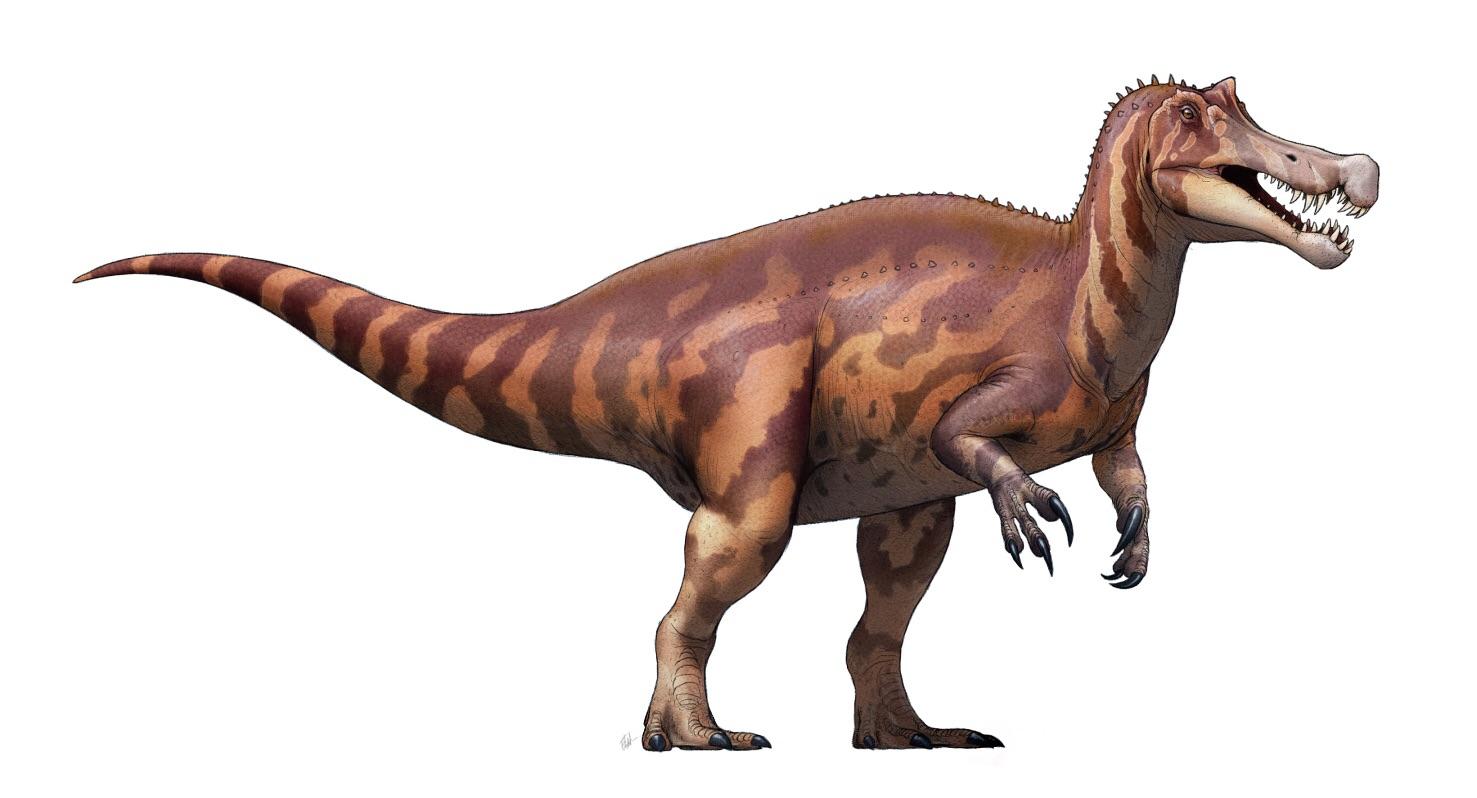
Behind the fun name and cool biology, there is a serious backdrop: illegal and unregulated fossil trade. Irritator’s skull was collected and sold by dealers, altered to boost its value, and exported out of Brazil without the kind of scientific documentation that would preserve its exact discovery site. That missing context – precise layer, orientation, associated fossils – might not sound dramatic, but it is like tearing pages out of a history book. For science, the story around a fossil can be just as important as the fossil itself. The long‑running dispute over its ownership and eventual return to Brazil underscores how political and ethical dinosaur science can be.
My honest opinion is that the name Irritator, while amusing on the surface, is also a quiet indictment of this system. It encodes not only the researchers’ annoyance with doctored bones but also the frustration of seeing valuable scientific material treated as a commodity first and an irreplaceable data source second. Today, there is a growing push for stricter regulations, local curation, and collaboration with the countries where fossils are found. If Irritator helps more people realize that cool museum specimens often come with messy backstories involving law, ethics, and exploitation, then its irritating origin might end up inspiring something genuinely positive.
Conclusion: A dinosaur that makes science feel wonderfully human
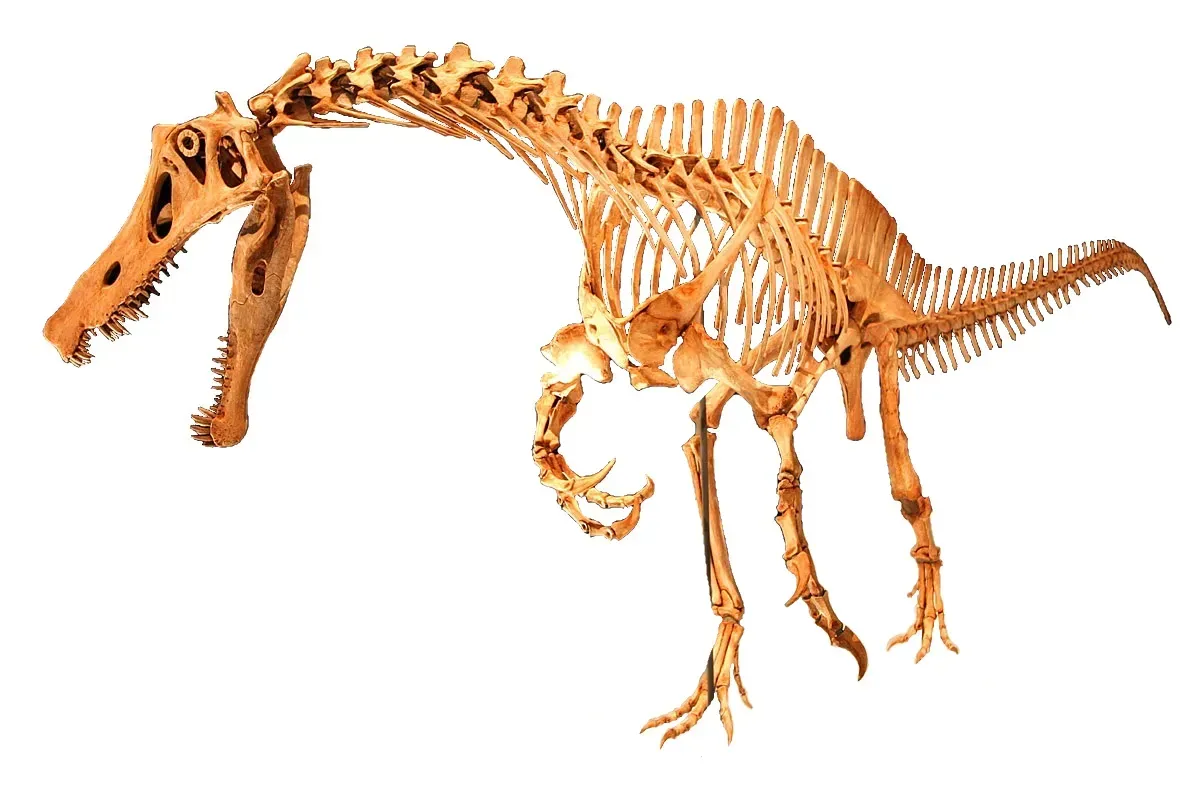
For me, Irritator sits at the perfect crossroads of science, drama, and sheer weirdness. On one hand, it is a carefully studied spinosaurid that tells us about semi‑aquatic predation, brain evolution, and Cretaceous ecosystems in tropical South America. On the other hand, it is a fossil that was misidentified, crudely modified, fought over, and named after a very human emotion rather than some lofty mythological creature. That combination makes it feel less like a distant, sterile museum object and more like a character in an ongoing story about how we actually do science.
If anything, Irritator proves that paleontology is not just about bones – it is about people, mistakes, hunches, arguments, and occasionally a sense of humor sharp enough to label a new dinosaur after sheer annoyance. I think that is healthy; it reminds us that knowledge is built in fits and starts, with a lot of trial and error along the way. Next time you hear its name, maybe you will picture not just a crocodile‑snouted hunter in a Cretaceous lagoon, but also the modern scientists sweating over CT scans and legal documents to understand and protect it. In the end, isn’t it oddly fitting that a dinosaur born from frustration turned out to be one of the most intriguingly satisfying ones to learn about?