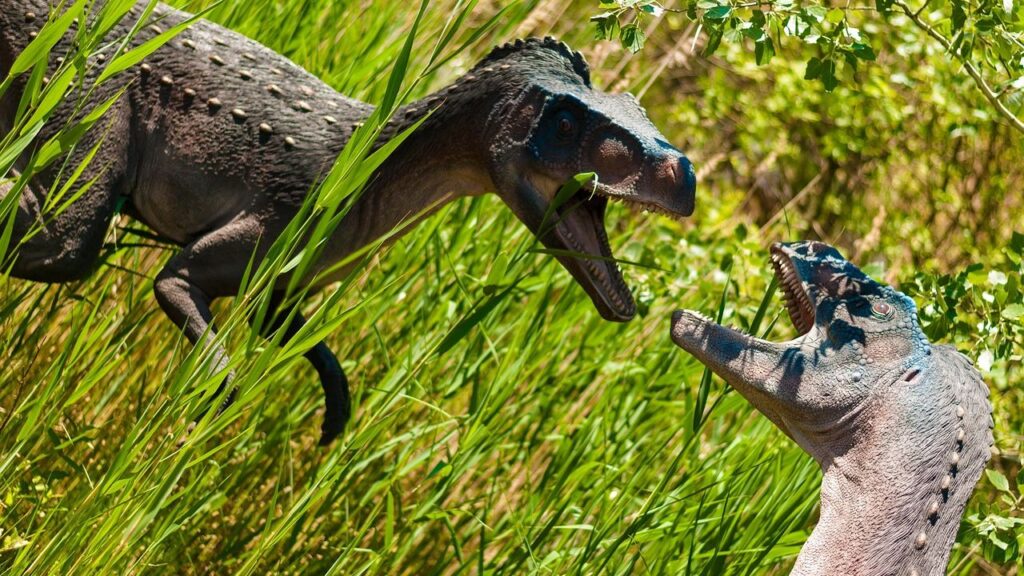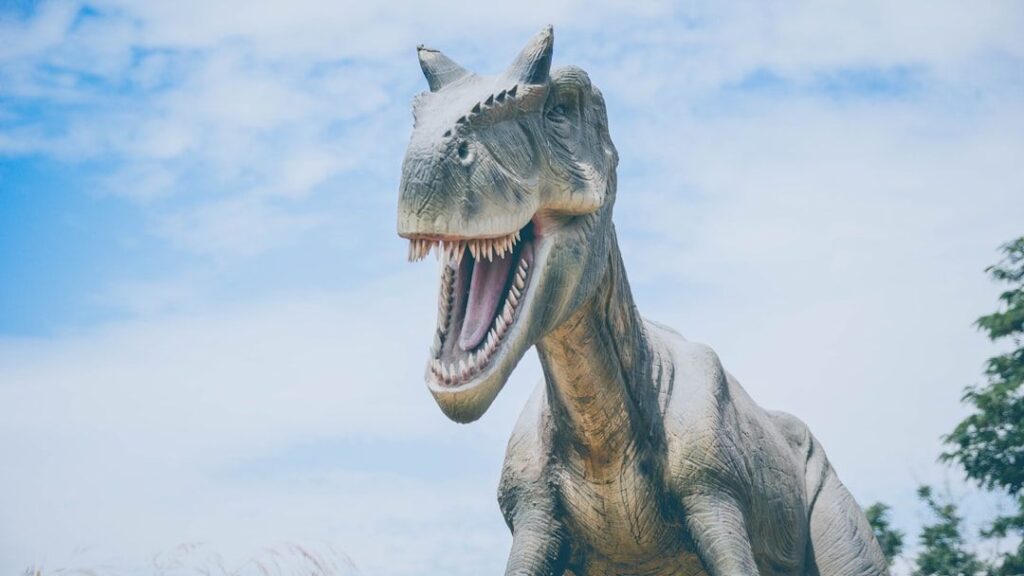
For decades, dinosaurs have been cast as oversized reptiles with tiny brains and simple minds, more like cold-blooded tanks than thinking, problem-solving animals. That old image is starting to crack. Piece by piece, fossils, bone chemistry, biomechanical models, and comparisons with living animals are telling a far more intriguing story: many dinosaurs were probably sharper, more adaptable, and more socially complex than most people were ever taught in school.
This does not mean they were secret geniuses building tools or writing symbols in the sand. It means that, relative to their bodies, lifestyles, and environments, scientists are increasingly realizing they may have been capable of flexible behavior, learning, and even culture-like traditions. The surprise is not that some dinosaurs were smart, but that paleontology keeps uncovering ways we have been underestimating them. Once you stop looking for humans in scales and feathers and start asking what intelligence looks like in a dinosaur’s world, the evidence gets a lot more interesting.
The “Dumb Dinosaur” Myth Was Built On Shaky Assumptions
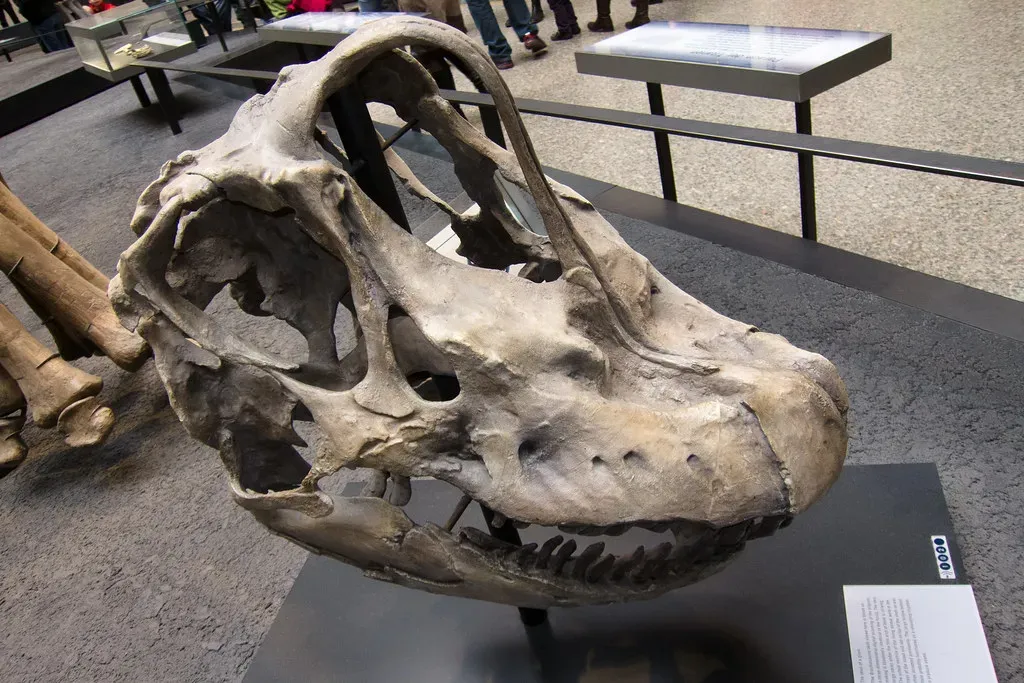
It is easy to forget that the old stereotype of the lumbering, dim-witted dinosaur was never really based on rich evidence; it was based on a lack of it. Early paleontologists saw massive bones and small skull cavities and jumped to the conclusion that these animals must have been clumsy and slow thinkers. For a long time, that impression went unchallenged, partly because there was not much else to go on and partly because it fit a tidy story of reptiles being primitive compared with modern mammals.
As more detailed anatomy, better dating, and new analytical methods came in, that story started looking outdated. Brain size by itself turned out to be a terrible measure of intelligence, especially when you are dealing with animals that range in size from a chicken to an eighteen-wheeler. The more researchers compared dinosaurs with birds and crocodilians, their closest living relatives, the clearer it became that the old narrative owed more to human bias than to actual data. In a sense, we were not discovering that dinosaurs were suddenly smart; we were finally realizing how little we had really understood about them.
Encephalization: Why “Tiny Brain, Big Body” Is Not The Whole Story
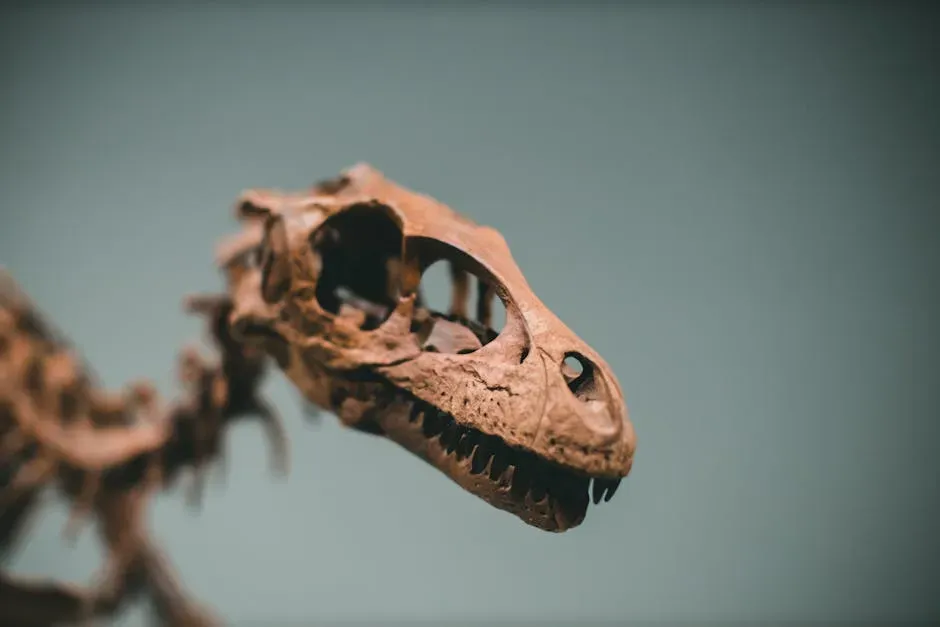
One of the big shifts came from looking at encephalization, which is a way of asking how large an animal’s brain is relative to what you would expect for its body size. Many huge dinosaurs did have small brains in absolute terms, but when you scale things correctly, some groups do not look so ridiculous. Certain theropods, including relatives of birds, have brain sizes falling into ranges similar to modern ostriches and emus, which are not exactly mindless. When you remember that an ostrich can navigate social hierarchies, learn routes, and solve basic problems, you start to rethink what a similar brain in a dinosaur might have managed.
What really moves the needle is not one showy number but patterns across clades. When researchers reconstruct brain shapes from skulls using high-resolution scans, they see sensory regions and motor coordination areas that suggest these animals were actively processing a lot of information about their surroundings. Some predatory dinosaurs have enlarged regions associated with vision and balance, hinting at agile, visually guided hunting rather than clumsy charges. It does not prove they had rich inner lives, but it strongly suggests that dismissing them as brainless brutes was always too simple.
Bird Brains, Croc Brains, And The Dinosaur Mind
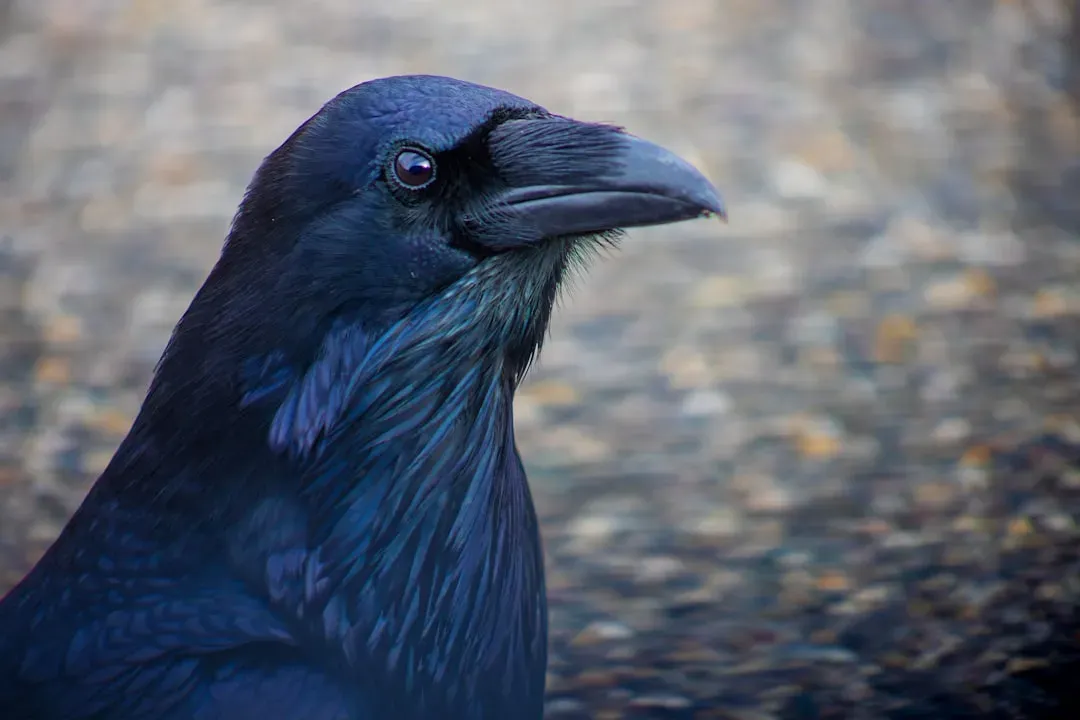
If you want to understand how a dinosaur might have thought, you cannot just stare at fossils; you have to look at its living relatives. Birds and crocodilians, the surviving branches of the dinosaur family tree, offer a powerful reality check. Many birds, from corvids to parrots, show sophisticated problem-solving, long-term memory, and even behaviors that look a lot like culture. Crocodilians, which people often think of as primitive, have surprisingly complex social interactions, parental care, and learning abilities in their own right.
Dinosaurs sat between those lineages, sharing much of the same basic brain architecture. That does not mean all dinosaurs were as clever as a crow, but it does make it hard to argue they were uniformly dull. The safer starting point is that the dinosaur brain was capable of a range of cognitive abilities that scaled with lifestyle and ecology, just like in modern vertebrates. When you accept that, many fossil clues suddenly make more sense: herding behavior, nesting strategies, and coordinated movement stop looking like flukes and start looking like signs of a nervous system that could handle complexity.
Social Herds, Nesting Colonies, And The Logic Of Group Living
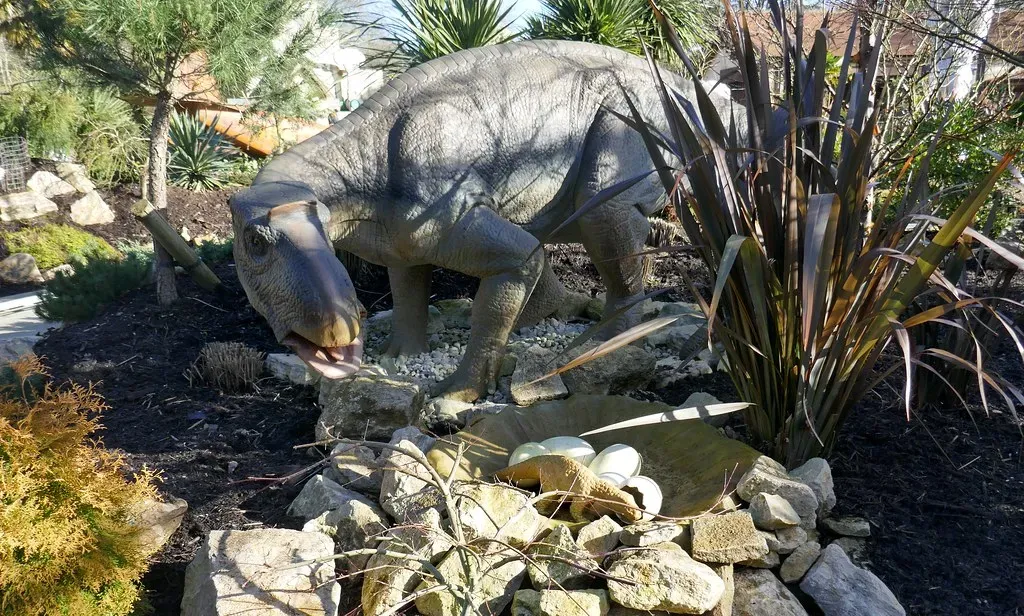
Social behavior is one of the clearest hints that an animal needs at least a certain level of intelligence. Living in groups means keeping track of others, dealing with competition and cooperation, learning from experience, and often coordinating movement. Fossil trackways of sauropods walking together in parallel lines, bonebeds filled with dozens of individuals from the same species, and large nesting grounds with many nests clustered closely have all painted a picture of dinosaurs that did not just wander around alone.
Some nesting sites show repeated use over time, with different generations returning to the same area, much like modern seabird colonies. That kind of faithfulness to a breeding ground implies spatial memory and perhaps social cues passed from adult to young. Other fossils capture smaller dinosaurs apparently moving in mixed-age groups, which is a pattern today that often goes hand in hand with learning and teaching moments, even if they are informal. While we have to be cautious not to project human family drama onto them, the combination of herd structure, parental care, and site fidelity strongly suggests mental lives more demanding than simple instinct-driven wandering.
Predators That Needed Brains As Well As Teeth
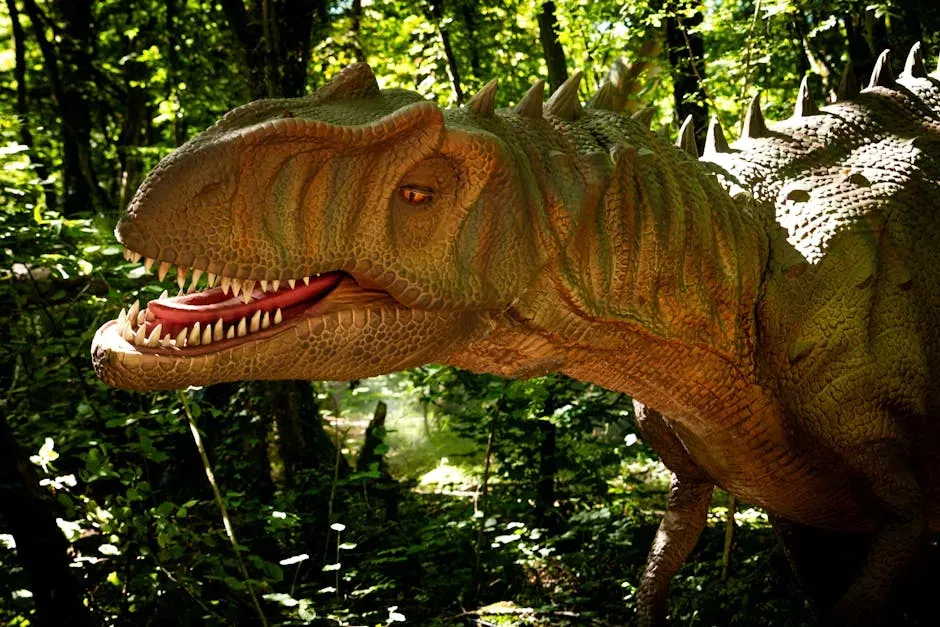
Predatory lifestyles put special demands on cognition. To be an effective hunter, an animal needs more than claws and teeth; it needs sharp senses, coordination, the ability to predict prey behavior, and sometimes cooperation with others. Several theropods show skull and ear anatomy adapted for keen hearing and vision, along with inner ear structures supporting agile head movements and balance. These are the hallmarks of animals that use rapid sensory feedback to guide fine-tuned actions, not slow, lumbering swipes in the dark.
There is also tantalizing evidence of pack-like behavior in some carnivorous dinosaurs, such as multiple individuals of similar species found together around large herbivores. While each case is debated, the overall pattern makes it at least plausible that some predators hunted in groups or at least tolerated one another near kills. Cooperative hunting would demand a level of social flexibility and situational awareness beyond what we see in many solitary reptiles today. Even if only a subset of species did this, it underscores how risky it is to treat dinosaur cognition as a flat, low baseline.
Feathers, Warm Bodies, And The Metabolic Side Of Intelligence
Another piece of the puzzle is metabolism. Over the last few decades, evidence has piled up that many dinosaurs were at least partly warm-blooded, or at minimum had higher, more stable body temperatures than typical modern reptiles. Bone growth patterns, isotopic signatures, and comparisons with birds all point to animals that grew fast, moved actively, and needed a steady flow of energy. Brains are hungry organs, and a more active lifestyle generally pairs with cognitive systems tuned for responsiveness and learning.
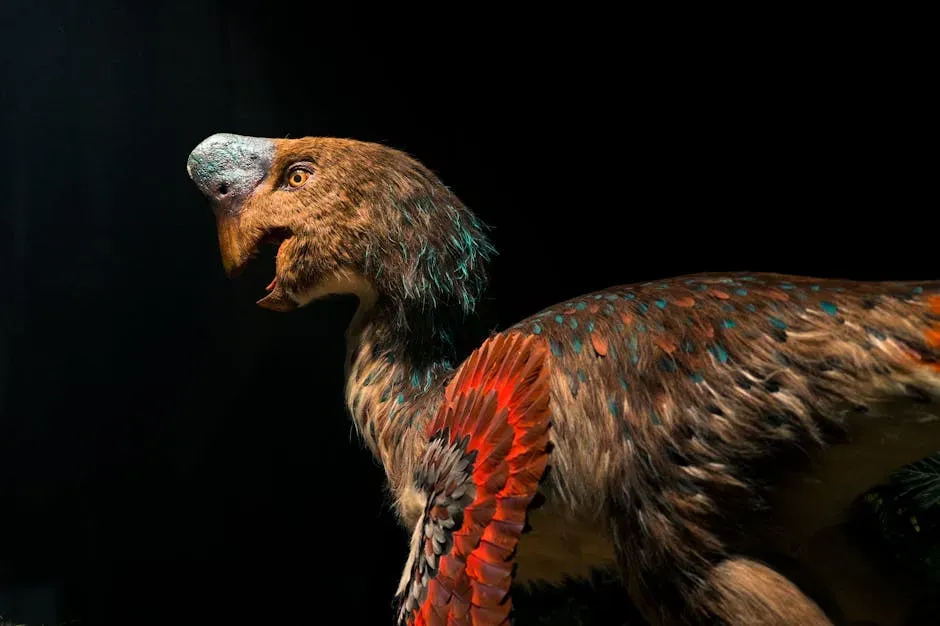
Feathers and feather-like coverings in many species reinforce this picture. These structures likely played roles in insulation, display, and possibly brooding behavior. The more you see dinosaurs managing heat, caring for eggs, and using visual signals, the more their world looks like a dynamic social and ecological arena, not a static swamp. In that context, a slightly larger or more efficient brain is not a luxury; it is an advantage. Thinking of them as overgrown, sluggish lizards undersells the level of physiological and behavioral sophistication that their bodies were built to support.
Fossil Clues To Learning, Play, And Problem-Solving

Direct proof of intelligence is hard to capture in stone, but there are small, intriguing hints that dinosaurs did more than mechanically repeat fixed behaviors. Some track sites show what looks like repeated movement along similar paths that are hard to explain purely by chance, as if certain routes were preferred and reused. That kind of patterning can reflect learned pathways to feeding or nesting sites, similar to animal trails today that build up as individuals follow and refine the same routes over time.
There is also growing interest in whether some unusual bonebeds or track configurations might represent play-like or exploratory behavior, though that is always tricky to interpret. When scientists look at living animals, play often shows up in species with enough spare cognitive capacity to practice skills or explore without immediate payoff. If any dinosaurs exhibited even a bit of that, it would nudge them further away from the old stereotype. We may never know exactly what games a young hadrosaur might have played in a riverbank, but the possibility is less far-fetched than it once seemed.
Why Our Biases Still Keep In Check
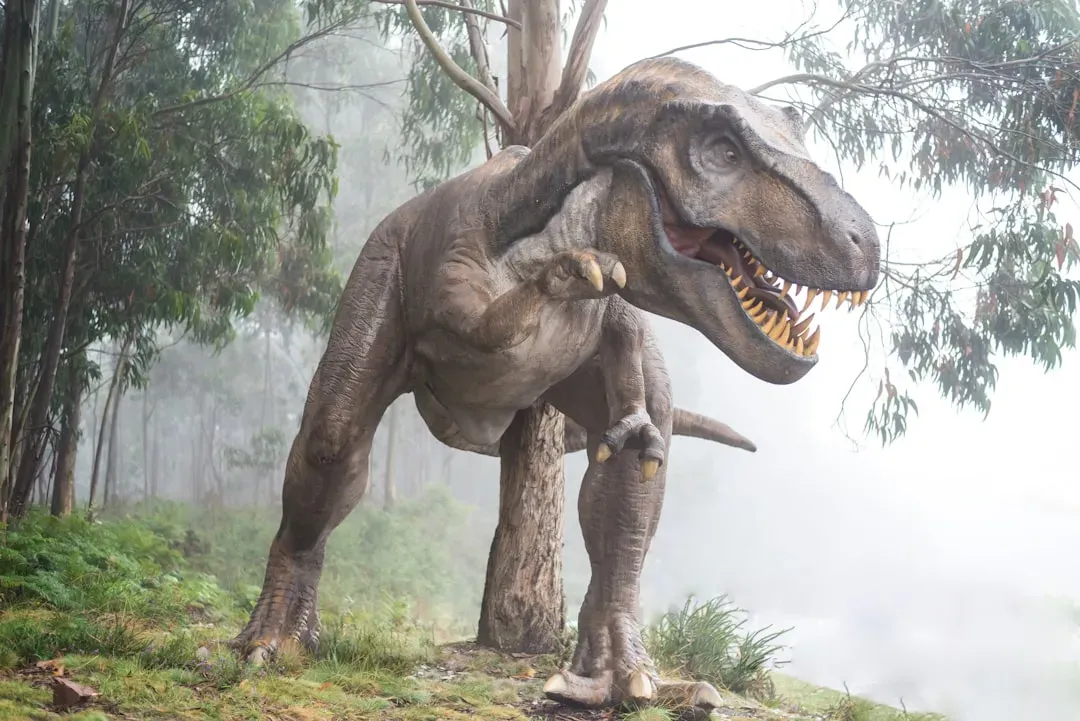
Even with all this accumulating evidence, there is still a strong tendency in science to be cautious, sometimes to a fault, about making claims that sound like they glorify dinosaurs. Researchers are rightly wary of overinterpreting fossils, especially after early eras of wild speculation. But that caution can sometimes morph into an unconscious bias where any sign of complexity is treated as an exception and any hint of higher cognition is walked back quickly. The fear of sounding like you are anthropomorphizing can make people underestimate what an animal in a very different body might have been able to do.
There is also a cultural hangover from the days when intelligence was seen as a ladder with humans at the top and “primitive” forms further down. That framing makes it hard to accept that giant reptiles could have had flexible, capable minds suited to their own worlds without threatening human uniqueness. The irony is that recognizing on their own terms actually highlights how diverse cognition can be across life. When we cling too tightly to the old story of dumb dinosaurs, we are not being rigorously scientific; we are clinging to a comforting myth that the evidence has been quietly eroding for years.
Conclusion: Smarter Than We Thought, And That Should Change How We See Them
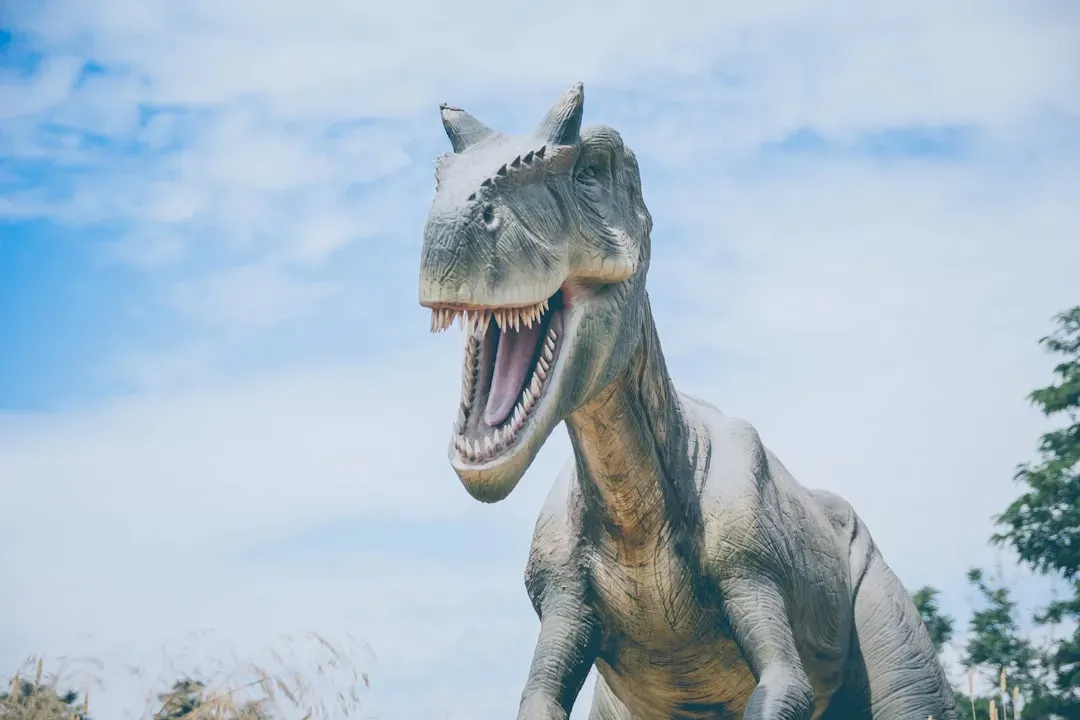
If you zoom out and look at the big picture, a clear pattern emerges: every time paleontology gains a new tool or fresh line of evidence, dinosaurs move further away from the cartoon of slow, stupid monsters and closer to a reality of adaptive, behaviorally complex animals. It is fair to say we have been underestimating them, not because they were secret philosophers, but because our expectations were so low to begin with. Personally, I think we should retire the lazy “tiny brain, big body” joke and replace it with a deeper respect for how these creatures solved the challenges of their worlds.
That shift matters beyond trivia; it changes how we tell the story of life on Earth. Seeing dinosaurs as active, socially aware, and cognitively capable forces us to admit that sophisticated behavior has evolved many times, in many shapes, long before humans arrived. It makes the past feel less like a stage play of mindless beasts and more like a vast, multi-species experiment in different ways of being smart. Maybe the real underestimation is not just of dinosaurs, but of nature’s imagination itself. When you picture a dinosaur now, do you still see a dim-witted brute, or can you imagine something with its own, very different kind of mind at work?