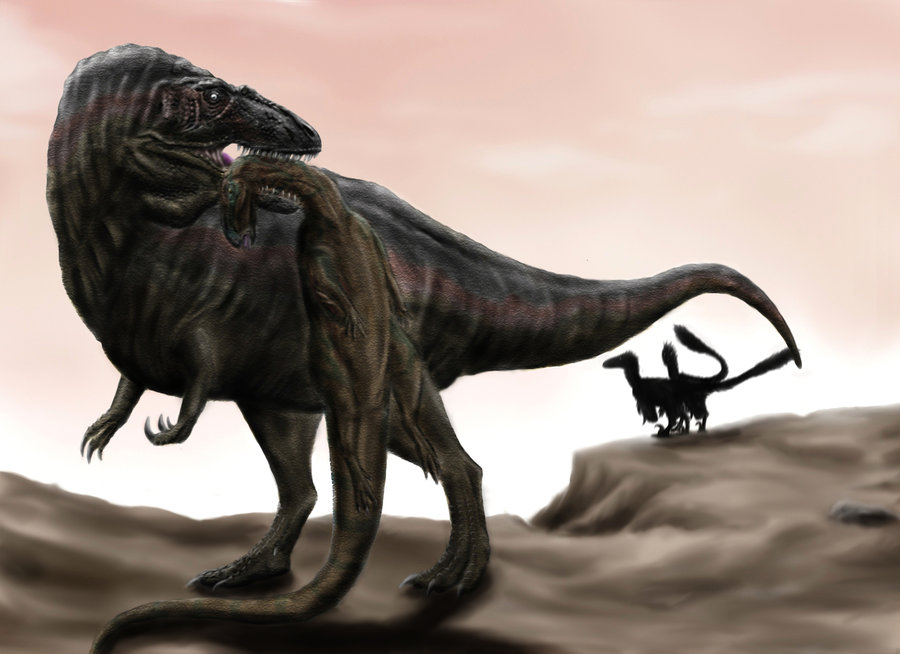
Ever noticed how your heart races over a work email the same way it might if a car suddenly swerved toward you? It feels ridiculous and yet totally real in the moment. That gap between what is actually happening and how intensely our body reacts is not a character flaw; it is the echo of a survival system that evolved to keep our ancestors alive in much harsher conditions than a Slack notification storm. Modern psychology keeps circling back to the same surprising point: a lot of today’s anxiety is yesterday’s adaptive advantage, just badly matched to our current environment.
I remember pacing my tiny apartment before a routine presentation, palms sweating like I was about to face a firing squad, not a PowerPoint. The more I read the science, the more it clicked: my brain was not broken, it was overprepared. Once you see anxiety as an ancient bodyguard who never got the memo that the threats have changed, everything starts to make more sense – and some of that shame and self-blame can finally drop away.
The Brain’s Alarm System Was Built for Sabertooths, Not Emails
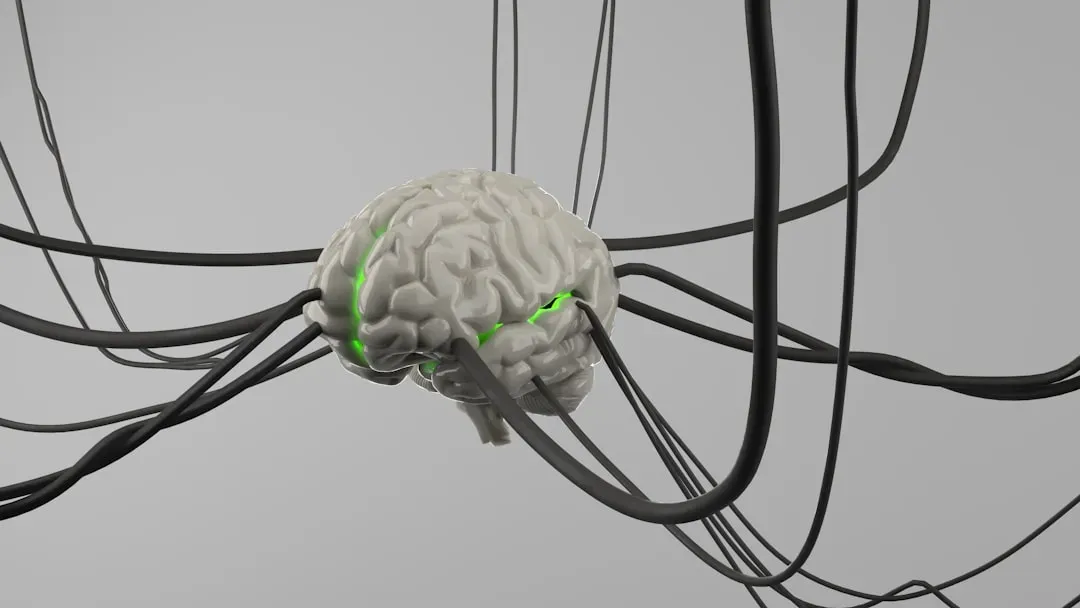
Our core anxiety machinery sits in parts of the brain that are incredibly old in evolutionary terms. Structures like the amygdala are designed to scan for danger, flag anything that might harm us, and kick off a cascade of physiological changes in a fraction of a second. That lightning-fast response was perfect when survival meant reacting to rustling bushes, hostile strangers, or sudden storms. The system was tuned for speed over accuracy, because missing one real threat mattered more than overreacting to ten harmless ones.
Fast-forward to modern life and the “bushes” have changed shape. Now the rustling might be a vague calendar reminder about next week’s performance review or a social media comment that feels off. Yet the same neural alarm system still fires as if we might not make it through the day. The mismatch is the problem: we inherited a brain optimized for visible, physical, short-term threats, but we live in a world of invisible, psychological, ongoing pressures. Anxiety explodes in that gap between design and reality.
Fight, Flight, Freeze: An Ancient Trio in a Modern Office Chair

When the alarm goes off, your body shifts into what psychologists call the fight, flight, or freeze response. Heart rate spikes to pump blood to big muscles, breathing quickens to feed those muscles oxygen, digestion slows to conserve energy. All of that made perfect sense if you might have to sprint, climb, or throw a punch within seconds. From an evolutionary standpoint, these changes were elegant and efficient, allowing prehistoric humans to survive predators, natural disasters, and violent encounters.
Now layer that same response onto situations that do not require physical action at all. You cannot run away from a mortgage payment or punch an awkward conversation into submission. So the energy has nowhere to go. It just simmers as trembling hands at your desk, a clenched jaw in a Zoom call, or a racing heart as you lie in bed at 2 a.m. This is one reason exercise, even a quick walk, can reduce anxiety: it gives your body a job that matches the ancient response, instead of leaving all that mobilized energy stuck inside your chest.
Why We Expect the Worst: Evolution’s Bias Toward Negativity
If you have ever wondered why your mind jumps straight to catastrophe, there is a strong evolutionary logic behind it. In dangerous environments, assuming the worst kept our ancestors alive. Those who were a bit more jumpy, more suspicious, and more pessimistic about potential threats were simply more likely to survive long enough to have children. Over many generations, this tilted our nervous systems toward what researchers sometimes call a negativity bias: we tend to notice bad news faster, remember painful experiences more vividly, and replay potential disasters in our heads.
That ancient bias becomes a modern anxiety trap. In a relatively safe world, constantly scanning for danger means we fixate on ambiguous emails, small health sensations, or brief silences in a group chat. Almost anything can be interpreted as a possible threat if your mind is wired to look for it. It is not that positivity is fake or forced; it is that the brain’s default setting leans on the cautious side, which made sense in the wild but can feel like self-sabotage in a grocery store aisle.
Social Anxiety: Tribal Rejection Still Feels Like Life or Death

Being rejected by your group used to be a literal survival risk. In small tribes, losing social protection meant facing the elements, predators, and rival groups alone. So humans evolved to treat belonging as a vital need, not a luxury. That is why embarrassment burns so hot and criticism can feel almost physically painful. The emotional sting is your nervous system treating social threat with the same seriousness it once reserved for physical danger.
Modern social anxiety is, in many ways, this ancient fear of exclusion playing on new stages: classrooms, offices, Instagram feeds, and dating apps. A sideways glance, a delayed reply, or a muted tone of voice can trigger disproportionate dread because our brain secretly equates social disapproval with abandonment. Understanding this does not make social anxiety vanish, but it does reframe it: you are not oversensitive or dramatic, you are running a very old program in an environment that bombards you with constant chances to feel judged.
Perfectionism and Overthinking as Misfired Survival Strategies

Endless overthinking often masquerades as morality or ambition, but psychologically it functions more like hyper-vigilance. In dangerous conditions, planning for every angle, replaying past mistakes, and obsessing over details could mean spotting patterns that others missed. The brain learned that anticipating worst-case scenarios sometimes prevented disaster. What we call perfectionism today is often that same instinct, but focused on deadlines, creative projects, or how your living room looks to guests.
The problem is that our environment now offers countless variables that cannot be fully controlled. There is no final point where the brain says everything is absolutely safe. So perfectionism and overthinking turn into anxiety engines that never shut off. You keep checking, correcting, and rehearsing in a loop that once might have saved your life but now only drains it. Recognizing perfectionism as a misdirected survival strategy can be oddly freeing; instead of assuming you are failing, you can see your brain as trying too hard at the wrong job.
Why Chronic Stress Breaks a System Meant for Short Bursts

Our stress system was designed like a fire alarm, not background music. Short bursts of high alert, followed by long periods of relative calm, allowed the body to recover. Hormones like adrenaline and cortisol surge, help you survive, and then gradually recede. In ancestral settings, dangerous events tended to be episodic: a storm, a hunt, a conflict. Even in harsh environments, there were rhythms of danger and rest, action and recovery.
Modern life often flips that script. Instead of short, rare spikes, many people live in a steady drip of moderate stress: financial worries, news cycles, social comparison, job insecurity, constant notifications. The body’s ancient alarm was never meant to be on this often. Over time, chronic activation wears down sleep, mood, immune function, and overall resilience, feeding a cycle where feeling exhausted makes everything seem even more threatening. Anxiety, in this sense, is not just a mental phenomenon but the sound of a system that was built for sprints being forced to run a marathon without breaks.
Working With Your Caveman Brain Instead of Fighting It

Once you accept that your anxiety comes from ancient survival wiring, the goal shifts from “fixing what is wrong with me” to “learning how to work with the brain I have.” Techniques like slow breathing, grounding exercises, and mindfulness might sound soft, but they directly modulate the same physiology that powers fight-or-flight. You are essentially sending signals back up the chain that say the immediate threat has passed. Simple daily habits – consistent sleep, movement, regular meals, tiny doses of real-world social contact – give that old system the stability it never had to manage before.
I am personally convinced that we underestimate how much compassion changes the equation. When I started treating my anxiety as an overzealous bodyguard rather than an enemy, it got easier to experiment: taking smaller risks, noticing sensations without panicking about them, letting some tasks stay imperfect on purpose. That is my bias: I think modern culture sometimes over-pathologizes normal survival responses instead of teaching people how to recalibrate them. We might not be able to rewire a brain evolved over tens of thousands of years, but we can absolutely learn its language – and that, in itself, is a kind of power.
Conclusion: Anxiety Is Not a Glitch, It Is an Overactive Survival Feature

Seeing anxiety through an evolutionary lens can be both unsettling and strangely reassuring. It is unsettling because it suggests that some of our discomfort is baked into the very architecture of being human; there was never a version of our species that sailed through life effortlessly unbothered. At the same time, it is reassuring because it shifts anxiety from a personal failure to a predictable side effect of ancient instincts living in a hyperconnected, always-on world that they were never designed to handle. Your mind is not uniquely broken; it is historically consistent and environmentally confused.
My own opinion is that we should stop chasing a fantasy of being completely anxiety-free and start aiming for something more realistic and humane: understanding, management, and even respect for what anxiety is trying (clumsily) to do. That does not mean romanticizing suffering or skipping therapy and medication when they are needed; it means recognizing that your nervous system is doing its best with outdated instructions. The real task of modern mental health is not to silence the inner alarm at all costs, but to help it distinguish between an email and a tiger. Once you start asking, in each anxious moment, what ancient instinct is being triggered here, the fear itself can become a little less frightening – what would you notice differently if you tried that today?