If you could dive into a Jurassic ocean, the first thing that might hit you is not a giant predator with a massive bite, but something stranger: a sleek reptile with a delicate jaw lined with impossibly thin, needle‑like teeth. At first glance, you might even underestimate it, the way people dismiss a sewing needle until it pierces skin with almost no effort. Yet these fragile‑looking teeth were the razor‑fine tools of a highly specialized hunter, tuned perfectly to the world of soft‑bodied prey and murky prehistoric seas.
In this article, we’ll explore one of the most intriguing marine reptile lifestyles: the needle‑toothed specialists like Ophthalmosaurus and related ichthyosaurs, along with other reptiles that evolved similarly slender dental “combs.” They were not the headline monsters of dinosaur documentaries, but the subtle, precise instruments of an ancient food web. The more you look at their teeth, skulls, and fossils, the more you get a picture of a world where survival often depended less on brute force and more on precision engineering. Once you see how these animals lived, it’s hard not to feel that we have wildly underestimated them.
Needle Teeth in the Jurassic Seas: What Are We Really Talking About?
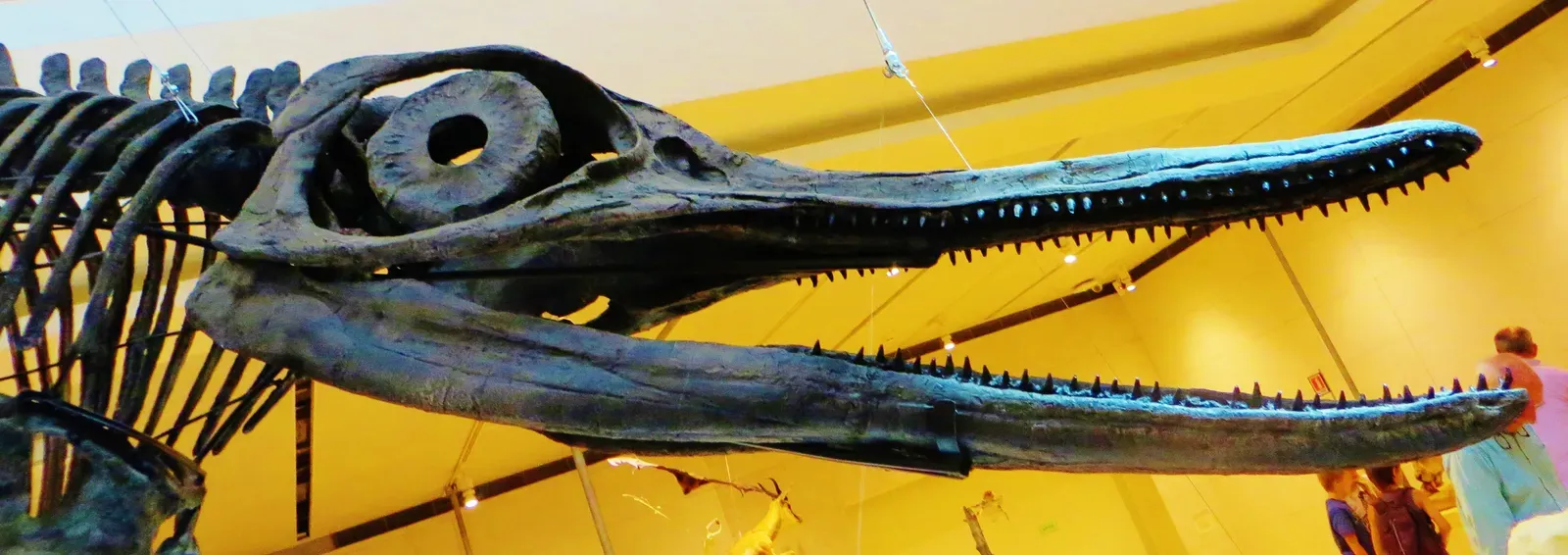
When paleontologists talk about “needle‑like” teeth in ancient marine reptiles, they mean teeth that are long, slim, and tightly packed, often with circular or slightly oval cross‑sections and very little expansion at the base. Instead of broad crushing surfaces or serrations for slicing flesh, these teeth were more like a row of miniature ice picks. Several lineages of marine reptiles developed this style of dentition, but ichthyosaurs in particular, such as Ophthalmosaurus and its close relatives, are textbook examples of needle‑toothed hunters adapted to seizing soft, slippery prey.
In many skulls, these needle teeth form an almost continuous picket fence, especially in the front of the jaw, where precision and speed mattered most. The jaws themselves tend to be elongated and narrow, further emphasizing a lifestyle focused on quick snapping rather than bone‑crunching power. When you picture these reptiles chasing schools of squid‑like animals through dim Jurassic waters, that dental architecture starts to make emotional sense: you can almost feel that moment of contact, the snap and grip, like a zipper closing around a fleeing shadow. Once you see their jaws through that lens, the whole animal becomes less of a monster and more of a scalpel.
Why Teeth Like Needles? The Power of Specializing in Soft Prey
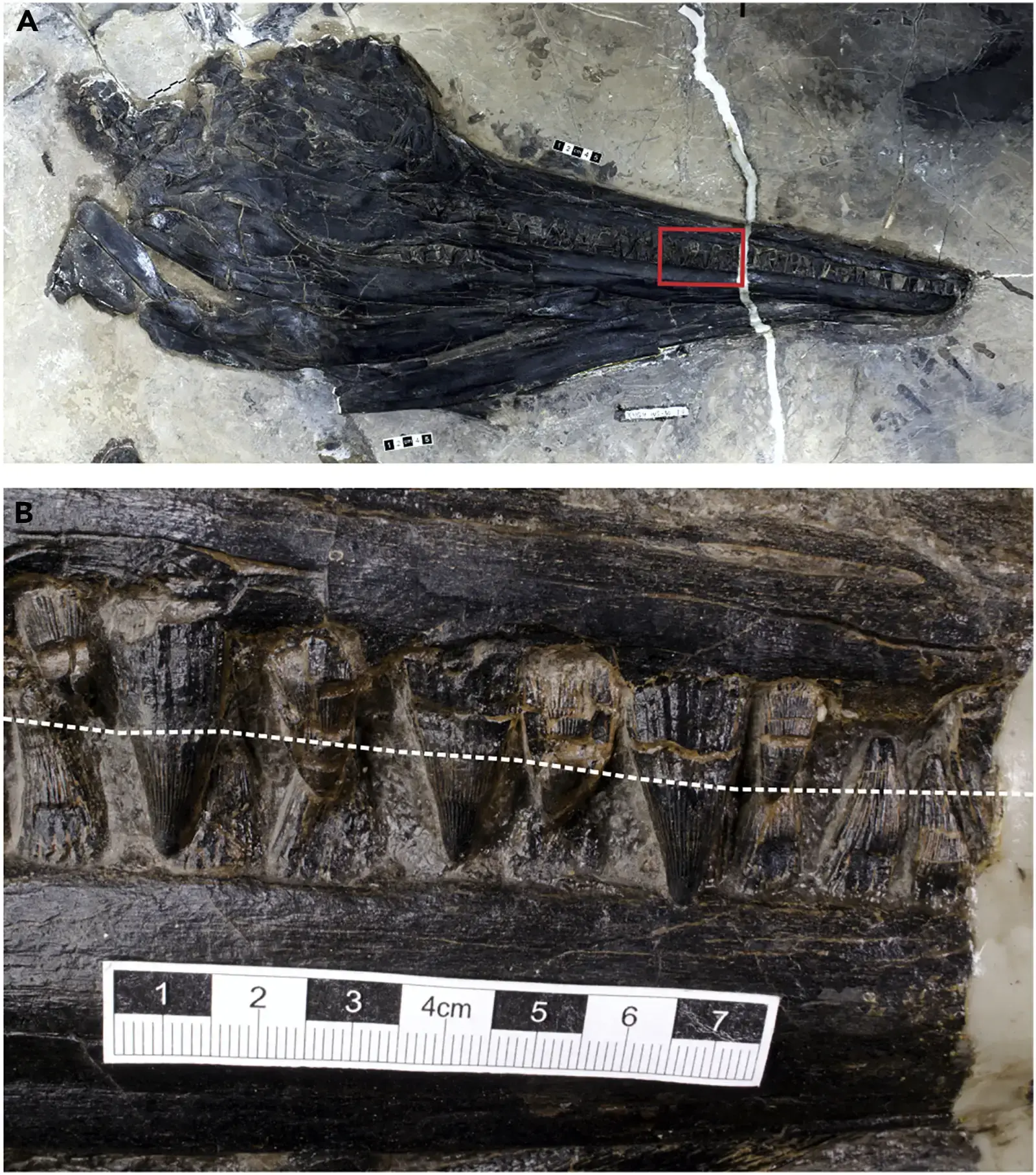
Teeth that look delicate at first glance actually tell a story about targeted efficiency. Needle‑like teeth are ideal for grabbing and holding soft‑bodied prey such as squid, small fish, and other slippery animals that would easily slide out of a broader, clumsier bite. Instead of needing to crush shells or tear through heavy armor, these reptiles simply needed to puncture and secure something that could be swallowed more or less whole. The thin, pointed shape reduces the force needed to pierce soft tissue, just like a hypodermic needle cuts skin more easily than a blunt object of the same size.
Because the prey was soft, the risk of breaking teeth on hard surfaces was lower, which allowed evolution to favor slender, more fragile structures that would be terrible for chewing but perfect for spearing and gripping. That kind of specialization comes with trade‑offs: these animals were probably not good at tackling armored fish, large bones, or thick shells that other marine reptiles like pliosaurs and some plesiosaurs could handle. It is a bit like comparing a sushi chef’s filleting knife to a heavy butcher’s cleaver; each works beautifully in its own niche and fairly poorly in the other’s job. The message is clear: needle teeth were not a gimmick, but the sharp end of a highly optimized feeding strategy.
Ichthyosaurs in Focus: Streamlined Hunters With Delicate Jaws
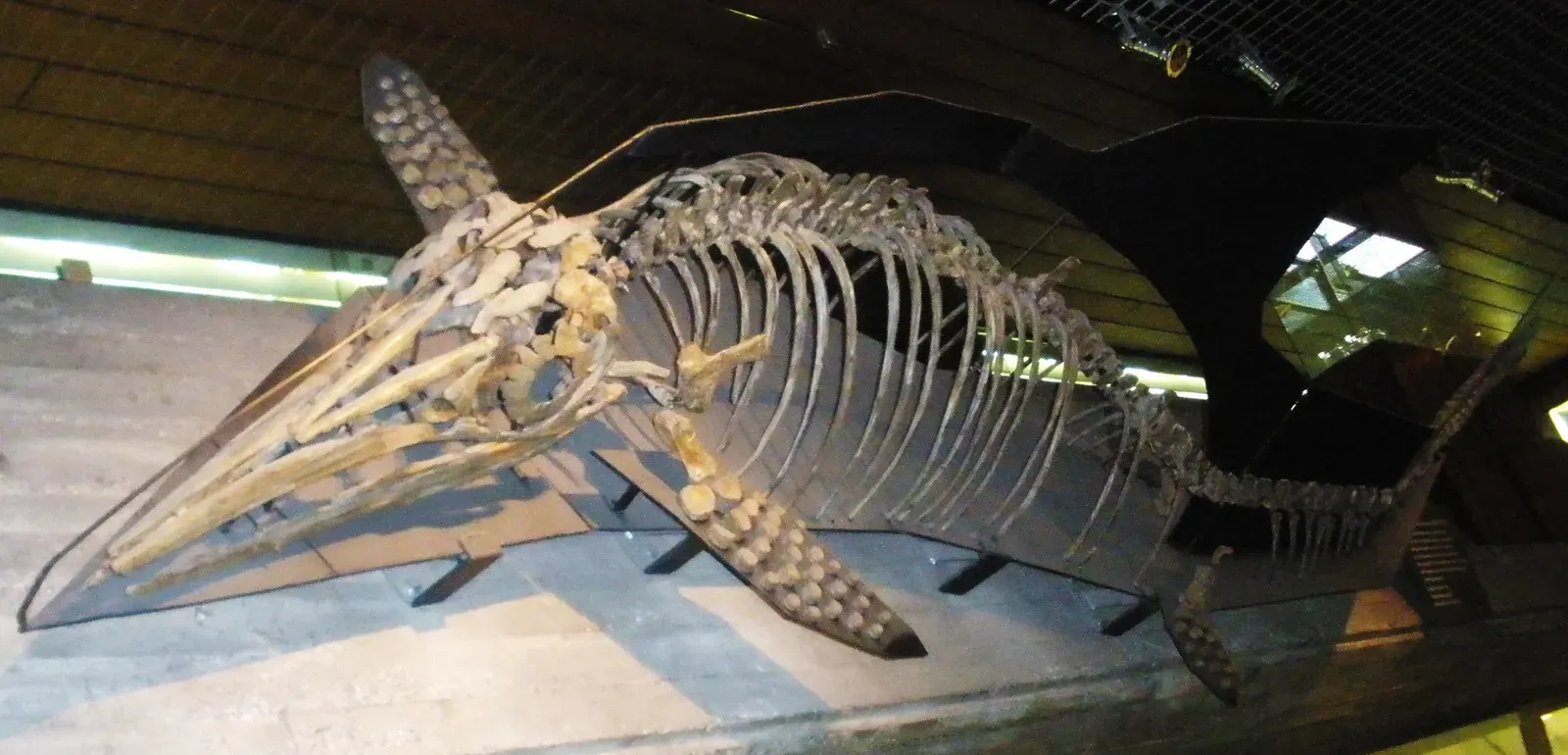
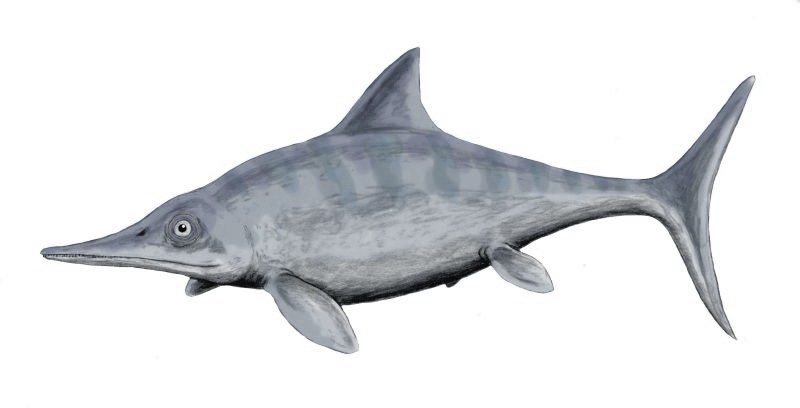
Among the marine reptiles, ichthyosaurs are the ones that most blatantly look like something nature copy‑pasted from dolphins and tuna. Their torpedo‑shaped bodies, powerful tails, and large eyes scream “fast swimmer” long before you even get to the teeth. Many ichthyosaurs had conical teeth, but some lineages evolved slimmer, more needle‑like dentitions that matched their lifestyle in deep, darker waters rich in soft‑bodied prey. Ophthalmosaurus, for instance, had enormous eyes and jaws suited to rapid snapping, suggesting it hunted in dim conditions where vision and precision were everything.
Imagine an Ophthalmosaurus streaking through the water, guided by large eyes that picked up the faintest glint of a squid’s body or the flicker of a small fish. Those needle‑tipped teeth would act almost like a comb, closing around prey in a tight mesh that left little room for escape. The fact that some ichthyosaur species show wear patterns and stomach contents dominated by soft prey supports this picture of a specialist rather than a generalist. To me, that specialization makes them more impressive, not less; they were not just generic marine predators, but fine‑tuned athletes in a very specific ecological role.
Other Needle‑Toothed Marine Reptiles: Convergent Designs in Dangerous Waters
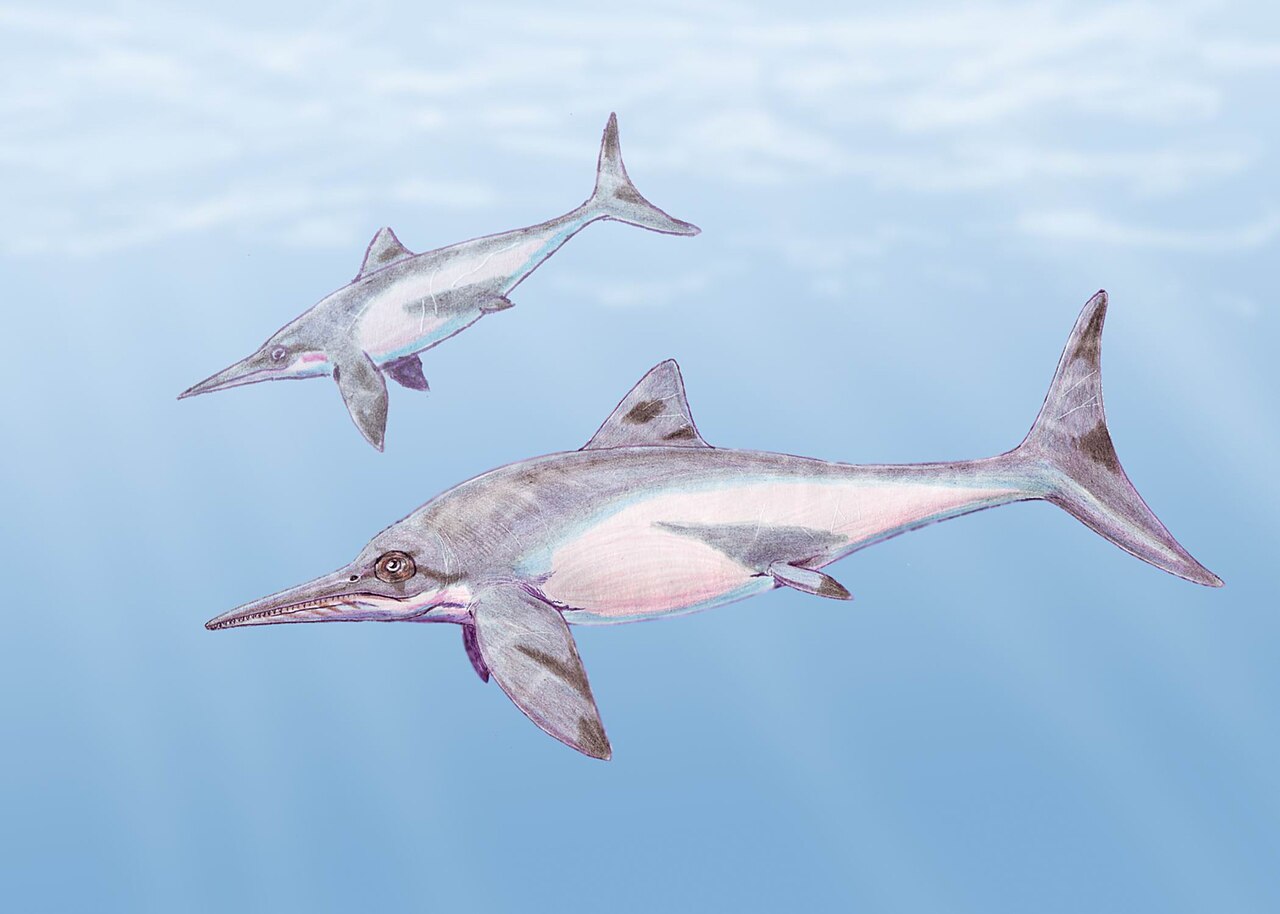
Ichthyosaurs are not the only ancient marine reptiles that flirted with needle‑like teeth. Some plesiosaurs and related forms also evolved slender, closely packed teeth suited for grabbing fish and cephalopods near the surface or in open water. Their long necks and narrow jaws lined with fine teeth create a striking silhouette, almost like a snake fused with a fish net. This similarity in tooth design between different groups that are not closely related is a classic example of convergent evolution: when the same ecological problem keeps appearing, evolution often arrives at surprisingly similar engineering solutions.
Looking across marine reptile groups, you can see a gradient from broad, crushing teeth for cracking hard shells, to robust, conical teeth for gripping larger prey, down to the extremely slender, needle‑like teeth of the soft‑prey specialists. Different lineages occupy different points along that spectrum, yet the repeated appearance of needle‑teeth suggests that soft‑bodied prey was an abundant and reliable resource worth specializing in. When you recognize these patterns, they give the ancient seas a bit more structure; it stops being just a chaotic soup of monsters and becomes a layered ecosystem where shape and tooth form neatly reflect who ate what.
Even mosasaurs, the later Cretaceous marine lizards, had species with relatively slender, gracile teeth compared with their bone‑crushing cousins, again hinting at a diet skewed toward softer, smaller targets. That does not mean they all had classic “needle” dentitions, but it shows how often marine reptiles pushed their teeth in that direction when the prey and environment encouraged it. You start to see needle‑like teeth less as a weird oddity and more as a recurring solution on nature’s menu of design choices.
How Fossils Reveal Diet: Reading the Mouth Like a Menu
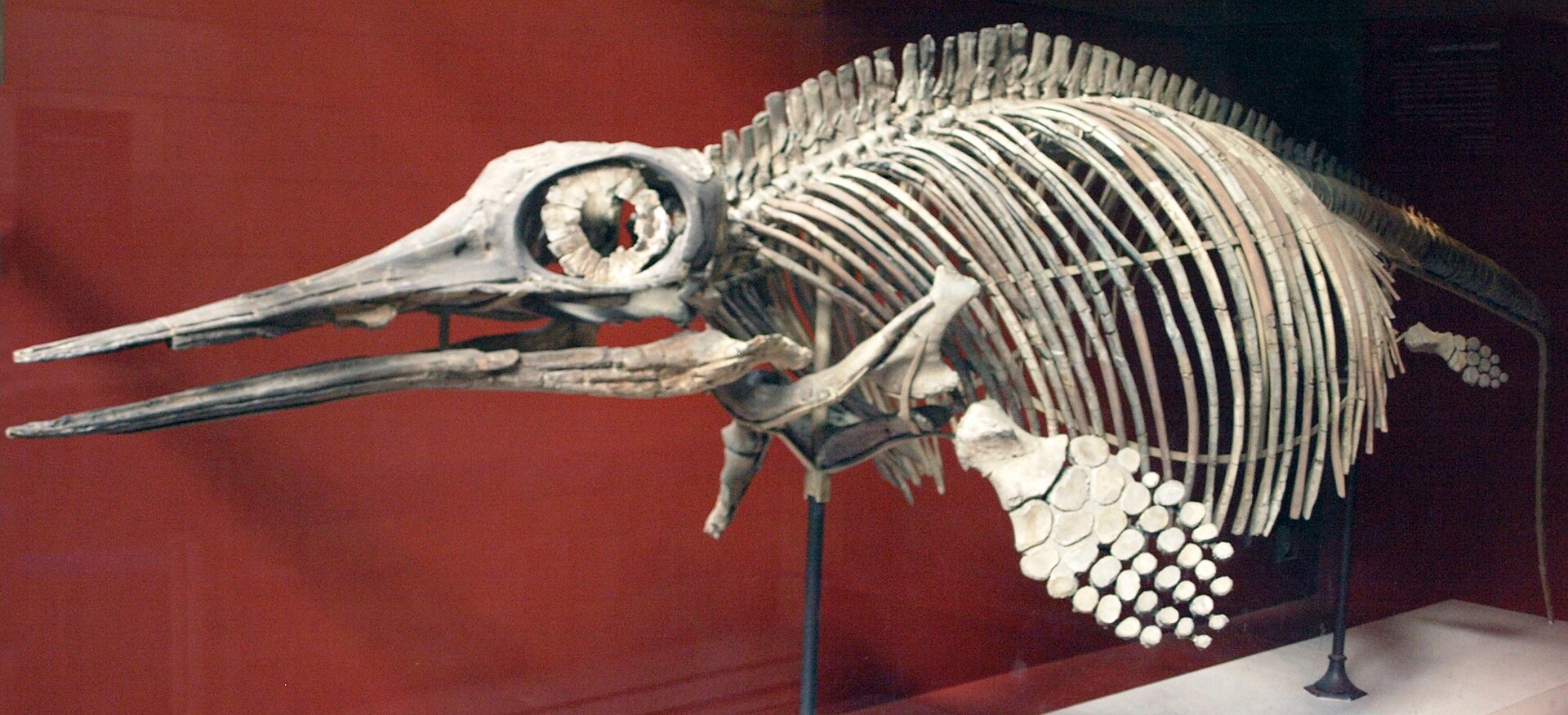
Understanding what these needle‑toothed reptiles actually ate is a little like forensic work, and this is where the science gets both careful and surprisingly imaginative. Paleontologists look at tooth shape, wear patterns, jaw strength, and sometimes microscopic scratches on the enamel to infer what kind of prey passed between those teeth. Slender, unworn, closely packed teeth suggest repeated capture of soft prey that does not grind or chip them. In some fossils, there are even preserved stomach contents showing soft‑bodied animals, small fish bones, or beaks from squid‑like creatures, which line up beautifully with what the teeth imply.
Scientists also run biomechanical models on skulls and jaws, testing how much force they could generate and from what angles, like engineers stress‑testing a bridge. Needle‑like dentitions are usually not backed by extremely powerful crushing jaws; they are more about speed of closure and accuracy. That combination hints at quick strikes and rapid swallowing rather than prolonged chewing or tearing. I find it oddly moving that we can read so much from such small details; a few millimeters of tooth thickness becomes a key to reconstructing entire food webs that disappeared tens of millions of years ago. It reminds you that the fossil record is not just bones, but evidence of behavior frozen in stone.
Modern Echoes: Needle Teeth Today and What They Tell Us About the Past
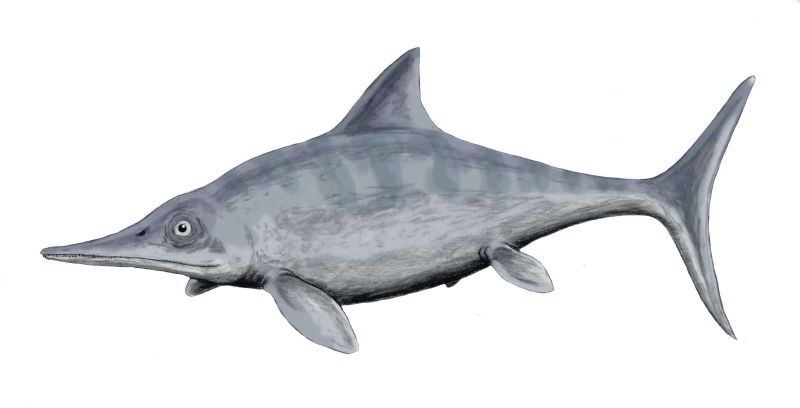
One of the most convincing arguments that ancient needle‑toothed reptiles were soft‑prey specialists comes from looking at modern animals with similar dentitions. Today’s dolphins, some toothed whales, and certain fish species have slim, conical or needle‑like teeth used for grabbing slippery prey such as fish and squid. They do not chew; they catch, grip, and swallow, relying on speed, coordination, and those fine points to prevent escape. The parallels in tooth form and feeding behavior between these living animals and fossil marine reptiles help anchor our reconstructions of the past in real, observable biology instead of pure guesswork.
Of course, modern analogs are not perfect copies of ancient species, but they serve as powerful reality checks. If we see the same combination of body shape, tooth type, and likely prey in both fossil ichthyosaurs and living marine predators, it becomes hard to argue that the resemblance is a coincidence. Personally, I think this is where paleontology feels most alive: when you can watch a dolphin snap up fish today and, in your mind’s eye, overlay that motion onto an ichthyosaur doing something similar in a Jurassic twilight sea. Needle‑like teeth stop being an abstract anatomical feature and become the active tools of a living, moving, breathing animal.
Conclusion: Fragile Looking Teeth, Ruthlessly Effective Hunters
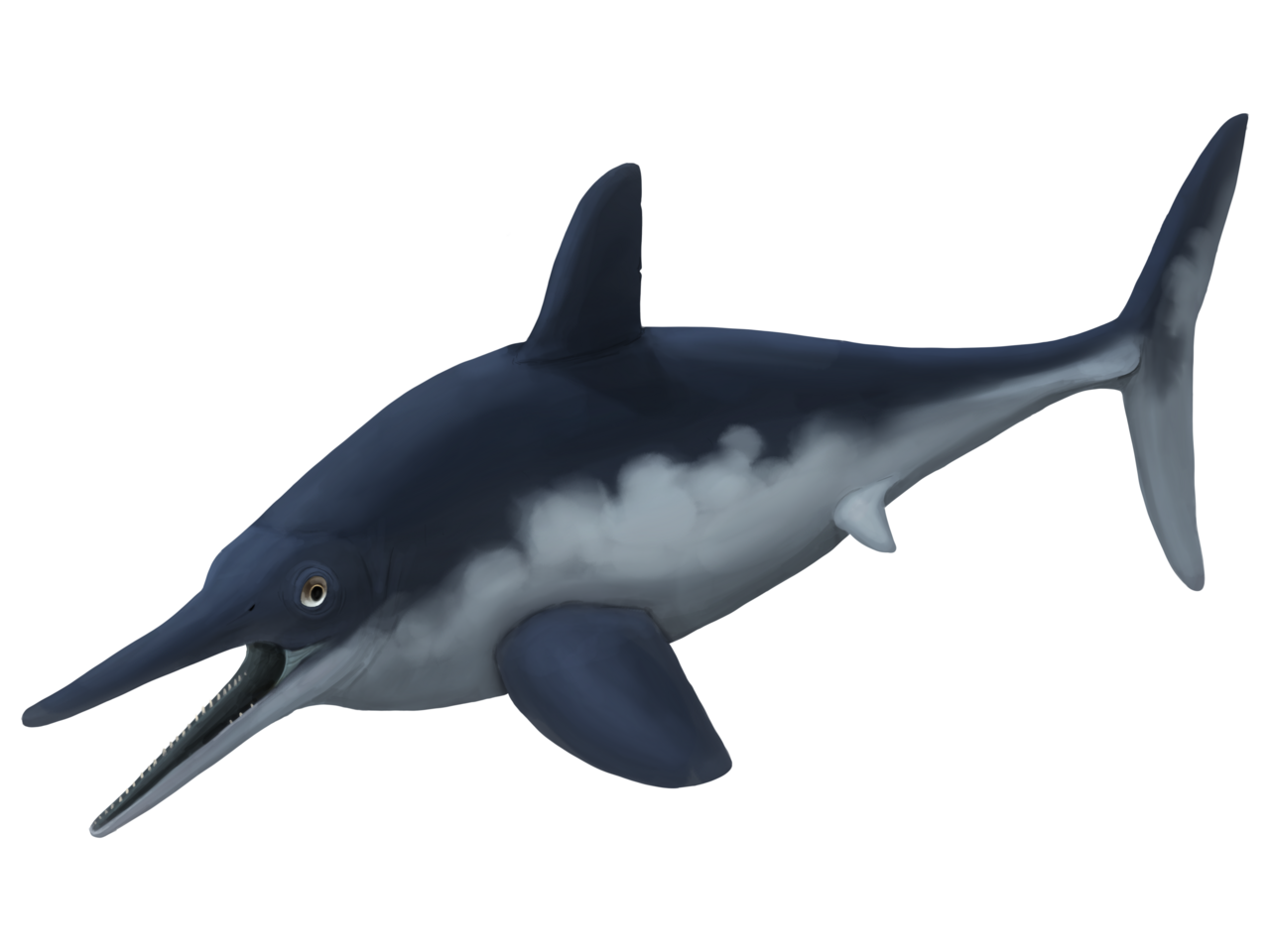
It is tempting, especially in popular culture, to celebrate only the biggest, crunchiest, most obviously terrifying predators from the age of reptiles. But the ancient marine reptile with teeth like needles forces us to respect a different kind of power: precision over brute force, finesse over sheer strength. These animals thrived not by smashing through armor, but by mastering the art of catching what others might miss, exploiting a soft‑bodied buffet that filled the ancient seas. For me, that makes them more relatable than the over‑the‑top monsters; they are reminders that evolution rewards being good at your niche, not just being loud about it.
When I think about those delicate jaws studded with tiny spikes, I do not see fragility so much as quiet confidence in a very specific way of life. Their story is a nudge to stop underestimating the specialists, whether in nature or in our own human world, where narrow expertise is sometimes dismissed until it suddenly becomes indispensable. Needle‑toothed marine reptiles may not dominate toy shelves or movie posters, but they dominated their ecological role in ways that were every bit as impressive. In a sea full of heavyweights, they proved that a carefully aimed pinprick can matter more than a clumsy hammer blow; does that match what you expected when you first heard about “teeth like needles”?