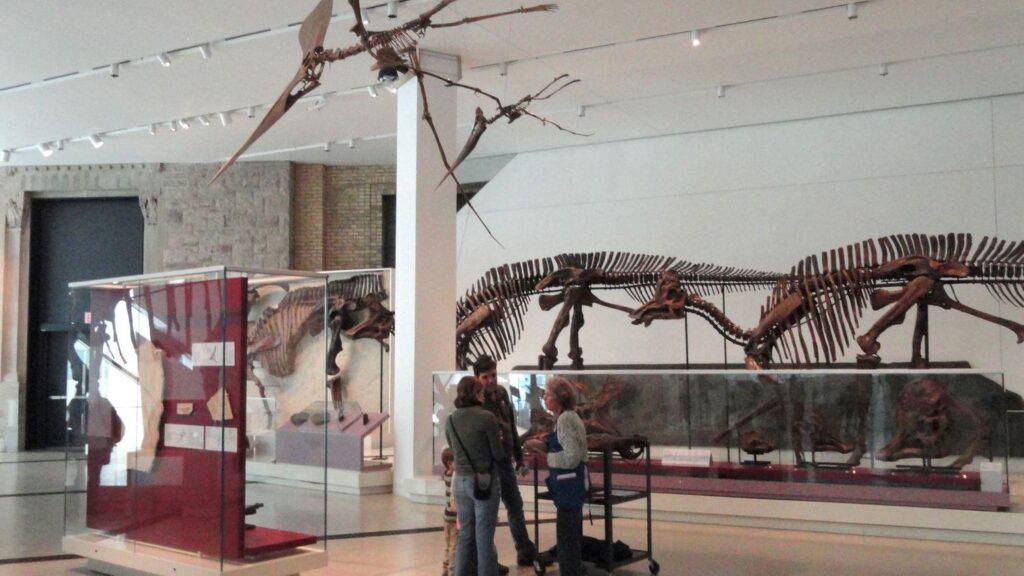
For all the roaring T. rexes and stampeding sauropods on screen, the Age of Dinosaurs was a lot weirder than most movies dare to show. Beyond the familiar giants, there were marine lizards longer than buses, flying reptiles with wings like living kites, and bizarre mammals quietly testing out new ideas for teeth and bodies in the shadows of the giants. The result is a world that feels less like a simple reptile theme park and more like an alien planet that just happens to share our gravity.
What follows are seven real creatures that lived during the Mesozoic era, alongside dinosaurs, that mainstream films simply ignore. They are not fan fiction, not rumor, not half-known fossils stretched into monsters. They are strange enough as they actually were. By the end, you might find yourself wondering why the same old raptors keep getting sequels when reality is sitting here, begging for a good script.
Morganucodon: The Shrew-Sized Night Walker Under Dino Feet
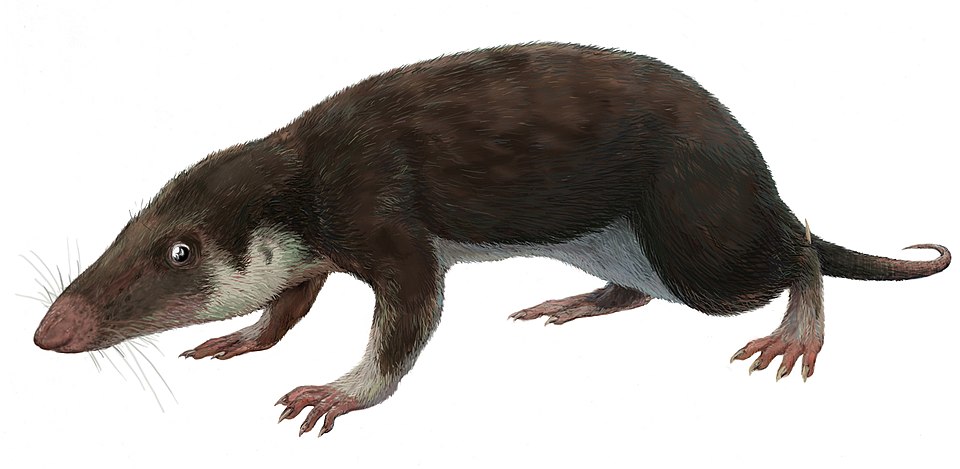
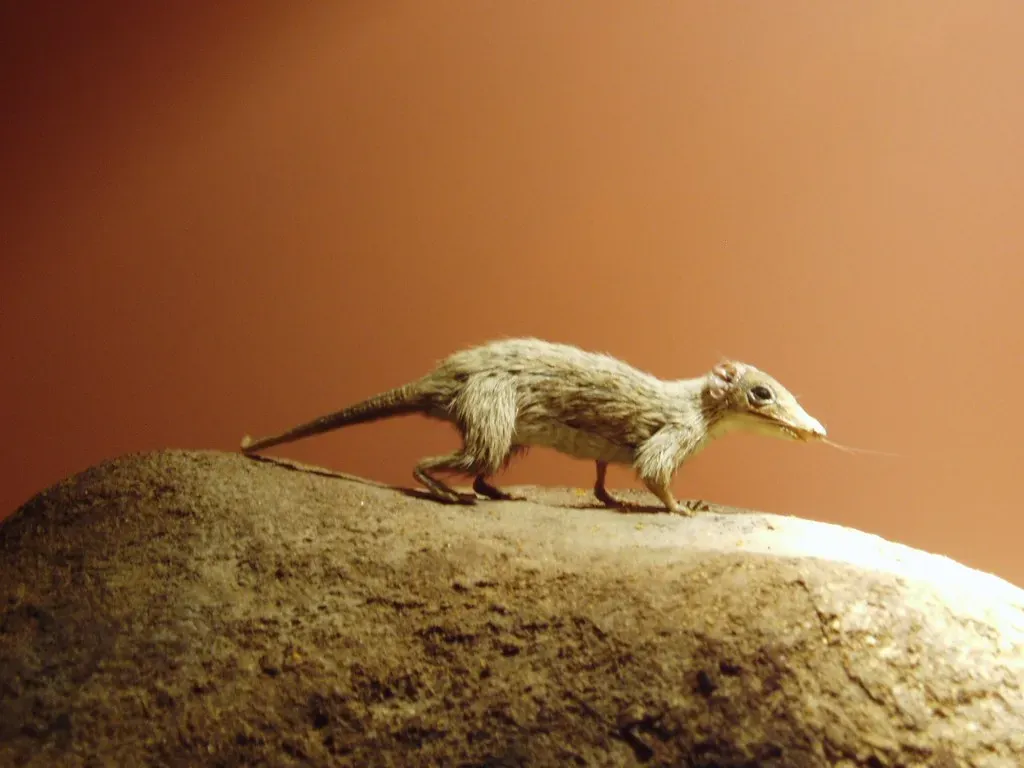
Imagine the Jurassic at night: huge sauropods creaking like living cranes in the dark, predators growling in the distance… and under their feet, something no bigger than a mouse sprinting between ferns. That was Morganucodon, one of the earliest close relatives of true mammals, alive in the Late Triassic and Early Jurassic while dinosaurs were just beginning their long reign. It had a body roughly like a tiny shrew, complete with sharp little teeth and probably a coat of fur to keep it warm when temperatures dropped.
What makes Morganucodon fascinating is not its size but its timing. This animal was part of the quiet revolution that eventually led to mammals like us: more complex jaws and teeth, better chewing, possibly higher and better-regulated body temperatures, and maybe even a more active, nocturnal lifestyle to avoid dinosaur predators. When I first learned about it, I realized our family story does not start after the dinosaurs vanish in a meteor firestorm; it starts right under their feet, in the leaf litter, in the dark, carried by tiny creatures nobody would notice in a movie theater.
Pliosaurus: The Sea Predator That Out-Terrored T. Rex
If you took the raw intimidation factor of a T. rex and dropped it into the ocean, you would get something very close to a pliosaur like Pliosaurus. This marine reptile was not a dinosaur but a type of short-necked plesiosaur, living during the Late Jurassic in the same broad time window as many classic dinosaurs. Its skull alone could stretch several meters long, packed with massive conical teeth designed less for fine cutting and more for brutal, bone-crushing power. Think of a crocodile scaled up and streamlined into a torpedo, with flippers instead of legs and a mouth that could easily grab a smaller marine reptile whole.
The fact that Pliosaurus and its relatives rarely show up in films is almost absurd, because they are basically nature’s own answer to a kaiju. These animals likely hunted anything they could overpower: long-necked plesiosaurs, big fish, maybe even each other. While movies send T. rex stomping through theme parks, the real Mesozoic seas hosted battles between multi-ton predators in water so dark you might only see teeth and pale jaws lunging out of the gloom. Standing on a Jurassic shoreline, the smartest move would not be to look for dinosaurs, but to watch the waves.
Sharovipteryx: The Gliding Kite With Wings on Its Legs
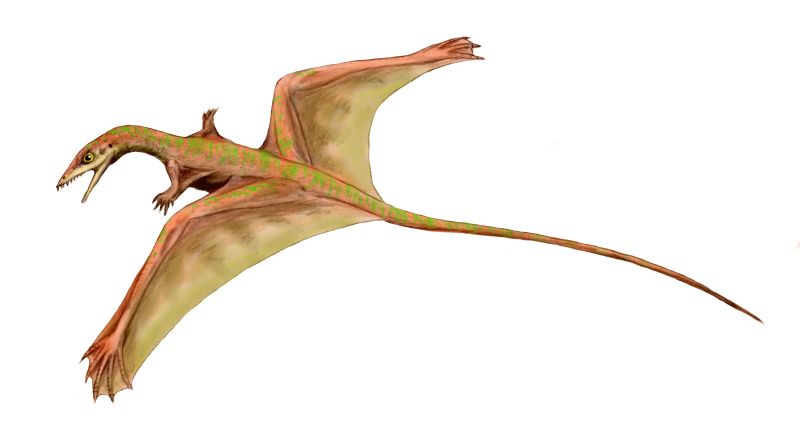
Some prehistoric creatures look like evolution tried a wild idea on a Friday and just ran with it. Sharovipteryx, from the Triassic period of Central Asia, is one of those. It was a tiny reptile, not a dinosaur, with an especially long pair of hind legs supporting membranes that formed a sort of delta-shaped wing. Instead of arms becoming wings like in birds or bats, Sharovipteryx seems to have used its legs as its main gliding surface, turning its whole body into something like a flying kite attached to a very long tail.
We do not yet know exactly how gracefully it moved, and reconstructions vary, but the core idea is clear: while dinosaurs were still experimenting with early feathers, some of their neighbors were already gliding between trees on leg-wings. That mental image alone feels more imaginative than many science fiction concepts, yet it almost never appears on screen. Next time you see a Hollywood jungle full of generic flying reptiles, remember there once was a creature that turned the usual idea of wings upside down and literally put them on the other end of its body.
Beelzebufo: The “Devil Toad” That Could Bite Back
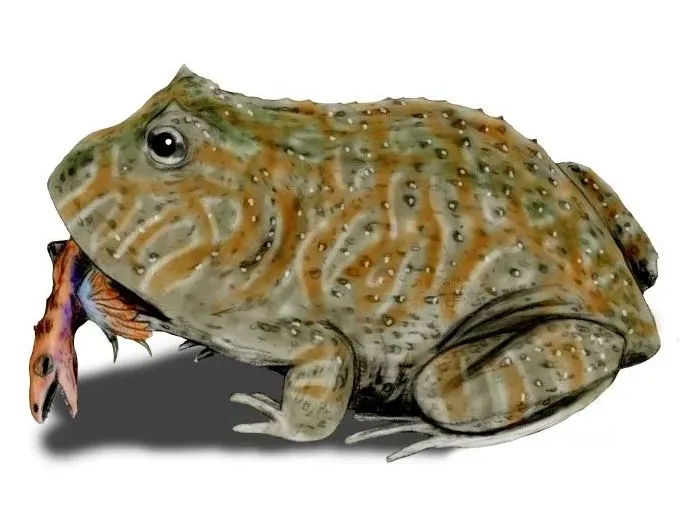
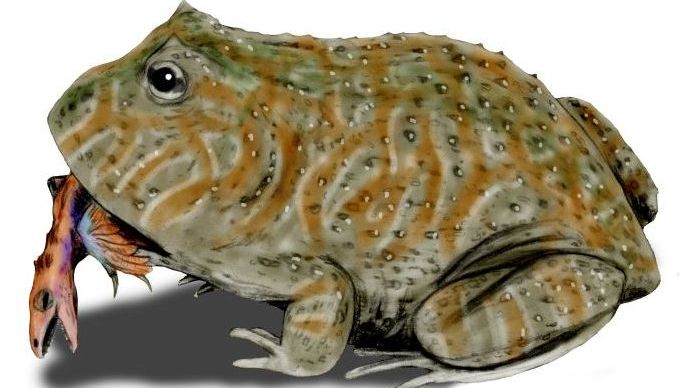
During the Late Cretaceous, while titanosaurs and theropods wandered what is now Madagascar, something much smaller lurked in the mud that absolutely deserves a role in a horror film: Beelzebufo. Often nicknamed the “devil toad,” it was a gigantic frog, likely comparable in size to a modern small bulldog. Its skull structure suggests a powerful bite, enough to clamp down on sizable prey rather than just insects. Picture a squat, muscle-packed animal half-buried in sediment, suddenly exploding upward to grab a passing lizard or baby dinosaur.
The idea that a frog could be a credible predator in a dinosaur ecosystem feels surprising, because our mental image of Mesozoic life is so dominated by reptiles and birds. Yet amphibians like Beelzebufo remind us that the supporting cast was sometimes shockingly tough. When I think about the Cretaceous now, I do not just imagine towering dinosaurs; I also imagine their young having to worry about ambushes from toothy frogs in muddy ponds. It is a far less tidy, much more layered world than the cleanly separated food chains you see in most movies.
Kronosaurus: The Short-Necked Titan of the Cretaceous Seas
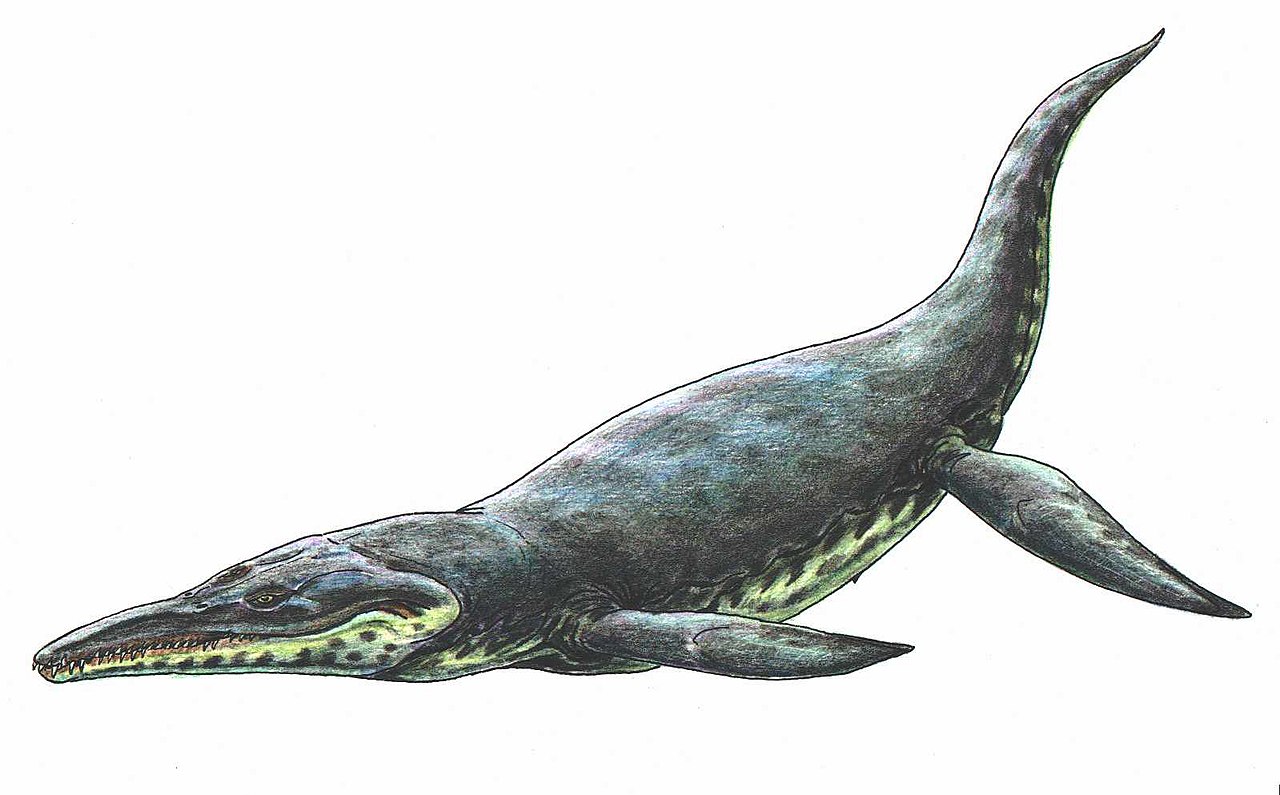
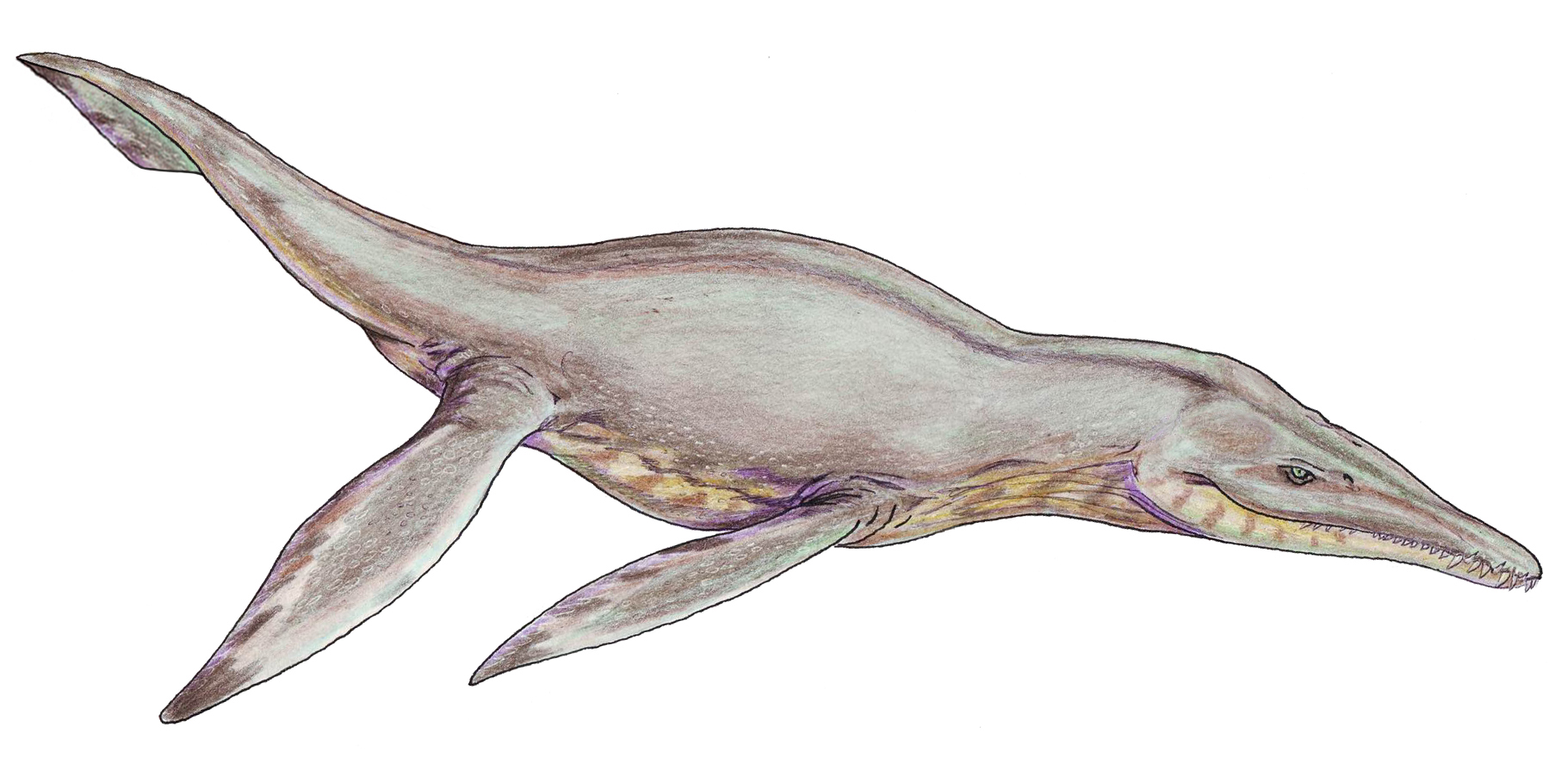
Kronosaurus was a later cousin of Pliosaurus, haunting the Early Cretaceous oceans around what is now Australia and South America. Again, we are dealing with a pliosaur, not a dinosaur, but it lived at the same time as many iconic land species. With an enormous skull at the front of a stout, flippered body, Kronosaurus would have looked like pure menace from the side, its jaws bristling with thick teeth built to grab slippery, struggling prey. Fossil evidence indicates a lifestyle of active pursuit, not passive scavenging, suggesting it patrolled ancient seas like a patrolling submarine.
The name might ring a faint bell because it has occasionally appeared in museum displays and books, yet it is still weirdly neglected by filmmakers. That lack of attention feels like a missed opportunity, because a realistic scene of Kronosaurus lunging up from below to snatch a smaller marine reptile would be as dramatic as any shark movie. When people say dinosaurs ruled the Earth, they often forget that in the water, powerful marine reptiles like this were the real apex monsters. The ocean, then as now, kept its own separate kingdom of rulers.
Repenomamus: The Mammal That Ate Young Dinosaurs
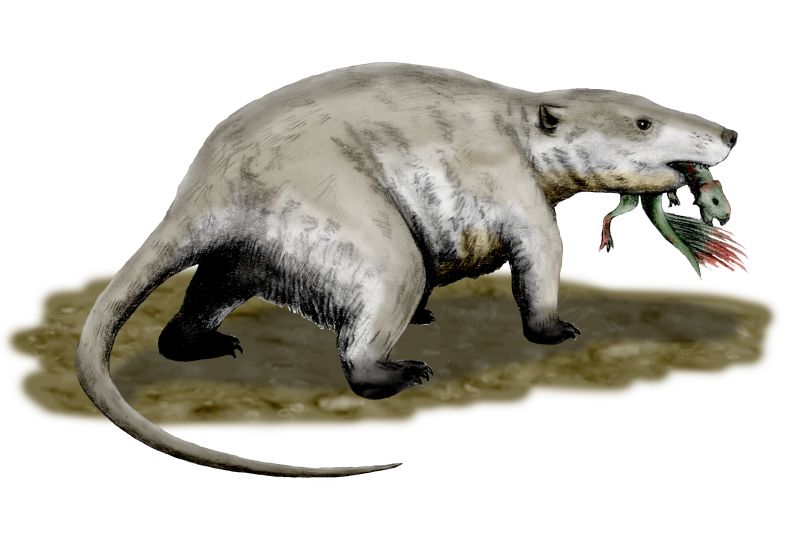
We are used to the idea that dinosaurs bullied early mammals into hiding, but Repenomamus, from the Early Cretaceous of what is now China, flips that story. This mammal was about the size of a medium dog in some species, making it surprisingly large for its kind at the time. The real shock came when paleontologists found fossilized stomach contents in one specimen that included bones from a young dinosaur, likely a small herbivore. In other words, here is direct evidence of a mammal eating a dinosaur, not the other way around.
That single fossil changes the vibe of the entire Mesozoic food web. Instead of mammals always cowering in the shadows, at least some of them were opportunistic predators willing to grab baby dinosaurs when the moment was right. To me, Repenomamus feels like the prototype of all later bold mammals, a kind of early field test for the idea that you do not always have to be the biggest animal to be a dangerous one. It is hard to understand why films have not jumped on this, because a scene of a smug little predator dragging off a dinosaur hatchling would shatter a lot of comfortable assumptions in one shot.
Rhamphorhynchus: The Night Hunter of Jurassic Skies
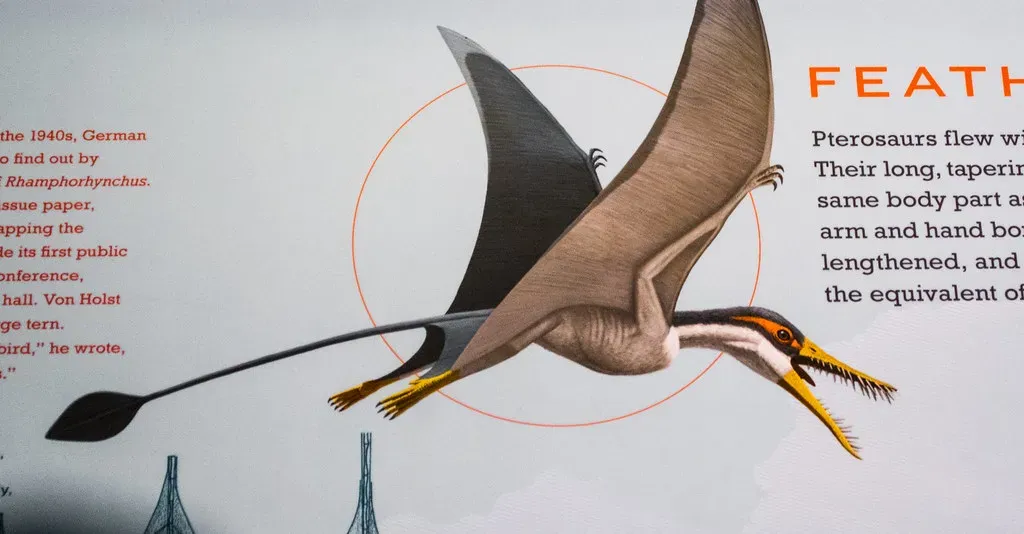
Pterosaurs are not dinosaurs, but they lived alongside them for tens of millions of years, filling the skies while dinosaurs dominated the land. Rhamphorhynchus, a Jurassic pterosaur from Europe, is one of the more distinctive ones that rarely gets a starring role. It had relatively long wings, a narrow snout lined with sharp interlocking teeth, and a long tail ending in a diamond-shaped vane. Fossils suggest it hunted fish, swooping low over water surfaces or perhaps even snatching prey just under the surface like a living fishing line.
Even more intriguing are specimens that preserve stomach contents and even impressions of soft tissues, giving us clues about its diet and wing structure. This is not a vague mystery animal; it is one of the better understood pterosaurs of its era. Yet movies often default to generic, toothy pterodactyls buzzing around like angry seagulls, instead of using a species with real, specific behaviors inferred from the fossils. Whenever I see another identical flock of movie pterosaurs, I cannot help but think of Rhamphorhynchus gliding quietly over a moonlit lagoon, living a life both far stranger and far more real than anything on the screen.
Conclusion: The Lost Half of the Dinosaur Age
Looking at these seven creatures side by side, a pattern jumps out: popular culture has flattened the Age of Dinosaurs into a narrow cast of oversized reptiles and a couple of token pterosaurs. The truth is messier and, in my view, far more interesting. Tiny proto-mammals were already refining the traits that would one day make primates possible, amphibians were building bodies strong enough to bite back, and the seas and skies were full of reptilian experiments that never quite get their due. When people say they wish they could visit the Mesozoic, I suspect many are actually picturing only a small slice of what was really there.
My opinion is that dinosaur movies have become creatively conservative, recycling the same handful of animals instead of leaning into the genuine oddities that science keeps uncovering. You do not need to invent new monsters when leg-winged gliders, devil frogs, and mammal dinosaur-hunters actually existed. If anything, the more we learn, the more the real fossil record makes many blockbuster creatures look tame. Maybe the next step forward in prehistoric storytelling is not bigger teeth or louder roars, but finally admitting that the strangest thing about the Age of Dinosaurs is how little of it we have chosen to show. Which of these forgotten neighbors would you actually want to see come to life first?