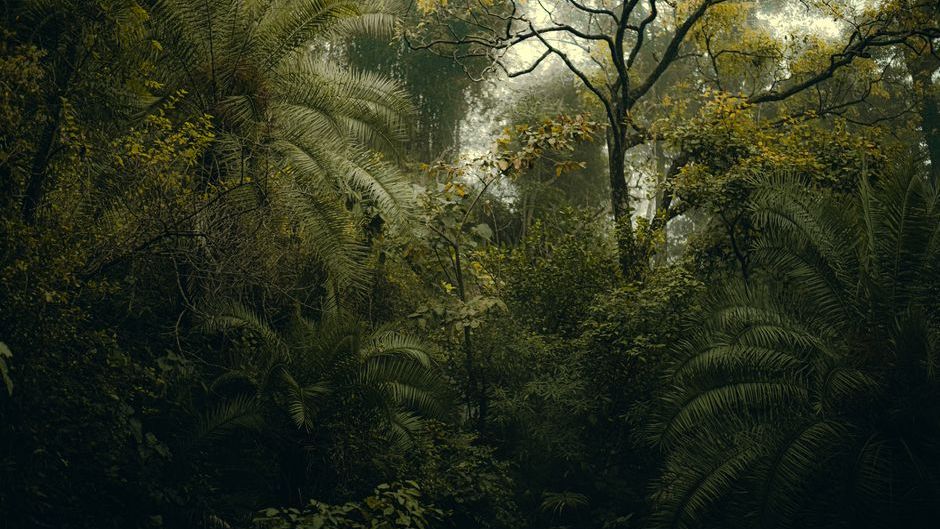
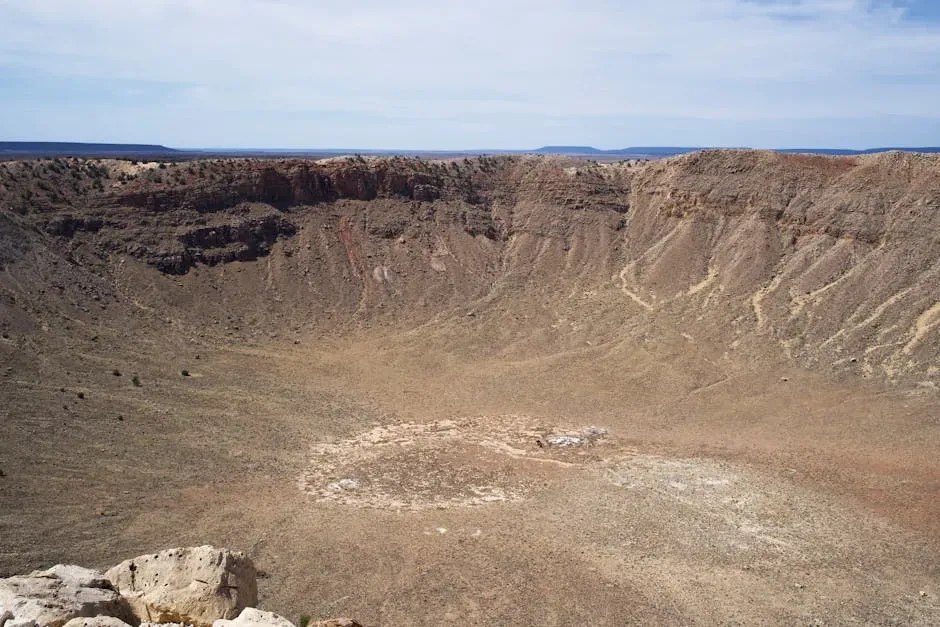
If you could stand in the quiet, humid air of the Late Cretaceous and look around, you’d probably think the world was done changing. Giant dinosaurs ruled the land, flying reptiles owned the skies, and lush forests wrapped the continents in green. Yet in what was, on geological timescales, the blink of an eye, a single asteroid struck what is now the Yucatán Peninsula and took that seemingly stable world apart. It did not just wipe out dinosaurs in some fiery apocalypse; it yanked the reset lever on Earth’s entire ecological system.
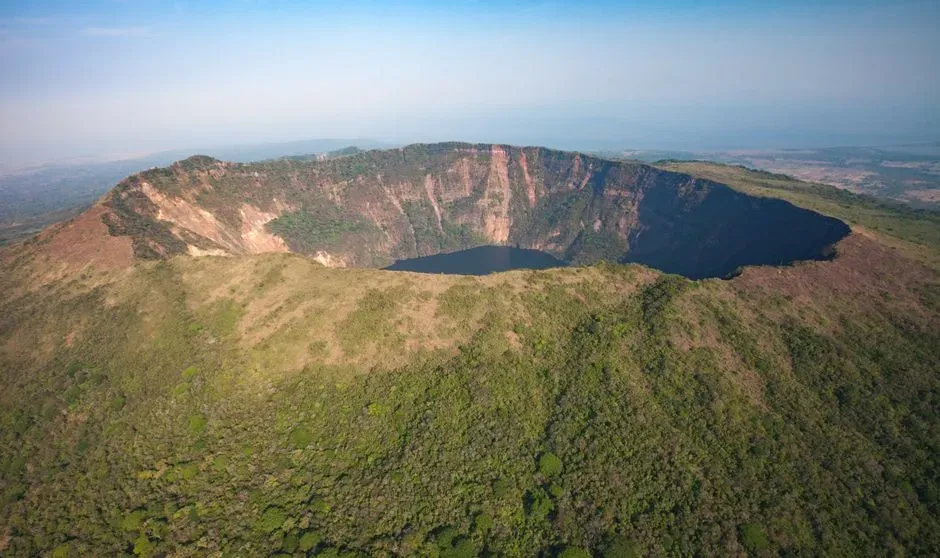
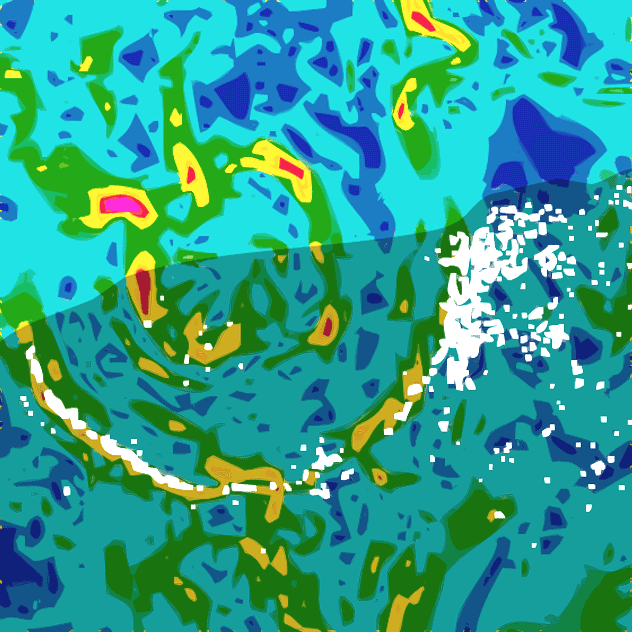
I still remember the first time I saw a graphic of the Chicxulub impact structure and realized just how small that asteroid looked on paper compared to how massive its consequences were. That mismatch, between a rock only a few kilometers across and the extinction of roughly about three quarters of all species, is both terrifying and oddly clarifying. It shows how interconnected everything is: one violent event in one place can rearrange life everywhere else. Let’s walk through how this impact did not simply end an era, but cleared the board, shuffled the pieces, and set up the modern world you and I live in.
A Planet-Shattering Impact More Complex Than Just “Big Rock Hit Earth”
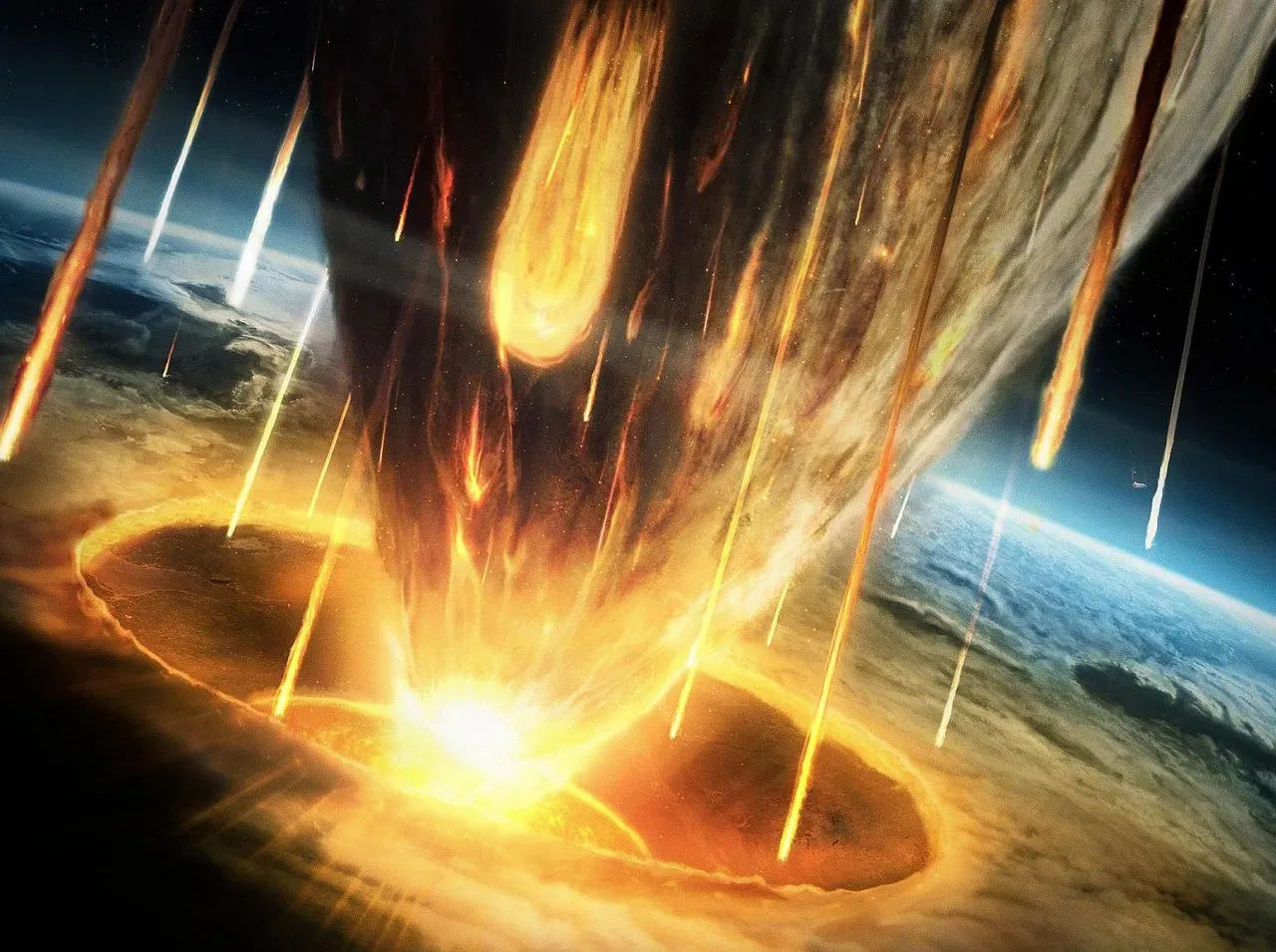
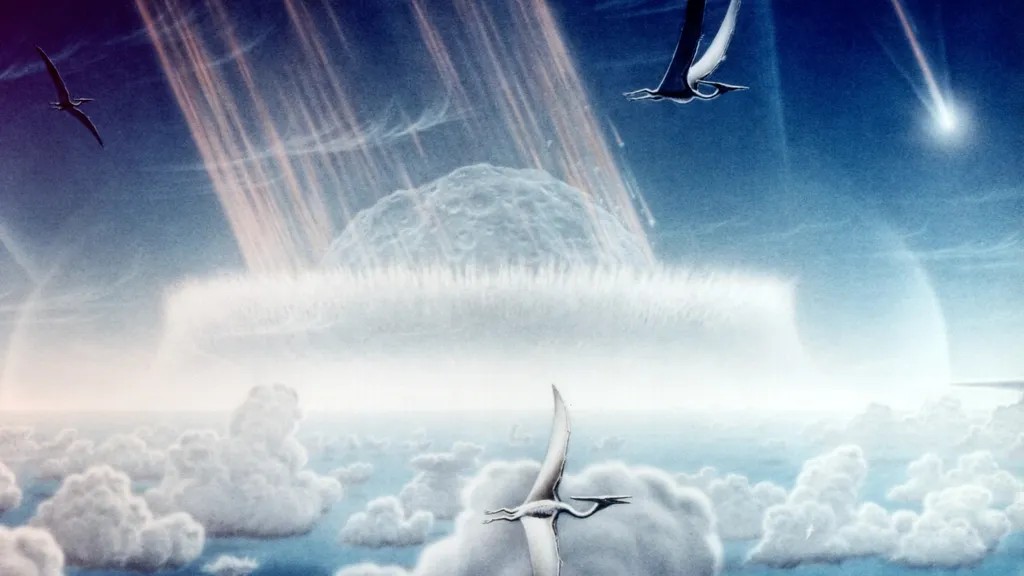
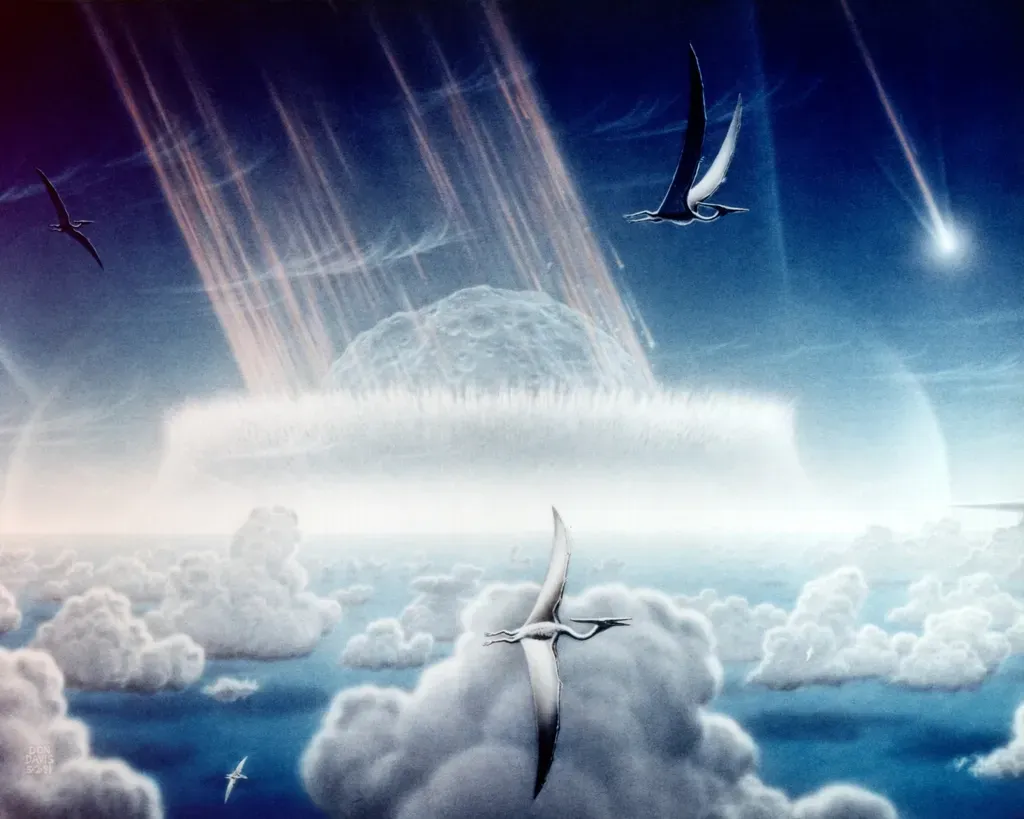
When people picture the Chicxulub impact, they usually imagine a flaming boulder screaming through the sky and an instant explosion, almost like a movie special effect. The reality was far more violent and far more complicated. Moving at tens of kilometers per second, the asteroid slammed into shallow tropical waters, punching a hole in the crust roughly the width of a small country and releasing energy comparable to billions of nuclear bombs detonating at once. In the first minutes alone, rock turned to vapor, mountain-scale tsunamis raced outward, and shockwaves circled the planet.
But the real story lies not only in the initial blast, but in the cascading processes it triggered. Huge quantities of sulfur-rich rock and carbonates were instantly melted and vaporized, throwing fine particles, gases, and superheated ejecta high into the atmosphere. As that ejecta rained back down, friction heated the air enough to ignite global wildfires, turning forests into enormous sources of soot. So instead of a single “boom,” Chicxulub kicked off overlapping disasters: global firestorms, tsunamis, earthquakes, and climate chaos, all layering onto each other like a series of brutal aftershocks to one cosmic punch.
From Bright Cretaceous Skies to a Long, Dim “Impact Winter”

The dinosaurs didn’t just die from one bad day; they faced a bad century, at least. After the immediate inferno came something even more insidious: an impact winter. Dust, sulfate aerosols, and soot from global fires spread through the atmosphere, dimming sunlight around the world. Photosynthesis stalled, especially in the oceans, where tiny plankton that anchor marine food webs suddenly found themselves in a low-light, low-energy world. When the primary producers falter, everything up the chain begins to starve.
This prolonged darkness and chill turned Earth into a planet of survivors rather than rulers. Temperatures likely dropped abruptly, then seesawed as sunlight slowly filtered back and greenhouse gases, including carbon dioxide released from vaporized rock and burning biomass, built up again. The climate did not just shift; it lurched. Species had to navigate rapid changes in temperature, light, and food availability, and most couldn’t adapt fast enough. Those that did, often small, flexible, and opportunistic, inherited a world where the old rules of dominance had been completely rewritten.
Why Dinosaurs Fell While Mammals Crawled Through the Rubble
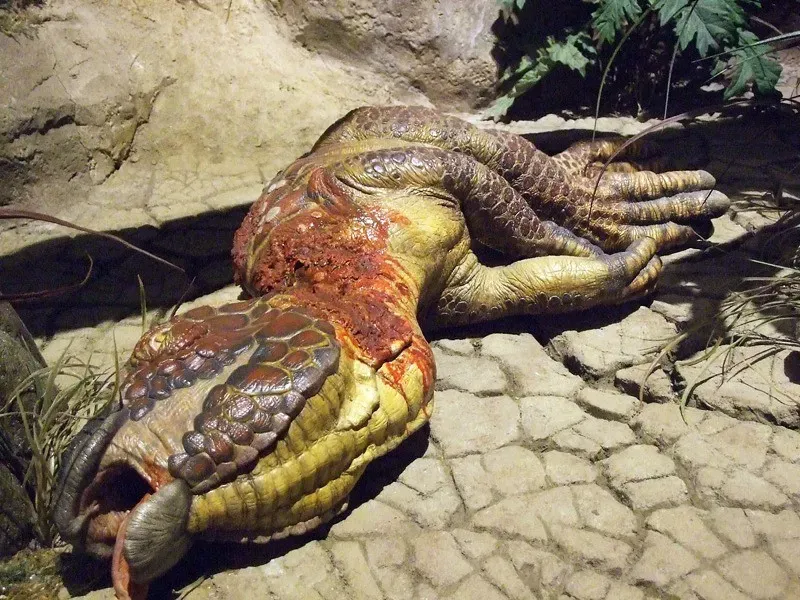
It’s tempting to imagine dinosaurs as doomed the second the asteroid appeared in the sky, but that oversimplifies the biology. Dinosaurs had thrived for over 150 million years, weathering previous climate shifts and volcanic events. Their downfall was the specific combination of large body size, high energy needs, and ecological specialization that made them vulnerable once ecosystems collapsed. When food chains broke and primary productivity plunged, animals that needed a lot of calories, space, and stable conditions were suddenly on the losing side of evolution.
Mammals, in contrast, mostly occupied niches that were low on the food chain and often in the shadows, literally and figuratively. Many were small, adaptable omnivores or insectivores, able to survive on a wide range of foods, hide in burrows, and reproduce relatively quickly. In an ecosystem turned chaotic, their flexibility was an evolutionary superpower. It wasn’t that mammals were “better” than dinosaurs; they were simply better matched to a post-impact world of scarcity, instability, and rapid change. The asteroid did not pick favorites, but it rewarded traits that had previously been stuck in the background.
Ocean Food Webs Collapsed Before They Could Be Reborn
We often focus on land animals, but the oceans took a brutally hard hit. Microscopic plankton that form the base of marine food webs were heavily affected by the loss of sunlight and influx of acidifying and toxic substances in the water. Many species of ammonites, marine reptiles, and large predatory fish vanished as their food sources dwindled. Reef systems that had flourished in the warm Cretaceous seas were disrupted or destroyed, and the skeleton-building organisms that sustained them struggled in the new, stressed chemistry of the oceans.
Over time, though, this same disruption opened space for entirely new kinds of marine ecosystems. Different lineages of plankton rose to dominance, setting up altered nutrient flows and energy transfer patterns. Modern fish groups, sharks, and marine mammals later evolved and diversified in seas no longer ruled by giant marine reptiles or ancient reef-builders. In other words, the ocean you see today, full of coral reefs, schooling fish, and whales, is not a slightly edited version of a dinosaur-age sea. It is a rebooted system that grew from the ruins of Chicxulub’s marine upheaval.
Plants, Forests, and Insects: How the Green World Hit Restart
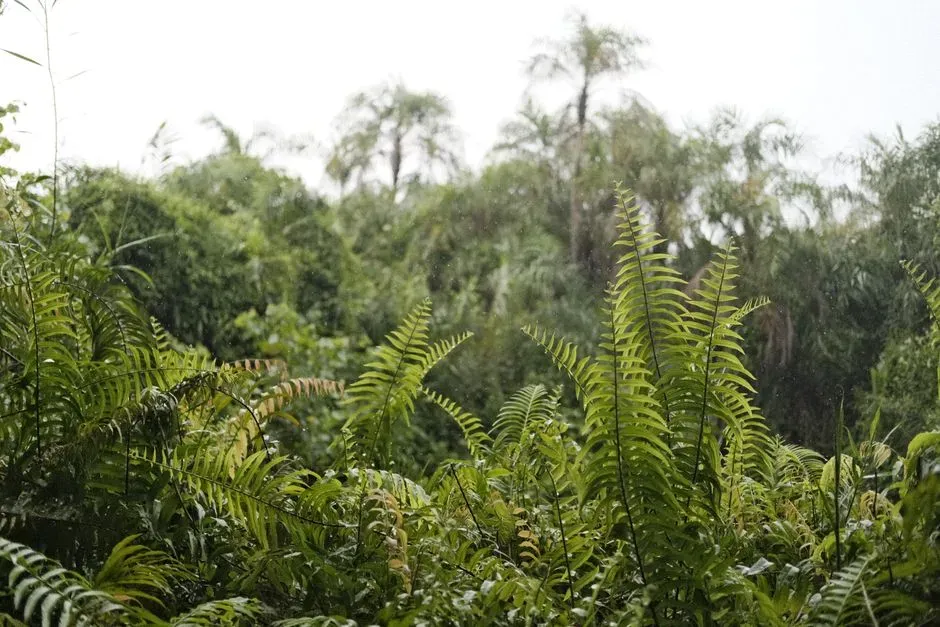
The impact winter turned huge swaths of the planet’s forests into graveyards of charred trunks and ash. Many plant communities disappeared locally or regionally, especially large, slow-growing species that couldn’t handle repeated stress. Yet some plants recovered faster than others. Ferns, for example, are famously resilient in disturbed landscapes, and fossil records show what paleontologists sometimes call a fern spike after the impact, where fern spores briefly dominate. This is the botanical equivalent of weeds taking over a burned lot before anything more permanent returns.
As light and warmth gradually returned, flowering plants and certain hardy trees spread into the emptied spaces. Insects, ever the opportunists, followed the food, and new plant–insect relationships formed. This reshaping of vegetation did more than change the scenery; it reset the menu for herbivores and pollinators, which in turn influenced what kinds of birds, mammals, and reptiles could thrive. Modern forest ecosystems, with their mix of flowering trees, diverse undergrowth, and complex insect communities, are grounded in this post-impact restructuring. The world’s green cloak did not just regrow; it came back stitched in a different pattern.
How the Impact Cleared the Stage for Birds, Primates, and Eventually Us
One of the strangest twists in this story is that birds are, in a very real sense, surviving dinosaurs. Certain lineages of small, feathered theropods made it through the catastrophe, probably helped by traits like smaller size, more varied diets, and perhaps the ability to exploit seeds and other resilient food sources. In the quiet after the impact, these survivors radiated into many of the bird groups we know today. Every sparrow, eagle, and penguin is part of an avian comeback story that began in the shadow of extinction.
For mammals, the reset was even more dramatic. With non-avian dinosaurs gone and many reptiles diminished, ecological space opened up across continents. Mammals evolved into larger herbivores, predators, and specialized forms that would have had little chance against full-sized tyrannosaurs or giant sauropods. Somewhere in that expanding radiation, early primates found their footing in the trees, taking advantage of developing forests and new food sources. You could argue that human existence is one of the long-term, indirect consequences of Chicxulub: without that asteroid, the particular evolutionary pathway that led to primates and eventually to our own species might never have had the room to unfold.
The Surprising Legacy of Chicxulub in Today’s Climate and Biodiversity
It’s easy to think of Chicxulub as a tragic, one-off disaster locked in the deep past, but its echoes are still around us. The patterns of biodiversity we see today, from the dominance of mammals on land to the specific groups of plankton in the oceans, trace back to who survived that reset and how they diversified afterward. Entire clades of organisms that were minor players in the Cretaceous became central to modern ecosystems because their competitors were abruptly removed. The living world is, in many ways, a long-term experiment in what happens after an unimaginable shock.
There is also a sobering parallel between the sudden climate shifts of the impact and the rapid changes we’re driving now. Chicxulub proves that Earth’s climate system can be shoved into a radically different state very quickly, and that life will adapt over millions of years – but individual species, especially large and specialized ones, can vanish in the process. Personally, I find it both humbling and unsettling that an asteroid and our own industrial activities can have comparable planetary consequences, just on different timescales and through different mechanisms. The Chicxulub story is not just about ancient catastrophe; it is a warning label on the power of sudden change.
Conclusion: A Violent Ending That Became Our Unlikely Beginning
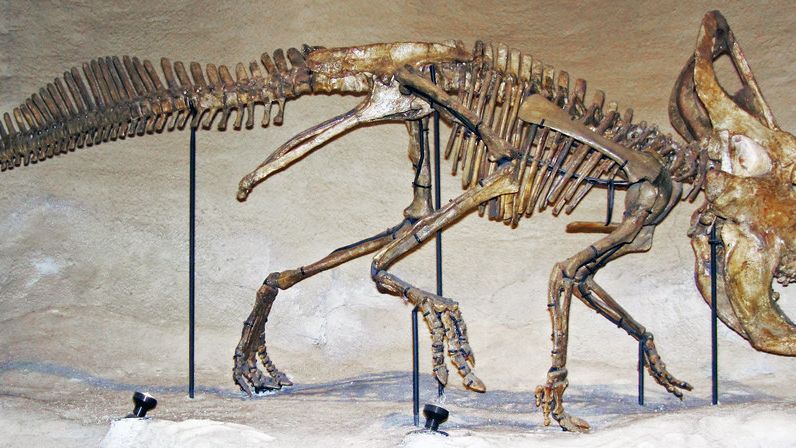
When you strip away the cinematic fireballs and skeletal museum displays, the Chicxulub impact is really a story about how fragile dominance is. Dinosaurs were not weak; they were spectacularly successful until the rules of the game changed overnight. The asteroid did not simply “kill the dinosaurs” in a neat, isolated event – it dismantled a global web of relationships and forced evolution to start over from a different baseline. In that harsh, unstable aftermath, small, adaptable, and often overlooked creatures got their chance to write the next chapters of life on Earth.
I think the most unsettling but important lesson is this: our own presence here is tied to that reset. Without Chicxulub, mammals might still be skulking in the shadows of reptilian giants, and primates, if they existed at all, might be evolutionary footnotes. That does not make the extinction any less tragic, but it does make our modern world feel less inevitable and more contingent, almost like a narrow path chosen out of countless possibilities. The asteroid did not just end an age; it cleared the stage for a completely new performance, one that eventually included us. Knowing that, the real question is whether we treat our inherited planet like a temporary accident – or like a responsibility we were unimaginably lucky to receive.