If you grew up loving dinosaur movies, you probably remember certain scenes that felt burned into your brain: snarling reptiles roaring at the sky, dragging their tails like giant angry iguanas, and fighting cavemen with perfect movie teeth. It all felt epic back then. But once you learn even a little real paleontology, a lot of those once-iconic moments suddenly look… painfully wrong.
What makes it weirdly fun is that these films are time capsules for how we used to imagine dinosaurs, not how they actually lived. They mash together species that never met, skip millions of years as if they were minutes, and twist real science into pure spectacle. Let’s walk through five especially cringe-worthy offenders – not to ruin them, but to see just how far off they went, and why the real story of dinosaurs is actually even cooler.
1. One Million Years B.C. (1966): Dinosaurs and Cave People Hanging Out Like Neighbors
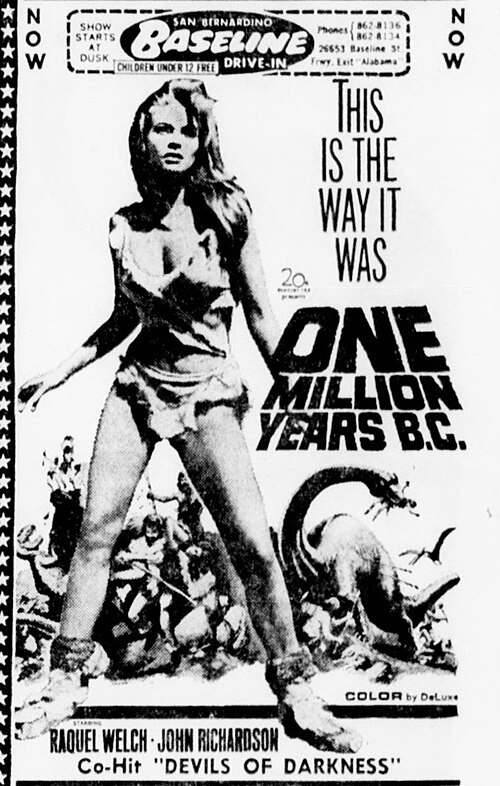
This film is legendary for fur bikinis and stop-motion monsters, but scientifically, it is a complete train wreck in slow motion. The biggest blunder is the central idea that humans and non‑avian dinosaurs shared the landscape, battling each other for survival. In reality, the last non‑avian dinosaurs died out roughly about sixty‑six million years before the first anatomically modern humans appeared, which means the closest any human has come to a live Tyrannosaurus is a museum skeleton.
The movie also tosses together random prehistoric creatures with zero regard for when they actually lived. Giant lizards, pterosaurs, and various dinosaur stand‑ins stroll into the same scenes as if the entire history of life were a single long weekend. If you tried to map that onscreen world to a real timeline, you’d have to compress hundreds of millions of years into a couple of days. The truth is less chaotic but far more fascinating: ecosystems changed dramatically over time, with very different lineups of species in different eras, instead of this one-size-fits-all prehistoric mashup.
2. The Valley of Gwangi (1969): A T. rex Knockoff Stuck in Tail-Dragging Mode
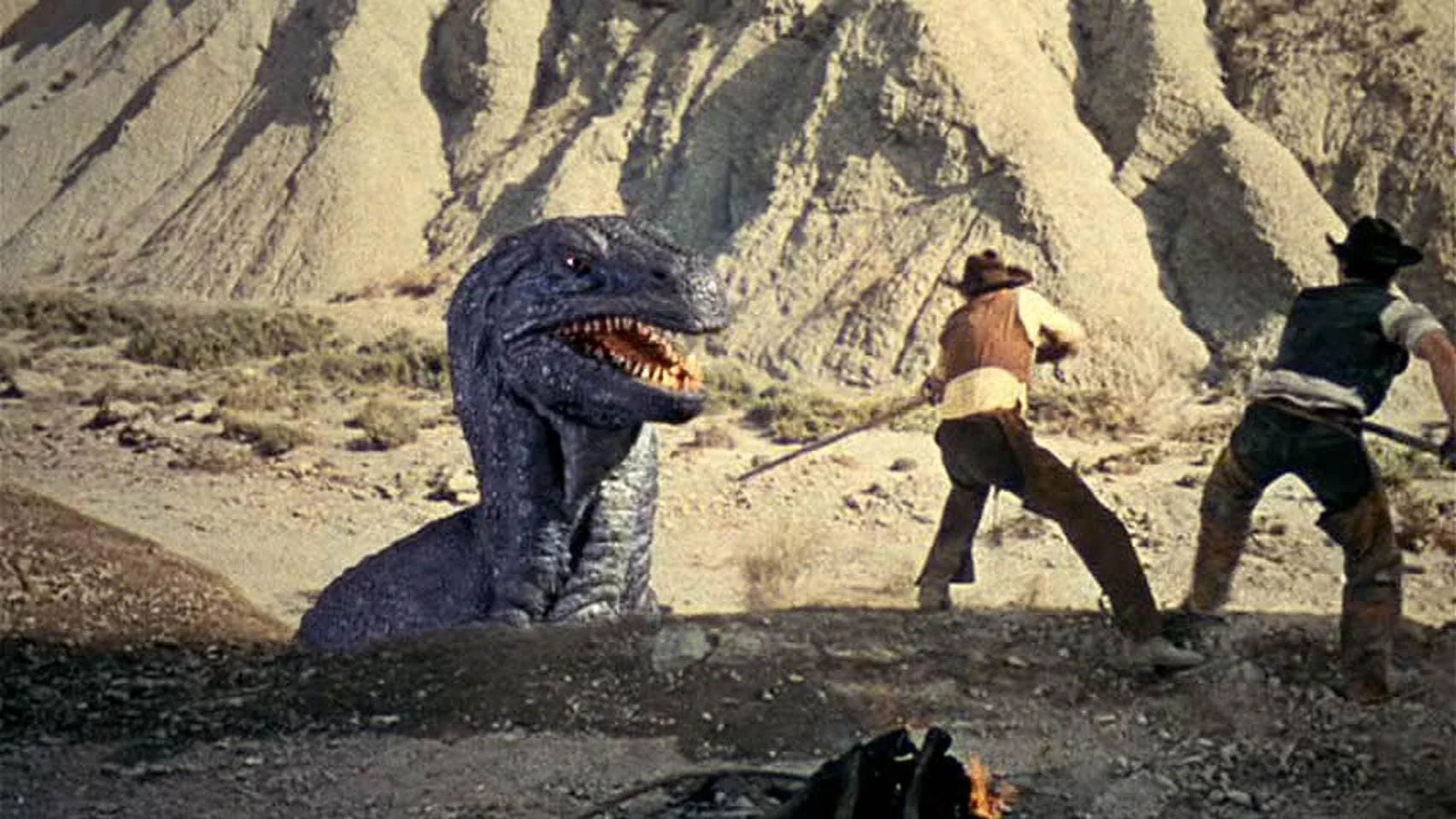
On the surface, The Valley of Gwangi is a wild idea: cowboys discovering a hidden valley full of prehistoric beasts. The star monster, Gwangi, is clearly modeled on something like a Tyrannosaurus, but he’s frozen in that old-fashioned view of dinosaurs as sluggish, tail-dragging reptiles. In the film, the big theropod stalks around with its tail scraping the ground, like a giant crocodile marching upright. Paleontologists had already been building a different picture by the mid‑twentieth century: large theropods balanced horizontally, with the tail held aloft as a counterweight, more like enormous, lethal birds than lumbering lizards.
The way Gwangi moves also misses the mark. Real large carnivorous dinosaurs show clear anatomical signs of being active, dynamic animals, with strong hindlimbs and birdlike hips that hint at decent speed and agility. Fossilized trackways and biomechanical modeling suggest many of them could move far more quickly and gracefully than these jerky, almost stiff creatures on film. As a kid, I thought Gwangi looked terrifying; as an adult, I can’t stop seeing an overgrown plastic toy animated just well enough to fool someone in the 1960s, but completely at odds with what we now know about dinosaur posture and movement.
3. The Land That Time Forgot (1975): Eternal Dinosaurs in a Time Vacuum
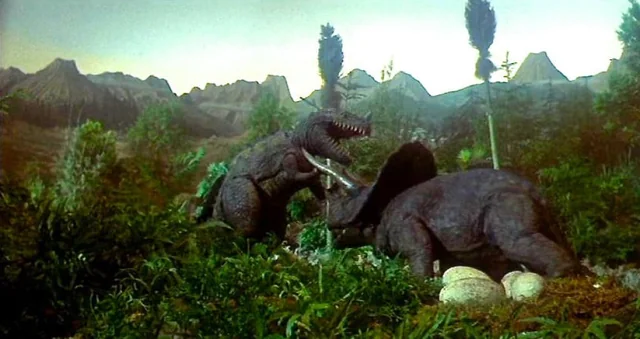
This pulpy adventure traps its cast on a lost world where dinosaurs, marine reptiles, and assorted prehistoric life forms are basically stuck in permanent replay. One of the cringiest ideas is that evolution in this hidden land runs on a simple conveyor belt, with creatures stepping through fixed stages from one form to another, while dinosaurs just hang around unchanged for absurdly long spans. Real evolution is messy, branching, and full of dead ends, not a neat ladder that upgrades life like a video game leveling system.
The creatures themselves are portrayed like relics that somehow paused geological time. In reality, dinosaurs, pterosaurs, and marine reptiles evolved rapidly in response to changing environments, competition, and mass extinctions. Species appeared, thrived, and vanished, and the dinosaur world of the Late Triassic would have looked drastically different from that of the Late Cretaceous. The movie treats “prehistoric” as a single aesthetic, but the fossil record shows constant turnover and innovation, which makes the real story more like an ever‑changing series rather than a static greatest‑hits playlist of monsters.
4. Baby: Secret of the Lost Legend (1985): Sauropods as Swamp-Dwelling Relics
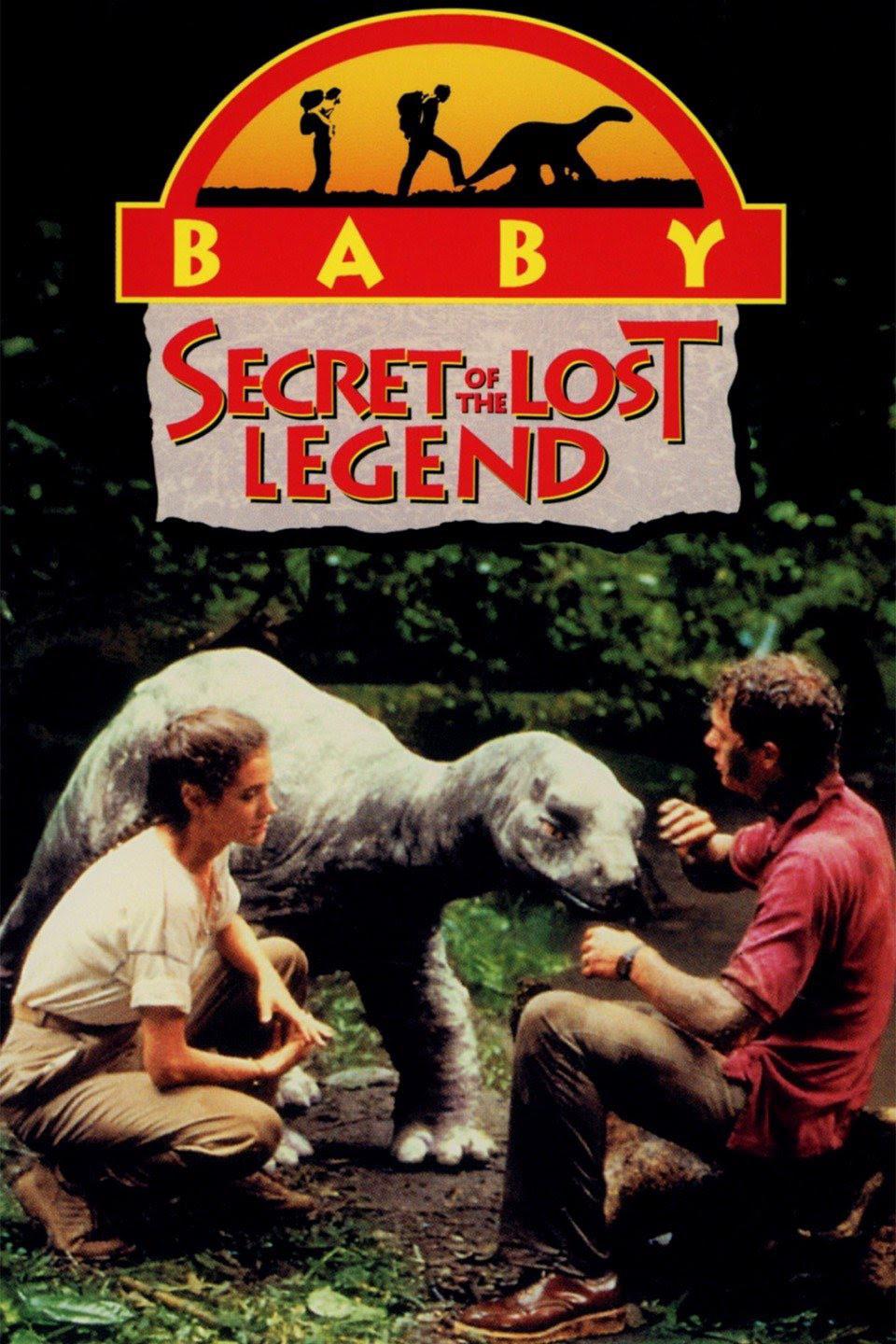
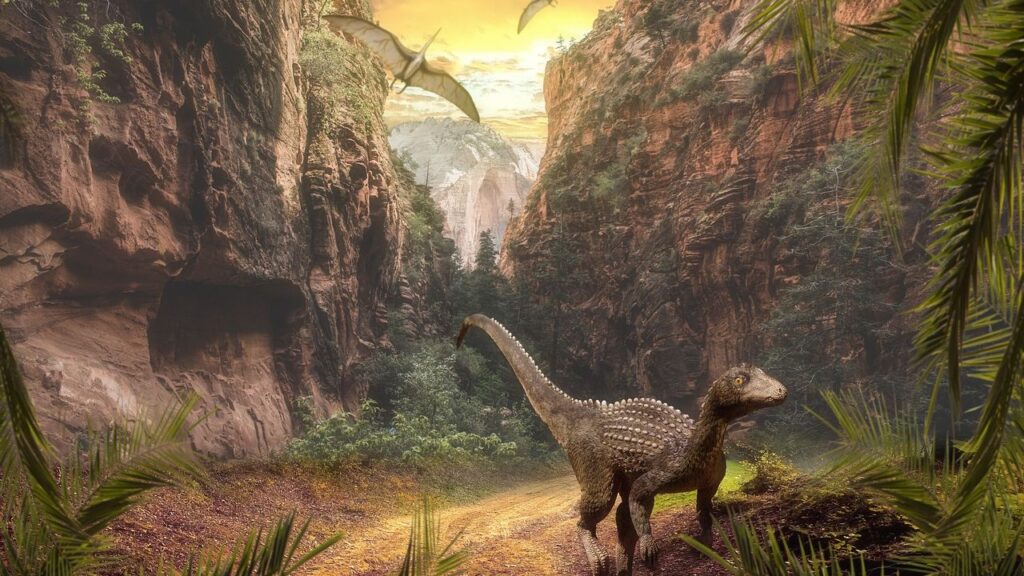
This movie leans on a once-popular image: enormous, long-necked dinosaurs lurking half-submerged in swamps, too massive to support their own weight on dry land. The sauropod family in the film lives hidden in African jungles and wetlands, echoing old ideas that these giants must have used water to hold themselves up. By the 1980s, though, evidence from bone structure and trackways had already pointed strongly in another direction. Sauropods had robust limb bones, well-designed for supporting huge weights on firm ground, and their footprints show them striding confidently across landscapes, not wading around as semi-aquatic mysteries.
The movie also buys into the romantic notion that a population of non‑avian dinosaurs could just quietly survive into modern times without being detected. Beyond the lack of any physical evidence, the biology makes that massively unlikely: large herbivores leave big traces, from tracks to dung to carcasses, and they need substantial plant resources to keep a population going. When we look at the fossil record and at living ecosystems, large animals are hard to hide, and populations that small usually collapse over time. The scientific reality is that these giants had their era, dominated their ecosystems, and then disappeared, leaving only their bones and their bird relatives, not a secret herd hiding in the jungle.
5. Jurassic World: Dominion (2022): Feathers, Behavior, and the Half-Right, Half-Wrong Dino Boom
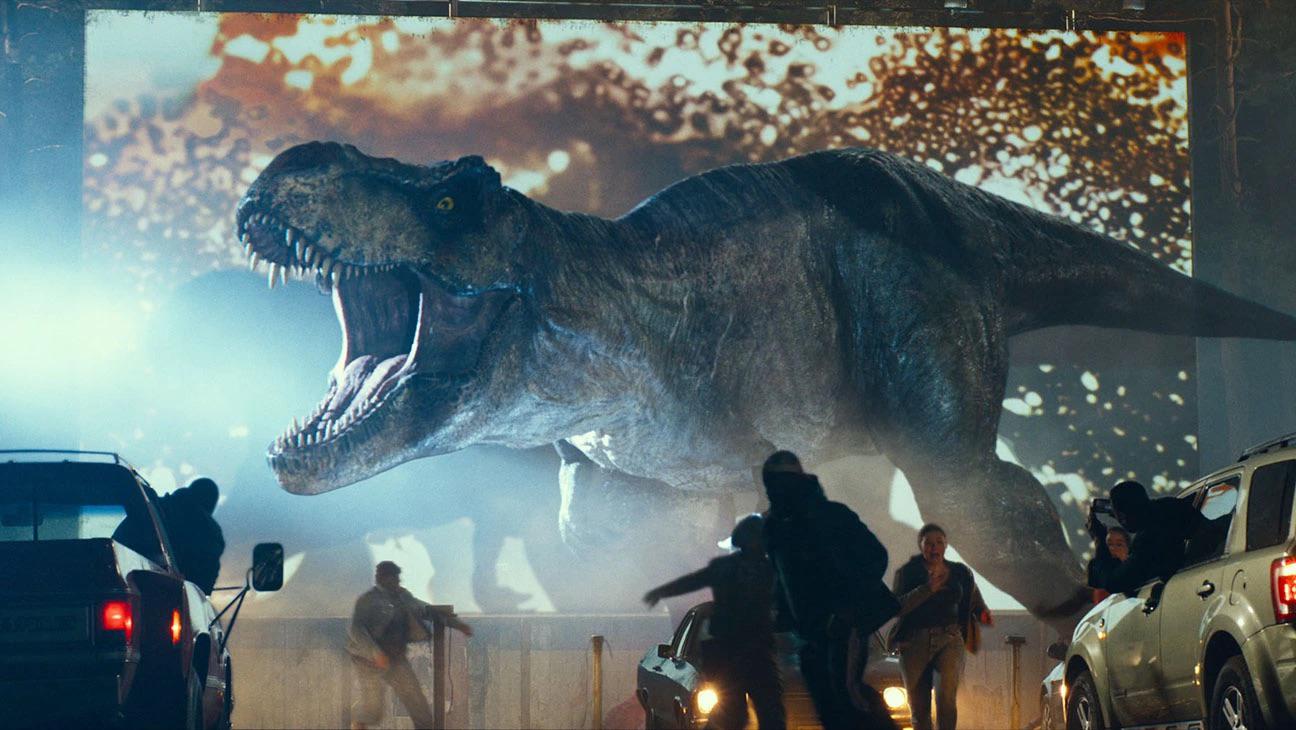
Jurassic World: Dominion tries harder than many older films, and it deserves credit for including some feathered dinosaurs at all. But even here, the science gets twisted to fit spectacle, and the mistakes can be just as jarring once you know what to look for. Some species that we are very confident were heavily feathered are still shown with mostly scaly skin or with minimal, decorative fuzz. We have strong fossil evidence – imprints of feathers, quill knobs on bones, and well-preserved specimens from certain regions – that many theropods were thoroughly feathered, more like ground-running birds than naked, scaly monsters.
The behavior is also dialed up to implausible levels. Packs of large carnivores coordinate like trained special forces, and certain species are portrayed as hyper-intelligent villains able to plan elaborate chases. While some dinosaurs likely had relatively advanced problem-solving skills, especially those close to the ancestry of birds, there is no evidence that they orchestrated movie-style tactics against prey or humans. The irony is that birds themselves, which are living dinosaurs, show an incredible range of complex behaviors – from tool use to cooperative hunting – that would make for amazing stories without needing to exaggerate the minds of their extinct cousins into something almost superhuman.
Conclusion: Bad Dino Science, Great Reminder of How Fast Our Understanding Changes
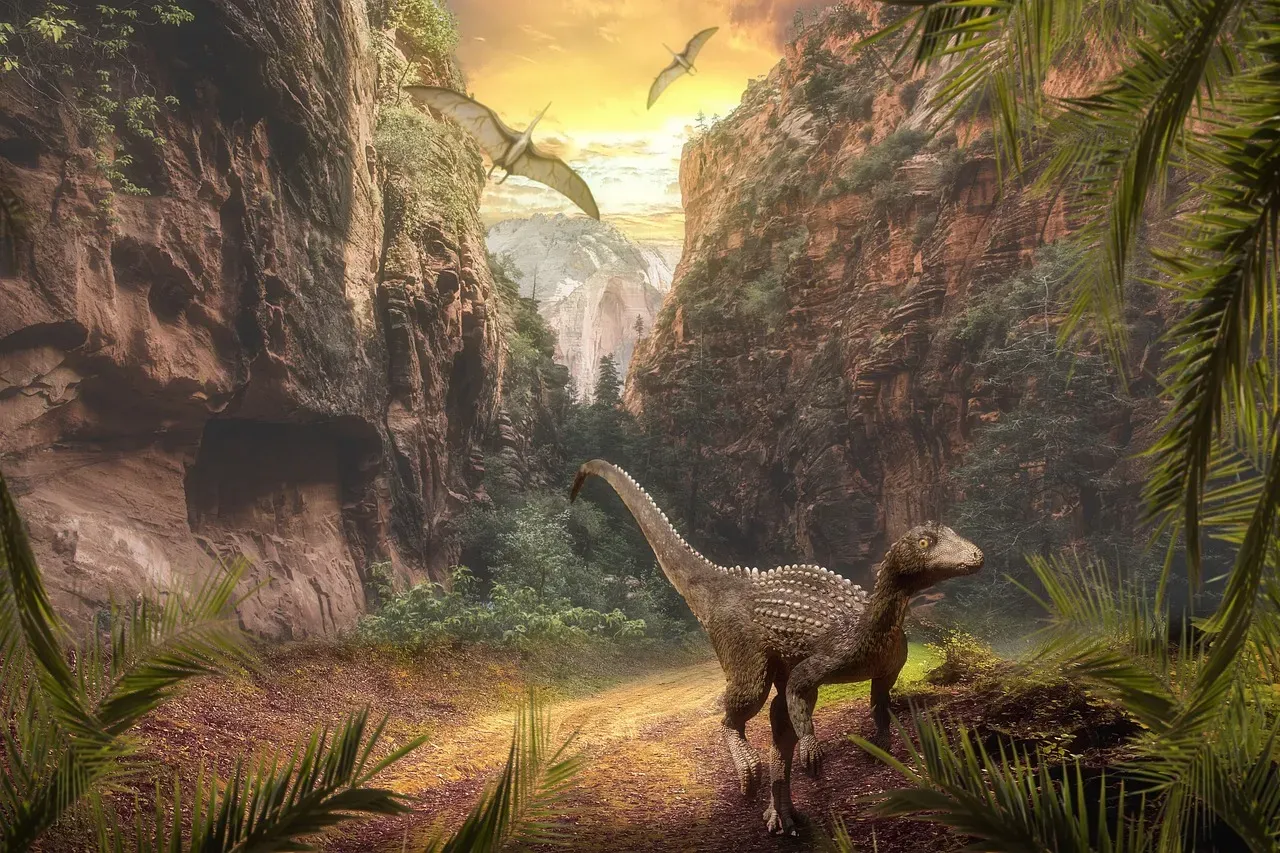
Looking back at these films, it’s tempting to just roll your eyes and write them off as clueless. But in a way, they chart how our own ideas have evolved: from tail-dragging swamp beasts and caveman companions to agile, birdlike predators, complex ecosystems, and a deep appreciation for feathers and behavior. The cringe comes from seeing outdated images frozen in place while the science kept racing forward, constantly reshaping what we think dinosaurs looked like and how they lived.
My own view is that we should absolutely keep enjoying these movies, but treat them more like fantasy than natural history. The real story of dinosaurs – strange horns, vibrant feathers, rapid evolution, and the fact that their descendants still soar and sing around us – is wild enough on its own. Maybe the most exciting shift is realizing that every time we update our picture of these animals, we are admitting we do not have all the answers yet. Next time you see a scaly movie tyrannosaur chasing a caveman, ask yourself: if we can be this wrong and still captivated, how surprising will the next big discovery be?