Triceratops is one of those dinosaurs everyone thinks they know: the big, three-horned plant-eater that looks like it lumbered straight out of a childhood toy box. But the more paleontologists dig into its bones, the more this familiar giant starts to look unexpectedly weird. From a skull that seems almost absurdly oversized to hints of complex social behavior and bizarre growth changes, Triceratops is quietly turning into one of the strangest celebrities of the dinosaur world.
I remember standing in front of a Triceratops skull in a museum for the first time and feeling almost thrown off balance by how massive that head was. It felt like staring at a living tank that someone had upgraded with decorative armor and then turned loose in a primeval forest. As new fossil discoveries and advanced imaging technologies pile up, scientists are realizing that this dinosaur’s story is far from simple. If anything, Triceratops may have been wilder, more variable, and more behaviorally complex than most of us were ever taught in school.
The Skull That Was Basically a Walking Billboard
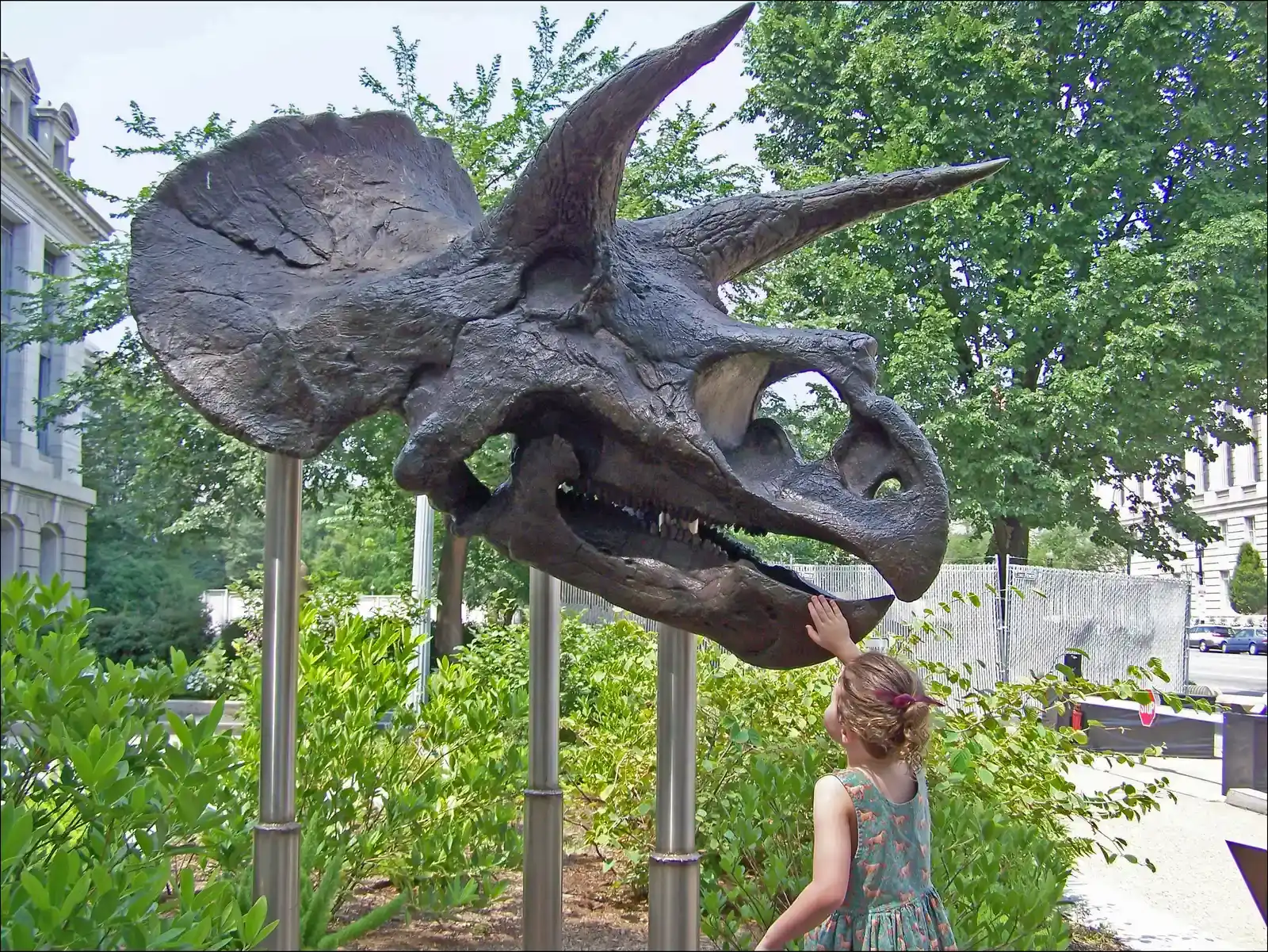
One of the most mind-bending facts about Triceratops is that its skull could reach nearly a third of the animal’s total body length. Imagine carrying around a head roughly the size of a small car, day in and day out, and you start to see just how extreme this animal really was. The bony frill at the back and the three horns at the front turned its skull into a kind of biological billboard, visible from a distance above tall vegetation.
At first, paleontologists tended to picture that head as purely defensive: a shield against predators like Tyrannosaurus. But the size and shape of the frill, along with blood vessel grooves and surface texture, suggest it was more than just armor. It might have functioned like a giant display panel for communication, species recognition, or showing off health and maturity, similar to how peacocks use their tails or deer use antlers. The sheer energy cost of growing a skull that huge hints that it must have been doing something really important beyond just stopping bites.
Horns That Tell Stories Of Combat, Identity, And Change
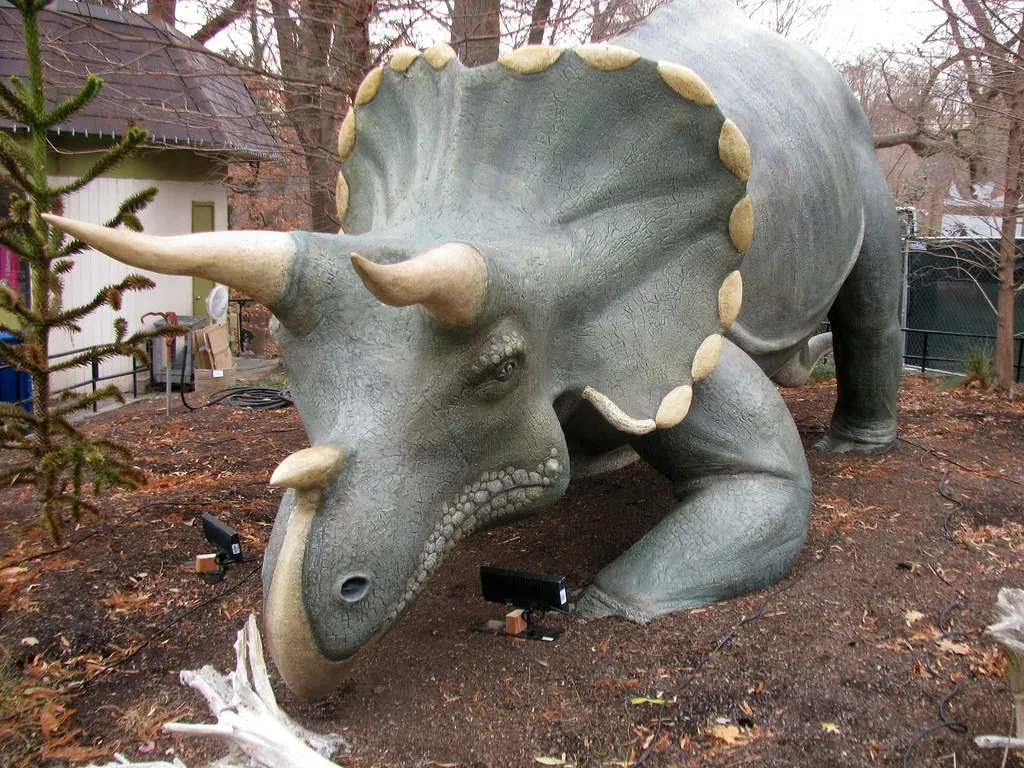
Triceratops’ horns look brutal and straightforward at first glance, but when scientists started studying wear patterns, healed injuries, and microscopic bone structure, things got stranger. Some skulls show signs of healed punctures and scrapes in places that suggest horn-to-horn combat with other Triceratops, not just predator attacks. The horns may have been tools for wrestling, pushing, or jousting, more like what we see in modern horned mammals than a simple anti-tyrannosaur weapon.
On top of that, the horns changed shape as the animal grew, starting out shorter and more curved in juveniles, then lengthening and straightening in adults. That means a young Triceratops probably looked noticeably different from its parents, and a quick glance at horn shape might have told another dinosaur roughly how old or experienced an individual was. It turns those horns into a kind of living status bar that advertised age, strength, and maybe even social rank to allies and rivals alike.
A Frill That Was Probably More Than Just A Shield
For a long time, the classic explanation for the frill was simple: it protected the neck and shoulders from attacks. But when researchers began comparing Triceratops to other horned dinosaurs with large, ornate frills, that story started to wobble. Many related species have frills with big openings, thin areas, or elaborate shapes that seem terrible if your main goal is to block a bite. Functionally, it makes more sense if frills played a major role in signaling and display.
In Triceratops, the frill bones show features that could have supported vivid keratin coverings or patterns of soft tissue, making it more like a signboard than a shield. Some scientists have suggested it may have helped with temperature control, acting like a natural radiator by giving blood a big surface area to cool. Others think the primary driver was sexual selection, where individuals with more impressive frills had a better chance of finding mates. Either way, it turns the animal’s silhouette from “armored tank” into something closer to a dinosaur version of a decorated sports car.
Growing Up Triceratops: The Shape-Shifting Dinosaur
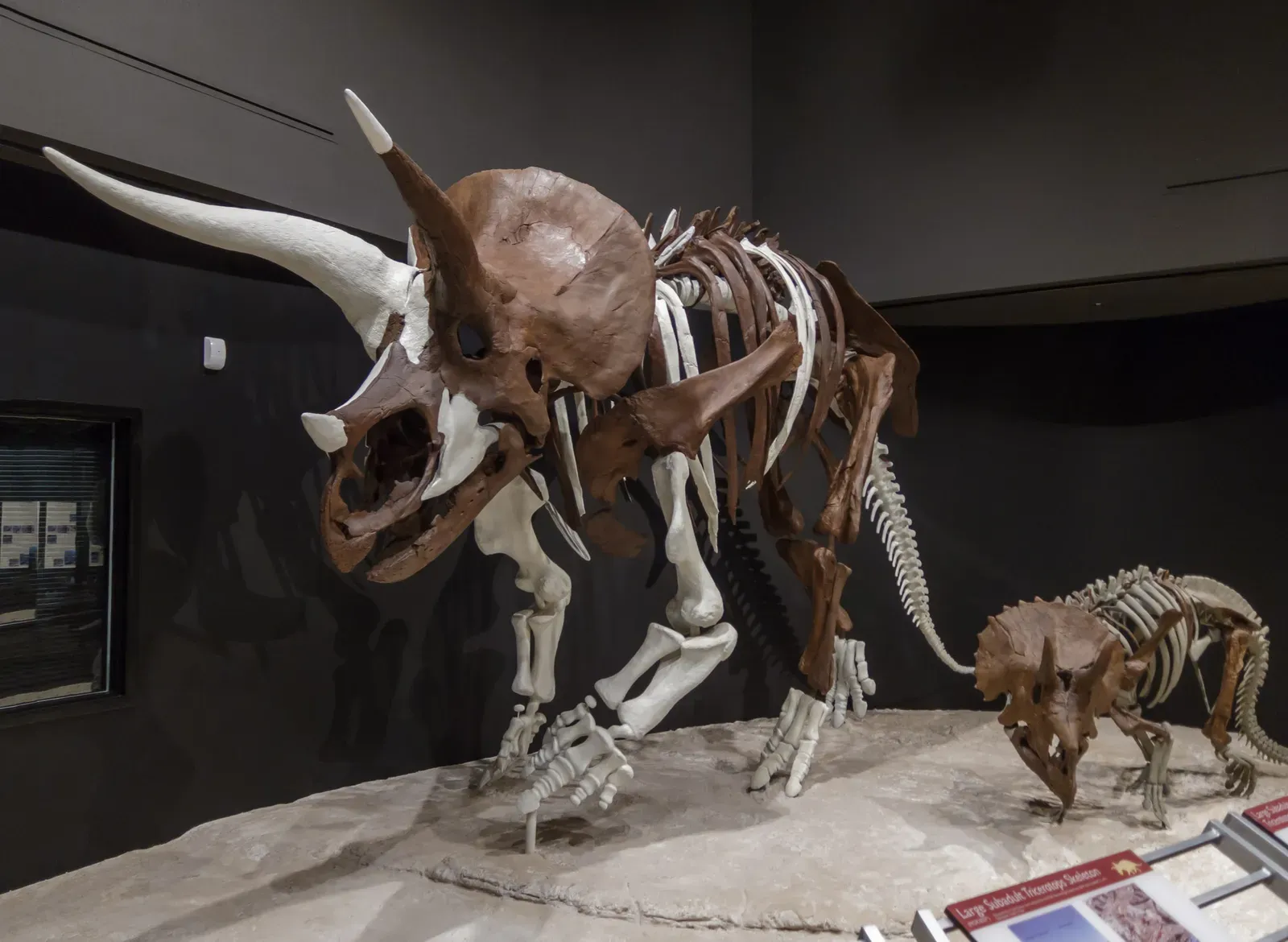
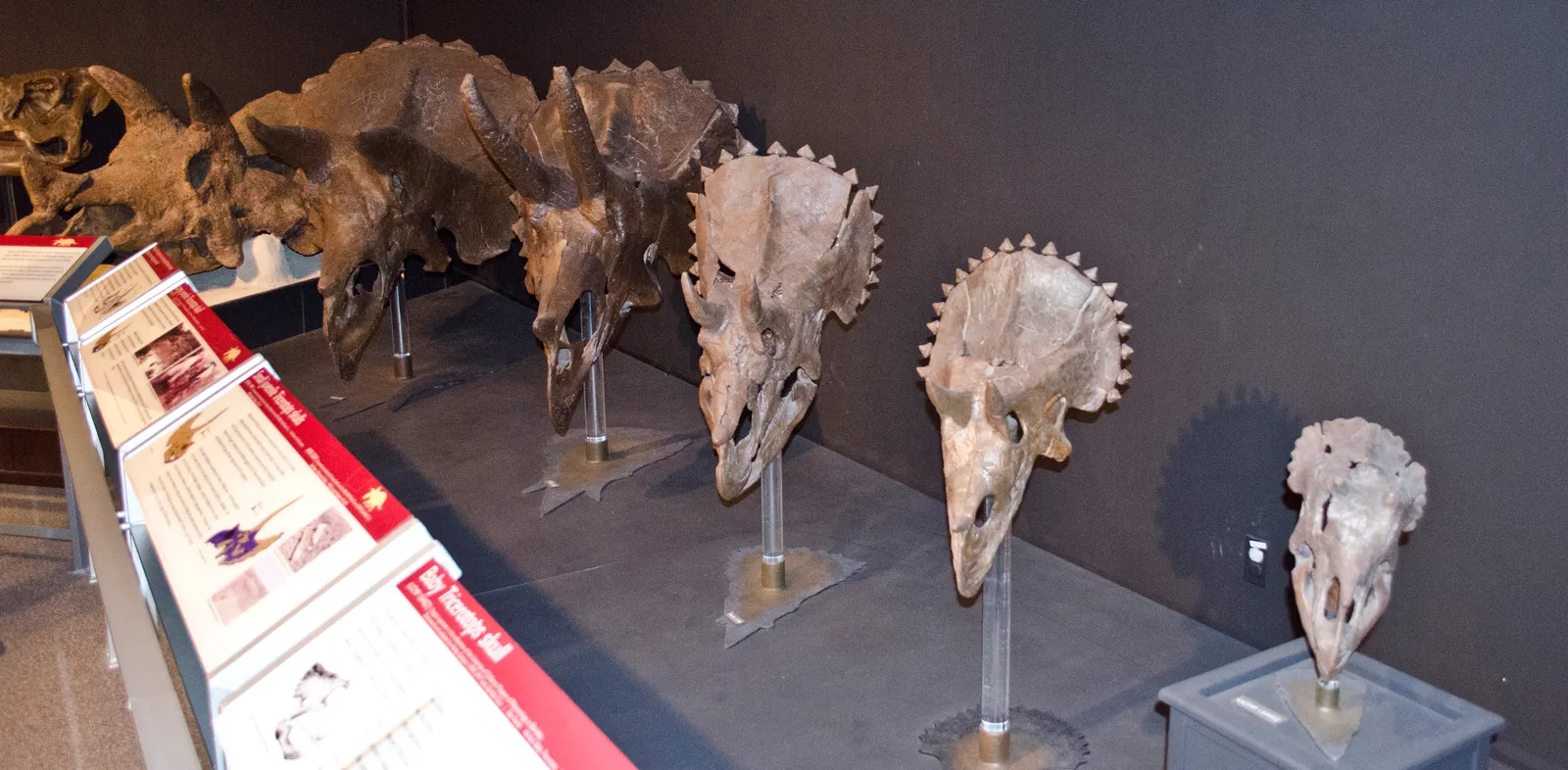
One of the strangest twists in the Triceratops story came from studying how its skull changed during growth. Juvenile skulls can look so different from adult skulls that, for years, some were mistakenly named as separate species. As more fossils filled in the growth series, it became clear that Triceratops went through dramatic remodeling: horns shifting orientation, frills changing shape, and bone surface textures transforming as individuals aged.
All of this raises a weird possibility: many of the different “species” of horned dinosaurs named in older scientific literature might actually be just different growth stages of a smaller number of true species. With Triceratops, that means the animal we imagine from illustrations is just one snapshot in a lifetime of change. Picture a youngster with a shorter face, differently angled horns, and a less imposing frill slowly turning, year by year, into the iconic giant we recognize. It’s a bit like realizing your favorite superhero has been wearing several completely different costumes over their life, and you only ever saw the final one.
Social Lives, Herds, Or Something Much Messier?
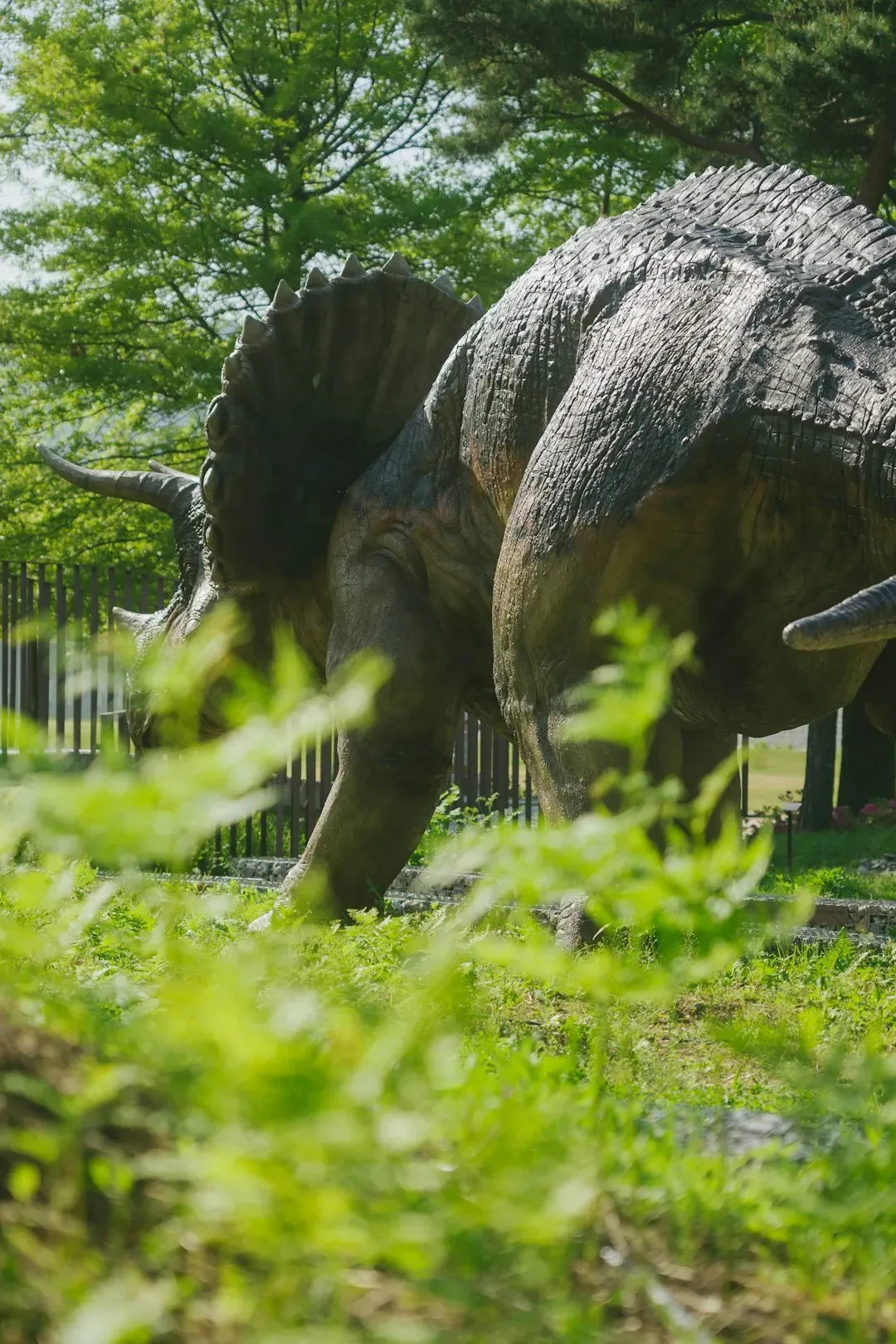
When you see a big, horned herbivore today – like a rhino or a bison – you almost automatically picture some kind of social structure: herds, rival males, defensive groups. With Triceratops, the evidence is more complicated and still very much in flux. Unlike some other horned dinosaurs, we do not consistently find large bonebeds packed with multiple individuals together, which makes simple “they lived in big herds” stories harder to defend with a straight face.
That said, the costly horns and frills, possible combat injuries, and display-oriented headgear all hint that these animals were not living anonymous, solitary lives. They likely interacted frequently, whether in small groups, loose aggregations, or in age-structured clusters like juveniles sticking together. The truth may be that Triceratops social behavior varied across time, place, or life stage, rather than fitting neatly into a modern model like “herd animal” or “loner.” To me, that makes them more intriguing, not less: it suggests lives full of negotiation, rivalry, and recognition that we can only faintly reconstruct from scattered bones.
Triceratops Versus T. rex: More Than Just Prey And Predator
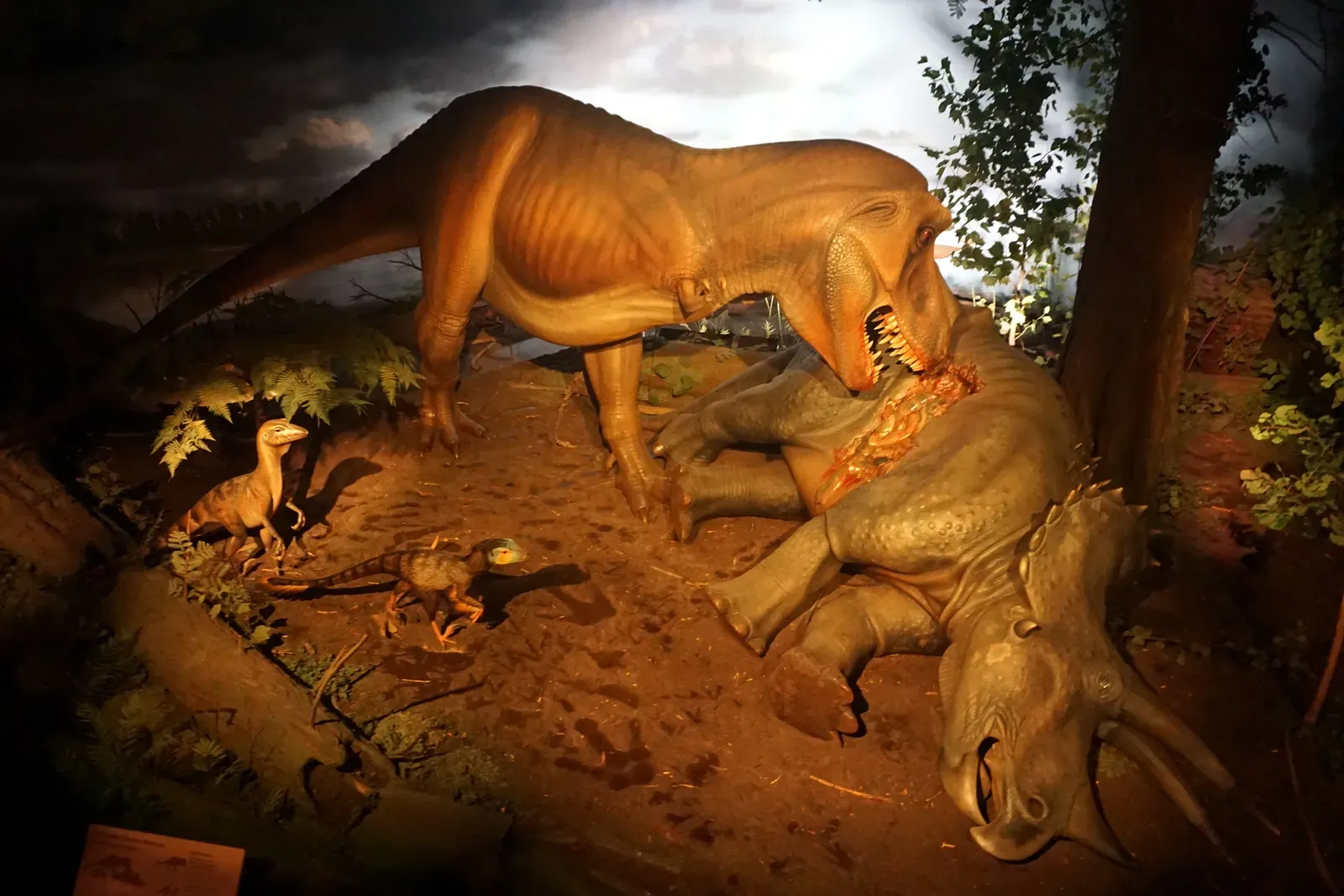
Popular culture loves the showdown between Triceratops and Tyrannosaurus, and there is real fossil evidence that their paths crossed in brutal ways. Some Triceratops bones show bite marks consistent with tyrannosaur teeth, and in some cases, those bones even show healing, which implies survivors of attacks. But if we imagine Triceratops purely as a helpless victim, we miss just how formidable this animal probably was in life.
A full-grown Triceratops with a massive head, thick neck, and powerful limb bones would have been incredibly dangerous to approach, much less to attack. Those horns were positioned perfectly to drive forward like spears, and its low center of gravity would have made it a living battering ram. It is entirely plausible that T. rex sometimes backed off from healthy adult Triceratops and focused on juveniles, sick individuals, or scavenging. The relationship between these two giants was likely a tense, dynamic balance of risk and reward, not a simple script where one always dominated the other.
Color, Texture, And The Triceratops We Still Cannot See
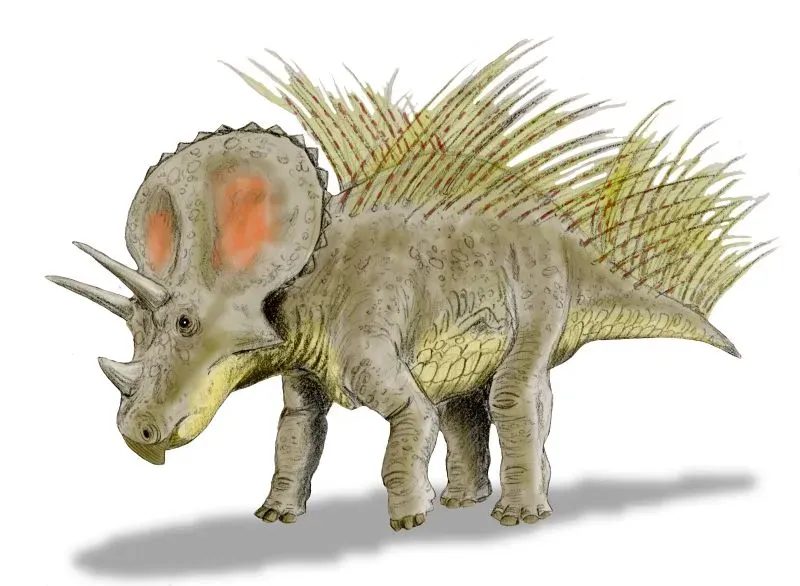
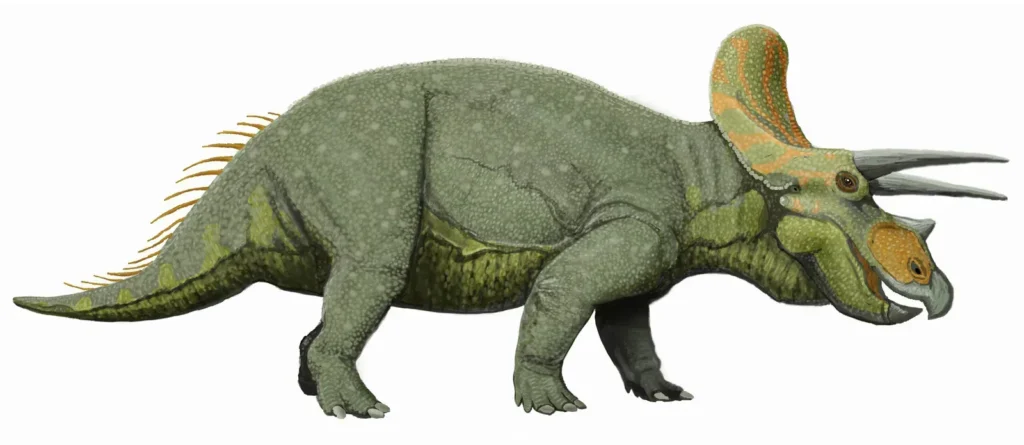
One of the strangest things about Triceratops is how much about its appearance we simply do not know. Bones tell us where the frill and horns were, but not what colors they carried, how vivid any patterns might have been, or whether soft tissues added extra ridges, bumps, or display structures. Given how many modern animals use bright or contrasting colors on horns, faces, and crests for signaling, it is not unreasonable to imagine that Triceratops might have done something similar.
There is also the texture of its skin and the possibility of variation between individuals. Some related horned dinosaurs show evidence of skin structures like scales or knobs, and Triceratops may have had its own unique pattern, turning each individual into a kind of walking fingerprint of bumps and textures. When I try to picture it now, I no longer see a dull, gray, uniform animal. I see a forest of heavy bodies, each with subtly different frill patterns, horn shapes, and maybe even colors shifting with age or season, like living, breathing murals that we can only partly reconstruct.
Conclusion: Stranger, Wilder, And More Unfinished Than We Like To Admit
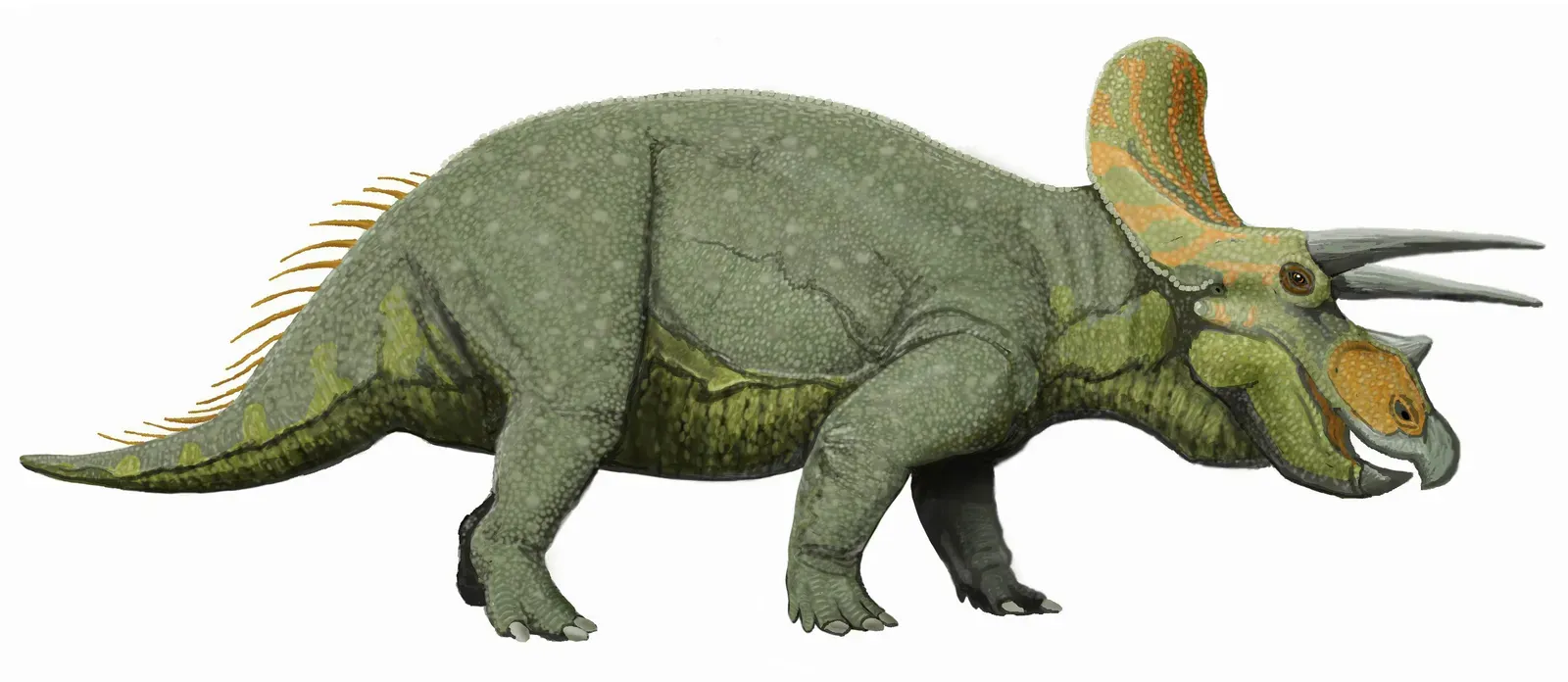
For me, the strangest thing about Triceratops is not any single feature but how quickly our picture of it keeps changing. The oversized skull, shifting horns, multifunctional frill, possible social interactions, and complex relationship with predators all point to an animal that was far from simple. We grew up with the idea of Triceratops as a lumbering plant-eating shield with three horns attached, but the scientific reality is closer to a shape-shifting, highly visual, behaviorally rich creature navigating a dangerous and crowded ecosystem.
Opinionated as it sounds, I think we have been underestimating Triceratops for decades, treating it like the supporting character in a story dominated by T. rex. The more I read the research and picture those fossils fleshed out in life, the more it feels like we have been looking at a masterpiece through a keyhole. As new discoveries come in, I suspect we will find that Triceratops was not just weirder than we thought, but still weirder than we are ready to imagine. When you see that familiar three-horned silhouette now, can you shake the feeling that it is hiding an even stranger truth underneath?