Think back to the first time you saw the T. rex step out of the rain in Jurassic Park. You can probably still feel it more than you actually remember it: the vibration in your chest, the way the headlights glinted off wet scales, the sense that something huge and heavy was really there. Rewatch that scene today, in 2026, and it’s shocking how physical it still feels – especially when you compare it to some slick, high-budget dinosaur CGI from the 2010s.
It raises an uncomfortable question for modern blockbuster filmmaking: how on earth do mechanical dinosaurs from 1993 often look and feel more real than digital creatures created with vastly more computing power and money two decades later? The answer is not nostalgia. It has everything to do with physics, photography, and the way our brains read reality on screen. Let’s dig into why those original Jurassic Park animatronics still refuse to go extinct.
The Weight You Can Feel: Real Mass vs Digital Perfection
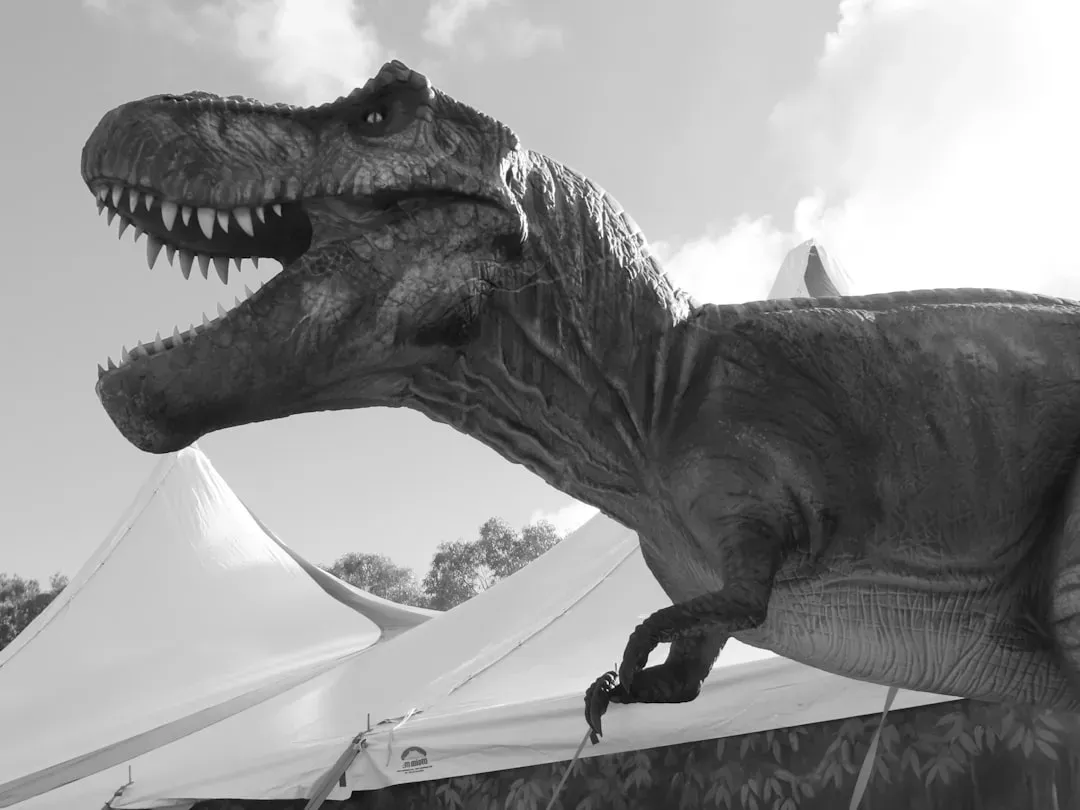
One of the most striking differences between Jurassic Park’s animatronics and many later CGI dinosaurs is weight – not in pounds on a spec sheet, but in how mass feels on screen. Stan Winston’s life-sized T. rex animatronic reportedly weighed several tons and stretched nearly the full scale of a real animal, and that physical presence bleeds into every frame it appears in. When it leans on the crushed Ford Explorer, the car buckles; when its head slams into the glass, the vibrations run through the set and the actors’ bodies in ways you cannot fake with keyframes.
CGI creatures, even incredibly well animated ones, often struggle with this exact thing. It is much easier, mathematically, to make something move smoothly than to make it move like it is heavy, fighting gravity and friction and air resistance. That is why some later digital dinosaurs have a strangely floaty or rubbery quality, gliding or snapping in ways that look cool but do not quite match how a multi-ton animal would really move. The 1993 animatronics are literally anchored in our world, and that un-fakeable physics makes them hold up, even when the surrounding CGI in newer films is technically far more complex.
Light, Shadow, and Sweat: Why Real Surfaces Age Better
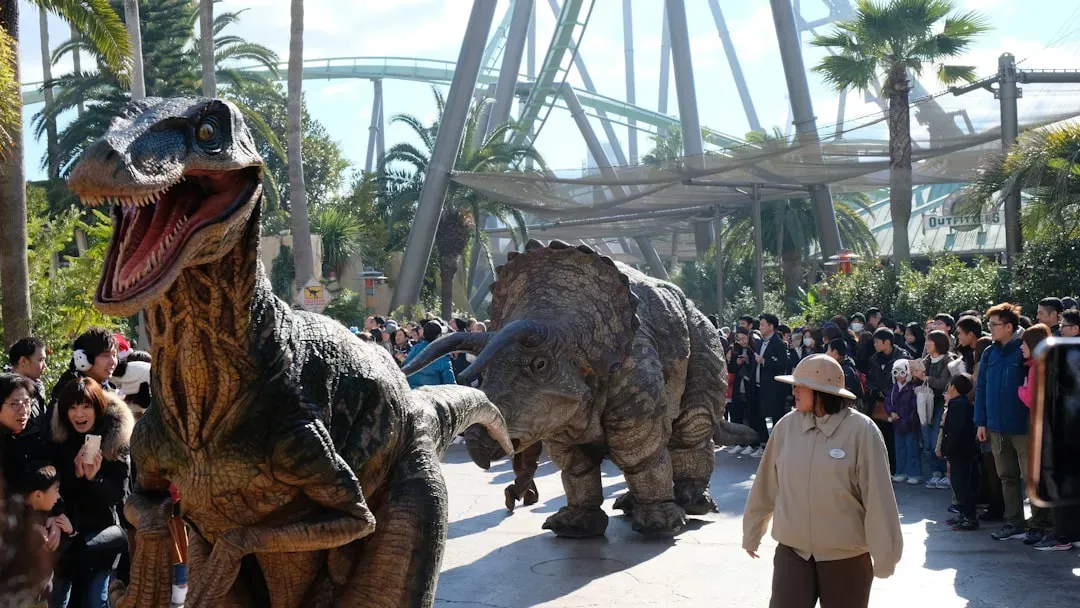
Another big reason the Jurassic Park animatronics still look incredible is simple: real light hitting real surfaces just works. The T. rex in the rain-soaked breakout scene is a physical sculpture made of foam, rubber, metal, and paint, with meticulously carved scales and textures. When the rain pours down its body, water beads, splashes, and runs in completely natural ways, and the set’s lighting wraps around it automatically. Cinematographers do not need to guess how highlights and shadows should behave; the camera just captures reality.
Compare that to digital dinosaurs created decades later, where every reflection, shadow, and droplet has to be simulated, matched to the plate photography, and composited by hand. Modern tools are powerful, but they are also prone to tiny mismatches in light direction, specular highlights, or shadow softness that the human eye instantly senses as “off.” Even when the modeling and animation are superb, the surfaces can look too clean, too plastic, or too uniformly shiny. Jurassic Park’s animatronics, being physical objects shot with the same lenses and lights as the actors, dodge this uncanny valley almost by default.
Smart Restraint: Less Dinosaur Screen Time, More Believability
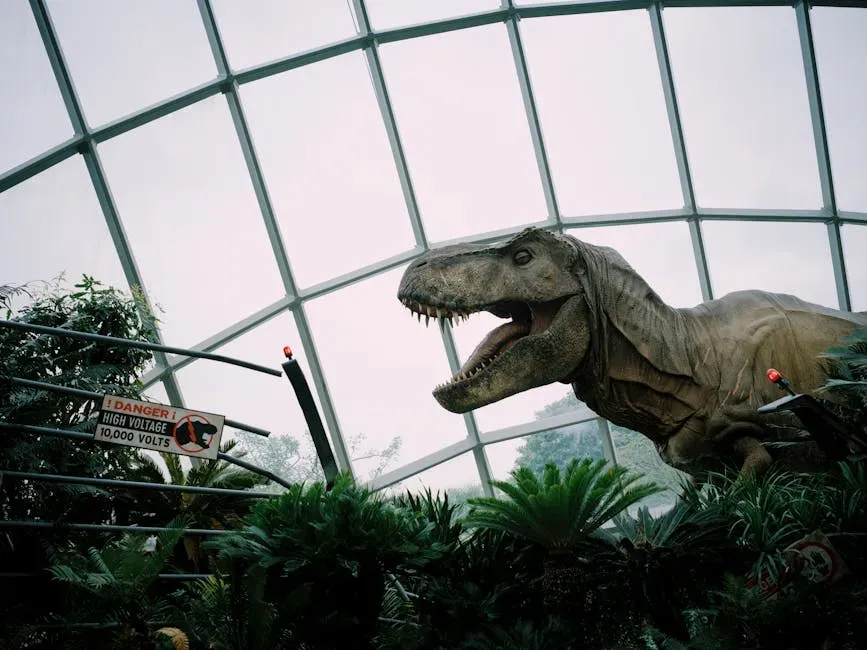
Here’s a quietly brilliant thing Jurassic Park did that many later films forgot: it used dinosaurs sparingly. For all of its reputation as a dinosaur extravaganza, the original film has only around a couple dozen minutes of dinosaur footage, and fewer than sixty shots that actually rely on CGI. Most of the close encounters use animatronics, puppet limbs, or costumed performers, with CGI reserved for moments where full-body movement and wide shots were absolutely necessary.
This restraint matters because every shot with a creature has a budget of attention as well as money. When a movie crams hundreds of digital dinosaur shots into every other scene, the audience has more chances to see seams, animation shortcuts, or lower-priority render work. Jurassic Park plays more like a horror movie with dinosaurs than a constant creature showcase, which means each appearance is carefully framed, lit, and polished. You remember the T. rex attack or the raptors in the kitchen because the film builds to them, and because the effects teams were not asked to flood the movie with endless, lower-impact shots that would water down the illusion.
Camera Truth: Practical Effects Dictate How You Shoot
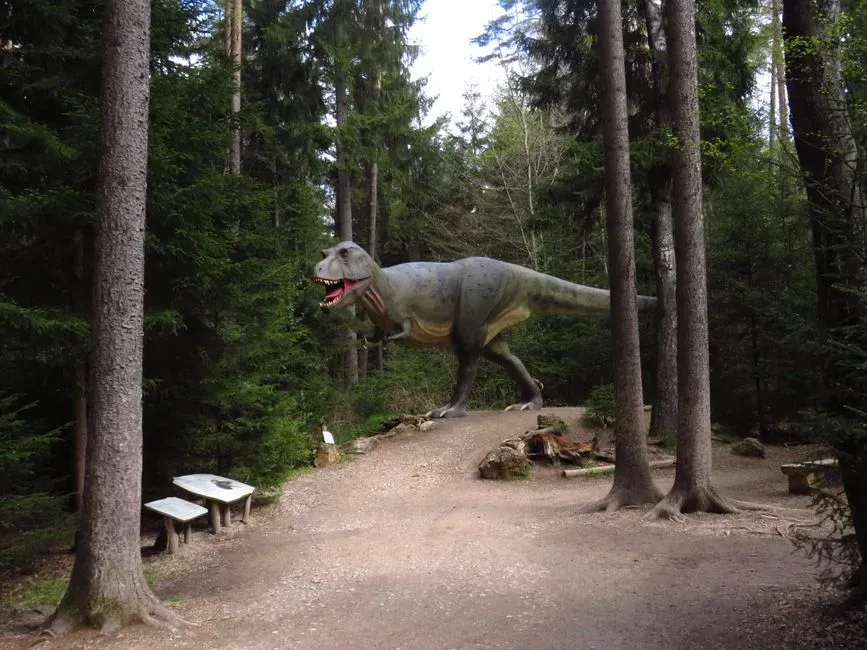
One underrated reason the original animatronics hold up is that they forced Steven Spielberg and his crew to shoot like everything on set was real. When you have a full-scale T. rex head or a raptor animatronic in a cramped kitchen, you are working around very tangible limitations: how far the robot can move, what angles hide the mechanics, where puppeteers can stand, and how close the camera can get without breaking the spell. Those constraints lead to grounded, observational camerawork – lots of medium shots, clever framing, and compositions that suggest a lurking presence just offscreen.
Once filmmakers know they can simply “fix it in post” with CGI, the style of shooting often changes. The camera swoops, spins, and flies through impossible spaces, chasing digital creatures that do not have to obey the real-world physics of a boom arm or dolly track. That can be exhilarating, but it also subtly reminds your brain that you are watching something artificial. In Jurassic Park, the animatronics pulled the camera into a more documentary-like mode, where dinosaurs are treated like dangerous animals captured on film, not cartoon characters the camera can chase like a video game.
Texture of Fear: How Actors React to Something That’s Really There
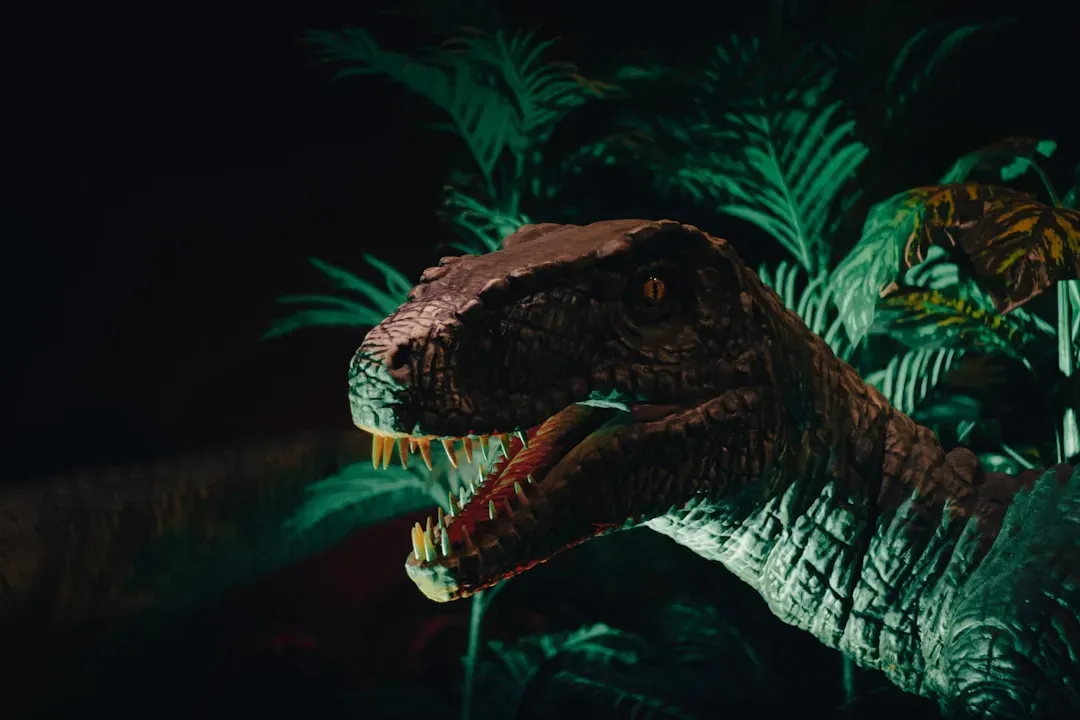
Think about Sam Neill or Laura Dern’s faces in those tight close-ups when the T. rex roars, or the kids trembling under the kitchen counter as a raptor’s claw taps the floor. They are not just reacting to a tennis ball on a stick or a green screen; in many of those shots, there is a massive robotic dinosaur inches away, moving, hissing, and literally shaking the set. That kind of visceral stimulus pulls a different performance out of actors. Fear, awe, and surprise become more than method – the body responds to the noise, motion, and proximity of something that feels dangerous.
Later films in the Jurassic franchise still used some animatronics, but a larger share of creature interaction moved into the digital realm. Actors increasingly had to fake eyelines and reactions to empty space, trusting the VFX team to add dinosaurs months later. Great performers can do a lot with that, but there is a qualitative difference between flinching from real hydraulic movement and pretending to flinch while staring at a green stand-in. The original animatronics gave the cast a physical partner to play off, and those authentic micro-reactions help sell the dinosaurs as living beings, even today.
Craft vs Throughput: Why More Technology Doesn’t Automatically Mean Better
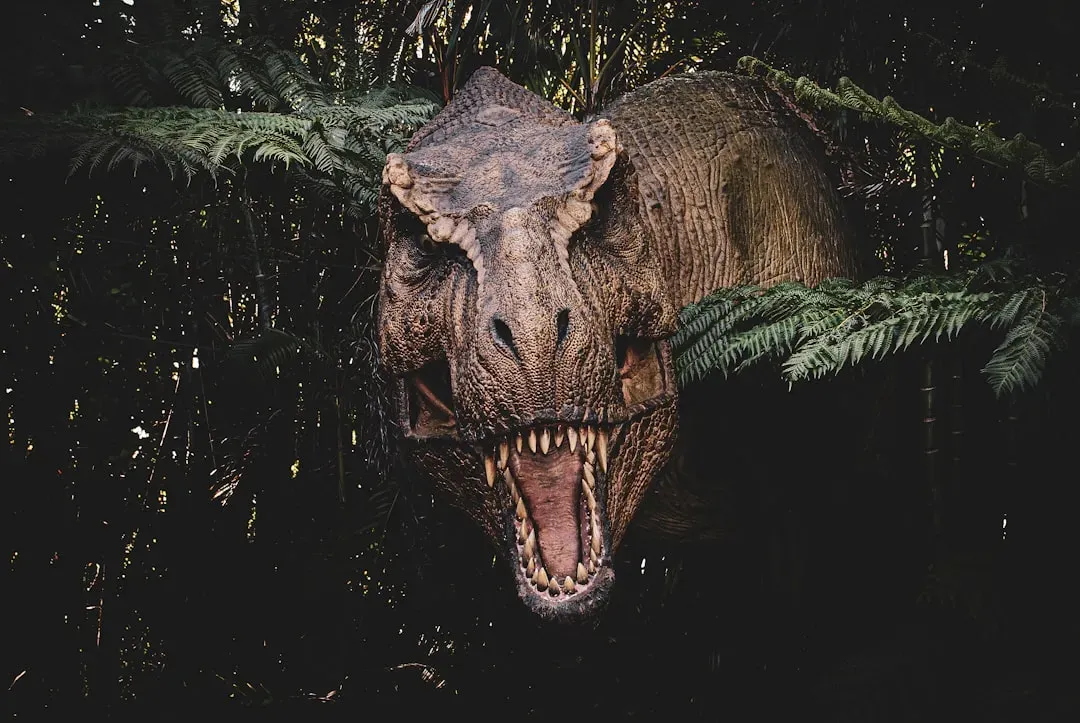
By the mid‑2010s, when Jurassic World hit theaters, CGI pipelines had exploded in complexity and scale. Visual effects houses were delivering hundreds upon hundreds of dinosaur shots per film, with dense crowds, intricate destruction, and complex simulations. That sheer volume changes the nature of the work. Instead of each dinosaur moment being an all-hands, hand-crafted sequence, many shots become part of an industrial pipeline where time, iterations, and artistry must be spread much more thinly.
Jurassic Park, by contrast, treated every dinosaur appearance like a set piece that justified months of planning and experimentation. Stan Winston’s studio spent more than a year developing and perfecting the animatronics, while Industrial Light & Magic focused its cutting-edge CGI on a relatively small number of hero shots. In other words, the original film’s limitations encouraged focus: build fewer creatures, but build them as convincingly as possible. Two decades later, digital tools allowed more dinosaurs doing more things, but that increase in throughput sometimes came at the cost of that obsessive, frame-by-frame craftsmanship that made 1993’s creatures so startlingly believable.
The Hybrid Sweet Spot: When Practical and CGI Actually Worked Together
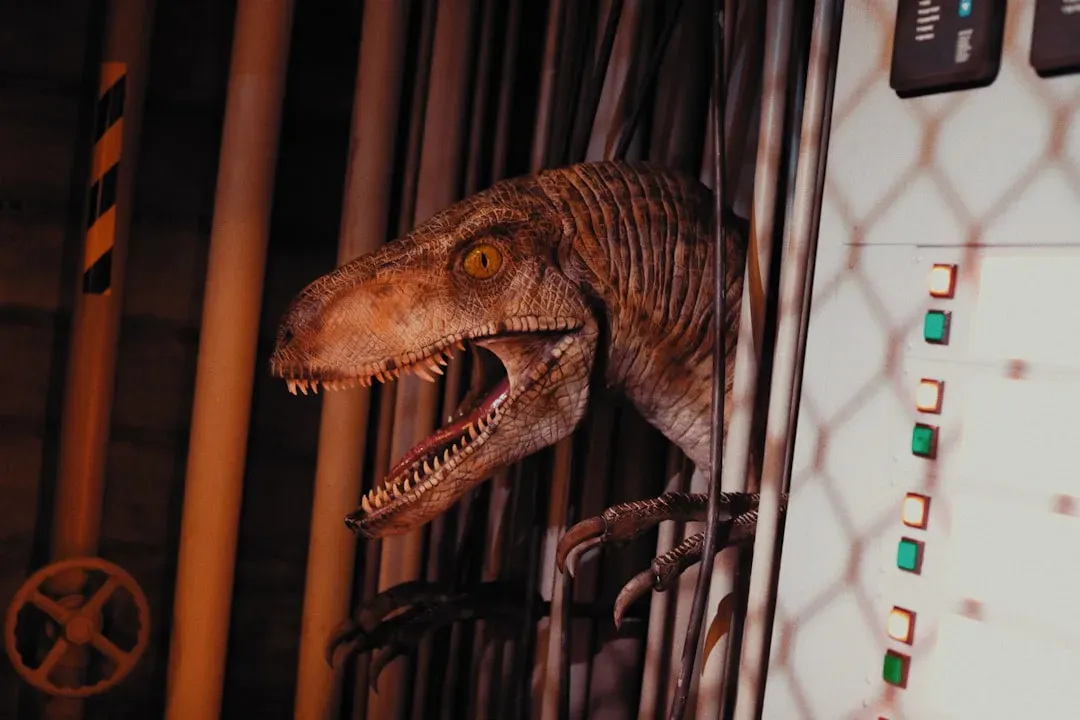
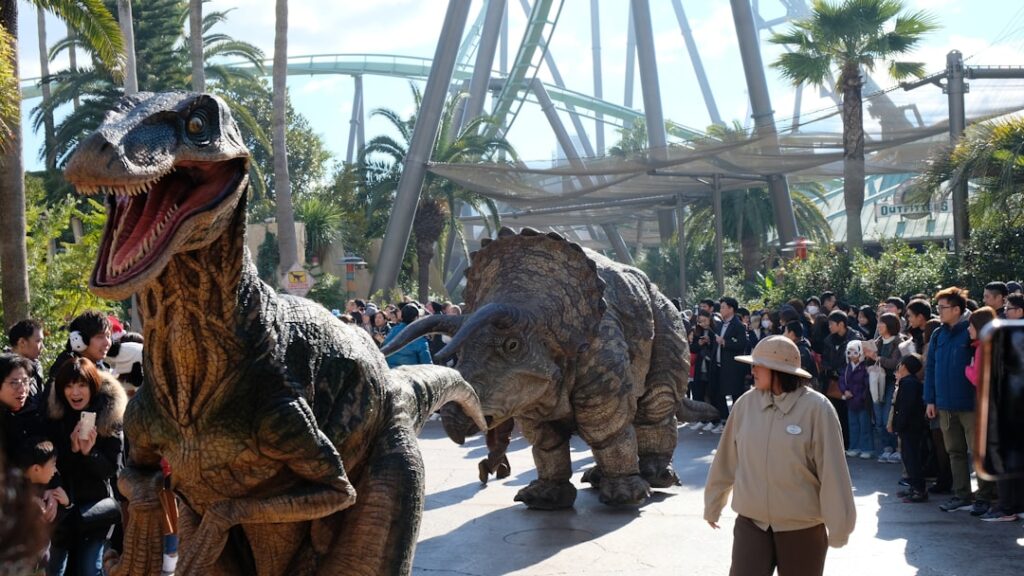
It is important to remember that Jurassic Park’s brilliance is not just about animatronics or just about CGI – it is about how the two were blended. The production used full-scale robots, partial body puppets, creature suits, stop-motion test work, and CGI interchangeably, picking the tool that best fit each shot. Often, the same dinosaur would appear as an animatronic in one moment and a digital model in the next, with practical reference sculptures helping ILM match proportions, textures, and movement. That hybrid approach meant each technique compensated for the other’s weaknesses.
Many later films technically still mix practical and digital effects, but the balance shifted heavily towards CGI, with practical elements sometimes reduced to quick close-ups or marketing talking points. The original Jurassic Park sits in a rare sweet spot in cinema history where animatronics were at their peak and CGI was powerful enough to be convincing but not yet cheap enough to overuse. That enforced blend – real metal and rubber for touch and weight, computer graphics for full-body dynamism – is a big reason those 1993 dinosaurs continue to embarrass digital-only creatures made with far more advanced tech.
Conclusion: The Future Probably Looks a Lot Like 1993
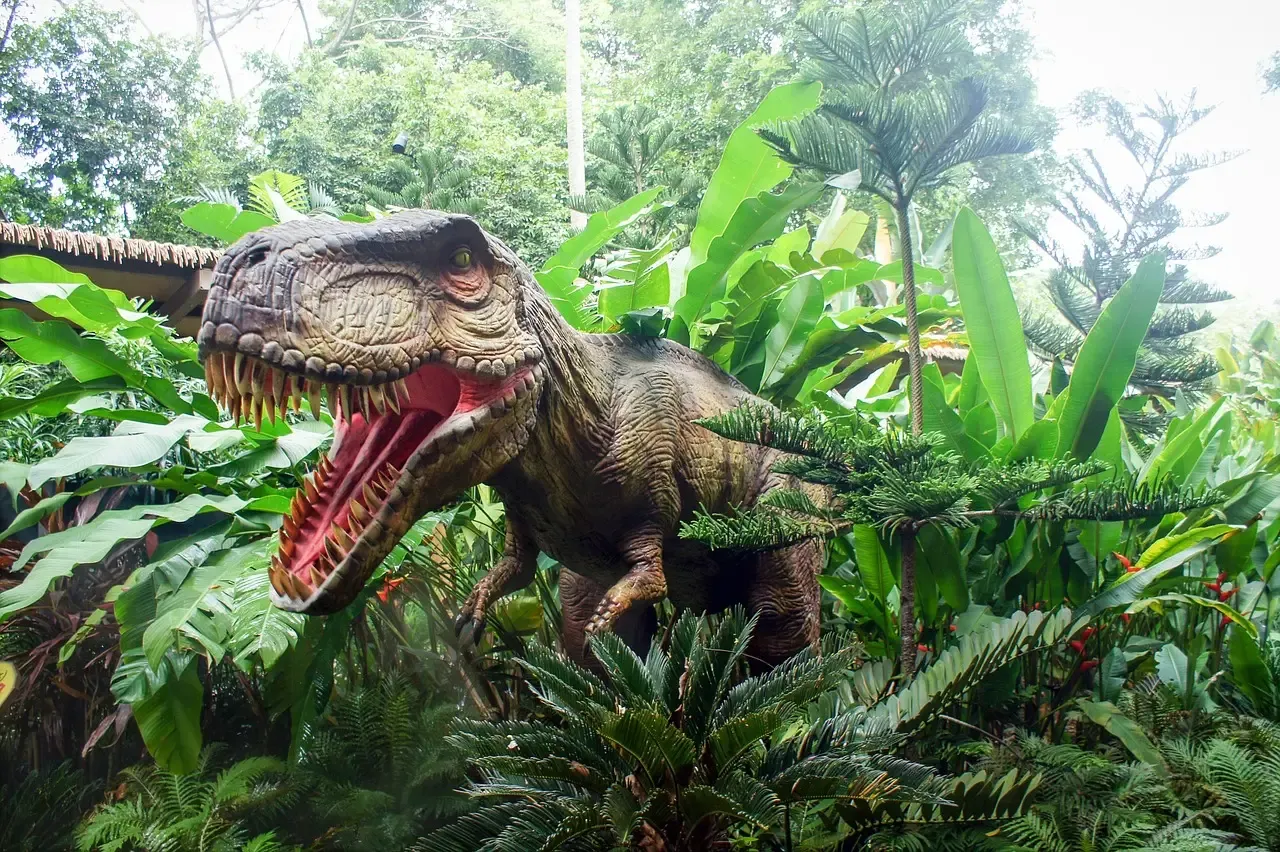
After rewatching Jurassic Park and its sequels over the years, I have come to think the real miracle of the original is not that its CGI was ahead of its time, but that it refused to treat digital effects as a magic wand. The film grounded its dinosaurs in animatronics first, then used computers to extend what was already real, instead of replacing it. That philosophy – reality first, augmentation second – is exactly why the T. rex and raptors from 1993 can stare down many fully digital dinosaurs made twenty years later and still win the stare-off.
If anything, the industry now seems to be slowly rediscovering this lesson, with more directors returning to practical creatures, on-set builds, and physical reference for VFX. The irony is almost funny: in the age of photoreal real-time rendering and AI-assisted workflows, the path to the most convincing dinosaurs may still run straight through a rain-soaked soundstage with a massive, hydraulic puppet. Maybe the real question is not why 1993’s animatronics hold up so well, but why we ever thought we could surpass them by abandoning the very real-world physics that made them terrifying in the first place – what would you have guessed?