If you grew up picturing dinosaurs as swamp-dwelling, tail-dragging, cold-blooded monsters, your mental museum is wildly out of date. The science of dinosaurs has been completely transformed over the last few decades, but a lot of school curricula still look like they were frozen in the 1980s. Kids are often memorizing facts that paleontologists quietly stopped believing years ago.
What frustrates me most is that the real story is so much more exciting than the outdated one. We now know dinosaurs were fast, dynamic, often feathered, and tightly connected to the world we live in today. So let’s walk through ten of the biggest corrections science has made – the kind that should already be in every classroom, but somehow still are not.
1. Dinosaurs Did Not All Die Out – Birds Are Living Dinosaurs
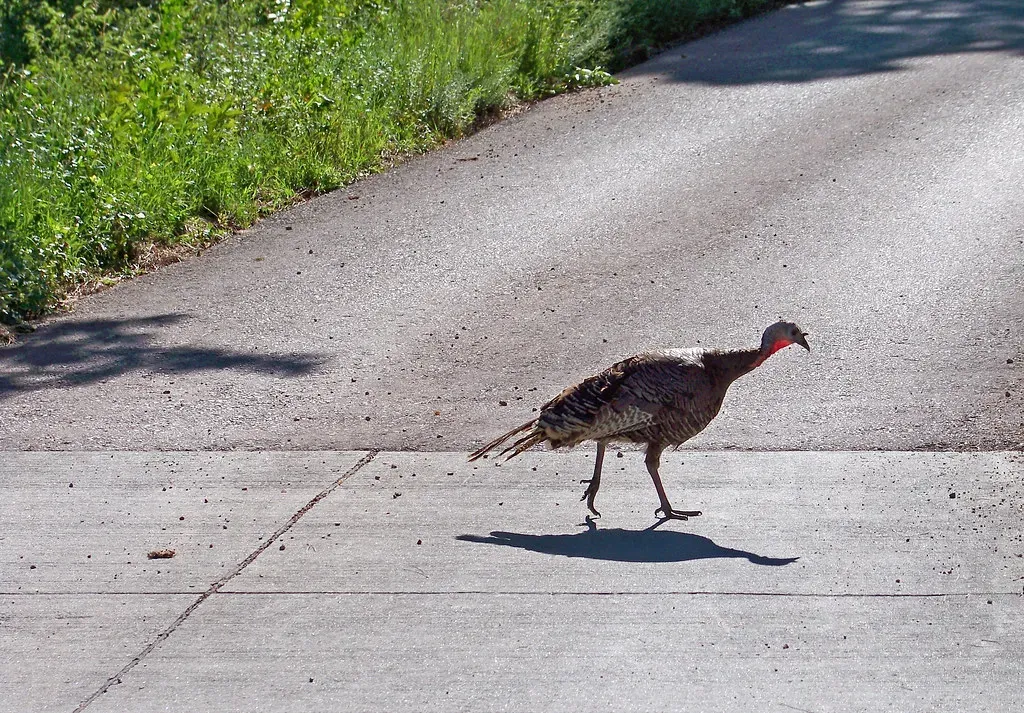
One of the most shocking corrections is that dinosaurs are not entirely extinct. Modern birds are now firmly understood to be the direct descendants of one group of theropod dinosaurs, meaning a robin or a pigeon is just as much a dinosaur as a T. rex, biologically speaking. This is not some fringe idea; it has been mainstream in paleontology for decades, supported by fossils that show step-by-step transitions in bones, feathers, and even lungs.
Yet many textbooks still teach a clean, dramatic ending where all dinosaurs vanish at the end of the Cretaceous, as if birds were something else entirely. That old framing makes the past feel abruptly disconnected from the present, instead of like a continuous evolutionary story. If kids grow up knowing that the sparrow on the windowsill is a tiny, warm-blooded dinosaur, evolution suddenly stops being an abstract diagram and turns into something they can literally watch at the bird feeder.
2. Many Dinosaurs Had Feathers, Not Just Scales
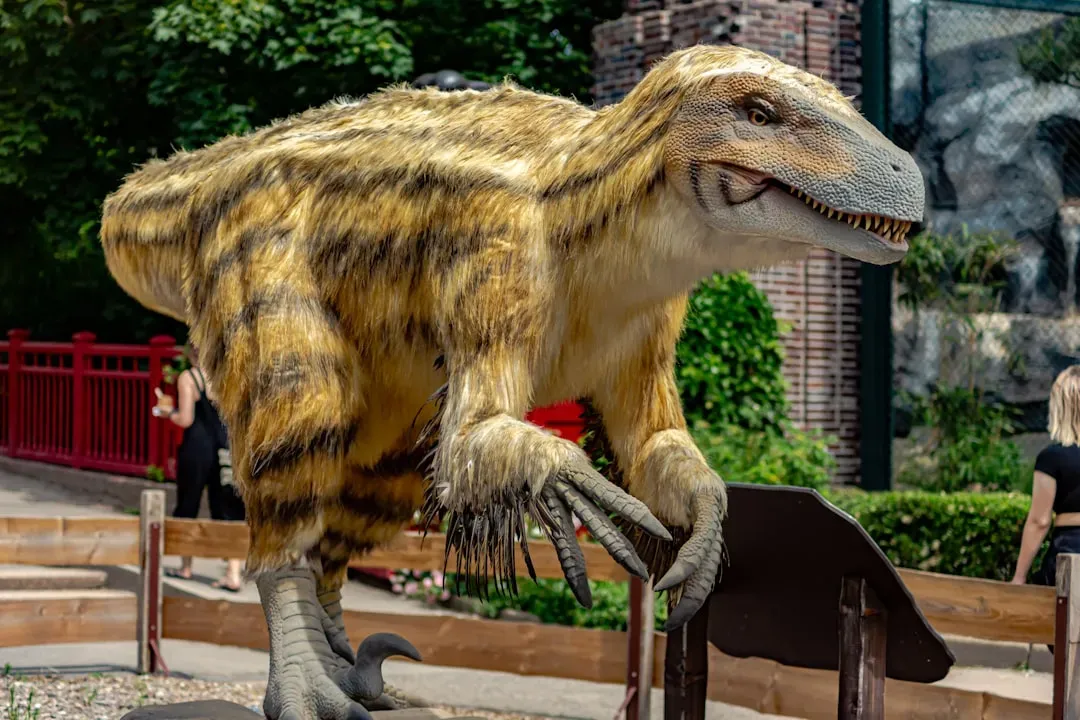
In a lot of school posters and coloring books, dinosaurs all look like giant lizards: green, scaly, and kind of shiny. But since the 1990s, especially with spectacular fossil discoveries from places like northeastern China, we know that many theropods – the group that includes Velociraptor and relatives of T. rex – had feathers or feather-like coverings. Some smaller species were probably fully feathered, more like strange birds than movie monsters. Even large predators may have had at least patches of filaments or proto-feathers.
Despite that mountain of evidence, classroom materials often still show bald raptors and smooth-skinned, reptilian predators. I remember the first time I saw a proper reconstruction of a fluffy, winged, sickle-clawed dinosaur; it felt almost like seeing a superhero unmasked. Updating school images matters because it teaches kids that science is not static art, and that real animals can be surprising and even weirdly cute, without becoming any less fierce or interesting.
3. Dinosaurs Were Often Active and Warm-Blooded, Not Sluggish and Cold
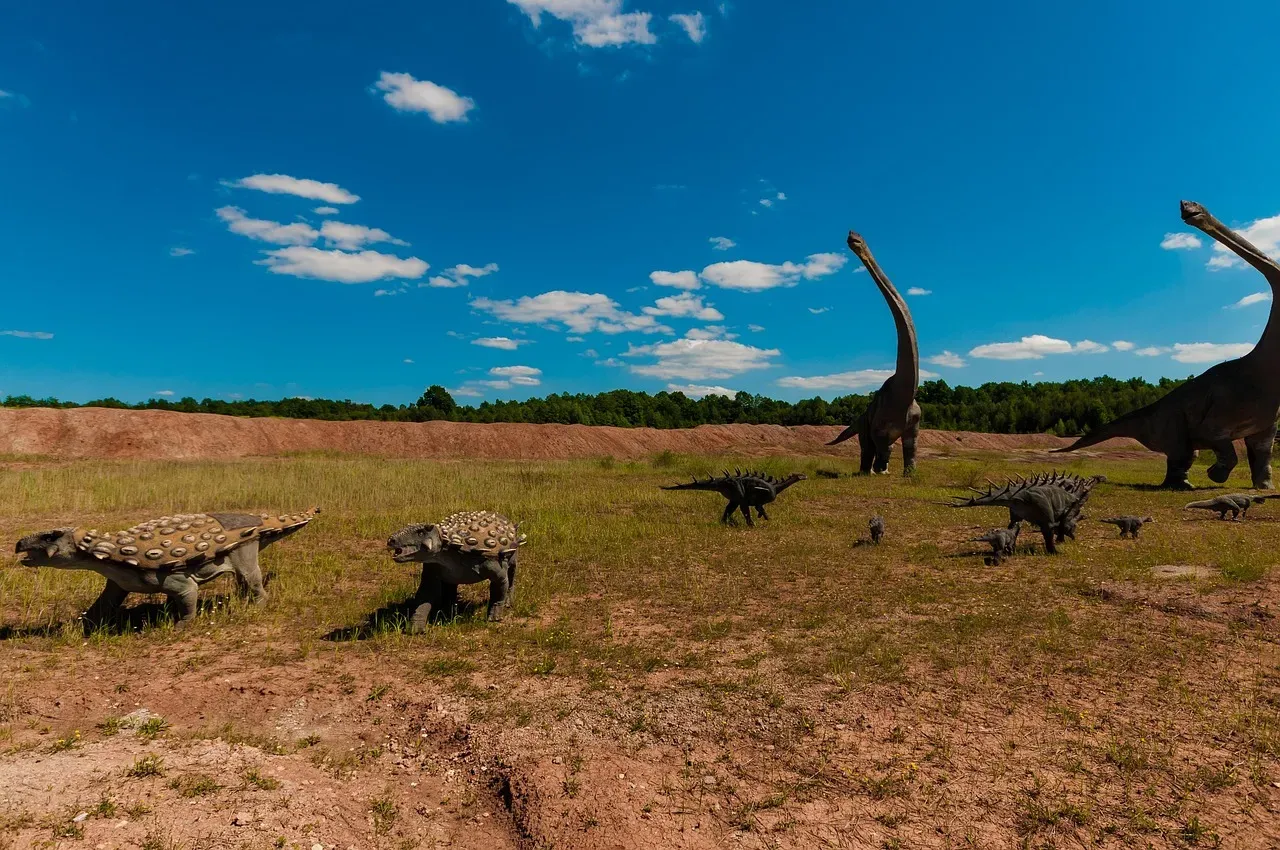
For a long time, textbooks described dinosaurs as slow, lumbering, and cold-blooded, more like gigantic crocodiles than athletes. That view has largely collapsed. Lines of evidence from bone microstructure, growth rates, predator–prey ratios, and trackways suggest many dinosaurs had high metabolisms closer to birds and mammals. Some may not fit neatly into the classic warm-blooded or cold-blooded buckets, but they were clearly not the half-comatose swamp beasts of old art.
Unfortunately, a lot of school material has never caught up and still uses phrases that imply dinosaurs were inherently sluggish. This matters because metabolism shapes behavior: an active, fast-growing, warm-blooded animal hunts differently, migrates differently, and raises young differently. When we teach kids that dinosaurs were dynamic, high-performance creatures, we make it easier to connect their biology to today’s active animals, instead of mentally shelving them with sleepy reptiles from a nature documentary.
4. T. rex Was Not Just a Carrion Feeder – It Was a Powerful Predator
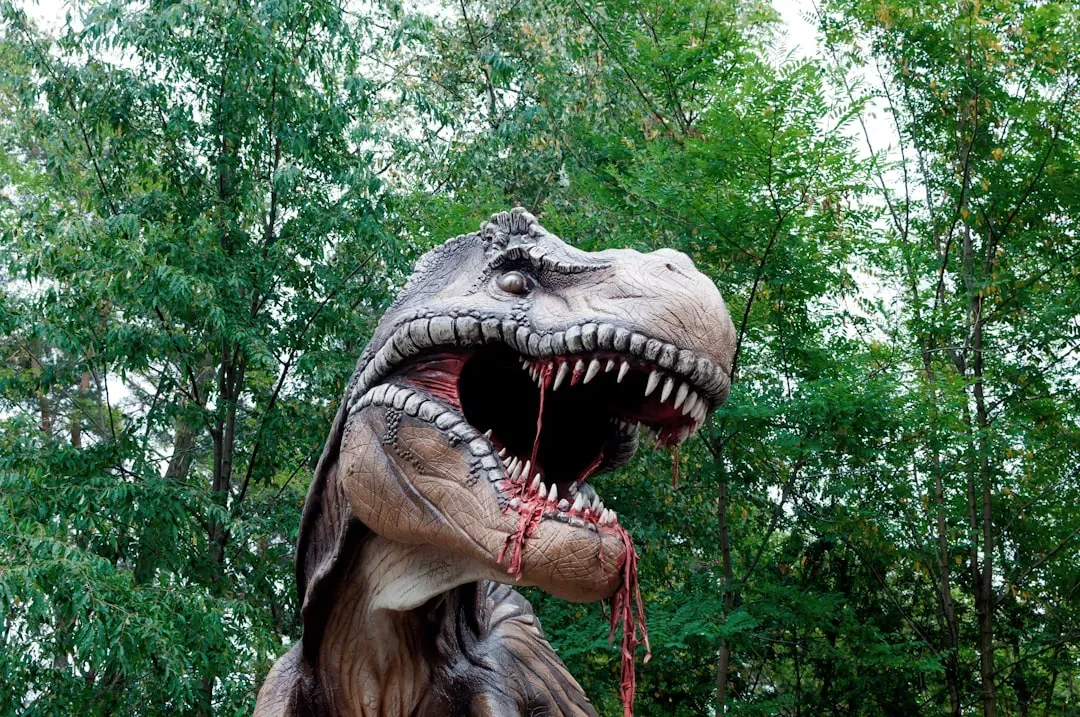
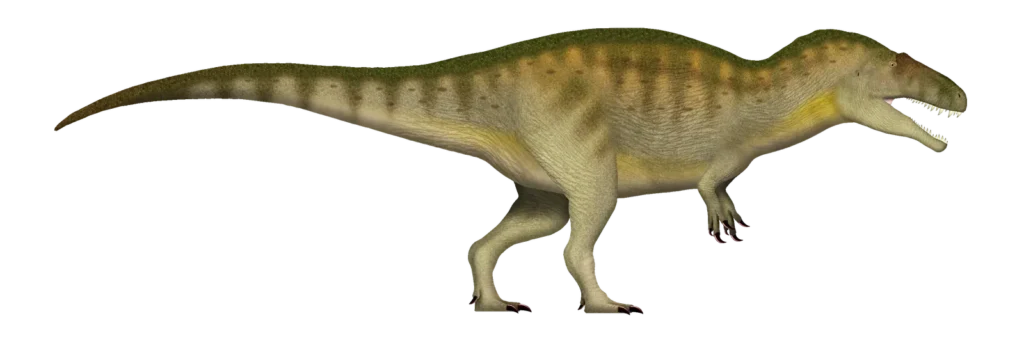
At some point, many students get hit with the supposedly clever twist that Tyrannosaurus rex might have been merely a scavenger. The idea made for memorable classroom debates, but the scientific consensus has moved past that, showing T. rex was fully capable of active predation. Its bone-crushing bite, forward-facing eyes with strong depth perception, powerful legs, and evidence of healed bite marks on prey fossils all point to a hunter that both killed and scavenged, much like modern large carnivores.
The problem is that the “maybe it was just a scavenger” angle still lingers as if it were the cutting edge of research, rather than an older hypothesis that has been largely downgraded. Teaching kids that science is willing to consider wild possibilities is great, but leaving them with a distorted picture of T. rex behavior is not. A more accurate narrative is that apex predators are opportunists: if you are a giant tyrannosaur, you hunt when you can and scavenge when it is easy, just like lions and hyenas do today.
5. Dinosaurs Held Their Tails Off the Ground – They Did Not Drag Them
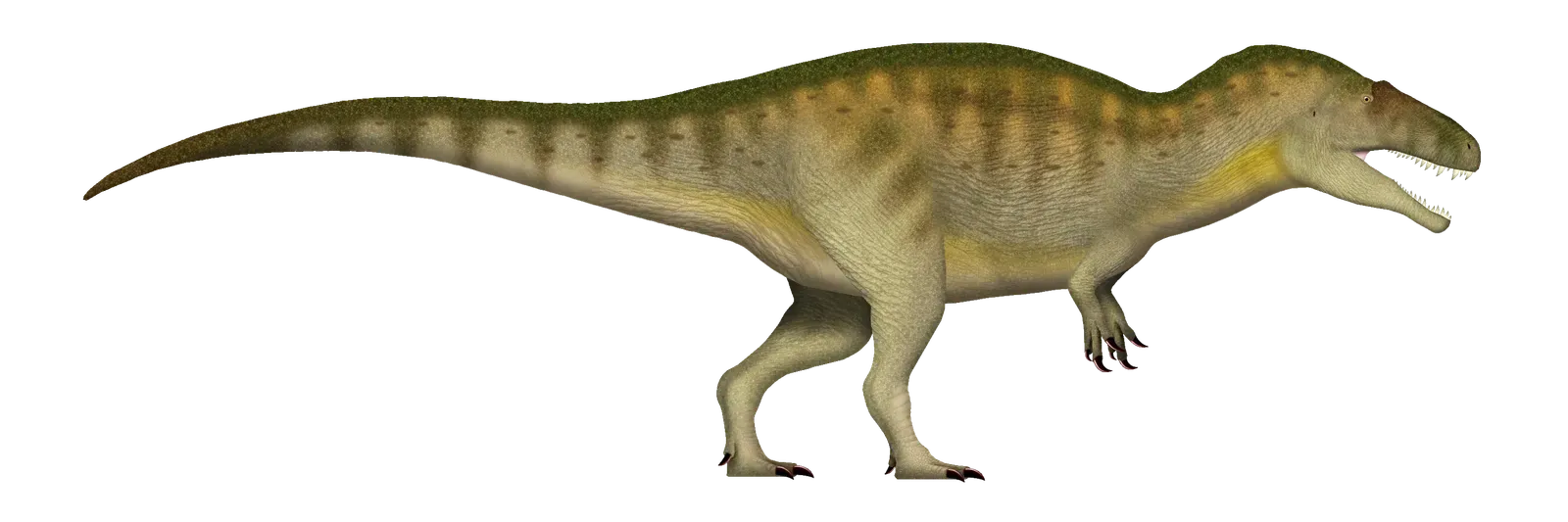
Think back to the classic museum dioramas and old illustrations: dinosaurs standing like kangaroos, tails carving a groove in the mud behind them. That tail-dragging posture has been completely overturned. Studies of dinosaur skeletons, joints, and trackways show that most large dinosaurs held their tails straight out behind them as stiff, counterbalancing beams. This horizontal posture let them move efficiently and quickly, whether they walked on two legs or four.
Yet tail-dragging silhouettes still show up in school visuals, on bulletin boards, and in cheap model kits. It seems trivial, but posture changes everything about how an animal looks and moves. When kids see a theropod with its back level and tail straight, it suddenly resembles a powerful, balanced runner instead of a tottering, awkward reptile. That one correction alone updates dinosaurs from clumsy giants into something more like a cross between a racehorse and a bird of prey.
6. Stegosaurus Did Not Have a “Second Brain” in Its Hips
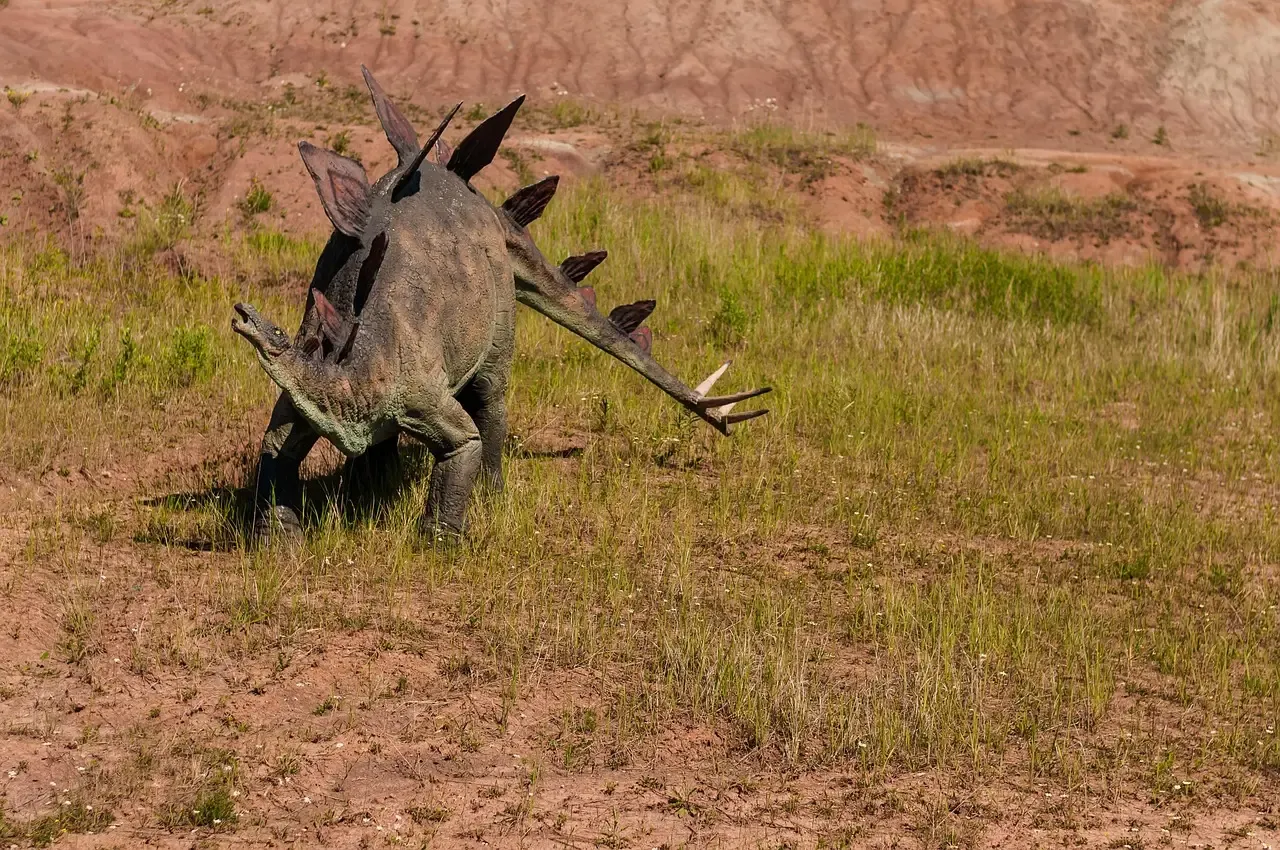
One of the most persistent dinosaur myths I still see dropped into lessons is the idea that Stegosaurus had a second brain in its backside to help control its huge body. This came from a misunderstood enlargement in the spinal canal near the hips, which is now thought to have housed something like a glycogen body or nerve-rich structure rather than a bonus brain. Modern birds have similar expansions without anyone suggesting they are hiding extra brains in their backs.
It is honestly wild that this myth survives, because it subtly sells students the idea that dinosaurs were too stupid to function without biological cheats. In reality, Stegosaurus already had a brain sized appropriately for a large herbivore of its time, and it did not need some sci-fi backup processor in its pelvis. By clearing up this misconception, teachers can model how science corrects old guesses, even when those guesses sounded catchy enough to last for generations.
7. Many Dinosaurs Cared for Their Young and Lived in Complex Social Groups
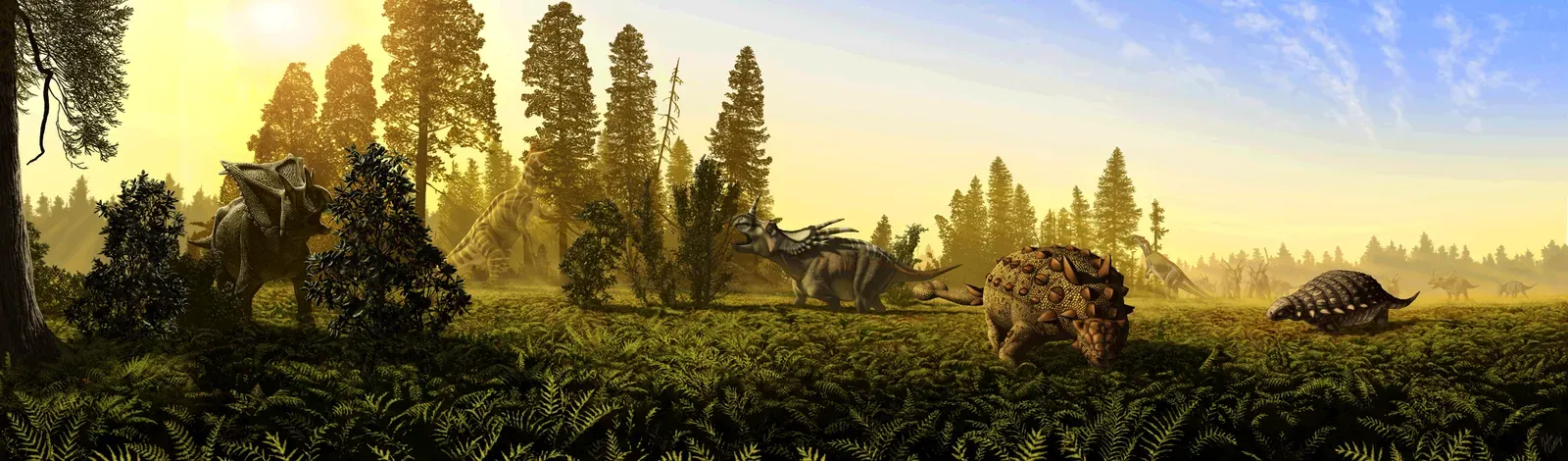
Old-school teaching often painted dinosaurs as solitary, mindless eating machines that laid eggs and walked away. Fossil evidence now tells a very different story for many species. We have nesting grounds with carefully arranged clutches, fossils of adults associated with juveniles, and growth studies that suggest extended care and social structures. Herbivores like hadrosaurs and some sauropods show signs of moving in herds, while some predators may have hunted or at least traveled in groups.
Despite that, many classroom discussions still lean on the stereotype of dinosaurs as unsocial monsters, unlike the “advanced” social behavior of mammals and birds. That narrative ignores how deeply social behavior runs through the animal kingdom. When kids learn that a dinosaur might have guarded a nesting colony or moved with a herd across a floodplain, it becomes easier to imagine their daily lives. These animals stop being isolated monsters on a page and start feeling like real creatures trying to survive together in changing environments.
8. Velociraptor Was Small, Feathered, and Nothing Like the Movie Version
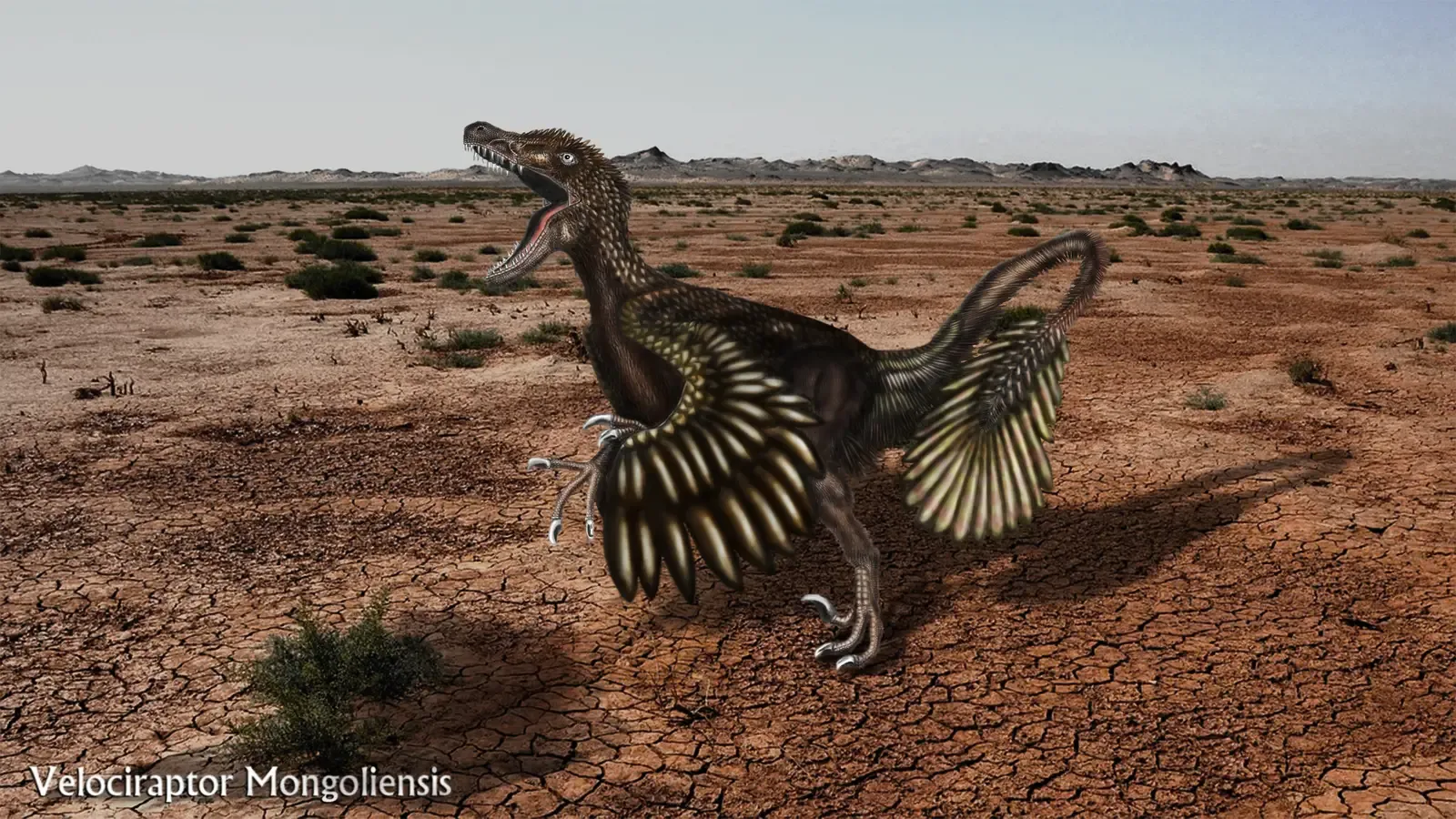
The name Velociraptor instantly brings up images of man-sized, scaly pack hunters from blockbuster films. The real animal, though, was closer in size to a large turkey, with feathers and a long, stiff tail. Its famous sickle claw and sharp teeth were still formidable, but this was a lightweight, agile predator, not a door-opening movie monster the height of a person. Much of what people think of as Velociraptor actually matches a different, larger dromaeosaur species entirely.
School lessons often lean on pop culture imagery because it is so familiar, but that can quietly cement false ideas. There is something wonderfully disorienting about telling students that the real Velociraptor was more like a terrifying ground bird than a naked lizard. It opens up space to talk about how media shapes our mental images, and how science sometimes has to patiently peel those images back. Updating curricula here is not about ruining anyone’s favorite movie; it is about teaching that real nature can be stranger and cooler than fiction.
9. Dinosaurs Lived in Diverse, Often Cool or Seasonal Environments – Not Just Steamy Jungles
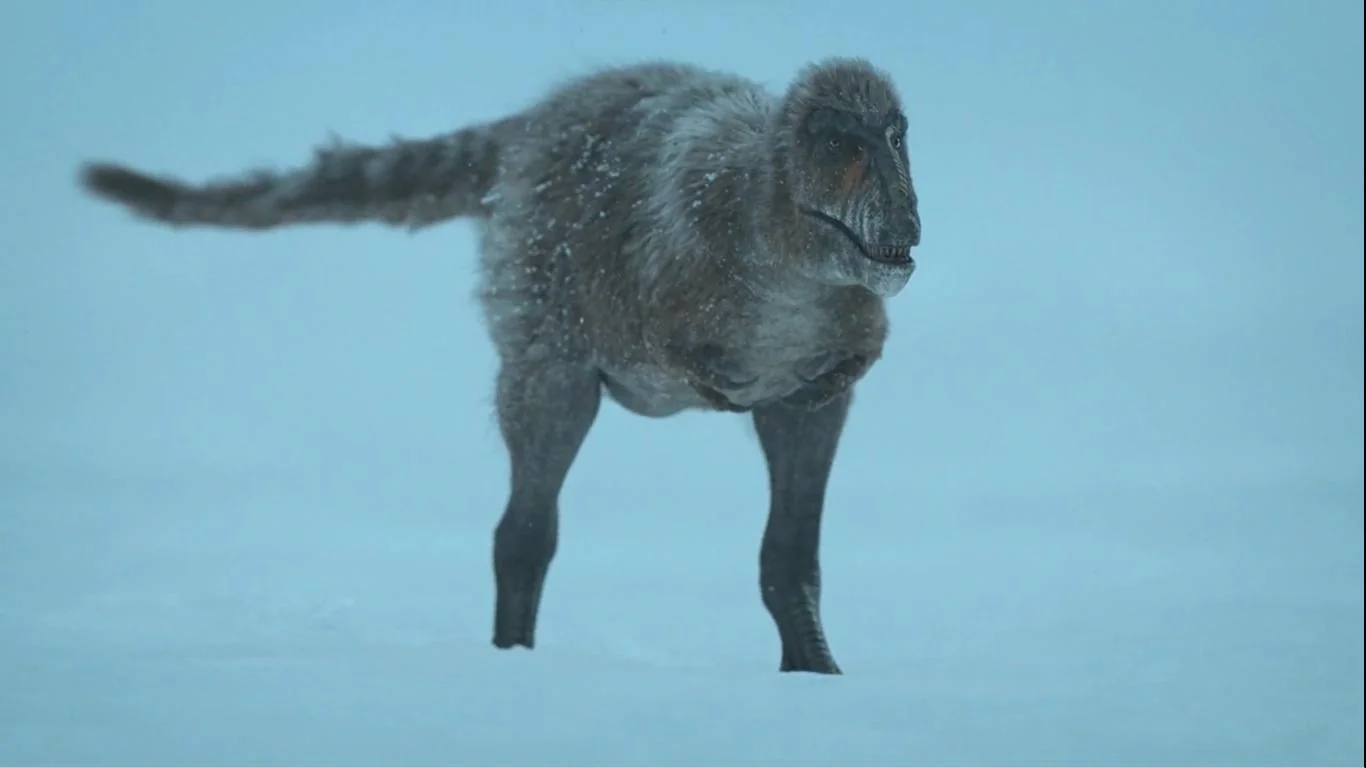
A lot of older material leans heavily on the idea that dinosaurs roamed only in hot, steamy, almost tropical worlds. While warmer global climates did dominate in many periods, we now know dinosaurs also lived at high latitudes, in regions that experienced long winters, seasonal darkness, and even cold conditions. Fossil finds from polar regions show that some species adapted to cooler climates and did not simply migrate away every year.
Textbooks that only show dinosaurs in lush, rainforest scenes miss this diversity and unintentionally make it harder for kids to connect ancient ecosystems to today’s varied climates. When you explain that some dinosaurs endured months of low light or cooler temperatures, it deepens the story of how adaptable they were. It also sets up conversations about climate change over deep time without needing to exaggerate or distort the evidence. Dinosaurs, in many ways, were more flexible than the simplistic “tropical giants” label would suggest.
10. The Asteroid Impact Was Devastating – But Not the Only Factor in Their Decline
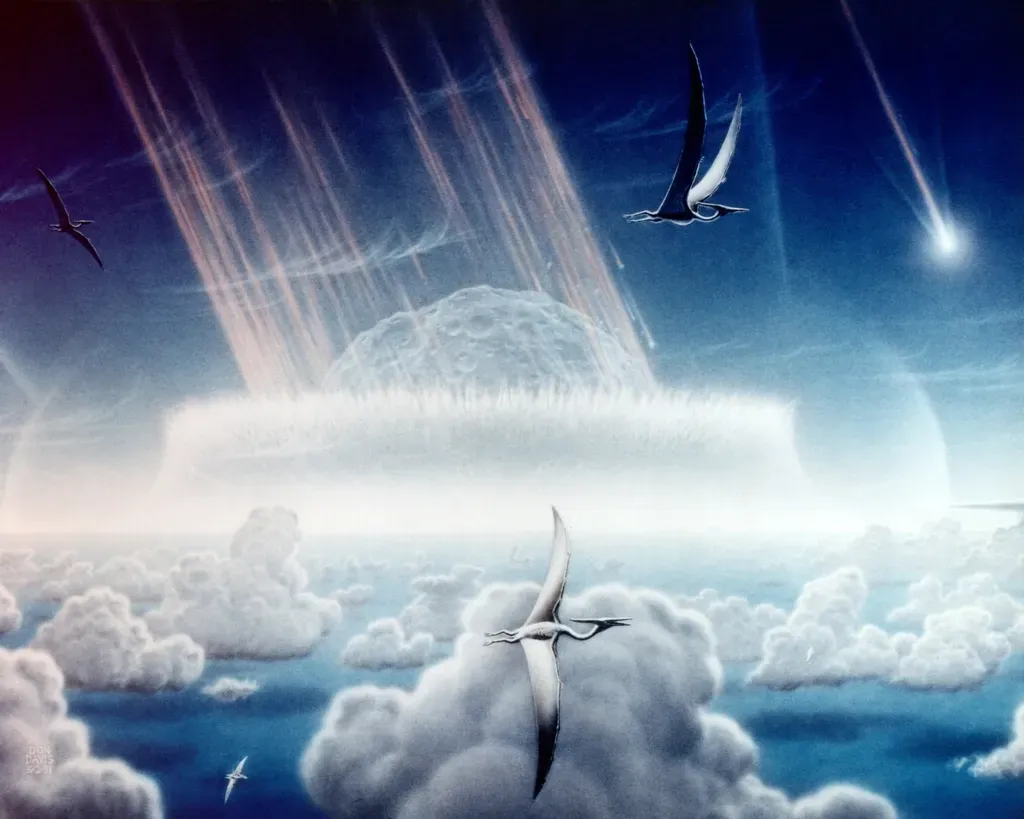
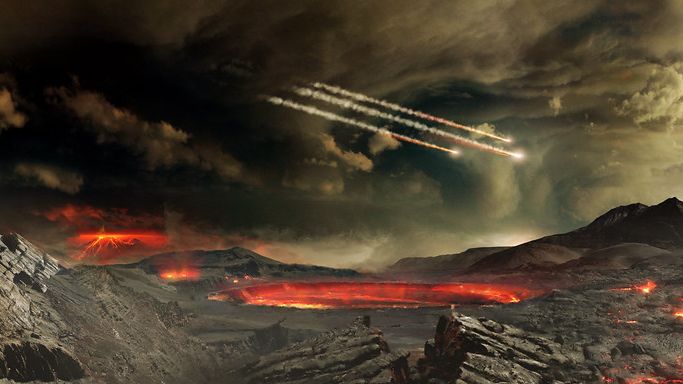
Most students today at least hear that an asteroid impact helped wipe out the non-bird dinosaurs. That piece is generally accurate, and the impact really was catastrophic. However, the way it is often taught makes it sound like dinosaurs were thriving perfectly until a random space rock did them in overnight. In reality, there were already major environmental shifts under way, including massive volcanic activity and changing sea levels, that may have stressed ecosystems before the impact finished the job.
Oversimplifying the extinction as a single, clean event robs students of a chance to see how multiple factors can collide in complex systems. When we update curricula to show that the end-Cretaceous extinction involved impacts, volcanism, climate shifts, and ecological cascades, we give a more realistic picture of how mass extinctions unfold. It also makes it easier to grasp why today’s biodiversity crisis is driven by many overlapping causes, not just one villain you can point to. The dinosaurs’ final act, like their lives, was complicated.
Conclusion: Our Textbooks Are Stuck in the Past – Even More Than the Dinosaurs
What bothers me most about all this is not that we once had these myths or outdated ideas. That is how science works: you start with guesses, gather evidence, and revise the story. The real problem is how slowly those revisions filter into classrooms, so entire generations grow up learning versions of dinosaurs that researchers quietly abandoned years ago. It is like insisting people use a paper road atlas when everyone else has satellite navigation and real-time traffic data.
Updating dinosaur science in schools is not a trivial cosmetic tweak; it changes how kids see evidence, change, and the nature of knowledge itself. When we teach feathered predators, social herds, bird–dinosaur connections, and complex extinctions, we show that science is alive and self-correcting, not a dusty list of facts to memorize. If we are going to keep calling dinosaurs a gateway into loving science, it is time to stop guarding the gate with tail-dragging, brain-in-the-butt, lizard-skinned relics. The kids deserve the real story – and honestly, the real story is far better than the myths we keep repeating.