
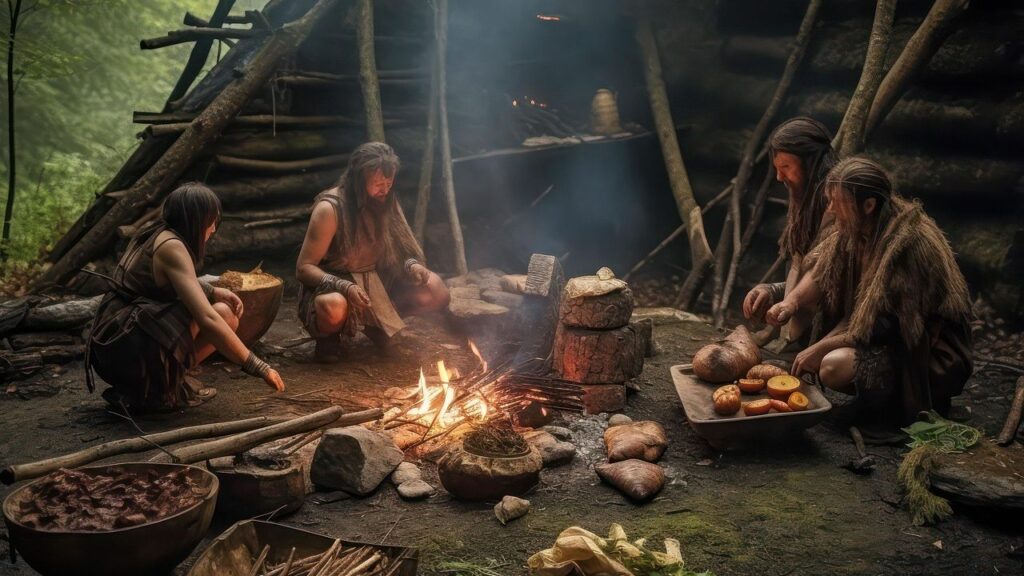
Imagine stepping outside your home and finding yourself on the edge of a glacier, with winds so cold they feel like knives on your skin, no central heating, no supermarket, no insulated jacket, not even metal tools for most of human history. Yet somehow, people not only survived these brutal Ice Age environments but spread across frozen continents, raised children, and built communities. When you picture that, the phone in your hand suddenly looks less like a lifeline and more like a very fancy toy.
What kept them alive was not magic or superhuman toughness, but a layered survival system: bodies adapted over thousands of years, clever use of fire and clothing, deep knowledge of landscapes and animals, and social cooperation that would put many modern teams to shame. We usually talk about “cavemen” like they were clumsy and primitive, but the more we learn, the more they look like masters of improvisation living in a world that would break most of us in a day. Once you see how they did it, our own idea of what is “absolutely essential” starts to feel surprisingly fragile.
The Body As Technology: How Humans Physically Adapted To The Cold
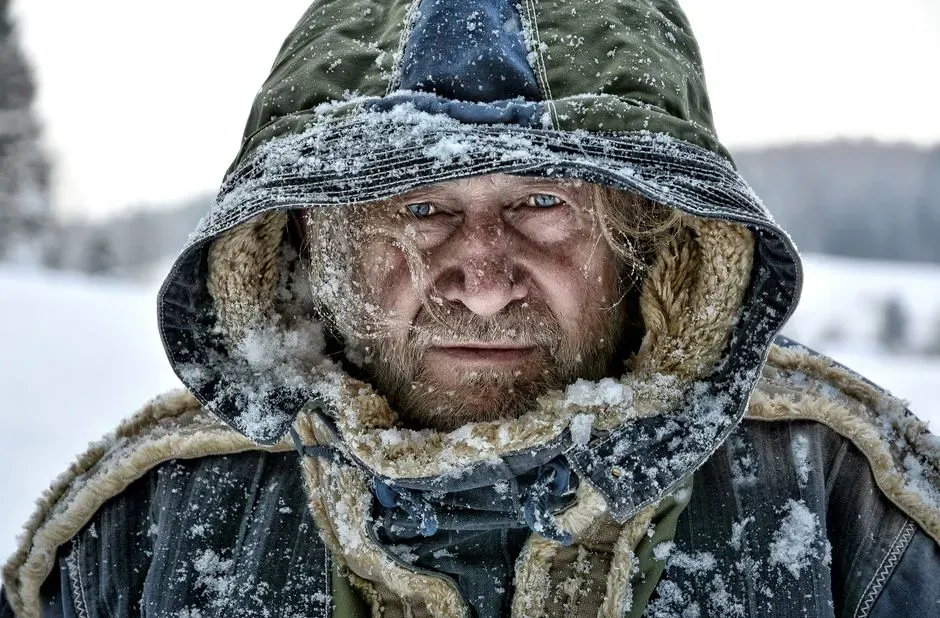
One of the most surprising things about Ice Age survival is that the human body itself acted like a kind of living technology, slowly tuned to harsh climates over countless generations. In many cold-adapted populations, you see trends like stockier builds, shorter limbs, and slightly different facial structures that help reduce heat loss, a pattern also seen in Arctic peoples today. It is not that Ice Age humans were invulnerable to the cold, but their average bodies carried traits that made enduring low temperatures just a bit less deadly. When you add that up over miles walked and winters endured, those small advantages matter.
They also had something we massively underestimate: conditioning. From childhood, people were exposed to fluctuating temperatures, hard physical labor, and constant movement, all of which shape metabolism and heat regulation. Think about how soft we feel stepping outside in winter after months indoors; now reverse that as the default setting. Their sense of what was “normal weather” was just calibrated differently, and while they still got frostbite, illness, and exhaustion, their baseline tolerance for misery was simply much higher than ours. That isn’t romantic; it is a blunt reminder of how much our comfort today is an anomaly in human history.
Fire, Shelter, And Ingenious Micro-Climates
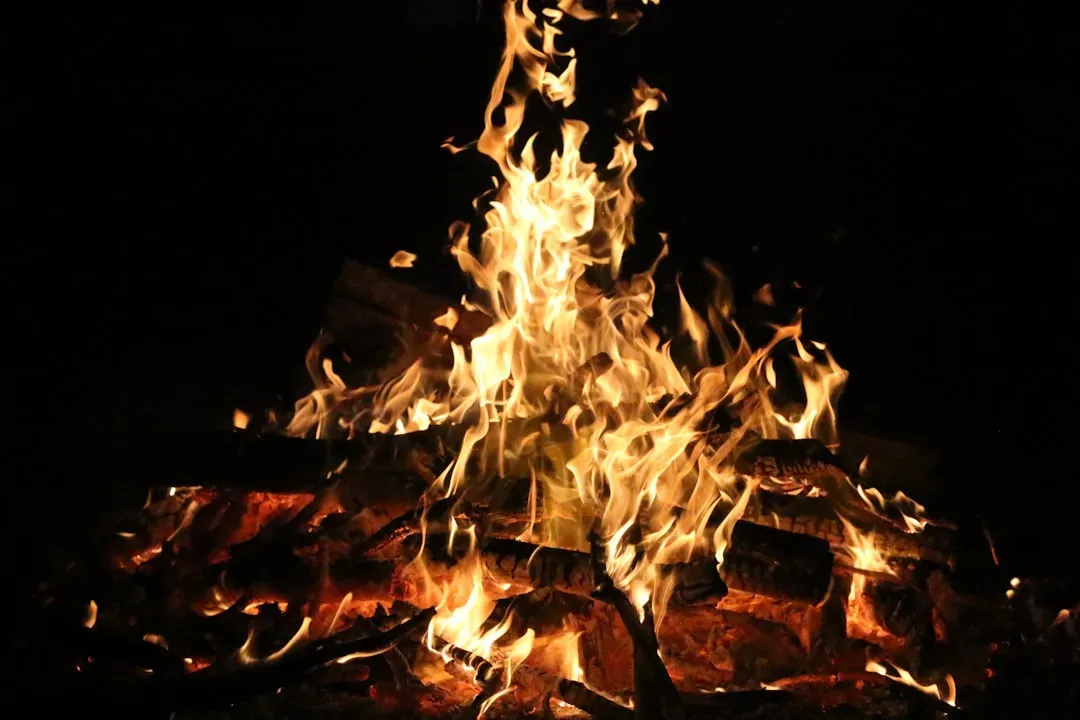
Take away central heating and double-glazed windows, and suddenly fire becomes the single most important invention in your life. Prehistoric humans used fire not just to stay warm, but to create tiny pockets of livable climate in an otherwise hostile world. They controlled the size of fires, used reflectors made of stone or bone to bounce heat, and carefully positioned sleeping areas where smoke would clear but warmth could linger. Archaeological sites show layers of ash and hearths rebuilt in the same places, suggesting a kind of domestic engineering built purely from observation and repetition.
Shelters were another quiet masterpiece. In many regions, people built structures from mammoth bones, wood, turf, and animal hides, creating surprisingly insulated spaces in the middle of open, frozen plains. Even natural caves were heavily modified with walls, hearths, windbreaks, and bedding made from grasses and furs. If you have ever camped in cold weather, you know how transforming even a small barrier from the wind can be; now imagine a whole community systematically fine-tuning that knowledge over generations. They were not just “huddling in caves” but actively designing micro-climates with the few materials they had.
Clothing, Skins, And DIY Insulation Without Gore-Tex
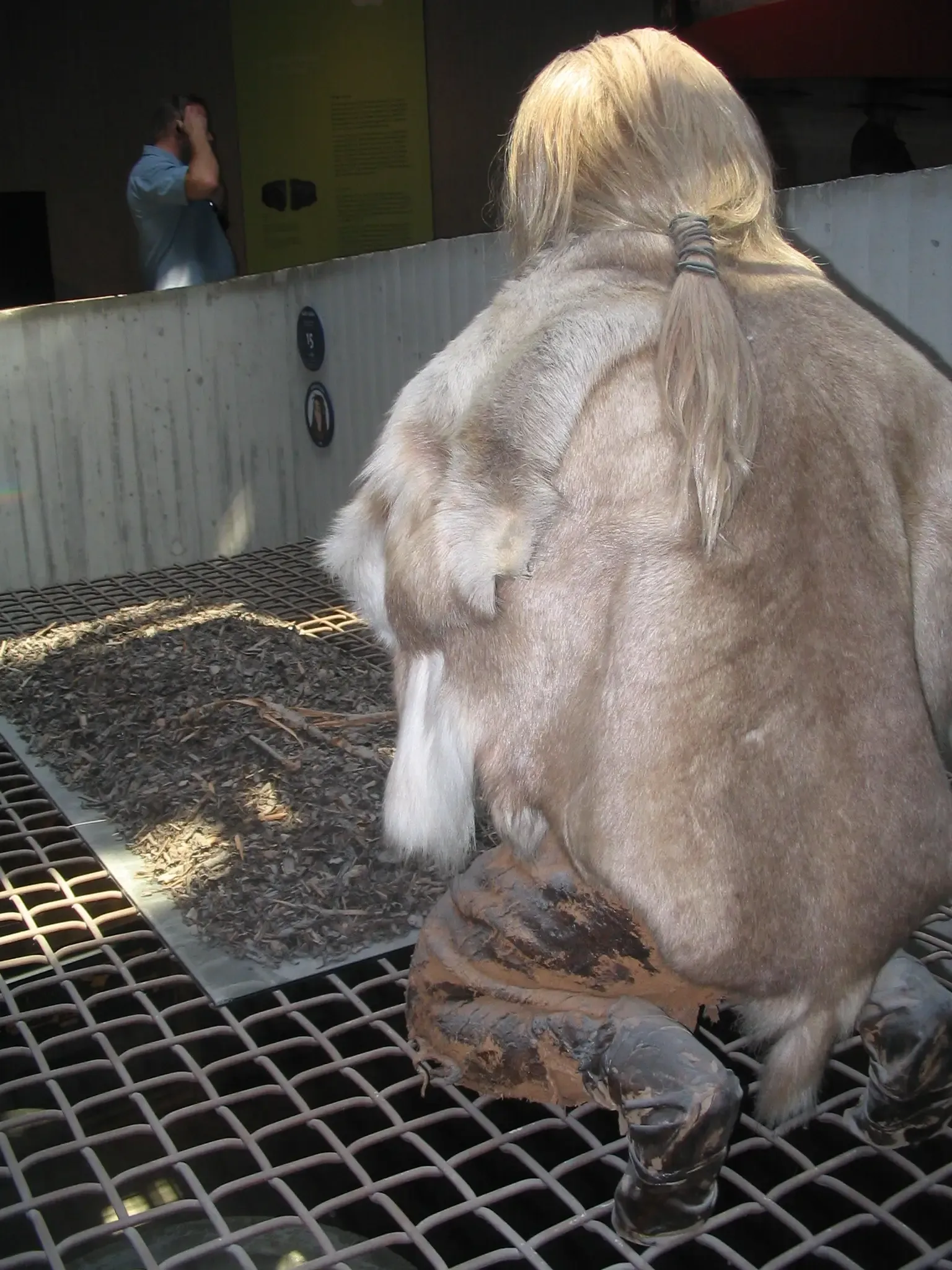
When people say prehistoric humans had “no technology,” they’re forgetting that sewing is technology, tanning leather is technology, and learning which furs insulate best is the kind of quiet innovation that keeps you alive. Ice Age groups developed layered clothing from animal hides and furs, tailored with bone needles and sinew thread. They used different parts of the animal strategically: thick winter hides for outer layers, softer skins for undergarments, and fur-lined boots and mittens in some regions. The level of precision in some surviving needles and awls shows these were not crude lashings; they were tailored garments born from necessity.
They likely experimented constantly, the same way we tweak our outfits across seasons, just with much higher consequences. If a new stitching pattern prevented drafts or a certain way of wrapping feet reduced frostbite, that trick would spread through a group. You can picture a parent teaching a teenager how to cut and pierce a hide correctly, the Ice Age version of showing someone how to tie a scarf or lace a boot. In a way, every parka and winter jacket you see today is just an expensive descendant of those first experiments in wrapping warm animal bodies around vulnerable human ones.
Food, Fat, And The Metabolic Art Of Staying Warm
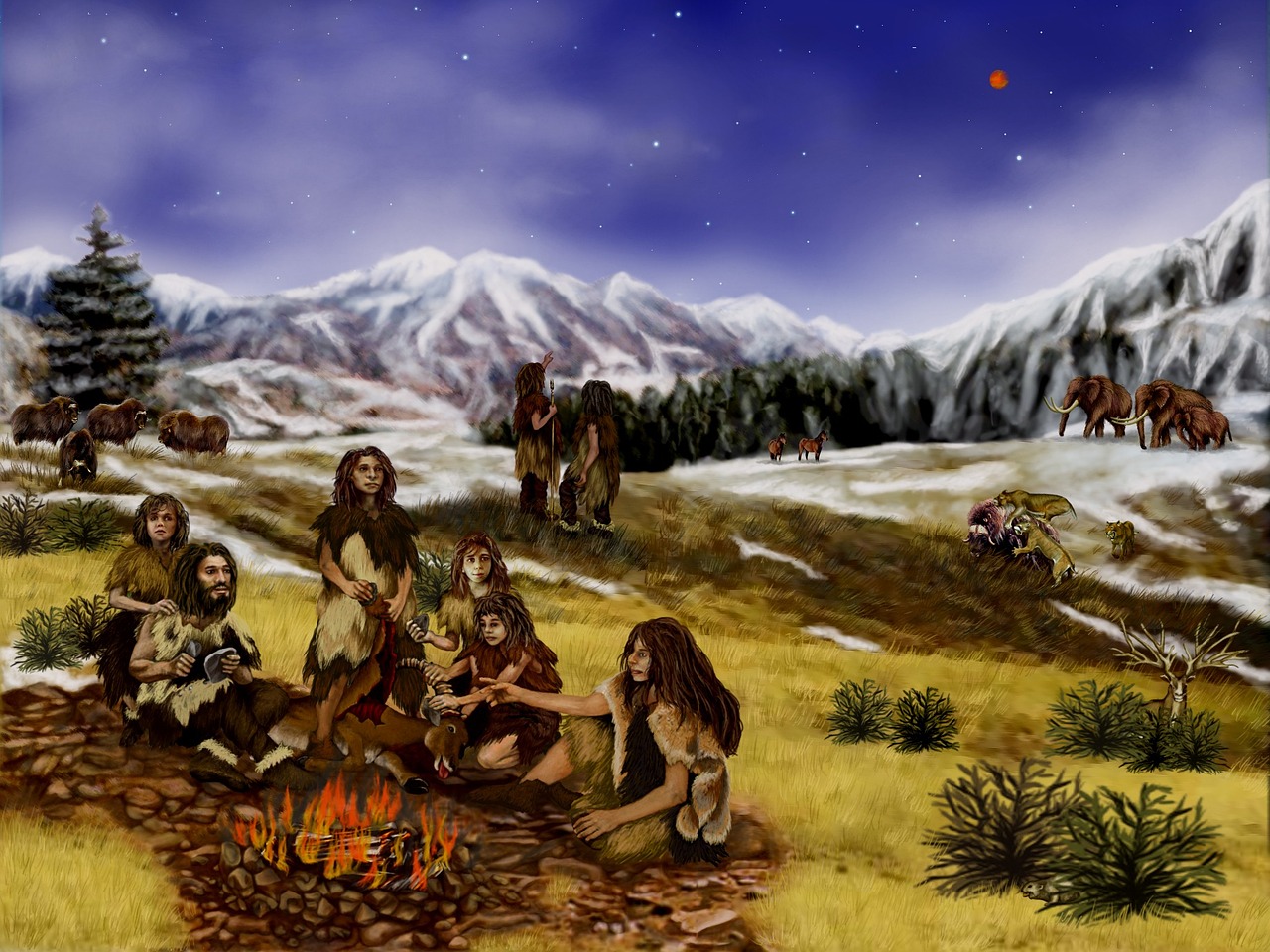
Staying warm is not just about what you wear; it is also about what you burn, and Ice Age humans approached calories like a survival currency. Diets in many cold environments were rich in animal fat and protein, coming from large herbivores like mammoths, reindeer, horses, and bison, as well as smaller animals and fish. That fat was not a guilty pleasure; it was literally fuel, helping bodies maintain core temperature and energy over long, frigid days. The modern obsession with low-fat eating would have looked like a death wish to them.
Preservation techniques allowed them to stretch seasonal abundance into leaner months. They dried meat in the cold air, smoked it over slow fires, and probably cached food in frozen ground or snow, essentially using the environment as a natural freezer. Gathering plant foods where possible also mattered, especially in less extreme regions or during warmer phases, but in deep cold it was often animals that kept people alive. For me, the most striking part is that every meal was both dinner and a bet against the next storm; each successful hunt or preserved haunch of meat bought a little extra margin of safety against the unforgiving climate.
Knowledge Of Landscapes, Animals, And The Seasons
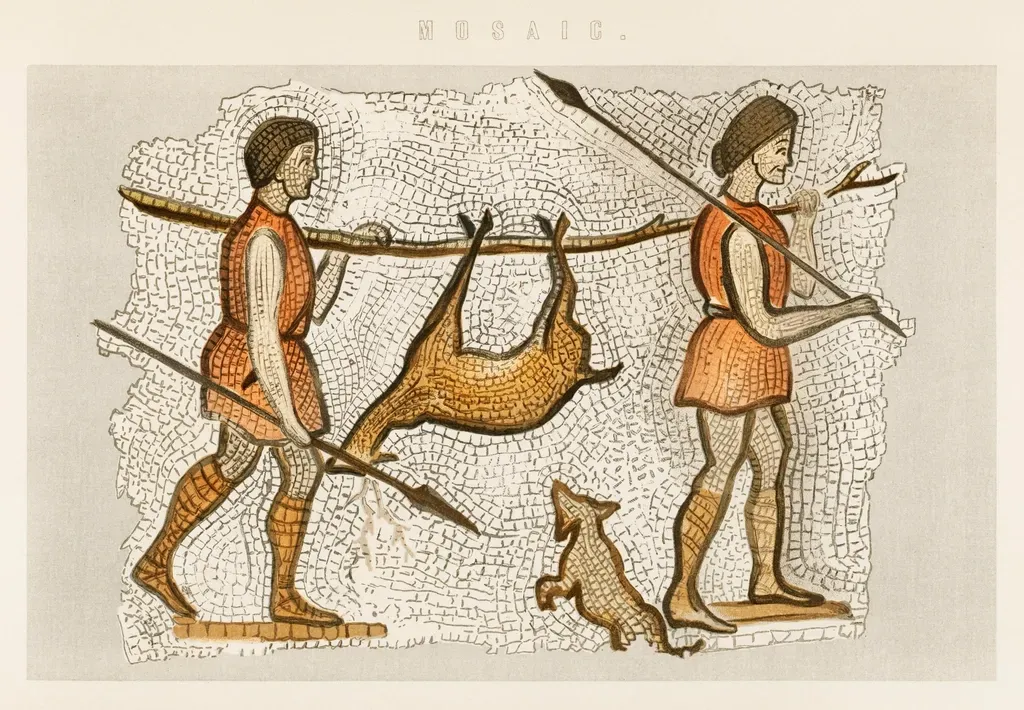
Surviving an Ice Age without maps, weather apps, or scientific instruments demanded an almost obsessive understanding of the land. Prehistoric humans tracked animal migrations, snow patterns, river freeze and thaw cycles, and subtle seasonal cues like changes in light and plant growth. They knew which routes turned deadly in winter, where snowdrifts usually formed, and which valleys trapped cold air. None of this was written down, so it lived in memory, stories, and daily practice, passed from elders to children in a continuous, fragile chain.
That kind of knowledge turns the wild into something slightly less random. If you know that herds usually return to a certain plain after the thaw, or that a particular slope holds less wind, you can plan where to move your camp and where to focus your hunting. Modern hikers sometimes get lost a few kilometers from a marked trail; Ice Age groups navigated entire continents using only landmarks, stars, and gut feeling honed by experience. To me, that is one of the most humbling differences between them and us: where we lean on GPS and forecasts, they had to build a living mental map, or die trying.
Community, Cooperation, And The Social Side Of Survival
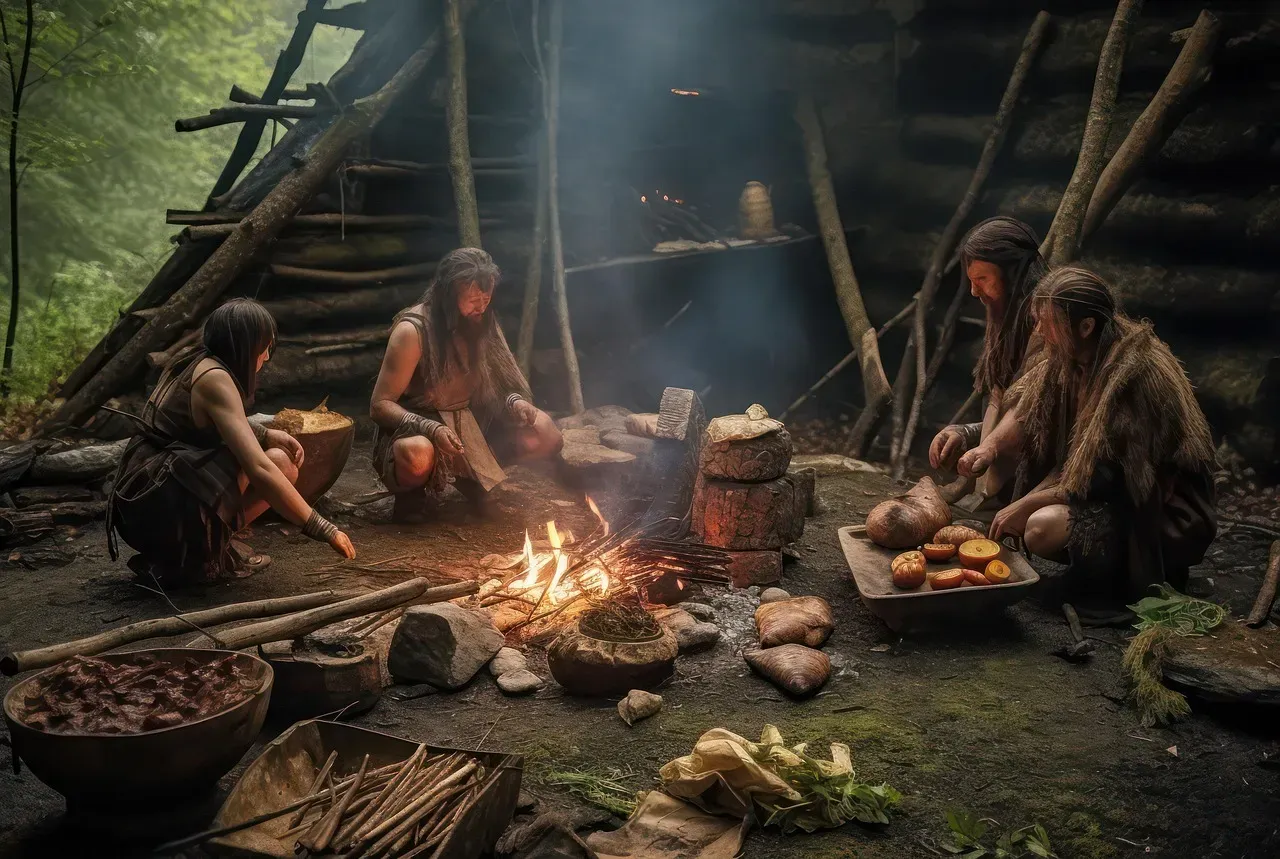
If there is one “technology” we still undervalue, it is other people. In Ice Age conditions, a lone individual was incredibly vulnerable; strength came from small, tightly knit groups that shared food, skills, and protection. When a hunt was successful, the meat and fat did not just go to the hunters but were distributed among the group, spreading risk so that one bad day did not mean instant disaster. Older adults who could no longer hunt still mattered because they carried knowledge: migration routes, craft skills, and hard-won lessons about past winters.
Care for children, injured members, and even people with disabilities is visible in some archaeological remains where individuals survived years with conditions that would have required help. That tells us something profound: they did not just endure the Ice Age as isolated survivors; they did it as communities that chose not to abandon their vulnerable. Personally, I find that detail more inspiring than any story of lone heroism. It suggests that cooperation was not a luxury, but the core survival strategy, and it forces us to rethink modern myths that celebrate rugged individualism over shared responsibility.
Mindset, Creativity, And The Psychological Edge
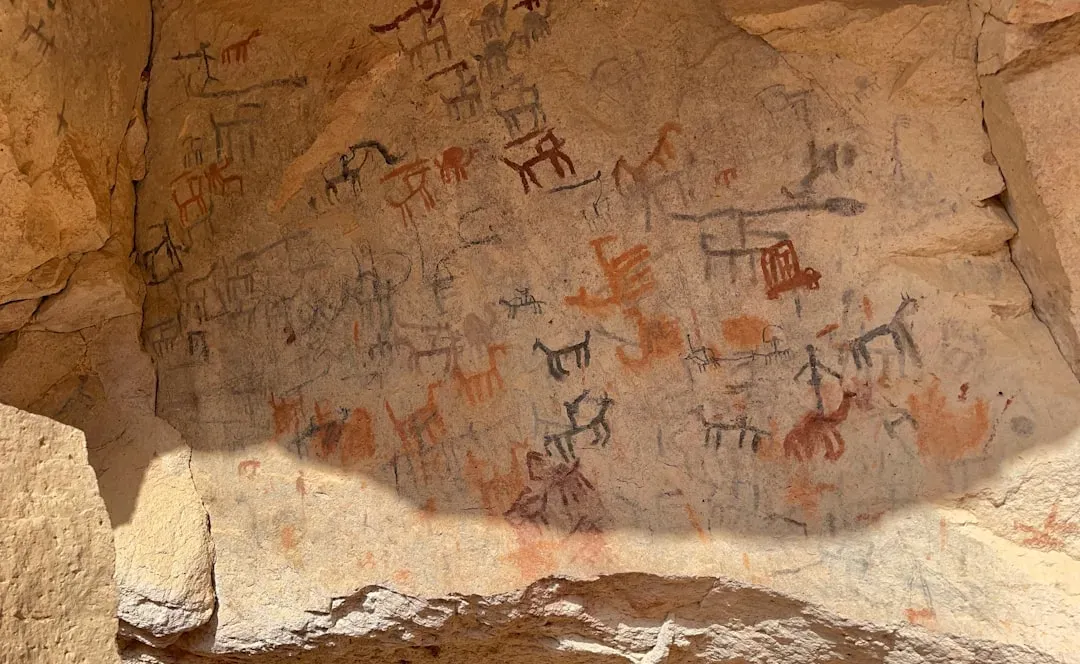
There is a side of survival we rarely talk about: how people stayed mentally strong in a world of constant uncertainty. Ice Age humans lived with real, daily risk that the herd might not return, the winter might last longer, or illness might sweep through camp. Yet they created art, carved figurines, painted cave walls, made music with simple instruments, and developed rituals and traditions. These acts did not put food on the fire directly, but they likely helped people find meaning, cohesion, and courage in a brutally unpredictable environment.
From my perspective, that creative streak might have been their greatest advantage. Art and ritual can knit a group together, help them grieve losses, and give them a shared story that says, in effect, “We belong here; we have survived before; we can survive again.” Compare that with how easily many of us feel overwhelmed by minor inconveniences, and the contrast is almost painful. Their resilience was not just physical; it was psychological, built on imagination, shared beliefs, and the stubborn decision to keep creating beauty in a world that easily could have crushed them.
Conclusion: Maybe Our “Essentials” Are Not So Essential After All
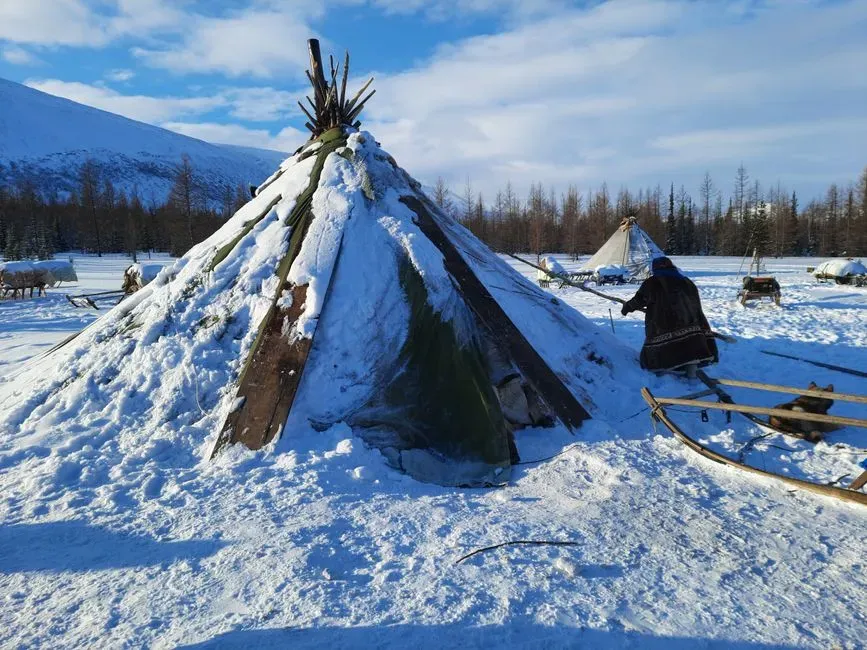
When you pull all these threads together – adapted bodies, carefully managed fire and shelter, handmade clothing, calorie-dense diets, landscape knowledge, tight-knit communities, and resilient minds – you realize Ice Age humans survived not because they lacked technology, but because their technology looked different. Instead of smartphones and thermostats, they optimized fur parkas, camp placement, hunting strategies, and social trust. It is tempting to romanticize them, but the reality was harsh, full of illness, injury, and early death; even so, calling them “primitive” feels flat-out wrong once you see how sophisticated their survival systems really were.
In my view, the uncomfortable truth is that if you dropped most of us into their world, we would not last long, even armed with all our abstract knowledge, because we lack the practiced skills and hardened expectations they built from childhood. Our essentials today – Wi‑Fi, coffee machines, central heating – make life safer and richer in many ways, but they also hide how fragile we are when those systems fail. Maybe the real lesson from Ice Age humans is not that we should go back to living in caves, but that we should remember resilience is a skill, not an app. If everything you take for granted disappeared tomorrow, how much of their mindset, creativity, and cooperation could you actually call on?