Imagine the most terrifying shark that ever lived, the legendary megalodon, cruising through ancient oceans as an apex predator. Now imagine something even more formidable in some situations: not bigger teeth, but a smarter body plan, a different style of hunting, and a toolkit of predatory tricks that could turn the tables. That idea alone feels almost wrong, because megalodon has become such a cultural icon that it seems untouchable. But the fossil record hints at other monsters that could challenge its dominance, at least in certain places and times.
When paleontologists talk about “sea monsters,” they are not just spinning scary stories. They are piecing together an entire alien ecosystem from shattered bones and scattered teeth. In that quiet evidence, megalodon sometimes looks less like an unbeatable boss and more like one powerful player in a brutal arms race. And hiding in those same layers of rock, there is one creature in particular that might just have been capable of beating it under the right circumstances.
How Megalodon Became the Undisputed Ocean Icon
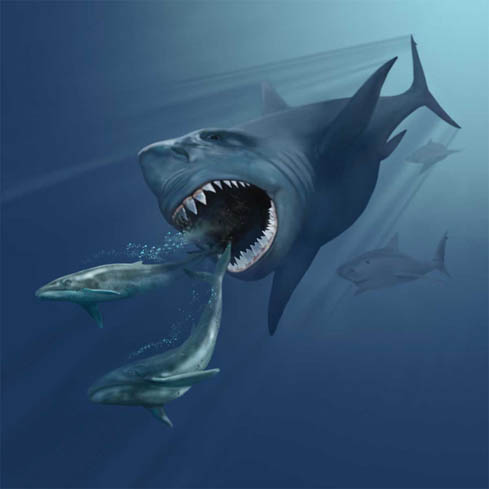
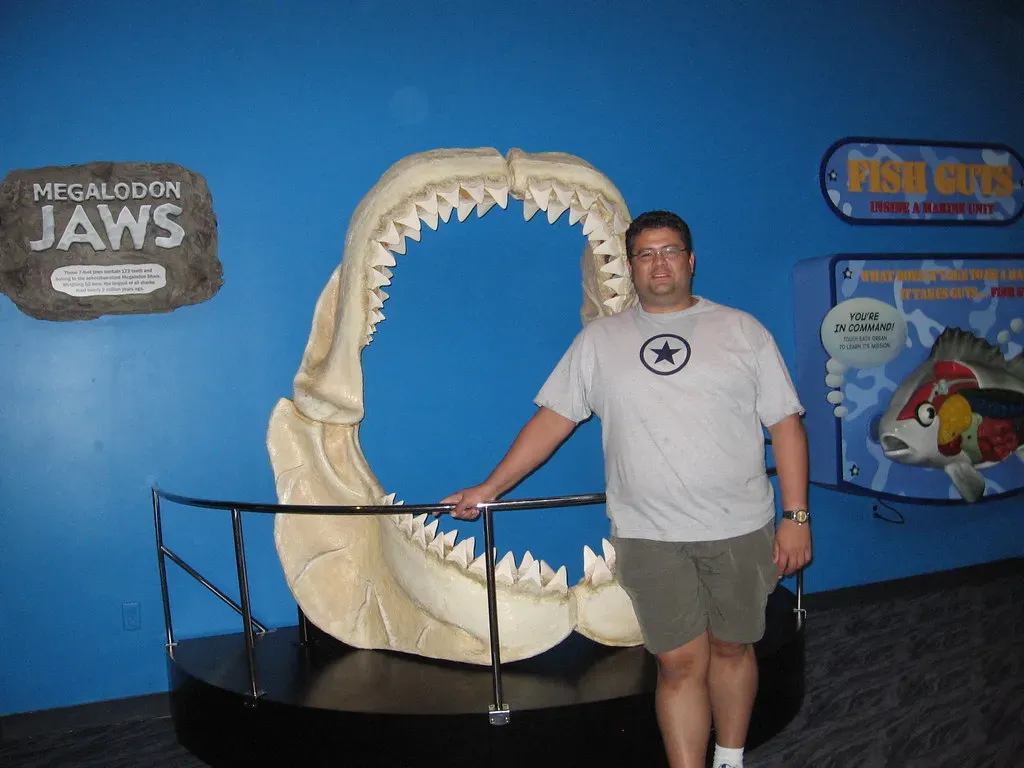
Megalodon has completely captured modern imagination: posters, documentaries, survival-horror movies, and endless internet debates about how huge it really was. Most estimates based on tooth and jaw comparisons suggest a body length somewhere around fifteen to eighteen meters for the largest individuals, with a bite force that may have been among the strongest of any known animal. It hunted massive prey like early whales, probably tackling them with devastating ambushes from below or behind. If you picture a great white shark scaled up to the size of a bus, you are not far off, even if scientists keep reminding everyone that the resemblance is only skin deep.
Part of megalodon’s myth comes from how simple the story appears: giant shark, giant teeth, top predator, end of discussion. That simplicity is comforting in a way, because it gives us a clear champion of the ancient seas. But real ecosystems do not work like sports leagues with a single world champion. Ancient oceans were crowded with huge whales, other sharks, giant predatory dolphins, and reptilian holdovers in earlier eras. Megalodon had rivals, and that makes its story more interesting, not less. It also opens the door to a provocative question: what kind of monster could actually threaten something like that?
The Real-Life Sea Monster Contender: Livyatan
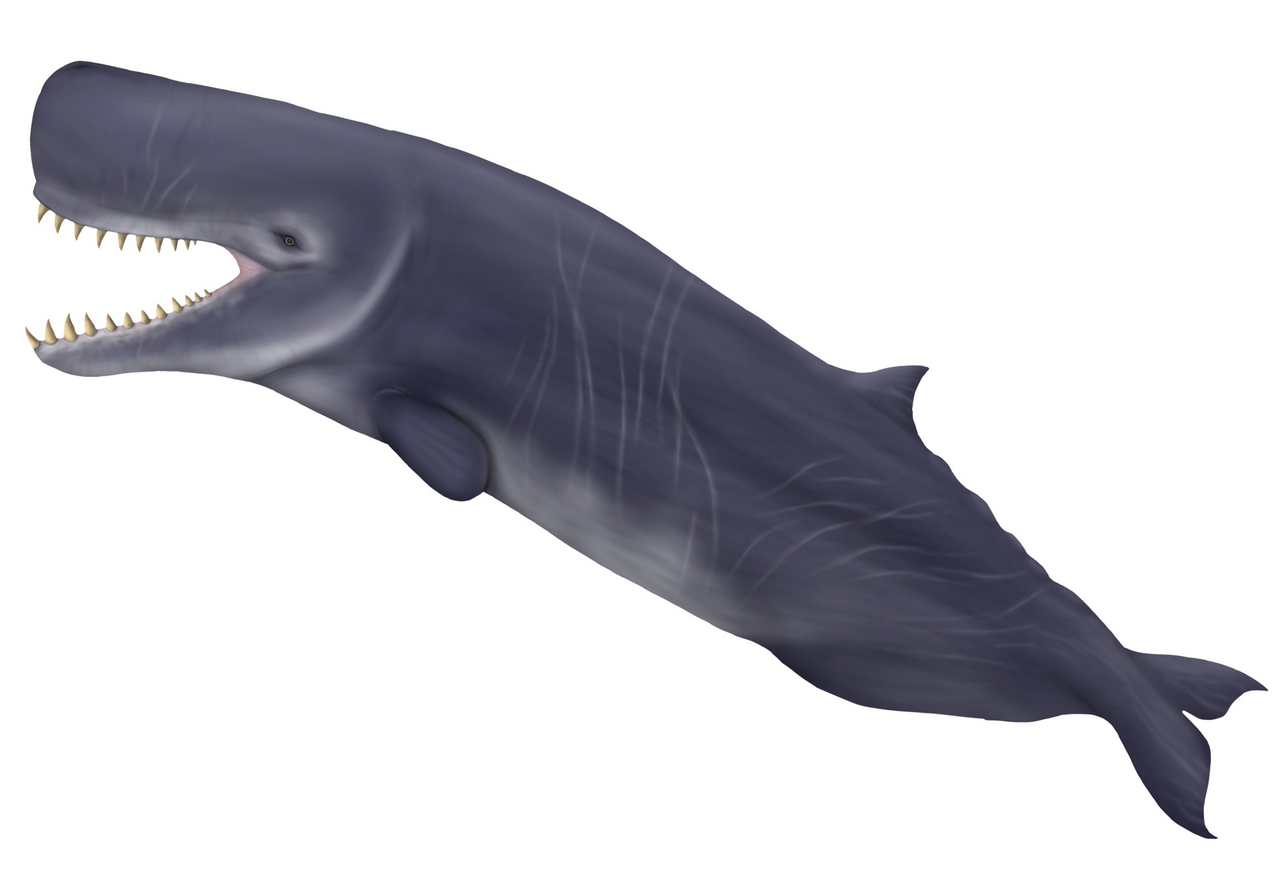
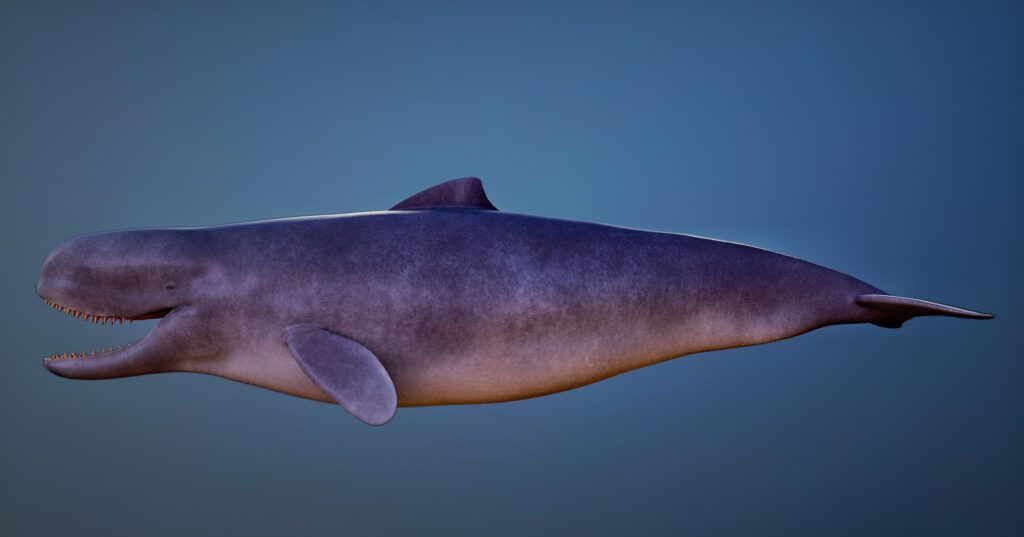
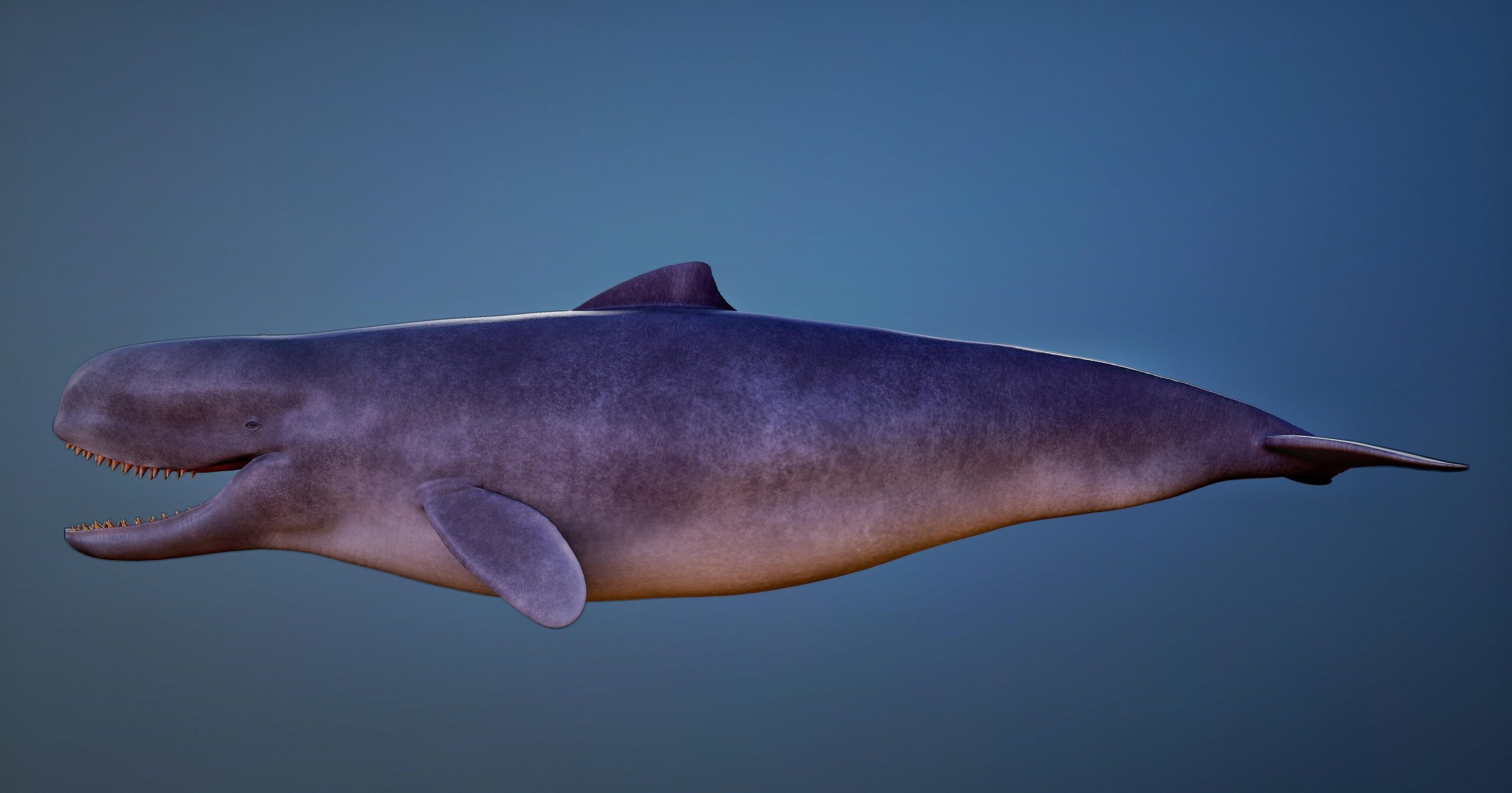
If there is one extinct creature that deserves to be mentioned in the same breath as megalodon – or even as a possible rival – it is the giant predatory sperm whale often called Livyatan. This animal lived roughly during the same broad window of the Miocene oceans as megalodon and reached similar body lengths, possibly around thirteen to seventeen meters based on current fossil material. Unlike modern sperm whales that mainly suction-feed on squid, this beast carried huge, thick, fully functional teeth in both jaws, some more than thirty centimeters long, designed to slice into solid flesh and bone. It was not a gentle deep-diver; it was a surface and mid-water hunter of large prey.
What makes Livyatan so compelling as a “forgotten” contender is how little the general public knows about it compared to megalodon. You almost never see it in movies or viral clips, yet on paper it looks every bit as fearsome. Picture a modern sperm whale, already massive and muscular, but armed like a saltwater crocodile scaled to nightmare proportions. Fossils suggest it targeted other large marine mammals, including early baleen whales. In a way, it was like a gigantic orca built for tearing, ramming, and overpowering big prey – a weaponized torpedo among giants.
Different Weapons, Different Battlefields
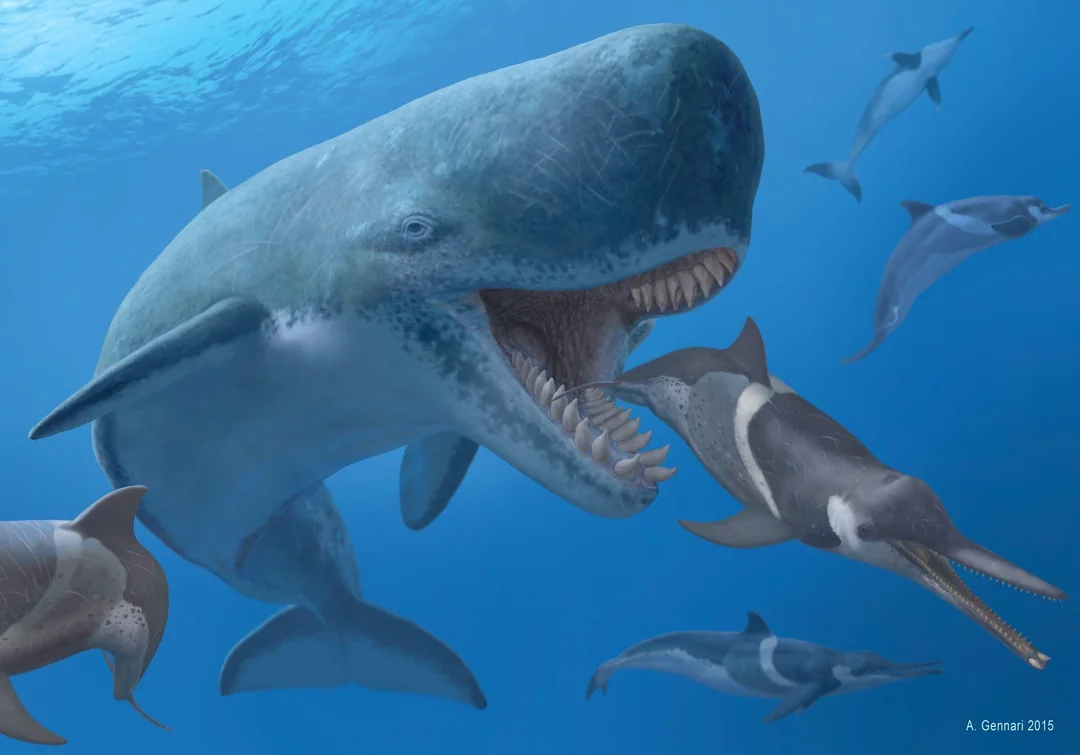
Comparing megalodon and Livyatan is a bit like comparing a heavy-duty industrial shredder with a ramming truck that also happens to have serrated steel jaws. Megalodon likely relied heavily on its enormous bite and broad, triangular teeth to shear through bone and blubber. Livyatan, on the other hand, combined strong jaws and big conical teeth with a powerful skull structure that suggests ramming and wrestling. While both could kill large whales, they probably did it in different ways and maybe in slightly different parts of the water column or different habitats. The “winner” between them would depend heavily on the scenario, not just on raw size.
That is why the idea of one “defeating” the other needs to be treated carefully. There is no fossil snapshot of a megalodon and a Livyatan locked in combat, no healed bite marks we can confidently assign from one onto the other. But from a biomechanical and ecological perspective, Livyatan had the tools to at least challenge megalodon over access to prey. In areas where the environment favored a mammal-like hunting strategy – perhaps involving bursts of speed, complex maneuvers, or even some degree of social behavior – Livyatan might have had the edge. In more open, purely ambush-oriented settings, megalodon might have been king. It is less a clean knockout and more a chess match with different pieces.
Could Livyatan Actually Have Beaten Megalodon?
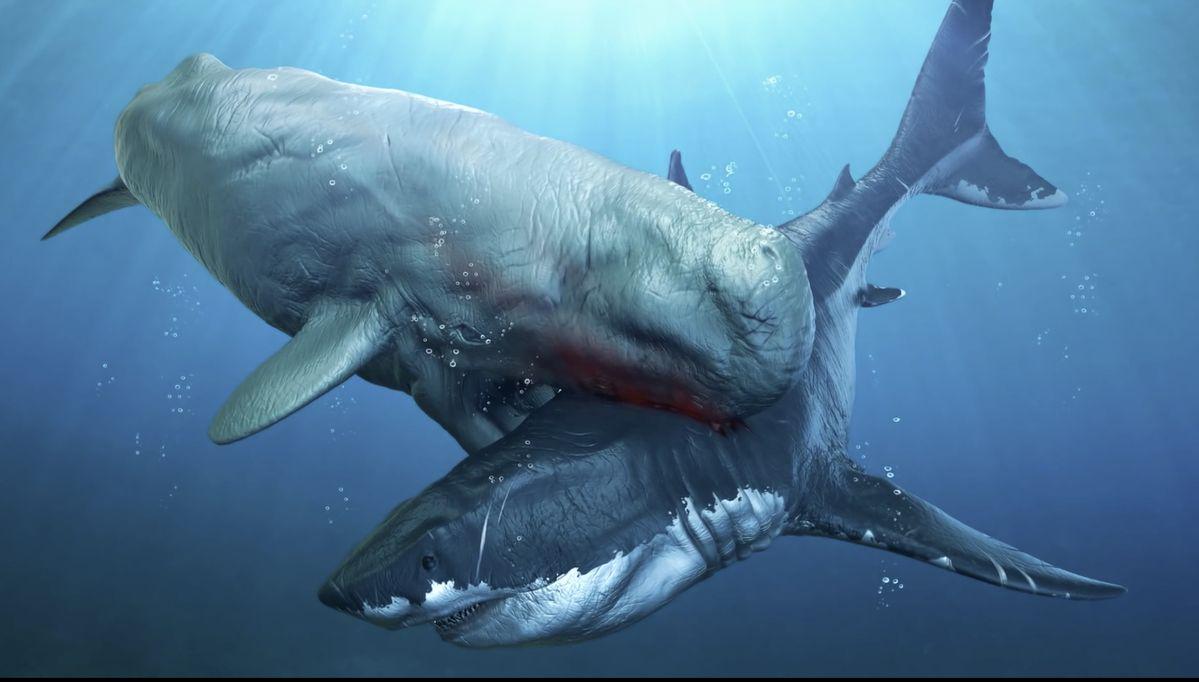
This is the question that sparks arguments in comment sections: in a one-on-one showdown, who wins? The honest answer is that no one can say with certainty, and any confident claim is more fantasy than science. But it is reasonable to say that Livyatan is one of the very few creatures in Earth’s history that plausibly could have given megalodon serious trouble. They were close in size, armed with formidable teeth, and specialized in taking down big, muscular prey. In some situations, like close-quarters combat near the surface or around whale carcasses, a robust, thick-skulled predator like Livyatan could potentially withstand impacts and land brutal bites of its own.
Another angle to consider is brain and sensory differences. As a mammal, Livyatan likely had a more complex brain relative to its body compared to a shark, along with echolocation capabilities inherited from sperm whale relatives. That does not mean it was “smarter” in the human sense, but it suggests different sensory strengths and possibly more flexible hunting tactics. It is not unreasonable to imagine Livyatan using sophisticated approaches to track, ambush, or outmaneuver large prey – or even to avoid direct confrontations with megalodon until the odds were favorable. In a dynamic, patchy ocean full of changing currents and migrating whales, that kind of adaptability could be a deciding factor.
The Overlooked Power of Whales as Apex Predators
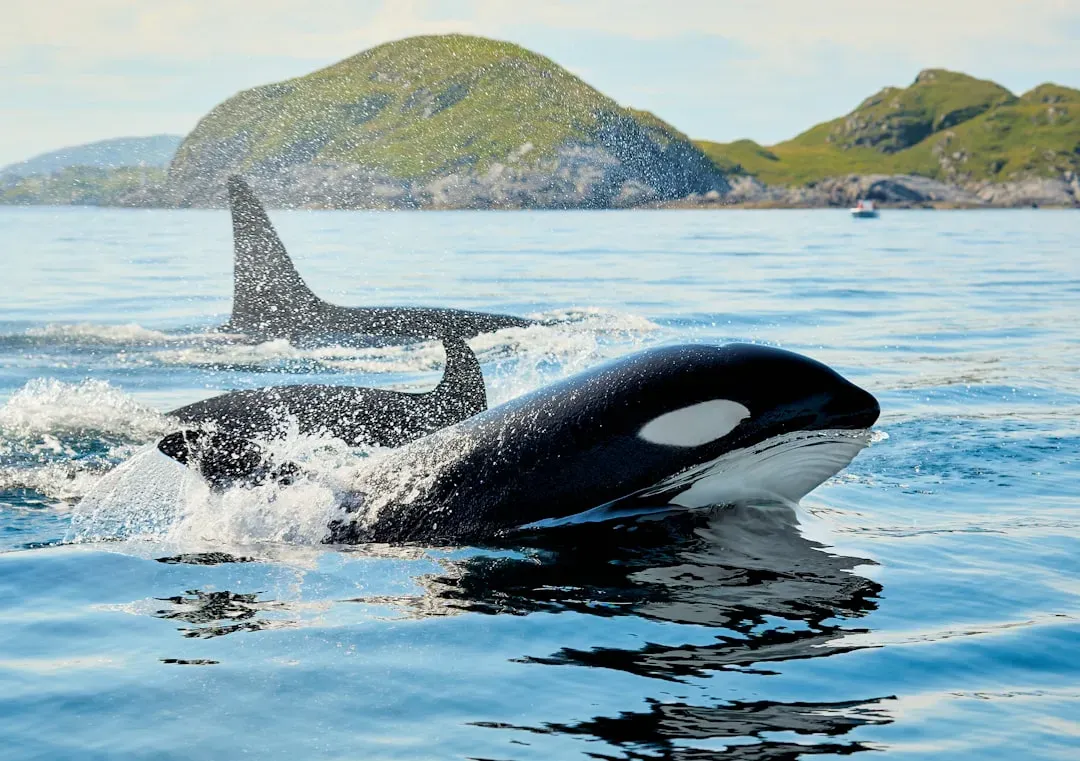
Modern oceans already give us a living hint of how terrifying predatory whales can be. Killer whales – orcas – regularly bully great white sharks, force them to flee areas, and even kill them in coordinated attacks. That does not mean Livyatan was just an extra-large orca, but it shows how mammalian predators can flip the script on sharks that seem unbeatable at first glance. The same kind of dynamic might have played out on a much larger scale in the Miocene seas, with giant whales acting as agile, intelligent heavy-hitters against bulky shark competitors.
It is also easy to forget that whales control a lot of energy in marine ecosystems. Big whales are like swimming food banks, and any predator that can reliably kill them holds enormous power in the food chain. Livyatan seems to have been fine-tuned for exactly that role. While megalodon could absolutely crush whale bones with its bite, Livyatan might have combined power with more nuanced strategies – perhaps selecting prey, exploiting weaknesses, and even passing on successful behaviors through learning. If that was the case, then in some regions, whales may already have been “defeating” the giant shark in a quieter way: by outcompeting it for food and territory over the long term.
Extinction, Climate Change, and Who Lost the Arms Race
Both megalodon and Livyatan eventually disappeared, and that is an important reminder that even the most terrifying predators are vulnerable to environmental shifts. As climates cooled and ocean circulation patterns changed in the late Miocene and Pliocene, prey distributions shifted too. Large filter-feeding whales evolved new forms and migratory behaviors, and shallow, warm seas that once favored giants shrank or transformed. In that reshuffled world, the delicate balance that supported massive top predators began to break down. It was not a dramatic movie fight that ended these monsters but a slow squeeze of available energy and habitat.
There is a fascinating twist here: some researchers think that changes favoring more agile, modern-style whales and large toothed predators like early orcas may have been especially bad news for megalodon. If smaller, well-coordinated mammals could harass or outcompete it, then giant sharks would have struggled to keep up in leaner oceans. Livyatan itself did not survive that transition either, but the overall pattern hints at a broader story: in the long run, whale-like strategies beat shark-like strategies at the very top of the food chain. If you view “defeat” in terms of evolutionary outcomes rather than imagined duels, the mammals arguably won the war.
Conclusion: Why the Forgotten Monster Matters More Than the Fantasy Fight
When I think about megalodon versus Livyatan, I do not picture a cinematic final battle so much as a slow, messy rivalry spread across millions of years and half the planet. In my opinion, Livyatan absolutely deserves to stand beside megalodon as an equal, not a supporting character. It might not be as famous, but it was one of the rare predators that could plausibly challenge the giant shark for access to the biggest prizes in the ocean. To me, the most compelling possibility is not that Livyatan routinely beat megalodon in head-on fights, but that in some places and times, it quietly edged the shark out of local dominance through brains, behavior, and a different body design.
The deeper lesson is that nature rarely crowns a single permanent champion; it experiments, it overlaps, and it lets multiple monsters share the same stage until the climate or the food web changes the rules again. Megalodon did not fall because it was weak, and Livyatan did not vanish because it was a failure. Both were masterpieces for the worlds they inherited, and both were outmatched by the worlds that came next. Maybe the real surprise is that the closest thing to their modern successors are not giant sharks at all, but whales that still patrol our coasts today. When you think about that, the question almost flips: instead of asking which ancient monster would win, maybe we should be asking which ones are quietly winning right now in the seas we still swim in. Did you expect that?