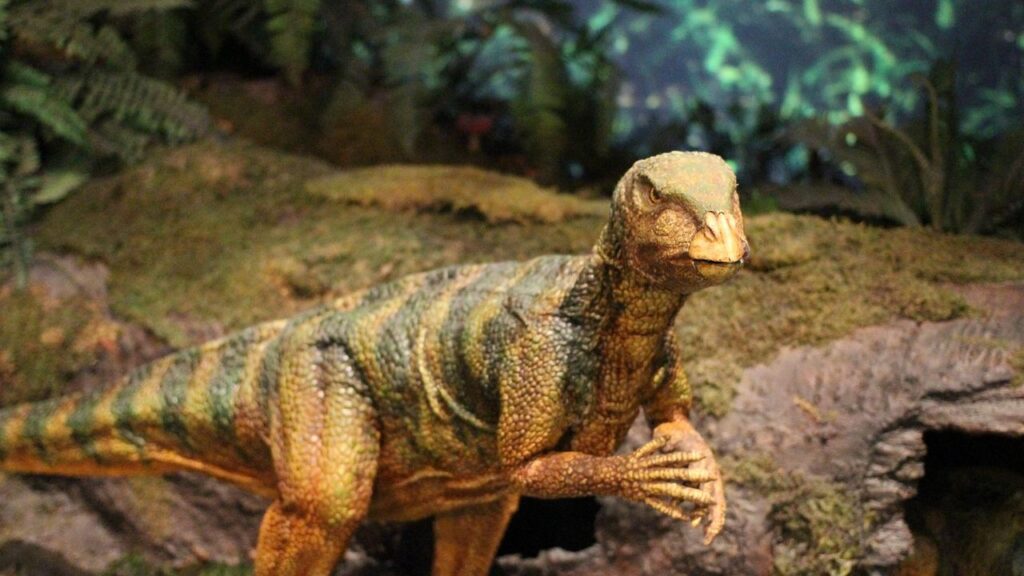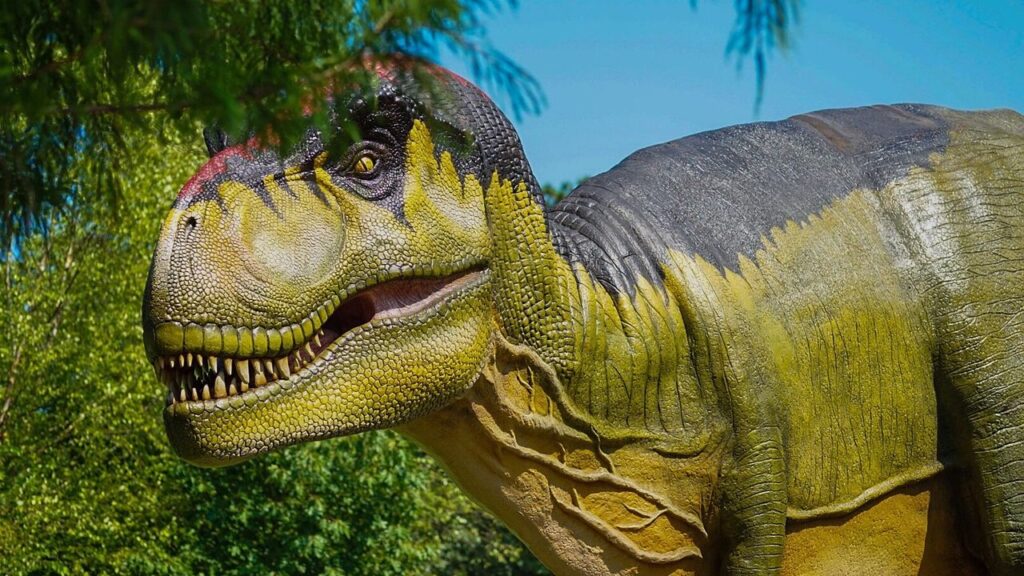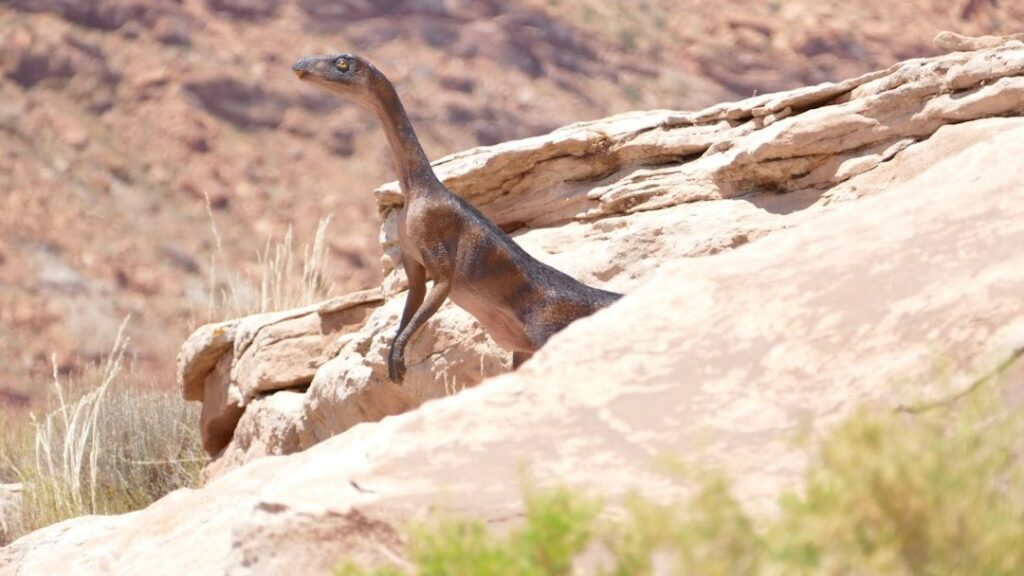
Think back to the dinosaur documentaries you grew up with: roaring reptilian monsters, dragging their tails, living in a steamy, swampy world and dropping dead the instant a mysterious asteroid appeared. They were cool, sure, but they were also wildly, spectacularly wrong in a lot of ways. Paleontology has exploded since the nineteen‑nineties and early two‑thousands, and those childhood images now look about as accurate as a flip phone trying to run a modern app.
What makes this so fun is that dinosaurs are not just “a bit” different from what we were shown; they are often the exact opposite of what was on screen. Faster, fluffier, smarter, stranger – and in some cases, much more bird‑like than reptile‑like. Let’s walk back through some of the biggest myths those old-school dinosaur documentaries sold us, and see how the science has flipped the script in thirteen surprising ways.
1. Dinosaurs Were Not Just Giant Lizards
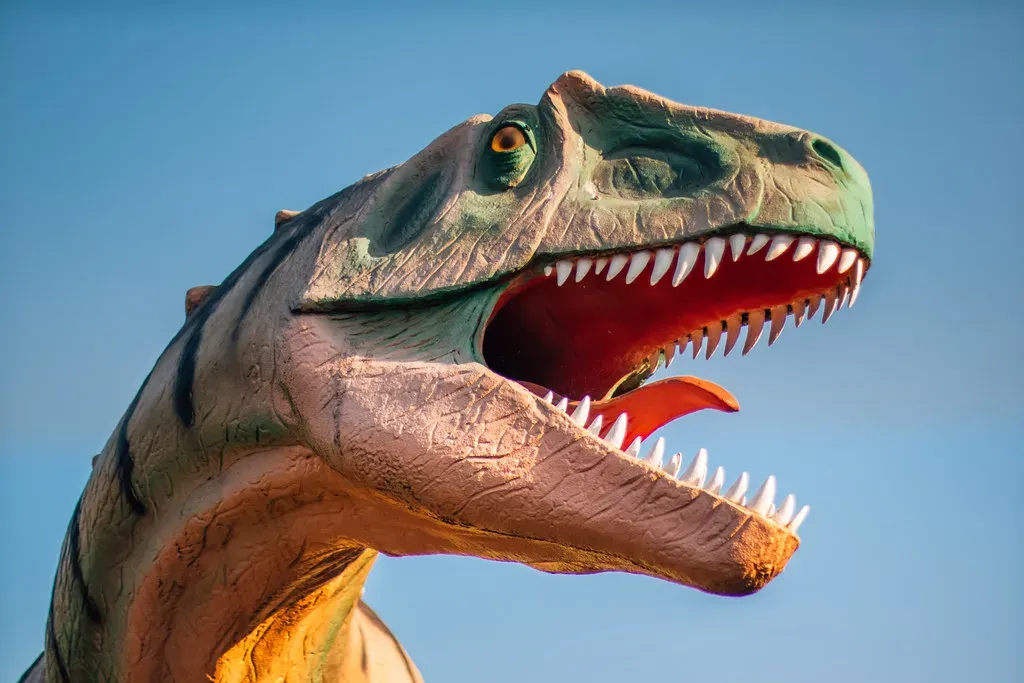
One of the most stubborn ideas from older documentaries is that dinosaurs were basically oversized lizards lumbering around a prehistoric zoo. The shows leaned hard into scaly skin, cold blood, and slow movement, because that fit what we knew about reptiles at the time. But dinosaurs are not just “big reptiles”; they belong to their own distinct group, with unique features in their hips, ankles, and skulls that set them apart from modern lizards and crocodiles. Treating them like scaled-up iguanas is like assuming a cheetah is just a bigger house cat with attitude.
Today, scientists see dinosaurs as a diverse group, more like an entire world of different body plans and lifestyles than a single type of animal. Some were built like tanks, others like greyhounds, and others like bizarre experiments in bones and feathers. They also sat on a very specific branch of the evolutionary tree alongside pterosaurs and eventually birds, not in the same category as snakes and lizards. The “giant lizard” label was catchy, but it flattened a complex, dynamic group into something it never really was.
2. Feathers Were Everywhere, Not Just on “Weird” Dinosaurs
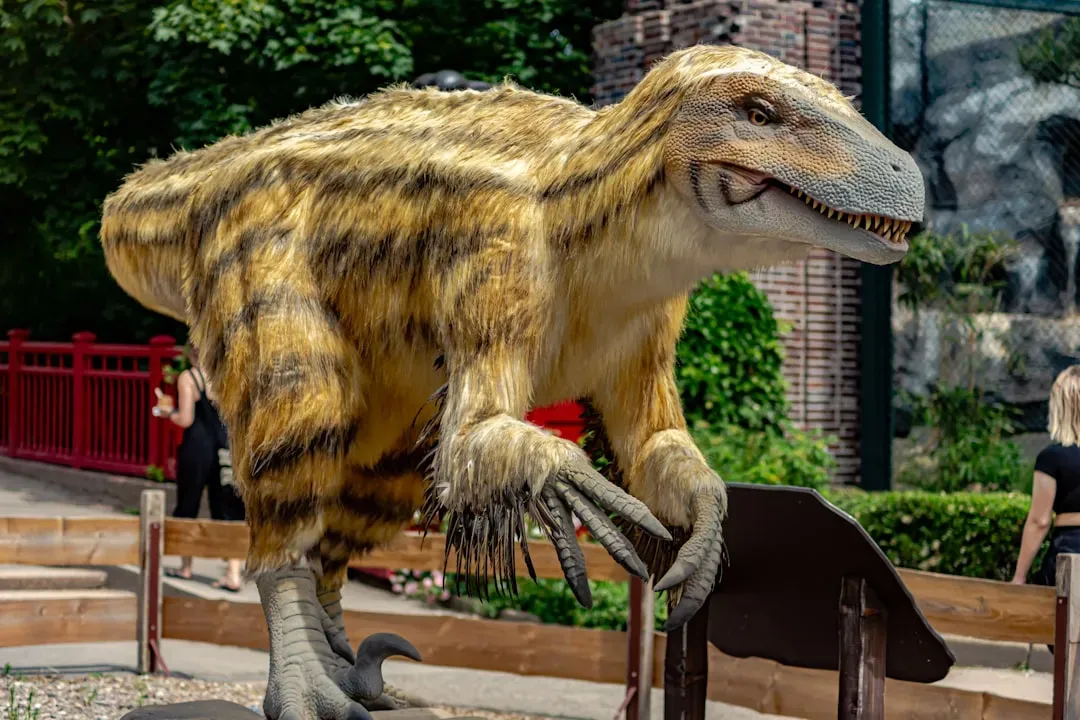
If your childhood documentaries showed feathers at all, they were usually treated as a strange gimmick: maybe a tiny raptor with some fuzzy decoration as an afterthought. The main stars – Tyrannosaurus rex, Velociraptor, and others – were almost always rendered as scaly, sleek, and totally featherless. Since the nineteen‑nineties, though, fossil discoveries, especially from China, have revealed a parade of feathered dinosaurs, from small raptors to bigger predators and even some early relatives of more familiar groups. Feathers, or at least feather-like filaments, seem to have been much more common than the old documentaries ever hinted.
This does not mean every dinosaur was a fluffy bird cosplay, but it pushes us to imagine many species as at least partly feathered. Feathers likely started as insulation or display structures long before they became tools for flight. Picture a mid-sized predator with a mane, quills along the tail, or a brightly colored crest instead of the smooth, dull skin we grew up with. That image feels strange at first, but it is far closer to the fossil evidence than the shiny reptilian designs from our childhood screens.
3. Dinosaurs Did Not Spend Their Lives Dragging Their Tails
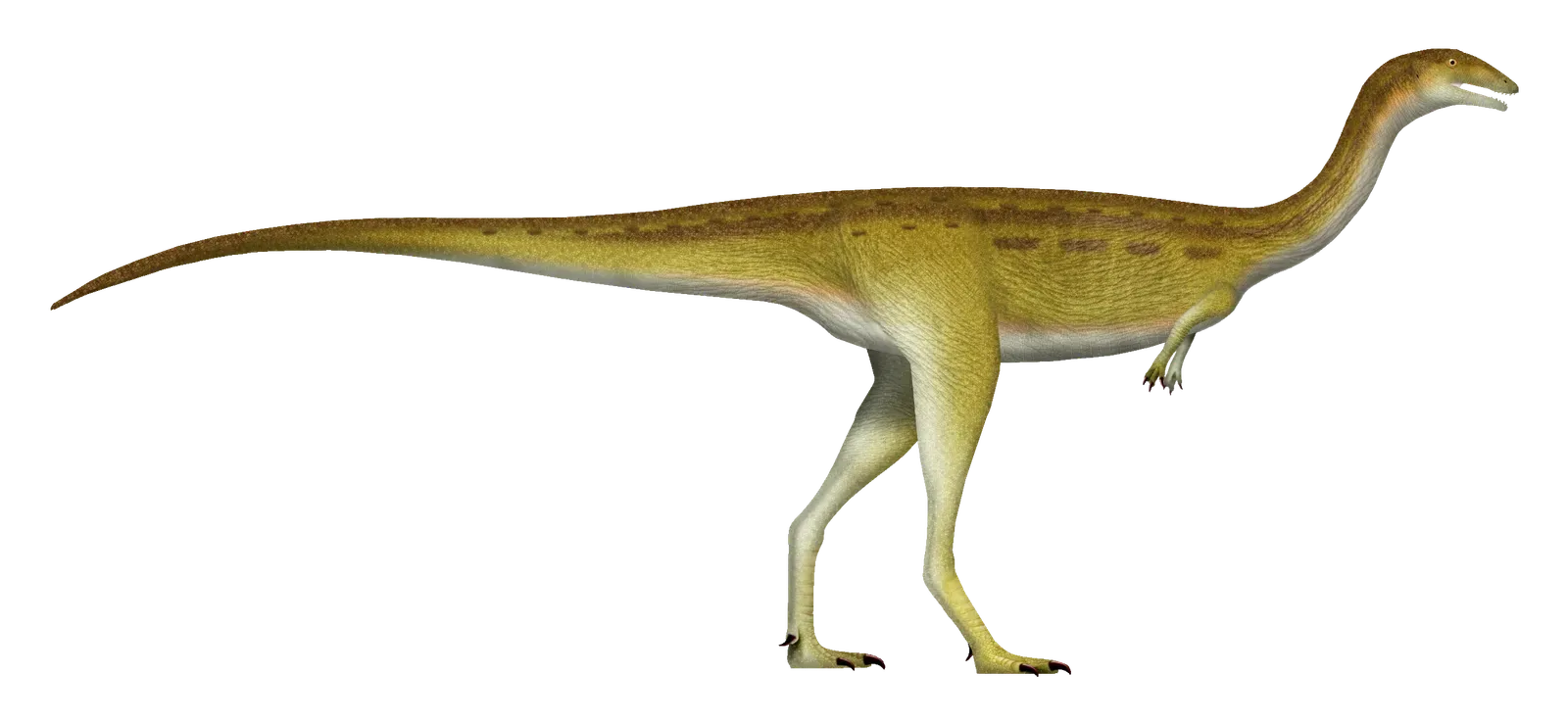
One of the most iconic incorrect visuals is the tail-drag: sauropods and carnivores alike plodding along with their tails smeared into the mud like a forgotten rope. Old paintings and early documentaries loved this pose, partially because early skeletal mounts were set up that way in museums. Modern trackways, biomechanics studies, and better skeletal reconstructions tell a different story: dinosaur tails were held off the ground, acting as counterbalances that helped with speed, balance, and agility. A dragging tail would actually get in the way and be a terrible design for a moving animal.
Once you raise the tail, the entire posture of the dinosaur changes. Theropods like T. rex no longer stand upright like a man in a rubber suit; they lean forward, with their bodies more horizontal, like a bird of prey scaled up. Sauropods look less like sleepy vacuum cleaners and more like massive, mobile cranes with carefully balanced bodies. Track sites show very few tail marks associated with dinosaur footprints, which fits this elevated-tail interpretation. That classic dragging silhouette is more a product of human imagination than prehistoric reality.
4. T. rex Was Not Just a Roaring, Mindless Killing Machine
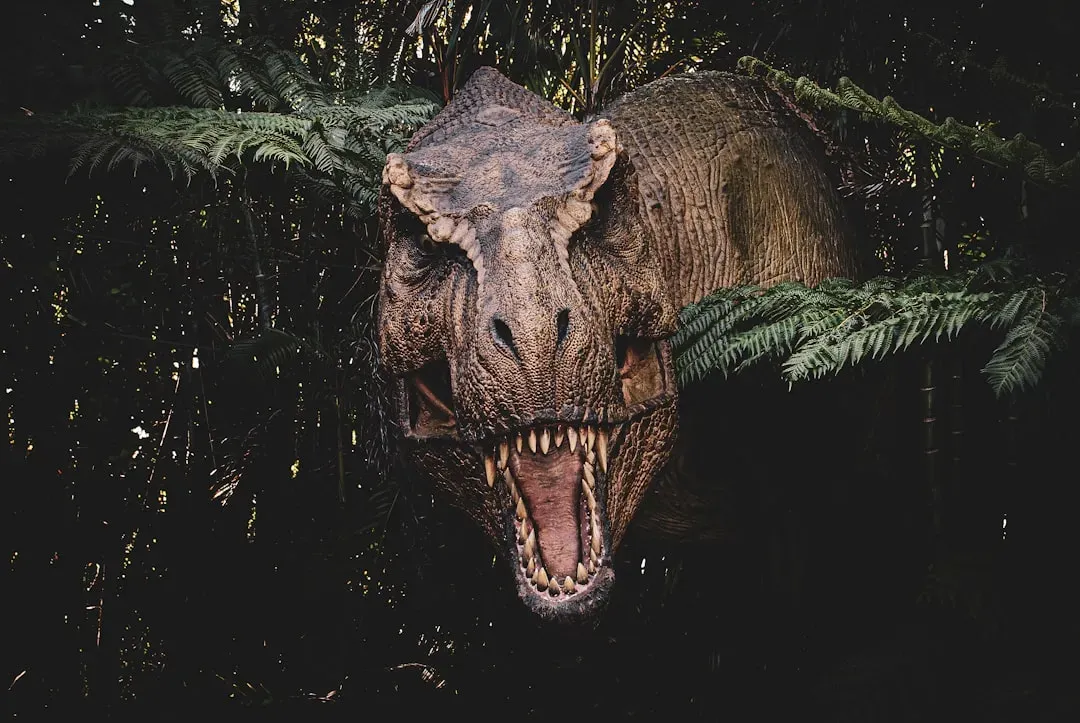
Kid-era documentaries loved to present Tyrannosaurus rex as pure violence with teeth, a sort of prehistoric movie monster whose only personality trait was “rage.” It was usually shown charging at anything that moved, roaring every few seconds like a broken car alarm. New research tweaks that image in important ways. T. rex had a huge brain relative to body size for a reptile, complex sinuses and sensory systems, and forward-facing eyes that probably provided strong depth perception. That suggests a skilled, adaptable predator and scavenger, not an unthinking brute.
There is also growing support that T. rex did not constantly sprint at top speed the way older videos portrayed. Its massive body likely limited how fast it could safely run without breaking bones, and it probably relied on stalking, ambush, or bursts of moderate speed instead of long, Hollywood-style chases. Some scientists even argue it may have vocalized in lower, rumbling sounds rather than the classic screen roar. The real animal was still terrifying, of course, but in a more calculated, biologically plausible way than the “screaming monster” of old documentaries.
5. Velociraptor Was Not the Man-Sized Movie Star You Remember
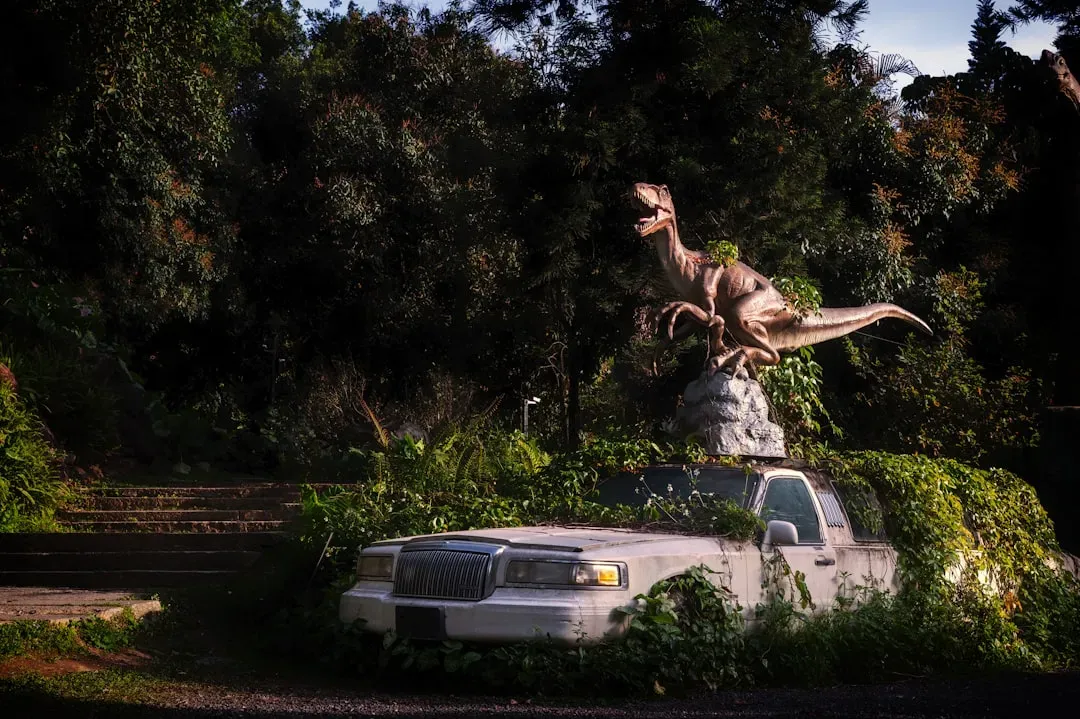
If you grew up on documentaries that were clearly “inspired” by blockbuster movies, you probably think of Velociraptor as a human-sized, clever, scaly pack hunter that could open doors. Reality is more embarrassing for our childhood mental image. The actual Velociraptor mongoliensis was closer in size to a big turkey or small dog, with strong evidence it had feathers. Its famous sickle claw and agile body were still formidable, but it was nowhere near the sleek, human-height terror that stalked TV screens and movie halls.
Many of the features we attributed to Velociraptor in documentaries were actually closer to those of Deinonychus, a larger North American dromaeosaur that inspired a lot of modern raptor imagery. Mixing names and bodies made for memorable television but very confusing science. The real Velociraptor was still an impressive predator, likely using its claws and agility to pin and subdue prey rather than slash dramatically. Tiny, feathered, and dangerous is less cinematic than a man-sized lizard, but it does more justice to the fossils.
6. Dinosaurs Were Not All Slow, Cold-Blooded Swamp Dwellers
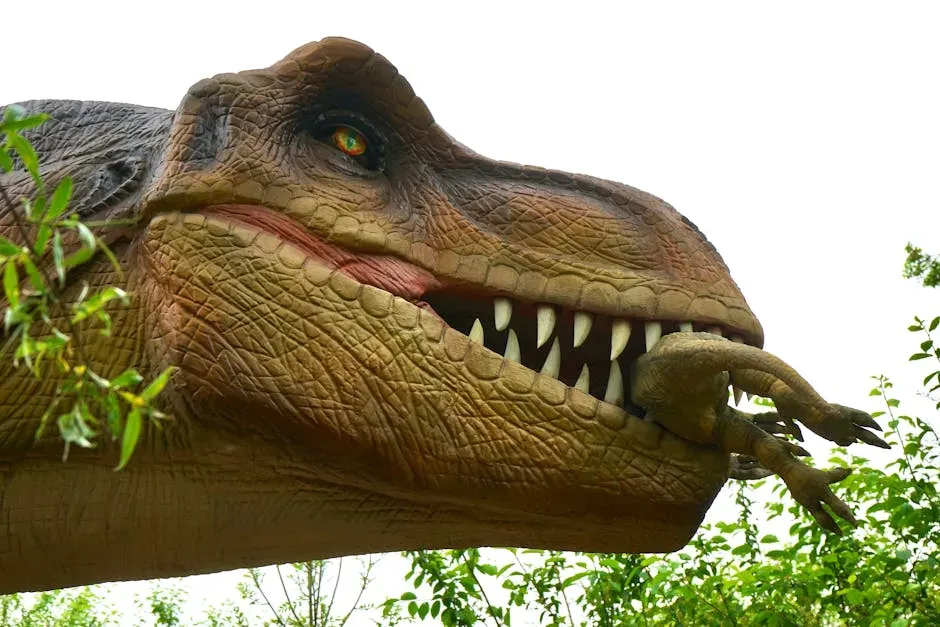
For decades, many documentaries recycled the idea that dinosaurs were sluggish, cold-blooded creatures more like crocodiles than birds. They were shown baking passively in the sun, overheating in steamy jungles, and generally moving like sedated elephants. Starting in the late twentieth century, this picture began to crack. Evidence from bone structure, growth rates, and isotopes suggests that many dinosaurs had high metabolic rates, somewhere between modern reptiles and mammals, and in some cases approaching bird-like levels. Fast growth and active lifestyles do not sit well with the stereotype of the slow, lazy swamp beast.
We also know that dinosaurs lived in a variety of climates, including polar regions, where long dark winters would have been rough on a truly cold-blooded animal. Their bones show vascular patterns and growth rings that hint at sustained activity and, in many species, relatively rapid maturation. While it is still debated exactly how “warm-blooded” different groups were, the old documentaries’ one-note portrayal of dinosaurs as sluggish reptiles is now viewed as deeply outdated. The real animals likely had energy budgets and behaviors that looked far closer to modern birds and mammals than those early shows ever admitted.
7. Triceratops Was More Than Just a Walking Shield
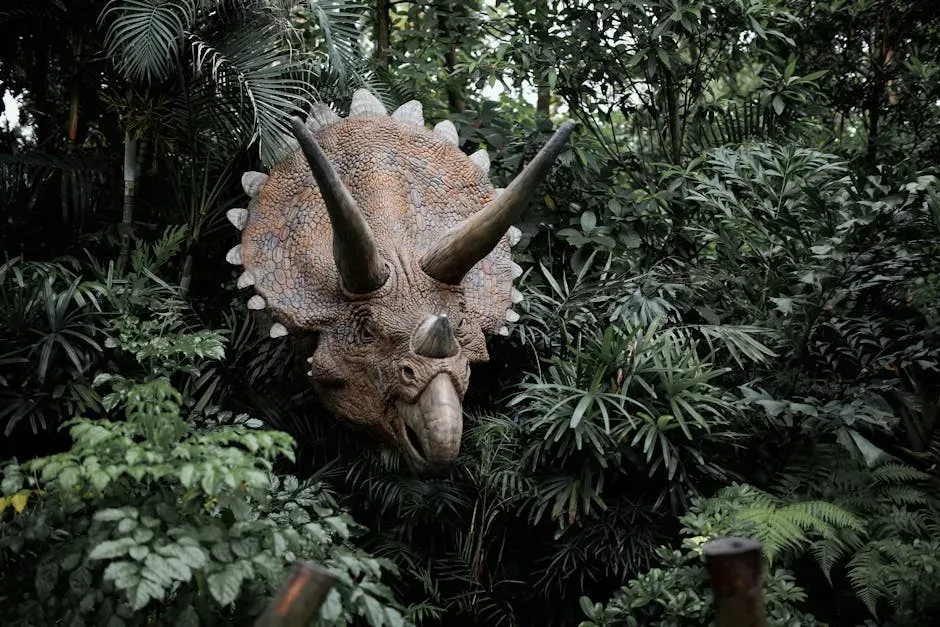
Old-school dinosaur documentaries tended to treat Triceratops as a kind of biological tank: a passive, three-horned shield whose sole purpose was to be rammed by a charging T. rex. Its frill was often described only as armor to protect the neck, and its life seemed to revolve around dramatic last-stand battles. Modern research suggests a richer story. The frill and horns show signs of blood supply and variation that hint strongly at display, communication, and possibly species recognition, not just defense. If you have a billboard-sized frill on your head, evolution rarely wastes that canvas on protection alone.
Fossil evidence of injuries on skulls and frills suggests that Triceratops individuals may have locked horns with each other, possibly in contests for mates or dominance, much like modern deer or antelope. Some frill features also vary between closely related species or change as individuals matured, reinforcing the idea of display and signaling. This does not mean the horns could not be deadly in a fight with a predator, but it shifts the focus from constant warfare to social behavior and communication. The animal under that ornate skull was likely more socially complex than the lumbering shield from our childhood documentaries.
8. Many Dinosaurs Were Social, Not Always Lone Giants
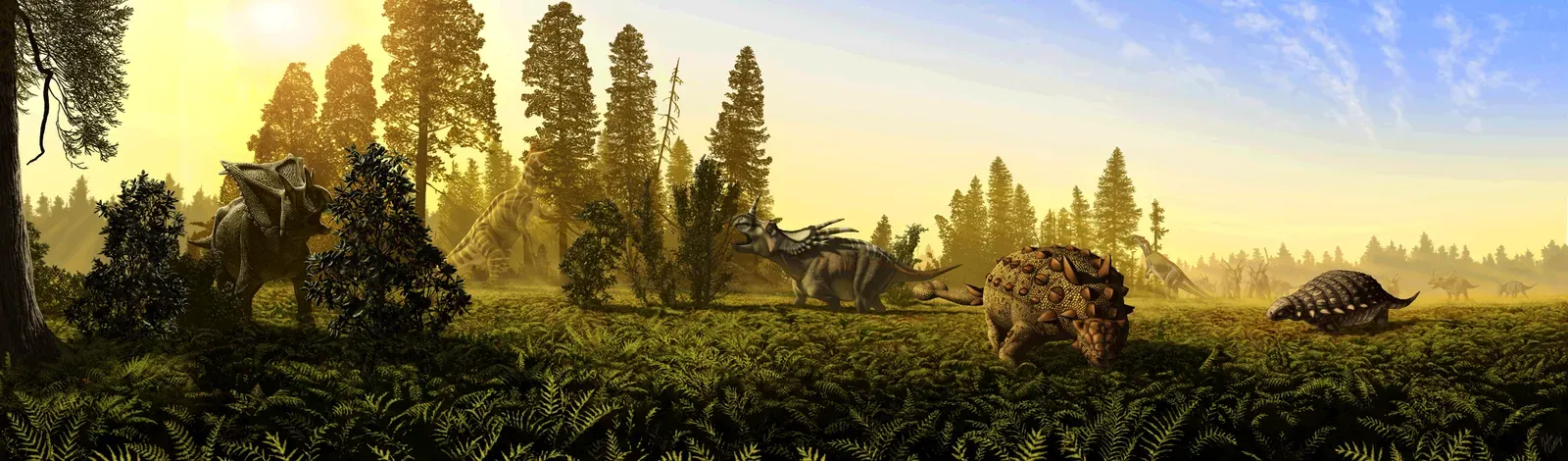
Older documentaries often leaned into the “lone giant” narrative: a single sauropod trudging across a plain, or a solitary predator claiming huge territories like some prehistoric movie cowboy. While some species may indeed have lived more solitary lives, fossils increasingly tell us that many dinosaurs were social. Trackways show multiple individuals moving together, nests and egg sites suggest group breeding grounds, and bonebeds preserve the remains of entire herds that died together. These are not the calling cards of endlessly lonely animals.
There is evidence for parental care in some species, with adults seemingly tending to nests or guarding hatchlings. Juvenile bonebeds of certain dinosaurs hint that young ones sometimes grouped with peers, possibly for protection, much like teenage gangs of modern animals. All of this cuts hard against the old documentaries that only briefly mentioned “herds” before cutting back to solo drama. While we should not assume every dinosaur was a social butterfly, the idea that they were mostly isolated giants wandering alone is one of the bigger myths that new science has punctured.
9. The Dinosaur World Was Not One Endless Jungle Swamp
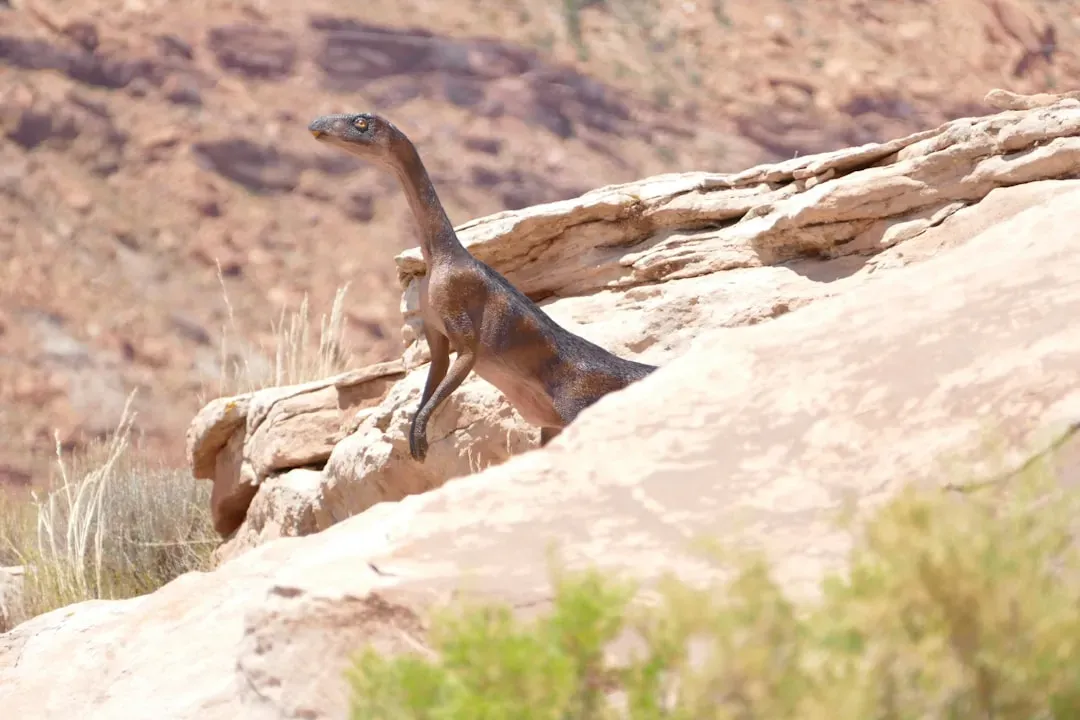
Those childhood documentaries tended to recycle the same background: steamy jungles, endless swamps, and dark, foggy forests. It made for atmospheric shots, but it was a narrow and often inaccurate view of Mesozoic ecosystems. The fossil record reveals deserts, coastal plains, floodplains, lakes, polar forests, and more. Dinosaurs lived in environments ranging from semi-arid landscapes to cooler high-latitude forests that saw months of darkness. Their world was varied, not a single endless humid jungle set built for dramatic fog machines.
This diversity of habitats also means behavior and adaptation varied widely. A desert-dwelling dinosaur dealt with heat and drought, while a polar dinosaur faced cold winters and low light. Some species may have migrated, others hunkered down seasonally, and plant communities shifted dramatically over time. When documentaries painted the entire Mesozoic as one uniform greenhouse swamp, they flattened a rich mosaic of ecosystems into a movie backdrop. The real story is far messier, more interesting, and much closer to the ecological variety we see on Earth today.
10. The Asteroid Impact Did Not Wipe Out Dinosaurs in a Single Instant
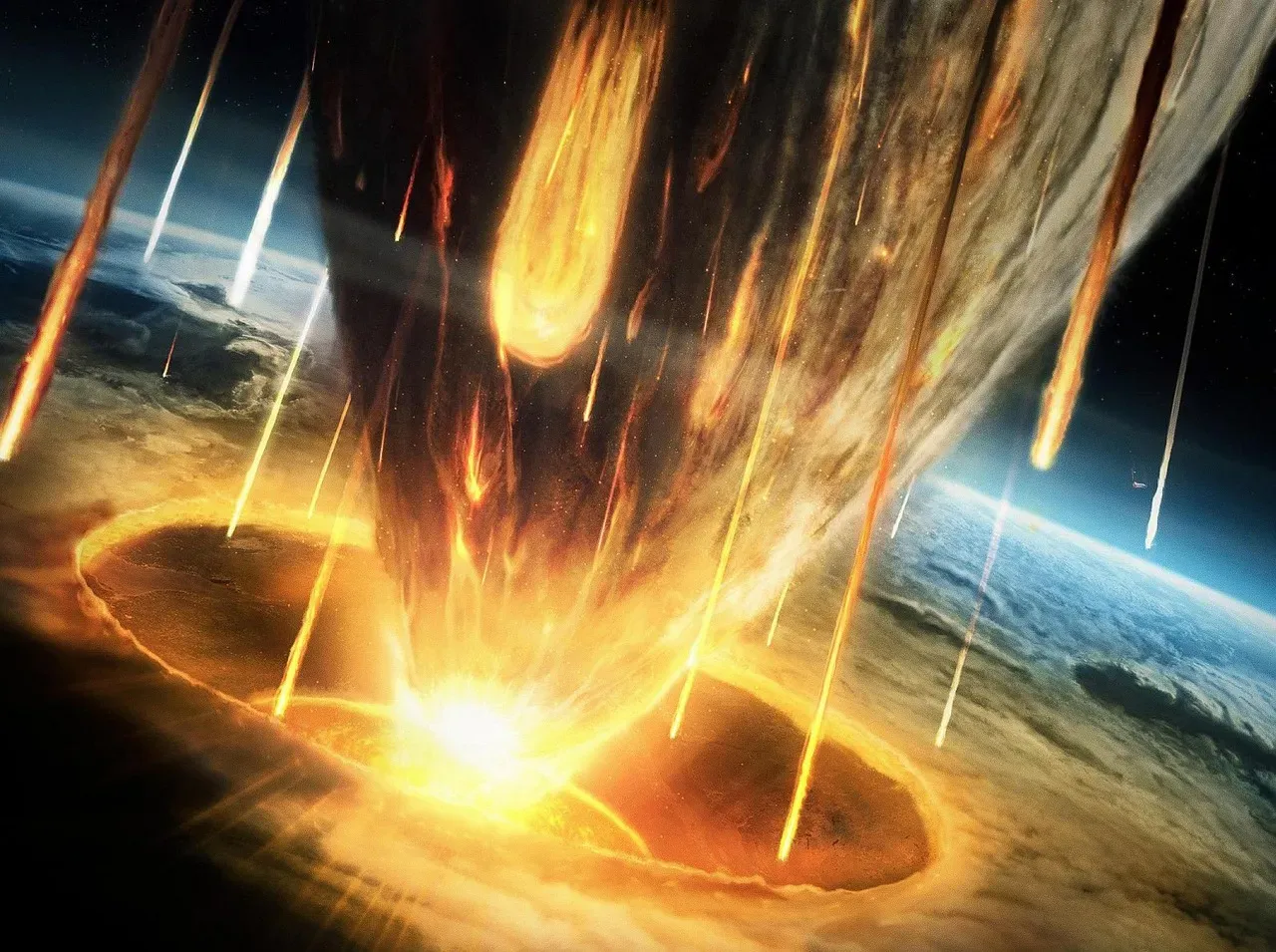
Many shows from our childhood showed the end-Cretaceous asteroid as a literal off-switch: one moment dinosaurs are roaring under a blue sky, the next the screen goes white, and all non-bird dinosaurs are gone. The real extinction event was brutal, but it unfolded over a span of time that included wildfires, atmospheric dust and aerosols, cooling, and collapsing food chains. The impact near modern-day Mexico triggered a cascade of environmental changes that likely played out over years to thousands of years, not a single cinematic flash.
Bird-line dinosaurs survived, as did crocodilians, small mammals, and various other groups, which tells us that size, habitat, and diet all influenced who made it through. The asteroid was the main driver, but volcanic activity and pre-existing ecological shifts may also have set the stage. That means the end of the dinosaurs was not just a freak accident happening out of nowhere, but a disaster that hit a complex, already changing world. The “one blast and everything dies instantly” image made for unforgettable TV but stripped away the messy, sobering details of mass extinction.
11. Not All Huge Dinosaurs Were Actually That Huge
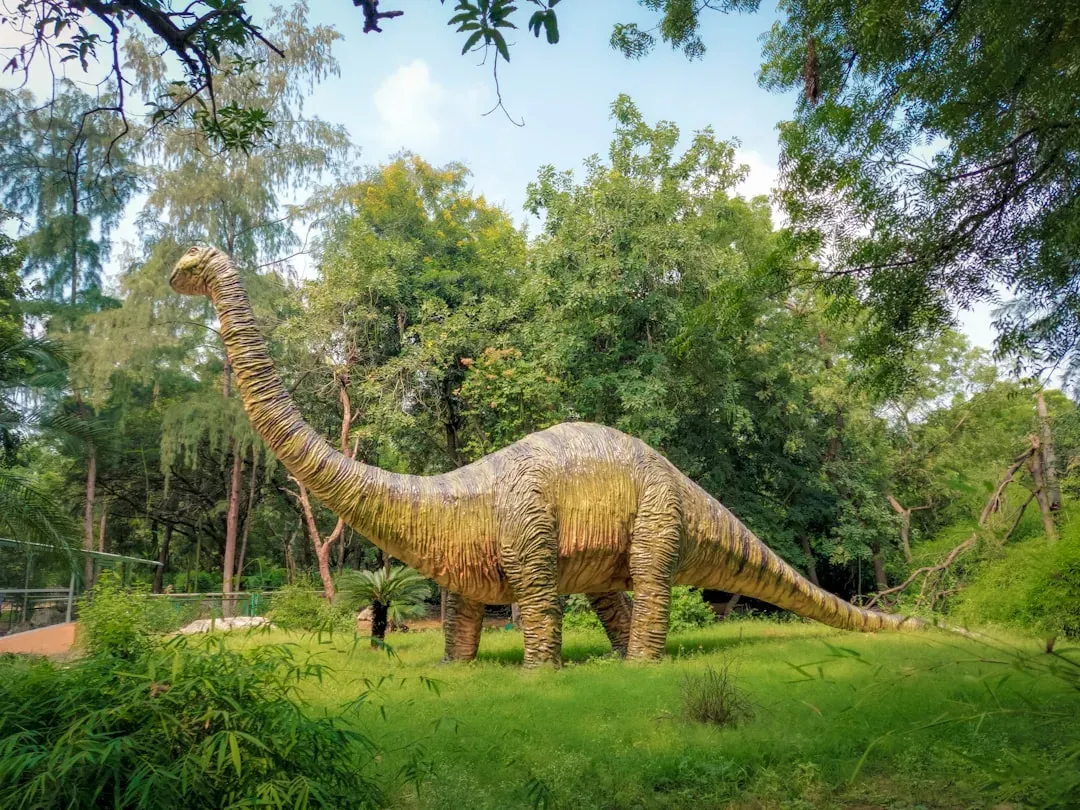
Another trick documentaries loved was quietly inflating sizes. Models and narration often described dinosaurs as bigger, heavier, or longer than the cautious estimates scientists were actually using. A lot of early size claims were based on partial skeletons, rough scaling, or even a single giant bone. As more complete fossils have been found and mathematical methods improved, some dinosaurs have been downsized in height, weight, or length. This does not make them small, just more realistic. A six-ton predator is already terrifying; it does not need to be exaggerated to stay interesting.
Kids’ shows also tended to line up all the biggest species from every time and place as if they lived together, creating an almost superhero-style league of enormous creatures. In reality, many never overlapped in time or geography, and some “record holders” are still debated as scientists revisit fragmentary finds. When new measurements trim a few meters off a famous dinosaur’s length, it can feel like a letdown if you grew up on hype. But the more precise numbers give us a better understanding of biomechanics, behavior, and environment, and they make the surviving giants all the more impressive for being real rather than overblown.
12. Dinosaur Behavior Was Not as Simple as “Hunter Versus Prey”
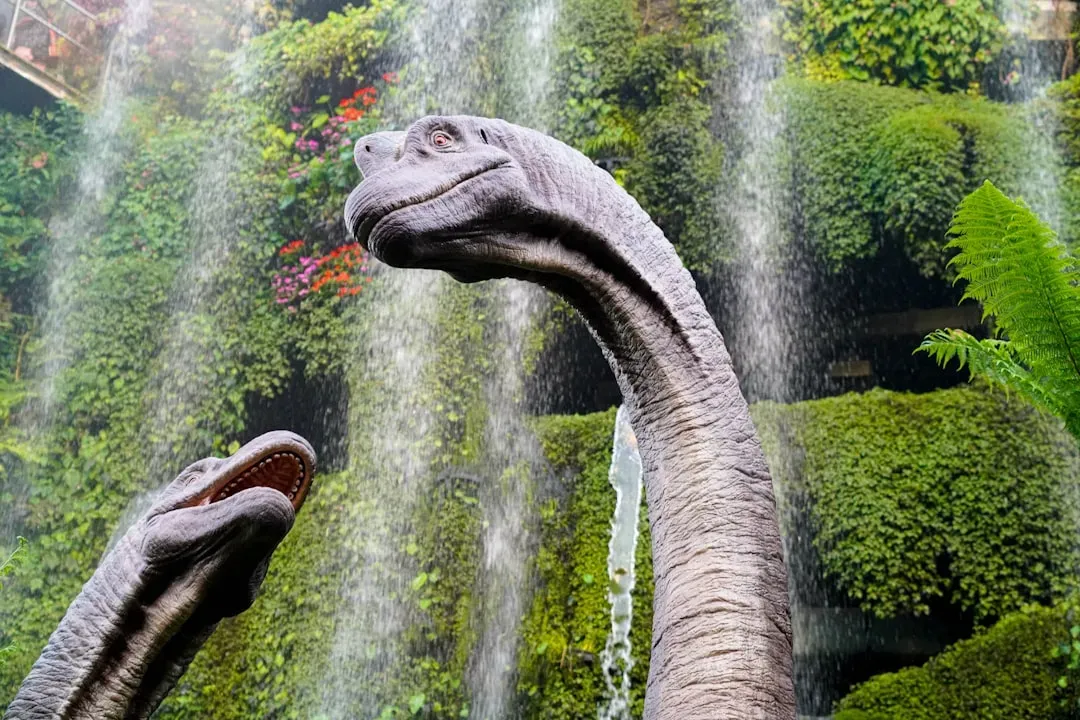
Most childhood documentaries boiled dinosaur life down to a blunt storyline: hunters chase, prey run, someone dies in slow motion, cue dramatic music. That predator-prey relationship is obviously important, but fossils hint at a richer palette of behaviors. There are signs of nesting colonies, possible migration routes, intraspecific combat, and even potential evidence for complex display structures like crests and frills used in social interactions. Some species show bone pathologies that suggest individuals survived serious injuries, possibly indicating a longer life and repeated interactions rather than a quick, brutal death at the first mishap.
We also know that many animals divided their day in different ways: some more active at dawn or dusk, others in daylight or at night, which could have reduced direct conflict. Niche partitioning, where species share space by focusing on different foods or habits, likely shaped dinosaur communities too. So while the slow-motion chase scenes made for great kid television, real dinosaurs probably spent far more time doing subtler, quieter things: caring for young, competing for mates, communicating, resting, and simply trying to survive in complex ecosystems. The drama was there, but it was not the only story.
13. Dinosaurs Did Not Vanish – They Are Still With Us as Birds
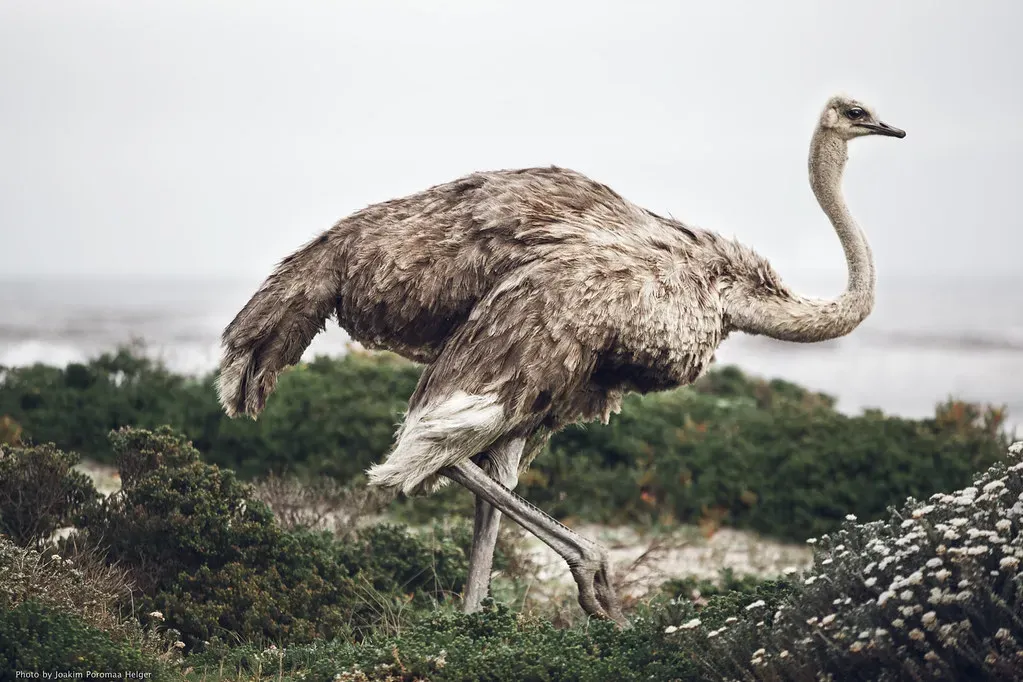
Perhaps the biggest thing those old documentaries got wrong is the ending. They tended to close with a sad, sweeping statement that dinosaurs were gone forever, their time over, their bones all that remained. Today, the consensus is that birds are living dinosaurs, specifically the surviving branch of theropods that made it through the end-Cretaceous extinction. That means every pigeon on a city street, every chicken, every eagle is part of the dinosaur family tree. Dinosaurs did not simply disappear; one lineage adapted, shrank, took to the air, and is still wildly successful today.
This changes how we imagine them. Instead of seeing dinosaurs as a failed experiment wiped off the planet, we can see them as a long-running success story that shifted form rather than ending. Their legacy includes not only fossils in museums but also the flocks overhead and the birds at your feeder. The idea that dinosaurs are utterly gone is one of the most emotionally powerful mistakes those documentaries left us with – and one of the most satisfying to correct. Once you accept that birds are dinosaurs, the world suddenly feels a lot more prehistoric than it did before.
Conclusion: The Dinosaurs You Loved Were Wrong – But the Truth Is Better
Looking back, those childhood documentaries were like early drafts of a story we are still rewriting. They gave us slow swamp beasts, bare-skinned monsters, and instant extinction, because that was the best mix of evidence and imagination people had at the time. As more fossils have been found and tools have improved, the picture has grown stranger, more dynamic, and sometimes less glamorous than what we saw on screen. I still have a soft spot for those outdated animations, but it is hard not to feel a little annoyed at how confidently they sold guesses as certainty.
Today’s view of dinosaurs is messier but far more satisfying: feathered, adaptable, sometimes social, sometimes solitary, survivors and failures, and, crucially, not entirely gone. Birds carry that lineage right past the mass extinction and into your backyard. In a way, the biggest thing those old shows got wrong was underestimating how flexible and resilient life can be. Next time you watch a pigeon strut with that oddly dinosaur-like swagger, ask yourself: which version of dinosaurs would you rather believe in, the clunky movie monsters of your childhood or the strange, evolving reality that is still unfolding around us?