There’s a funny moment that happens when you watch a dinosaur documentary with an actual palaeontologist. The narrator is whispering dramatically, the T. rex is roaring at the sky, the music swells… and the scientist on the couch quietly mutters something like, “Yeah, that’s not how any of this works.” Dinosaurs are more amazing than anything Hollywood could dream up, but the same handful of myths keep getting recycled until they feel more like fantasy than science.
I still remember watching one big-budget documentary with a friend who studies fossil bones for a living. Halfway through, they just sighed and said, “If they’d called any working palaeontologist for twenty minutes, this entire scene would be different.” That stuck with me. We live in a time when our understanding of dinosaurs has exploded, yet the screen keeps dragging these animals back to the 1980s. So let’s pull back the curtain and talk about the things experts quietly wish would just disappear from dinosaur documentaries for good.
1. The “Cold-Blooded Giant Lizard” Trope
One of the biggest myths that refuses to die is the idea that dinosaurs were just massive, sluggish lizards sunbathing their way through life. Documentaries love to show them moving in slow motion, as if they could barely drag their own bodies, framed as cold-blooded reptiles waiting for the sun to warm them up. But fossil evidence from bone growth rings, blood vessel patterns and even their posture screams something very different: many dinosaurs had high activity levels and fast metabolisms compared with modern reptiles.
Think less “giant crocodile in a coma” and more “ostrich on overdrive.” Many theropods, the group that includes T. rex and the ancestors of birds, had lightweight skeletons, strong leg muscles and bone structures that suggest they were constantly on the move. Some may have had metabolic rates closer to modern birds or mammals than to snakes and turtles. When documentaries insist on portraying them as lumbering, slow and half-asleep, they flatten one of the most dramatic scientific shifts in how we see dinosaurs: from swamp-dwelling monsters to active, dynamic animals that dominated their ecosystems.
2. Ignoring Feathers or Treating Them as a Gimmick
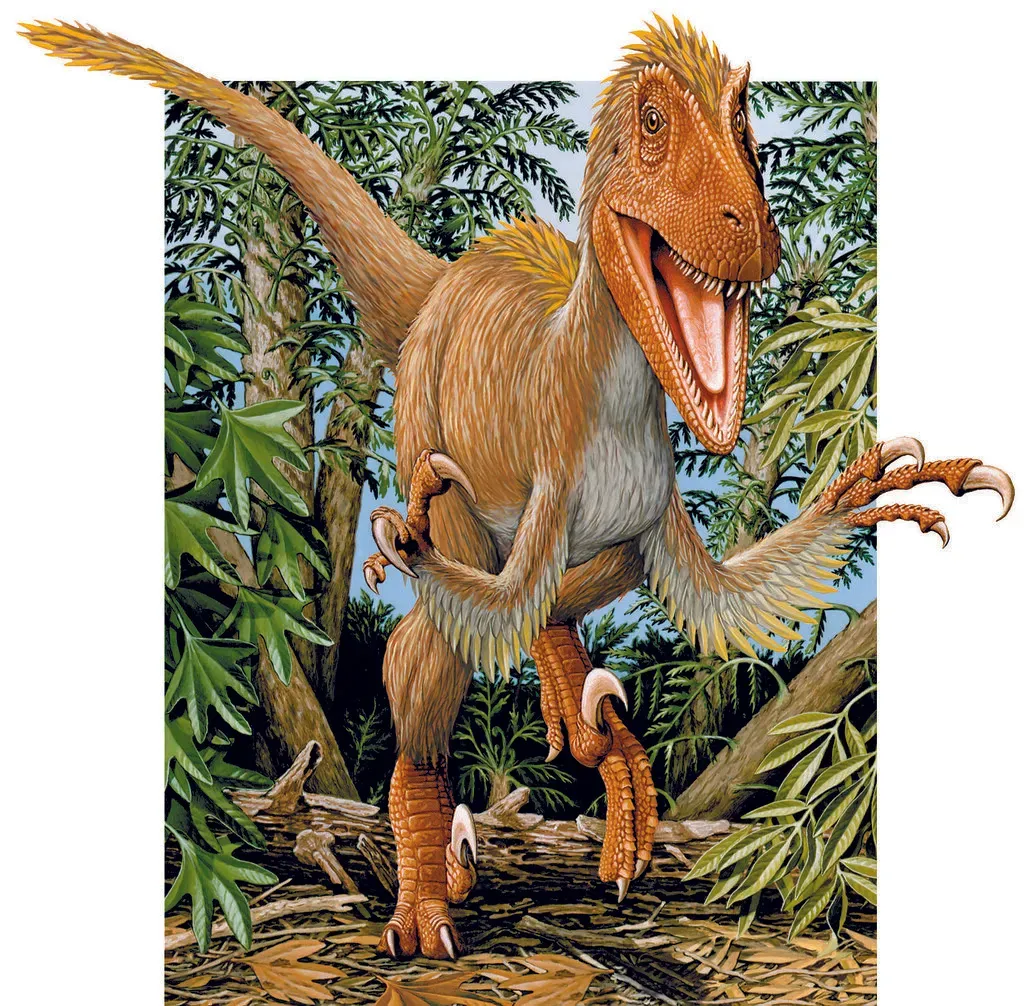
Nothing seems to upset dinosaur fans online more than feathers, which is probably why some documentaries quietly tone them down or leave them out altogether. But for many species, especially smaller theropods and early relatives of birds, feathers aren’t some wild artistic experiment – they’re backed by fossil impressions so clear you can literally count the filaments. Feathers show up in fossils from China, Europe and beyond, including animals that were definitely not birds, which tells us this feature was widespread and deeply rooted in dinosaur evolution.
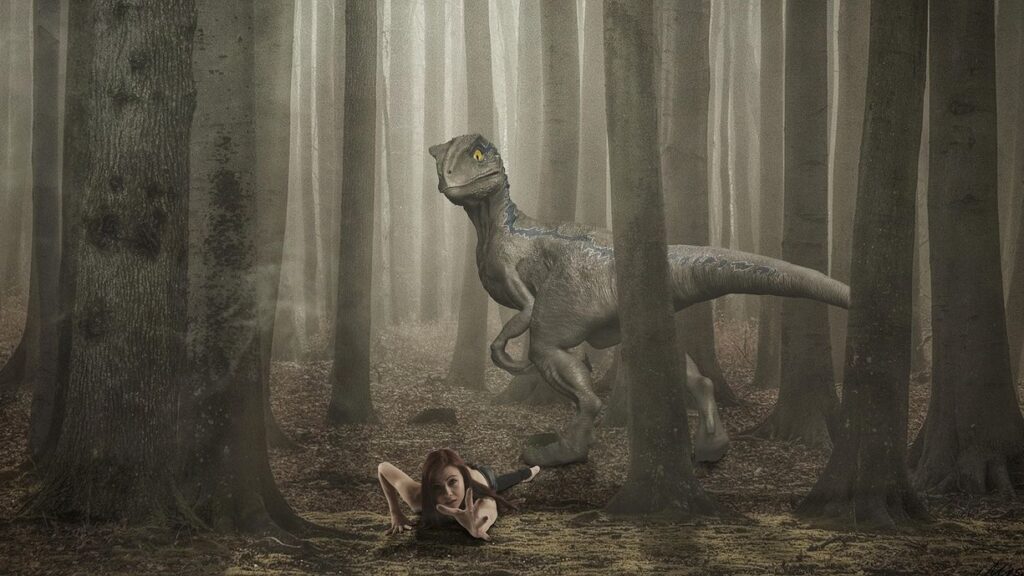
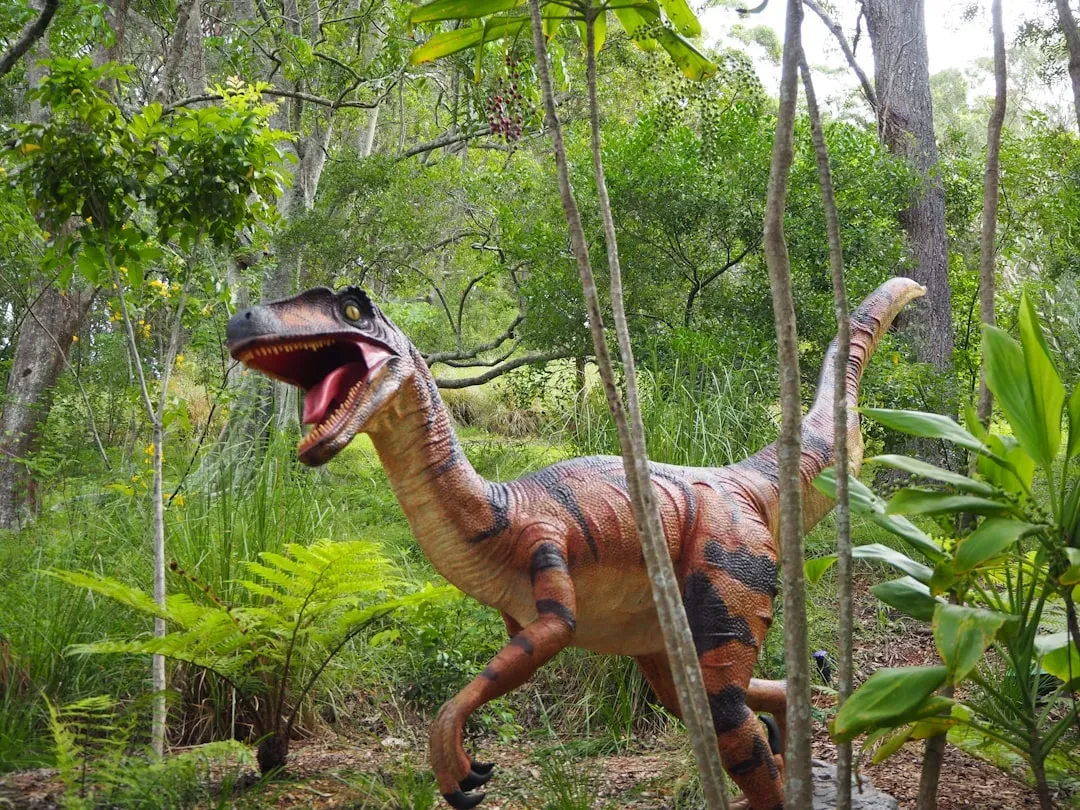
And yet, on screen, we still get naked, scaly raptors that look like they stepped out of a 1993 special-effects reel. When feathers do show up, they’re often treated like a quirky add-on, a “look how weird this one is” moment, instead of a natural part of dinosaur biology. That drives palaeontologists a bit mad, because feathers change how these animals moved, how they stayed warm, how they signalled to each other and maybe even how they raised their young. A feathered raptor is not less scary or less cool – if anything, it’s more alien, more vivid and much closer to what the fossils are telling us.
3. Overdramatic Roars and Hollywood Sound Design
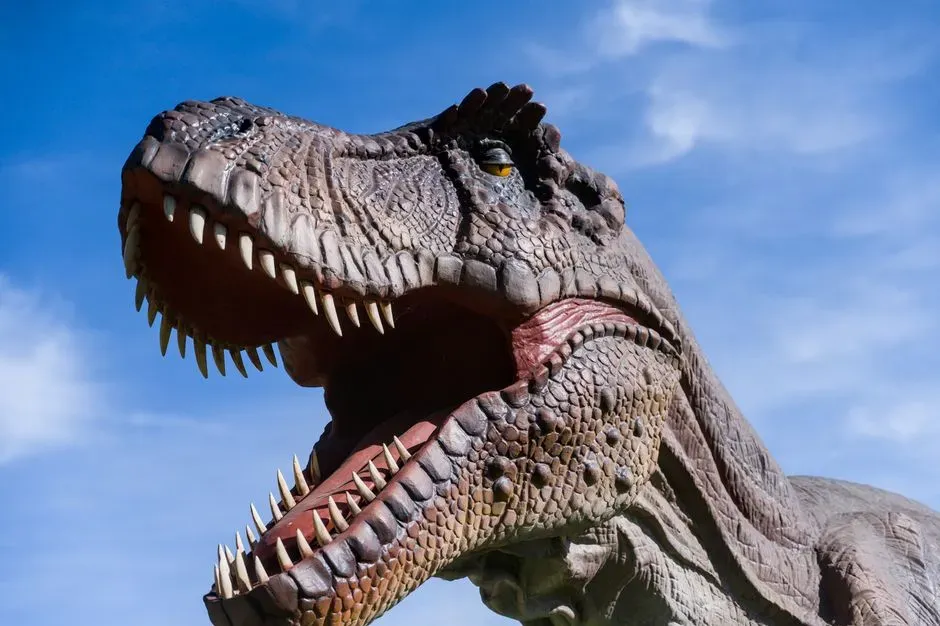
Let’s talk about the roar – that chest-rattling, lion-on-steroids scream that every big predator apparently has to unleash every thirty seconds. The truth is, we don’t know exactly what any dinosaur sounded like, but comparisons with their closest living relatives, birds and crocodilians, suggest something very different from the open-mouthed, echoing roar we’ve all grown up with. Many large animals today, like elephants or cassowaries, communicate with low-frequency rumbles and booming calls that travel far but aren’t necessarily deafening shrieks.
Some researchers think big dinosaurs might have used similar deep, resonant sounds produced in the throat or even with specialized air sacs and cavities in their skulls. That would mean more rumbling, huffing and booming, and fewer overextended cinema roars. Yet documentaries default to the same recycled audio library because it feels dramatic and familiar. Palaeontologists wince because those choices quietly teach viewers that dinosaurs behaved like angry movie monsters instead of complex animals with subtle communication – more like a chorus of giant birds and crocodiles than a stadium full of tigers.
4. Turning Every Encounter into a Gladiator Match
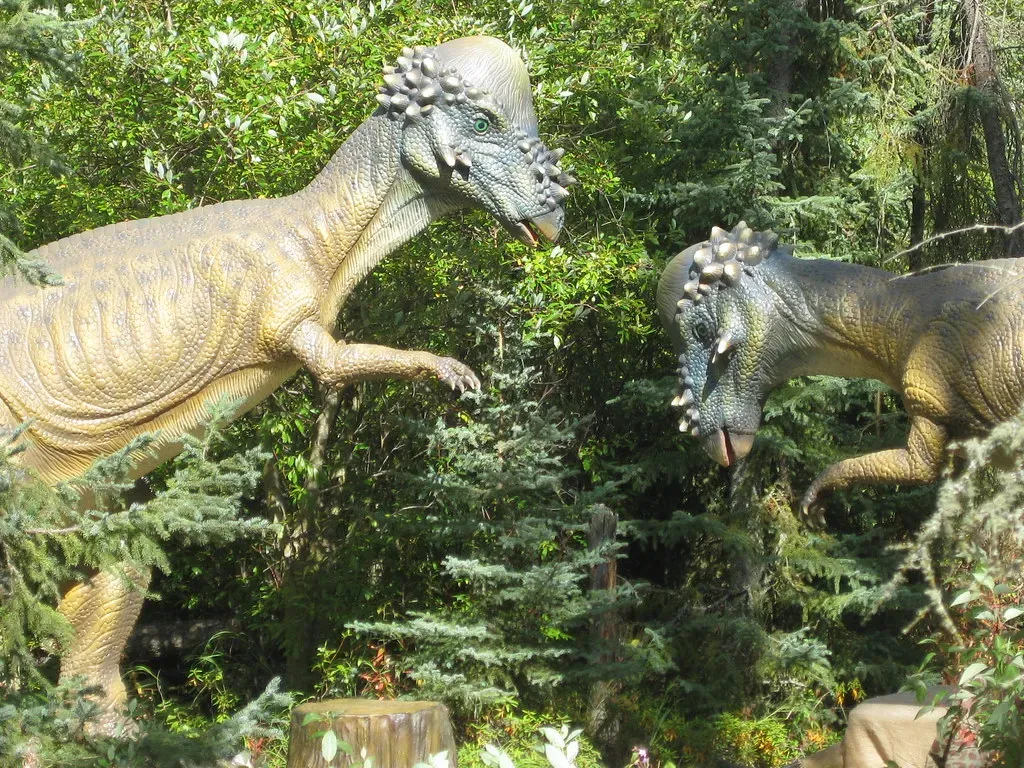
Another big frustration is the idea that every time two dinosaurs come within ten meters of each other, they must immediately battle to the death. Documentaries build entire episodes around endless fights: teeth clashing, blood spraying, slow-motion lunges for the throat. In reality, most wild animals today avoid serious combat whenever they can, because getting injured is often a death sentence. There’s no reason to think dinosaurs were any different in that basic survival logic.
Fossils do show bite marks, healed injuries and the occasional dramatic death scene, but those are snapshots spread across millions of years, not daily reality. Most of a dinosaur’s life would have been spent doing pretty ordinary things: searching for food, patrolling territory, courting mates, raising young and simply trying not to get hurt. When documentaries reduce everything to nonstop fights, they erase the quieter, more interesting story of how these animals actually lived. The tension of a predator stalking and then deciding not to attack can be just as gripping as a staged brawl – and frankly, a lot more believable.
5. Shrinking Dinosaurs into Tiny, Isolated Nuclear Families
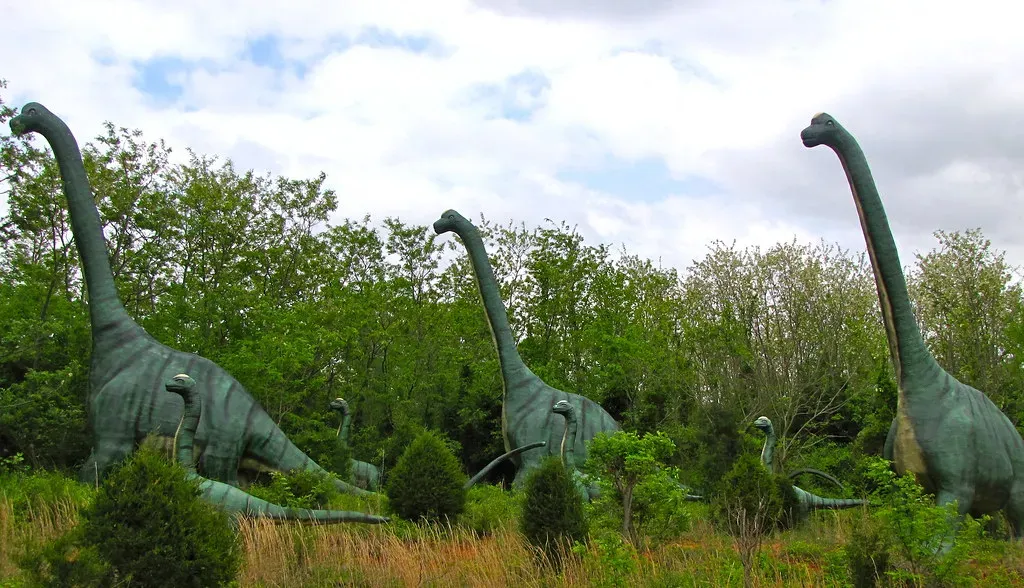
Documentaries often fall back on a very human-looking family setup: mom, dad and a couple of cute babies trudging across the landscape alone, as if they stepped out of a picture book. That can happen in nature, but there is growing evidence that many dinosaurs lived in much more complex social groups. Trackways show multiple individuals moving together, sometimes of different ages, and bonebeds hold the remains of whole herds that seem to have died in the same event, suggesting they were living – and travelling – as a group.
Some species appear to have formed enormous congregations, a bit like modern wildebeest or seabird colonies, while others might have had smaller, tight-knit groups more like elephant herds or wolf packs. There are even nests arranged in clusters that hint at communal nesting grounds and repeated site use. When documentaries always frame dinosaurs as lonely pairs with a couple of offspring, they miss the chance to explore this rich social side: alarm calls, group defence against predators, migration in huge numbers and the subtle power dynamics that must have existed inside those herds.
6. Making Every Dinosaur Weirdly Clean and Smooth
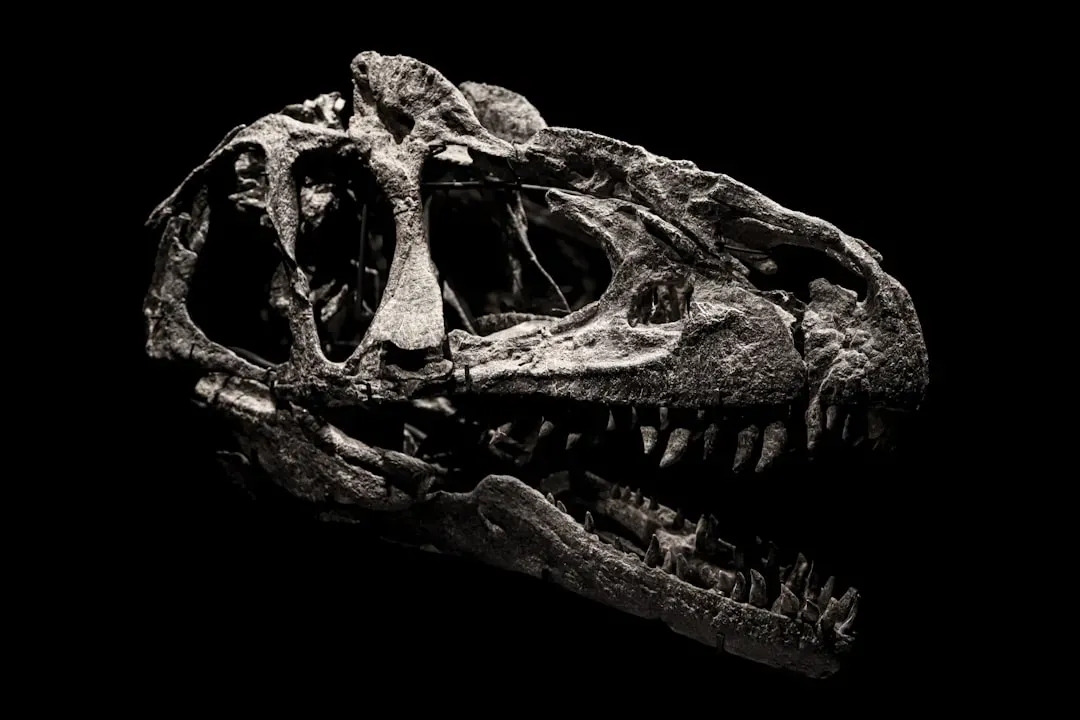
Have you noticed how many screen dinosaurs look like they just rolled out of a digital car wash? Their skin is spotless, their feathers are perfectly arranged, and there’s almost no sign of dirt, scars or parasites. Real animals are messy. They pick up mud, lose feathers, get bitten by insects and carry the physical history of their lives in scars, broken horns and uneven limbs. Fossils sometimes preserve healed injuries, missing parts of tails and other damage that tell us these animals survived tough encounters and kept going.
By glossing over all that, documentaries accidentally flatten dinosaurs into plastic toys instead of living, breathing creatures. Imagine a lion documentary where every lion had flawless fur and perfectly white teeth – you’d feel something was off. Adding visible injuries, uneven feathers, mud caked on feet or patched skin would not only look more realistic, it would also remind viewers that surviving as a dinosaur meant enduring hardship. Palaeontologists often wish more productions would lean into that roughness, because it tells a more honest, powerful story of resilience.
7. Overstating Certainty Where the Science Is Still Debated
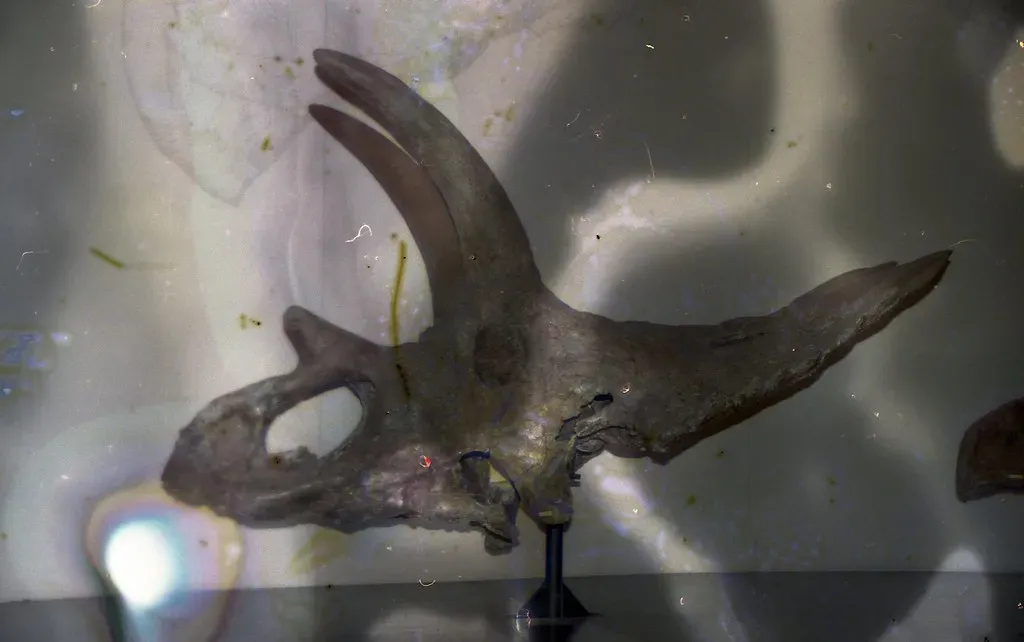
Nothing irritates scientists faster than a confident narrator declaring something as absolute fact when experts are still actively arguing about it. Documentaries love to use that booming voice to state exactly how a dinosaur hunted, exactly how fast it ran or exactly why it went extinct, with no hint that multiple interpretations exist. In reality, palaeontology is often about best guesses built from incomplete evidence, constantly being revised when a new fossil shows up or an old one is reanalysed with better tools.
That uncertainty is not a weakness; it’s a sign that the field is alive and growing. When filmmakers pretend we know everything, they rob viewers of the most exciting part: the mystery and the process. A simple line like “most scientists think…” or “one leading idea is, but others disagree…” would go a long way toward being honest without killing the drama. Palaeontologists would love more documentaries that treat the science like an evolving detective story instead of a finished encyclopedia chapter that can never be changed.
8. Mixing Time Periods Like a Dinosaur Mash-Up Party
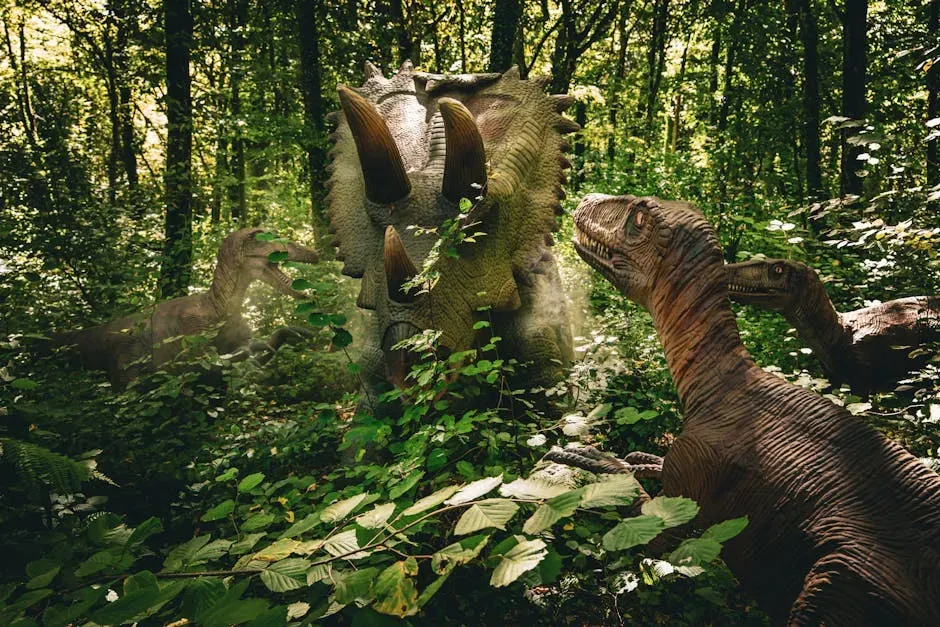
One subtle but common sin is throwing dinosaurs from very different times and places into the same scene, as if the entire Mesozoic era were one giant open-plan office where everyone coexisted. You’ll see a Stegosaurus browsing peacefully while a T. rex stalks in the background, even though they were separated by tens of millions of years – more time than stands between us and the earliest humans who used stone tools. The result is a kind of fantasy crossover that feels epic on screen but quietly scrambles the viewer’s sense of deep time.
Each dinosaur lived in a specific slice of Earth’s history with its own climate, plants and neighbours. A more accurate documentary would lean into that, almost like telling the story of different worlds stacked on top of each other in the rock record. It’s much more powerful to realise that the age of dinosaurs lasted for an incredibly long time, with entire “ecosystems of the world” rising and falling long before humans existed. Palaeontologists wish more shows would respect that timeline instead of turning the Mesozoic into a greatest-hits compilation.
9. Presenting Extinction as One Instant, Fiery Apocalypse Only
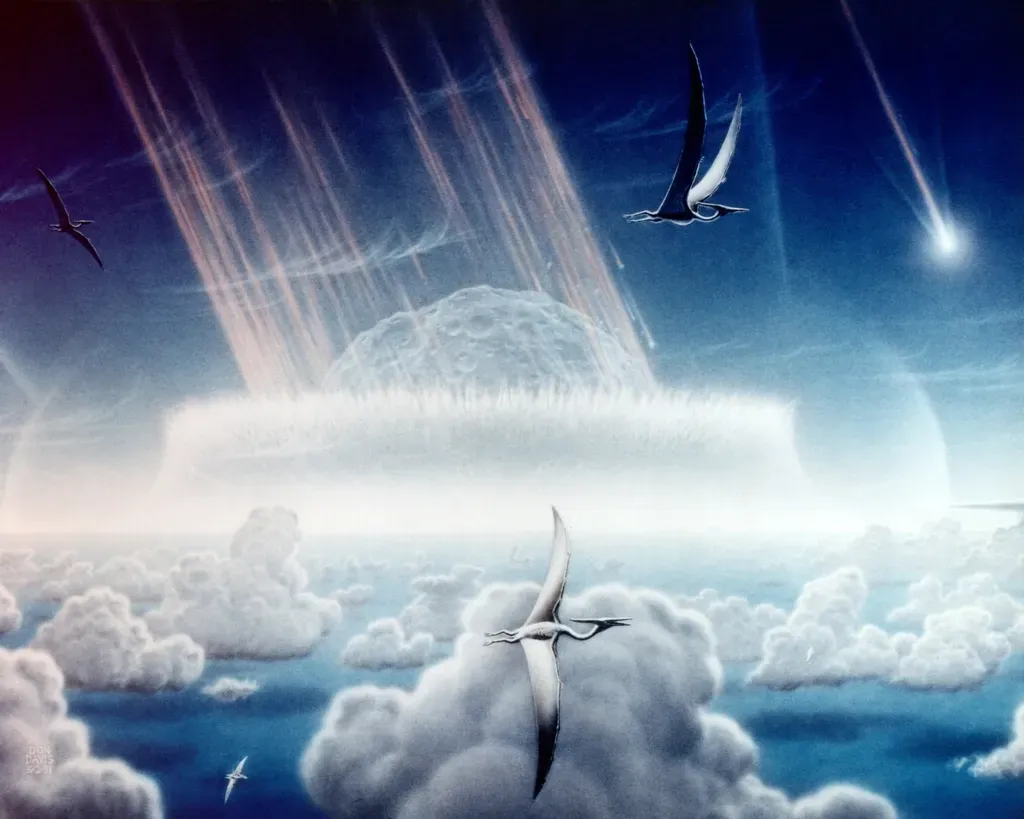
The dramatic asteroid impact at the end of the Cretaceous is television gold: fire raining from the sky, forests burning, oceans boiling. That event did happen and it was catastrophic, but documentaries often compress everything into one hyper-dramatic afternoon – instant chaos, instant extinction. The real story is more complicated. The impact kicked off a chain of environmental shocks that played out over years to thousands of years: darkness from dust in the atmosphere, collapsing food chains, climate upheavals and ecosystems that changed step by step.
Some dinosaurs may have survived the initial blast and firestorms only to face a slow, grinding struggle as plants died off, temperatures swung and their habitats vanished. Different regions likely suffered in different ways and at different speeds. When shows only focus on a few fiery minutes, they miss the long, painful unraveling of entire worlds that followed. Many palaeontologists wish more documentaries would show that extended timeline, because it connects ancient mass extinction to the slower, human-driven changes we are seeing in modern ecosystems today.
10. Forgetting That Dinosaurs Were Part of Full Ecosystems
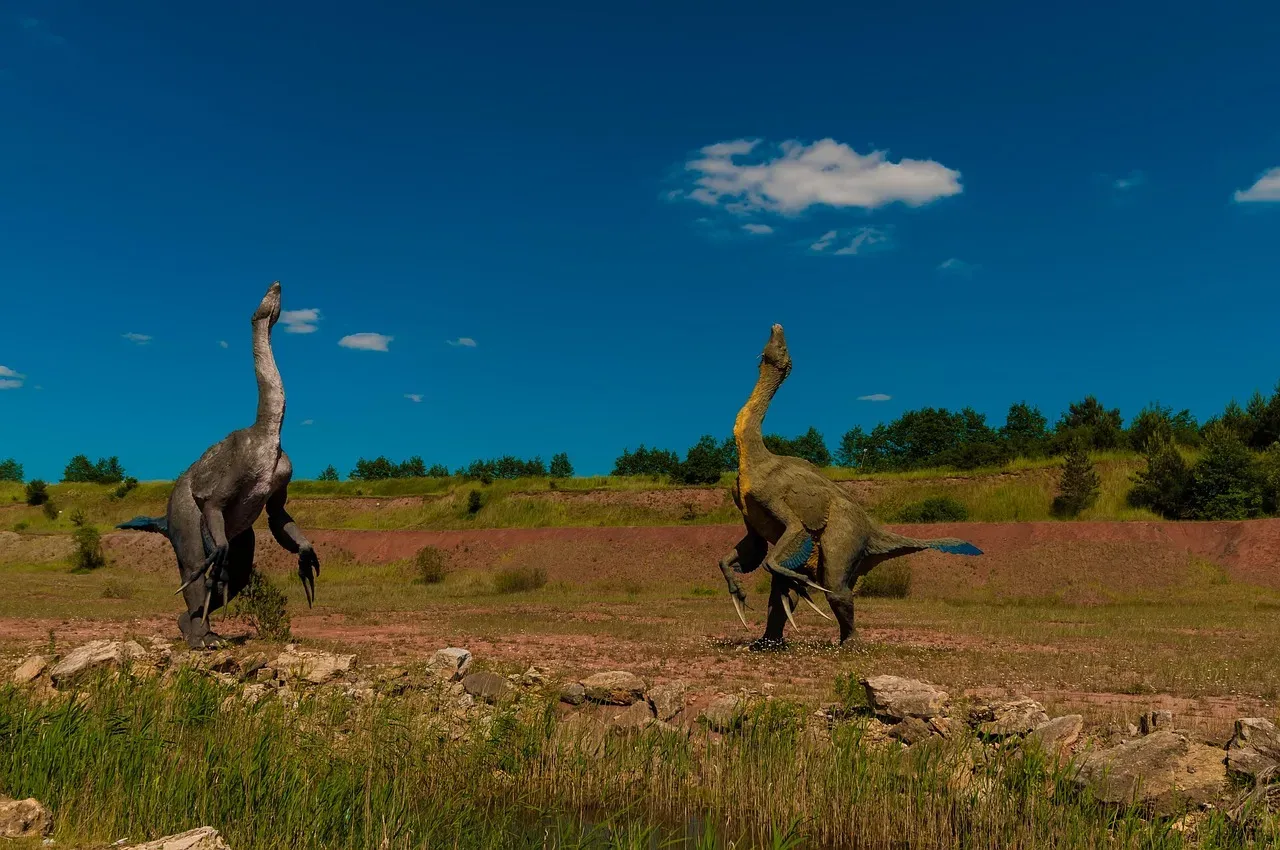
Too often, documentaries frame dinosaurs as if they lived on nearly empty stages: a couple of big plant-eaters, a couple of big predators, and not much else. But fossil sites are packed with evidence of a whole supporting cast – small mammals, lizards, insects, amphibians, fish, plants and even microscopic life in the soil. Dinosaurs were not isolated stars; they were part of complicated food webs where energy flowed through countless species in ways just as intricate as modern rainforests or coral reefs.
Ignoring that richness makes it easy to turn them into caricatures. Imagine a nature documentary about Africa that only showed lions and elephants and left out everything else. Palaeontologists would love to see more shows spend time on the small stuff: the early mammals darting between the feet of giants, the insects pollinating ancient plants, the fish and turtles in the rivers beneath migrating herds. That perspective helps viewers understand that dinosaurs were one branch of a crowded tree of life, not the whole forest.
11. Treating Dinosaurs as Either Monsters or Pets, but Not Animals
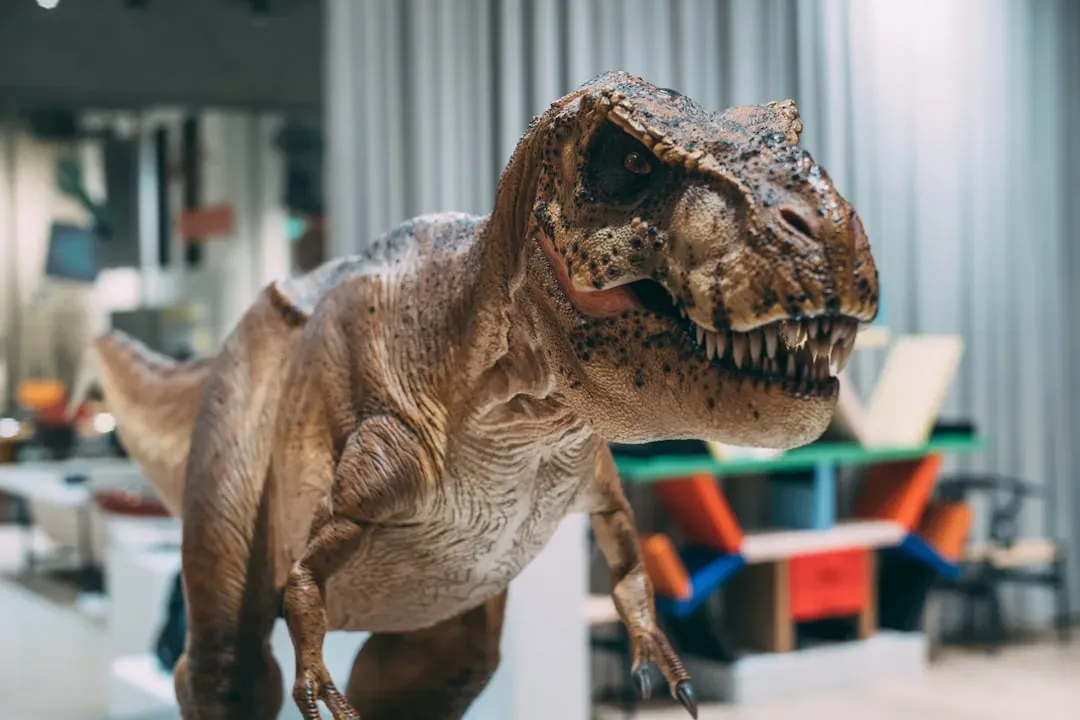
Finally, there’s the emotional framing. Dinosaurs on screen tend to fall into two extremes: terrifying, nearly evil monsters that exist only to kill, or cuddly, dog-like companions designed to tug at our hearts. Both angles might be fun, but they quietly pull us away from the most important point: dinosaurs were animals. They felt stress, hunger, fear, maybe even forms of social attachment and parental care that we see in birds and reptiles today. They were not villains or mascots; they were just trying to survive in the environments they inherited.
When documentaries lean too hard into monster or pet territory, they encourage people to react with either disgust or sentimental affection, instead of curiosity and respect. A more grounded approach would show predators killing to eat without moral judgment, parents guarding nests because evolution rewarded those instincts and individuals navigating a world full of risk and opportunity. Palaeontologists often argue that this is not only more accurate, it is also more awe-inspiring. There is something humbling in seeing dinosaurs as part of the same long story of life that eventually produced us, not as props in our favourite monster movie.
Conclusion: Dinosaurs Deserve Better Than Old Myths
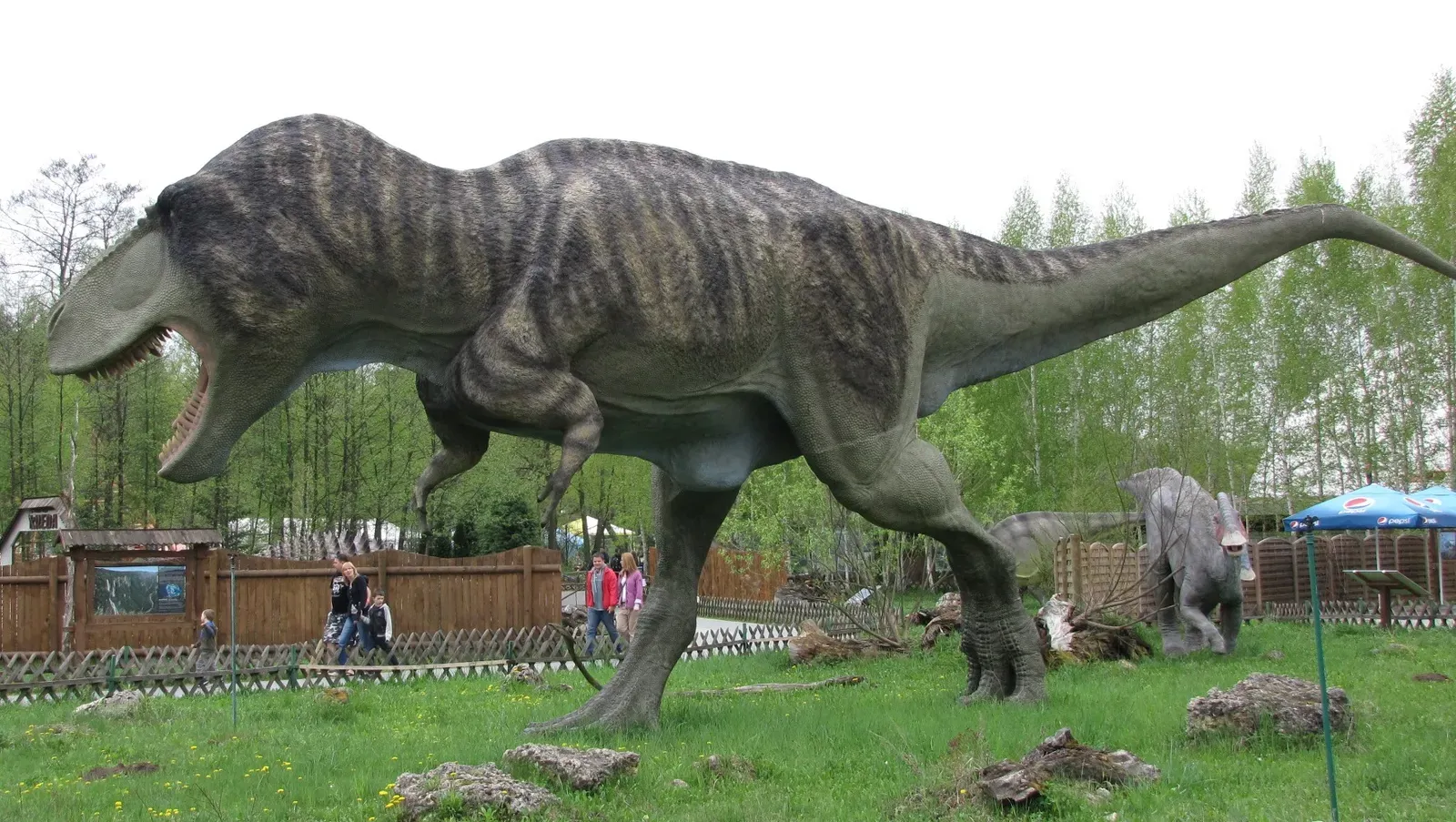
At the end of the day, most palaeontologists are not anti-documentary; many of them grew up loving the very shows they now critique. But as the science moves forward, clinging to outdated tropes – scaly-only dinosaurs, endless gladiator battles, neat little nuclear families and instant, one-note extinction events – does these incredible animals a real disservice. We now have enough fossils, enough modern analogies and enough computing power to tell stories that are stranger, richer and more surprising than the old monster-movie template.
Personally, I think the most thrilling thing is not that we can picture a T. rex roar on a rainy night, but that we can argue about its metabolism, its parenting and even the colour of its feathers with real data on the table. Dinosaurs are no longer mythical beasts hiding in our imaginations; they are knowable, if still mysterious, creatures waiting for us in stone. Documentary makers face a choice: keep selling yesterday’s myths, or lean into today’s messy, evolving science. If you had to pick, would you rather watch a familiar fantasy – or a truer, stranger story that might just change how you see life on Earth altogether?