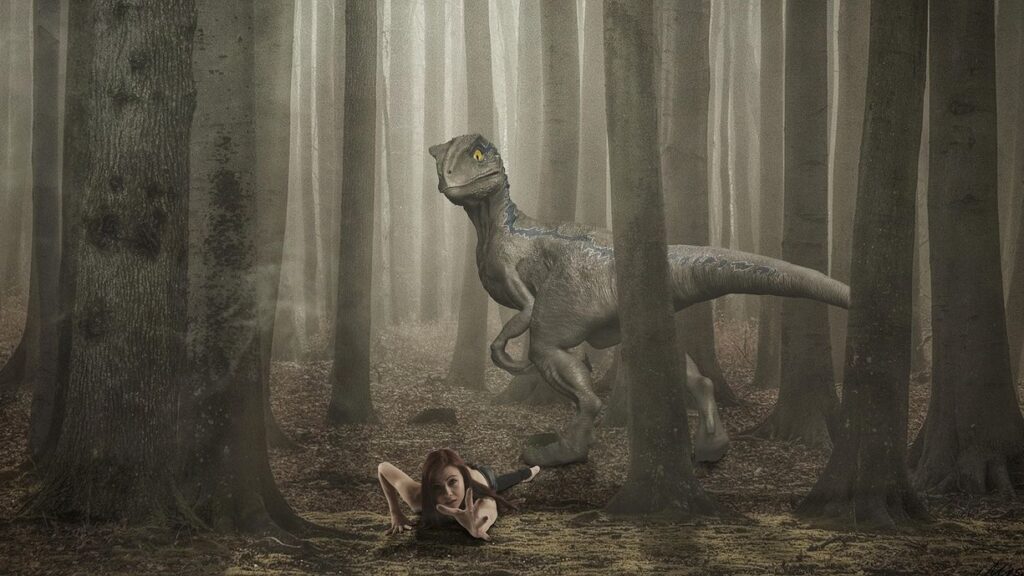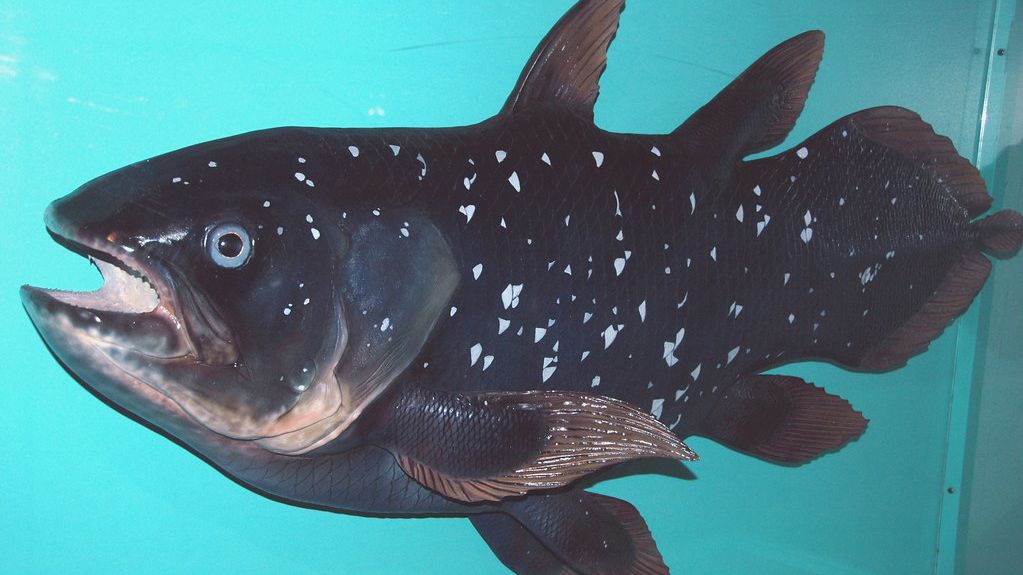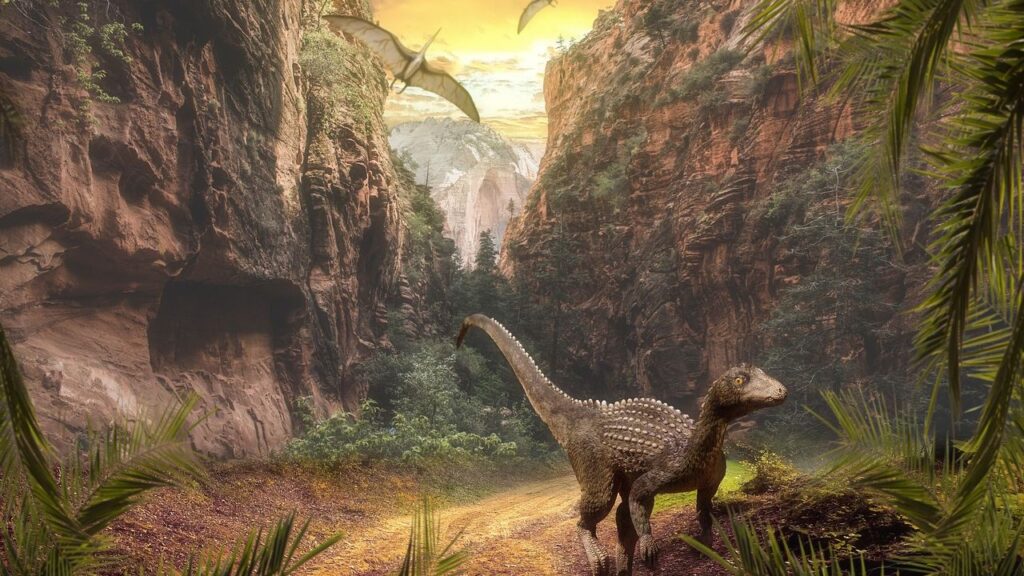
Everyone thinks they “know” dinosaurs. We grow up with plastic T. rexes, roaring movie monsters, and school posters covered in scaly green beasts. But when you compare that mental image with what scientists now understand, it’s almost like we’ve been watching the wrong movie the whole time. Our brains are still stuck in a 1980s dinosaur documentary, while paleontology has quietly moved on to a much weirder, more colorful, and more interesting reality.
Over the past few decades, advances in fossil scanning, computer modeling, and even chemistry have flipped a lot of old “facts” right on their heads. Some of the biggest misconceptions are honestly a bit embarrassing once you see the evidence, but that’s also what makes them so fun to correct. Let’s walk through fourteen of the most stubborn myths your brain is still clutching, and see what the science actually says about the real dinosaurs behind the pop‑culture versions.
1. Dinosaurs Were Just Giant Reptilian Lizards
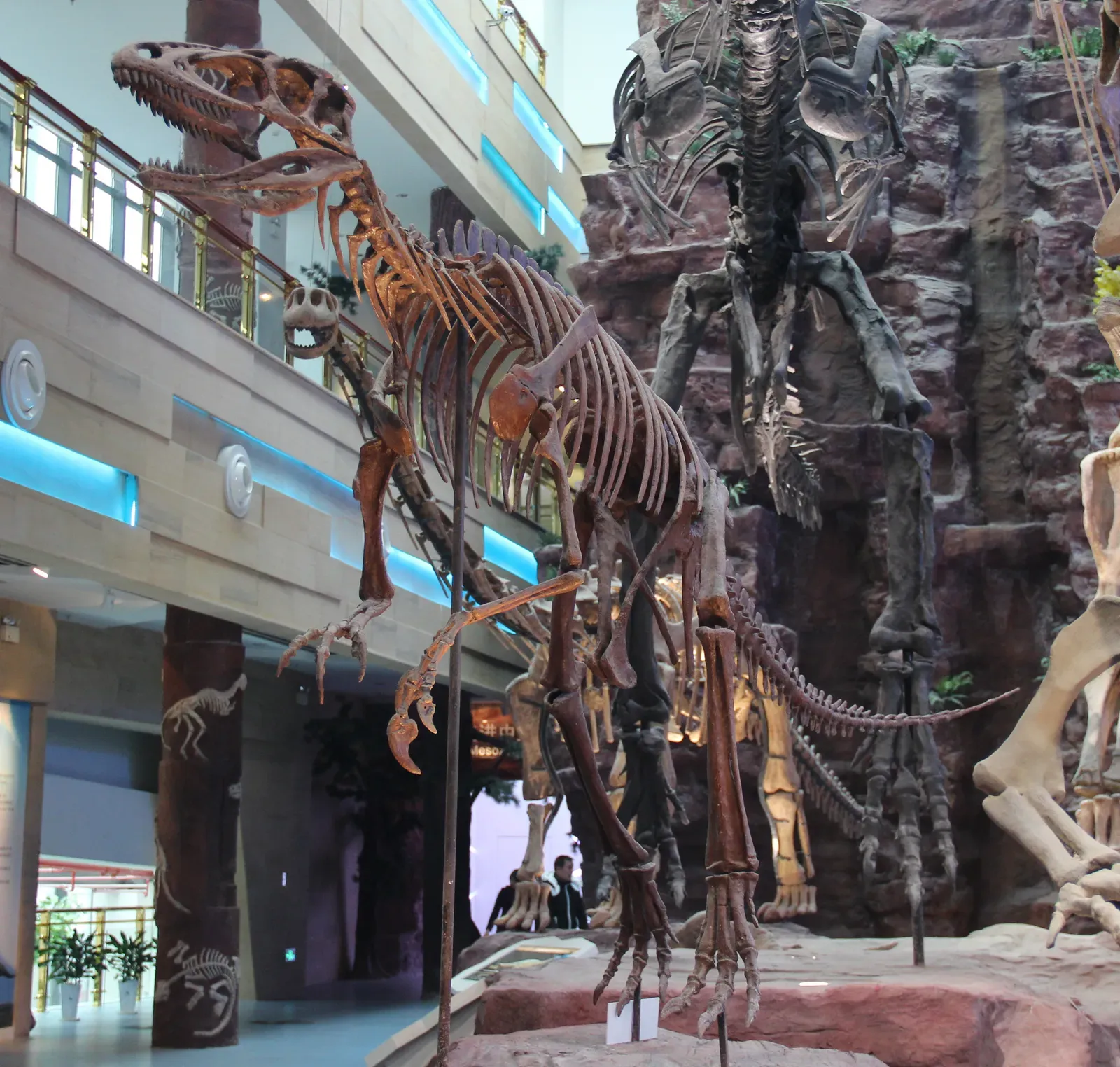
One of the most persistent mental images is that dinosaurs were basically oversized lizards lumbering around swamps. That made sense a century ago, when the only comparison people had was crocodiles and iguanas. But modern research has made it painfully clear that “giant lizard” is one of the worst possible descriptions. Dinosaurs were a distinct group with their own anatomy, biology, and evolutionary path, separate from the animals we casually call reptiles today.
Many dinosaurs had bird‑like hips, hollow bones, complex air sac systems, and fast growth rates that just do not match lazy lizard biology. Some of them probably had metabolic rates closer to today’s birds and mammals than to sluggish cold‑blooded reptiles. The more skeletons we find and analyze, the more it looks like dinosaurs were their own unique thing: not just big lizards, but dynamic, active animals that redefined what a “reptile cousin” could be.
2. All Dinosaurs Were Cold‑Blooded and Slow
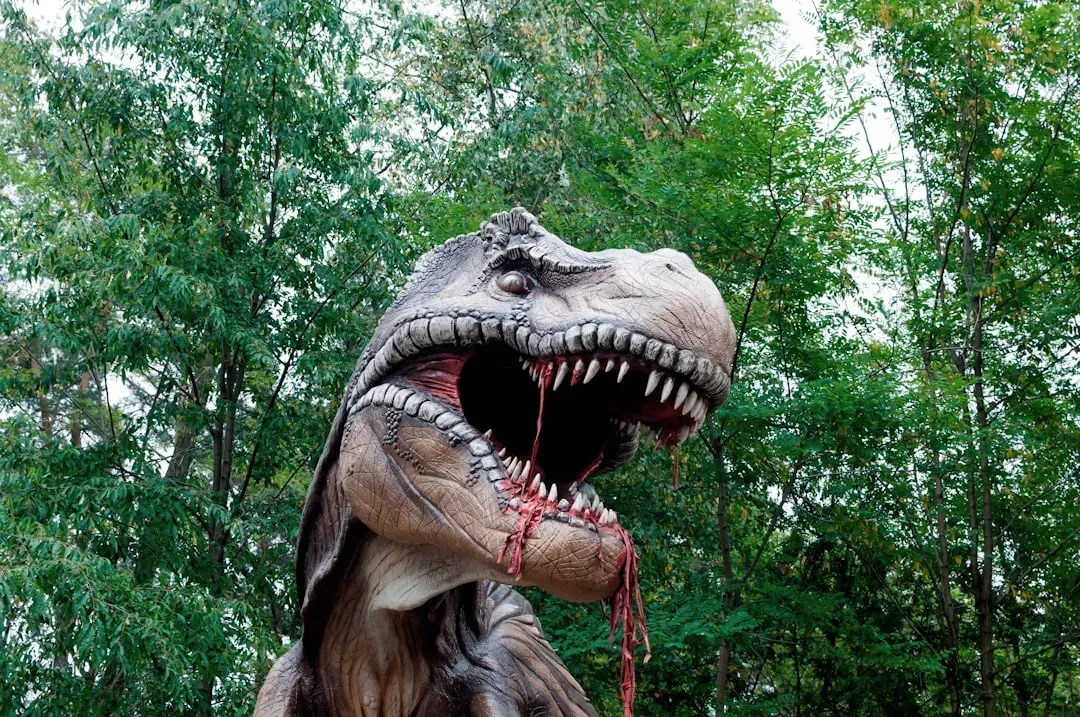
If you picture dinosaurs sunbathing like alligators just to get moving, that’s an idea from the early twentieth century that refuses to die. For a long time, people assumed dinosaurs were cold‑blooded simply because they were grouped with reptiles. But bone studies, growth rings, and muscle attachment scars tell a very different story. Many species grew incredibly fast and had limb structures built for speed, which is hard to explain with a slow, cold‑blooded metabolism.
Modern scientists see dinosaur metabolism as more of a spectrum than a simple on‑off switch. Some smaller theropods and active predators likely had elevated metabolic rates, approaching what we’d call warm‑blooded today, especially those closely related to birds. Large herbivores might have used sheer body size to maintain stable temperatures. So the old picture of dinosaurs as clumsy, slow, and perpetually chilly is being replaced by a more nuanced, but clearly more energetic, vision of life in the Mesozoic.
3. T. rex Could Only See Movement (Thanks, Movies)
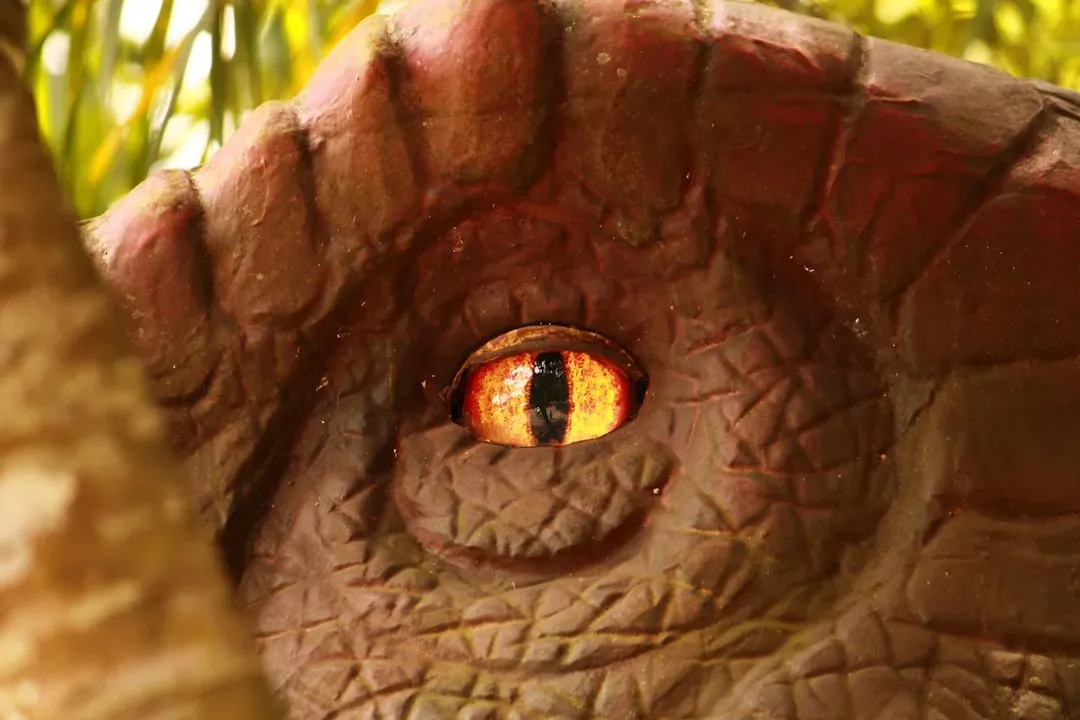
Studies that reconstruct T. rex’s eyesight from skull shape and eye socket placement indicate that it likely had better depth perception than many modern predators. Some work even hints at color vision and decent acuity, more like a bird of prey than a stumbling giant. So if you somehow found yourself in front of a living T. rex, freezing in place would not be a clever survival strategy. It would be more like trying to hide from an eagle by closing your eyes and hoping for the best.
4. Dinosaurs Were All Green, Gray, and Dull
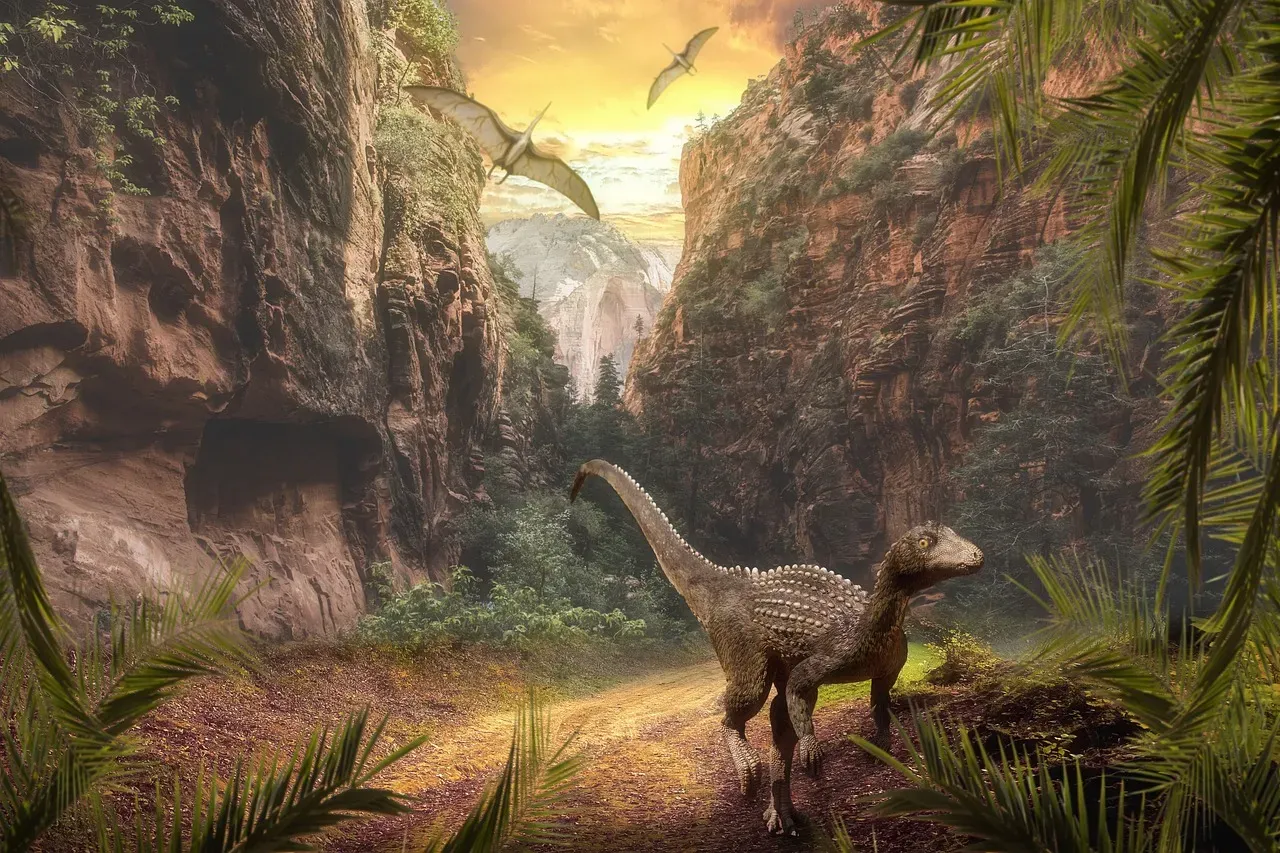
Most of us still imagine dinosaurs as uniformly dark green, gray, or brown, as if every species dressed in the same boring camouflage. That was partly artistic laziness and partly the fact that early paleontologists had no way to know actual colors. But in the last couple of decades, scientists have started looking at microscopic structures in exceptionally preserved fossils, especially of small feathered dinosaurs. These structures, similar to the melanosomes in bird feathers, can hint at real color patterns.
The results are anything but bland. Some small dinosaurs show evidence of stripes, banded tails, or contrasting dark and light patches, probably used for display or signaling just like modern birds do. There is evidence for rusty reds, blacks, and lighter, more mottled tones that would have made some species quite striking. While we still do not know the color palette for every dinosaur, the safe bet is that many were far more visually interesting than the standard “olive‑green monster” we all grew up with.
5. Feathers Were Only for Birds, Not Dinosaurs
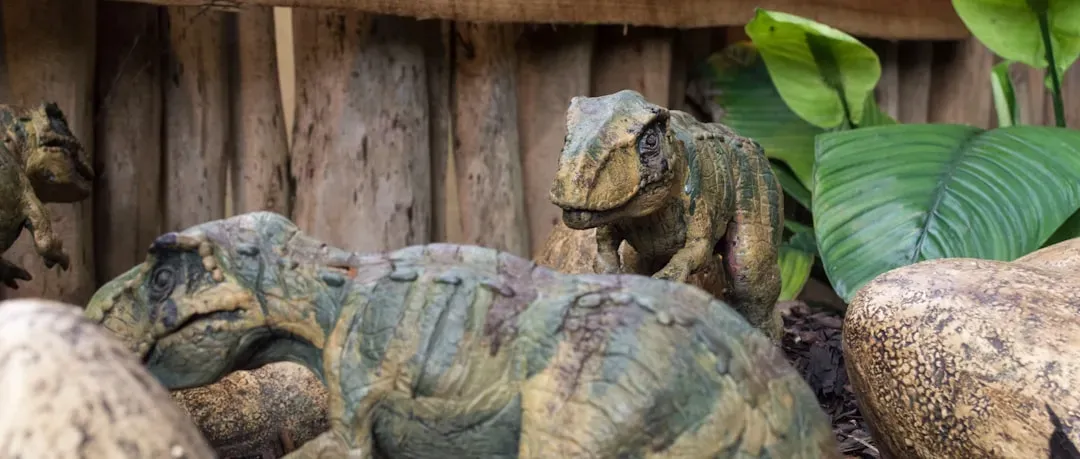
There is still a stubborn belief that feathers are purely a bird thing, and dinosaurs were exclusively scaly. That would have shocked the people working on the explosion of feathered dinosaur fossils from China and other parts of the world. We now have a long list of non‑bird dinosaurs, especially small to medium theropods, preserved with clear impressions of feathers or feather‑like filaments. These range from simple fuzzy coverings to more complex, branching feathers.
Feathers likely evolved first for insulation or display, not for flight, and only later were co‑opted by some lineages for gliding and powered flight. That means for a lot of dinosaurs, especially the smaller ones, being “fluffy” was probably normal. A juvenile tyrannosaur, for example, may have had a feathered or fuzzy coat when young. Once you picture a pack of crow‑like, feathered predators darting through a forest instead of bare, scaly monsters, the old image of dinosaurs feels instantly outdated.
6. Dinosaurs Lived in Swamps and Were Semi‑Aquatic Sluggards
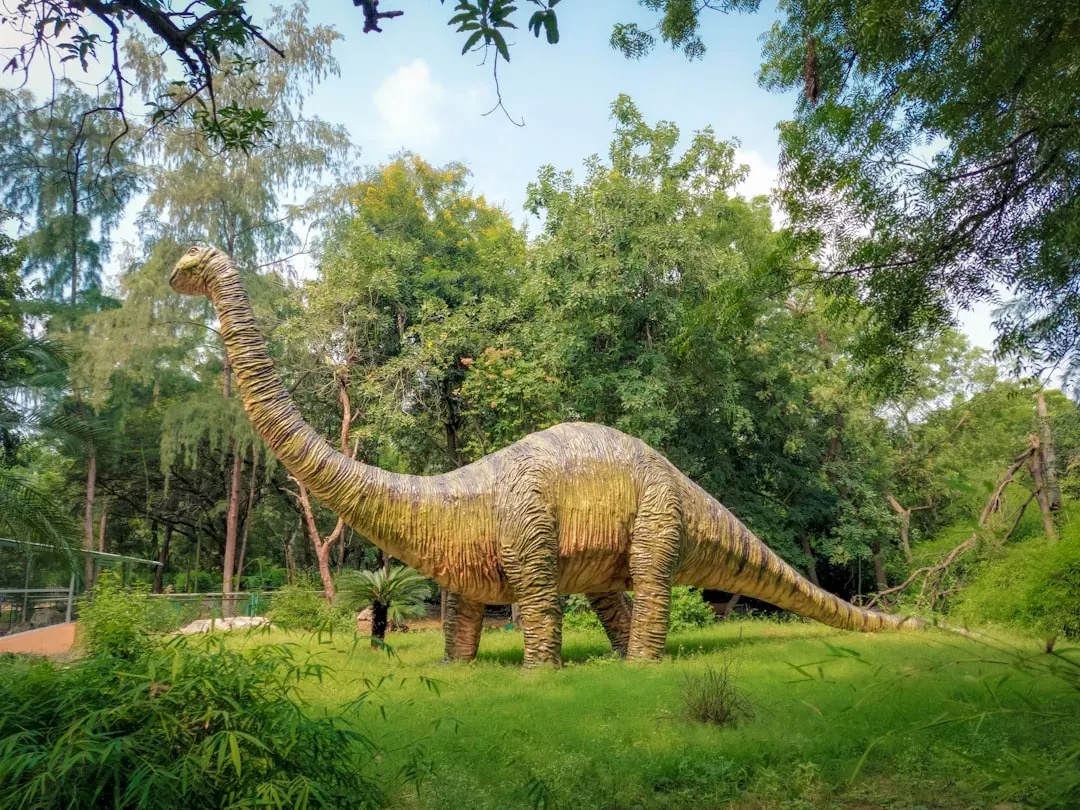
Early reconstructions showed sauropods like Brontosaurus (now understood as a valid genus again, after some scientific drama) half‑submerged in swamps to support their massive weight. This swamp‑dweller idea made them look weak and clumsy, as if land was a bit too much effort. Modern biomechanics and trackway evidence have thoroughly dismantled that fantasy. Their bones were stronger than previously assumed, and their limb structure was perfectly capable of supporting them on dry land.
Footprints reveal that sauropods walked confidently over solid ground, not just near lakes and bogs. Their long necks make far more sense as tools for reaching wide feeding zones on land vegetation rather than snorkels for underwater life. While some dinosaurs certainly lived near rivers, lakes, or coastal environments, the picture is now of adaptable land animals, not hopeless swamp prisoners. The old postcard of dinosaurs wallowing like hippos has been quietly retired by the fossil record.
7. Mammals Only Appeared After Dinosaurs Went Extinct
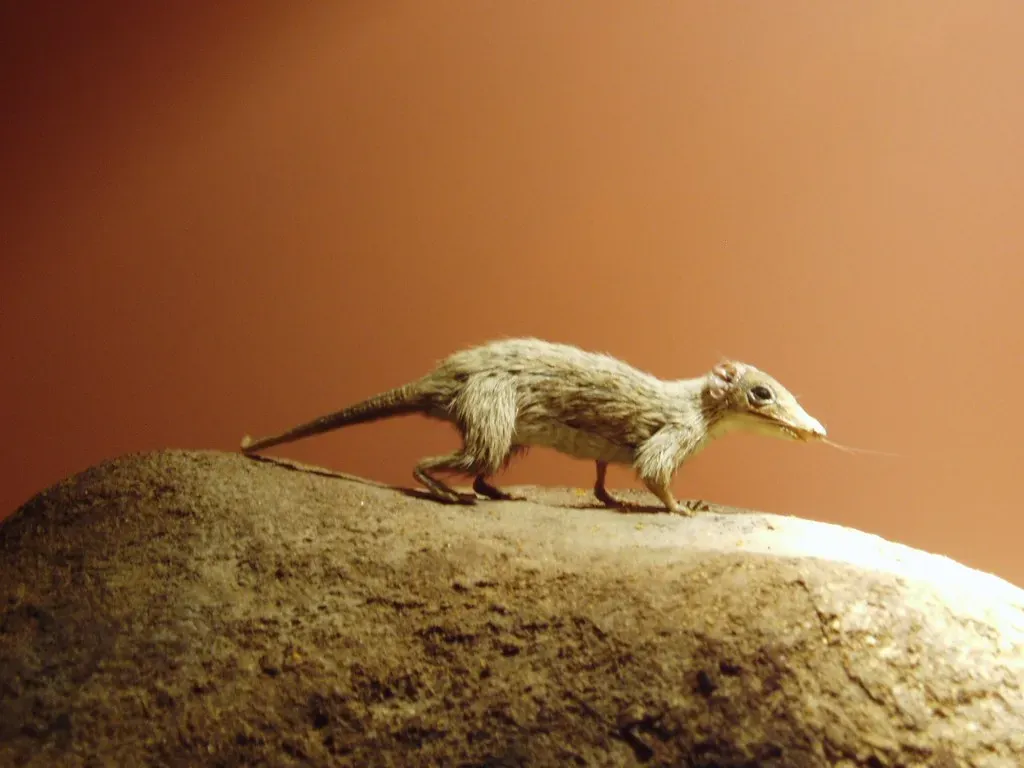
A lot of people imagine a clear line: first the dinosaurs, then they all die, then mammals show up and take over. The reality is much messier and more interesting. Mammal ancestors were already on the scene while dinosaurs ruled, living in the shadows and niches where they could avoid being eaten. Fossils show that small, early mammals scurried around throughout the Jurassic and Cretaceous, active at night and feeding on insects, plants, and maybe even small dinosaur hatchlings.
What changed after the mass extinction was not the sudden appearance of mammals, but their opportunity. With the big non‑avian dinosaurs gone, mammals could explode into new forms: large herbivores, predators, and everything in between. So the idea that mammals “replaced” dinosaurs overnight is backwards. They were already part of the ecosystem; they just finally got to step into the spotlight once the dominant cast members were abruptly written out.
8. Pterosaurs Were Dinosaurs (And Giant Flying Lizards)

Pop culture often throws anything prehistoric with teeth and a dramatic pose into the “dinosaur” bucket, so flying pterosaurs and swimming marine reptiles like plesiosaurs get mislabeled constantly. Strictly speaking, dinosaurs are a specific branch of the reptile family tree, and pterosaurs are close relatives, not actual members of the dinosaur group. They share a common ancestor, but that does not make them dinosaurs any more than being cousins makes you a sibling.
Calling pterosaurs “giant flying lizards” is also misleading. Their anatomy is incredibly specialized, with elongated fourth fingers supporting vast wing membranes and lightweight, air‑filled bones. Some had fur‑like coverings that might have helped with temperature control. In other words, they were their own unique group of flying reptiles with complex adaptations, not just super‑sized geckos with wings slapped on. Lumping everything together under “dinosaur” just hides how diverse and strange prehistoric life really was.
9. Dinosaurs Were Doomed Because They Were Inferior
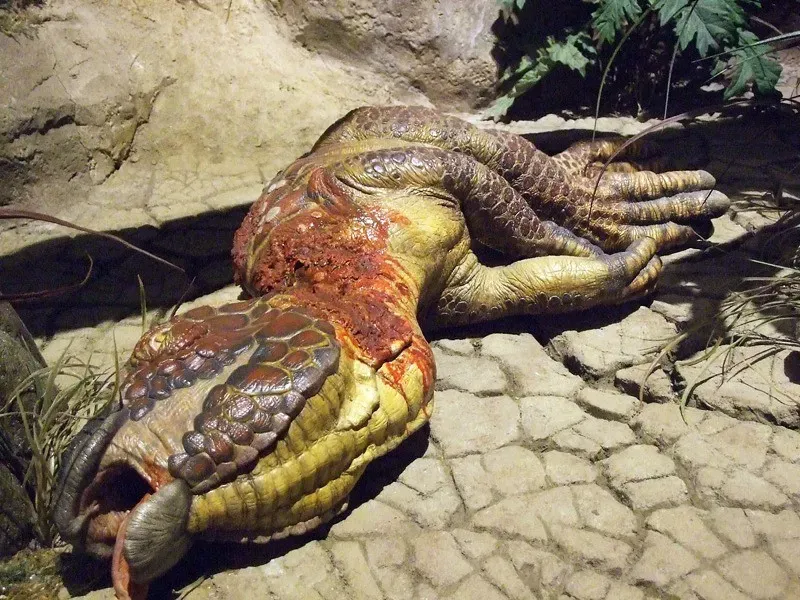
There is an old narrative that dinosaurs went extinct because they were somehow “failed” evolutionary experiments: too big, too dumb, too inflexible to cope with change. That story feels moral and satisfying, but the fossil record does not support it. Dinosaurs were extraordinarily successful for well over one hundred million years, outlasting many other lineages and adapting to different climates and ecosystems. That is not what evolutionary failure looks like.
The leading explanation for their extinction at the end of the Cretaceous points to catastrophic events, especially a massive asteroid impact, combined with volcanic activity and environmental stress. In other words, they were hit by an external disaster, not outcompeted by better animals. If anything, their long dominance shows how effective they were. The idea that humans or mammals are somehow “better” because we are here now is more about ego than about scientific evidence.
10. All Dinosaurs Were Enormous Monster‑Sized Beasts
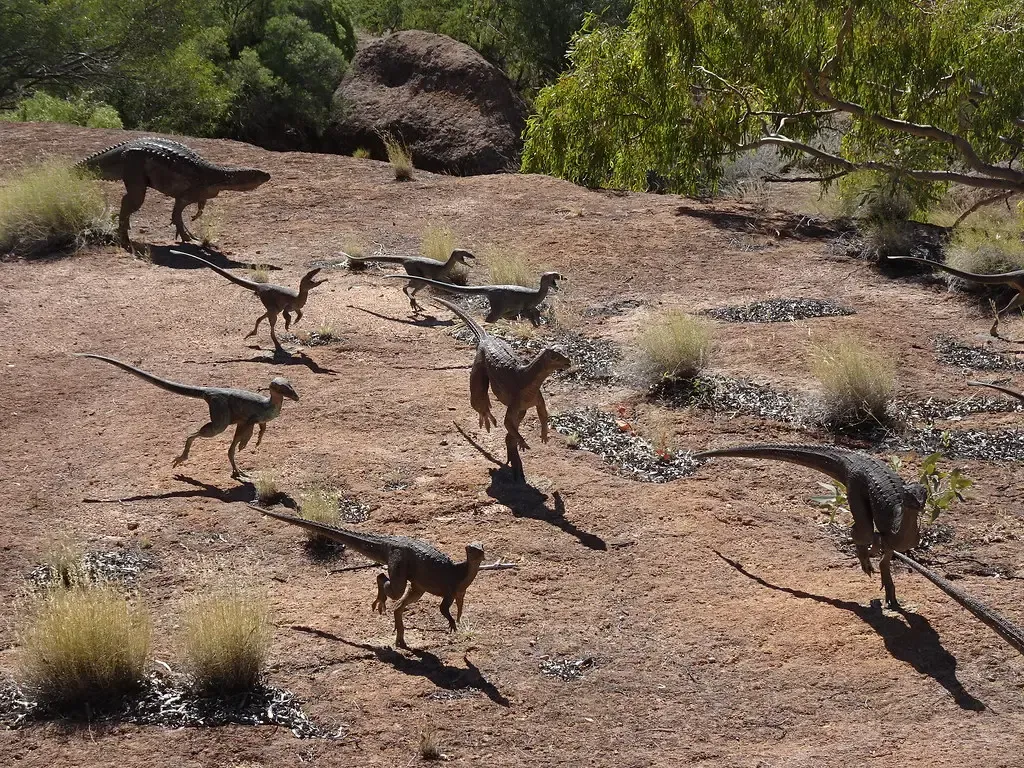
Our brains love the biggest creatures: Argentinosaurus, Spinosaurus, Tyrannosaurus rex. It is easy to forget that dinosaur ecosystems, like modern ones, were filled with small and medium‑sized animals. Many dinosaurs were only about the size of a dog, cat, or turkey. Some were even smaller, darting through undergrowth or climbing over branches hunting insects. If you time‑traveled back to the Mesozoic, you would not just see two or three titans towering over everything; you would see a whole spectrum of body sizes.
This matters because it changes how we think about dinosaur life. Smaller species likely had fast metabolisms, quick lifecycles, and complex behavior, more like birds and small mammals today than like giant monsters. Their fossil record is harder to preserve and find, so we once overlooked them. As we discover more of these modestly sized dinosaurs, the image of a world populated only by skyscraper‑sized reptiles fades, replaced by a bustling, crowded, far more believable prehistoric landscape.
11. Dinosaurs Were Stupid Brutes With Tiny Brains
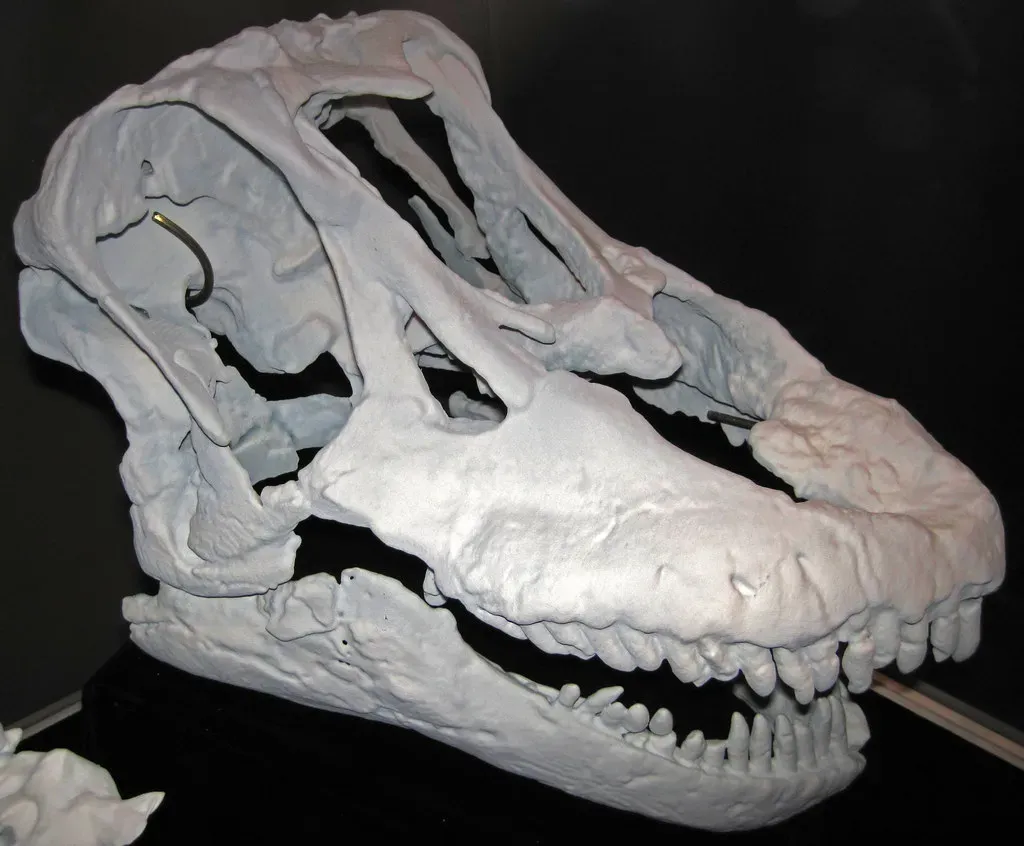
Brains do not fossilize, but skulls do, and they tell us a lot. The old joke that dinosaurs had “brains the size of a walnut” painted them as barely functional, all brawn and no brains. While some giant herbivores did have relatively small brain volumes compared to their body size, that is not the whole story. Many theropods, including those closely related to birds, had larger brain‑to‑body ratios and complex inner ear and eye structures that suggest active, coordinated behavior.
We also see hints of social and parental behaviors in some species, such as nests with eggs and signs of group living. Those require decent cognitive abilities, not mindless instinct alone. Modern birds, which are literally living dinosaurs, are capable of problem‑solving, tool use, and social complexity that rivals primates in some cases. It is not a stretch to think their non‑avian relatives were far from the drooling, brainless monsters early cartoons made them out to be.
12. Dinosaurs All Lived at the Same Time in One Big Jurassic Mashup
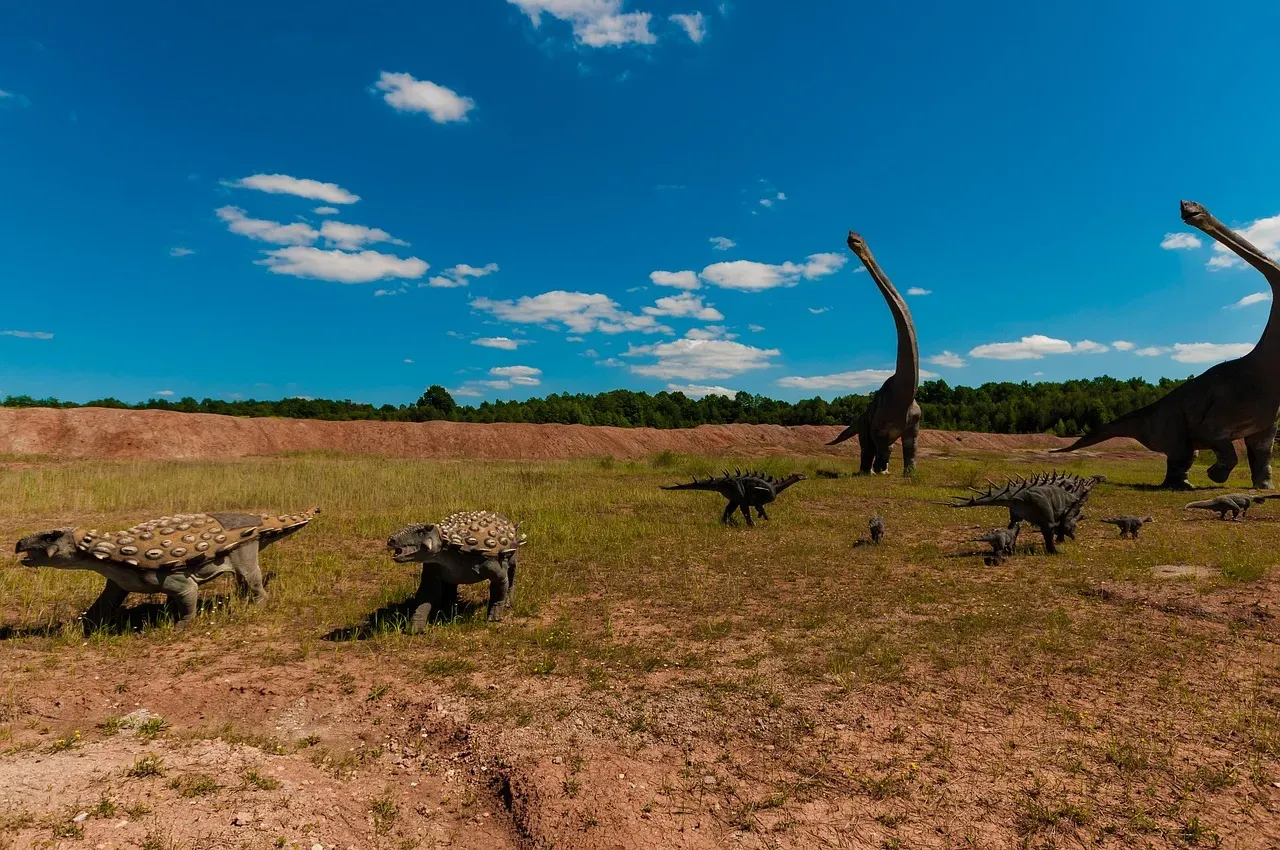
Movies love throwing Stegosaurus, Triceratops, and Tyrannosaurus rex into the same scene, as if dinosaur time was just one giant crowded era. The reality is that the “age of dinosaurs” spans tens of millions of years, and many famous species are separated by vast stretches of time. Stegosaurus, for instance, lived much earlier than T. rex. If you laid out Earth’s history as a long calendar, many dinosaurs would never have had the chance to meet.
This time spread matters because it reminds us evolution is a long, ongoing process, not a static Jurassic Park diorama. Entire species and lineages appeared, changed, and vanished while others were just getting started. When our brains mash everything together into one “dinosaur era,” we flatten a rich and dynamic story into a single blurry snapshot. Understanding that deep time is layered and complex makes the real history feel less like a theme park and more like an epic, constantly shifting saga.
13. Dinosaurs Vanished Completely – None Survived
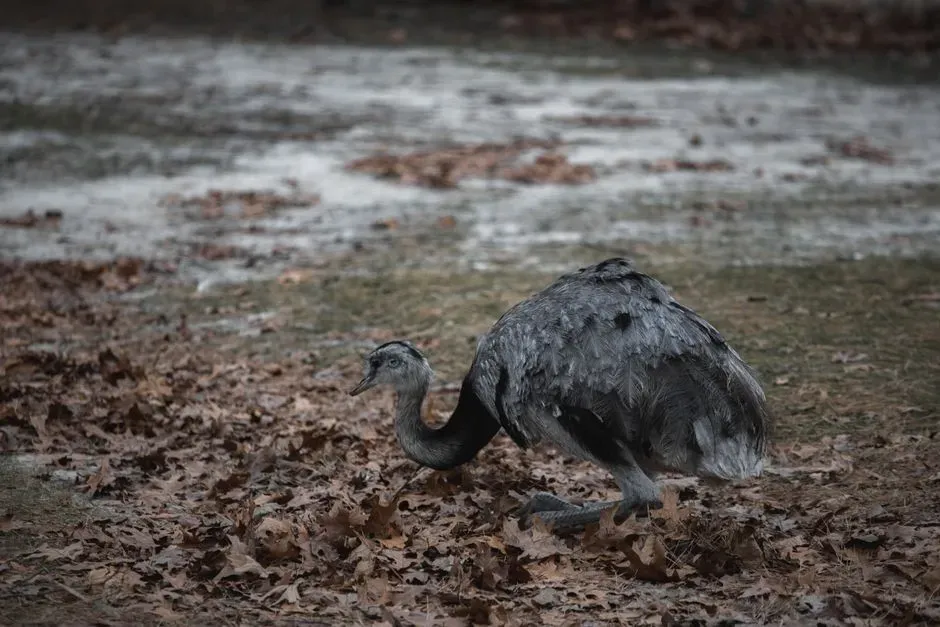
One of the biggest mental blocks is the idea that the asteroid hit, dinosaurs died, then the story ends with a blank page. Modern science makes it very clear that this is not true. A whole branch of small, feathered theropods survived and evolved into what we now call birds. That means when you see a crow on a fence or a pigeon strutting down a sidewalk, you are looking at living dinosaurs, not just distant cousins.
This survival story rewrites the way we talk about extinction. Non‑avian dinosaurs were wiped out, but their avian relatives weathered the catastrophe and diversified into thousands of species. Instead of thinking of the dinosaurs as a tragic, dead chapter, it is more accurate to see them as a storyline that narrowed and then exploded in a new direction. Chickens, hawks, parrots, and penguins are all part of that same ancient legacy, even if they look nothing like a T. rex at first glance.
14. Dino Science Is Settled and We “Know” What They Looked Like
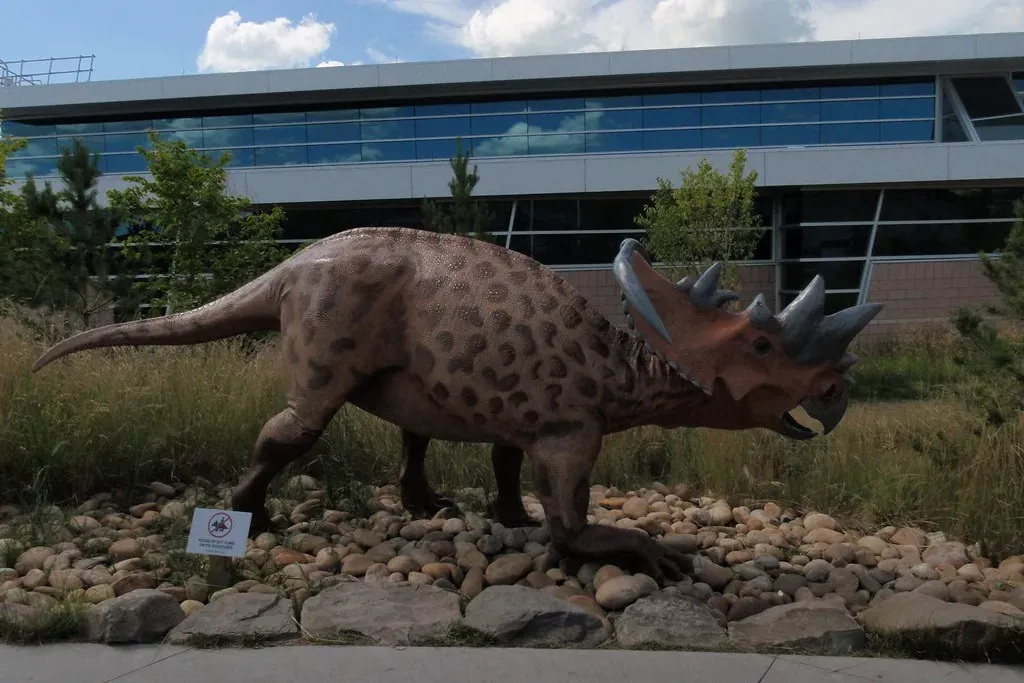
Your brain probably craves a stable answer: what color was T. rex, did it have lips, how exactly did it stand? The uncomfortable truth is that dinosaur science is a moving target, constantly adjusted as new fossils and technologies appear. Reconstructions from the 1970s already look laughably outdated, and sketches made today will probably seem crude in a few decades. That does not mean we know nothing; it means we are refining the picture again and again as evidence piles up.
I think this is the part people resist the most: letting go of the idea that our childhood dinosaur book was “right” forever. But science is not about fixed answers; it’s about getting less wrong over time. Every feather impression, every CT scan of a skull, every newly discovered trackway forces us to redraw the lines. The wiser approach is to hold our mental image of dinosaurs loosely, with curiosity instead of certainty, and enjoy watching them change shape as the fossils keep talking.
Conclusion: Why Letting Go of Old Dino Myths Actually Feels Amazing
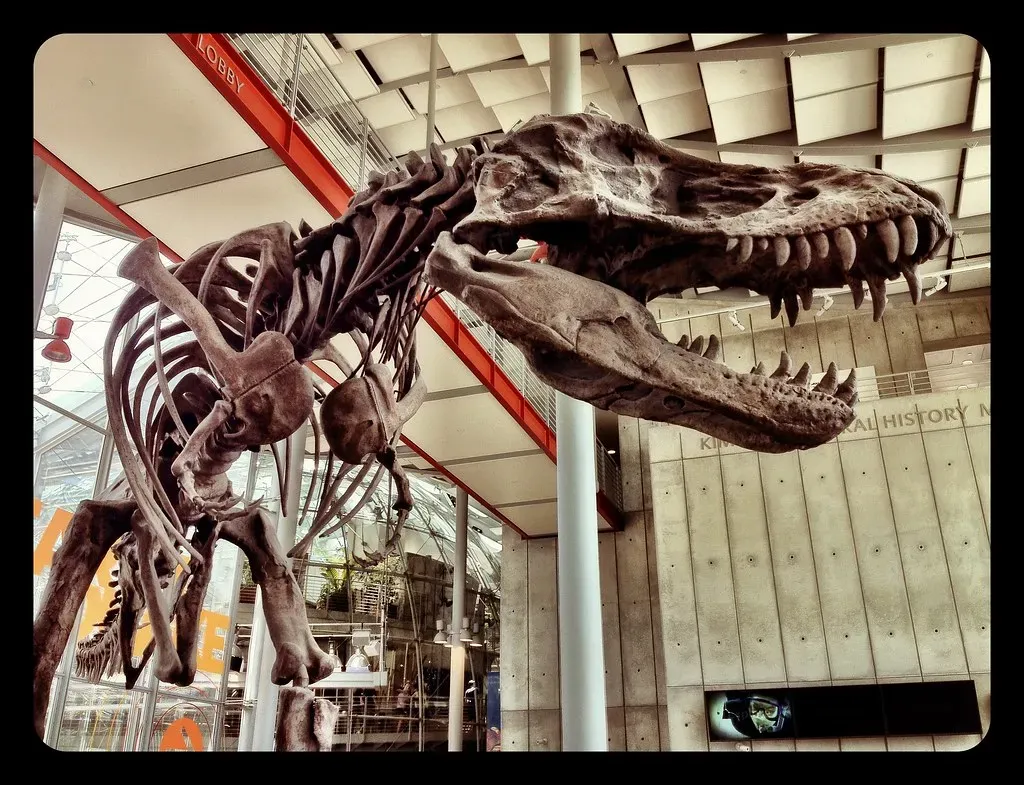
There is something oddly comforting about those old, clumsy, swamp‑dwelling dinosaurs from textbooks and movies. They feel familiar, almost nostalgic, which is probably why our brains cling to them even as the evidence piles up against nearly everything we thought we “knew.” But the more I’ve followed real paleontology, the more that comfort feels like a trap. Hanging on to outdated ideas robs us of the real story: a world of feathered predators, busy little herbivores, and ecosystems every bit as complicated as today’s.
For me, the most exciting part is admitting we do not have all the answers and watching our mental picture keep evolving. Dinosaurs turn out to be less like stone statues and more like clay figures we keep reshaping as the fossils whisper new details. That might annoy anyone who likes simple, permanent facts, but it is exactly what makes science alive. So the next time your brain reaches for that scaly green movie monster, ask yourself: are you loyal to nostalgia, or are you curious enough to let the real dinosaurs surprise you?