Picture an African elephant, the biggest land animal we live with today. Now imagine something that makes that elephant look small enough to squeeze into your backyard like an oversized Labrador. That was everyday reality during the Ice Age. Our planet was once home to giants so massive, weird, and flat-out intimidating that modern wildlife suddenly feels like the “lite” version of nature.
When I first dug into Ice Age megafauna, I expected a few big mammoths and maybe a scary cat or two. What I did not expect was a lineup of titans that could casually overshadow a bus, flip cars without trying, or swat away predators that today would sit at the top of the food chain. The more you learn, the more it feels like we missed out on the most extreme season of Planet Earth. Let’s take a walk through a world where an elephant really would have been the cute one.
The Steppe Mammoth: The Elephant’s Terrifying Big Cousin
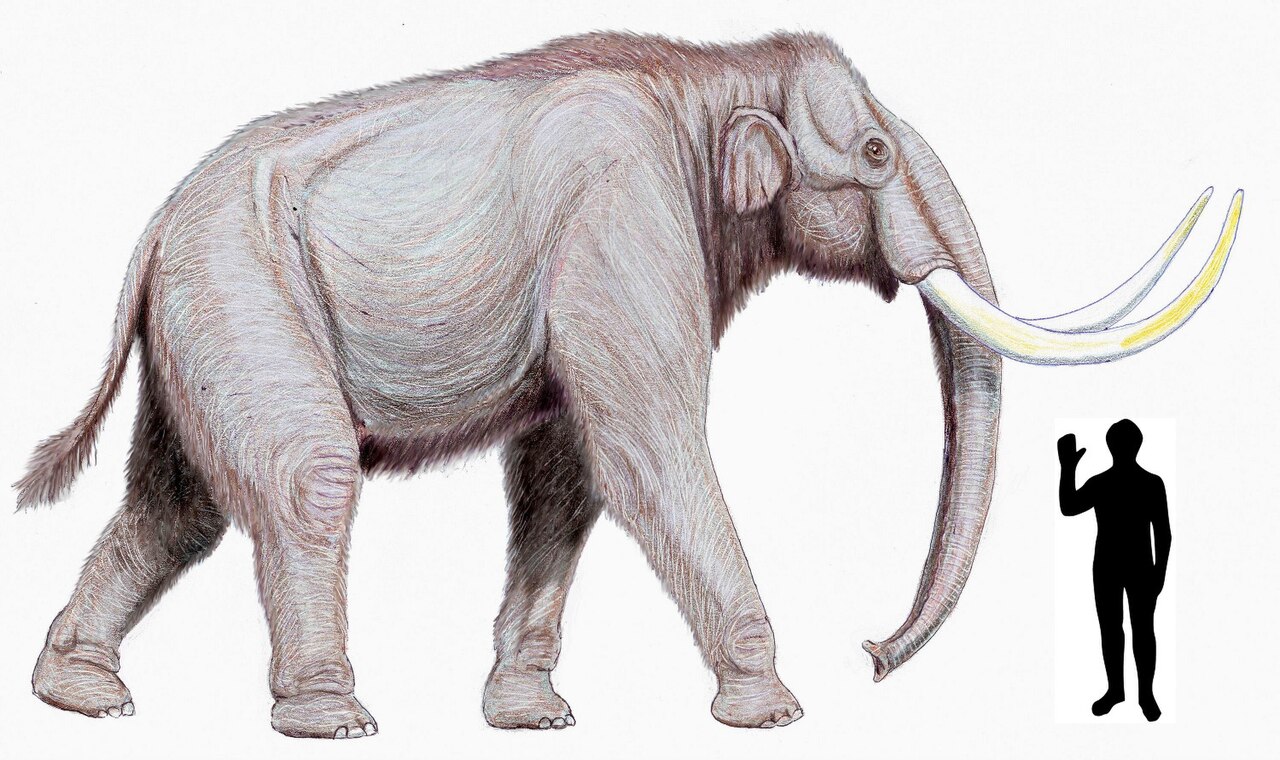
If you think mammoths were just shaggy elephants, the steppe mammoth is here to correct you. This beast, which roamed Eurasia long before the famous woolly mammoth, could reach shoulder heights of around four to four and a half meters. That is significantly taller than today’s African elephants, which already look gigantic in a zoo enclosure. A fully grown male steppe mammoth would have towered over a person like a building, with tusks so long they could stretch roughly the length of a compact car.
What blows my mind is how normal this animal would have seemed in its own time. To us, it sounds like a fantasy monster; to Ice Age predators, it was an immovable wall of meat and bone with bad attitude potential. The steppe mammoth needed massive amounts of vegetation just to stay alive, shaping entire landscapes as it grazed and trampled its way across the cold steppe. If an elephant is a house pet in this story, the steppe mammoth is the grumpy landlord who owns half the continent.
The Columbian Mammoth: A Walking Tower Across North America
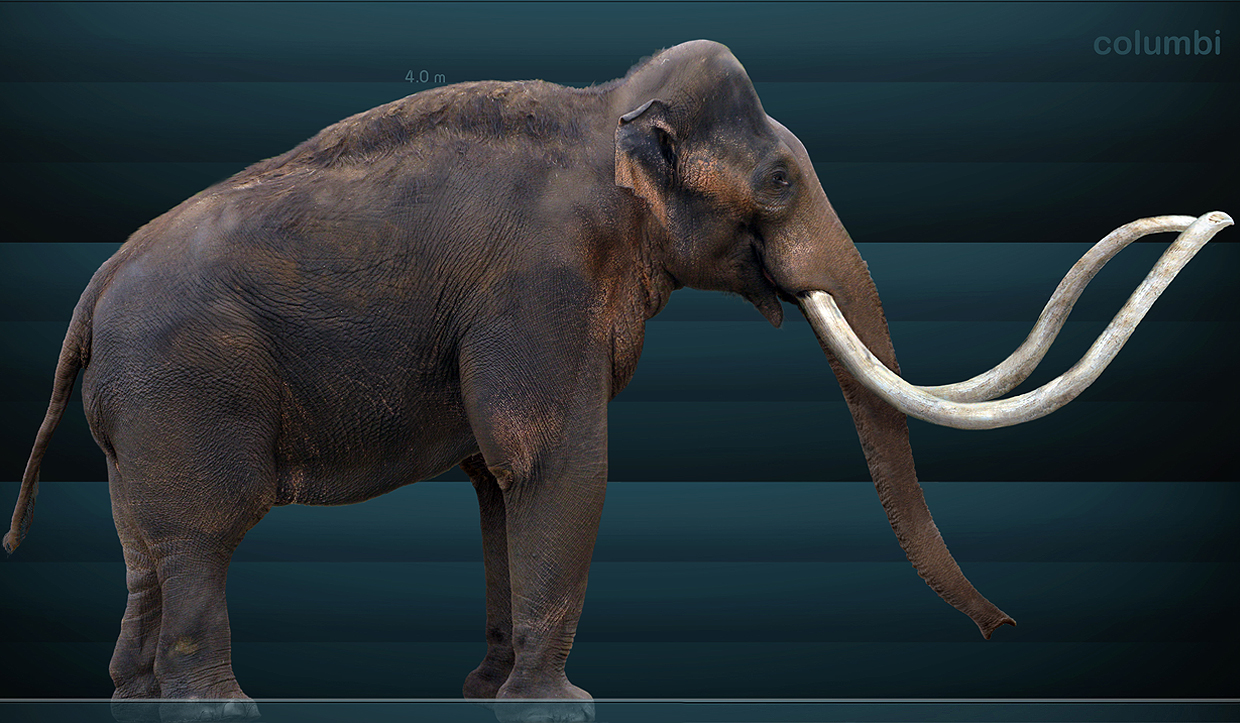
North America had its own giant mammoth superstar: the Columbian mammoth. These animals strolled across what’s now the United States and parts of Central America, and they were among the largest mammoths ever. Standing around four meters at the shoulder and often heavier than most modern elephants, they were walking towers of muscle, bone, and hair. Their curved tusks could extend for several meters, spiraling forward like natural scythes.
What makes the Columbian mammoth particularly impressive is where it lived. It was not just a creature of frozen wastelands; it roamed grasslands and open woodlands, coexisting with early humans, giant ground sloths, saber-toothed cats, and huge bison. Imagine hiking in what is now Texas or California and casually seeing a herd of these animals on the horizon. Your car would feel small, never mind an elephant. In sheer presence and scale, a Columbian mammoth herd would have turned any modern safari into a warm-up act.
The Woolly Mammoth: The Iconic Giant That Still Overshadows an Elephant
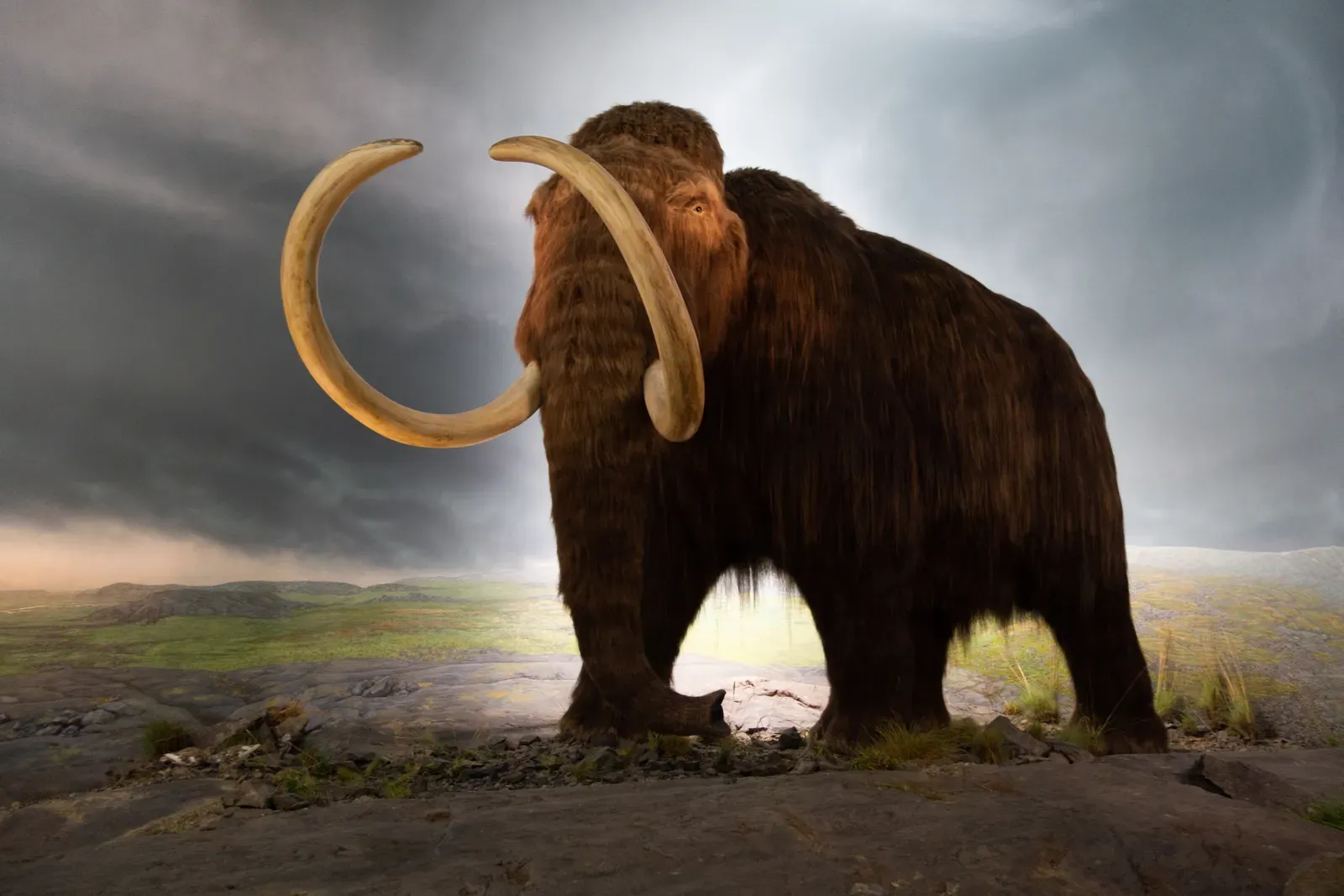
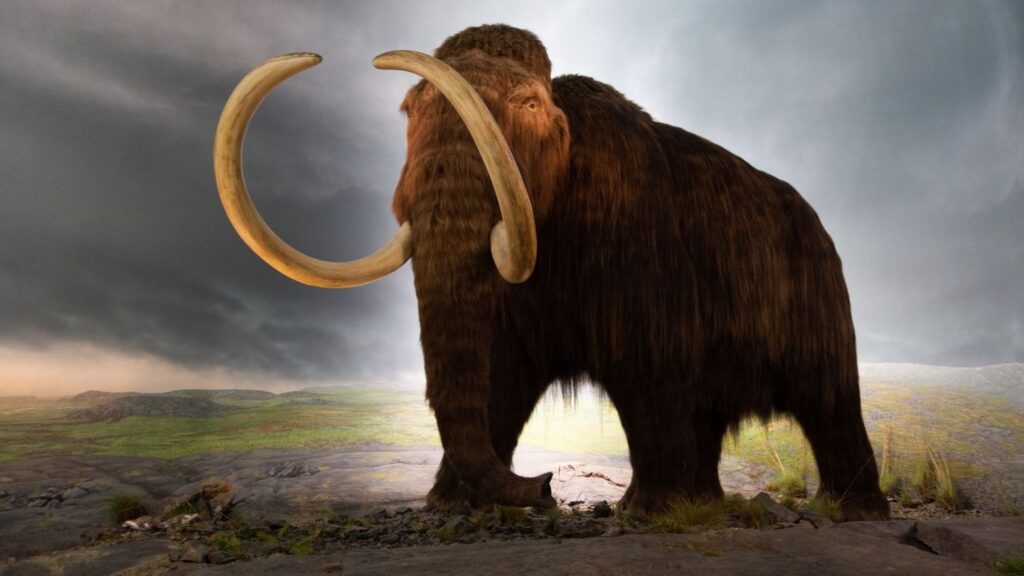
The woolly mammoth gets so much attention that it almost feels overrated – until you remember how big it actually was. While slightly smaller on average than the Columbian mammoth, a large male woolly mammoth could still rival or surpass a big modern elephant in bulk. Coat it in thick, shaggy fur, add a hump of fat for insulation, and top it off with sweeping tusks that sometimes curved into near-perfect arcs, and you get an animal that looked like it was designed by someone who thought elephants just were not dramatic enough.
What really sets woolly mammoths apart is not just their size, but how adapted they were to brutal cold. They had tiny ears to avoid frostbite, insulating underfur, and a thick layer of fat, turning them into walking, shaggy fortresses. If you parked an elephant next to a large woolly mammoth on a windy Ice Age plain, the elephant would look not only smaller, but wildly underdressed and out of place. The mammoth world was not just big; it was specialized, tough, and unforgiving in ways our modern savannas cannot quite match.
The Giant Ground Sloth (Megatherium): The Earth-Shaking Vegetarian
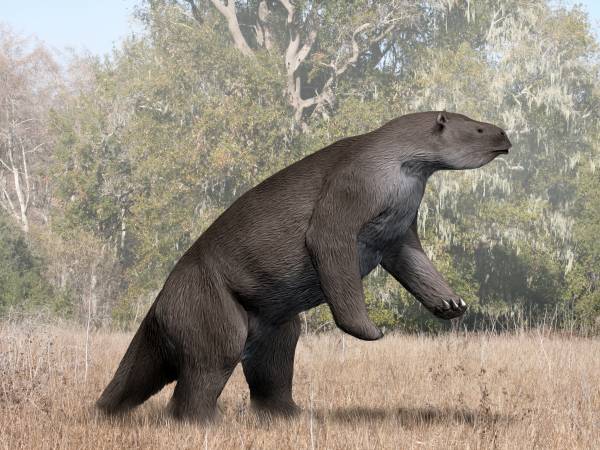
The phrase “giant sloth” sounds almost like a joke – until you see the skeleton of Megatherium. This South American titan could reach lengths of up to six meters from nose to tail, and when it reared up on its massive hind legs, it stood taller than a two-story house. It was a plant-eater, but the kind of plant-eater you would never want to annoy. Its claws were huge and curved, perfectly suited for pulling down branches, digging, or making anything that threatened it rethink its life choices.
I remember the first time I saw an illustration of Megatherium next to a human, and my brain refused to accept that it used to be real. Unlike today’s sleepy tree sloths, this was a ground-dwelling heavyweight that probably moved slowly but carried serious momentum. A modern elephant, impressive as it is, would look almost compact beside a fully upright Megatherium. The fact that such a creature peacefully ripped through vegetation instead of chasing prey somehow makes it even more surreal – like a bulldozer that politely eats trees.
The Giant Short-Faced Bear: A Predator Taller Than a Basketball Hoop
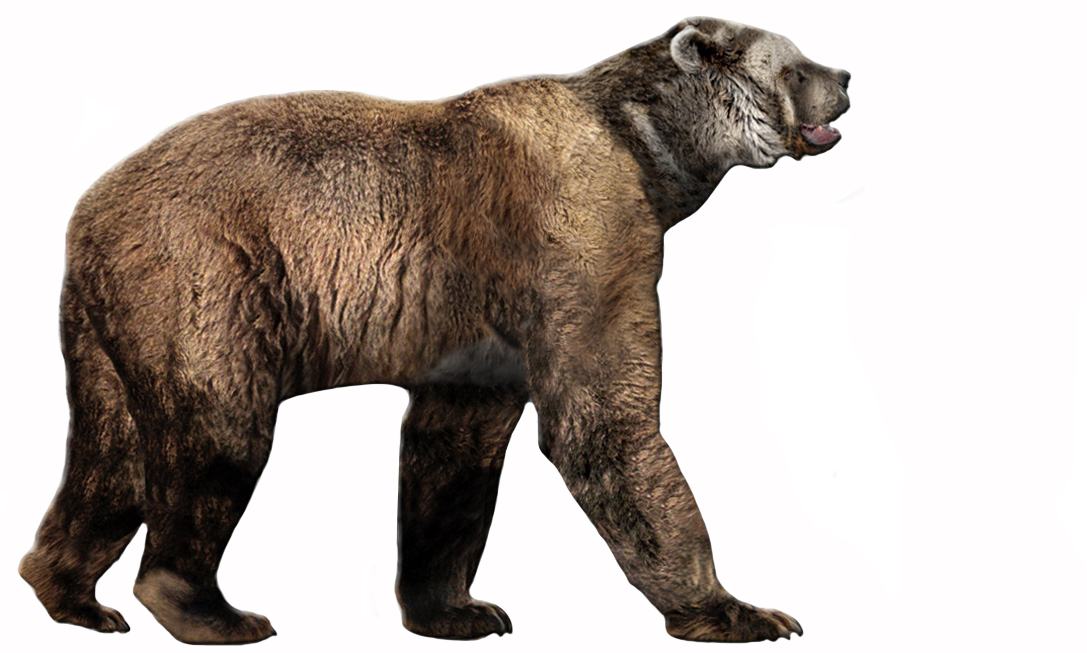
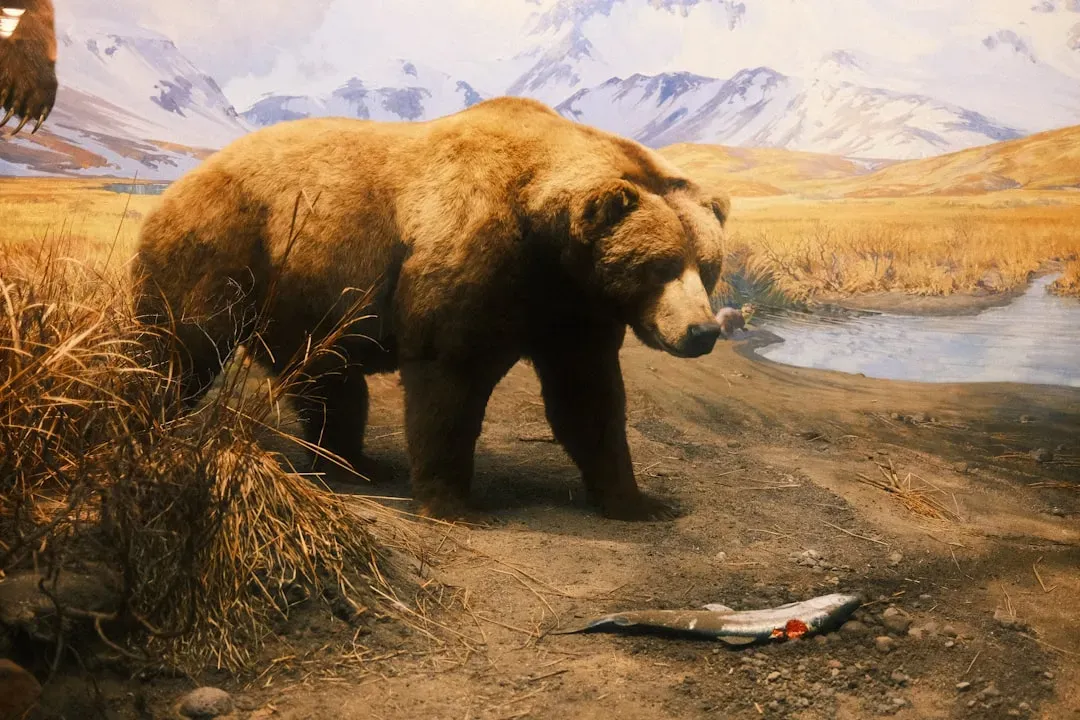
If you find modern grizzly bears intimidating, the giant short-faced bear will feel like a horror movie villain. Found in North and South America, this bear species could stand over three and a half meters tall when on its hind legs. Its long limbs and powerful build made it surprisingly fast for its size, meaning it could cover ground in open terrain in a way that would leave most animals, and certainly humans, in panic mode. Compared to this, an elephant looks huge but somehow less personally threatening.
There is still debate about exactly how it hunted or scavenged, but one thing is clear: being that large meant it could easily push other predators off their kills. Picture a lion or even a group of wolves today; now amplify that scenario to Ice Age scale, with this colossal bear walking in and claiming the entire carcass without much argument. An elephant might outweigh some of these bears, but in terms of raw intimidation, speed, and sheer vertical reach, the giant short-faced bear could turn any encounter into an instant retreat scenario for almost anything sharing its turf.
The Straight-Tusked Elephant: The True Elephant Super-Size Model
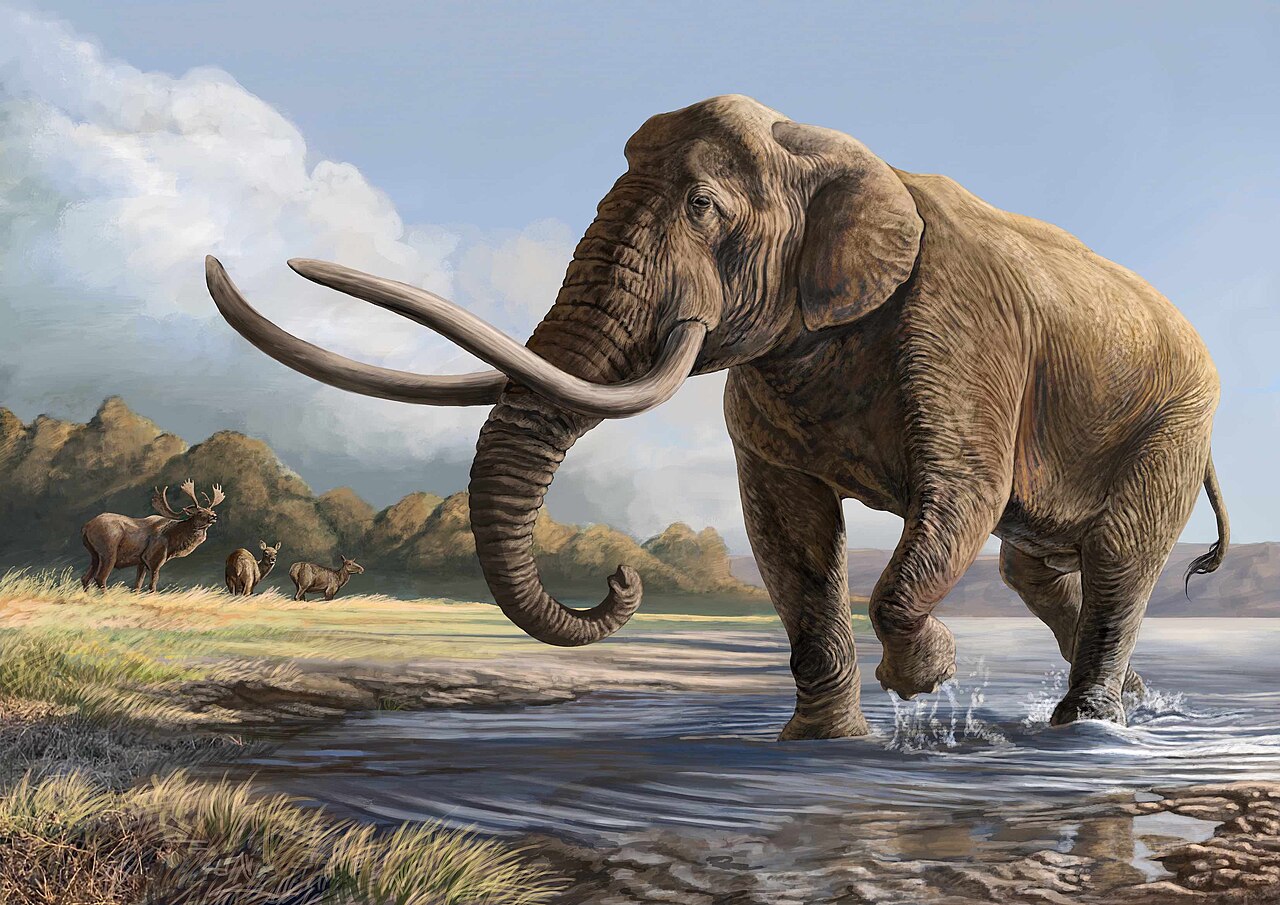
Just when you think elephants today are the ultimate expression of “huge,” the straight-tusked elephant from Pleistocene Europe and western Asia arrives to move the goalposts. This species could reach around four to four and a half meters at the shoulder, with some estimates suggesting it rivaled or even exceeded the largest African elephants in both height and weight. Its tusks were incredibly long and relatively straight, projecting forward like giant lances rather than sweeping curves.
Imagine standing at ground level while one of these animals walked past, its head and shoulders blocking out the sky. Forests and woodlands that housed straight-tusked elephants would have felt like a different planet, with trees battered and paths carved by these living bulldozers. Early humans encountered and sometimes hunted them, which is almost impossible to wrap your head around. Measured against this colossal template, our modern elephants start to feel like a slightly scaled-down version of something nature once produced on an even more extravagant setting.
Paraceratherium: The Rhino Relative That Dwarfed Everything
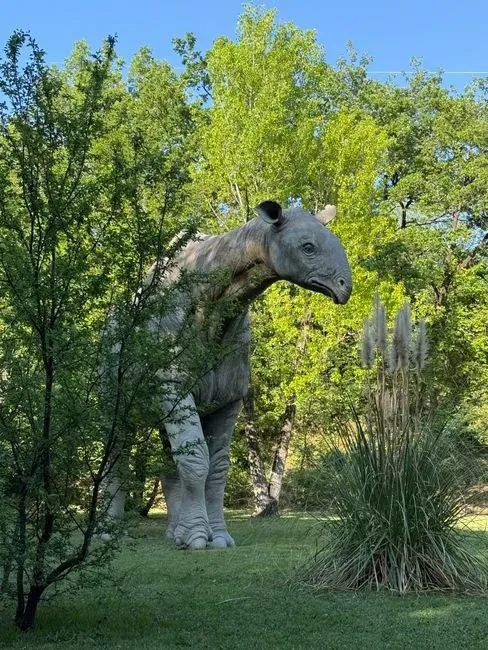
Step slightly outside the classic Ice Age timeframe and you meet Paraceratherium, a prehistoric giant that pushes the entire concept of land animals to its limit. This hornless relative of modern rhinos lived millions of years before the last Ice Age but earns its place in any discussion about scale. It is often considered one of the largest land mammals ever, reaching heights of possibly around five to six meters at the shoulder, with a long neck raising its head even higher. Put simply, it could look over a two-story house without much effort.
I know the headline is about Ice Age animals, but once you see Paraceratherium, you realize that the Ice Age did not invent big – it just continued the tradition. An elephant beside this creature would look more like a large pony next to a giraffe-rhino hybrid. It likely used its height to browse high vegetation, shaping vegetation patterns the way giraffes do today, but on a far more dramatic scale. If the Ice Age was the age of giants, animals like Paraceratherium prove that Earth has flirted with utterly outrageous sizes more than once.
The Giant Bison (Bison latifrons): Horns Like Natural Barbed Wire
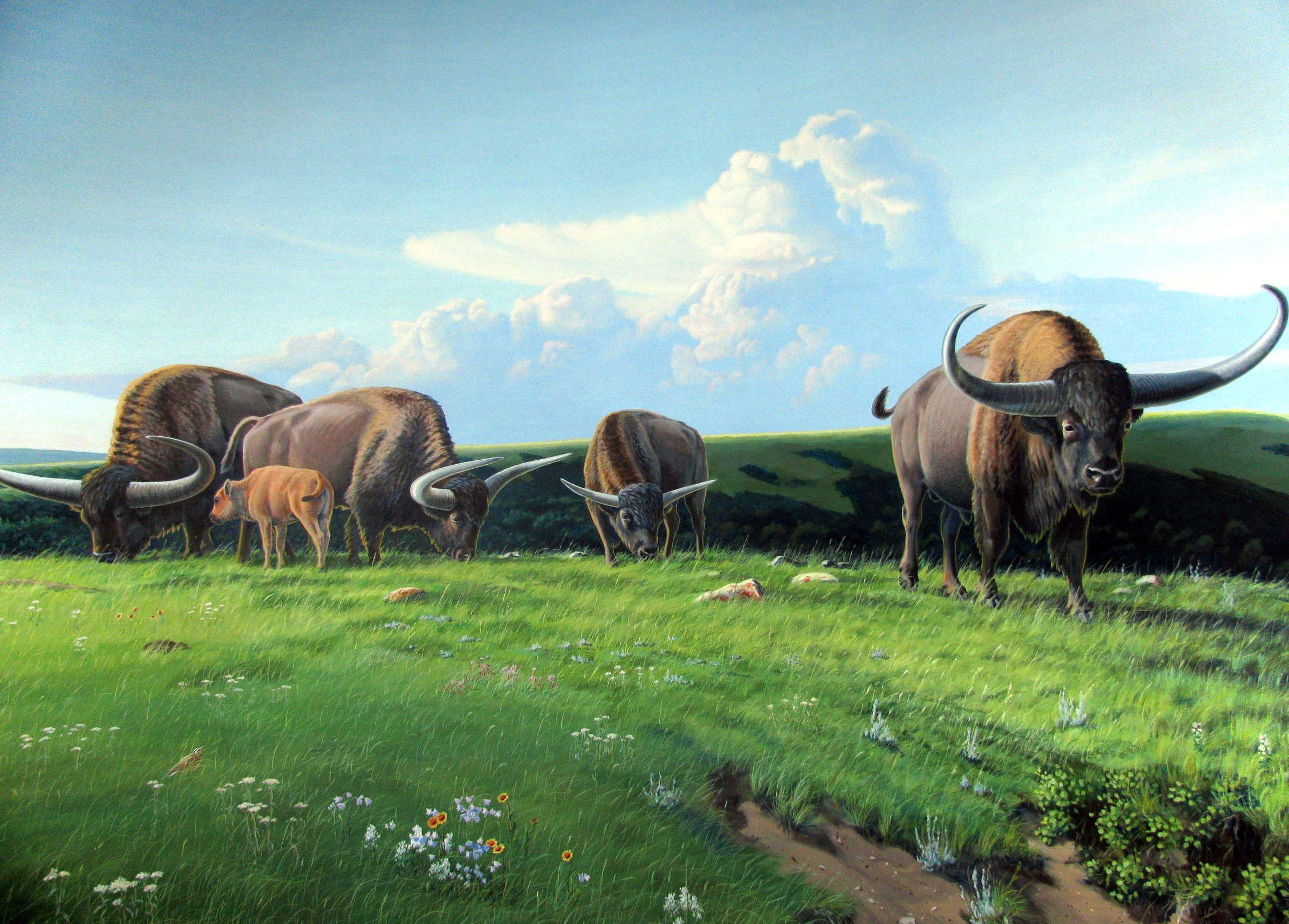
Not every Ice Age giant was about overall body size; sometimes the jaw-drop factor came from specific features. The giant bison, Bison latifrons, looked like the ultimate, exaggerated version of today’s American bison. It was larger in body, but what truly set it apart were its horns. These could span over two meters from tip to tip, stretching out like a natural set of spears connected by muscle and bone. An elephant’s tusks are impressive, but these horns almost formed a portable fence line on the animal’s head.
Now picture a herd of these moving together across a plain. You would see a low sea of powerful bodies crowned by an intimidating skyline of massive horns stretching side to side. Predators would have needed to be extremely cautious, because one wrong move could have ended in a devastating clash with those sweeping weapons. Next to that, an elephant suddenly looks a little tidier, a bit more compact, and honestly less armored. If ancient North America had a living embodiment of “do not mess with me,” this giant bison would have worn the crown.
Opinionated Conclusion: We Live in the Tame Era of Giants
The more I look at Ice Age animals, the more it feels like our current wildlife is a toned-down remix of a much heavier original track. Yes, elephants are impressive, but stack them against steppe mammoths, giant sloths, short-faced bears, and massive bison, and they start to look like the everyday version of a world that once ran on “maximum.” We walk through landscapes today that used to be ruled by animals that could block out the sun, uproot trees without trying, and stare us down from several meters above our heads.
Here is the uncomfortable opinion: we like to think of nature now as wild, but it is really the after-party. The main event, in terms of sheer size and drama, already happened – and our species almost certainly helped bring it to an end. Maybe that should make us a bit humbler, and a lot more protective of the big animals we have left. After all, they are the last echoes of a world where an elephant really would have been the small fry. When you picture an elephant now, can you still see it without imagining the shadows of the giants that once walked beside it?