Picture a T. Rex right now. Go ahead. You’re probably seeing a scaly green monster standing bolt upright, dragging its tail, squinting at a stationary jeep because it “can’t see you if you don’t move.” That image has been burned into our brains since childhood, reinforced by a thousand movie posters and museum dioramas.
Almost none of it is real. Paleontologists armed with CT scanners, bone-growth analysis, and biomechanical modeling have spent the last few decades quietly demolishing that Hollywood monster, bone by bone. What’s left standing in its place is stranger, smarter, and honestly a lot scarier than the movie version. Here’s where your mental image went wrong.
#1 – The Upright, Tail-Dragging Stance That Never Existed
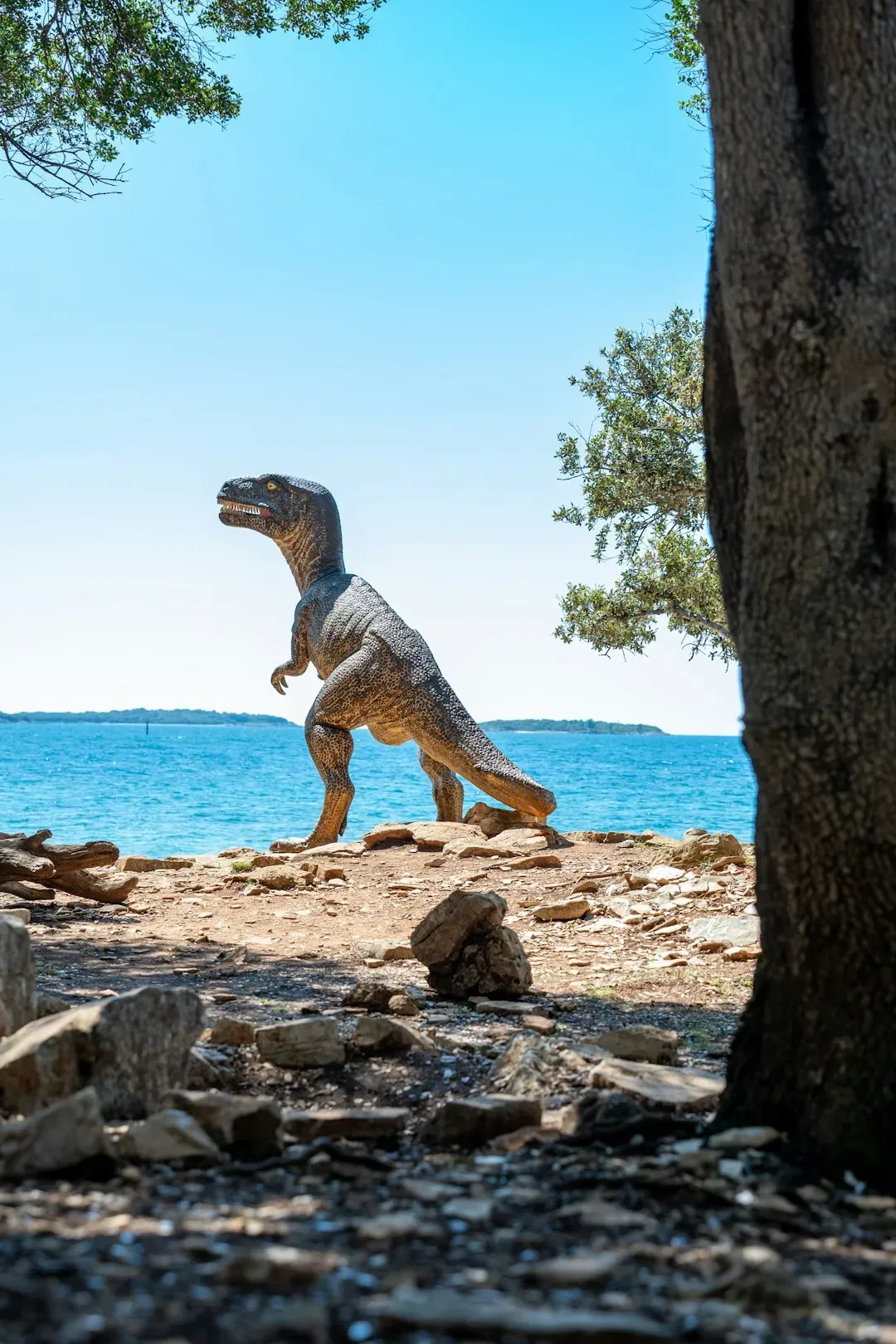
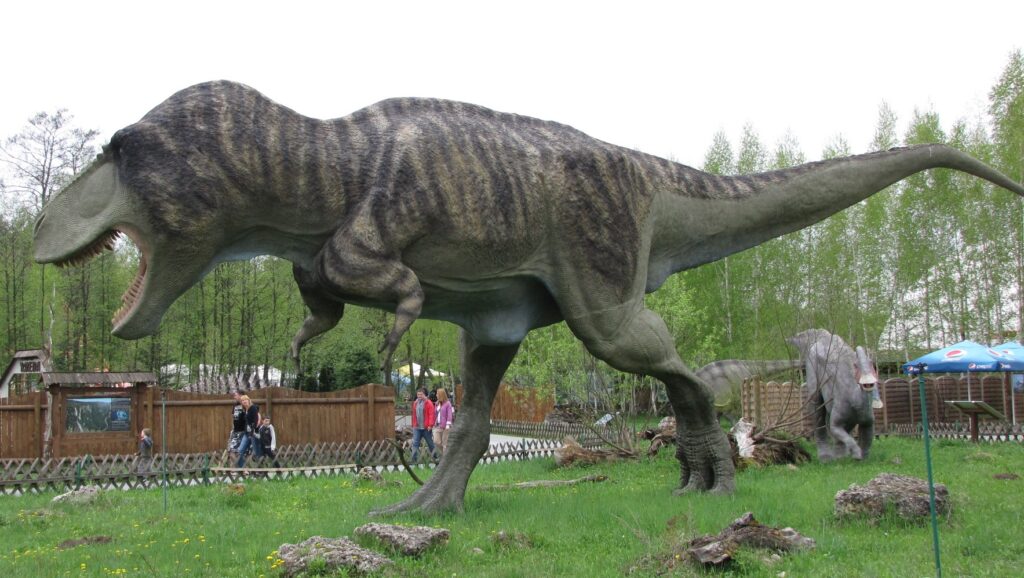
That classic pose, standing tall like a scaly human with its tail scraping the dirt, would have snapped the animal’s spine in real life. Fossil evidence and muscle reconstructions show T. Rex actually carried its body horizontally, balanced like a seesaw with the head on one end and that massive tail on the other.
The tail wasn’t dead weight dragging behind it. It was doing serious work as a counterbalance, letting the animal move efficiently without burning energy just to stay upright. Early 20th-century paleontologists mounted their skeletons the wrong way simply because they didn’t have complete fossils or the modeling tools to know better. Every kid’s dinosaur poster since then inherited the mistake.
#2 – Those “Useless” Tiny Arms Could Bench-Press a Grown Man
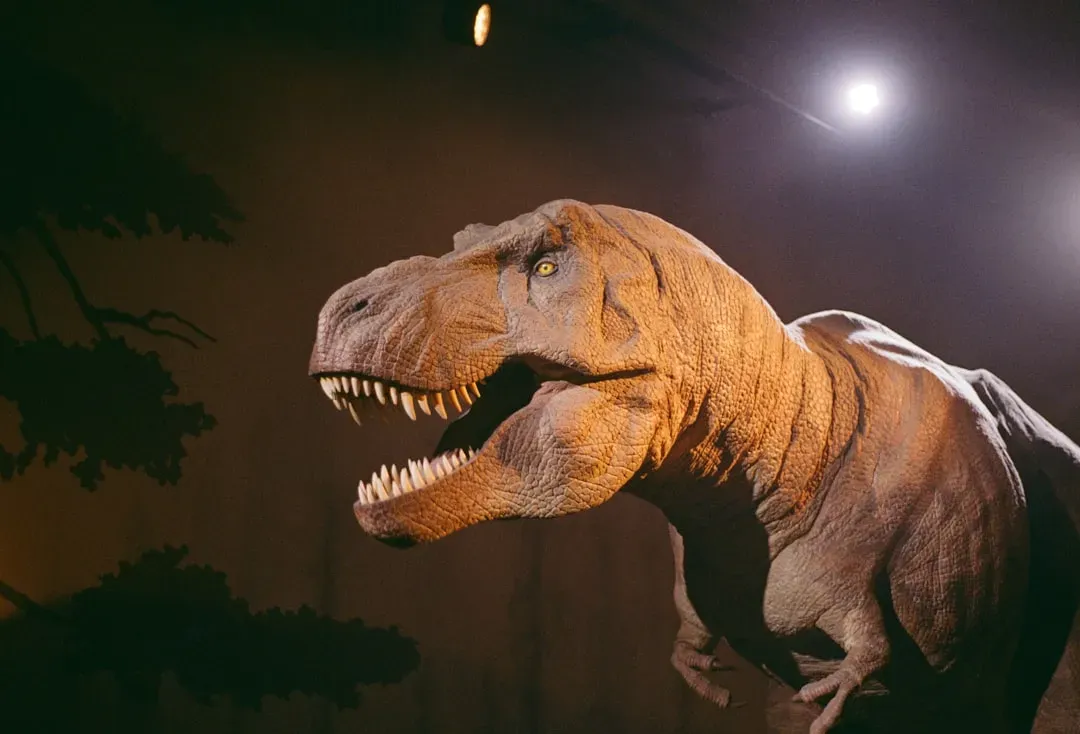
The tiny forelimbs are the internet’s favorite T. Rex joke, and for good reason, they look absurd next to that enormous skull. But biomechanical studies reconstructing the arm muscles found something nobody expected: those stubby limbs could likely lift hundreds of pounds each, with a surprisingly functional range of motion for gripping.
So why did they shrink? Researchers think the jaws simply took over hunting duties so completely that the arms became evolutionary leftovers, a classic use-it-or-lose-it story. That doesn’t mean they were pointless. The arms may have helped a resting T. Rex push itself back up off the ground, or held tight during mating. Not exactly the pathetic little flippers pop culture made them out to be.
#3 – The “Nearsighted Lizard” Myth Jurassic Park Sold You
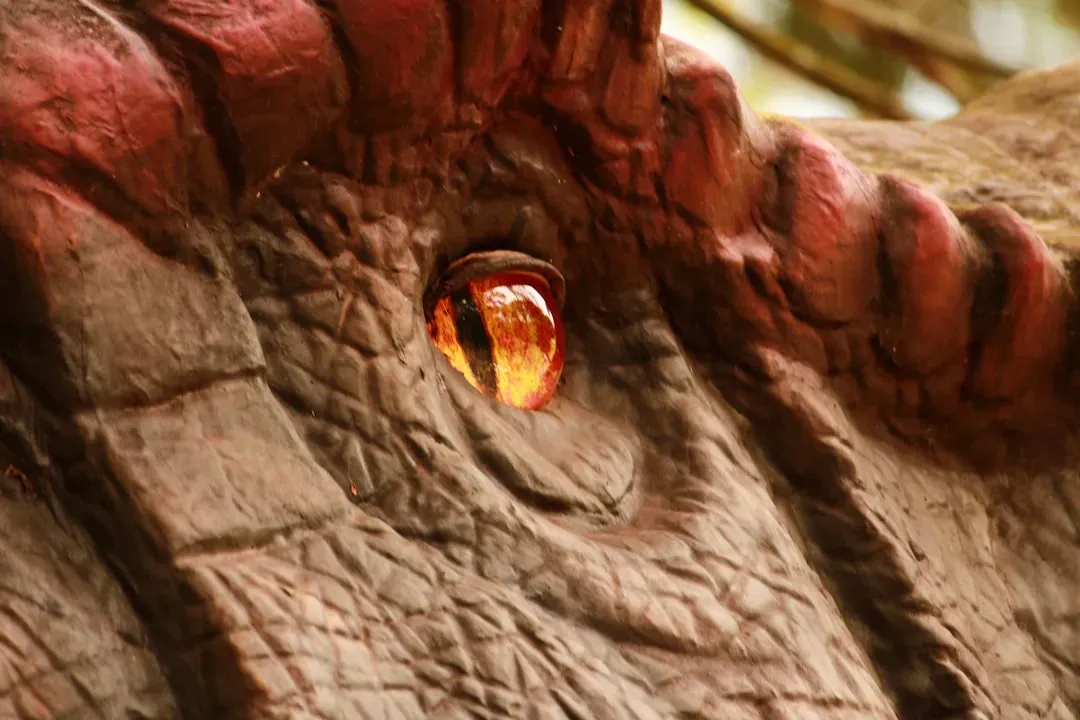
An entire generation grew up believing T. Rex couldn’t see you if you stood perfectly still. Skull measurements tell a completely different story: T. Rex had some of the largest binocular vision fields of any dinosaur, giving it depth perception in the same league as modern hawks.
The brain backs this up. Scans show enlarged optic lobes built for tracking movement from long distances. This wasn’t a bumbling predator squinting through the fog. It was a precision ambush hunter with eyesight sharp enough to spot a meal well before that meal noticed it was being watched.
At a Glance
- Tyrannosaurus had a binocular range of 55 degrees, surpassing that of modern hawks
- Stevens estimated that Tyrannosaurus had 13 times the visual acuity of a human
- Stevens estimated a limiting far point… as far as 6 km (3.7 mi) away
- Eye sockets faced forward, a rare setup among large predatory dinosaurs
#4 – The Fully Scaly Reptile Skin Is Probably a Myth
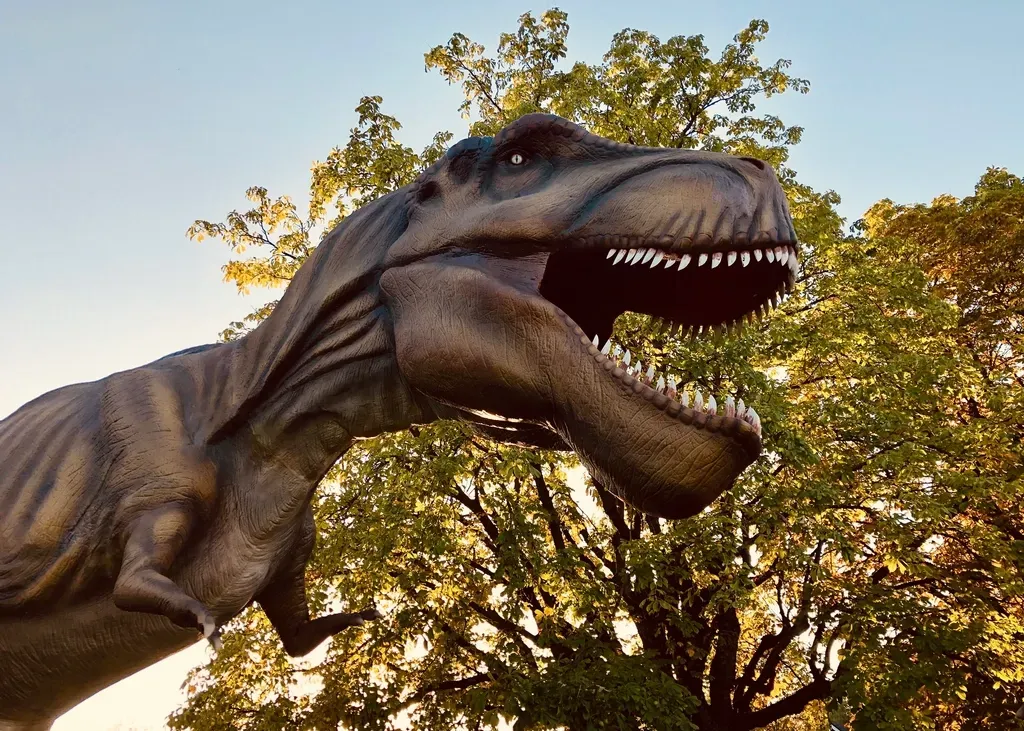
Direct feather impressions on actual T. Rex fossils are still rare, so this one carries some genuine uncertainty. But closely related tyrannosauroids like Yutyrannus show clear filamentous feathers, and that’s shifted the scientific consensus considerably.
Many researchers now think T. Rex, at least as a fuzzy juvenile, carried some kind of proto-feather or bristle covering for insulation, possibly keeping patches into adulthood for display or temperature regulation. The fully scaly, reptilian Hollywood skin might be more artistic tradition than biological accuracy. It’s a strange image to sit with: a downy baby tyrant king.
#5 – Those Permanently Bared, Dripping Teeth? Covered in Lips
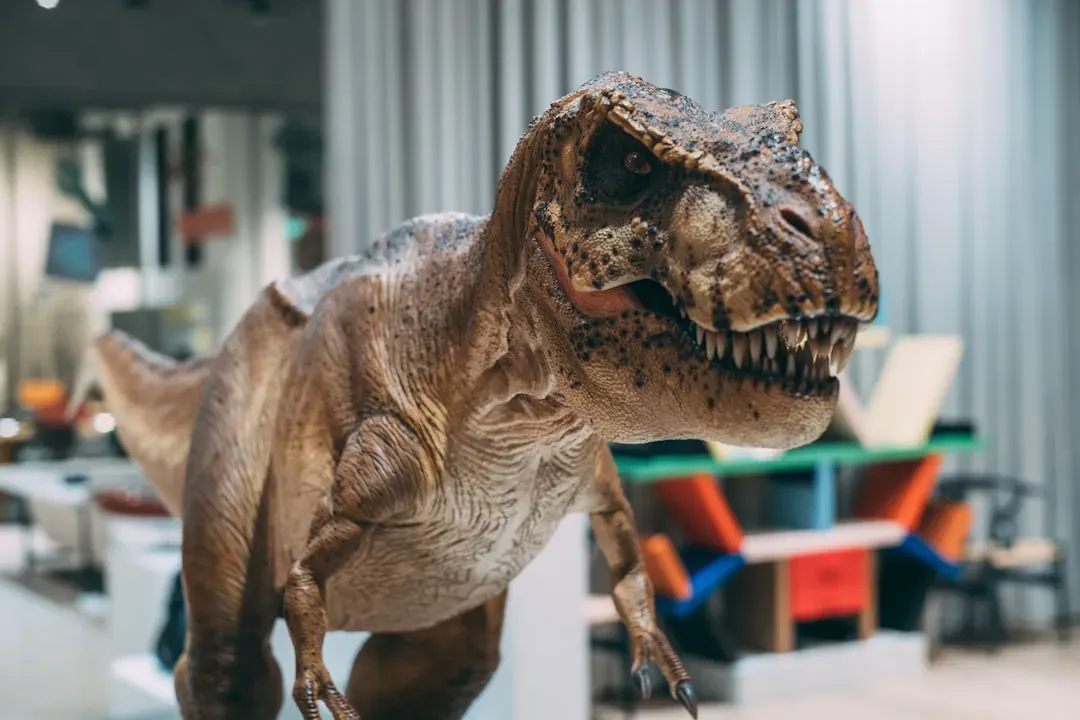
Every T. Rex illustration shows a mouthful of exposed, banana-sized teeth jutting out even with the jaw shut. Tooth wear patterns and jaw anatomy suggest that’s simply wrong. At rest, those teeth were likely tucked behind fleshy lips, similar to what you’d see on a modern Komodo dragon or crocodilian.
This wasn’t cosmetic. Exposed enamel dries out and cracks in open air, and a predator that depended on its teeth for survival couldn’t afford that kind of damage. Picture a resting T. Rex with its mouth completely closed, no teeth showing at all. It’s a genuinely different face than the one burned into pop culture.
#6 – The Cheetah-Speed Sprinter That Couldn’t Actually Sprint
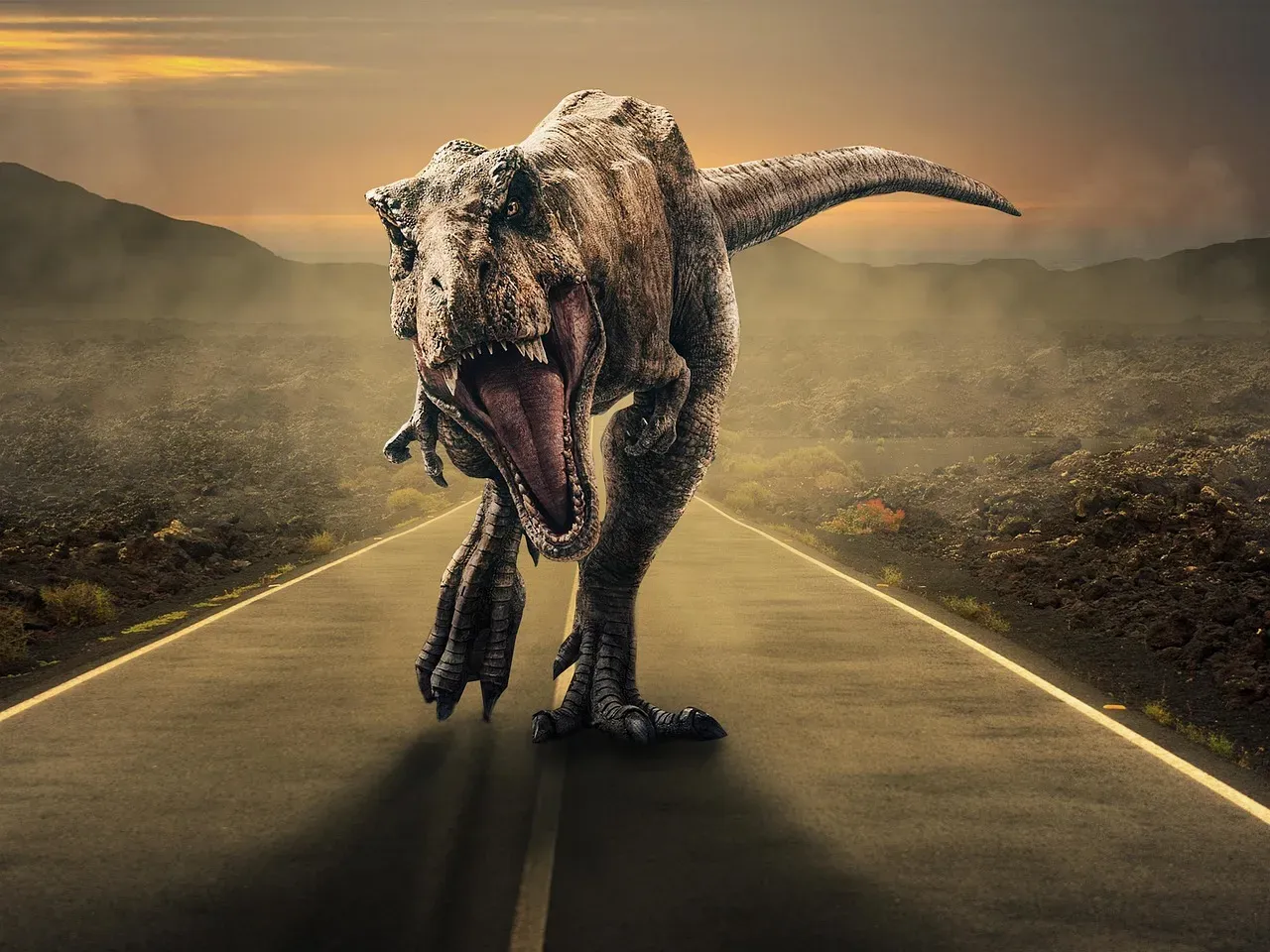
Older estimates once clocked T. Rex at speeds up to 45 miles per hour, fast enough to outrun a jeep on a jungle road. Updated limb proportion and body mass calculations have crushed that number down to somewhere between 12 and 25 miles per hour.
At that size, a fast turn or a stumble wasn’t a minor inconvenience, it was potentially fatal. So instead of relying on raw speed, T. Rex almost certainly leaned on ambush tactics and endurance. No cheetah of the Cretaceous here, just a patient, calculating predator that didn’t need to outrun anything.
Quick Compare
- T. Rex (updated estimate): 12-25 mph
- Human top sprint speed: roughly 28 mph
- African elephant at full charge: roughly 25 mph
- Old Hollywood myth: 45 mph, now considered debunked
#7 – The “Walnut Brain” That Was Actually Wired Like a Bloodhound
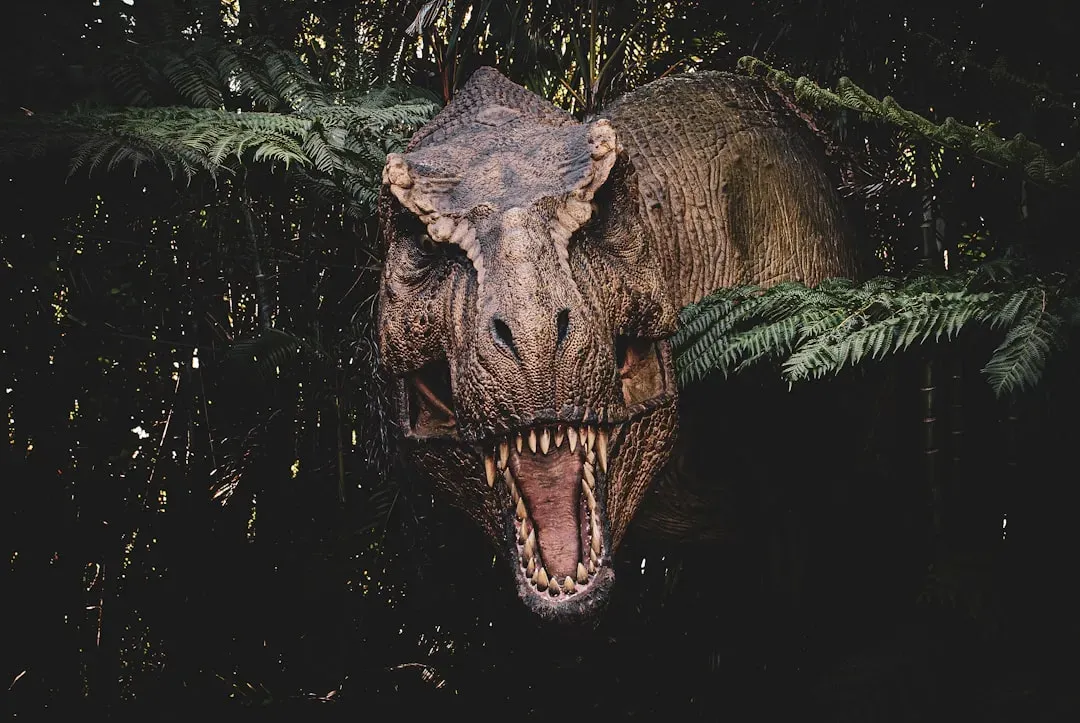
CT scans of multiple T. Rex skulls reveal a brain that’s surprisingly large and, more importantly, sharply specialized. The olfactory bulbs, responsible for smell, are massively expanded, and the hearing centers are tuned specifically to low-frequency sound.
Put those together and you get a predator that could detect prey or rivals from great distances through scent alone, or feel out a rumbling call long before anything came into view. This sensory package points toward genuine problem-solving ability, not blind instinct. The old “dumb lizard” stereotype simply doesn’t survive contact with the neurology.
#8 – The Barren, Volcano-Choked Wasteland That Was Actually a Lush Forest
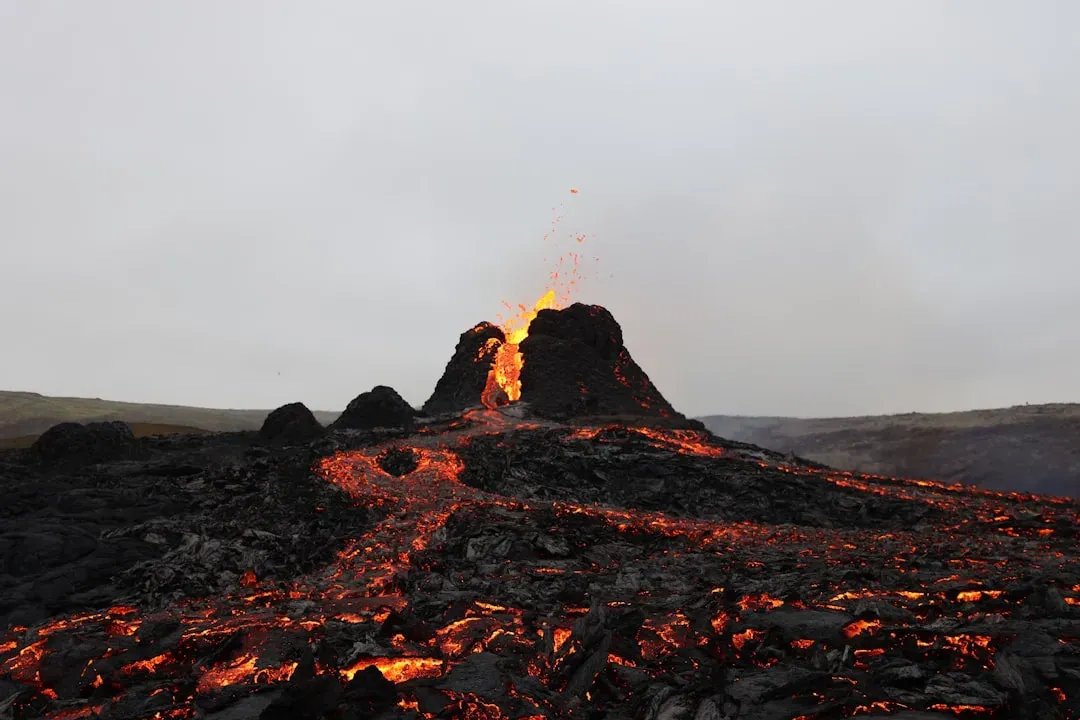
Movies love placing T. Rex on scorched, volcanic plains under an ash-red sky. The Hell Creek Formation, where most T. Rex fossils actually turn up, tells a very different story: a semi-tropical woodland full of flowering plants and shifting seasonal temperatures.
Volcanic activity existed in the broader region, but it didn’t dominate the landscape the way the movies suggest. Flowering angiosperms created a rich, layered habitat rather than a palm-tree savanna. This wasn’t a monster stalking through ash and lava. It was an apex predator moving through a genuinely complex, living forest ecosystem.
#9 – The Unrivaled King With Zero Competition
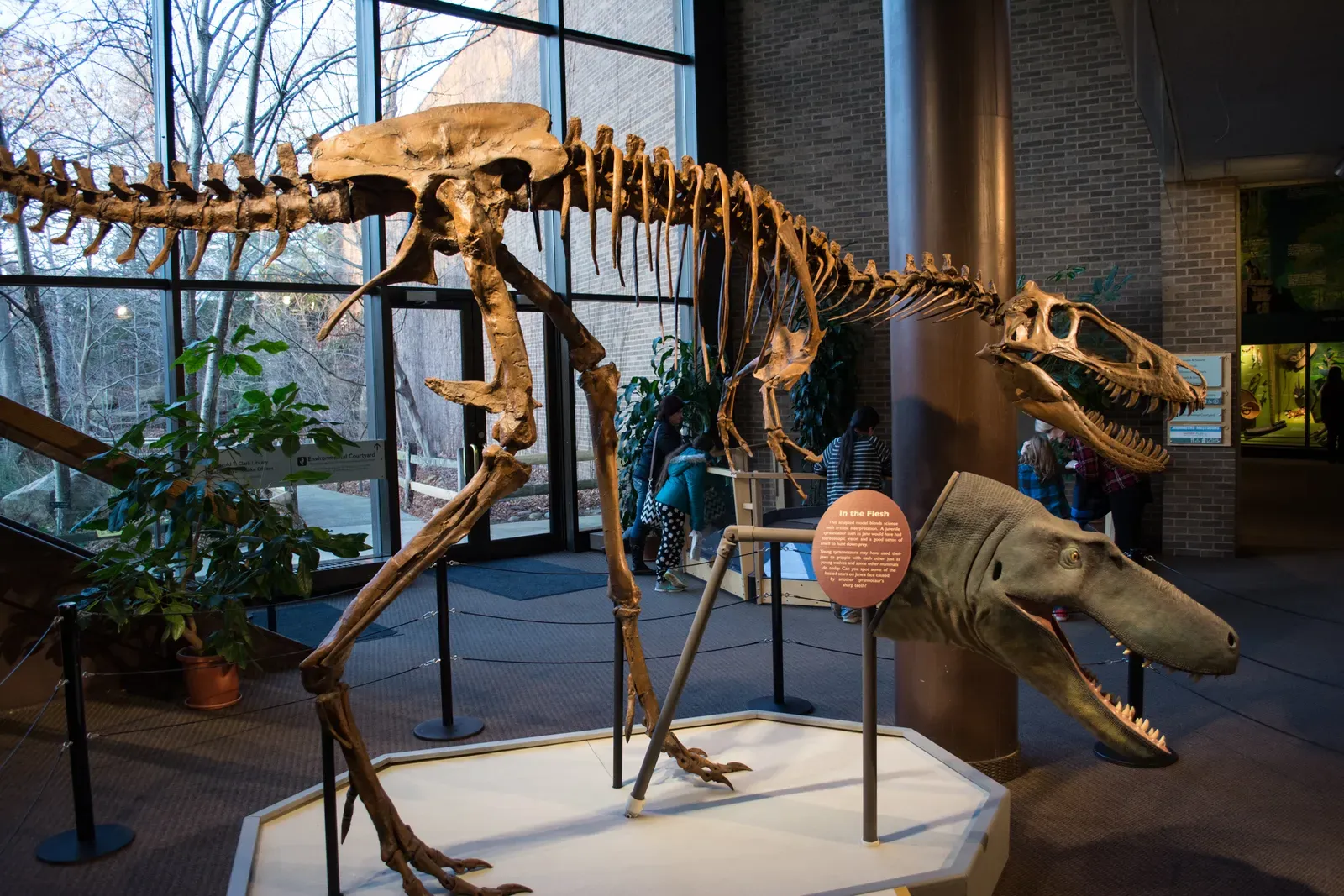
T. Rex gets remembered as the undisputed tyrant of its world, but it wasn’t hunting alone in an empty kingdom. Fossil sites show multiple tyrannosaur genera coexisting, sometimes overlapping in the same territory at different points in time.
Even more interesting is Nanotyrannus, long dismissed as just a juvenile T. Rex, which growing evidence now suggests was actually its own smaller, distinct predator sharing the same ecosystem. The “king” title was never as absolute as the name implies. There was real competition out there, just not the kind that made it into the movies.
Worth Knowing
- Nanotyrannus was long treated as a juvenile T. Rex, but a growing body of evidence suggests it may have been its own smaller, distinct species
- Other large predators, including Daspletosaurus and Albertosaurus, roamed North America at different points in the Late Cretaceous
- Tarbosaurus, a close relative on the other side of the world in Asia, filled a nearly identical apex-predator role
- Overlapping fossil sites hint at real territorial competition, not an empty kingdom ruled by one animal
#10 – The Dinosaur That Supposedly Grew Up in Two Decades
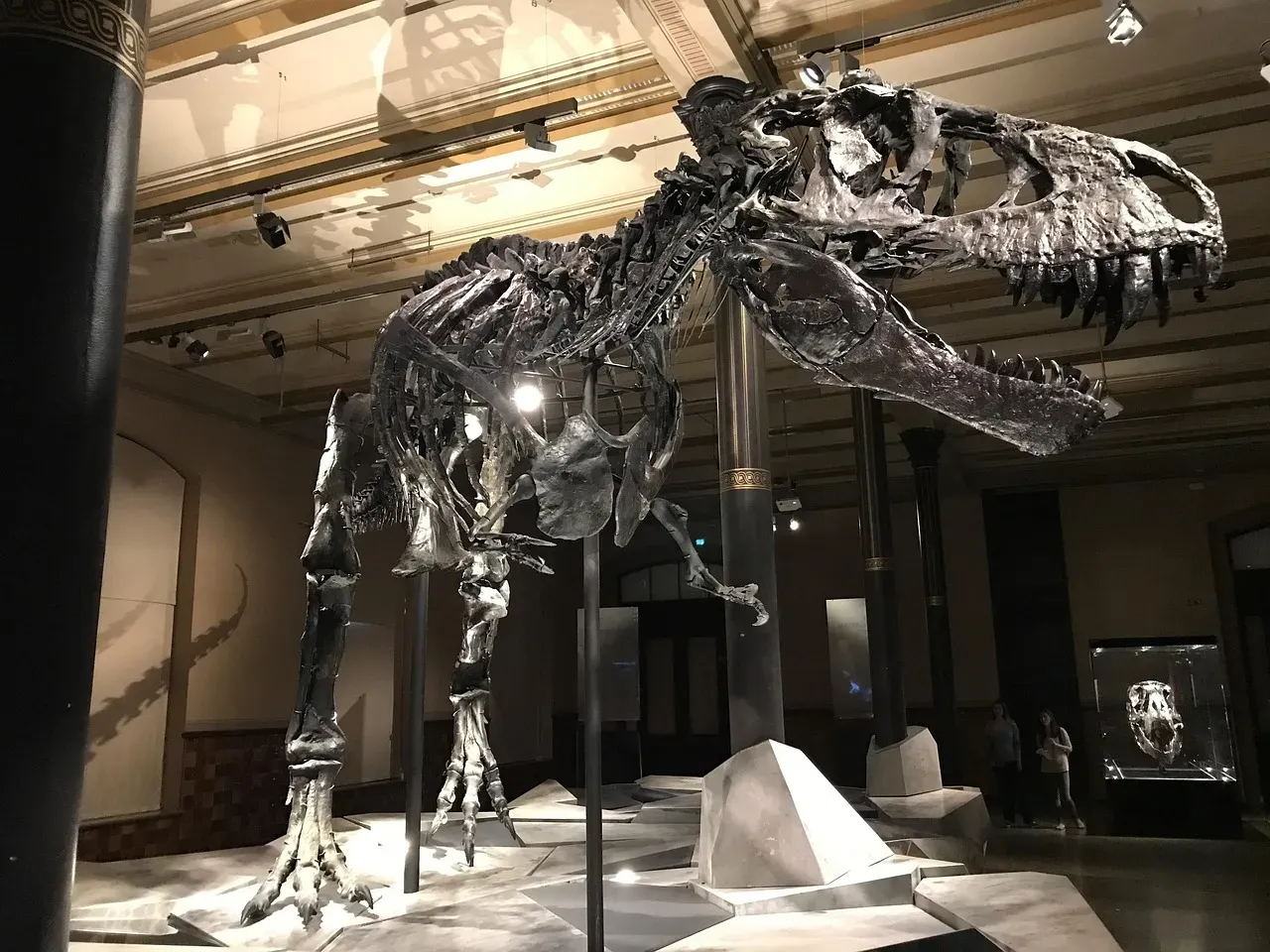
Earlier studies of growth rings in bone tissue suggested T. Rex reached full adult size around age 20. Expanded sampling across 17 specimens has pushed that timeline out considerably, with some research now suggesting these animals kept growing until roughly age 40.
That changes a lot. Many of the most famous “adult” T. Rex fossils in museums may actually represent sub-adults that were still packing on mass when they died. It also raises an uncomfortable question for paleontologists: how many specimens currently labeled T. Rex might actually belong to closely related species at different growth stages?
#11 – The Mindless Killing Machine With Nothing Going On Upstairs
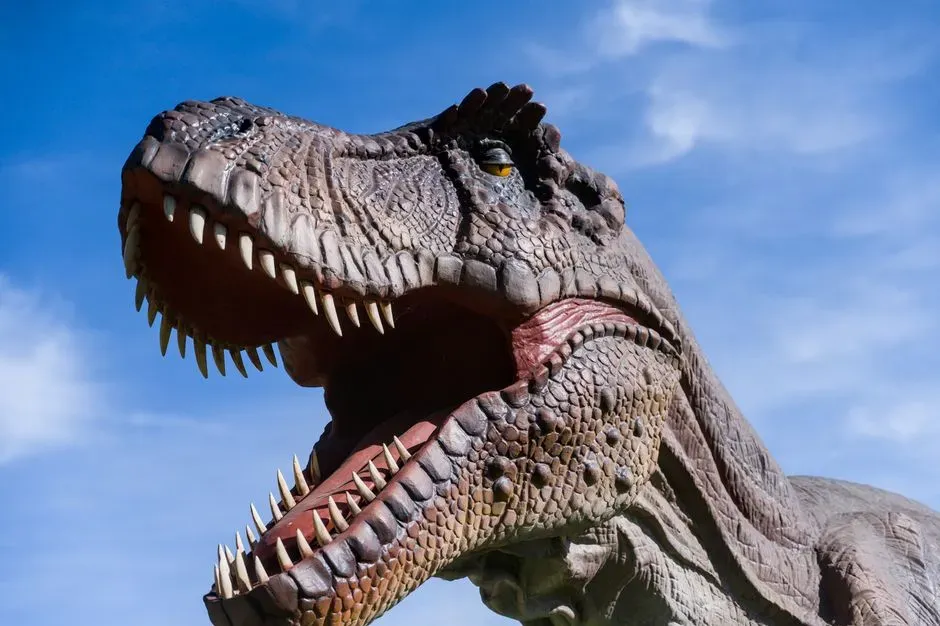
Yes, the bite force is real, and it’s brutal. Estimates put it around 12,000 pounds per square inch, enough to crush bone like a hydraulic press. But the skull isn’t just built for raw destruction, it also shows adaptations for precise sensory processing.
Combine that low-frequency hearing and powerful sense of smell with a multi-decade growth period and hints of social behavior, and you get something far more layered than a simple bone-crushing machine. The final picture emerging from the fossil record isn’t a mindless monster at all. It’s an intelligent, sensory-rich predator whose real biology outclasses every stereotype we handed it.
Fast Facts
- T. Rex bite force: commonly cited around 8,000 to 12,000+ psi, among the strongest ever estimated for a land animal
- The highest reading, 3,700 PSI, was registered by a 17-foot saltwater croc, the strongest bite of any living animal
- Spotted hyenas average an even 1,000 psi
- The average human bite force comes in at 162 psi
The Bottom Line
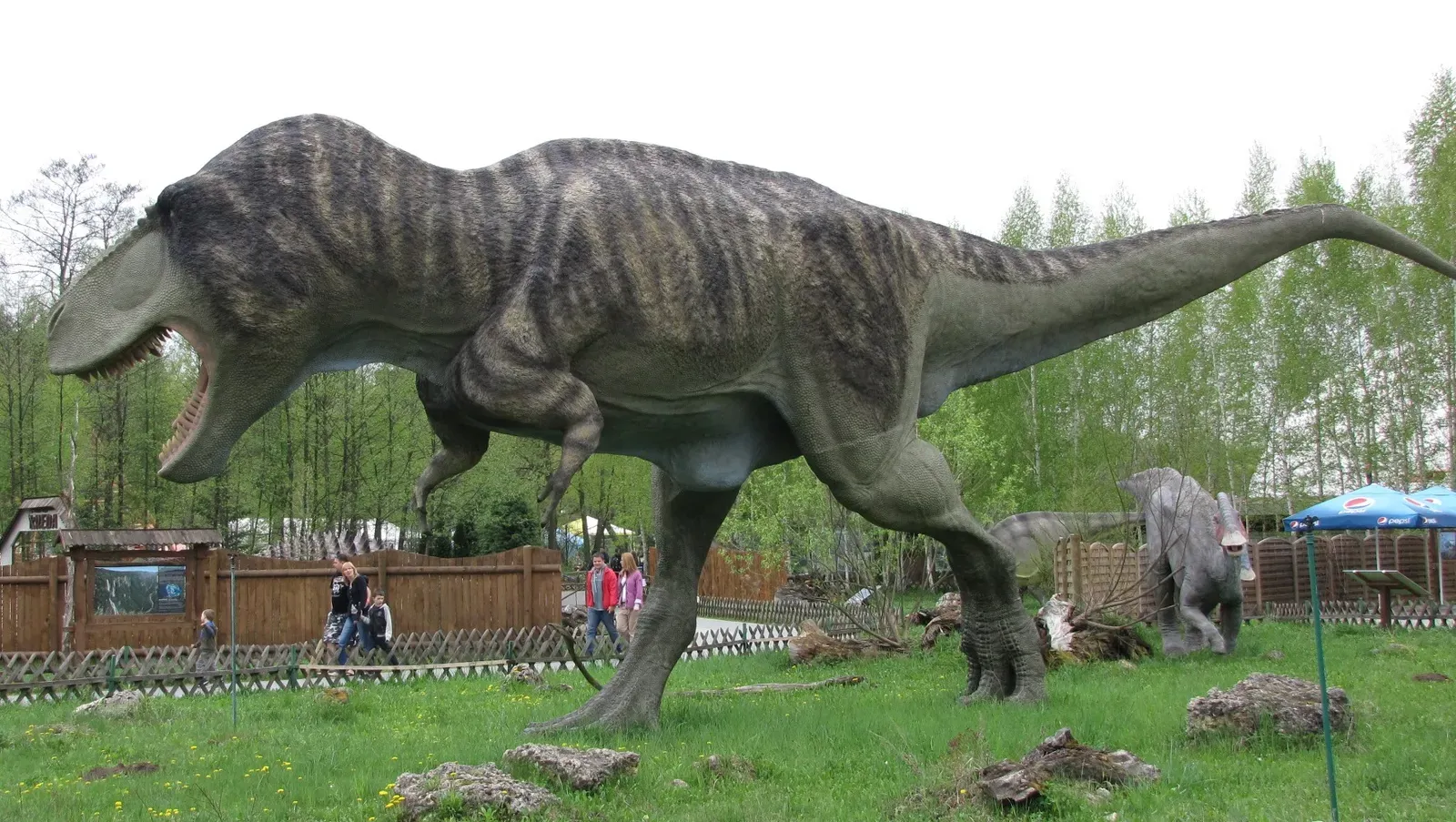
Strip away the movie posters and museum myths, and what’s left is honestly more unsettling than the monster we grew up with. This wasn’t a lumbering, nearsighted reptile dragging its tail through the ash. It was a horizontal, possibly feathered, lip-mouthed predator with hawk-like eyesight, a bloodhound’s nose, and arms that were quietly stronger than they had any right to be.
If you ask me, the real T. Rex is the better story. A dumb monster is just scary. A patient, sharp-eyed, slow-maturing predator that could smell you coming from a mile away is something closer to nightmare fuel, and it actually existed. The 1990s got almost every detail backwards, and honestly, the truth deserved better marketing.