When people picture the age of dinosaurs, they usually imagine a lush green world where giant reptiles roamed with ease. But the truth is far harsher. Many parts of prehistoric Earth were so brutal that even dinosaurs – the ultimate survivors for more than one hundred and fifty million years – struggled just to hang on.
Some regions were scorched by supervolcanoes, others were drowned beneath toxic seas, and a few swung wildly between freezing darkness and blazing light. In these places, survival was less about being the biggest predator and more about enduring a planet that seemed dead set on wiping everything out. Let’s walk through seven of the most extreme environments ancient Earth ever produced, and why even dinosaurs would have looked around and thought, “This is getting out of hand.”
1. The Superheated Volcanic Plains of the Deccan Traps
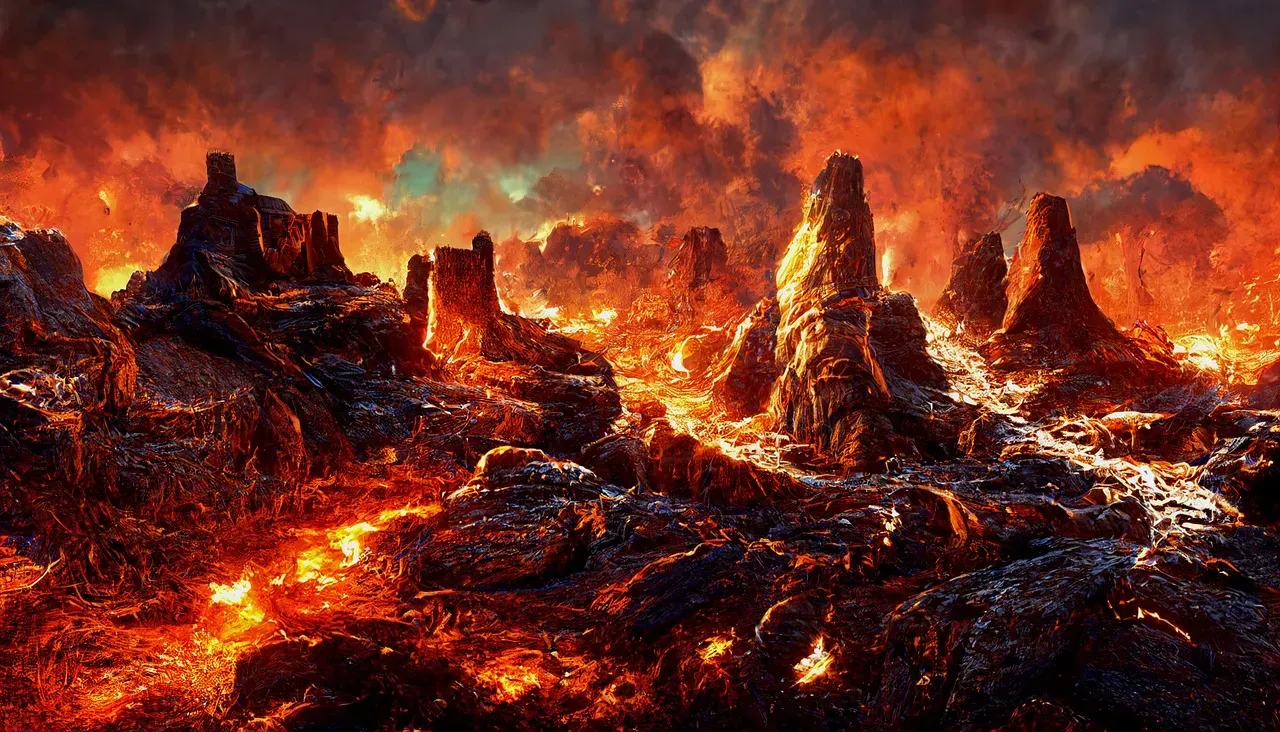
Imagine living on a continent that is literally cracking open beneath your feet and bleeding lava for tens of thousands of years. That is what the Deccan Traps in what is now India were like near the very end of the Cretaceous: a massive volcanic province erupting in repeated pulses, covering huge areas with fresh basalt and pumping enormous amounts of gas into the atmosphere. For dinosaurs unlucky enough to be nearby, it would have meant searing heat, choking ash, and landscapes that could go from forest to lava field in the span of a lifetime.
The real killer, though, was not just the lava – it was the climate chaos those eruptions triggered. Volcanic gases like sulfur dioxide can cool the planet by reflecting sunlight, while carbon dioxide can warm it over longer timescales, meaning ecosystems were probably hit by sharp swings between cooler and hotter conditions. Forests would die back, food chains would break, and even large, adaptable dinosaurs would be forced to migrate or perish. It was less a single catastrophe and more a grinding environmental assault, the kind of drawn‑out stress that pushes even dominant groups toward the edge.
2. The Hypoxic High Seas of the Late Cretaceous
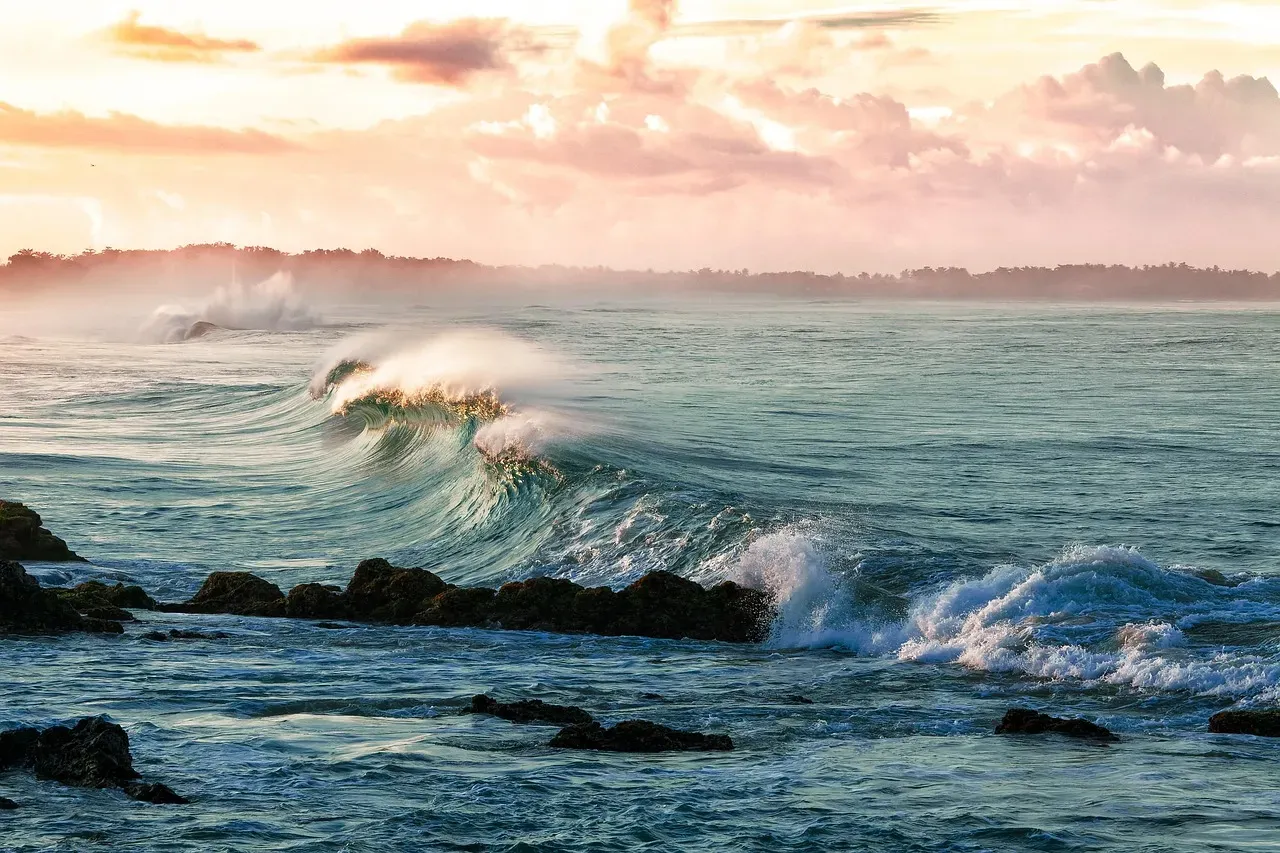
We tend to romanticize ancient seas as crystal blue and teeming with life, but some parts of the Late Cretaceous oceans were closer to a slow‑motion suffocation chamber. Periods of oceanic anoxia – when deep waters become starved of oxygen – turned large swaths of the seafloor into dead zones coated in black, organic‑rich mud. That kind of environment does not just threaten fish and marine reptiles; it reshapes entire marine ecosystems from plankton all the way up the food chain.
Dinosaurs themselves were mostly land‑dwellers, but coastal and near‑shore regions where many species lived and nested were tightly linked to the health of the seas. When oceans turned hypoxic, key food sources like fish, ammonites, and other invertebrates crashed. Seabird‑like dinosaurs and shoreline hunters would face dwindling prey, toxic algal blooms, and unstable climates driven by changes in carbon cycling. Even inland, changing ocean chemistry could influence weather patterns, rainfall, and plant communities, making survival in these coastal realms far more challenging than a peaceful fossil beach might suggest.
3. The Polar Darkness of Cretaceous High Latitudes
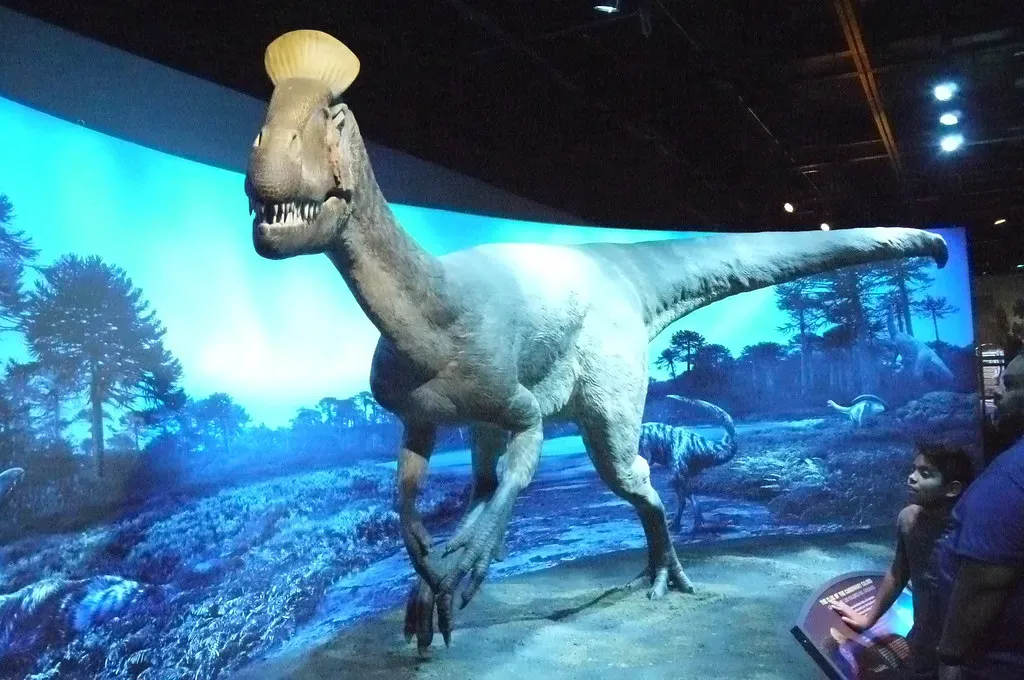
One of the most surprising discoveries of the last few decades is that some dinosaurs lived within ancient polar circles, especially in what is now Alaska and Antarctica. These regions were warmer than today, but they were still polar, which means months of winter darkness every year. Picture a dense, conifer‑rich forest where the sun simply stops rising for long stretches, temperatures drop, and food becomes scarcer by the week. That is a brutal setting for cold‑blooded animals – which is one reason many scientists now think dinosaurs had at least some degree of warm‑blooded or high‑metabolism physiology.
Even if they were more warm‑blooded than reptiles today, the polar environment would still push them to their limits. Herbivorous dinosaurs had to cope with seasonal booms and busts in vegetation, probably fattening up during the long summer days and enduring lean winters on tougher plant material or stored energy. Predators in turn had to track migrating herds, scavenge more aggressively, or slow their own activity. It is easy to imagine these ecosystems feeling like a constant gamble: if the winter was a little too long, or the summer growth a little too weak, entire populations could fail. Survival here meant more than just sharp teeth; it meant incredible resilience to darkness and scarcity.
4. The Drought‑Stricken Interiors of Pangaea
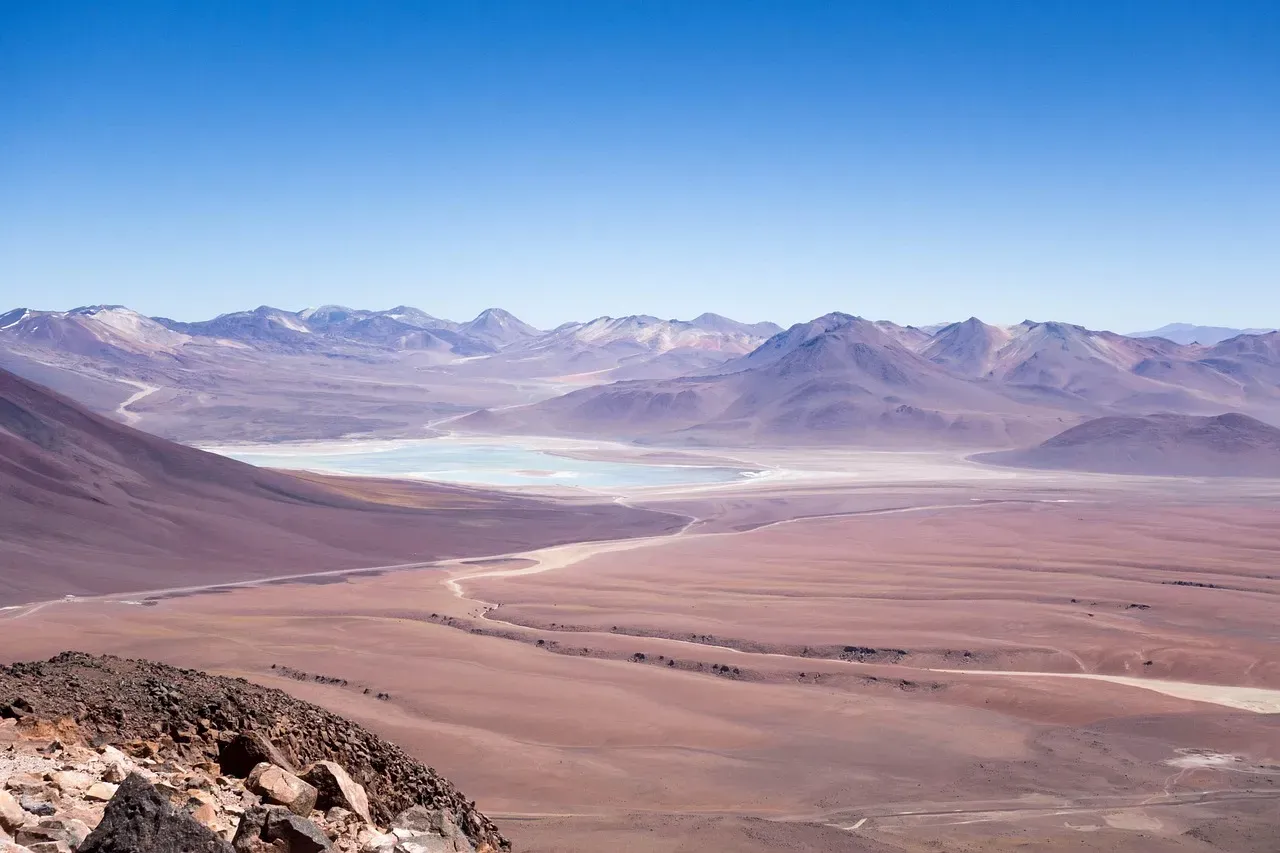
During the Late Triassic and Early Jurassic, before the world split into the continents we know, much of Earth’s land was fused into the supercontinent Pangaea. In the vast interior of this mega‑landmass, far from the moderating influence of the oceans, climates could be brutally seasonal: scorching, dry summers followed by cooler, sometimes stormy periods. Think of a continental interior that behaved like a super‑sized desert‑savanna hybrid, with long stretches of drought capable of wiping out rivers, shrinking lakes, and turning lush floodplains into dusty pans.
For early dinosaurs, which were still competing with mammal‑like reptiles and other archosaurs, this kind of stress made life precarious. Herbivores might survive one or two brutal dry seasons, but repeated failed wet seasons could decimate herds and collapse entire food webs. Carnivores would then face starvation and be forced into migration, conflict, or cannibalism. Fossil evidence of bone beds and sudden faunal turnovers hints that some regions cycled between relatively habitable and nearly unlivable, like a planetary stress test that only the most flexible species passed over the long term.
5. The Poisoned Skies After the Chicxulub Impact
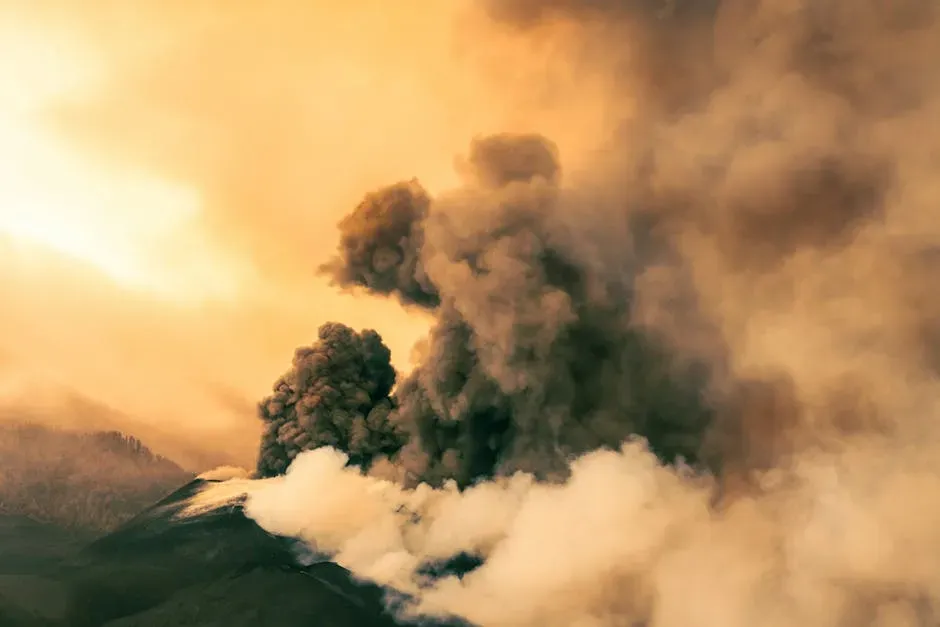
The aftermath of the asteroid that struck near modern‑day Yucatán about sixty‑six million years ago is probably the most infamous environmental shock in Earth’s history. Beyond the immediate blast, wildfires, and shockwaves, the real horror show was atmospheric. Fine dust, soot, and aerosols lofted high into the stratosphere likely dimmed the sun for months or even years. In practical terms, that meant photosynthesis nearly stalling across much of the world, temperatures dropping, and food chains collapsing from the bottom up.
For dinosaurs, which ruled the large‑body niches on land, this was about as close to an unwinnable scenario as you can get. Even if some individuals survived the initial impact zone and fires, they walked out into a world where plants withered, seeds failed, and herbivores slowly starved. Carnivores might get a short‑term boost from carrion, but once the carcasses were gone, so was their food supply. The fact that birds – small, adaptable, often seed‑eating or omnivorous dinosaurs – squeaked through while their giant relatives vanished is a stark reminder that when the skies turn toxic, size and power are not advantages anymore. Flexibility is.
6. The Sweltering Greenhouse of the Early Eocene (Post‑Dinosaur Echo)
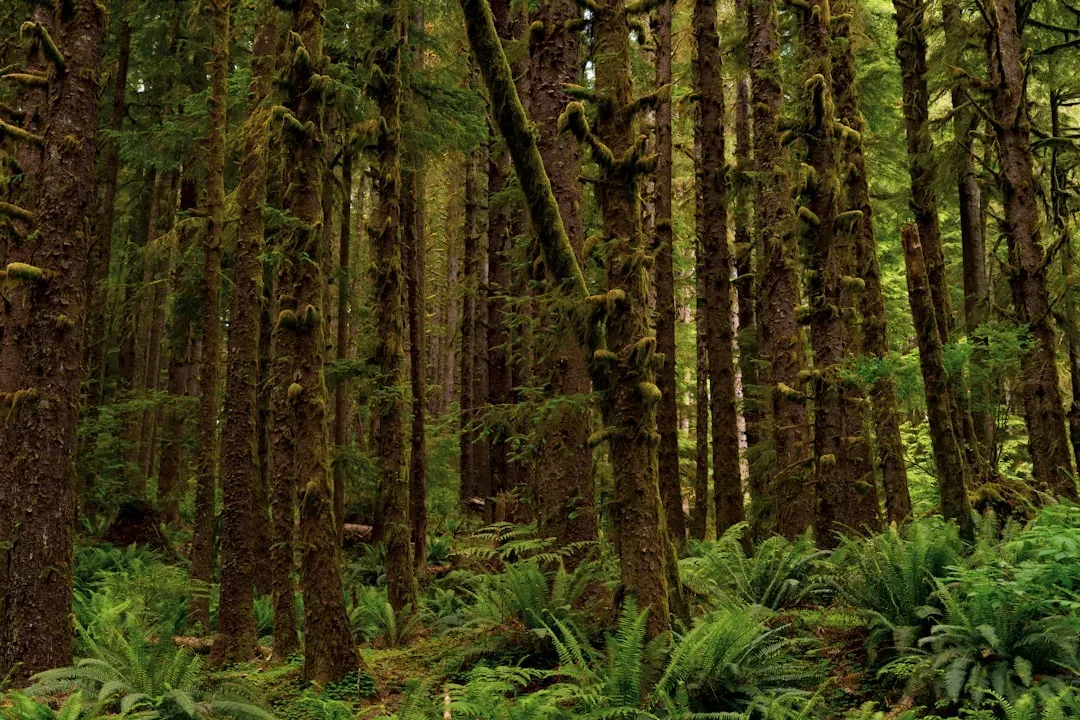
Strictly speaking, non‑avian dinosaurs were gone by the time the Early Eocene greenhouse climate kicked in about ten million years later, but it is worth asking whether they could have handled it. This was a time when Earth’s temperatures were so high that even the Arctic region hosted lush forests and crocodile‑like animals. The planet was humid, stormy, and loaded with carbon dioxide, a kind of global sauna that reshaped where plants and animals could live. It is the sort of climate shift that many of today’s species would struggle with, and dinosaurs, if still around, would not have had a free pass.
Large animals struggle to dump excess heat, and many big dinosaurs already lived close to thermal limits in warmer regions. Under an Eocene‑style greenhouse, their favored habitats might shrink to higher latitudes or elevated areas, forcing huge migrations and intense competition. Plants would change, too, with some lineages thriving and others dying back under the new conditions. In a sense, this imagined scenario highlights a bigger truth: even apex groups like dinosaurs are ultimately at the mercy of climate. If the world tips too far toward hot and humid for too long, evolutionary success starts to look less like dominance and more like a countdown clock.
On a personal note, when I look at reconstructions of the Eocene world, it feels uncomfortably like a warning label for our own future. It is not hard to imagine towering herbivores trying to navigate swampy, overheated lowlands, constantly flirting with heat stress. Would they adapt in time, or would they end up like so many other lineages: impressive on paper, but gone in the blink of geological time?
7. The Acidified Oceans and Heavy‑Metal Hotspots Around Undersea Volcanoes
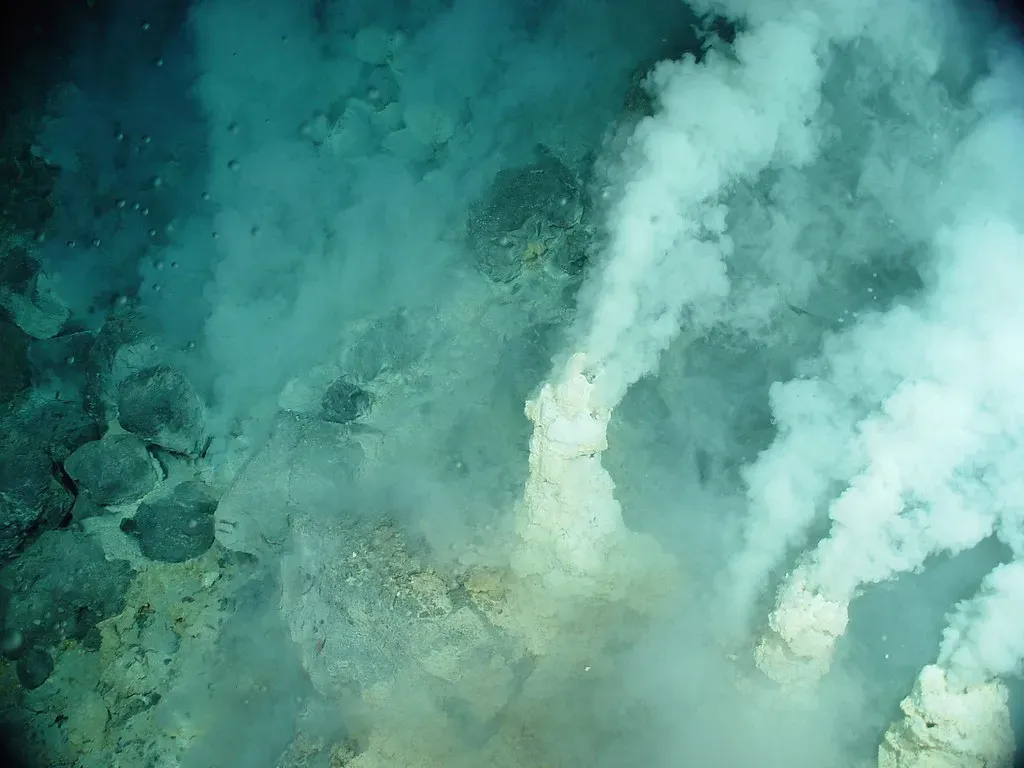
Not all extreme environments were on land or at the surface. Undersea volcanic activity, hydrothermal vents, and large igneous provinces that erupted beneath shallow seas created local environments that were nightmarish even by prehistoric standards. These regions could be rich in metals and minerals but also highly acidic, hot, and loaded with toxic compounds. While some specialized microbes and invertebrates thrived there, many larger organisms were effectively shut out or could only skirt the edges.
Dinosaurs would not have been swimming around these deep or near‑vent environments, but their worlds were still affected. Coastal regions near intense undersea volcanism could experience episodes of water acidification and poisoning, hitting fish populations and other marine life that shoreline dinosaurs depended on indirectly. Eggs laid too close to contaminated coasts, young dinosaurs relying on fish‑rich estuaries, or communities built around stable marine resources could all find themselves suddenly stranded by invisible chemical changes. It is a reminder that some of the harshest threats to life do not roar or explode; they seep in quietly, molecule by molecule.
Conclusion: Dinosaurs Ruled a Dangerous World, Not a Gentle Paradise
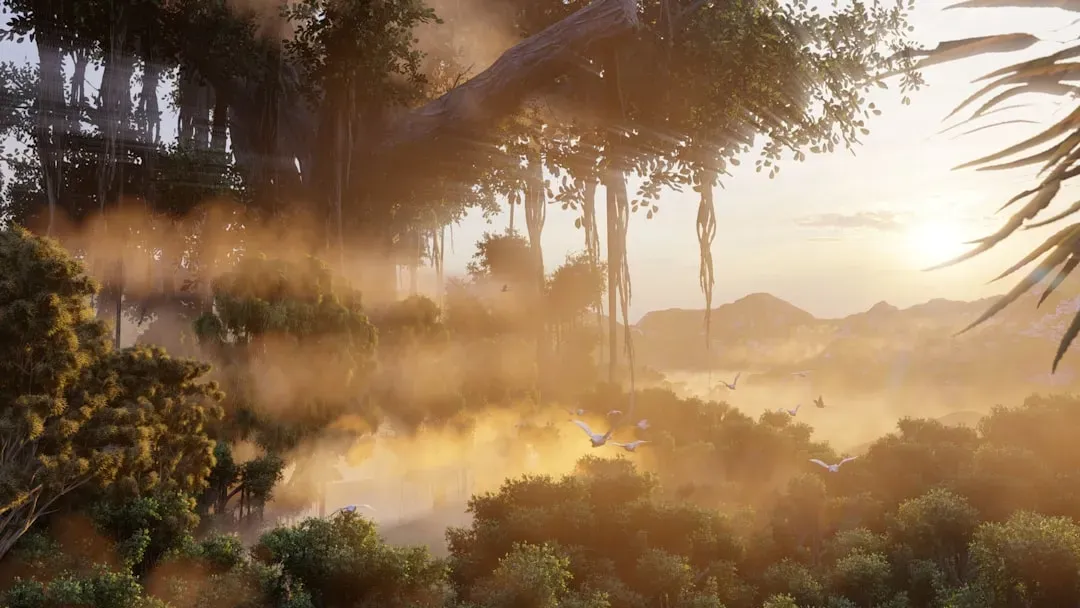
When you stack these environments side by side – volcanic hellscapes, suffocating seas, polar nights, poisoned skies, greenhouse swamps, and toxic coasts – the age of dinosaurs stops looking like a lost Eden and starts looking more like a very long, very creative stress test. Dinosaurs were astonishingly successful, but they were not invincible superheroes gliding through a stable, friendly world. Time and again, Earth threw environmental curveballs at them, and time and again only some lineages made it through. Their story is not just about dominance; it is about constant negotiation with a planet that never stopped changing the rules.
My own opinion is that we tend to underestimate just how close to the edge even mighty creatures can live. Dinosaurs teach a humbling lesson: being big, strong, and widespread still does not guarantee a happy ending when climate, oceans, and skies shift too far, too fast. In a way, their struggles in these extreme prehistoric environments mirror our own worries about rapid environmental change today. If a world‑spanning dynasty like theirs could be undone by planetary upheaval, maybe the real question is not whether Earth is fragile – but whether we are. What would you have guessed: that the dinosaurs lived in a gentle green world, or in one that was trying to shake them off almost the entire time?