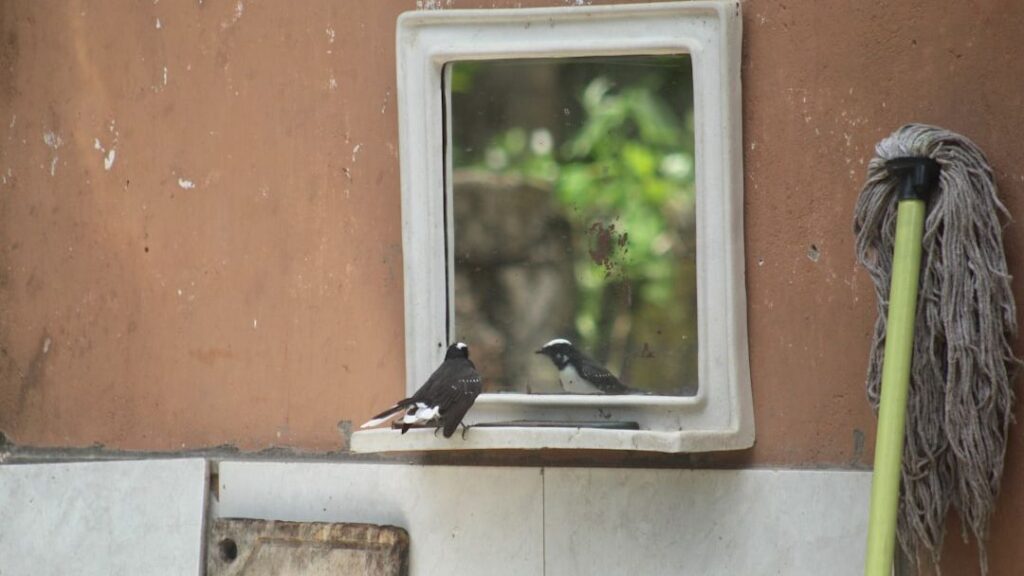
Imagine looking in a mirror one morning and suddenly realizing the creature staring back is you. For humans, that moment usually happens in early childhood and feels completely normal in adulthood. For a magpie, though, that realization is nothing short of extraordinary. When a bird with a brain the size of a walnut starts inspecting a strange mark on its own body after seeing it in a mirror, it’s stepping into a cognitive club so exclusive that only a handful of species have ever been shown to do it.
This is where psychology, neuroscience, and a bit of wonder all collide. The mirror test might sound like a quirky lab trick, but it taps into something deep: the ability to recognize oneself as an individual, distinct from the rest of the world. And here’s the twist that keeps scientists arguing and the rest of us fascinated: three of the species that seem to pass this test have brains that are fundamentally unlike our own. So what does that say about consciousness, intelligence, and what it really means to be “self-aware”?
Why the Mirror Test Is Such a Big Deal
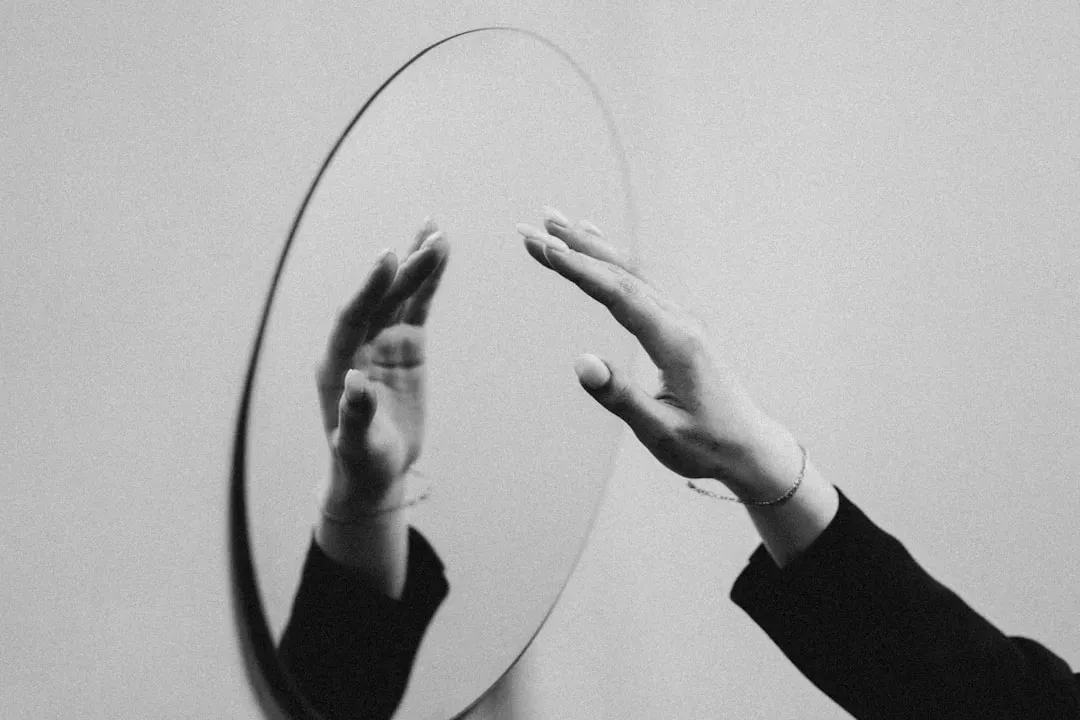
The mirror test, first proposed in the 1970s, is deceptively simple. An animal is given a mark on a part of its body it can’t see without a reflective surface, then given access to a mirror. If it uses the mirror to investigate or touch the mark on its body, researchers take that as evidence it recognizes the reflection as itself, not just another animal. On the surface, it sounds almost too easy, like a party trick you might try on your dog.
But think about what’s required under the hood. To pass, the animal has to link three things: the visual image in the mirror, the internal sense of its own body, and the understanding that changing its own movements changes what’s in the glass. That’s a layered, flexible kind of thinking. It suggests the animal can form a mental model of “me,” not just respond to raw sensory input. In psychological terms, that’s a huge step up from reacting to stimuli. It flirts with the territory of self-awareness, identity, and maybe even the faintest beginnings of introspection.
The Tiny-Brained Magpie That Crashed the Self-Awareness Club
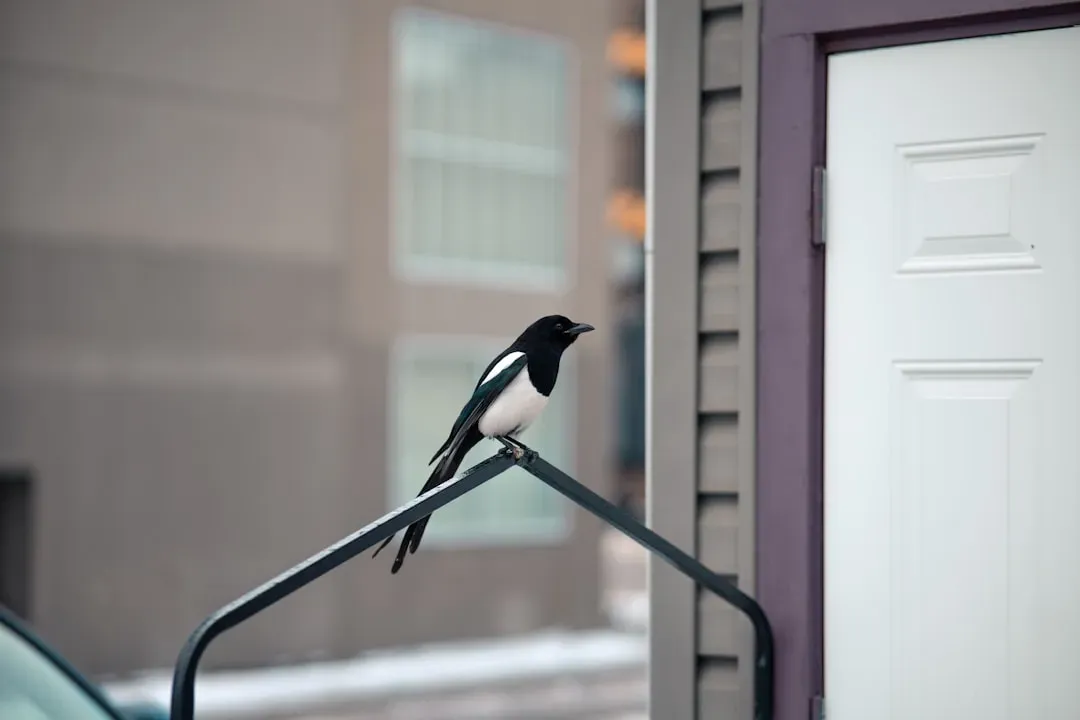
For years, the list of animals that seemed to pass the mirror test was short and very mammal-heavy: great apes, dolphins, and elephants were the usual stars. Then along came the magpie, a medium-sized bird often dismissed as a noisy garden thief, and quietly broke the pattern. In controlled experiments, some magpies tried to remove a colored mark from their own bodies after seeing it in a mirror, a behavior that strongly hinted they understood the reflection was of themselves.
The fact that a magpie can do this is not just a fun trivia bit; it punches a hole straight through the idea that complex self-recognition requires a big primate-style brain. Bird brains are organized differently, more compact and structured in clusters instead of the layered cortex humans have. Yet somehow, a magpie still seems able to build an internal sense of “this is my body” and then use a mirror as a tool to inspect it. It’s like discovering a tiny smartphone that can run the same app as a high-end computer, just built with an entirely different architecture.
Only a Handful of Species Have Ever Made the Cut
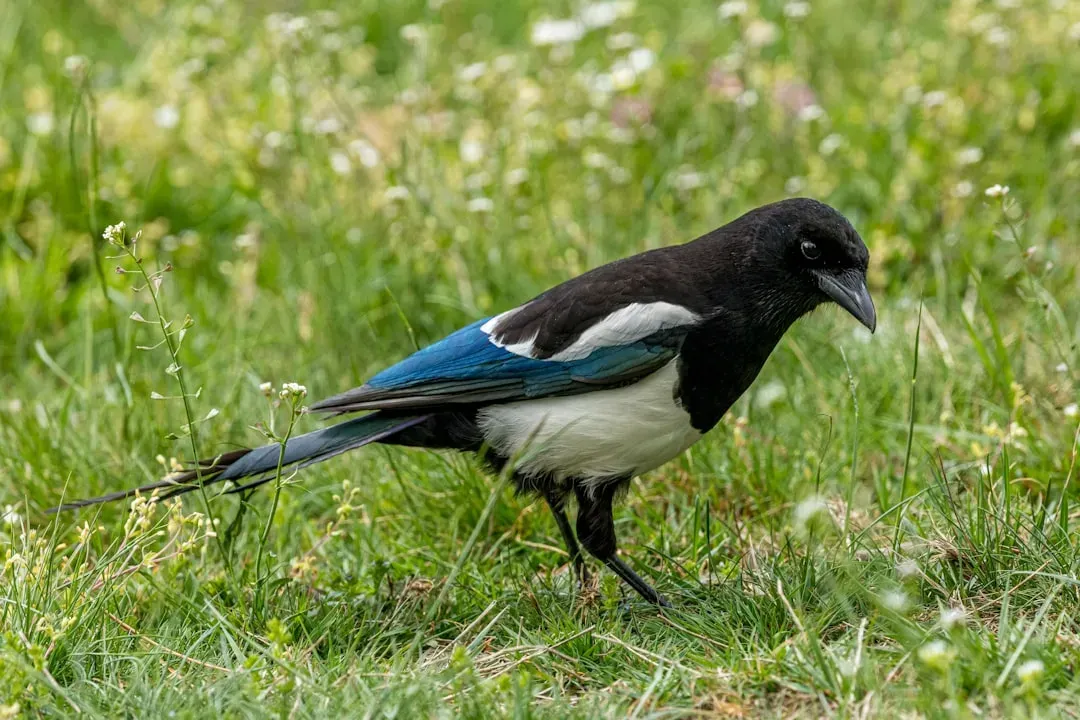
Despite decades of experiments, the list of species that appear to pass the mirror test is astonishingly short. Humans, great apes such as chimpanzees and orangutans, some dolphins, elephants, and a few corvids like magpies are usually mentioned as the main contenders. There are also intriguing, but more debated, reports about other animals occasionally showing mirror-related behaviors that might hint at self-recognition, though not everyone is convinced.
That tiny group stands out against the enormous backdrop of life on Earth. Out of the countless species we share the planet with, only a handful have shown this particular pattern of behavior under controlled conditions. The headline idea that “only five species on Earth can do this” reflects just how rare this specific ability seems to be, at least by the standards of our current tests. Whether that number grows with better methods and more patient observation remains an open question, but right now it underscores how unusual mirror-based self-recognition is in the animal kingdom.
Brains That Look Nothing Like Ours, Minds That Feel Strangely Familiar
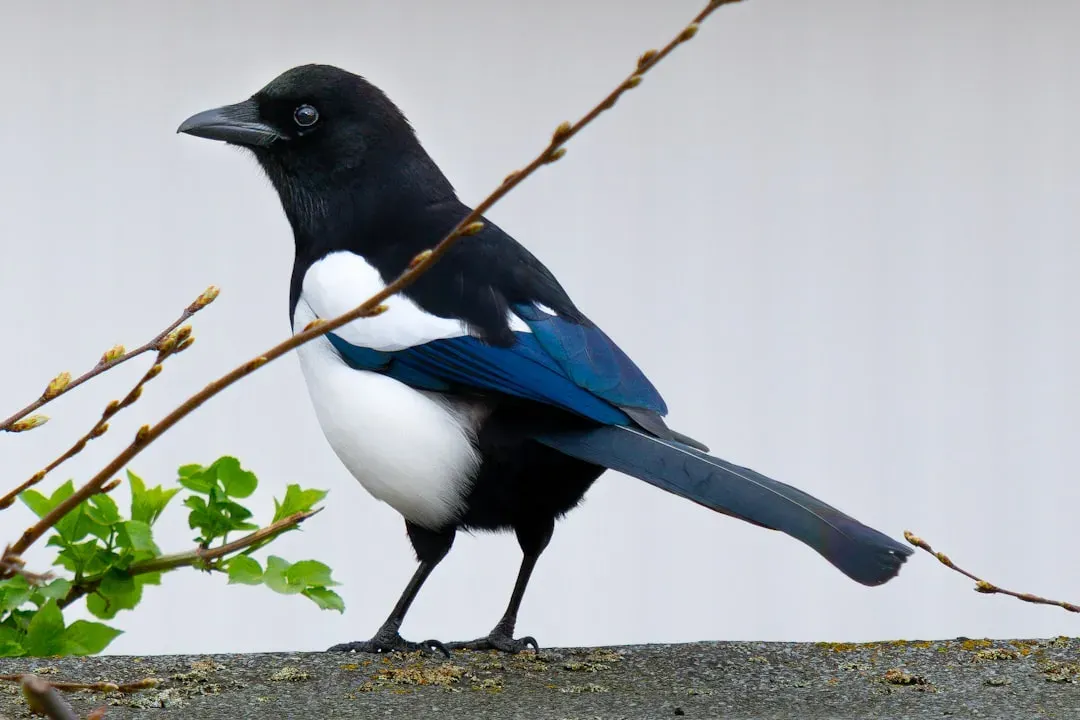
What really shakes up our assumptions is that not all mirror-test “winners” share the same kind of brain plan. Primates like us have a layered cerebral cortex, packed with specialized regions. Elephants and dolphins have their own mammalian twists on that design. But magpies and other corvids operate with a bird brain that lacks that classic cortex structure entirely, relying instead on dense clusters of neurons that evolved along a different path to support flexible cognition.
This suggests that something like self-recognition might not be tied to one biological blueprint. Evolution appears to have discovered multiple ways to build systems capable of complex, abstract processing. It’s a bit like different cultures independently inventing writing with entirely different scripts. The shapes and tools differ, but the underlying function is surprisingly similar. That alone should make us a little more humble about assuming our kind of brain is the only path to rich inner experience.
Does Passing the Mirror Test Really Mean Being Self-Aware?
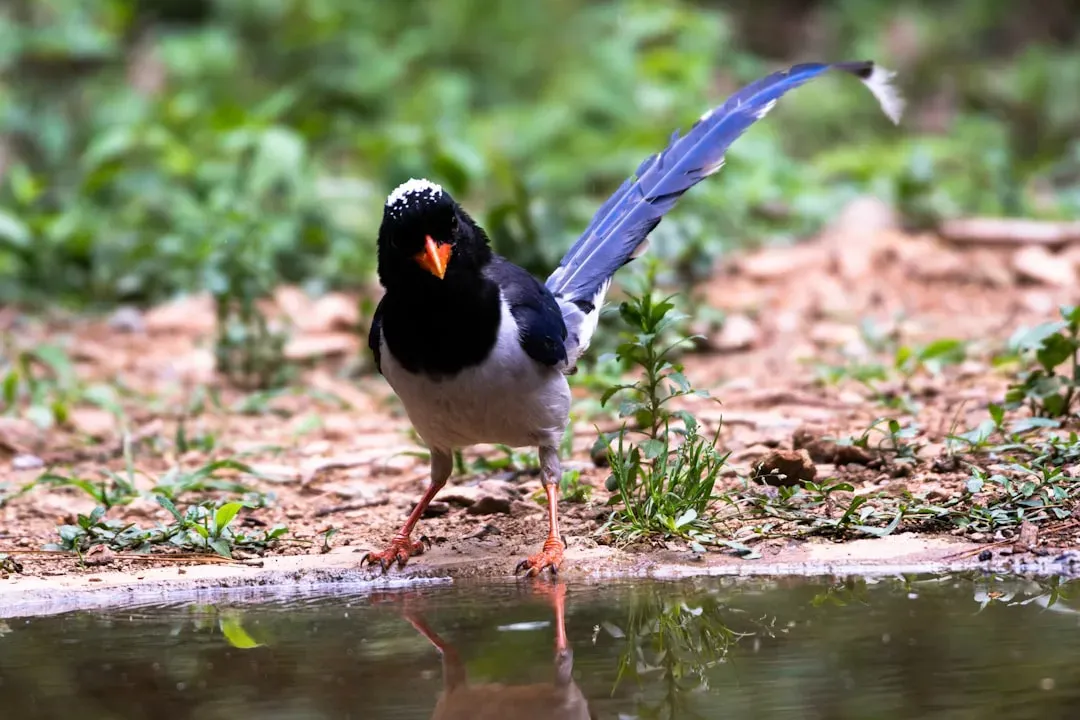
Here’s where things get messy and, in my opinion, more interesting. Just because an animal passes the mirror test, does that automatically mean it has a human-like sense of self? Many psychologists and philosophers are skeptical. They point out that using a mirror to check a mark might rely on sophisticated learning and body mapping without implying an inner narrative like “I am me, I exist over time, I have a story.” It might be more like a clever visual trick than a window into an inner voice.
On the flip side, failing the mirror test does not mean an animal lacks a sense of self. Dogs, for example, usually fail classic mirror tests but excel with scent-based tasks, suggesting they experience the world in a very different sensory language. A mirror might simply not be meaningful to them. So while the magpie inspecting its feathers is doing something genuinely rare and cognitively demanding, we should be careful not to oversell it as proof of a fully human-style consciousness. The mirror test is a useful probe, but it’s still just one tool in a very incomplete toolbox.
The Magpie’s Feather Check as a Window Into Animal Psychology
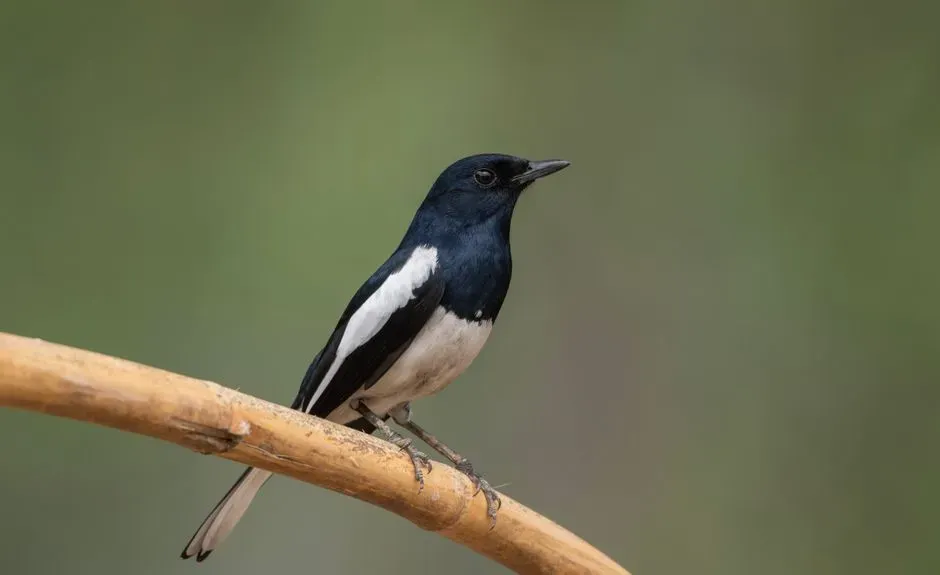
Even with all the caveats, that moment when a magpie starts fussing with a feather it can only see in the mirror is psychologically rich. It suggests the bird is not simply reacting to another bird in the glass, but linking the reflection to its own body and acting purposefully on that insight. For an animal that spends its life scanning for food, partners, and threats, this kind of flexible, self-directed behavior hints at mental life that is more layered than many people want to admit.
I think this is where the story gets quietly radical. Once we accept that a bird might hold some kind of internal model of its own body, it becomes harder to insist that deep, subjective experience is our exclusive domain. No, we do not know what it feels like to be a magpie checking its feathers, and we should not pretend we do. But that behavior nudges us toward acknowledging that there may be many different flavors of awareness in nature, some overlapping with ours in ways we are only just starting to recognize.
What This Means for How We See Intelligence and Ourselves
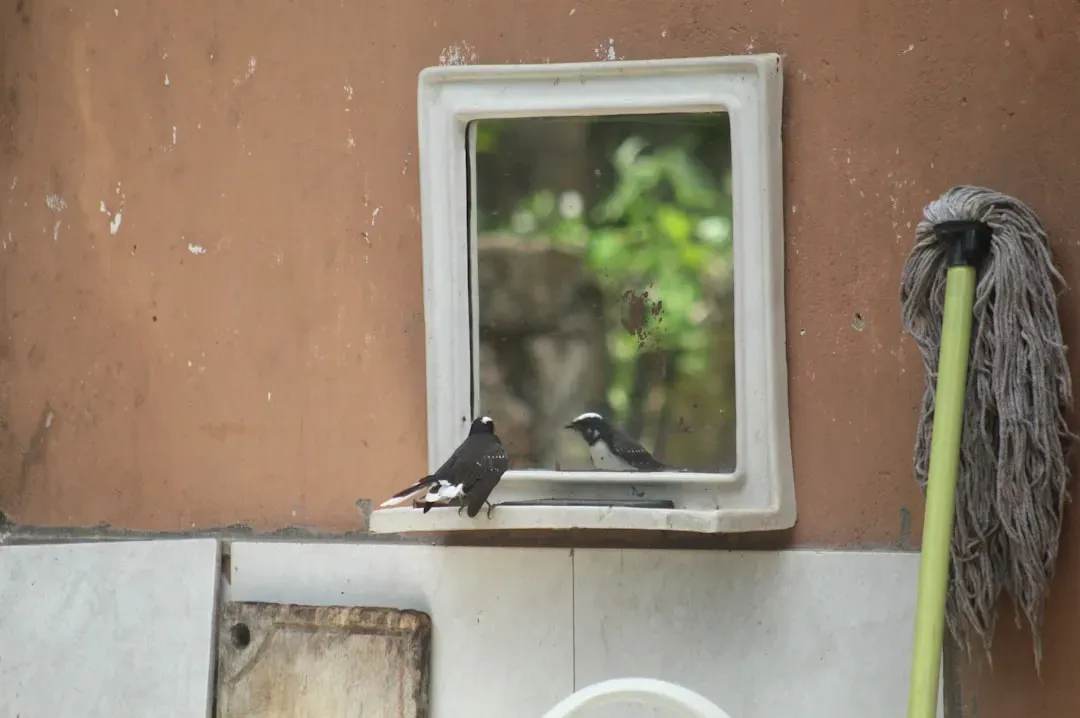
When a species with a brain very unlike ours joins a cognitive “elite club,” it forces us to rethink what intelligence even means. Instead of treating human-style thinking as the gold standard, we have to consider a wider ecosystem of minds, each adapted to different challenges and environments. A magpie’s intelligence might be tuned to social maneuvering, caching food, and navigating complex landscapes, yet still capable of building a robust sense of its own body in space. That versatility is impressive in its own right.
Personally, I think our obsession with ranking species by how closely they resemble us is starting to look outdated. The magpie at the mirror is not trying to become human; it is being exquisitely magpie. If anything, its success in the mirror test is a reminder that our mental world is just one data point in a much larger story. The more we discover minds that work well on different terms, the less convincing it becomes to treat our way of thinking as the only serious game in town.
Conclusion: The Mirror, the Magpie, and Our Own Reflection
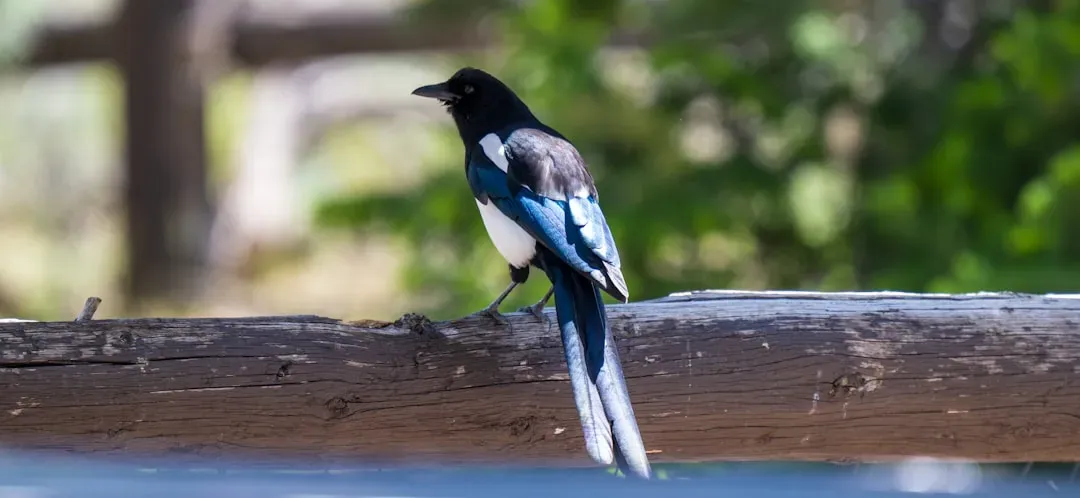
In the end, the image that stays with me is simple: a magpie tilting its head in front of a mirror, noticing something odd on its feathers, and deliberately trying to fix it. That’s not just cute; it is a quiet challenge to the idea that only creatures with big primate brains can reflect on themselves in any meaningful way. If even one bird can cross that cognitive line, our old, tidy hierarchy of minds starts to unravel a little at the edges.
My opinion is that we should treat the mirror test as a clue, not a final verdict. When psychology tells us a magpie has just done something that only a tiny handful of species can do, it is really inviting us to reconsider where we draw the boundary between “us” and “them.” Maybe the real surprise is not that a bird can recognize itself, but that we were so sure for so long that it could not. Next time you catch your own reflection, it might be worth asking: if a magpie can look into a mirror and see a self, what exactly are you seeing when you look back at yours?