If you picture dinosaurs as giant, mindless monsters stomping through a jungle and abandoning their eggs the second they were laid, you’re selling them short. Over the last few decades, fossils have quietly told a very different story: nests carefully arranged, eggs positioned in circles, and adults frozen in time as they shielded their young. It turns out that some dinosaurs were not just egg layers, but hands‑on, stay‑close, almost shockingly devoted parents.
Of course, not every dinosaur was a doting caregiver. Some probably laid eggs and moved on, like many reptiles today. But the more scientists dig, the clearer one thing becomes: dinosaur family life was way more complicated, varied, and emotional than the old movie stereotypes ever suggested. Once you see a fossilized parent curled over a nest, it’s hard not to feel a tug of empathy – and it raises a bold question: were some dinosaurs better parents than many people assume humans always were?
The First Clues: Nests That Changed Everything
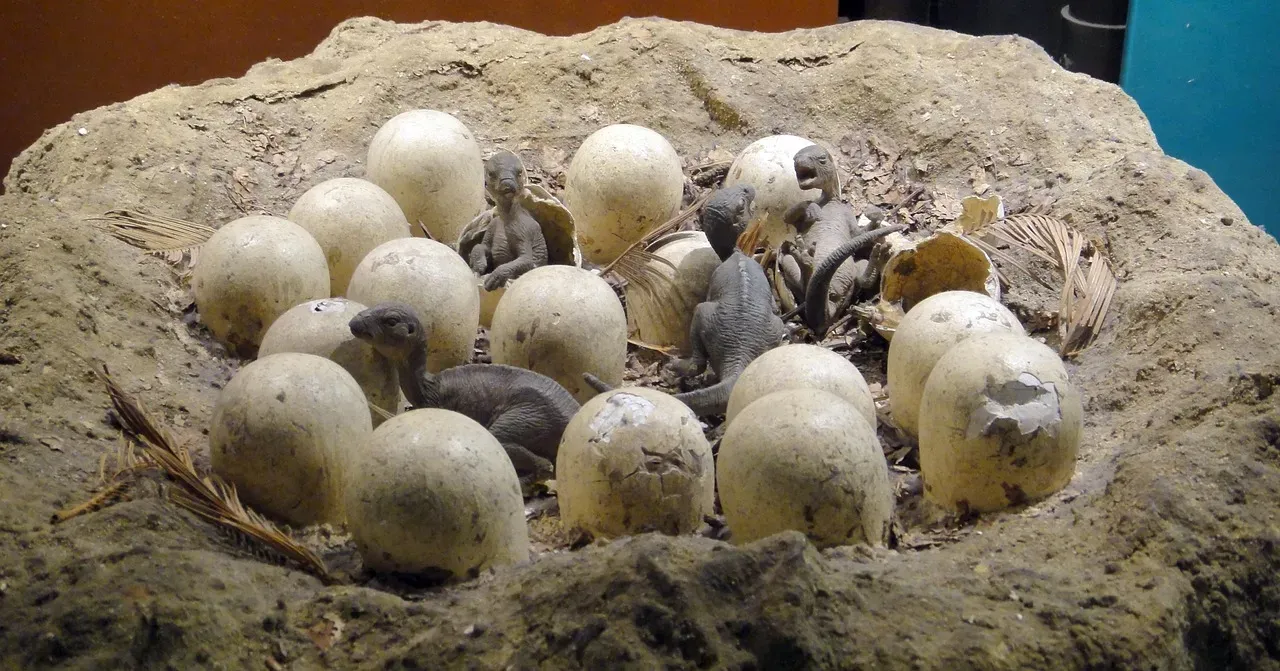
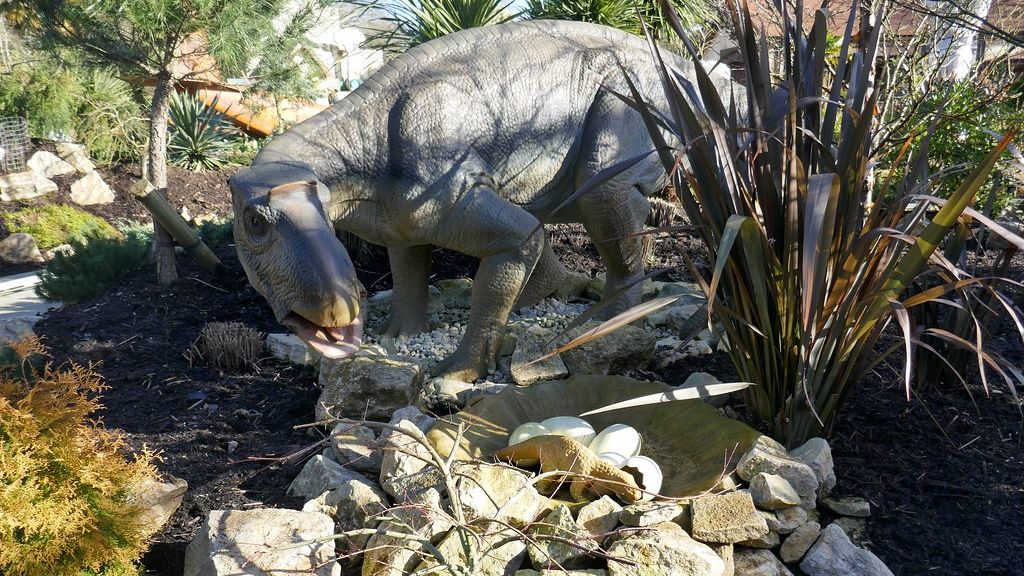
The real turning point for our understanding of dinosaur parenting came from something that looks pretty unremarkable at first glance: a ring of eggs in the dirt. In the mid‑twentieth century, paleontologists began finding fossilized dinosaur nests containing multiple eggs carefully arranged rather than scattered at random. That simple pattern hinted that dinosaurs did not just drop eggs and walk away, but returned to the same spots and laid clutches with deliberate placement.
Later discoveries of multiple nests in close proximity pushed things even further. These fossil “nurseries” suggested that some dinosaurs nested in colonies, returning year after year to the same locations in huge groups, kind of like modern seabirds congregating on a cliff. The organization of those sites – repeated nest spacing, similar egg counts, and evidence of multiple breeding seasons – painted a picture of coordinated, repeated reproductive behavior, not just one‑off, chaotic events.
Eggs, Shells, and Clutches: Reading Parenting Style in the Details
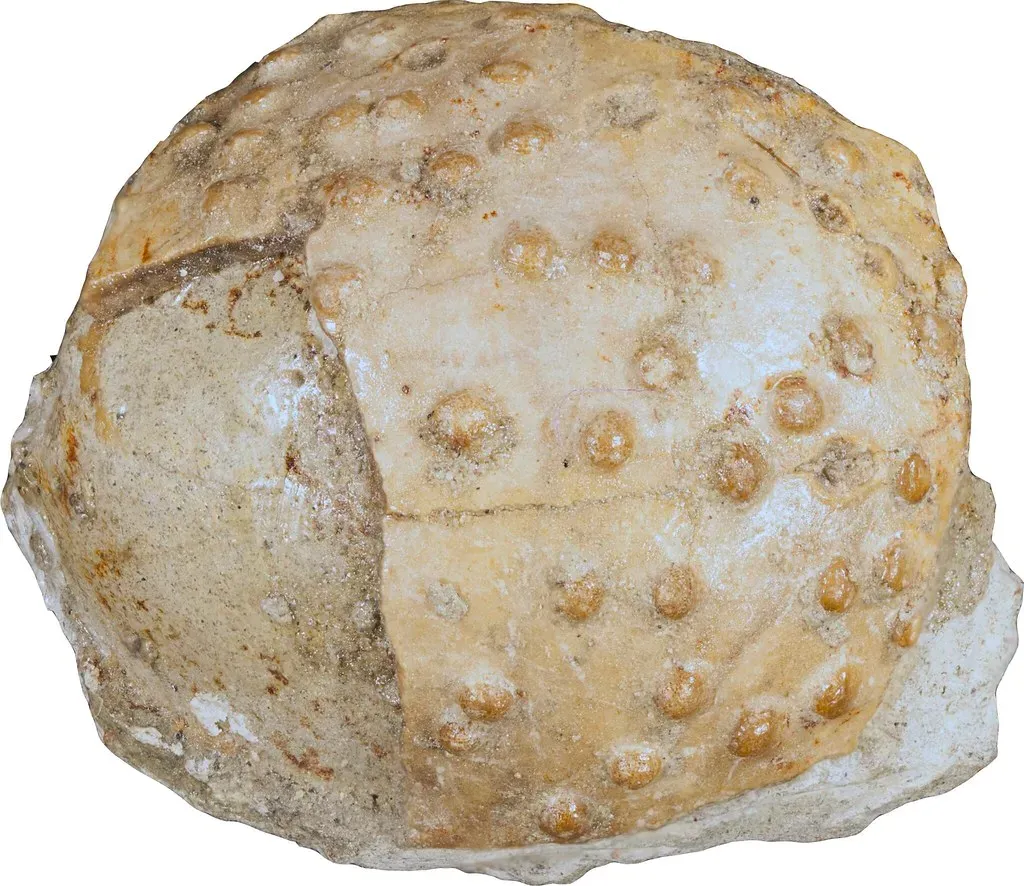
You can actually tell a surprising amount about dinosaur parenting just by looking closely at their eggs and shells. Some dinosaur eggs were relatively thin‑shelled and porous, hinting that they were buried, insulated by vegetation or soil, with the environment doing most of the incubation work. Others had thicker shells and arrangements that look much more like open nests, where an adult might have needed to sit, guard, or at least stay nearby to keep conditions stable.
Even clutch size offers important clues. Species that laid large numbers of eggs in one go may have used a “quantity over quality” strategy, where survival depended on a few lucky hatchlings making it, not on intense parental care for each one. On the other hand, dinosaurs with smaller clutches and more structured nests probably invested more time and energy per offspring, echoing patterns we see in many birds and mammals today. It is a reminder that details as small as the thickness of an eggshell can reveal entire family strategies that played out millions of years ago.
Dino On the Nest: Adults Preserved in Protective Poses
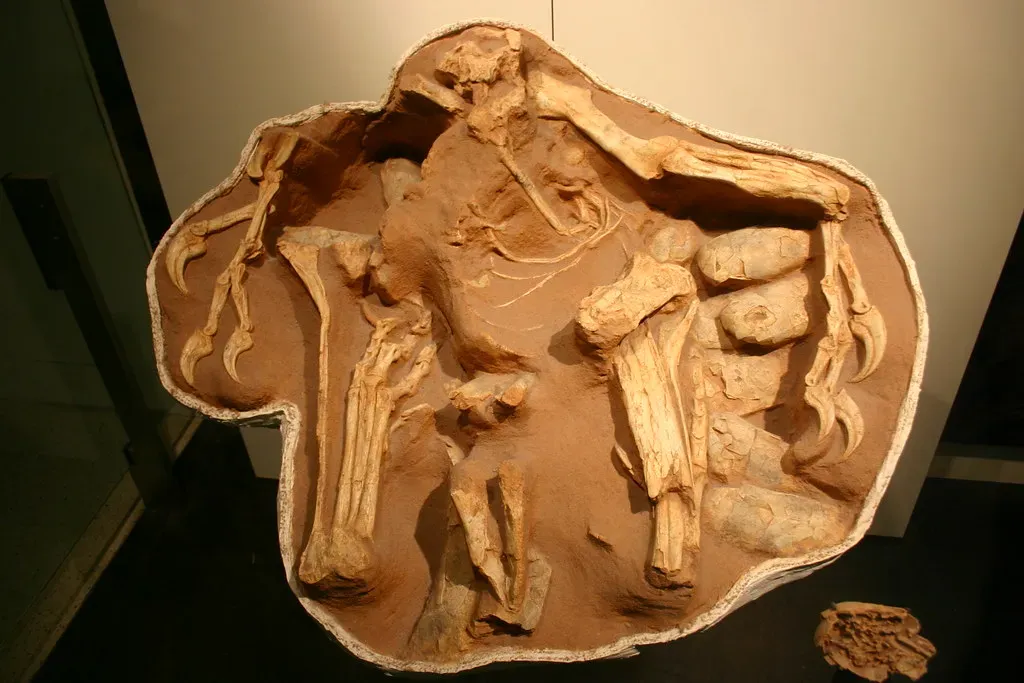
One of the most striking pieces of evidence for devoted dinosaur parenting comes from fossils of adults preserved right on top of nests. In some specimens, adults are found crouched over eggs or very young juveniles, with limbs and bodies positioned like a protective umbrella. It is hard not to see the emotional weight in that image: an animal caught in a sudden storm of ash or sand, staying in place rather than fleeing, apparently to shield its offspring.
The arrangement of bones in these fossils is more than just dramatic; it is telling. The adult is not randomly scattered, as if it just collapsed. Instead, the posture suggests a living pose that was frozen in an instant – arms out, body low, nest directly beneath. That sort of snapshot strongly supports the idea that at least some species actively brooded their eggs, much like birds do now. In those moments, the line between a “terrible lizard” and a caring, watchful parent starts to blur in a surprisingly moving way.
Dinosaur Nurseries: Growing Up in Groups
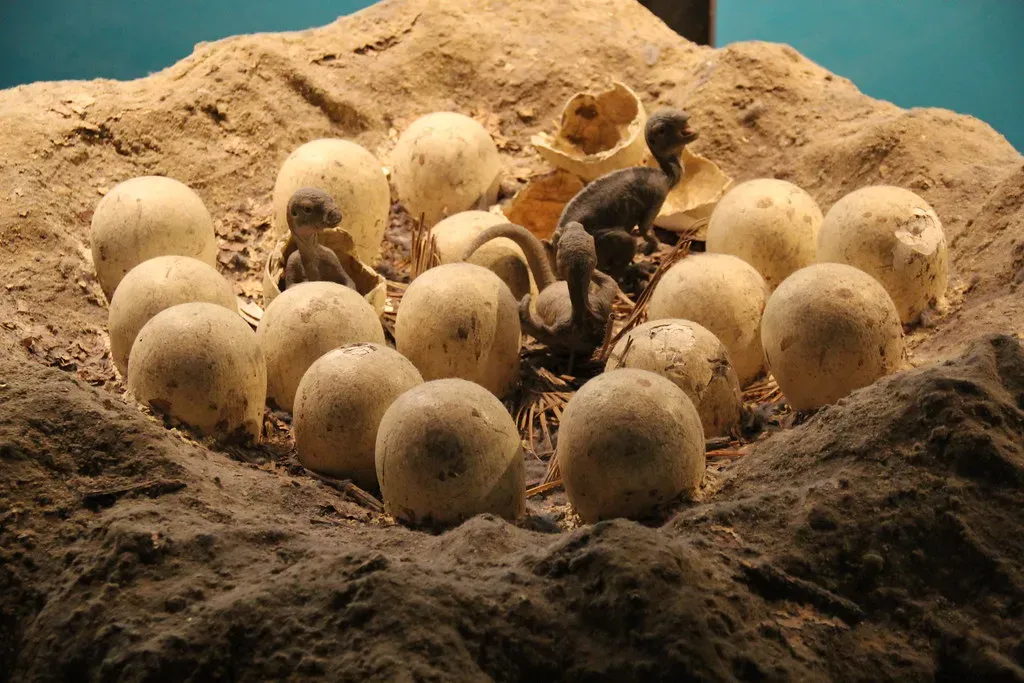
Not all dinosaur parenting was a one‑parent‑on‑a‑nest story. In some fossil sites, paleontologists have uncovered areas containing multiple nests, scattered juvenile bones, and growth stages that suggest young dinosaurs stayed in the same general area as they grew. It looks a lot like what you might call a nursery ground, where multiple parents and offspring shared space, whether for protection, access to food, or simply because returning to the same site each year was a successful strategy.
There are also cases where juveniles of similar age and size have been found together without adults, hinting at the possibility of “teenage gangs” of young dinosaurs moving in groups. That sort of behavior, seen in some modern animals, can actually be an extension of parental strategy: adults keep offspring in a relatively safe, resource‑rich zone, and the young then rely on strength in numbers as they explore. To me, that feels surprisingly familiar – like kids roaming the neighborhood together while the grown‑ups keep a distant but intentional watch.
In some species, bone tissue in juveniles suggests relatively fast growth rates, which might mean that intense parental care only had to last for a limited window before youngsters could fend for themselves. In others, slower growth and evidence of extended juvenile stages open the door to the possibility of longer‑term parental involvement. When you add it up, dinosaur society starts to look layered: hatchlings in nests, juveniles in groups, and adults navigating their own survival while still shaping the next generation’s chances.
Carnivores vs. Herbivores: Different Threats, Different Parenting
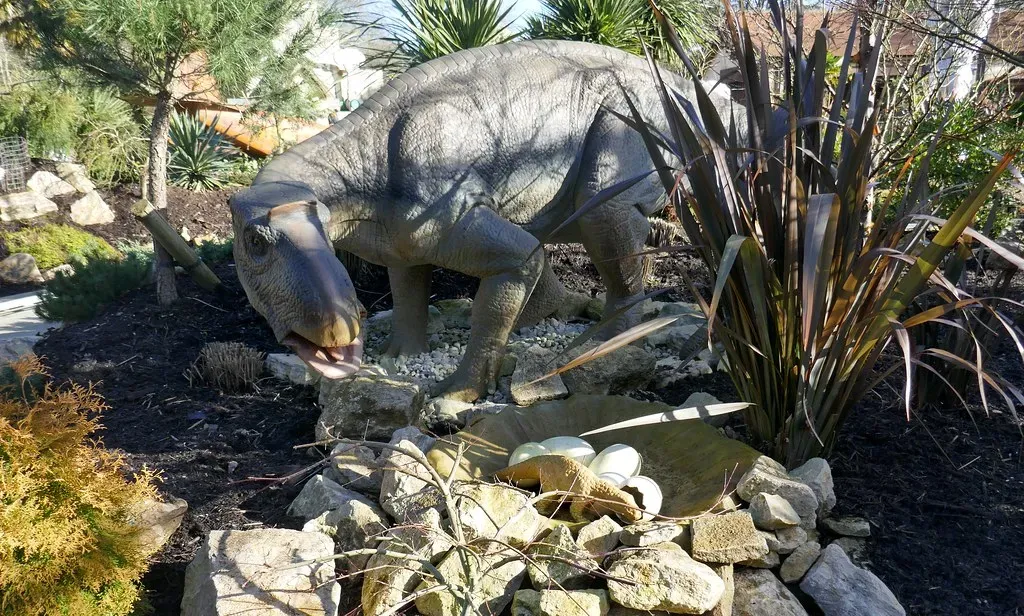
Parenting behavior did not evolve in a vacuum; it was a direct response to risk, environment, and body size. Large herbivorous dinosaurs living in open areas probably faced relentless pressure from predators, making nests and young an easy target. For them, strategies like nesting in colonies, choosing nesting sites near water or vegetation, and perhaps even group defense would have been crucial. It is easy to imagine big plant‑eaters using their sheer size and numbers as a wall around vulnerable eggs and hatchlings.
Carnivorous dinosaurs, especially medium‑to‑large predators, may have faced a different balance of challenges. Some likely relied on stealth or isolated nesting spots rather than big communal colonies, simply because congregating predators attract attention and competition. At the same time, fossil evidence of brooding postures in certain theropods – the group that includes the ancestors of birds – suggests that at least some meat‑eating dinosaurs invested directly in nest care. It is an interesting twist: the animals we often cast as villains in pop culture may have also been the ones quietly sitting on eggs, guarding them from the darkness.
From Dinosaurs to Birds: A Parenting Legacy That Survived
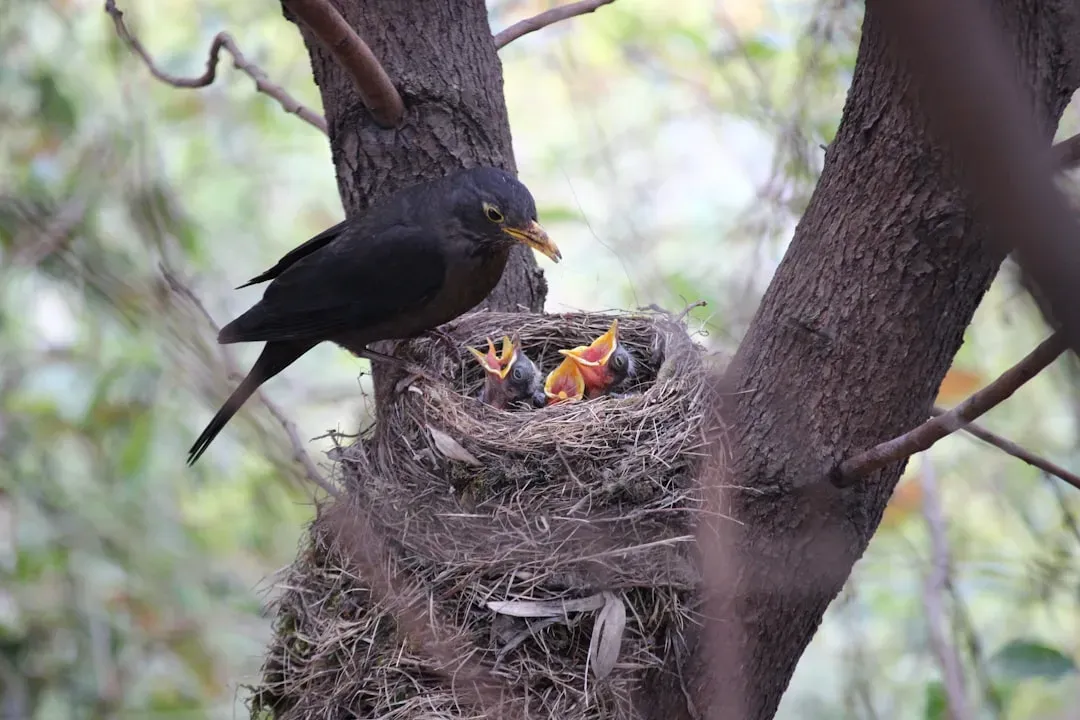
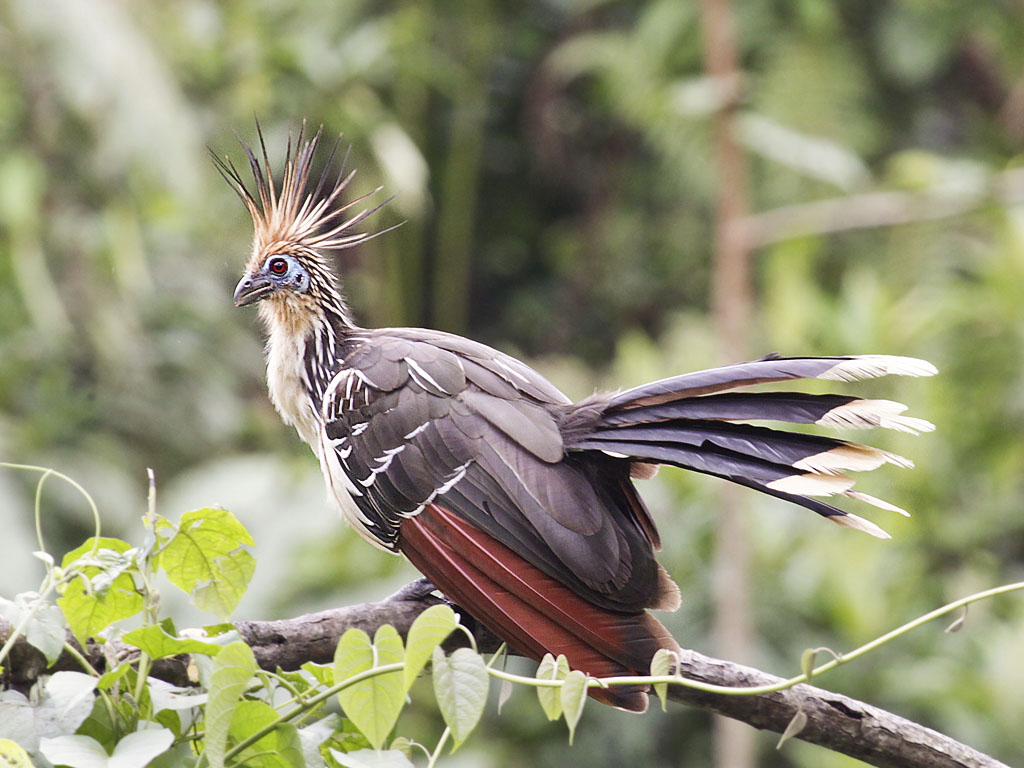
Modern birds are living dinosaurs, and when you compare their parenting styles to the fossil record, the continuity is hard to ignore. Many birds build carefully engineered nests, incubate their eggs with body heat, and feed their chicks around the clock for weeks or months. These behaviors did not just pop out of nowhere; they almost certainly evolved from earlier reproductive strategies in small, feathered theropod dinosaurs that were experimenting with brooding, nest building, and more active care.
Features like feathers themselves may have originally played multiple roles – insulation, display, and eventually, tools for more efficient incubation. The way some dinosaurs seem to have arranged their limbs over nests looks eerily similar to birds tucking their wings and tail over eggs today. When you see that, the idea that parenting is part of the deep evolutionary DNA of this lineage becomes hard to argue with. In a very real sense, every parent bird sitting on a nest in your backyard is continuing a dinosaur tradition that started tens of millions of years before humans ever existed.
Not Every Dinosaur Was a Devoted Parent – And That Matters
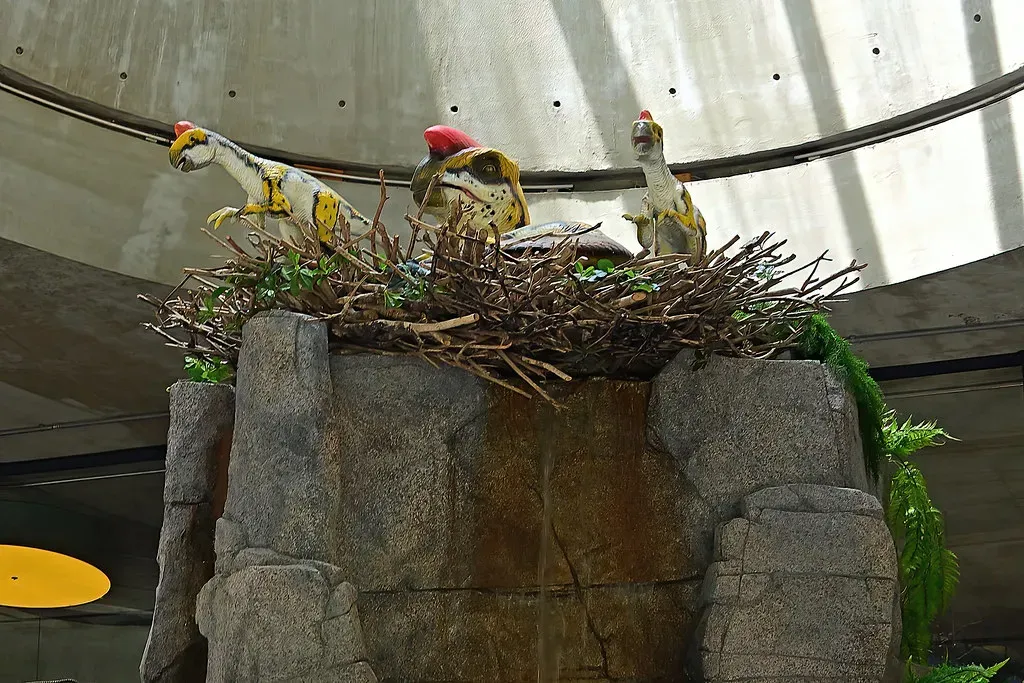
As tempting as it is to romanticize dinosaur parenting and imagine tender moments in every nest, the evidence does not support a single, universal pattern. Some dinosaurs clearly invested heavily in their young, building structured nests, brooding eggs, and perhaps even guarding juveniles. Others likely used a far more hands‑off strategy: lay a large number of eggs, rely on natural incubation, and accept that only a fraction would survive. That split reflects a basic truth of evolution – there is more than one way to succeed.
This variation actually makes the devoted species stand out even more. When you realize that being a caring parent is costly in time, energy, and risk, then fossils of adults staying with their nests become all the more striking. Those individuals were essentially betting on the idea that a smaller number of well‑protected offspring would pay off more than a huge number left to chance. To me, that choice feels oddly familiar, almost like looking at the spectrum of modern human parenting styles, from extremely involved to more distant, and realizing that nature has been running that experiment for an unimaginably long time.
Why Dinosaur Parenting Still Matters – And What It Says About Us
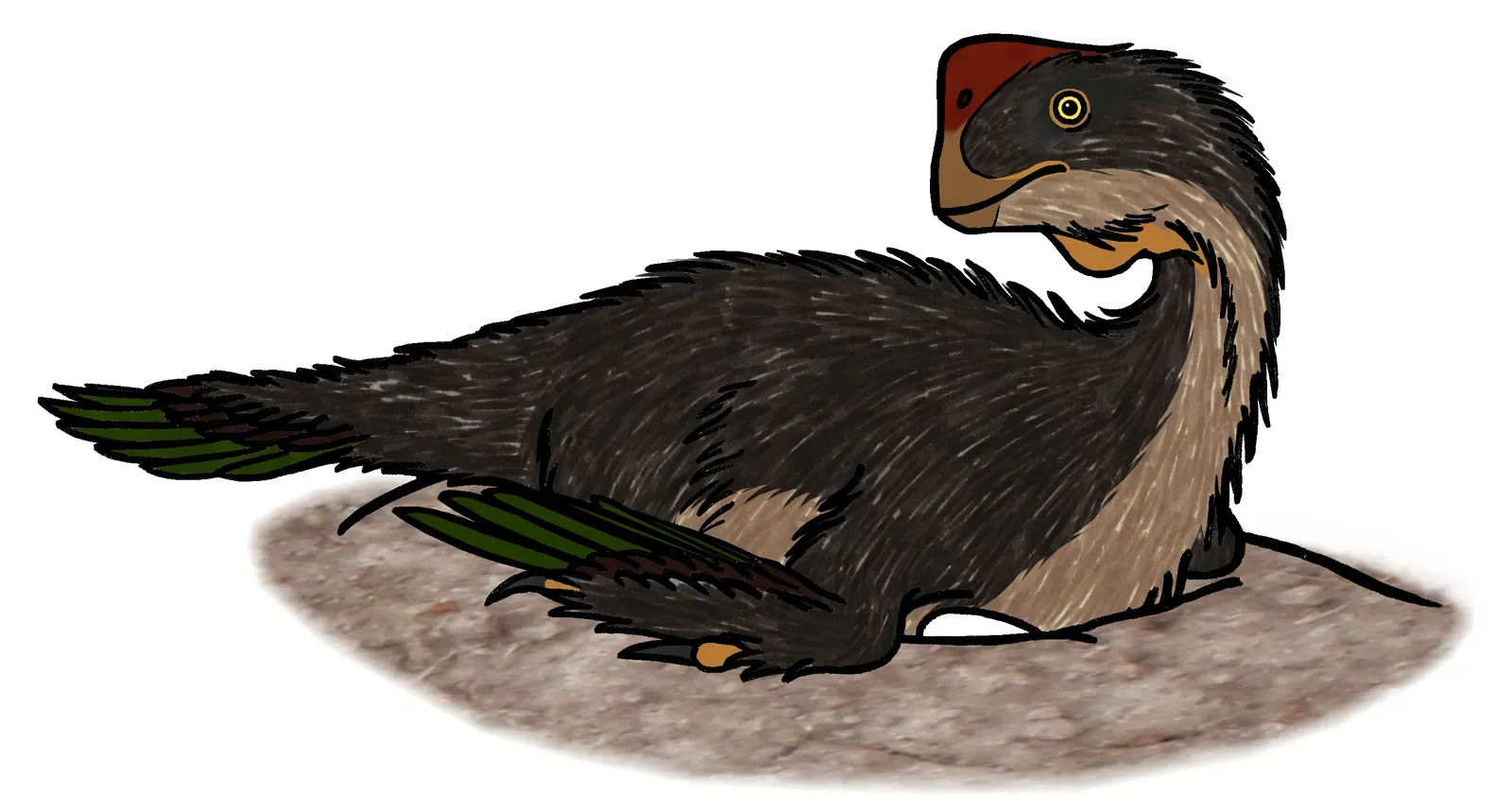
For me, the most shocking thing about dinosaur parenting is not just that it existed, but that it forces us to let go of the comfortable myth that deep time was cold and impersonal. When you picture a dinosaur bracing its body over a nest as ash rains down, or a colony of animals returning year after year to the same nesting ground, it becomes impossible to see them as simple, dull beasts. They were making trade‑offs, taking risks, and shaping the future of their lineages in ways that feel emotionally recognizable, even across a gulf of millions of years.
I think we underestimate how powerful that realization is. It blurs the line we like to draw between “us” and “them,” between supposedly advanced human care and the instincts of so‑called primitive creatures. If complex, sometimes tender parenting behavior evolved long before mammals, then caring for the next generation is not just a human virtue – it is an ancient survival strategy written into the bones of life on Earth. The next time you see a bird fiercely defending its nest or a parent exhausted from late‑night feedings, it might be worth asking: are we really so different from those devoted dinosaurs we once dismissed as monsters, or are we just the latest chapter in a very old story?