Picture something that could sit in your lap, weighed little more than a roasting chicken, and yet had the tools, instincts, and lifestyle of a miniature raptor. That sounds like something out of a sci‑fi cartoon, but paleontologists are increasingly sure that several tiny dinosaurs really lived that way. Among them, one of the best known and most terrifying in its own insect‑sized universe is Microraptor – a crow‑to‑small‑chicken‑sized predator with sickle claws, needle‑sharp teeth, and four winged limbs built for stealth attacks from above.
What makes this story so wild is not just that such a small animal could be a top predator in its niche, but that we can actually reconstruct its hunting style, its meals, and even parts of its soft tissue from astonishing fossils. In other words, we are not just guessing; we are reading a crime scene frozen in stone. Once you see how this little hunter worked, you may never look at a backyard bird – or a chicken dinner – quite the same way again.
A Chicken-Sized Body With the Heart of a Raptor
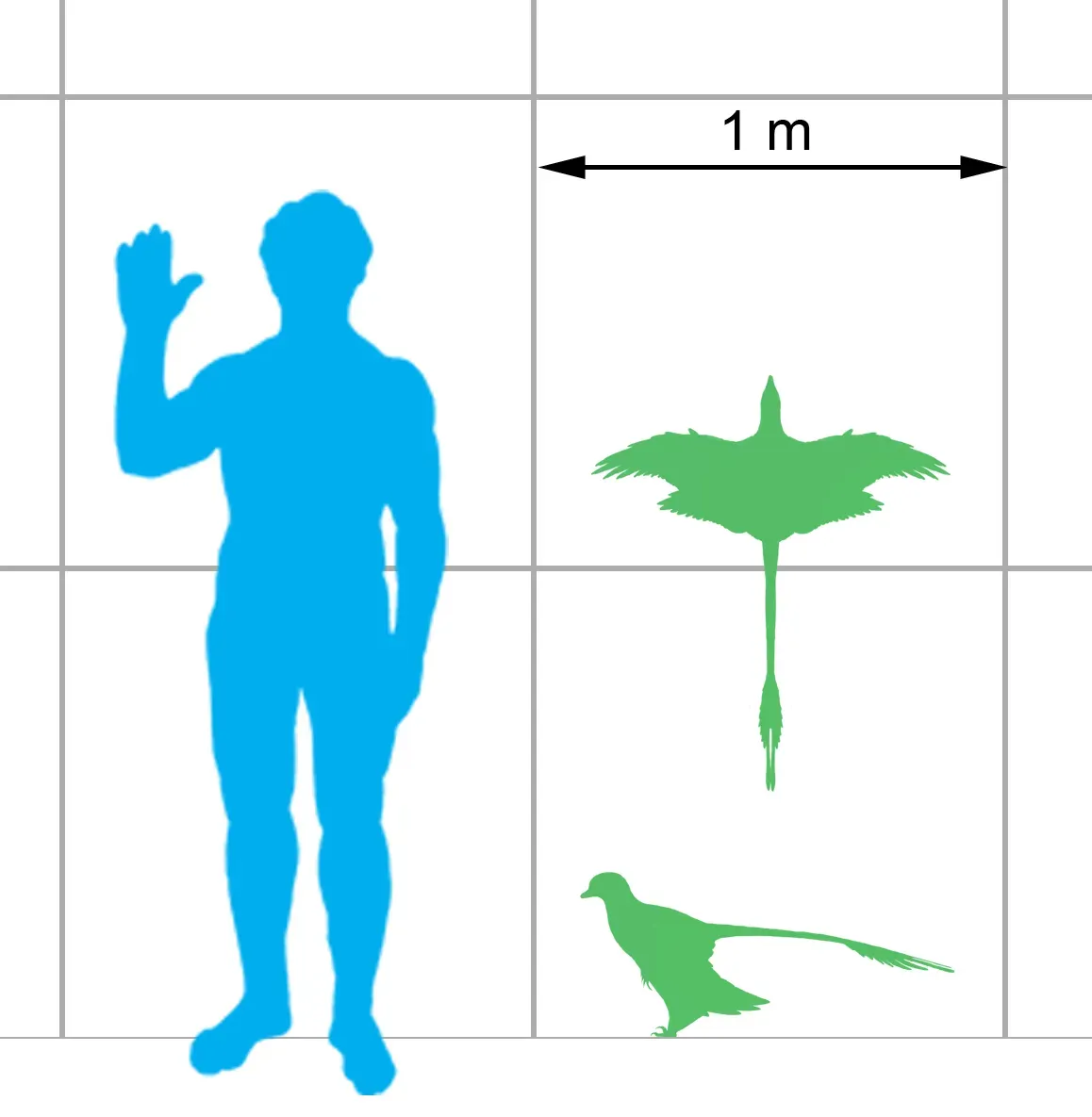
Microraptor was roughly the size of a modern chicken or crow in length, with a long tail that added to its overall dimensions but not much to its weight. It lived about 120 million years ago during the Early Cretaceous in what’s now northeastern China, in a lush ecosystem of lakes, forests, and volcanic ash. Despite its small frame, it was a true dromaeosaur, a member of the same broader family as the famous Velociraptor, which means it inherited a deadly toolkit scaled down to miniature.
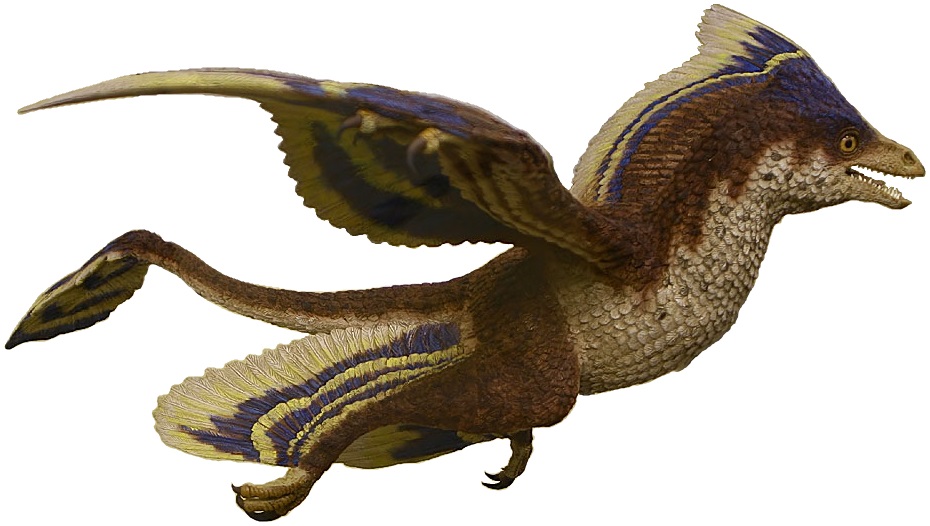
It had a lightweight skeleton full of air spaces, a long flexible tail for balance, and especially the hallmark dromaeosaur weapon: an enlarged, retractable sickle claw on the second toe of each foot. If you have ever been scratched by an angry cat, imagine a more specialized version of that claw, sharpened by evolution for gripping and tearing. The rest of its body was wrapped in feathers, including on the arms, legs, and tail, giving this predator the eerie look of a four‑winged crow with knives on its feet.
Four Wings, Silent Glides, and Deadly Ambushes
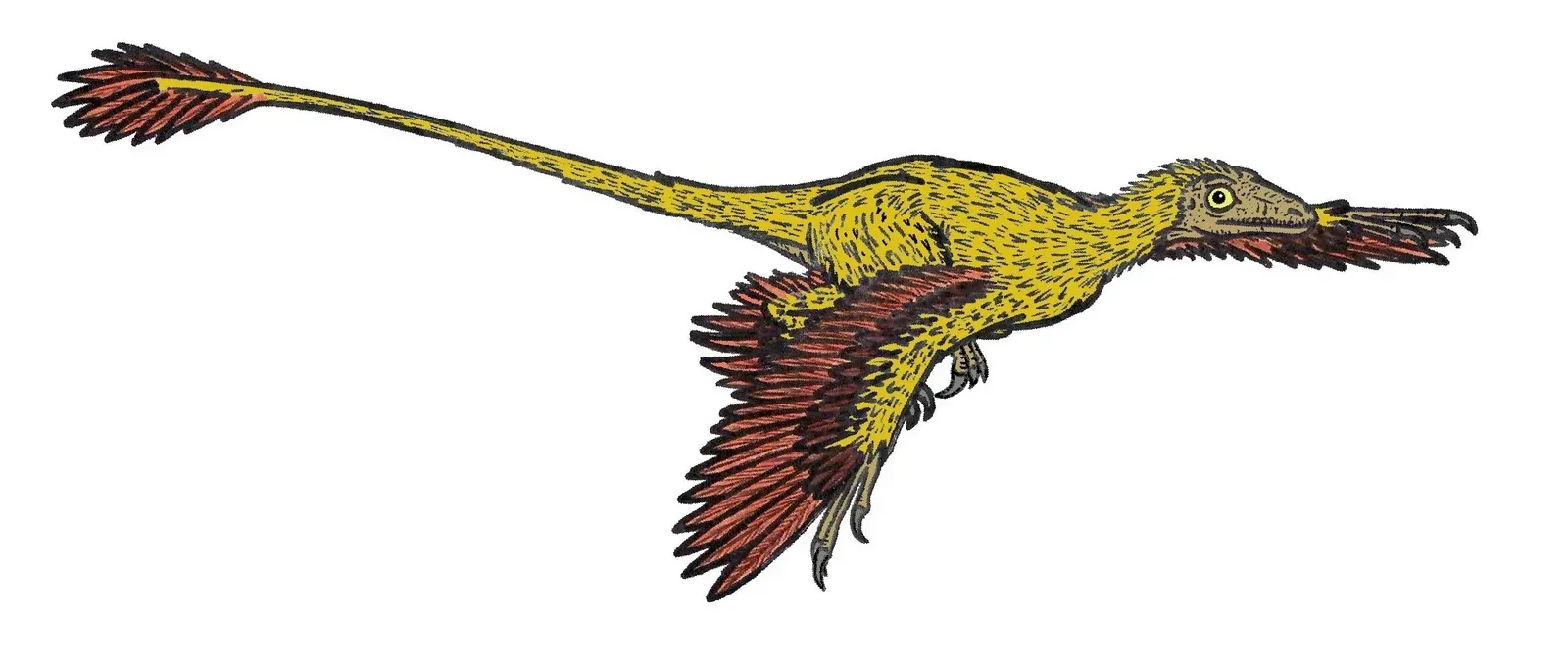
Microraptor is most famous for its unusual anatomy: it had long feathers not just on its arms (like wings) but also on its legs, forming a second pair of airfoils. That is why it is often called a “four‑winged” dinosaur. Fossils preserve these feathers beautifully, down to individual barbs, allowing scientists to reconstruct the shape of its wings and tail in surprising detail. The consensus now is that it could glide, and possibly manage short, controlled flapping, moving from tree to tree or plunging down on unsuspecting prey.
That airborne lifestyle instantly upgrades its threat level. A small predator on the ground has to chase; a small predator in the trees can let gravity do the work. Picture it clambering up a trunk like a squirrel, flattening itself along a branch, then dropping silently, spreading all four feathered limbs like a living parachute. For a frog, lizard, small bird, or mouse‑sized mammal on the forest floor, there would be almost no warning before those hooked claws locked in from above.
Fossil Stomachs That Reveal a Predator’s Menu
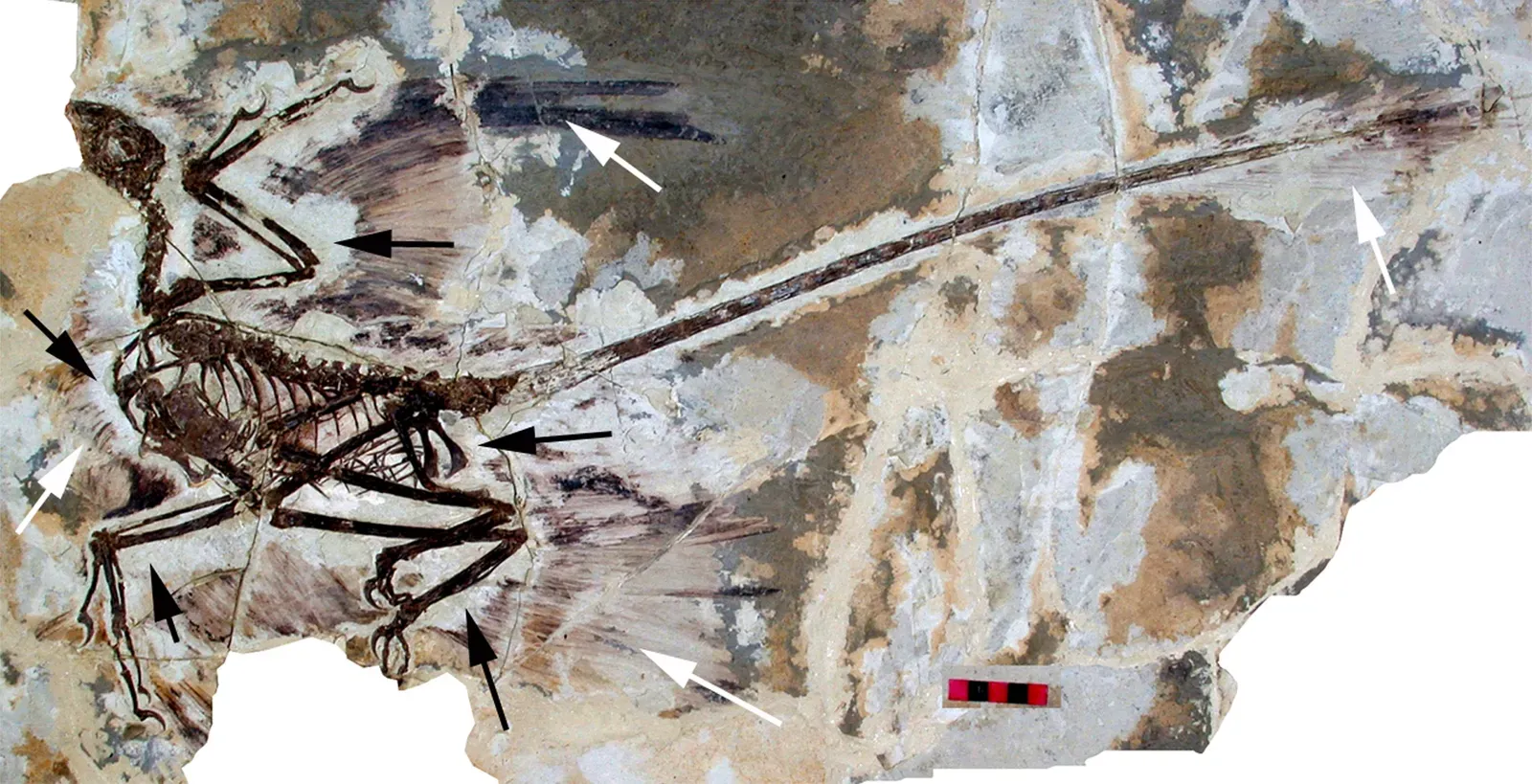
One of the coolest and most unsettling things about Microraptor is that we have direct fossil evidence of its meals. Several specimens preserve the remains of animals it recently ate: small birds, lizards, even a probable early mammal. In one famous case, a Microraptor skeleton preserves fish bones inside the ribcage, implying that at least some individuals were able to snatch or scavenge fish from lakes or streams. This is not just a theory about what it could have eaten; in those fossils, we are literally staring at its last meals.
That variety tells us something important: Microraptor was not a picky specialist; it was an opportunist. Anything it could overpower and swallow, it likely tried. In a forest packed with insects, early birds, small reptiles, and mammals, that meant almost every small creature had to factor this little hunter into its chances of survival. The fact that Microraptor could hunt on the ground, in the trees, and even near the water makes it less like a one‑trick dinosaur and more like a feathered Swiss Army knife of predation.
Why Small Does Not Mean Harmless in Evolution
It is tempting for us, as large primates, to mentally equate “small” with “safe.” A chicken is not scary, so a chicken‑sized dinosaur must have been cute, right? Evolution does not care about our scale bias. Fear is relative. To a mouse‑sized mammal of the Early Cretaceous, Microraptor was more like a flying nightmare – fast, armed, and able to attack from angles most prey could not anticipate. In its tier of the food web, it was one of the apex hunters.
We see the same pattern today. Think of a house cat: it is smaller than you, but to a songbird or a mouse, it is a relentless, almost supernatural killer. Or consider an owl silently gliding through the dark, invisible until the last second. Microraptor likely played a similar role in its ecosystem, blending traits we now recognize in birds of prey, tree‑climbing mammals, and ground‑running predators. In a way, it shows that “fearsome” is not about size at all; it is about how thoroughly an animal fits its niche.
Feathers, Colors, and the Strange Beauty of a Killer
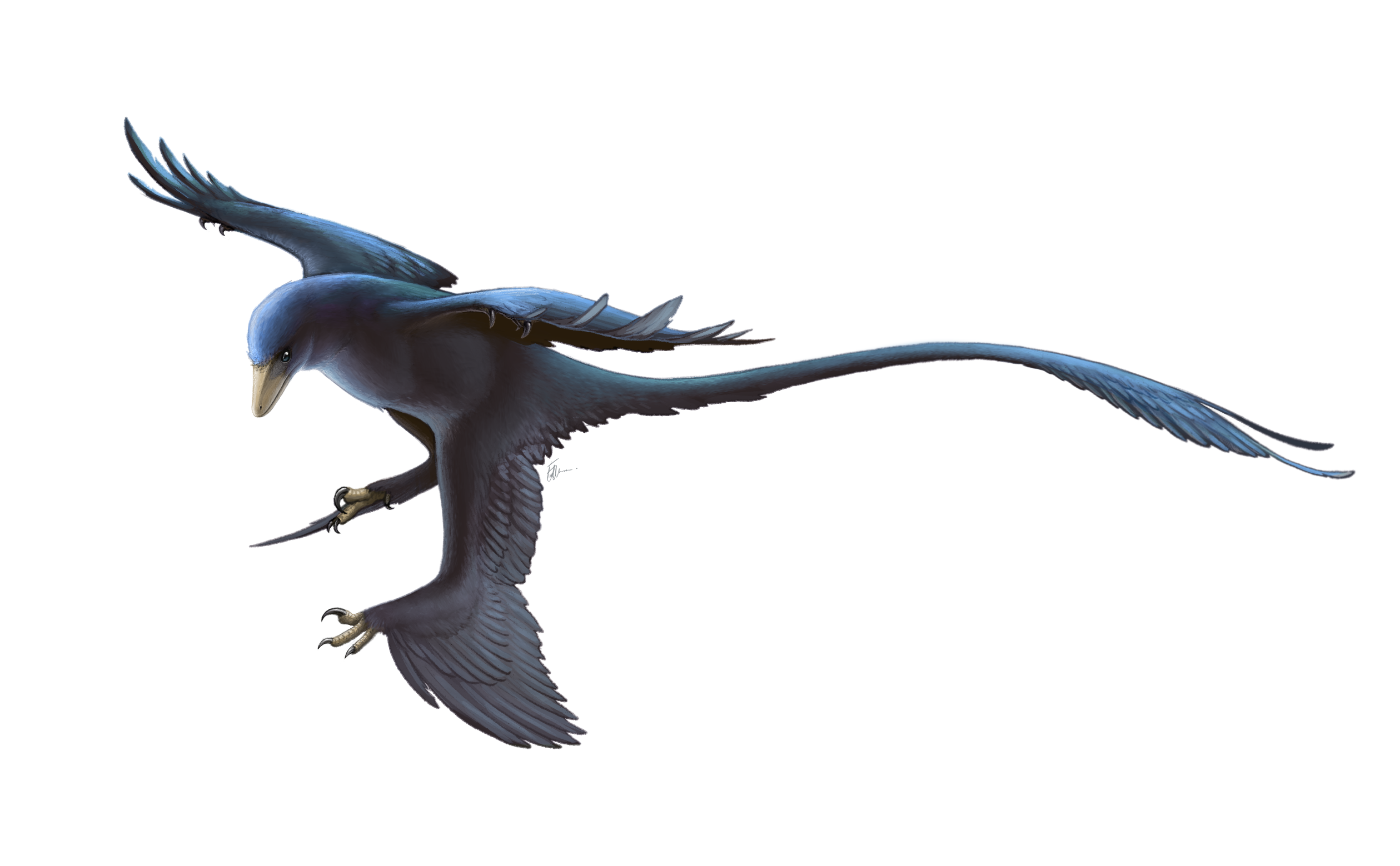
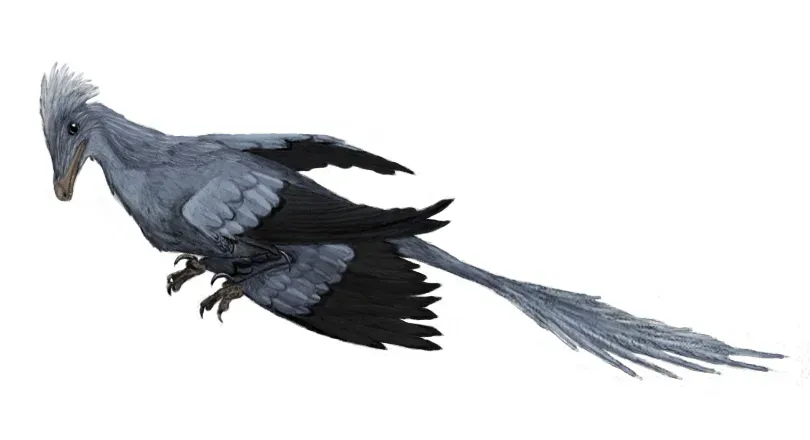
Microraptor was not just deadly; it was probably striking to look at. Chemical analyses of fossilized feathers have suggested that at least some individuals had dark, iridescent plumage, similar to crows, starlings, or grackles today. Imagine a forest full of shimmering black‑blue, four‑winged reptiles gliding between the trees. That is equal parts terrifying and beautiful. Iridescent feathers might have helped with signaling to others of its kind, camouflage in dappled light, or both.
The presence of complex feathers also underlines its close link to modern birds. This was not a scaly movie monster; it was a sleek, feathered animal that probably spent time preening, maintaining its plumage, and using subtle body language. When I first learned that a dinosaur this small and this birdlike could be such an efficient predator, it flipped a mental switch for me. Suddenly, birds at the feeder looked less like gentle garden ornaments and more like the latest models in a long line of dinosaur experiments.
From Microraptor to Chickens: The Legacy of Tiny Predators
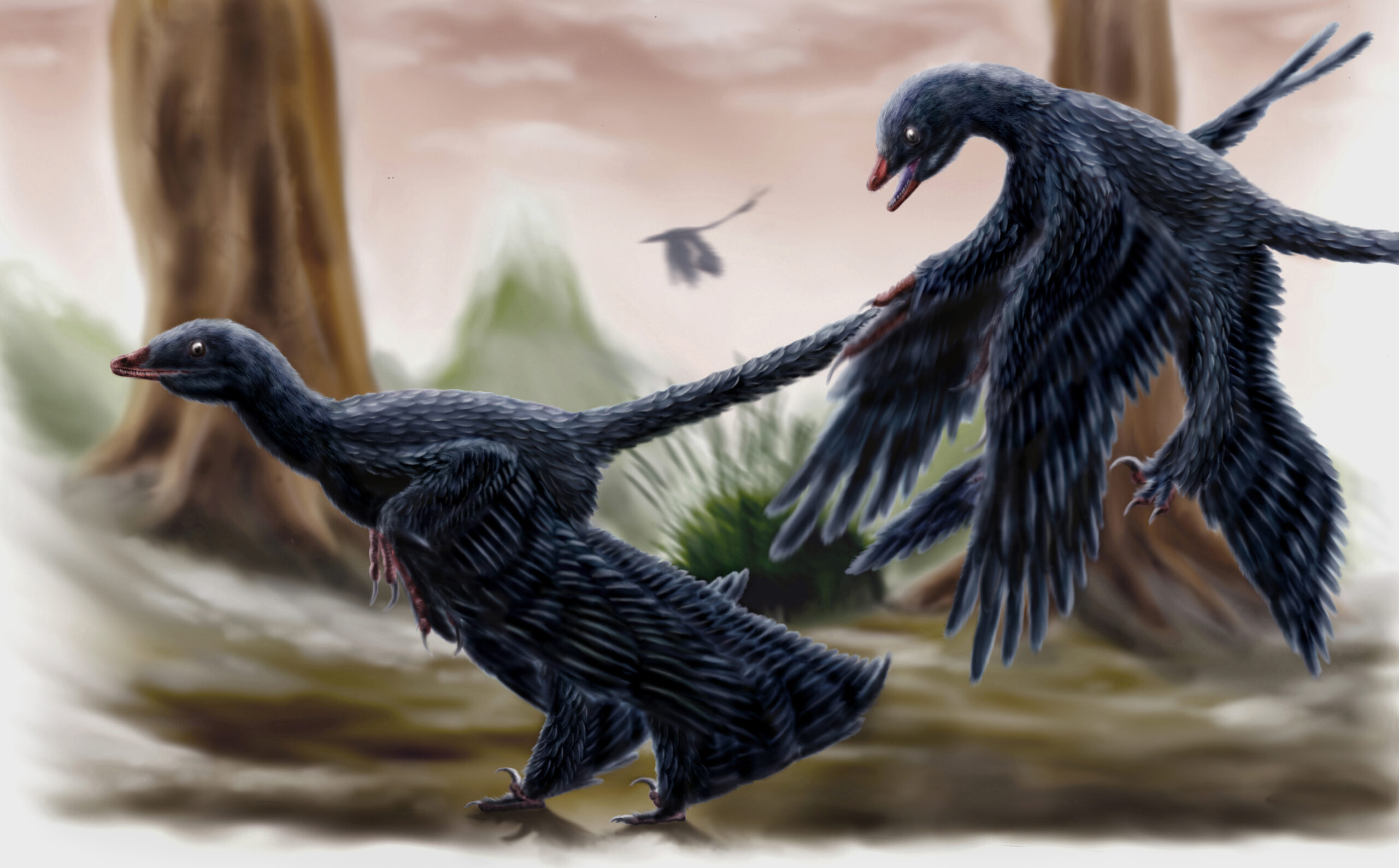
The shocking twist in this story is that the descendants of fierce, feathered hunters like Microraptor are now among the world’s most familiar and often most harmless animals: birds. Over tens of millions of years, various lineages of small, predatory, feathered dinosaurs evolved shorter tails, more efficient wings, changes in their skulls and teeth (eventually losing teeth altogether), and a huge range of sizes and lifestyles. Somewhere along that path, you get the wild jungle fowl that, when domesticated by humans, becomes the modern chicken.
So when we say a dinosaur was “the size of a chicken,” we are really talking about a loop of deep time. Long before humans ever walked the Earth, the blueprint for today’s backyard birds was being tested in creatures that hunted, killed, and survived through razor‑sharp instincts and bodies tuned for predation. The idea that what ends up as a humble farm animal could descend from something like Microraptor is one of those evolutionary plot twists I will never get tired of. It is as if your sleepy housecat turned out to be a direct heir of saber‑toothed tigers – which, in a sense, it is.
Why This Little Dinosaur Deserves the Title of Fearsome Predator
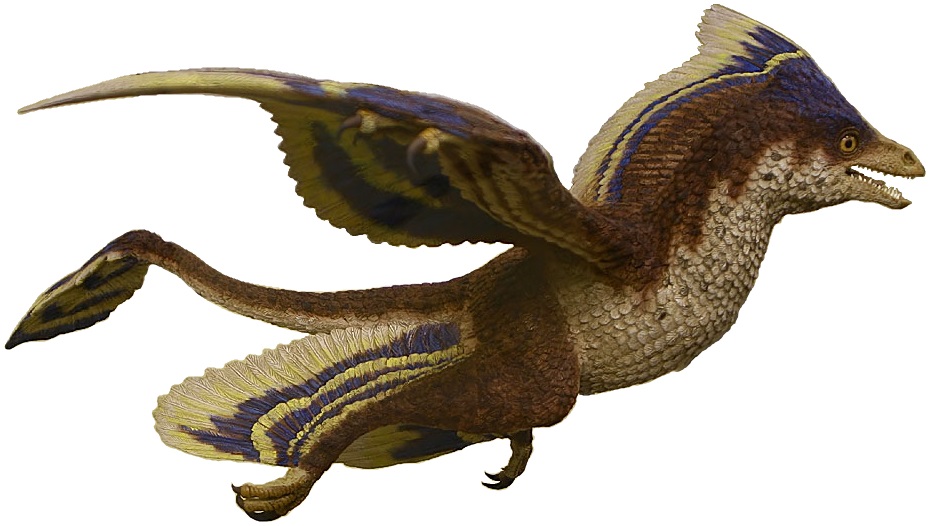
Putting it all together, I think Microraptor absolutely earns its reputation as one of the most fearsome predators of its era, despite being no bigger than a chicken. It blended claws, teeth, agility, climbing ability, and four‑limb gliding into a single package that terrorized the small animals of its forest. If we judge predators by their impact on their own scale – not by how they compare to a bus‑sized Tyrannosaurus – this little hunter sits near the top. It turned every branch and every shadow into a possible attack route.
There is also something quietly humbling about it. We like to imagine dominance as a matter of size and brute force, but Microraptor’s story says otherwise. Power can be subtle, light‑boned, and wrapped in feathers. To me, that is the real takeaway: the line between delicate and deadly is much thinner than it looks. Next time you see a crow, a starling, or even a farmyard chicken, it might be worth pausing for a second and imagining the tiny dinosaur engines still humming away under all those feathers. Does that change how you see them even a little bit?