The last Ice Age sounds like something a bored screenwriter would come up with on a deadline: mammoths, mile‑high ice walls, giant sloths the size of cars, oceans shrinking, continents connected by frozen bridges. It feels too over the top to be real. Yet when you dig into the rocks, the fossils, and the chemistry locked in ancient ice, you realize reality was far stranger than the movie versions ever show. What fascinates me most is that none of this is guesswork anymore. We have deep‑sea cores, cave formations, lake sediments, pollen records, and bones pulled from frozen ground that all tell the same wild story again and again. Let’s walk through eight Ice Age truths that sound totally fake at first glance – but are actually among the best‑supported facts in Earth science.
1. Massive walls of ice really did bury cities’ worth of land under more than a mile of ice
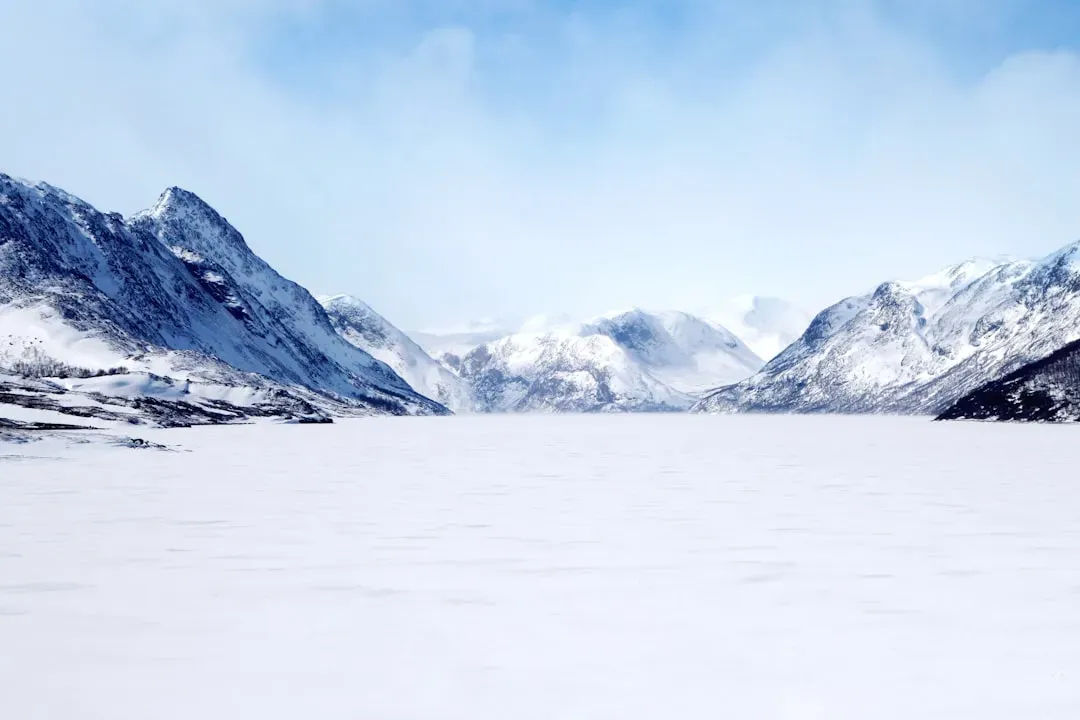
If someone told you Northern Europe and much of North America once lay under ice thicker than the tallest skyscrapers, it would sound like an exaggeration. But repeated measurements from glacial deposits, bedrock scouring, and ancient shorelines show the ice sheets over Canada, Scandinavia, and parts of the northern United States were more than a mile thick at their peak. Imagine an endless white lid pressing down on whole regions, crushing mountains into softer shapes and grinding anything in its path into powder. We can even map where those ice sheets sat by measuring how the land has bounced back since they melted, something called isostatic rebound. Formerly glaciated areas are still slowly rising today, like memory foam recovering from a massive weight. To me, that’s one of the most mind‑bending details: the Ice Age ended thousands of years ago, and yet the planet’s crust is still literally shrugging off that old burden.
2. Global sea level dropped so much that you could have walked from Siberia to Alaska
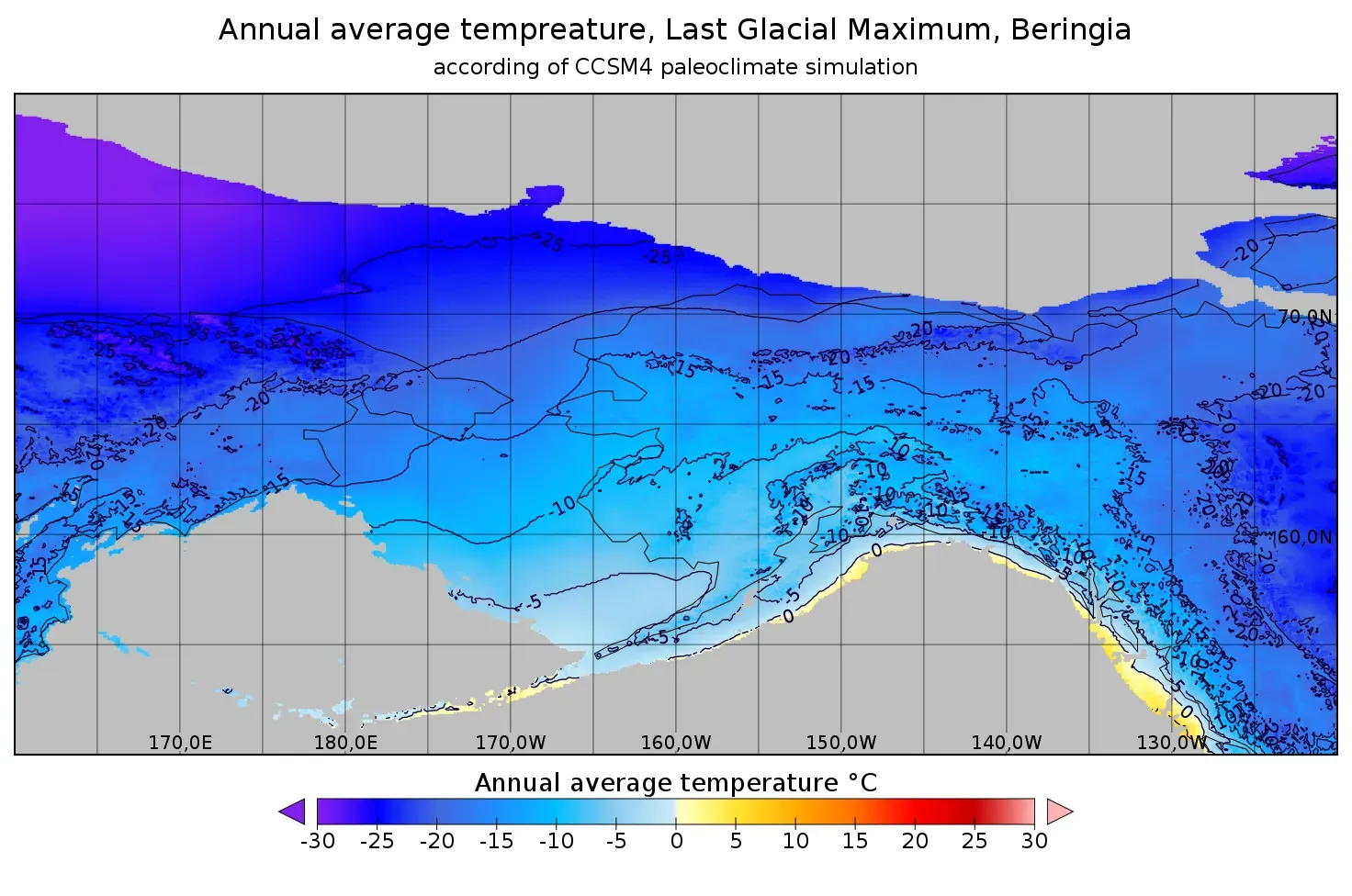
The idea that humans once simply walked into the Americas across dry land sounds like a myth. But during the last Ice Age, so much water was locked up in ice sheets that global sea levels were roughly the height of a 25‑ to 35‑story building lower than they are today. When you lower the oceans that much, entire continental shelves turn into wide, exposed plains – no magic required, just physics and water balance. One of the most famous of these lost landscapes is Beringia, the land bridge between Siberia and Alaska. It wasn’t a skinny icy walkway; it was a vast, cold grassland where mammoths, bison, and early humans lived and migrated. Fossils and ancient DNA from both sides of the modern Bering Strait match up in a way that only makes sense if that region used to be one continuous ecosystem, now drowned under frigid water.
3. Giant ground sloths as big as cars and armadillos the size of small rooms were absolutely real
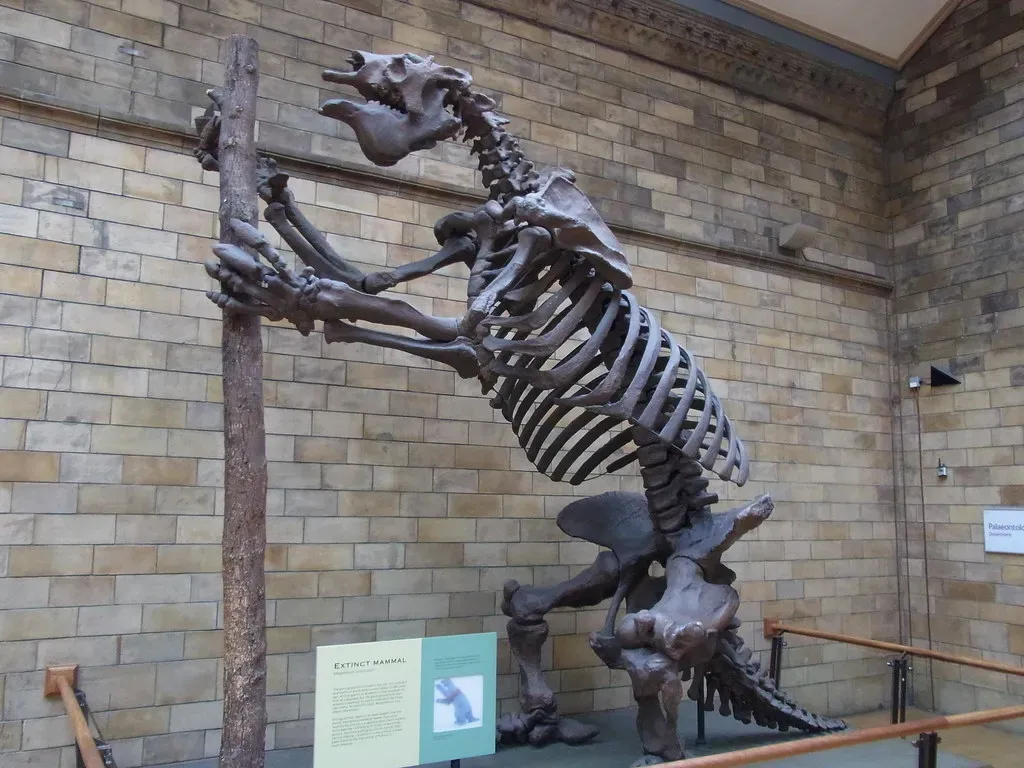
If you saw a painting of a sloth taller than a person standing upright and swinging its claws like garden rakes, you might assume it was prehistoric fan art. Yet skeletons of these giant ground sloths, such as Megatherium and its slightly smaller relatives, have been dug up across the Americas. When paleontologists reconstructed their bones, they realized these animals were not just oversized tree sloths; they were powerful, ground‑walking browsers that could yank down branches and reshape vegetation. The same goes for the enormous armadillo relatives like Glyptodon, which were basically living tanks. Their fossils show thick domed shells and bony tails that could have smashed predators. These creatures roamed Ice Age grasslands and woodlands, sharing space with mammoths, saber‑toothed cats, and early humans. If anything, the fossil record makes our modern fauna look like the small, quiet epilogue to a much louder, weirder chapter.
4. A tiny wobble in Earth’s orbit helped flip the planet in and out of Ice Ages
It sounds like pseudoscience to say that subtle changes in how the Earth orbits the sun can summon and dismiss ice sheets the size of continents. But decades of climate and geological research point to exactly that: slow, predictable variations in our orbit and tilt, known as Milankovitch cycles, line up closely with the timing of past glacial and interglacial periods. We are talking about shifts that, by themselves, barely nudge the total sunlight the planet gets – yet they matter immensely. The trick is feedback. A little less summer sunlight in the far north means slightly more ice survives each year, which reflects more sunlight, which cools things more, which grows more ice, and so on. Think of it like the first few snowflakes that let more snow stick to a road, quickly turning drizzle into a blizzard. The orbital changes are the quiet tap on the first domino; the Ice Age is the entire chain reaction that follows.
5. Tiny bubbles in ancient ice cores store actual samples of Ice Age air
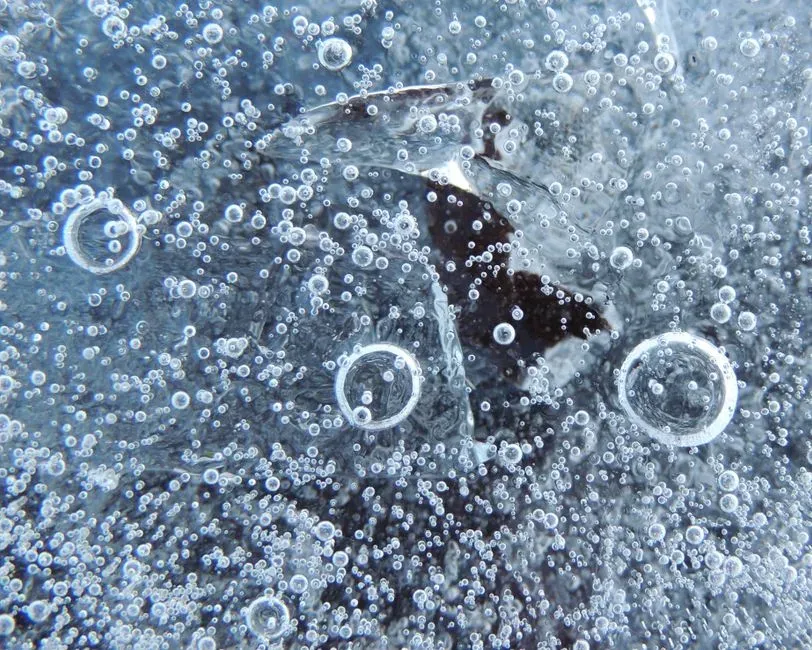
At first glance, it sounds like marketing hype to say scientists have “bottles” of ancient atmosphere from more than half a million years ago. But that is literally what ice cores provide. As snow falls in polar regions, it traps little pockets of air between the flakes. Over time, more snow piles on, compressing those pockets into minuscule bubbles locked inside clear ice. When researchers drill deep cores through Greenland and Antarctica, they are sampling layer upon layer of frozen time. Back in the lab, those bubbles can be carefully melted or crushed to release the air, which is then analyzed for its carbon dioxide, methane, and other gas levels. That is how we know, with actual measured values, what greenhouse gas concentrations were during different stages of the Ice Age. We are not guessing from models alone; we are effectively opening tiny time capsules, each one holding a breath of the planet from tens or hundreds of thousands of years ago.
6. The Ice Age was not one long freeze but a wild roller coaster of rapid climate swings
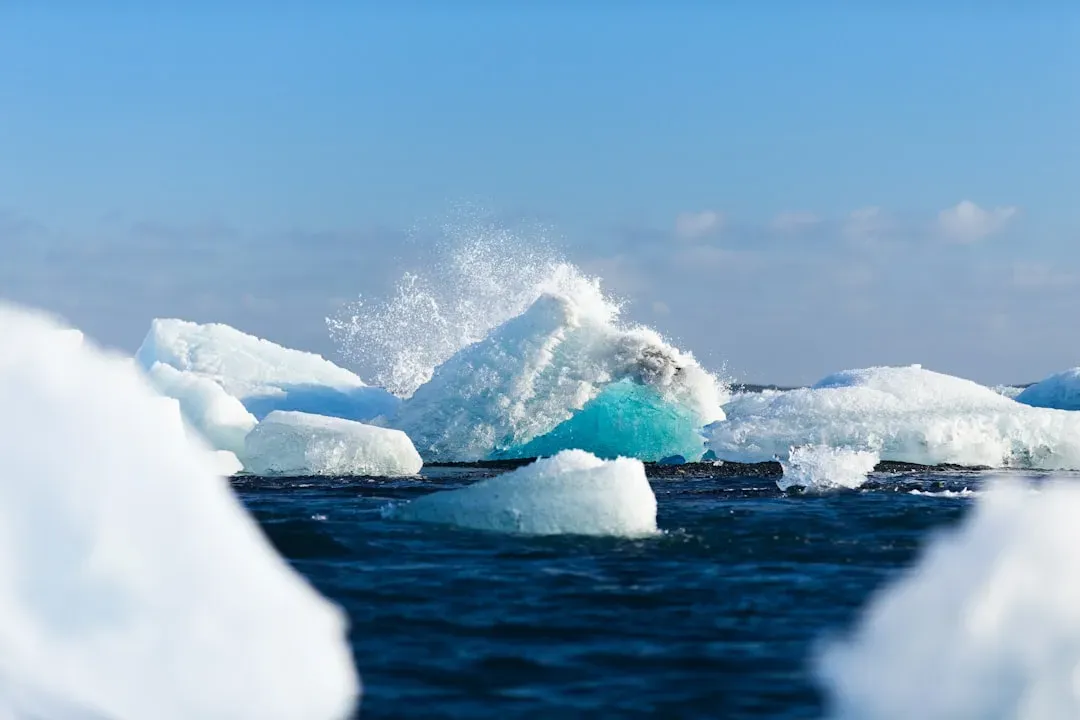
Many people picture the Ice Age as a single, unchanging deep‑freeze that lasted ages, like the planet hit pause on the weather. The geological record tells a different, much stranger story. Ice sheets advanced and retreated multiple times, and during the last glacial period there were abrupt climate jumps where temperatures in parts of the North Atlantic region shifted by several degrees within only a human lifetime or two. For a planet‑scale system, that is shockingly fast. Sediment cores and ice cores both record these dramatic wiggles. You see layers that switch from cold‑adapted species to warmer‑water ones, then back again, almost like someone flicked a thermostat up and down. From a human perspective, this means that if you were born into what looked like a stable frozen world, by the time your grandchildren came along, their environment could be significantly different. The Ice Age climate was less a steady soundtrack and more a playlist full of sudden, jarring remixes.
7. Humans and mammoths really did coexist – and probably helped push them over the edge
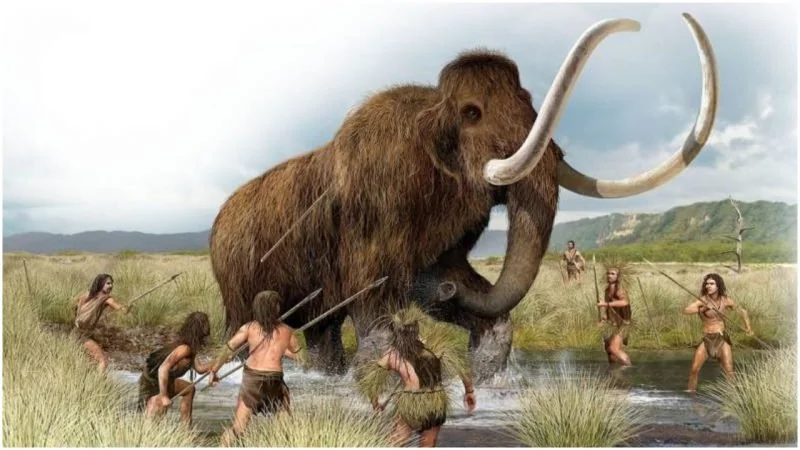
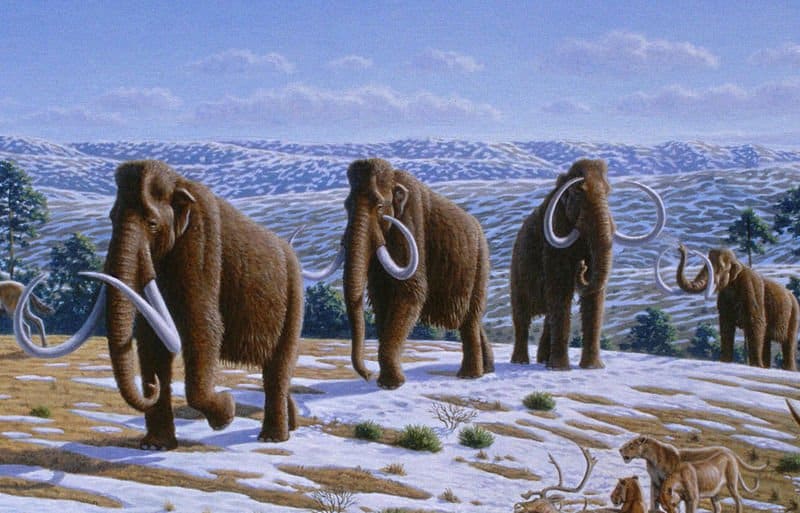
It is tempting to imagine mammoths and other Ice Age giants as belonging to a world entirely separate from ours, separated by an uncrossable gulf of time. In reality, our species and woolly mammoths overlapped for thousands of years across Eurasia and North America. We have mammoth bones with clear butchery marks, cave art that unmistakably shows shaggy elephant‑like animals, and tools made from mammoth tusks and bones. These were not mythical beasts to our ancestors; they were neighbors, prey, and materials. The controversial part is not whether we met mammoths, but how much responsibility we carry for their disappearance. Evidence suggests a combination of warming climate and human hunting pressure gradually pushed many large Ice Age mammals into decline. My own view, based on the balance of data, is that humans were not the sole executioner but more like the final shove to a species already wobbling on the edge. It is unsettling to realize that even small bands of hunter‑gatherers could tip the scales for megafauna on entire continents.
8. Entire ecosystems shifted northward and upward like slow‑motion migrating continents
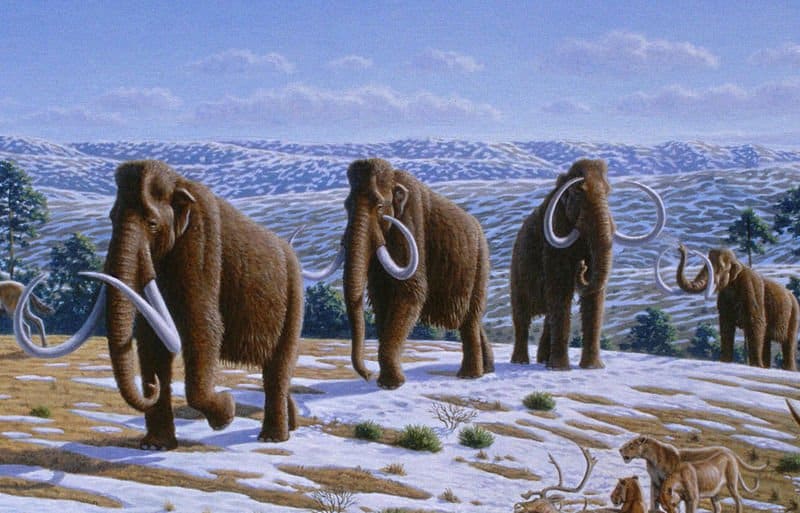
One of the strangest, least intuitive Ice Age facts is how entire ecosystems appear to slide around on the map over thousands of years. As climates cooled, plant and animal communities shifted southward or downslope, seeking temperatures and rainfall they were adapted to. When things warmed, they tracked the conditions back north or uphill. Fossil pollen grains in lake sediments, along with plant macrofossils and animal remains, show forests turning into grasslands and back again in the same spot through time. You can think of it like a city that periodically packs up and moves to a different latitude, except instead of buildings on trucks, it is seeds, spores, and animals following their comfort zones. What makes this especially relevant today is that those long‑term Ice Age migrations tell us how nature responds when climate zones move. Back then, many species could keep up because the pace of change was slower and there were fewer human barriers. Now, with rapid warming and roads, farms, and cities in the way, that ancient mobility is far harder to repeat.
Conclusion: The Ice Age was stranger than fiction – and more relevant than it looks
The more you learn about the Ice Age, the more it stops feeling like a distant, frozen fairy tale and starts looking like a rough draft for the world we live in now. The shape of our coastlines, the positions of our soils, the routes early humans took, the species we lost and the ones that survived – all of these were carved, nudged, and filtered by that cycle of ice and thaw. To shrug it off as ancient history is to ignore the blueprint under our feet. I’ll admit I find it a bit darkly funny that some of the most unbelievable science stories we have – land bridges, car‑sized sloths, bottled ancient air – are sitting quietly in geology papers instead of headlining blockbusters. But maybe that is the point: the planet does not need our imagination to be dramatic. It already is. The real question is whether we are willing to learn from that wild past, or whether we will keep treating it as trivia until the next big climate shift stops feeling theoretical. If you had to guess, which of these Ice Age “myths” surprised you the most?