
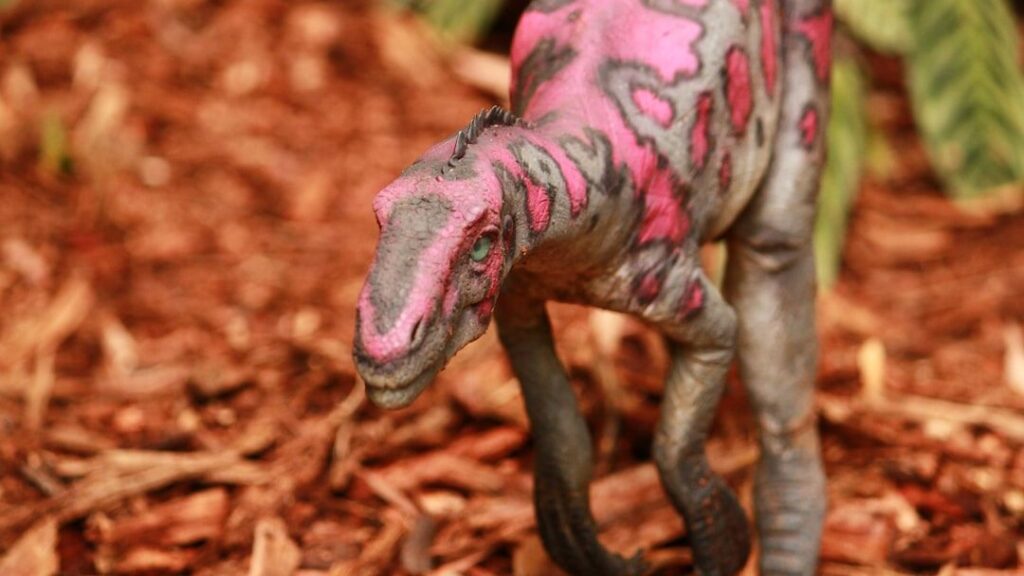
For more than a century, dinosaurs were painted in our imagination with guesswork: gray like elephants, brown like rhinos, maybe green like crocodiles. Artists picked colors that felt “prehistoric,” and scientists mostly shrugged, because skin and feathers are soft tissues that almost never fossilize. Then, in just the last couple of decades, a quiet revolution happened: we stopped guessing and started reading color right out of the fossils themselves.
This shift did more than tidy up our museum murals. Once we realized we could actually tell what color some dinosaurs were, it blew open new questions about how they lived, hunted, hid, and flirted. Color went from decoration to hard data. And once you see how we figured it out, you start to realize something unsettling and thrilling at the same time: the past is not as unknowable as we thought.
The Old Days: When Dinosaur Color Was Pure Imagination
![The Old Days: When Dinosaur Color Was Pure Imagination (did it myself based on [1],[2],[3],[4],[5],and [6], Public domain)](https://nvmwebsites-budwg5g9avh3epea.z03.azurefd.net/dinoworld/168570092481f9b1d9f0db35997b42f2.webp)
For most of the twentieth century, dinosaur color was basically a vibe. Paleontologists focused on bones, because bones fossilize well and tell you about size, posture, and movement. Skin, feathers, and patterns? Those were handed off to illustrators, who often defaulted to dull greens and browns, assuming big animals had to be drab and swampy. If you grew up with sluggish, mud-colored brontosauruses, that was not science speaking, it was tradition.
There was also a deep pessimism baked in. Scientists honestly believed that color was lost forever because the pigments themselves break down over millions of years. Without pigment, there was no obvious way to reconstruct stripes, spots, or iridescence. The best anyone could do was make educated guesses based on modern animals: maybe predators were more muted, maybe display structures were brighter. It felt responsible, but under the hood it was still sophisticated guesswork dressed up as authority.
The Game-Changer: Discovering Fossil Pigment Structures
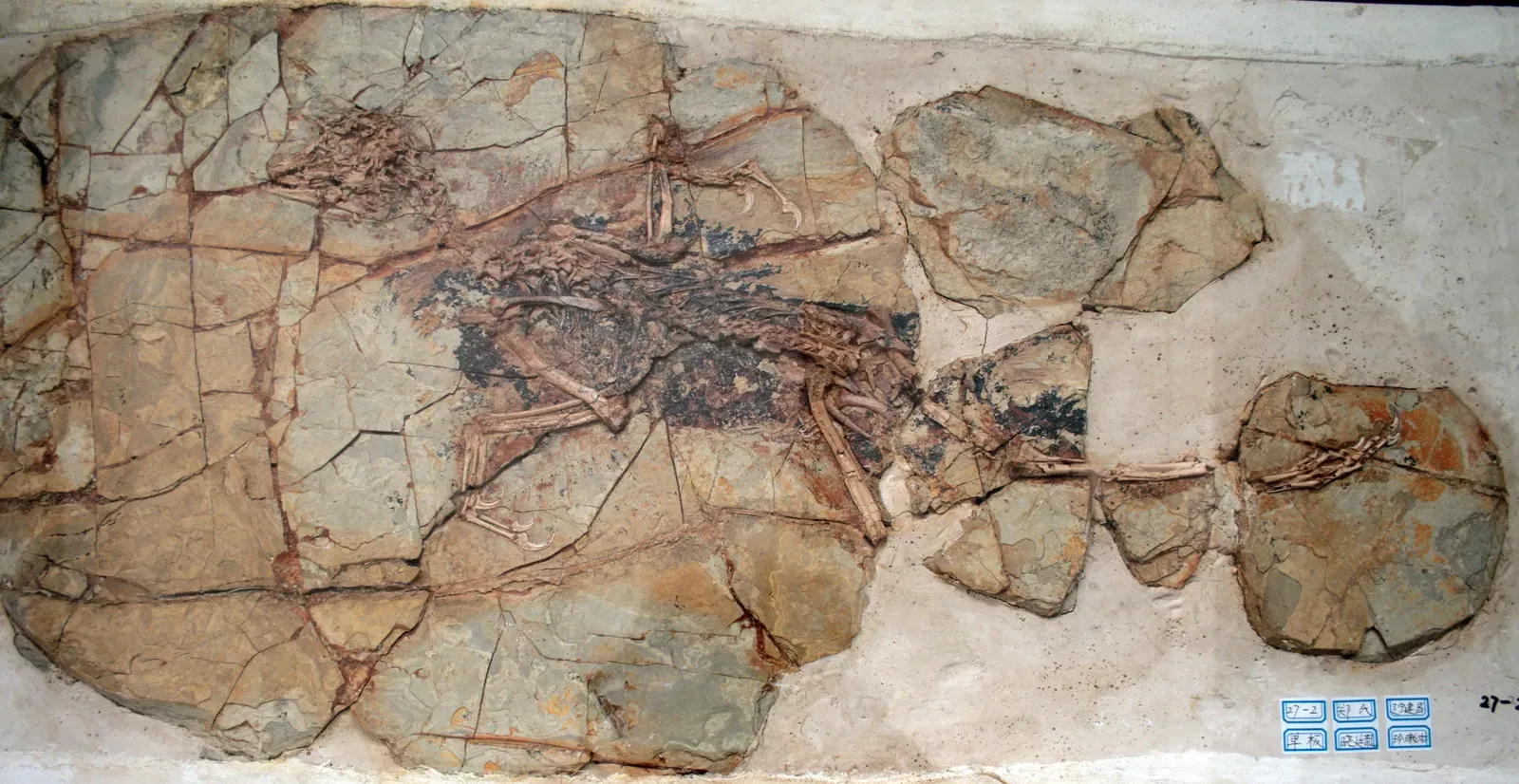
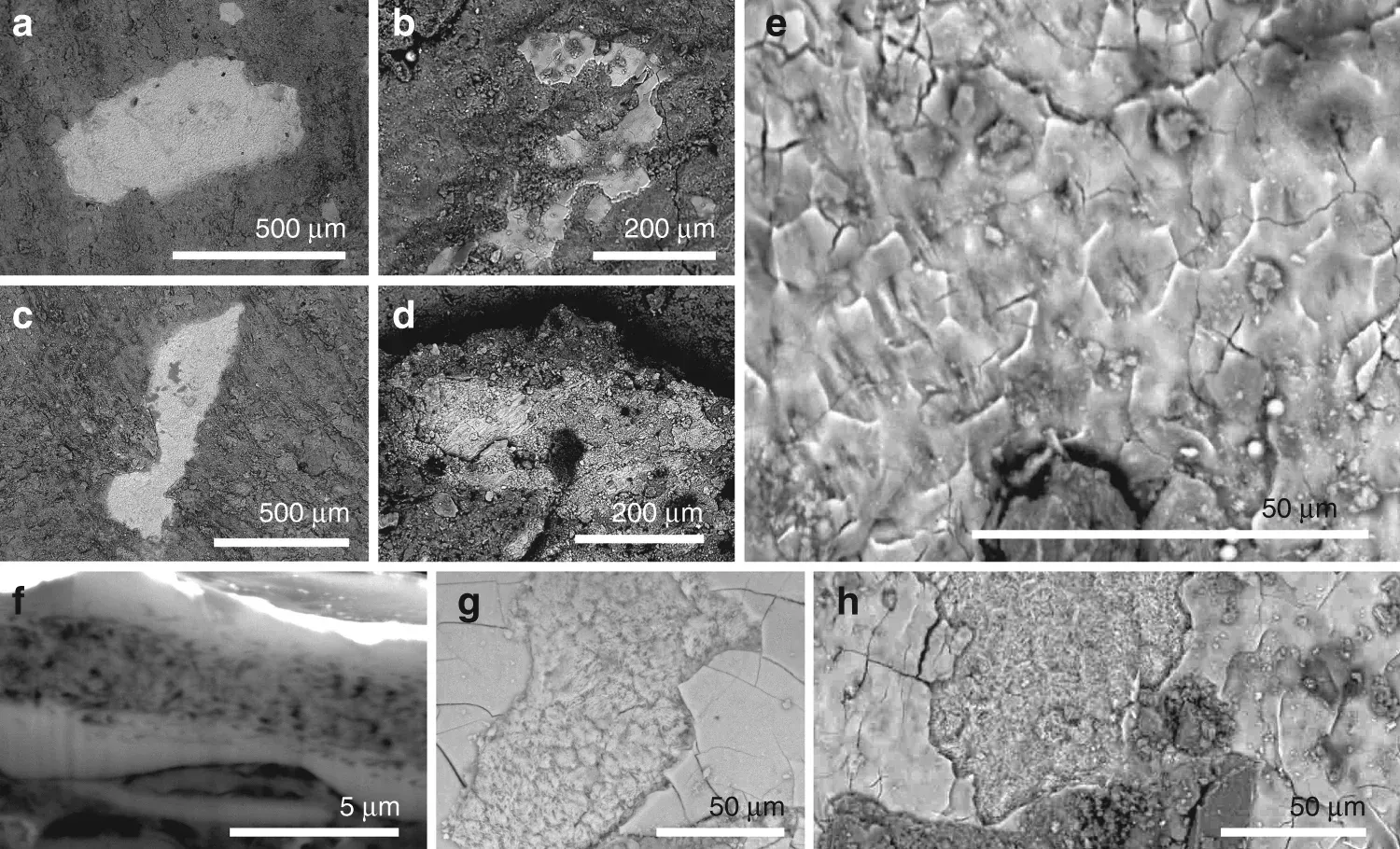
The plot twist arrived when researchers started looking at exquisitely preserved feathered dinosaur fossils under powerful microscopes. Inside those fossil feathers, they noticed tiny, regularly shaped structures that looked suspiciously like melanosomes, the microscopic pigment-carrying blobs found in modern bird and mammal feathers and hairs. At first, some doubted they were really ancient; skeptics suggested they might just be bacteria or later contamination.
But the shapes, sizes, and arrangements matched melanosomes way too well, and they were sitting exactly where you’d expect pigment to be in a feather. Different melanosome shapes in living birds correlate strongly with specific colors like black, reddish-brown, or gray. When scientists realized the fossil melanosomes followed the same patterns, it was like someone had left a secret color code pressed into stone. Suddenly, color was no longer an artistic choice, it was a measurable signal.
Reading a Dinosaur’s Color from Its Melanosomes
Once melanosomes were confirmed, the real fun began: building a translation guide between melanosome shapes and actual colors. In living birds, elongated, sausage-shaped melanosomes tend to produce blacks and iridescent shades, while rounder ones lean toward more reddish or brownish tones. By comparing fossil melanosomes to this modern reference library, researchers could infer not only basic color, but sometimes patterns across the body.
That meant a fossilized feathered dinosaur tail was no longer just a smudge, it was a map. If one region showed melanosomes consistent with dark pigment and another suggested paler or reddish hues, you could reconstruct bands, masks, or countershading with genuine confidence. It is not the same precision as reading a Pantone color card, but it is orders of magnitude better than just guessing “eh, probably greenish.” For a field used to living in the land of uncertainty, that difference is enormous.
From Drab to Dazzling: What Colors We’ve Actually Found
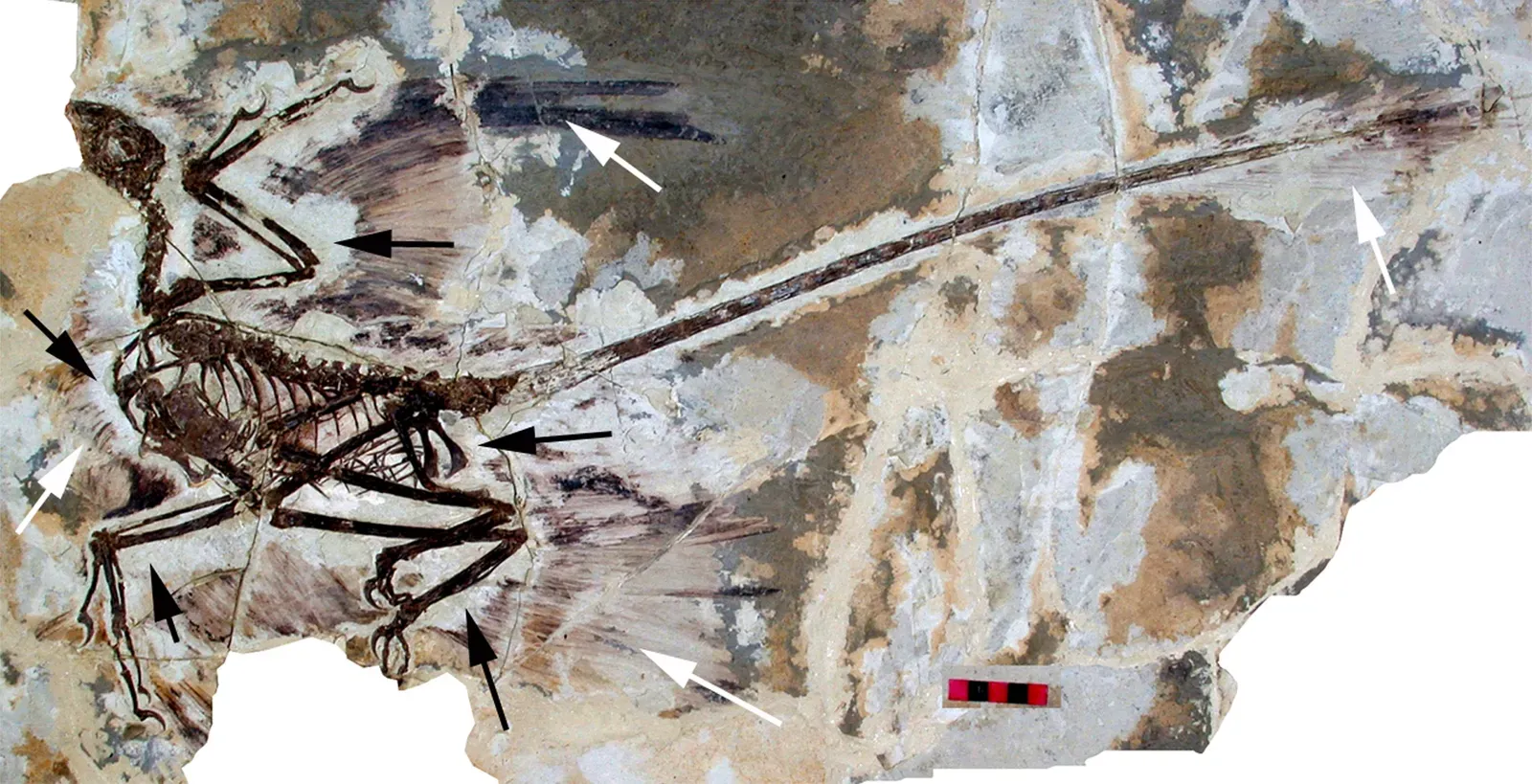
So what colors did we actually uncover? The first wave of reconstructions revealed something striking: many small, birdlike dinosaurs were anything but dull. Some showed evidence of rusty reds, inky blacks, and sharp patterns like banded tails or dark facial masks. One early famous case revealed a little dinosaur sporting a boldly striped tail, the kind of pattern you might expect on an exotic bird, not a “lizard-thing” from 150 million years ago.
Other studies suggested forms of countershading, where the back was darker and the belly lighter, a classic camouflage pattern still used by deer, fish, and many birds. There are hints of glossy, possibly iridescent sheens in some fossils, implied by tightly packed melanosomes similar to those in modern hummingbirds and starlings. We are still limited to species with incredible, fine-grained preservation, but the message is already clear: at least some dinosaurs were visually dramatic, not just walking piles of beige.
Why Color Upended Our Ideas About Dinosaur Behavior
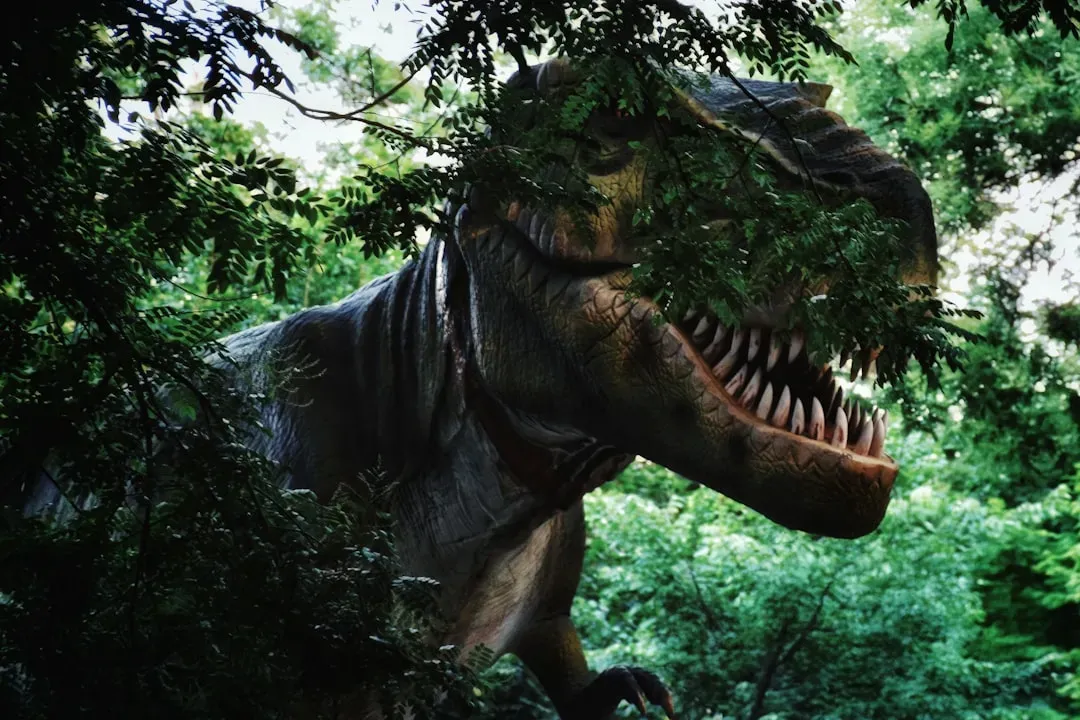
Knowing color did not just make prettier illustrations; it forced scientists to rethink how dinosaurs behaved. Bold stripes and contrasting masks suggest visual signaling, not just hiding. If a dinosaur had a flashy, patterned tail, that might mean courtship displays, territorial warnings, or social recognition within a flock, more like modern birds of paradise or pheasants than the lumbering monsters you might remember from old textbooks. Color patterns began to hint at social lives that were much richer and more complicated than we had assumed.
Even the more muted patterns, like countershading, told their own story. A carefully shaded body implies predators with good vision and an environment where blending into light and shadow mattered. Some color reconstructions even support the idea that certain dinosaurs were active during specific times of day, since many nocturnal or crepuscular animals today favor particular camouflage strategies. In other words, adding color added behavior, ecology, and even hints of daily rhythm to animals that were once treated like faceless skeletons.
What Color Tells Us About Evolution, Warm-Bloodedness, and Birds
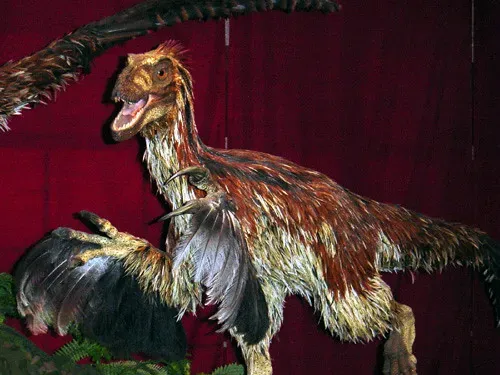
Color has also turned out to be a surprisingly sharp tool for exploring dinosaur evolution. The presence of melanosomes arranged in complex ways and linked to iridescence or fine patterning suggests high-quality feathers with multiple functions: insulation, display, and perhaps even flight. That, in turn, supports the idea that many dinosaurs were at least partially warm-blooded, using feathers not just as decoration but as thermal armor in cooler climates. Pigmentation patterns may have also played a role in regulating heat, much like darker and lighter patches in some modern animals.
Because birds are living dinosaurs, comparing their feather colors and melanosome structures to fossil species helps track how modern bird traits evolved step by step. When we see similar pigment systems appearing in non-bird dinosaurs, it pushes those traits deeper into the family tree. That shifts the line between “bird” and “dinosaur” from a hard cutoff into a long, colorful gradient. In a real sense, every time we reconstruct a dinosaur’s feather patterns, we are watching the story of birds being written in reverse.
The Limits of What We Can Know – And Where the Science Is Headed
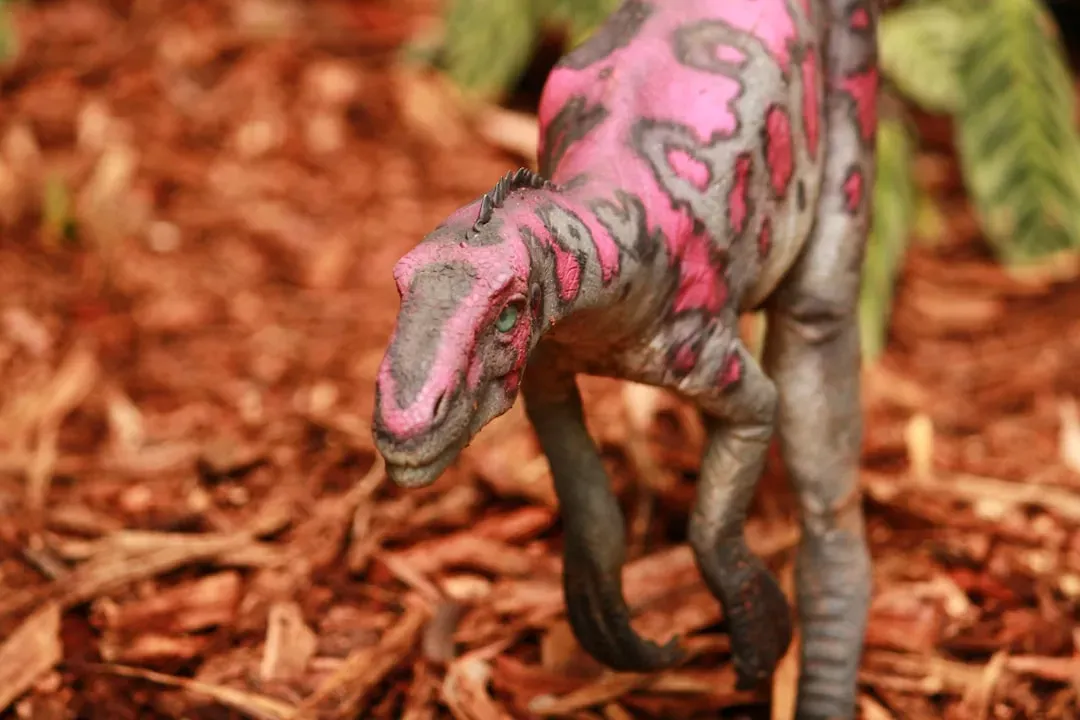
As exciting as this all is, there are hard limits we should not gloss over. Only an extremely small fraction of fossils preserve feathers or skin at the level needed to study melanosomes. Many huge, iconic dinosaurs like Tyrannosaurus rex are still color mysteries, and for most of them we might never get more than educated guesses based on their closest feathered relatives. Some pigments, like carotenoids and structural colors that produce bright blues or greens, do not fossilize as neatly, which means we likely miss parts of the original palette.
That said, the direction of travel is obvious: techniques keep getting better. Researchers are experimenting with chemical signatures, ultraviolet light, and new imaging methods to tease out more subtle traces of ancient coloration. It feels a bit like we have just found the first few pages of a long-lost picture book about the Mesozoic, and every year, another fragment turns up. Personally, I suspect that in a few decades, kids will look at our current reconstructions and see them the way we see the saggy gray brontosauruses of the 1950s: charming, but wildly outdated.
Why This Color Revolution Really Matters
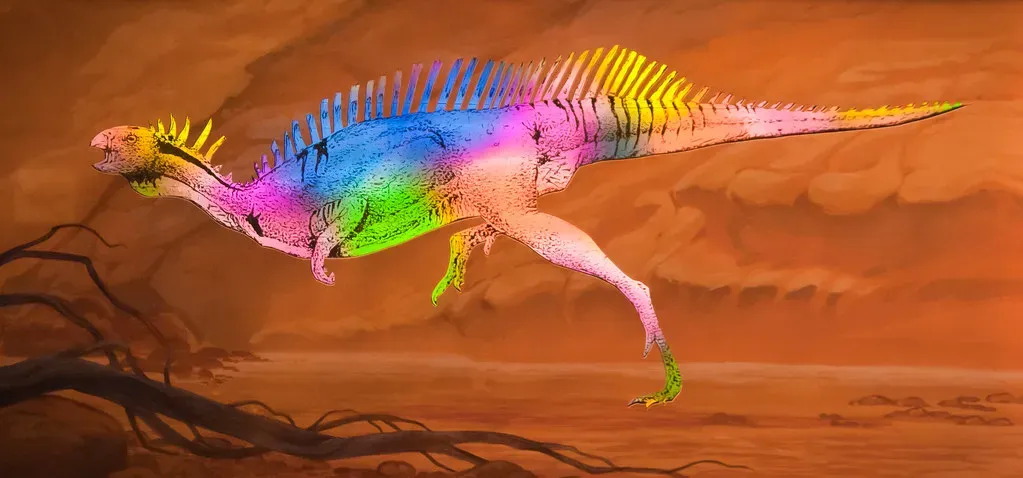
Underneath all the technical detail, here is the part that sticks with me: learning the colors of some dinosaurs is a quiet, almost subversive attack on the idea that the deep past is forever blank. We used to treat these animals like anonymous stone giants; now we are arguing about whether one had a bandit mask around its eyes or a shimmering tail. That level of intimacy changes how you think about them. They stop being monsters and start feeling like real, living creatures that cared about hiding, showing off, and recognizing one another.
I also think this shift exposes a bigger truth about science: the answers are often more vivid and surprising than the old stories we grew up with. We thought dinosaurs were dull and drab because it made them easier to box up as “prehistoric.” Instead, they turn out to have been as visually complex as the birds outside your window. That realization makes the fossil record feel less like a graveyard and more like a badly damaged photo album we are slowly restoring. And it raises a deliciously uncomfortable question: if we got dinosaur color so wrong for so long, what else do we still see in black and white that is actually blazing with color?