
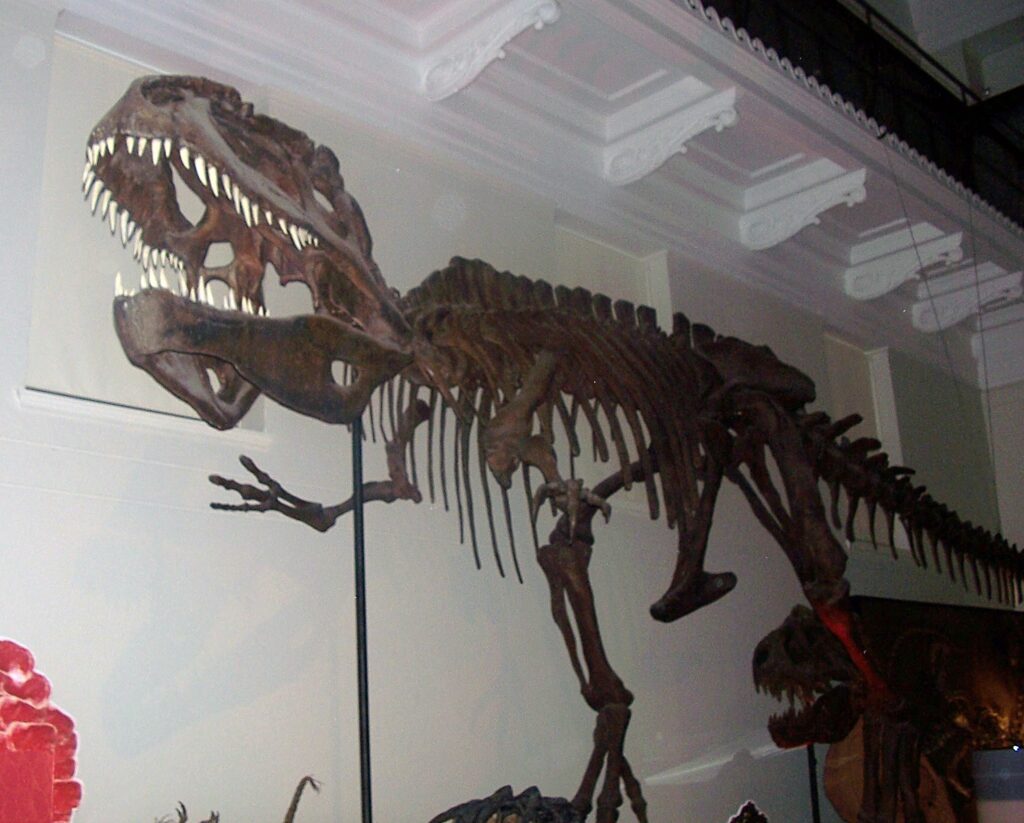
Walk into almost any local museum and the dinosaur hall still feels like stepping onto the set of an old science‑fiction movie. Giant gray skeletons loom overhead, stiff, naked, and oddly lifeless, while wall panels repeat ideas that paleontologists quietly abandoned years ago. It looks impressive at first glance, but once you know what modern dinosaur science actually says, a lot of it starts to feel like a frozen time capsule from decades ago.
The awkward truth is that dinosaur research has exploded over the last generation. New fossils, new technology, and completely new questions have flipped whole parts of the story. Yet many smaller museums simply have not caught up. That gap between what you see in glass cases and what scientists now know can be pretty shocking once you start noticing it. Here are five of the most common, quietly embarrassing ways your beloved local dino exhibit is stuck in the past.
1. The Naked, Lizard‑Like Dinosaurs That Should Be Covered in Feathers
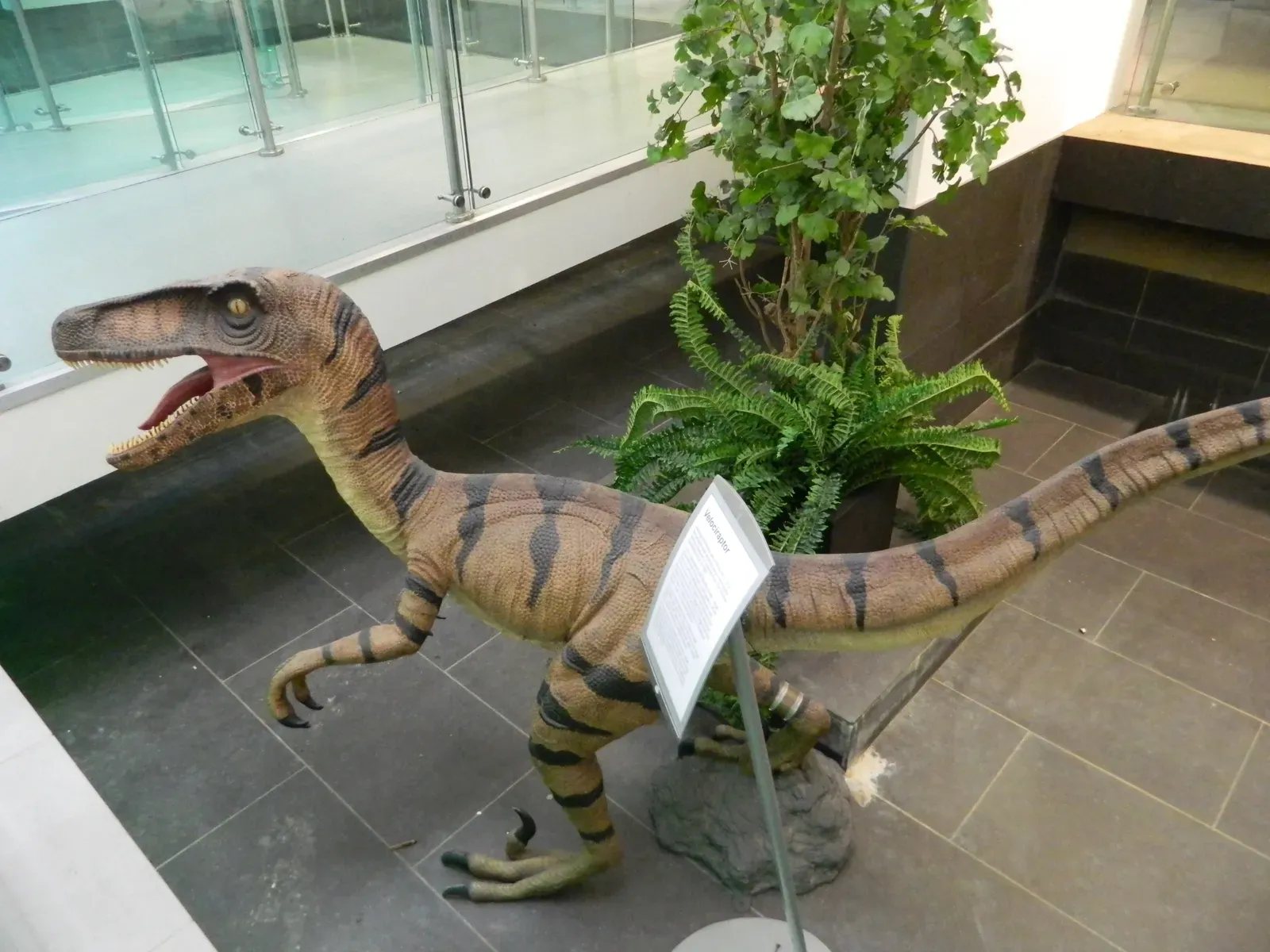
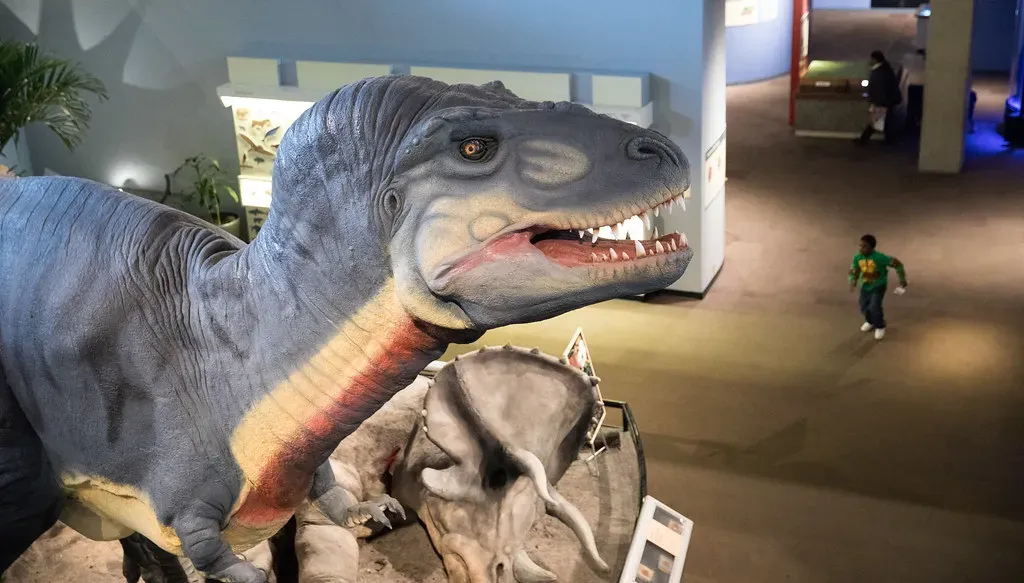
If your T. rex looks like a giant crocodile in high heels, you are looking at a very 1980s animal. Over the last couple of decades, scientists have found a growing list of feathered dinosaurs, including close cousins of famous stars like Velociraptor. Evidence now suggests that many theropods, especially smaller and medium‑sized ones, likely had some kind of feather covering, fuzz, or simple filaments, even if they were not fully fluffy like a modern bird. The scaley, bare‑skinned monsters on many museum walls are more nostalgia than science at this point.
To be fair, nobody knows exactly how feathery every species was, and serious researchers argue about the details. That is normal and healthy, but it still means the smooth reptile skin on a lot of models is almost certainly wrong for many meat‑eaters and even some plant‑eaters. When you see a Velociraptor model that looks like a shrink‑wrapped Komodo dragon instead of a terrifying murder‑bird, it is like watching a nature documentary that forgot to include fur on wolves. Museums that have not updated these displays are silently teaching kids a version of dinosaurs that modern fossils have already left behind.
2. Tail‑Dragging Postures Straight Out of a Black‑and‑White Movie
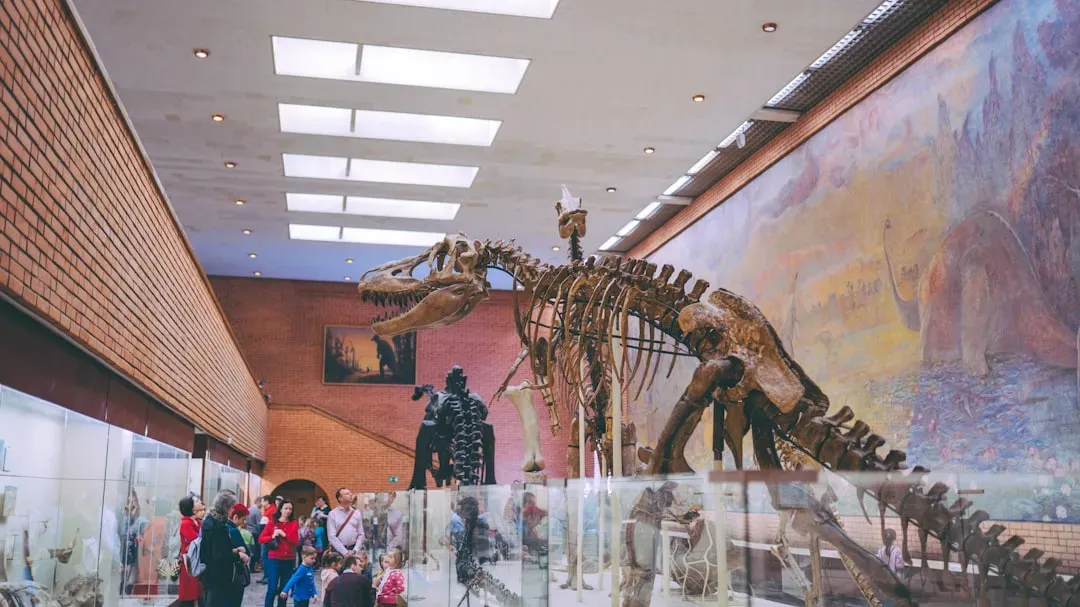
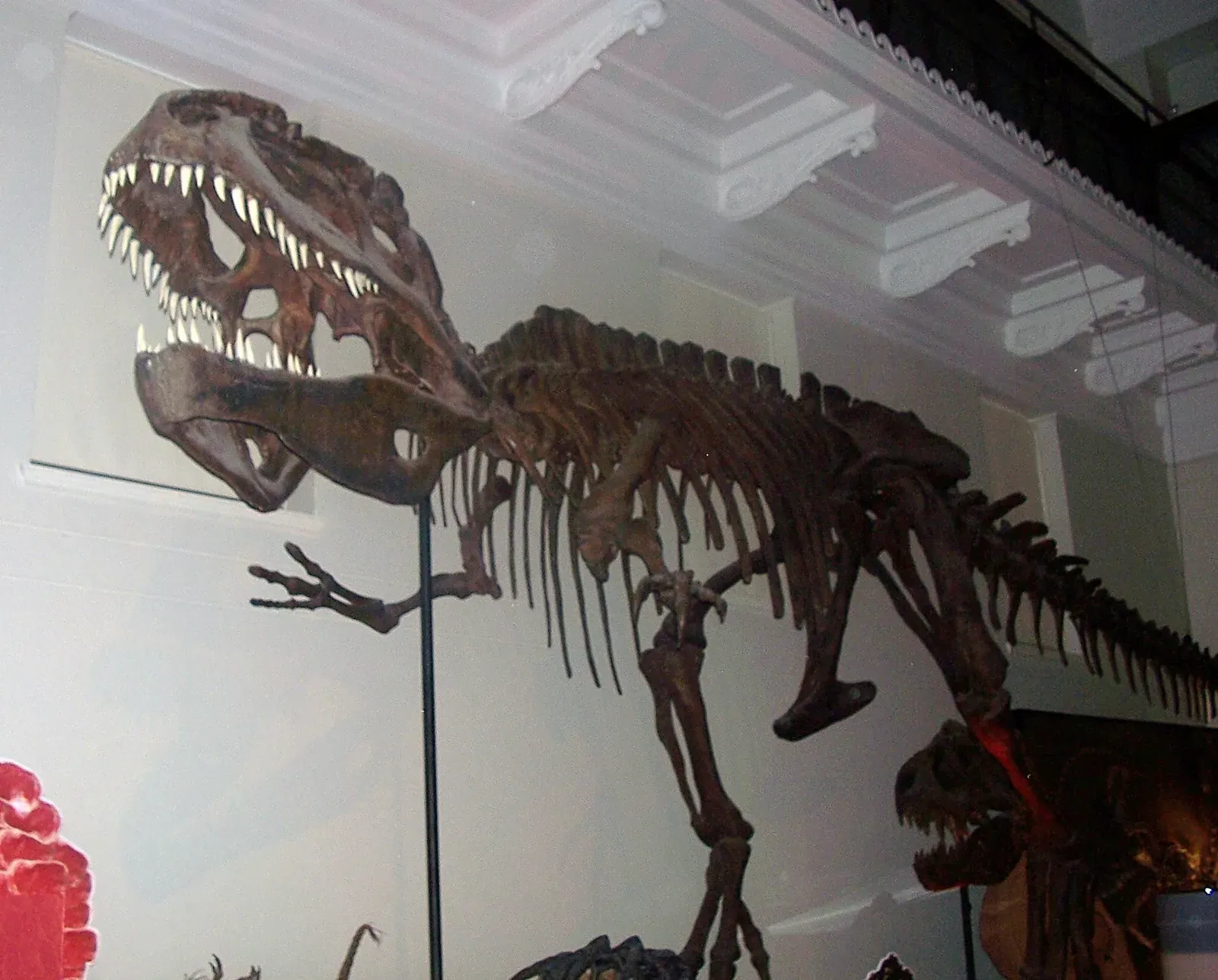
One of the clearest signs your exhibit is stuck in the past is the classic tail‑dragging pose. Older mounts show huge dinosaurs like Tyrannosaurus or Allosaurus standing bolt upright, with their tails sagging along the ground like giant dead snakes. That image was based on early misunderstandings of dinosaur anatomy, when they were seen as oversized reptiles that lumbered around more like sluggish alligators than active animals. Today, the evidence from bones, muscle attachment points, and trackways paints a very different picture.
Modern reconstructions show that most large dinosaurs held their spines and tails in a mostly horizontal line, balancing like a seesaw over their hips. Their tails were not lazy, useless drags; they were dynamic counterweights for walking, running, and turning. When a museum still shows a tail‑dragging mount, it is a bit like hanging up a medical chart that suggests bloodletting as a normal treatment. It is not only visually outdated, it quietly undercuts the insight that these animals were active, athletic, and surprisingly sophisticated in how they moved.
3. Old‑School “Cold‑Blooded” Panels That Ignore Dinosaur Metabolism Debates
Look closely at the wall text in your dinosaur gallery. If it confidently tells you that dinosaurs were slow, cold‑blooded reptiles that sat around waiting to warm up in the sun, that messaging is badly stuck in the past. For decades now, researchers have been gathering evidence that many dinosaurs had much more active metabolisms than classic lizards. Bone growth rings, oxygen isotopes, and comparisons with modern birds and crocodiles all point toward a more complex picture, somewhere on a spectrum between what we casually label warm‑blooded and cold‑blooded.
Scientists do still argue about the exact details, and different dinosaur groups may have had different metabolic strategies. That uncertainty is not a weakness; it is actually one of the most exciting frontiers in modern paleontology. When a museum leaves up panels that treat dinosaurs as obviously sleepy, cold‑blooded failures, it not only misleads people, it robs them of a chance to see real science at work. Instead of admitting that researchers are testing new ideas about dinosaur physiology, the exhibit clings to a story that felt safe in the 1960s and now just feels embarrassingly flat.
4. Depictions of Dinosaurs as Dumb, Roaring Monsters Instead of Complex Animals
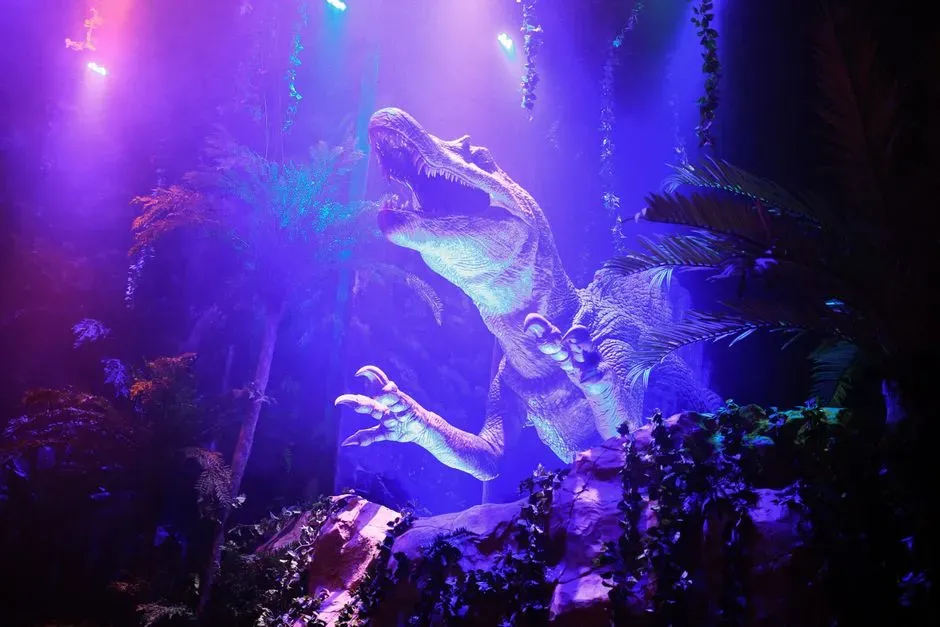
Many older exhibits lean hard into the monster movie vibe. Dinosaurs are shown eternally roaring, fighting, and stomping, almost never resting, nesting, or interacting in subtle ways. You will see tooth marks and claw marks everywhere, but almost no nests, no parental care, and no signs of complex social life. Yet fossil evidence has turned up nesting grounds, brooding postures, and trackways that suggest some dinosaurs moved together in groups. They were not just walking chainsaws; they were animals with life histories, behaviors, and strategies.
Of course we will never have a perfect script of dinosaur family drama, and it is easy to go too far in the other direction and pretend we know more than we do. Still, modern research strongly suggests that many dinosaurs had social behaviors, communication, and maybe even forms of problem‑solving that deserve more credit. When museums keep everything stuck on endless combat scenes, it feels a little like describing wolves only as snarling villains and never as pack‑raising pups or coordinating hunts. It might look exciting at first glance, but it oversimplifies the story to the point of caricature.
5. Static, Text‑Heavy Displays That Ignore How Fast the Science Is Moving
One of the most quietly embarrassing problems is not a specific fossil or wrong pose, but the overall vibe of the exhibit. Many dinosaur halls are heavy on dusty text panels and light on any sense that science changes. You walk past rows of skeletons and paragraphs that sound final and absolute, as if nothing new has been learned since the day they were printed. Meanwhile, outside those walls, new species are named almost every week, and techniques like CT scanning and chemical analysis keep rewriting pieces of the story.
Updating a full exhibit is expensive, so smaller museums often stick with what they have, even if it is obviously dated to anyone who follows the field. From a distance, that might seem harmless, but it subtly teaches visitors that science is a finished book instead of an ongoing conversation. A simple digital screen with rotating updates, a small “what scientists are debating right now” corner, or even labels clearly dated by year could signal that knowledge evolves. When none of that is there, the exhibit ends up feeling like a frozen museum of the museum itself, which is a shame for such a thrilling, fast‑moving branch of science.
Conclusion: Why a Slightly Wrong T. Rex Actually Matters
It is tempting to shrug and say that a tail here or a feather there does not really matter, as long as the kids are having fun staring up at the skulls. But these quiet inaccuracies do add up. They shape how people think about evolution, about how science works, and about what counts as a living, breathing animal versus a monster from a storybook. When we keep presenting dinosaurs as scaly, dim, unchanging reptiles straight out of an old textbook, we are not just behind the times; we are lowering the bar for how seriously we treat evidence.
Personally, I find that once you see how much the field has changed, it is hard to unsee just how stale many galleries have become. The good news is that even small updates can make a huge difference: a feathered model here, an honest note about scientific debates there, a posture adjustment on an old mount. Those tweaks do not just modernize the dinosaurs; they modernize our picture of science itself as something alive, self‑correcting, and sometimes willing to admit when it was wrong. Next time you walk into your local museum, will you still see ancient reptiles, or will you start spotting the quiet clues that the real revolution in dinosaur science is happening somewhere else?