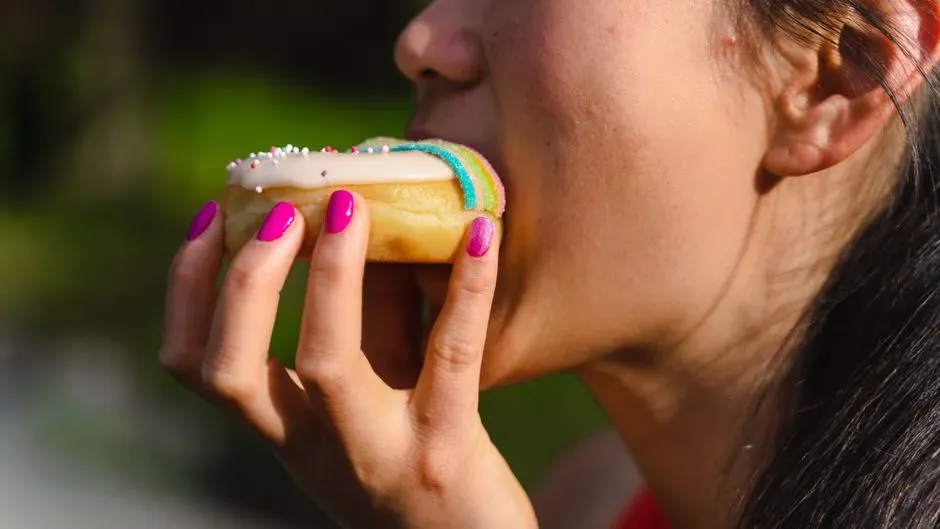
If you have ever promised yourself you would cut sugar and then found your hand mysteriously wrapped around a cookie, you are not weak – you are ancient. Your sweet tooth is not a modern glitch; it is a survival algorithm that has been running in your body since long before cities, supermarkets or even agriculture existed.
What started as a simple way to figure out which berries would keep us alive and which plants might kill us has quietly turned into one of the most powerful forces in the modern economy. From breakfast cereal and protein bars to soda, sauces and even “healthy” yogurt, that ancient craving now sits at the heart of a food industry worth trillions. The question is not just how this happened, but what it means for our health, our choices and our future.
The ancient logic: sweet means energy, bitter might mean danger

Here is the wild part: long before humans could talk, our ancestors’ tongues were already doing a kind of chemical risk analysis. Sweetness usually meant ripe fruit or starchy roots packed with calories, exactly what a hungry primate needed to survive in a world where food was unpredictable and competition was fierce. Bitter tastes, on the other hand, were often a warning sign for toxic plant compounds that could cause nausea, paralysis or worse.
Over millions of years, individuals whose brains lit up with pleasure when they tasted sweetness were more likely to seek out energy-rich foods and survive long enough to pass on their genes. Those who instinctively recoiled from extremely bitter flavors were less likely to poison themselves. You and I are the descendants of those “picky eaters” whose taste buds acted like tiny survival filters, nudging them toward what would sustain life and away from what might end it.
How taste buds became tiny survival computers

Most of us think of taste as something vague and subjective, almost like a mood, but biologically it is shockingly precise. Sweet, bitter, salty, sour and umami signals are detected by specialized receptors on our tongues and in parts of the gut, and those receptors send fast, high-priority messages to the brain. When those sweet receptors activate, the brain receives a clear signal: here comes energy, prepare to receive and store it.
Bitterness uses a different path, with a whole family of receptors tuned to detect thousands of plant chemicals that might be harmful in high doses. When these receptors fire strongly, the body can react with disgust, gagging or a sharp aversion, especially in children. It is not polite or sophisticated, but from an evolutionary point of view, that disgust is genius – it is a built-in defense system that makes us think twice before swallowing something that might cause real damage.
Why kids love sugar and hate broccoli: evolution in your living room

If you have ever watched a child go into rapturous joy over ice cream but wage a full-scale negotiation over a single bite of kale, you are basically looking at human evolution in miniature. Young humans are especially tuned to like sweet flavors because they are growing fast and need lots of safe calories. Breast milk itself tastes slightly sweet, so right from the start sweetness is linked not only to energy but also to comfort and safety.
On the flip side, kids are often more sensitive to bitterness than adults, which makes evolutionary sense. A small body is more vulnerable to toxins, so having an extra-strong warning system is protective. Over time, as we grow and learn which bitter foods are actually safe and nutritious – like coffee, dark chocolate, cabbage or tonic water – the brain can “override” some of that instinctive disgust. But the early wiring is very clear: in a child’s world, sweet is friendly, and bitter is suspicious until proven otherwise.
From forest to factory: how sweet cravings met industrial power

For most of human history, sweetness was rare and seasonal: fruits, some roots, a bit of honey if you were lucky and brave enough to raid a hive. The effort it took to find those calories kept our intake naturally limited. Then agriculture scaled up sugar cane and sugar beet production, and suddenly something that used to be an occasional treat turned into a cheap commodity that could be poured, crystallized and shipped everywhere.
Industrial processing took this even further by extracting and concentrating sugars, corn syrups and other sweeteners that could be added to almost anything. Instead of trudging through a forest to find a handful of ripe berries, we can now get the equivalent of an entire orchard’s worth of sugar in a single bottle of soda. The same ancient brain circuits that once rewarded us for stumbling on a rare fig tree are now lighting up several times a day at the tap of a dispenser or the crack of a can.
Trillions on the table: the business of engineering “bliss”
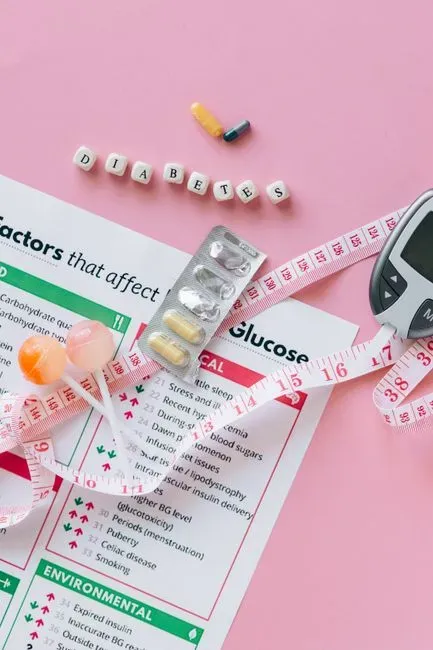
Food companies have not just noticed our love of sweetness; they have built empires on it. Huge amounts of money, data and laboratory work go into finding what researchers sometimes call a “bliss point” – that perfect balance of sweetness, texture and flavor that keeps you wanting just one more bite or sip. This is not a conspiracy so much as a brutally logical response to market incentives: if making foods slightly sweeter makes people buy more, it is almost guaranteed that products will drift in that direction over time.
By layering sweetness into cereals, snacks, drinks, condiments and even savory dishes, the modern food industry keeps activating the same primitive reward systems again and again. That helps explain why so many products taste oddly similar, and why it can feel genuinely hard to stop eating once you start. Our tongues are dealing with something they were never built to handle: endless, cheap, on-demand access to refined sweetness, backed by a global logistics network and relentless marketing.
The bitter paradox: what we avoid is often what we need

Here is the twist that evolution did not quite anticipate: a lot of the bitter or slightly harsh flavors we are wired to dislike are attached to some of the most beneficial substances in our diet. Bitter compounds in vegetables, herbs, cocoa, tea and coffee often come from plant chemicals that support cellular defenses, influence metabolism or protect against oxidative stress. Our ancestors got some of these in small, natural doses while still relying heavily on sweeter foods for energy.
In the modern world, where calories are abundant but nutrient quality can be uneven, this aversion to bitterness can quietly push us away from exactly the foods that would help stabilize blood sugar, support gut health and reduce chronic disease risk. It is a paradox: an ancient safety system that once shielded us from toxins now nudges many people toward a diet that is heavy on sweet, low on complexity and lacking in the subtle bitter notes that often signal nutrients our bodies could genuinely use.
Can we retrain an ancient palate in a modern food jungle?

The hopeful news is that our taste system is not completely stuck; it can adapt more than most people expect. When you repeatedly eat less-sweet versions of familiar foods, or gradually introduce more bitter and sour flavors, your brain quietly recalibrates its expectations. Over time, things that once tasted pleasantly sweet can start to seem overpowering, and vegetables or drinks that seemed too bitter become more interesting and enjoyable.
This is not instant or effortless, and it can feel awkward at first, like switching from a loud pop song to a quiet acoustic track. But just as people can grow to love dark chocolate, black coffee or unsweetened yogurt, we can nudge our palates to appreciate a wider range of flavors and break the constant chase for hyper-sweet sensations. In a way, this is about taking gentle control back from instincts that were shaped for a harsher world than the one we now inhabit.
Where do we go from here? My take on our sweet, uneasy future
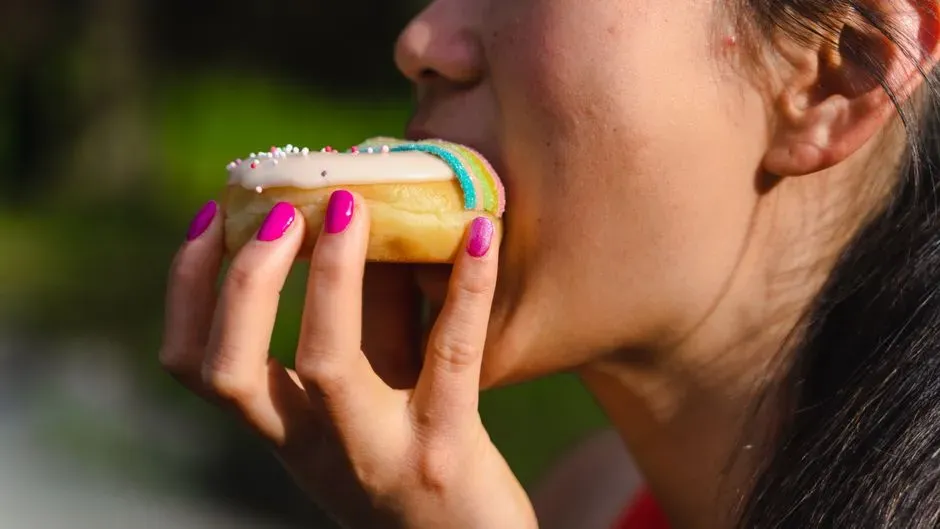
To me, the most uncomfortable truth in all of this is that our bodies are not defective – our environment is mismatched. We are running Stone Age software in a neon-lit, app-driven food casino, and then blaming ourselves for craving the very things our biology was trained to seek out. Pretending we can simply “willpower” our way out of a trillion-dollar sweetness economy feels naive at best and cruel at worst.
I think the real challenge of the next few decades is not to wage war on sugar or shame people for loving sweet foods, but to redesign the food landscape so that our ancient survival filters start working for us again instead of against us. That might mean reformulating products, celebrating bitter and complex flavors, or treating ultra-sweet foods more like fireworks than background noise: dazzling sometimes, but not every night. The sweet tooth is not the villain in this story – the question is whether we let it steer blindly, or finally learn to drive with it instead of being dragged along behind it. What role do you think your own cravings are quietly playing in the way you live, eat and feel every day?