
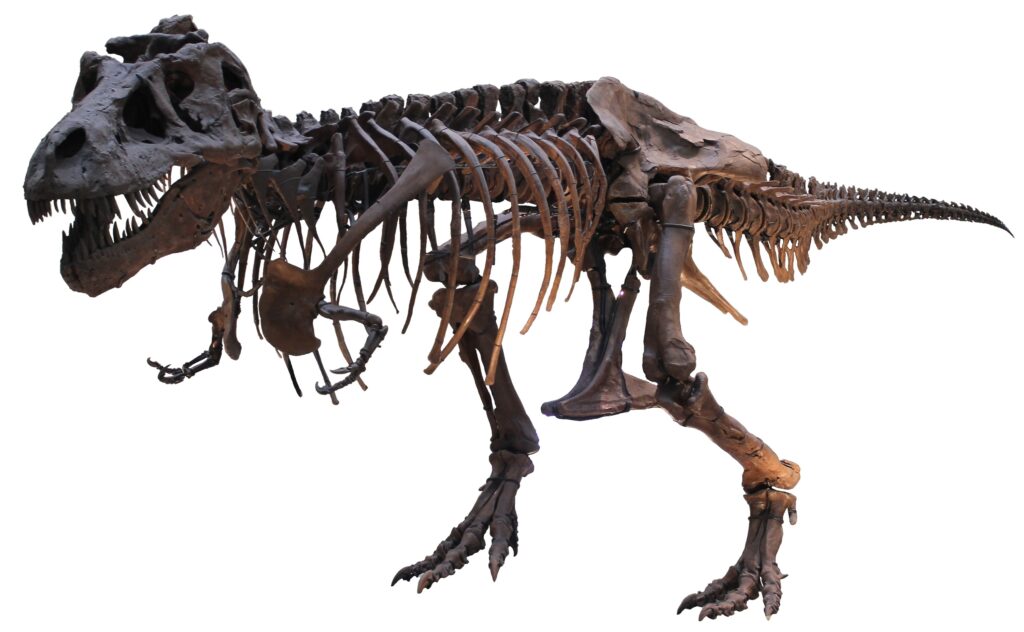
Picture this: you are standing on a windswept ridge in eastern Montana, staring at a jumble of tan and red rock. To most people it just looks like badlands, the kind of place you drive through on the way to somewhere else. But statistically speaking, this bleak landscape is one of the likeliest places on the planet to literally trip over the bones of Tyrannosaurus rex. That is not just romantic dinosaur-nerd talk; more T. rex fossils have been pulled from Montana’s rocks than from any other single region on Earth.
Why here? Why this huge, sparsely populated state better known for cattle, huckleberries, and long winters? The answer is a mashup of deep time geology, climate quirks, and plain old human stubbornness. Montana is a place where the right rocks are exposed at the surface, in the right way, in the right kind of country, with the right people on the ground looking. Once you see how all those pieces line up, it almost feels inevitable that Montana became the global capital of T. rex.
The perfect time capsule: Late Cretaceous rocks right at the surface
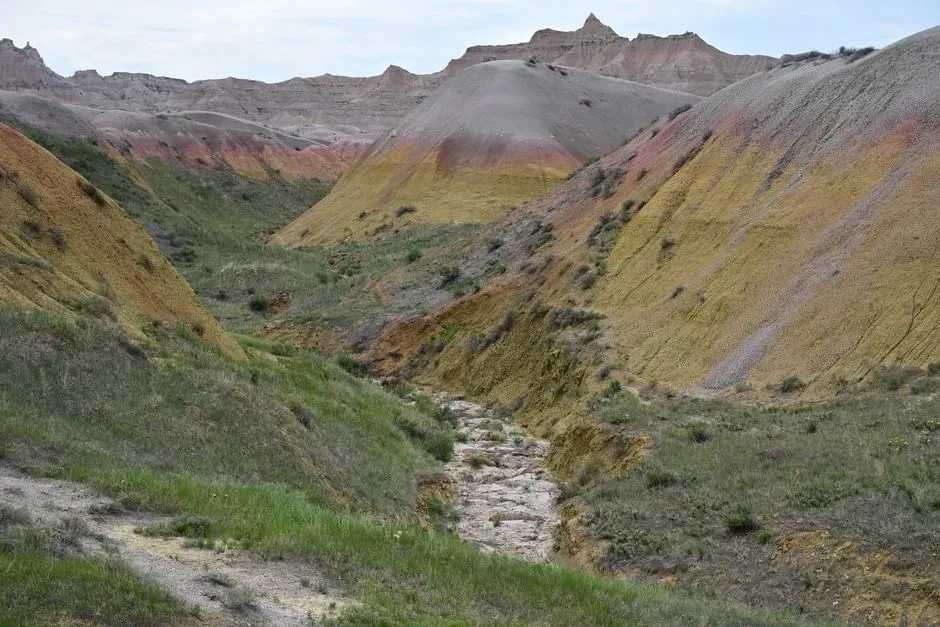
Here is the core secret: to find a lot of T. rexes, you need rocks that are exactly from the tiny sliver of time when T. rex actually lived. That window is surprisingly narrow in geological terms, covering only the very end of the Late Cretaceous, roughly the last couple million years before the dinosaur-killing asteroid. Montana just happens to have enormous swaths of rock from that exact interval sitting right at the surface, especially formations like the Hell Creek and Lance formations.
In many parts of the world, rocks of this age are buried deep underground, hidden under younger sediments, forests, cities, or simply worn away. In Montana, by contrast, erosion and uplift have stripped off the overlying layers and exposed these older Cretaceous beds like pages in an open book. When you walk through eastern Montana badlands, you are basically walking across the landscape T. rex hunted on, frozen in stone. That direct access to the right rocks is the first big reason the state is so ridiculously rich in tyrannosaur remains.
A once-lush coastal plain perfect for preserving dinosaurs
It is easy to forget, standing under a big Montana sky, that during the Late Cretaceous this place was not dry rangeland. It was a warm, lush coastal plain on the edge of a shallow inland sea that cut North America in two. Think broad rivers, swamps, sandbars, and dense vegetation instead of sagebrush and prairie. That kind of environment is a fossil-making machine, because it offers lots of ways for freshly dead animals to get buried quickly in mud and sand before scavengers and weather tear them apart.
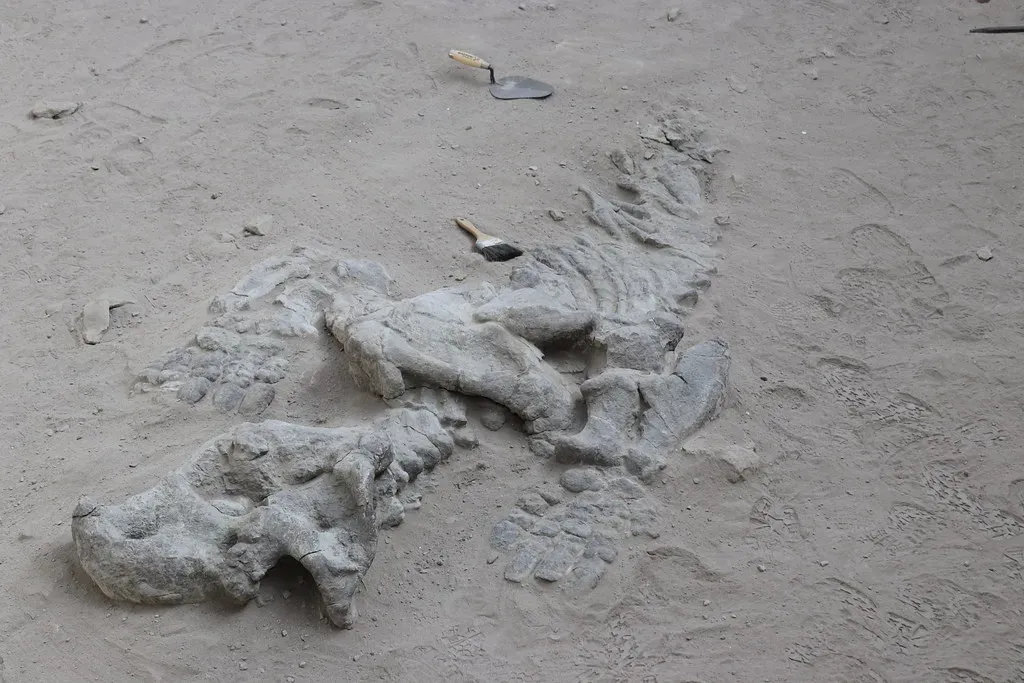
Imagine a T. rex dying along a riverbank, its carcass swept into a channel and rapidly covered by silt during a flood. The lack of oxygen underground slows decay, minerals seep into the bones, and over millions of years the remains turn to stone. Montana’s ancient floodplains did this over and over again to countless animals. The result today is entire fossil-rich layers where bones are common rather than rare, and where a careful search can realistically turn up part of a T. rex skeleton instead of just a random tooth once in a lifetime.
Endless badlands: nature’s fossil excavation system
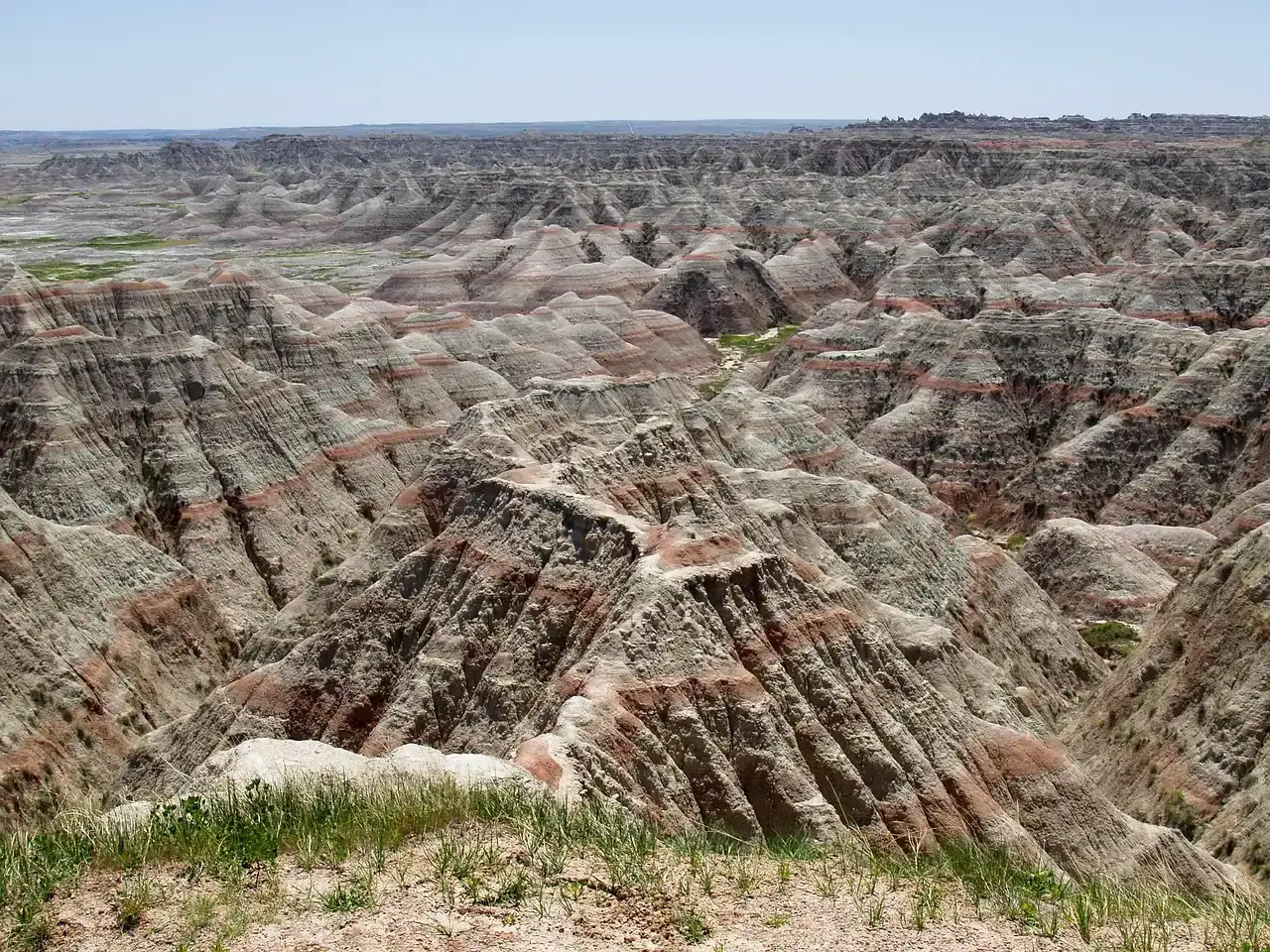
Even if your rocks are the right age and originally preserved a lot of dinosaurs, you still have a big problem: time, dirt, and vegetation tend to hide everything. What makes Montana so special is the sheer amount of exposed badlands and eroding hillsides in the eastern and central parts of the state. Wind, rain, and freeze–thaw cycles are constantly peeling back the surface, letting bones literally weather out of the rock and roll down slopes where people can spot them.
This constant natural erosion means the land is doing half the prep work for paleontologists. Fossils are not smothered under thick forest soils or asphalt; instead they are often lying exposed on stark, bare hills of clay and sandstone, sometimes glinting in the sun. It is like having a constantly refreshed display window. Every big summer thunderstorm has the potential to reveal something that has been buried for millions of years, which is a huge reason so many T. rex discoveries keep coming out of the same general region.
Just enough dryness, just enough erosion, and wide-open space
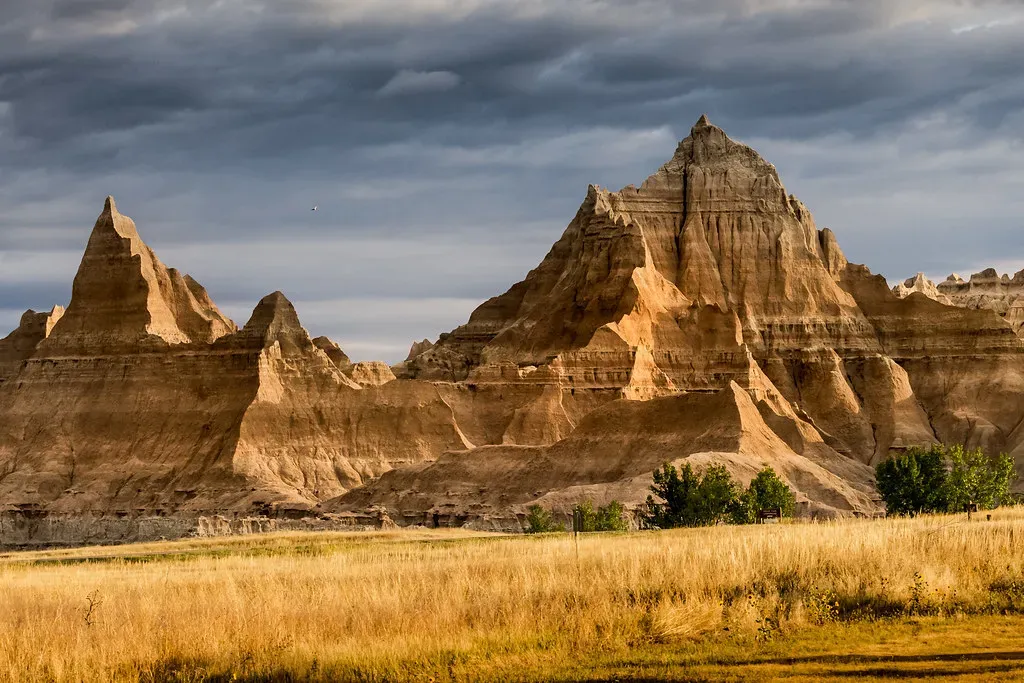
Montana’s modern climate is oddly good for fossil hunting. It is dry enough that thick, plant-choked soils do not blanket everything, but not so bone-dry that erosion slows to a crawl. The mix of semi-arid conditions, strong seasonal storms, and dramatic temperature swings breaks up rocks steadily without completely destroying the fossils inside. Over time, that balance keeps bringing new bones to the surface without grinding them into dust too fast.
On top of that, Montana has space. Huge tracts of open land, sparsely populated counties, ranch country, public lands, and reservations all translate into large areas where rock is visible and accessible. There are fewer roads and buildings covering up promising exposures compared to more urban regions. As a result, a paleontologist or even an amateur with sharp eyes can wander a lot of ground, follow promising outcrops for miles, and actually reach the spots where fossils might be weathering out instead of finding everything fenced off or paved over.
A predator’s playground: why T. rex was common here to begin with
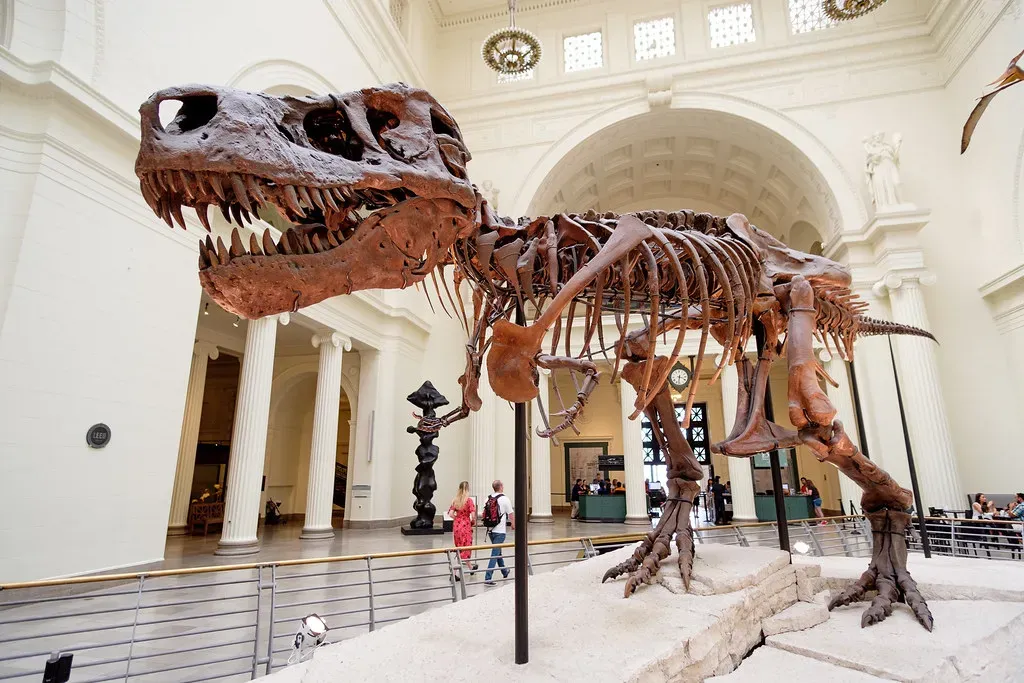
Montana is not only special because of its rocks; it is also special because this region was genuinely good living for T. rex when they were alive. The ancient ecosystems preserved in the Hell Creek and similar formations show a food web packed with large herbivores like Triceratops and duck-billed dinosaurs. A big apex predator goes where the food is, and this Cretaceous coastal plain seems to have supported a healthy population of these giant carnivores over a long time.
The more T. rexes that lived and died in an area, the higher your odds of finding their remains millions of years later. That sounds obvious, but it matters. Some regions that have the right age rocks did not have the same density of large dinosaurs or the exact habitats T. rex preferred. Montana’s combination of abundant potential prey, varied habitats from river channels to swamps, and long-term stability of that environment meant plenty of chances for T. rex bodies to enter the fossil record. In short, this was prime T. rex territory even before we started digging it up.
Decades of intense searching and a culture that embraces fossils
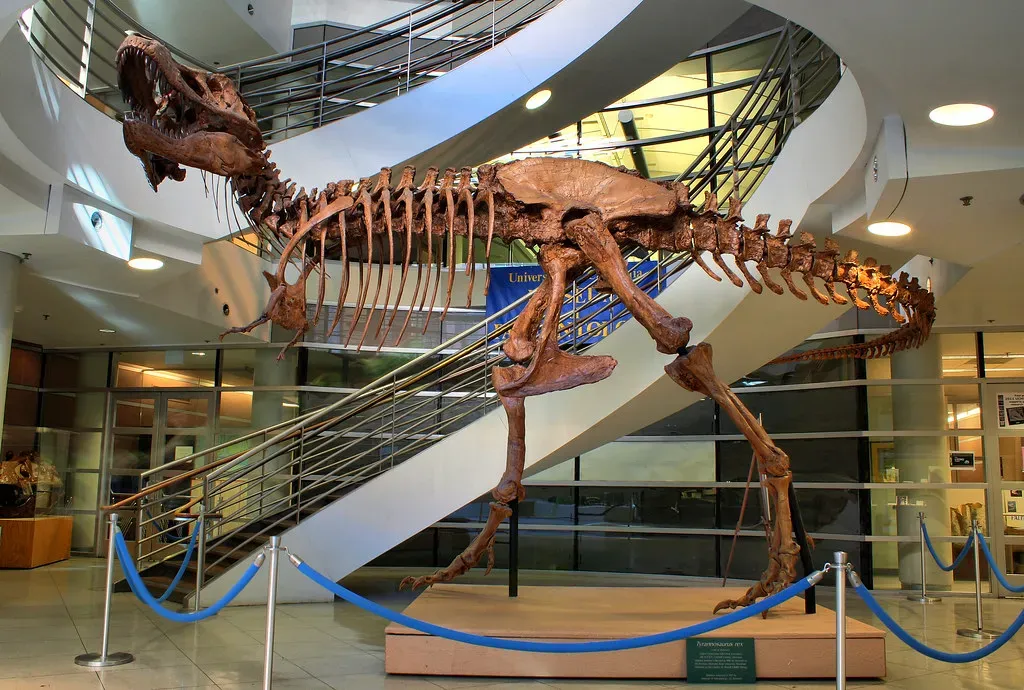
There is also a very human side to all of this. Montana has become a magnet for paleontologists, fossil hunters, museums, and universities precisely because it is so rich in Late Cretaceous rocks. Once a few spectacular T. rex finds were made, they attracted more researchers, more funding, more field crews, and more careful surveys. Over time, the state developed a kind of fossil-hunting culture, where local ranchers, teachers, students, and landowners became part of the discovery network.
That matters, because fossils are often first found by people just walking their land or exploring with kids, not by big expeditions. When you have lots of trained eyes on the ground and a general sense that fossils are worth reporting rather than ignoring, more bones get noticed before they erode away. So Montana’s T. rex record is not just about geology; it is also about relationships between scientists and communities, about local museums that take fossils seriously, and about the collective decision to treat these ancient bones as something worth protecting and studying rather than leaving in the dirt.
The delicate balance: erosion, destruction, and the race against time
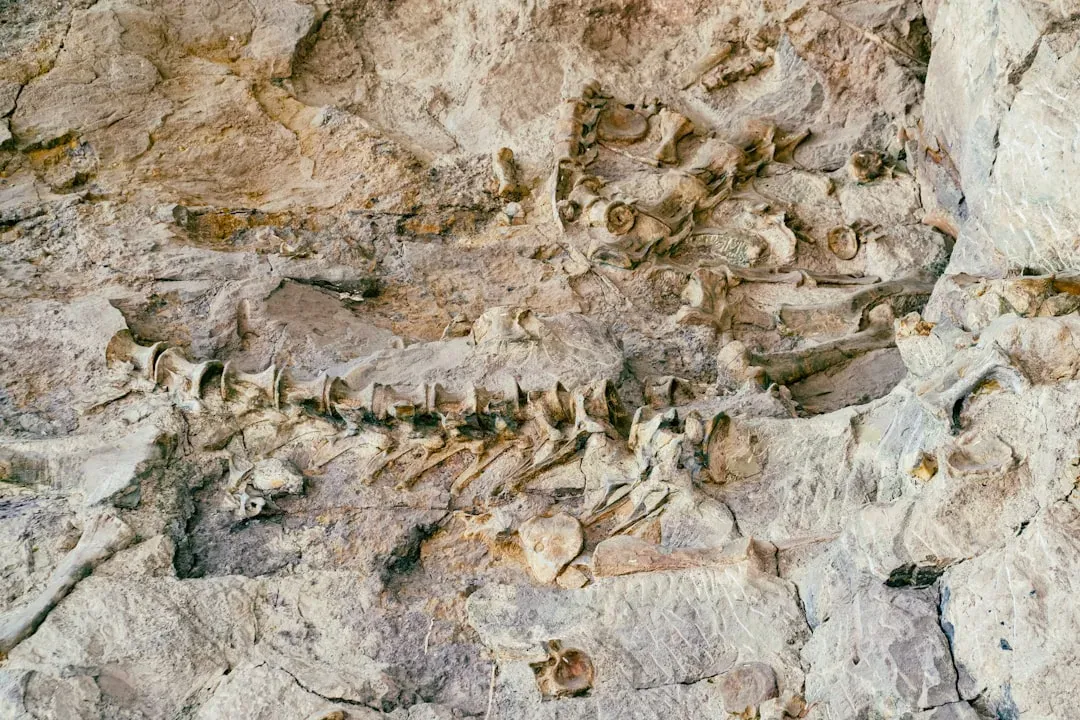
There is a slightly heartbreaking twist behind the excitement of Montana’s rich T. rex record: the same erosion that reveals these fossils is also steadily destroying them. Every bone weathering out on a hillside is on a ticking clock, slowly cracking, flaking, and washing away in the next storm. That means paleontologists are effectively racing geology, trying to find and stabilize fragile remains before they are lost forever. When you hear about another Montana T. rex discovery, you are really hearing about a narrow save pulled from the edge of total destruction.
This tension makes the geology of the region feel even more dramatic. Without the steady erosion of Montana’s badlands, many T. rex skeletons would still be hidden underground. But without careful, ongoing fieldwork, most of those same skeletons will never be collected in time. The state’s geology creates a uniquely generous fossil pipeline, but it is not endless. There is an urgency to documenting, studying, and protecting these fossils now, while the rocks are still giving them up, rather than assuming Montana’s T. rex bounty will last forever.
What Montana’s T. rex dominance really means – and what it does not
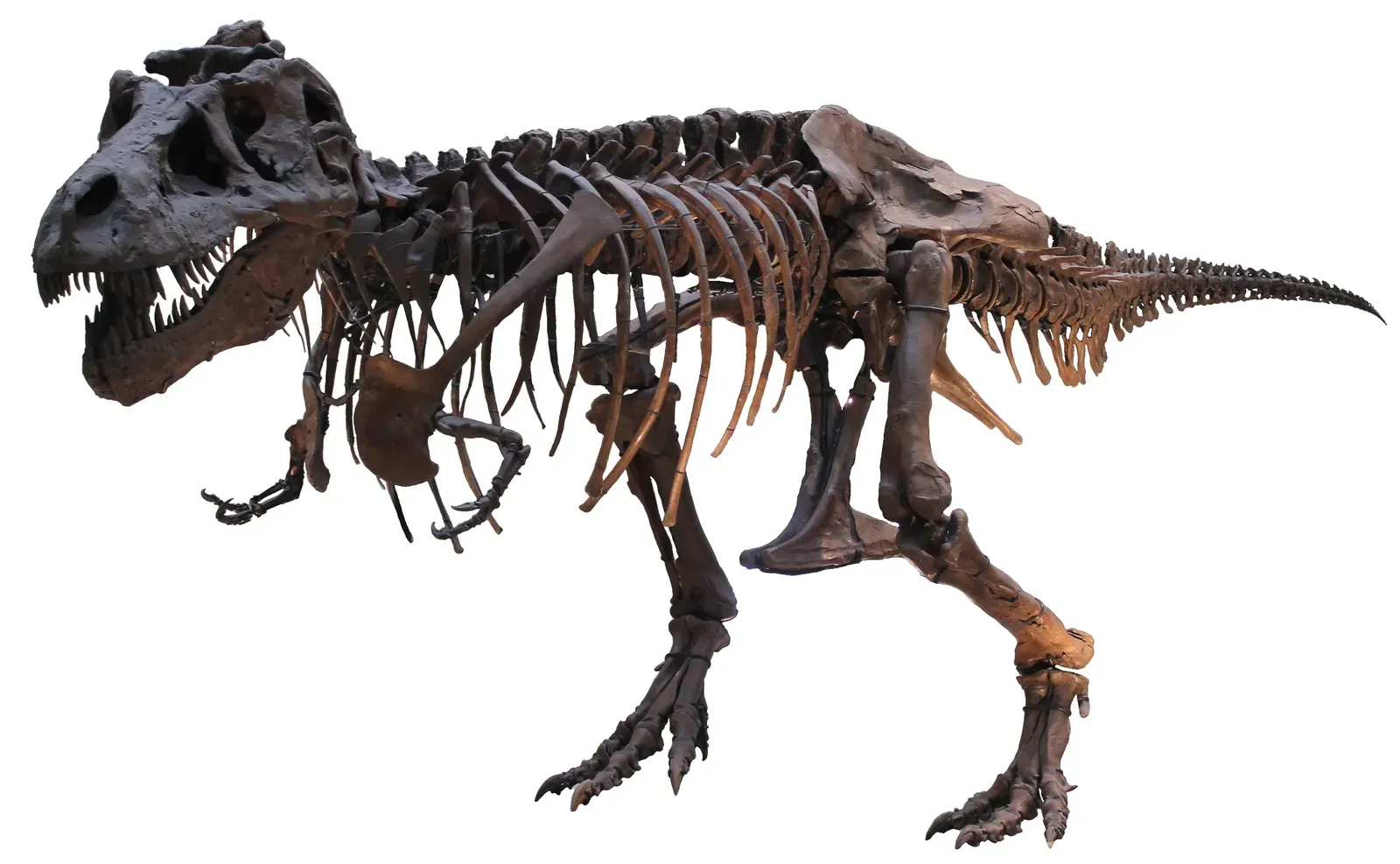
Montana’s status as the world’s T. rex hotspot is impressive, but it can be easy to over-interpret what that actually tells us. It does not necessarily mean that T. rex was far more common here than in every other part of its range; it mostly means Montana hits the geological jackpot of time, rock exposure, climate, and human effort. There are surely other regions where T. rex once roamed in large numbers, but their fossils are trapped deep underground, covered by forests, hidden under cities, or sitting in rocks that have not yet been studied in detail.
To me, the real lesson is that our picture of ancient life is shaped as much by where Earth has peeled back its own layers as by where the animals themselves actually thrived. Montana just happens to be one of those rare places where the universe has stacked the deck in our favor. It is a reminder that every fossil we cheer over is the survivor of a long chain of lucky breaks, from the moment an animal died on some Cretaceous floodplain to the day a tired field worker spotted a bit of bone on a hot Montana hillside. Knowing that, how could you not look at those badlands a little differently the next time you see them?