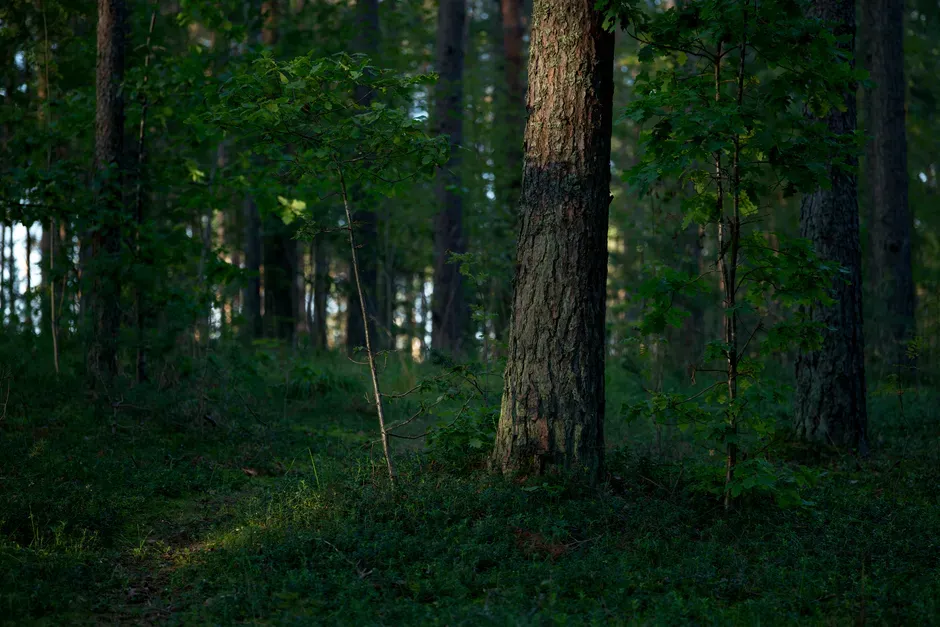
Walk into a forest on a breezy afternoon and really listen. If the birds suddenly stop calling and the underbrush goes still, you probably feel it: that tiny surge of unease in your chest, the sense that something is wrong even if you cannot see it. That reaction is not just poetic or dramatic; it is likely one of the oldest warning systems your nervous system has, tuned over countless generations of ancestors who paid very close attention to when nature went quiet.
In this article, we are going to unpack why a silent forest can feel more threatening than a noisy one, what evolution has to do with it, and how modern neuroscience backs up those ancient instincts. We will also look at how animals use sound, how your brain hijacks your body during those moments of quiet, and why this old survival system sometimes misfires in modern life. By the end, you might never hear silence the same way again.
When the forest goes quiet: why silence feels louder than sound
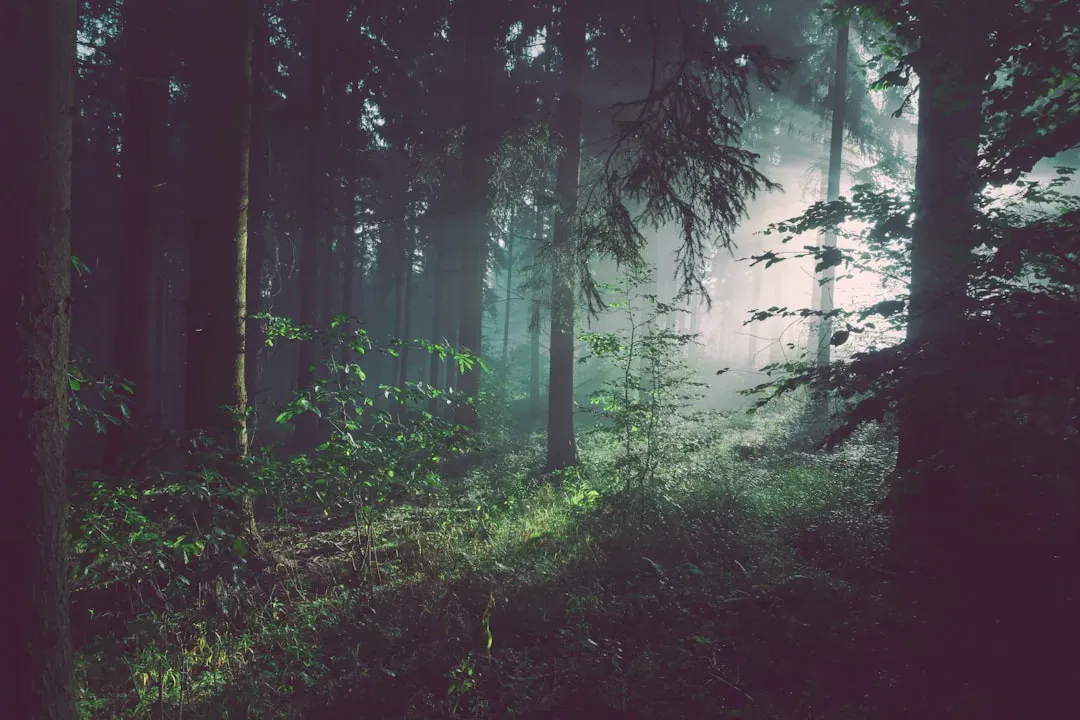
Think about the last time you were outside and the ambient noise suddenly dropped away: no insects, no birds, no rustling leaves, just stillness. That kind of silence is not neutral to the human brain; it often lands like an alarm bell. Instead of feeling peaceful, it can feel sharp, almost as if the world is holding its breath and waiting for something to happen. Your body responds before you consciously do: your shoulders tense, your ears strain, and your thoughts narrow to a single word – danger.
This reaction fits neatly with what we know about risk in wild environments. For early humans living in landscapes filled with large predators, sudden silence could mean that everything around them had just detected a threat serious enough to shut up and hide. If the birds stopped, if the monkeys froze, if the insects went quiet, that information was priceless. The cost of ignoring that silence could have been fatal, while the cost of overreacting and being jumpy was comparatively small. Over many generations, that trade-off likely helped select for nervous systems that treat abrupt quiet not as a blank space, but as a bright red flag.
Ancient survival math: why being jumpy paid off

Evolution does not care if we are calm; it cares if we survive long enough to pass on our genes. In dangerous environments, the math of survival is biased toward false alarms. If our ancestors occasionally panicked over harmless shifts in sound, they wasted some energy. But if they failed to react when silence signaled a stalking predator, they might not survive at all. Over time, the lineage that got “spooked by nothing” occasionally would outlive the lineage that stayed cool when things went quiet.
Scientists sometimes describe this bias in terms of trade-offs between sensitivity and specificity. A hyper-sensitive alarm system might overreact, but it misses very few real threats. In contrast, a system that stays relaxed and rarely sounds the alarm feels nicer day to day, but it is more likely to be wrong when it really matters. Our instinctive distrust of a suddenly silent forest seems to be one of those places where evolution chose sensitivity over comfort. Your unease is the echo of a long chain of ancestors who erred on the side of caution and lived to tell the story – genetically speaking.
The forest soundscape: animals broadcast danger with silence
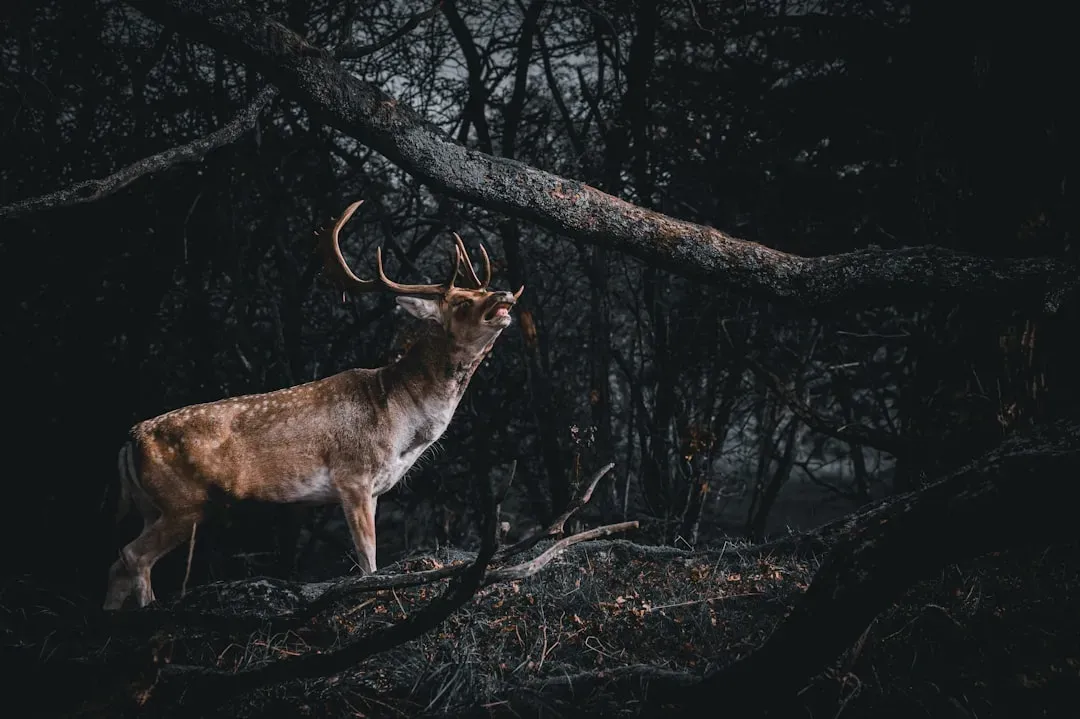
Humans are not the only ones reading the soundscape like a survival manual. Many animals use the chorus of other species as a security system, listening not just to what is being said, but to who suddenly stops talking. Birds are a classic example: when a predator like a hawk or a big cat appears, certain birds give alarm calls, while others simply go quiet and freeze. Nearby animals, even from different species, often react to those patterns of calls and silence as a reliable warning signal.
Studies on “acoustic communities” in forests and savannas have shown how remarkably synchronized this can be. When a threat appears, it is as if someone hit a mute button on a whole section of the soundscape. Monkeys may stop their chatter, rodents retreat into burrows, and even insects can fall still. For any human ancestor walking through that ecosystem, learning that “no noise” often meant “nearby predator” would have been a powerful piece of adaptive knowledge. Today, even if you have never lived in the wild, your nervous system still reacts to the same cue, because it is part of a much older cross-species language of danger.
Your brain on sudden quiet: how the alarm circuitry kicks in
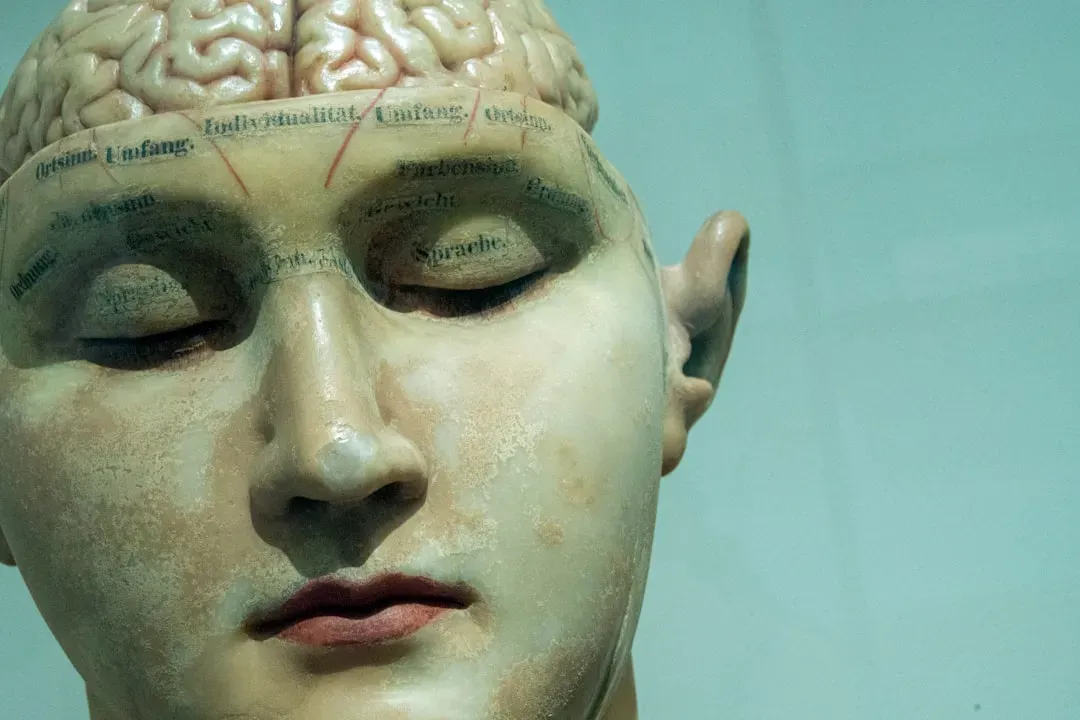
When the world around you goes unusually quiet, your sensory systems do not just relax; they actually sharpen. Deep in the brain, regions like the amygdala and parts of the midbrain are constantly scanning for changes – especially abrupt ones. They do not need you to consciously think, “The birds stopped singing, that could mean danger.” Instead, these regions detect the shift in background sound and ramp up vigilance in a fraction of a second. Your heart rate may slow slightly at first as your body “listens harder,” then spike if anything suspicious follows.
This fits with what researchers know about how the brain handles both sound and its absence. Silence is not just a lack of input; it is a pattern break. The auditory system builds an expectation of constant, low-level noise – wind, insects, distant traffic, birds – and when that pattern is broken, attention snaps to the change. The evolutionary logic is clear: predators often rely on stealth, and prey animals react strongly when normal patterns are disrupted. So your discomfort in a suddenly quiet forest is not a personal quirk; it is a built-in feature of a brain designed to treat unexpected stillness as unfinished business that needs an answer.
Not just horror-movie vibes: fear conditioning and learned associations

Of course, evolution is not the only force at work here. Cultural and personal experiences layer on top of those ancient circuits. Many of us grow up with stories, movies, and games that use a sudden drop in sound to signal that something terrifying is about to happen. Directors and sound designers lean into this very instinct: the background music cuts out, the forest hushes, and everyone in the audience tenses at once. Over time, our brains learn to tie that quiet not just to ancestral threats, but to the specific modern version of danger we have seen a hundred times on screens.
On a more personal level, fear conditioning – where the brain links a neutral cue with a frightening event – can make certain kinds of silence especially charged. If someone has had a bad experience in the woods, or even just a deeply unsettling moment of being alone in a quiet place, later silences can reactivate that emotional memory. The result is a layered response: basic evolutionary suspicion of sudden quiet, plus learned associations from culture and life experience. That mix helps explain why two people can walk into the same hushed forest and have completely different emotional reactions, even though their ancient hardware is roughly the same.
Modern mismatch: ancient alarms in a noisy, urban world

In a way, our nervous systems are running wilderness-era software in a world of car horns, smartphones, and constant background noise. Most of us do not share a habitat with big cats or packs of predators, yet the old alarm programs are still active. This creates a mismatch. In urban life, sudden silence is rare and often artificial – think noise-cancelling headphones or stepping into a soundproofed office. When everything goes quiet, the brain may briefly search for the kind of explanations that made sense for our ancestors, but now it finds only a muted street or a quiet room.
That mismatch can also feed into anxiety. If you already feel on edge, an unexpected drop in sound might amplify that unease even when there is no real threat. The body notices the change, the brain cannot find a clear reason, and the tension has nowhere to go. Some people even find deep silence more stressful than soft, steady noise, which is why they sleep better with a fan running or a white-noise app. In my own case, I have realized I am far more relaxed camping near a gently flowing stream than in a perfectly still, silent forest at night. The soft sounds act like a reassurance that the world is doing its usual thing; absolute quiet feels like the moment before something breaks.
Is silence always a warning? When calm really is calm
All of this might make it sound like any quiet forest is a coded message that something wants to eat you, which clearly is not true. There are times of day and seasons of the year when environments naturally settle down: midday lulls in bird activity, cooler nights when insects dial back, winter periods when many animals are simply less active. A lot of silence is just routine, not an alarm. The challenge for any brain, human or otherwise, is to tell the difference between a normal lull and an abnormal hush that stands out against the usual pattern.
This is where context and experience really matter. Skilled trackers, Indigenous communities, and people who spend a lot of time outdoors often develop a much more refined sense of what “normal quiet” feels like in a particular place. They can tell when the stillness is just the forest taking a breath versus when it has that brittle, unnatural edge. The average modern hiker, in contrast, may only feel a vague unease without quite knowing why. Our instinctive suspicion of sudden silence is not wrong, but it is rough and conservative – a first draft of a conclusion. With practice, we can learn to read the soundscape more precisely, and sometimes that means relaxing into the quiet instead of bracing against it.
Conclusion: trusting the whisper of our oldest instincts

If you strip this all down, the gut-level distrust of a suddenly silent forest is one of the few places you can still feel raw evolutionary logic humming just beneath your skin. It is messy and sometimes inconvenient, but it is also a reminder that our minds were forged in places where listening carefully could mean the difference between life and death. I think we underestimate how much wisdom there is in that tiny chill you get when nature goes quiet; it is not superstition, it is the nervous system doing exactly what it was built to do.
At the same time, we do not live in our ancestors’ world, and blindly obeying every flicker of fear is no way to move through modern life. The sweet spot, in my view, is to respect that old alarm without surrendering to it: notice the silence, read the context, and let instinct and understanding work together instead of at war. Next time you are in the woods and the birds suddenly fall silent, maybe do what your ancestors would have done – pause, pay attention, and really look around. You might not find a predator, but you will almost certainly find a deeper sense of connection to the wild, wary animal still living inside you. Did you expect silence to have that much to say?