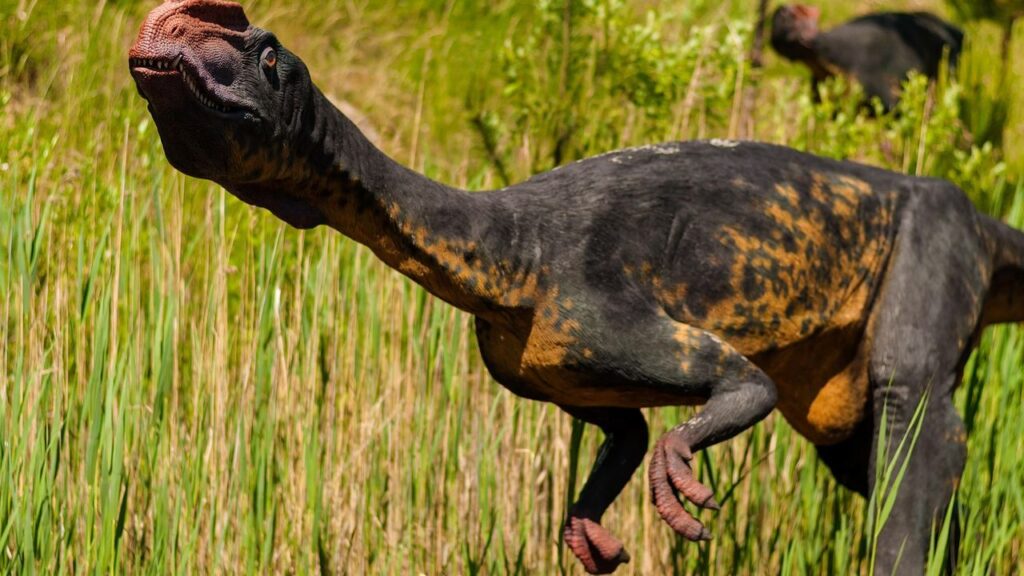
Sixty‑six million years ago, an asteroid slammed into Earth and wiped out nearly all the big dinosaurs. You’d think that was the end of the story: space rock hits, dinosaurs die, mammals eventually invent smartphones. But the real plot twist is this – several ancient lineages actually sailed right through that apocalypse, rebuilt their empires, and were doing just fine… until we arrived on the scene.
What follows is not a list of monsters that vanished with the T. rex, but seven groups of prehistoric survivors that beat the asteroid, adapted, and thrived for millions of years. Some still walk, swim, or crawl among us; others made it all the way to the age of humans before we hunted, poisoned, or bulldozed them into oblivion. If you’ve ever wondered who really ruled Earth between the last dinosaur and the first city, this will change how you see the living world around you.
1. Crocodilians: Armored Relics That Outlived the Dinosaurs
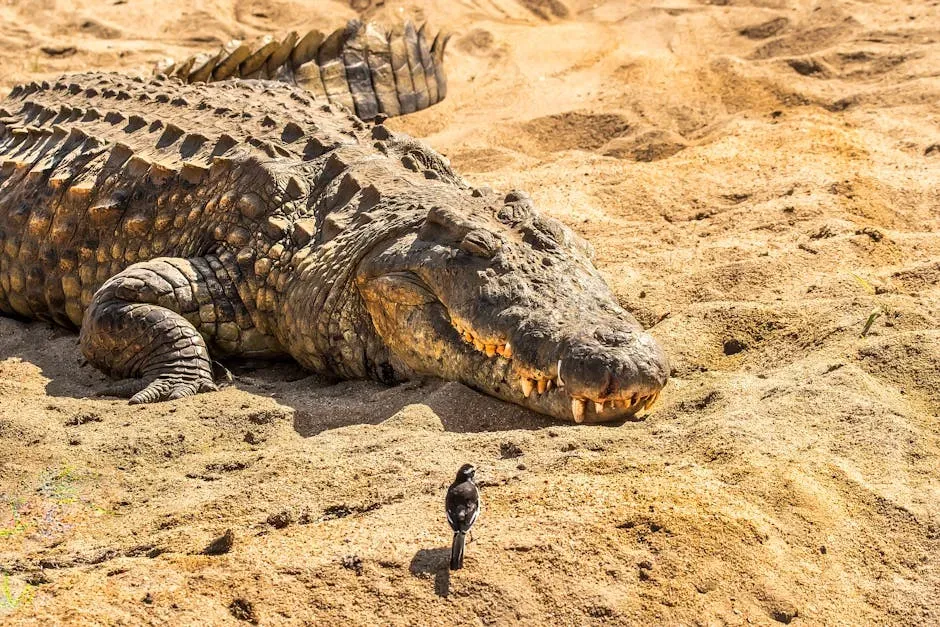
Here’s a wild thought: when you look into the eyes of a modern crocodile or alligator, you’re staring at the face of a survivor that watched the dinosaurs fall and just kept going. Crocodilian ancestors were already around long before the asteroid, sharing the planet with giant sauropods and raptors, and their broader group survived that mass extinction with surprising resilience. Their semi‑aquatic lifestyle, slow metabolism, and ability to go long periods without food likely gave them a major edge when the world suddenly darkened and food chains collapsed.
After the dust settled, crocodilians spread through rivers, swamps, and coastlines on nearly every continent, becoming apex ambush predators in many ecosystems. Fast‑forward to the human era, and we’ve done what the asteroid could not: drained their wetlands, hunted them for skins, and hemmed them in with dams and cities. Some species, like the American alligator, have made a cautious comeback under protection, but others, such as the critically endangered Philippine crocodile, are hanging on by a thread. If anything, they prove that surviving a space rock is one thing; surviving us is a totally different challenge.
2. Sharks: Ancient Sea Hunters Now Trapped in Modern Nets
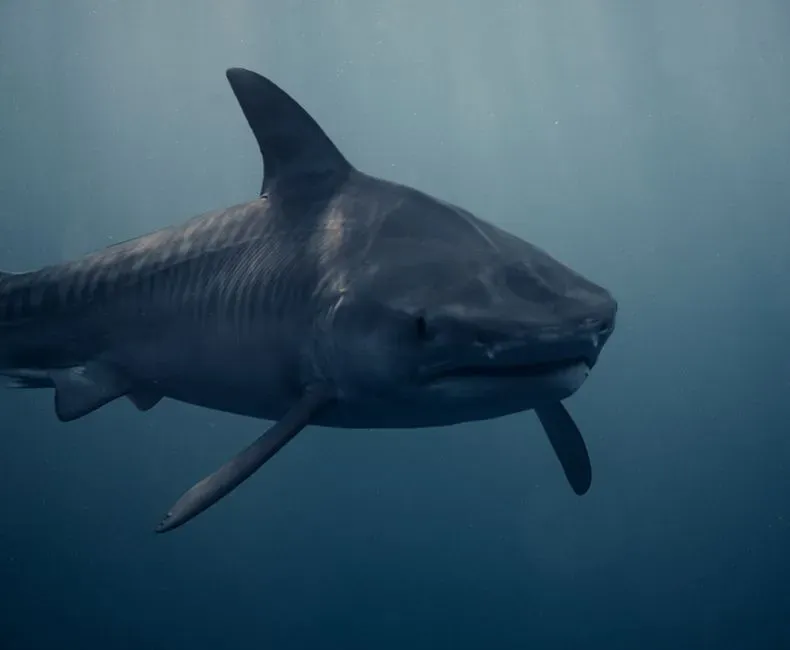
Sharks have been patrolling the oceans for hundreds of millions of years, long before the first dinosaur took its clumsy steps on land. When the asteroid impact devastated marine food webs, many species vanished, but the lineage of sharks as a whole survived and rapidly diversified in the new world. Over tens of millions of years, they evolved everything from small reef dwellers to giants like the infamous megatooth sharks, becoming key top predators that keep marine ecosystems in balance.
Then humans went industrial, and the real trouble began. Today, countless shark species are under pressure from overfishing, finning, and the slow, creeping damage of warming and acidifying seas. In many areas, we’ve pulled so many sharks out of the water that entire food chains have shifted, with prey species booming and coral reefs or seagrass meadows suffering. It’s honestly bizarre that an animal that shrugged off the worst extinction events in Earth’s history can be pushed toward collapse in just a few human lifetimes by our appetite for soup and cheap fish products.
3. Turtles: Shell‑Armored Time Travelers in a Fragmented World
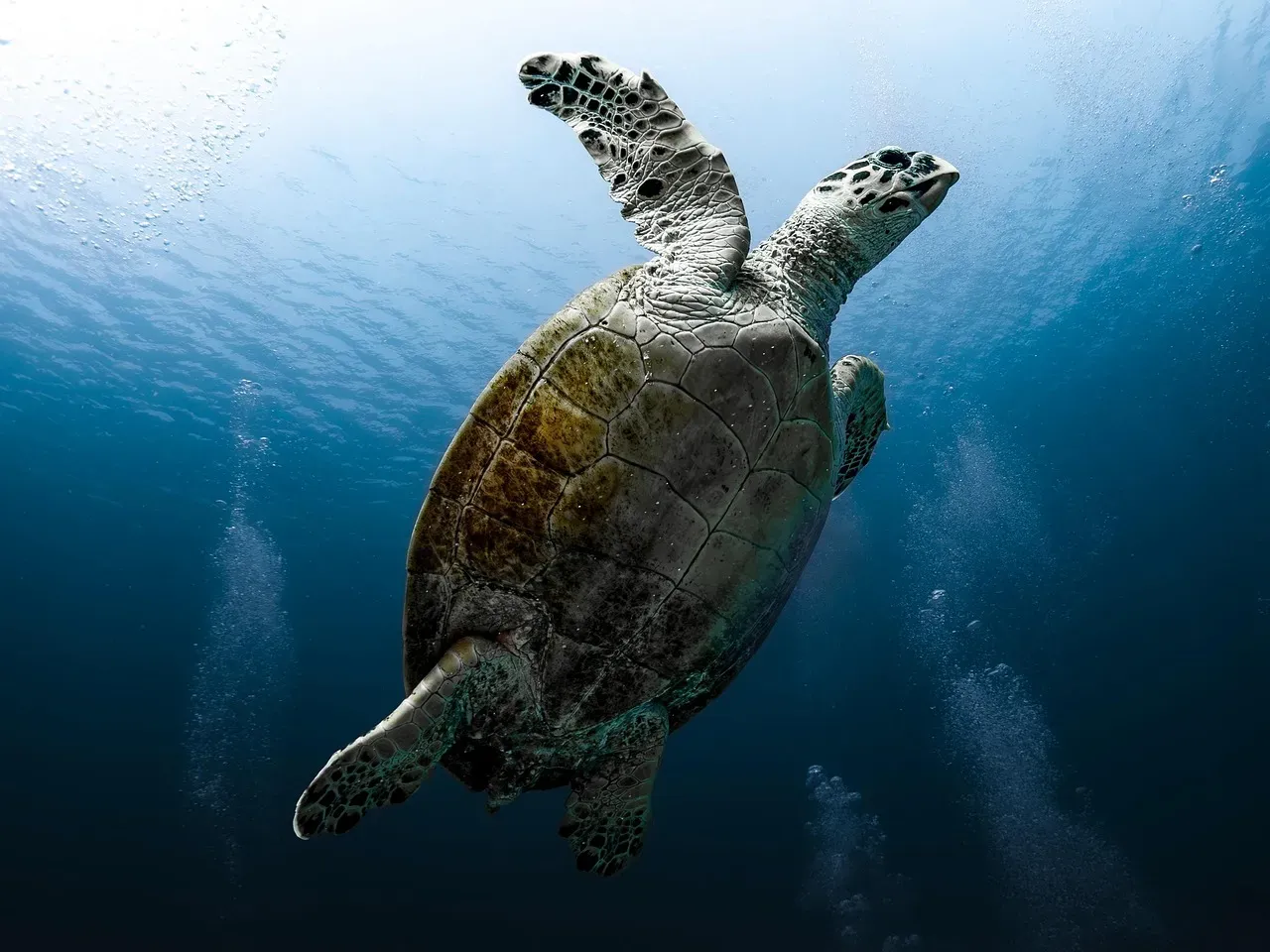
Turtles are the quiet time travelers of the animal kingdom, carrying body plans that would look familiar to creatures living alongside the last dinosaurs. Their wider group actually arose well before the final extinction, and the asteroid did not end their story. Many turtle lineages pulled through, thanks in part to their ability to hunker down, slow their metabolism, and take advantage of both land and water resources when times got hard. For millions of years after the impact, they continued to flourish in rivers, lakes, oceans, and forests, evolving everything from tiny bog turtles to massive sea‑going giants.
Humans have turned that long success story into a cliff‑hanger. Habitat loss, roadkills, plastic pollution, egg harvesting, and the global wildlife trade have combined into a slow‑motion disaster for turtles worldwide. Sea turtles ingest plastic bags they mistake for jellyfish; freshwater turtles are scooped up for meat, pets, or traditional medicine; nesting beaches are paved or lit up so brightly that hatchlings crawl toward parking lots instead of the sea. It is darkly ironic that animals tough enough to outlast an asteroid are now losing the race to a species that has only been around for a geological blink.
4. Birds: The Last Dinosaurs Facing a New Extinction
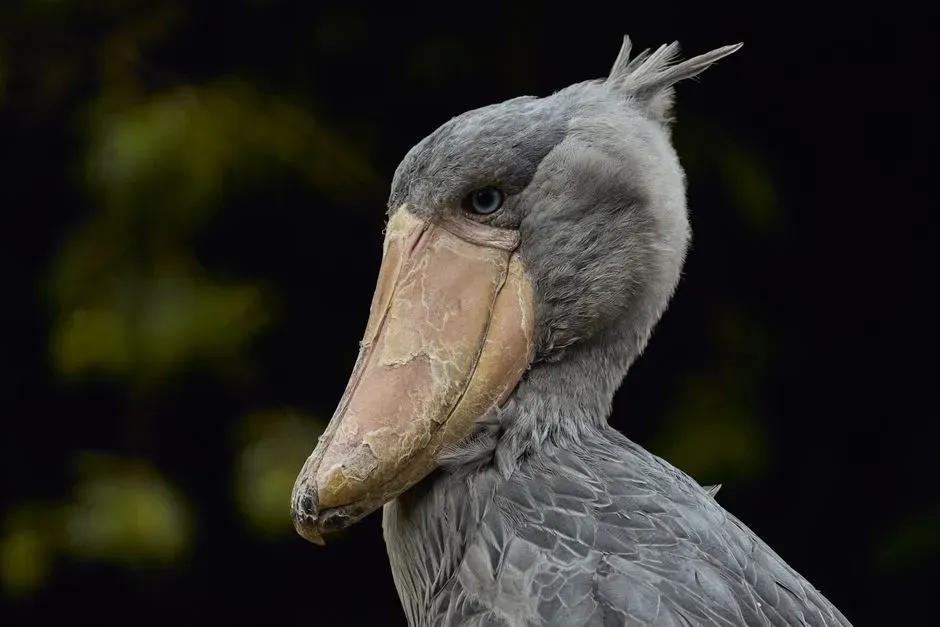
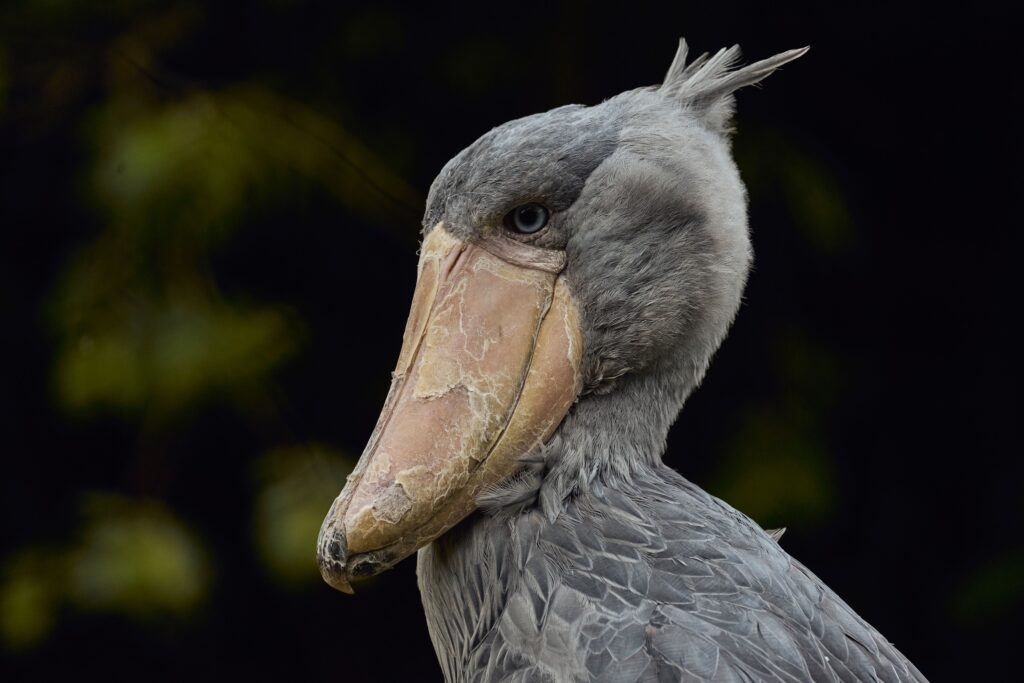
It still surprises people, but birds are not just related to dinosaurs – they are dinosaurs, specifically the only dinosaur lineage that made it through the asteroid impact alive. Their small size, high reproductive rates, and flexible diets likely helped some early bird lineages survive when larger, specialized species perished. Over the next tens of millions of years, they exploded into an astonishing variety of forms, from tiny hummingbirds to albatrosses that roam entire oceans, essentially taking over many roles left vacant by their extinct cousins.
Then came humans with guns, cats, glass buildings, and a global habit of tearing up habitats. Since we appeared on the scene, countless bird species have been driven to extinction, from island ground‑dwellers that never learned to fear us to large aerial hunters poisoned by pesticides and environmental toxins. Even today, many bird populations are quietly shrinking due to habitat fragmentation, climate shifts, and collisions with our infrastructure. It is hard not to feel that we are watching the slow unraveling of the last dinosaurs, not because of a freak cosmic accident, but because of a very deliberate pattern of human activity.
5. Mammals: The Post‑Asteroid Underdogs Turned Overlords
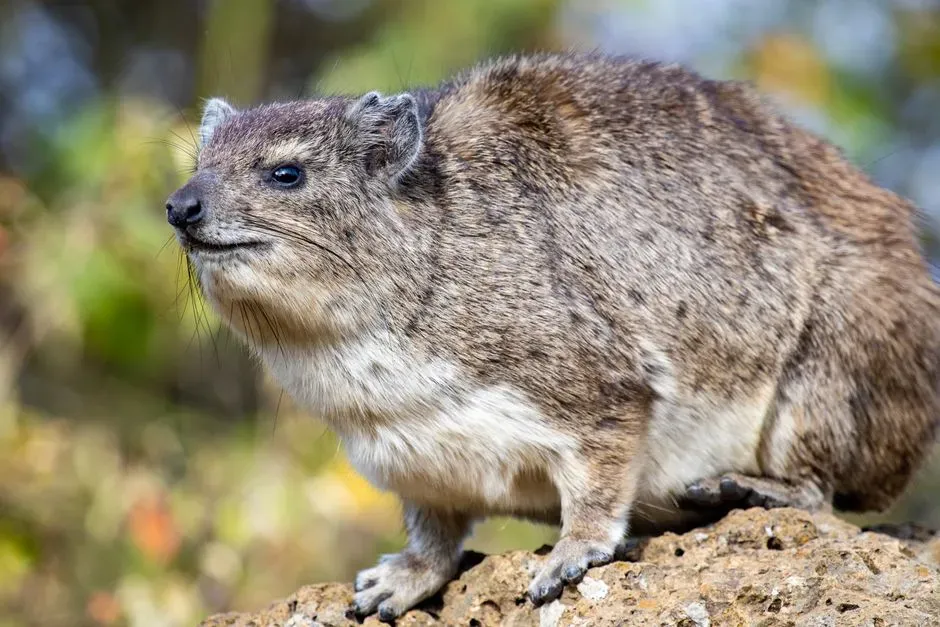
When the asteroid hit, mammals were mostly small, nighttime specialists living in the shadows of dinosaurs, yet that is exactly what saved them. Their ability to hide, burrow, and exploit diverse food sources made them remarkably resilient in the bleak, post‑impact world where sunlight was choked off and plants withered. With the big dinosaurs gone, mammals seized new opportunities, rapidly radiating into herbivores, carnivores, and everything in between, eventually giving rise to bats, whales, primates, and, much later, us.
Humans are, in a sense, the ultimate expression of that mammalian rise – and also its biggest threat. Our expansion has pushed many of our fellow mammals to the edge: large herbivores and carnivores are restricted to shrinking fragments of habitat, hunted, or competing with livestock and agriculture. Some lineages that thrived for tens of millions of years after the asteroid have collapsed in just a few centuries under our pressure. The uncomfortable truth is that mammals did not simply inherit the Earth after the dinosaurs; one mammal species in particular has begun to monopolize it.
6. Lissamphibians: Ancient Survivors Struggling in a Toxic Age
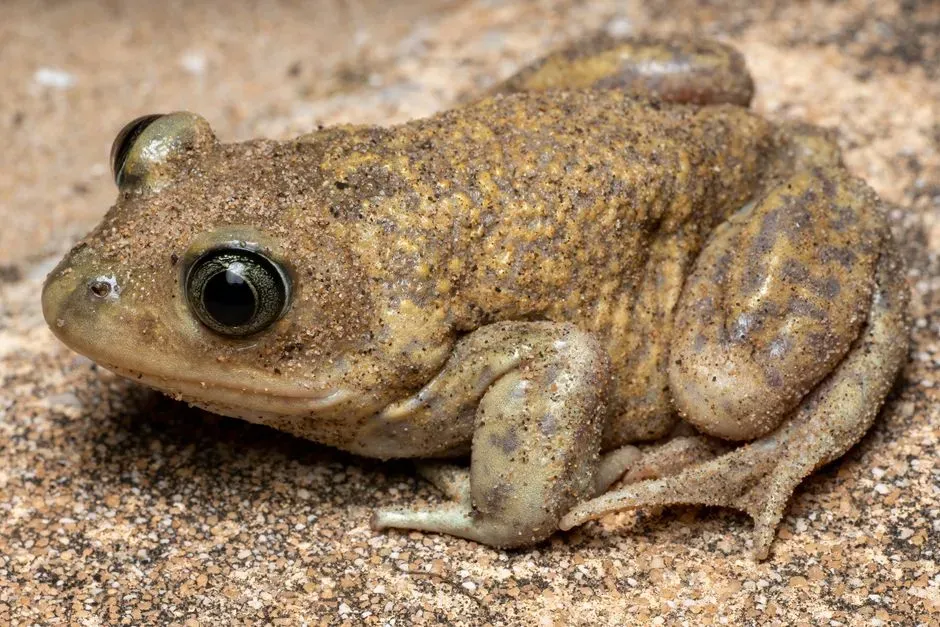
The frogs, salamanders, and caecilians we see today belong to an ancient amphibian lineage that traces back before the final extinction event. These lissamphibians survived the asteroid impact and the harsh conditions that followed, continuing to evolve and diversify in forests, swamps, and streams around the world. Their permeable skin and dual life cycle, part in water and part on land, made them sensitive barometers of environmental change, but for millions of years they adapted and persisted through shifting climates and continental breakups.
In the age of humans, that sensitivity has become a brutal liability. Amphibians are now among the most threatened groups of animals on the planet, hit from all sides by habitat loss, pollution, invasive species, disease, and climate stress. A particularly devastating fungal disease has swept across continents, driving some species to extinction even in protected areas. I still remember the first time I walked through a wetland at night and heard almost no frog calls; it felt like walking into a party that should have been roaring but somehow never started. The asteroid failed to silence amphibians, but our pesticides, pathogens, and bulldozers might.
7. Ray‑Finned Fishes: Ancient Lineages in Overfished Seas
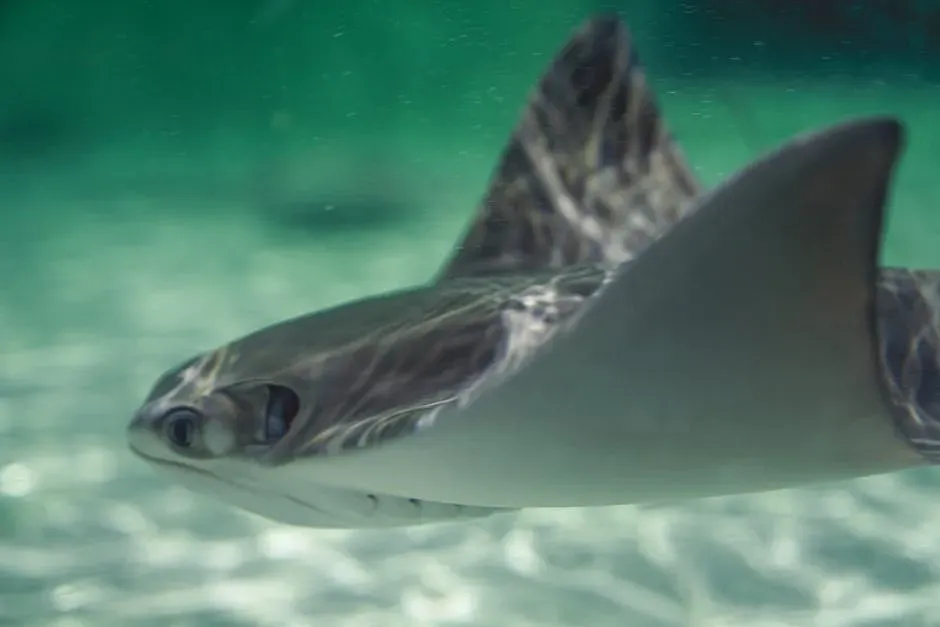
Most of the fish you imagine when you picture a river, lake, or reef belong to the huge group of ray‑finned fishes, a lineage that was already diverse before the asteroid struck. While the impact caused major upheaval in the oceans, many of these fishes weathered the storm and later radiated into Coral Sea dazzlers, deep‑sea oddities, and freshwater specialists on every continent. For a long stretch of Earth history, they were among the quiet winners of the post‑dinosaur world, building complex food webs and supporting entire marine and freshwater ecosystems.
Humans have turned that slow, steady success into a high‑stakes gamble. Industrial fishing fleets, dam building, river pollution, and the global pet trade have pushed many fish populations into steep decline. Everything from giant river fishes to iconic reef dwellers is feeling the squeeze, often before we have even properly described all their species. It feels almost absurd that lineages robust enough to bridge the gap between the dinosaur age and the present can be undone by a few decades of relentless extraction and poorly regulated trade, but that is exactly what is happening in many waters.
Conclusion: The Asteroid Was an Accident – We Are a Choice
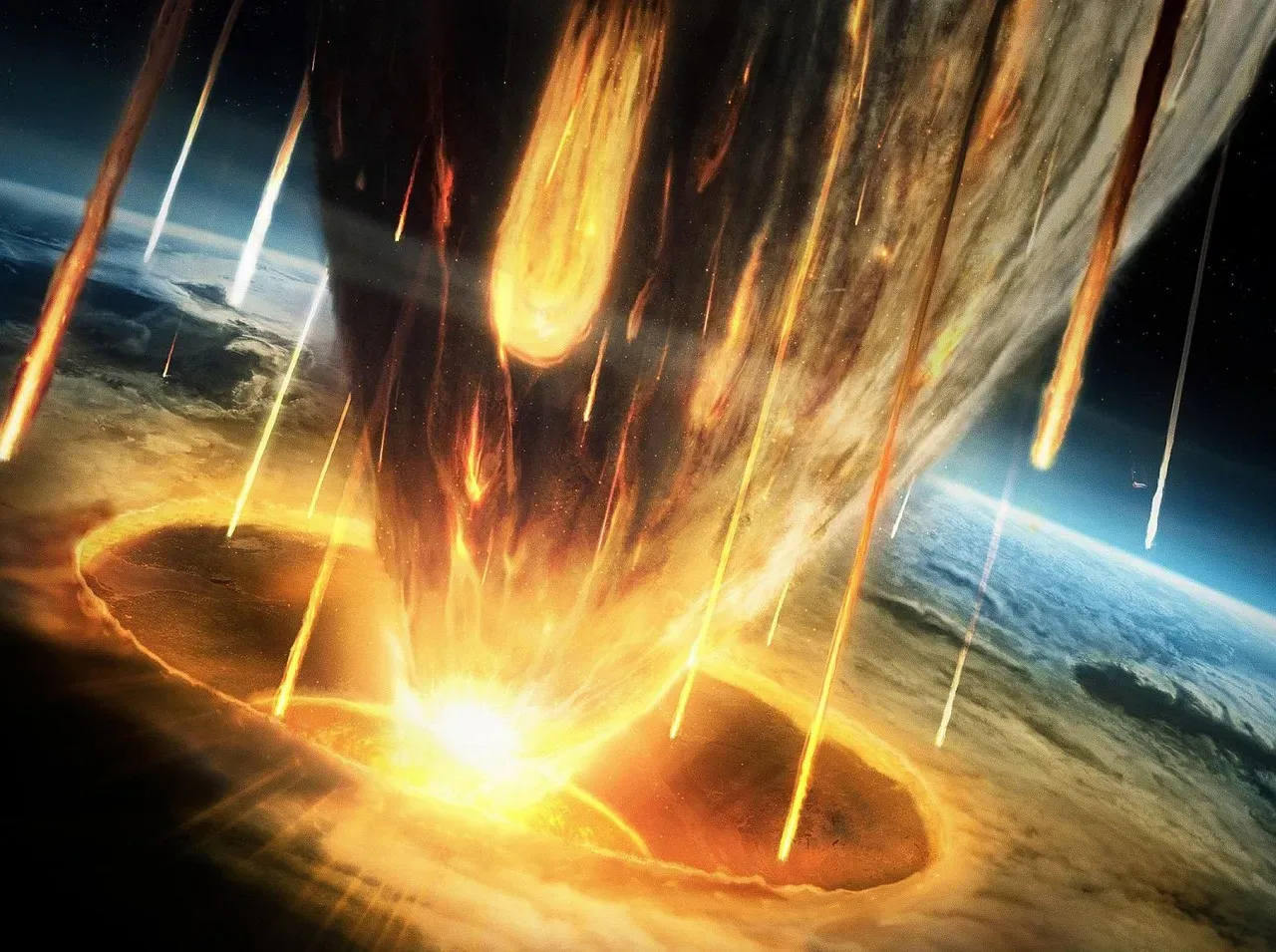
When you step back and look at these seven groups together, a uncomfortable pattern emerges. The asteroid impact was a freak event, a one‑in‑many‑millions catastrophe that reshaped life on Earth. Yet crocodilians, sharks, turtles, birds, mammals, amphibians, and ray‑finned fishes all navigated that chaos, adapted, and built new worlds in its wake. The real crisis did not arrive from space; it walked on two legs, built cities, and decided that everything else was negotiable.
I think that is the hardest truth to swallow: extinction is no longer mostly about bad luck; it is about what we, very deliberately, choose to do next. These lineages have already proven they can survive almost anything nature throws at them, which makes it even more damning if they cannot survive us. If we can trigger what looks uncomfortably like a new mass extinction in just a handful of centuries, we can also decide to pull back and give these ancient survivors room to breathe. The question is not whether they can keep going – it is whether we will let them.