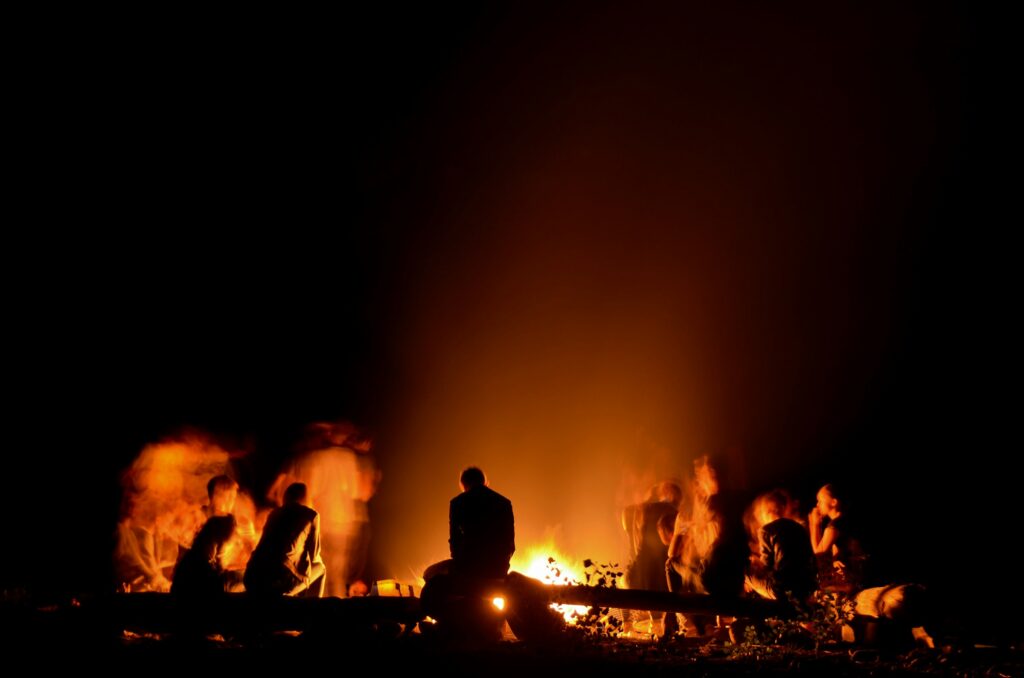
Picture a small group of people huddled around a flickering fire under a huge sky, shadows moving on their faces as someone starts a story. No screens, no microphones, no script. Just voice, flame, and attention. In that scene, many anthropologists see not just a cozy moment, but a kind of social technology: a way humans learned to coordinate, cooperate, and deeply trust one another long before we built cities or wrote anything down.
What sounds like a camping cliché might actually be one of the oldest and most powerful “tools” our species ever used. Not a tool made of stone or metal, but a repeatable, reliable social practice: gather after dark, create a circle of light, and share stories. The more researchers look at how traditional societies use nighttime storytelling around fires, the more it looks like a finely tuned system for building trust, transmitting knowledge, and turning a loose collection of individuals into a real community. Once you see it that way, even your last backyard firepit hangout starts to look like a very ancient piece of human engineering.
Why Firelight Changes How We Talk and Listen
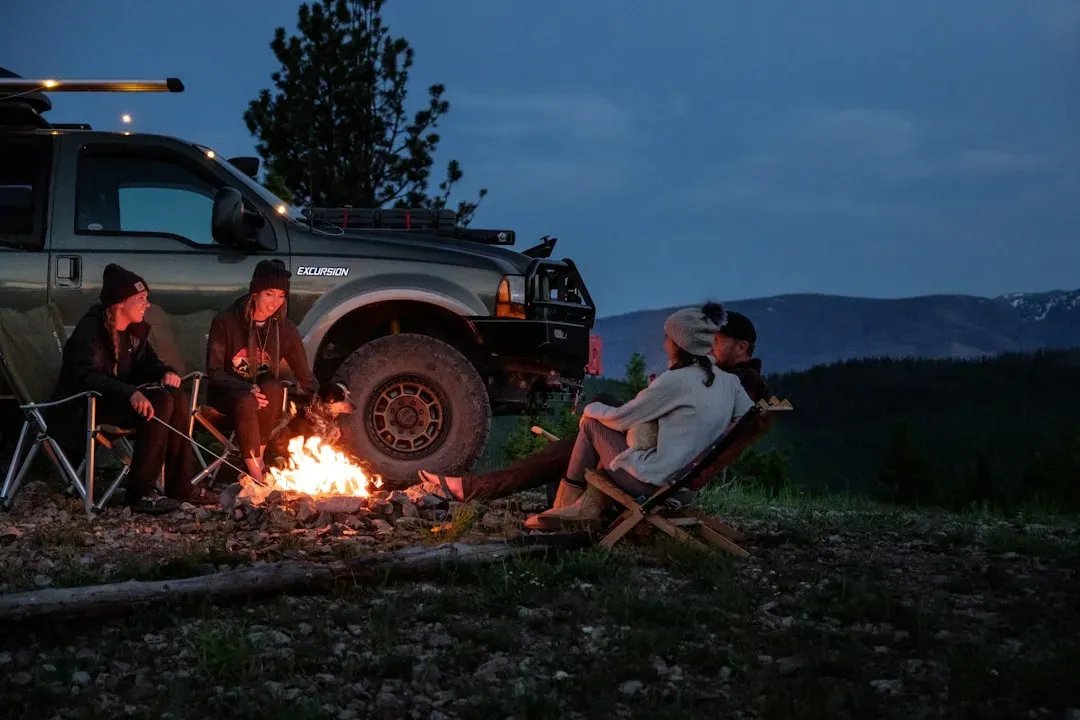
It sounds almost mystical, but firelight really does change the way people behave. In small-scale societies that still rely on campfires, evenings are when the mood shifts: daytime is practical, task-focused, and often full of conflict or competition, while night around the fire leans toward reflection, humor, and emotional sharing. Anthropologists who spent long stretches in such communities have repeatedly described the same pattern: the sun goes down, the work stops, and the conversation moves from logistics to life stories, origins, and moral tales.
There’s also something about dim, moving light that narrows our attention and pulls us inward. In neurological terms, low-light, low-stimulation environments can encourage a quieter, more introspective state. In everyday terms, it’s just easier to open up when you’re half in shadow and not staring at a harshly lit room or a busy street. Around a fire, we naturally lower our voices, lean closer, and make more eye contact. That shift in tone and posture creates perfect conditions for trust-building conversation: slower, more honest, and less guarded than the rushed talk of the daytime.
Storytelling as an Ancient Social Technology
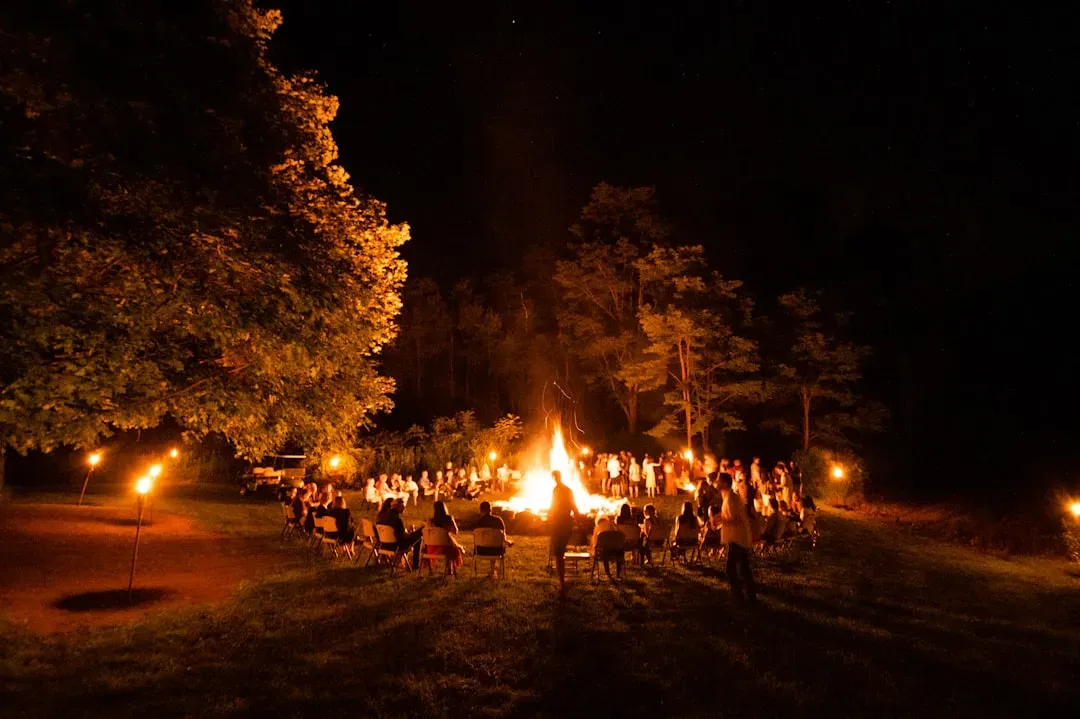
Tools do something predictable and useful, and storytelling fits that definition better than people often realize. In many traditional societies, the stories told around the fire are not random entertainment; they are finely structured narratives that encode rules, warnings, shared history, and even subtle conflict resolution. A tale about a trickster who breaks a taboo and faces consequences is not just a fun plot – it’s a portable moral lesson that can be reused across generations without anyone lecturing outright.
Calling this a “technology” might sound trendy, but it highlights something important: humans repeatedly relied on this practice because it worked. It helped people coordinate behavior, remember important information, and align expectations about what counted as right, wrong, brave, or shameful. Unlike a stone axe, you could not drop it or lose it in a river. It lived in people’s memories and moved with them. In that sense, sitting around a fire and telling stories was like an early version of social software, installed in the minds of everyone in the group.
Night, Safety, and the Psychology of the Circle
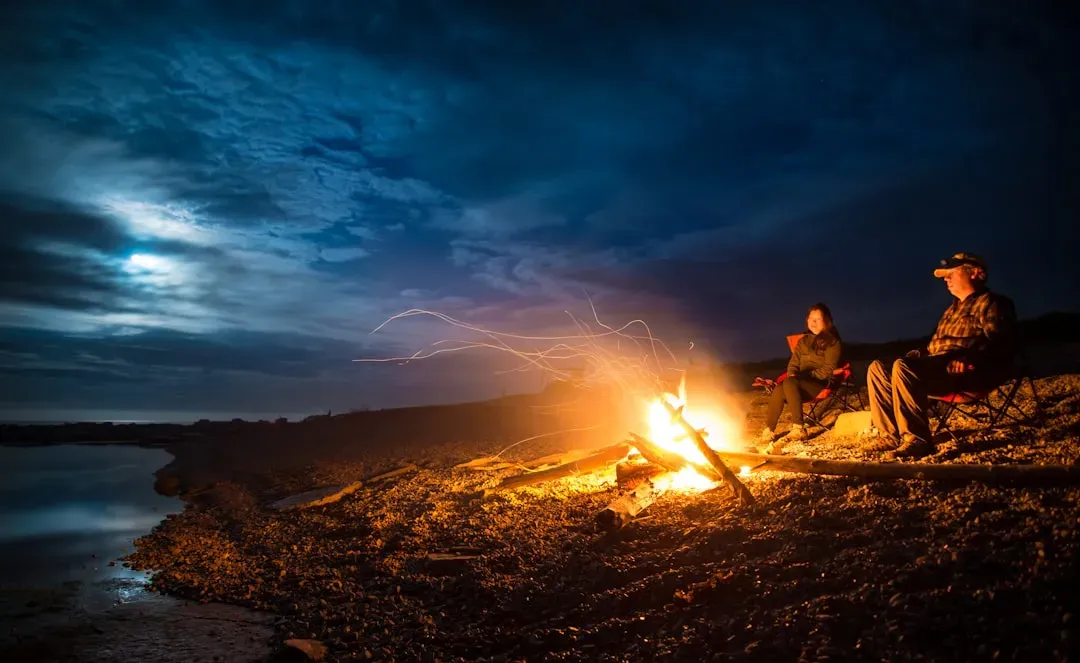
There’s a reason this happens at night and not in the middle of the day. For early humans, darkness meant danger: predators, unknown sounds, and very real physical risk. Fire pushed back that danger, creating a small bubble of light and safety. Inside that bubble, people could relax a bit, let their vigilance drop, and look at each other instead of constantly scanning the environment. That lowered threat level is a key ingredient for trust; it’s hard to be vulnerable when you’re listening for every crackle in the bushes.
The circular shape of people around a fire matters too. No one sits “at the head of the table” in a circle. Every person can see every other person’s face, which makes deception riskier and alignment easier. Humans are extremely attuned to facial expressions, posture, and tone; a fire circle is like a fully immersive 360-degree social display. As stories unfold, people laugh together, gasp together, sometimes even cry together. That synchronization of emotional responses – psychologists sometimes call it shared affect – is one of the most direct ways that trust and solidarity are reinforced, without anyone having to say it out loud.
How Shared Stories Turn Strangers into “Us”
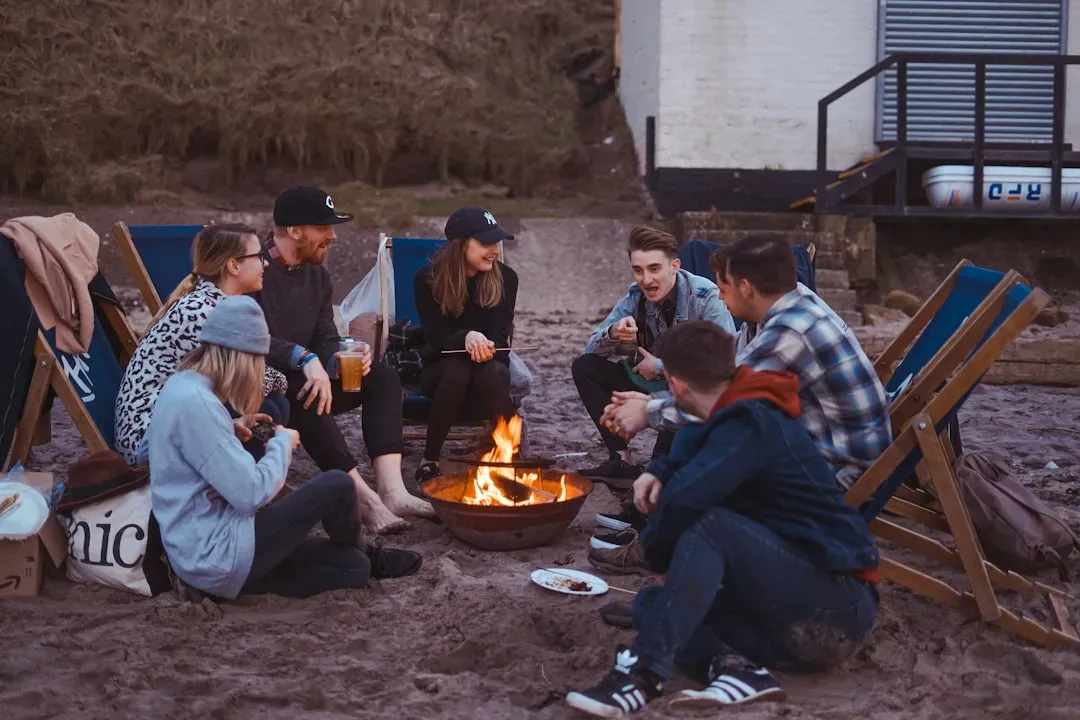
Trust is not just about liking someone; it’s about feeling that you are on the same side. Shared stories are one of the simplest routes to that feeling. When a group repeatedly tells and retells the same origin myths, ancestor tales, or hard-won survival stories, they are quietly drawing a boundary between “us” and everything else. Listeners learn not just who did what in the past, but what the group admires, fears, and refuses to tolerate. Over time, this becomes a kind of emotional shorthand: mention one famous character or episode, and everyone immediately knows which values you are pointing at.
This is powerful for building trust because it reduces uncertainty about people’s intentions. If you know that everyone grew up on the same cautionary tale about the greedy hunter who endangered the band, you can predict that most of them will see selfish hoarding as shameful rather than admirable. That predictability lowers the mental cost of cooperation. You do not have to constantly test each person’s values in real time; the shared story-world does some of that work for you. It is not perfect, of course, but compared to a group with no shared narratives at all, a story-rich group starts out with a huge advantage in coordination and mutual confidence.
Laughter, Vulnerability, and the Subtle Work of Trust
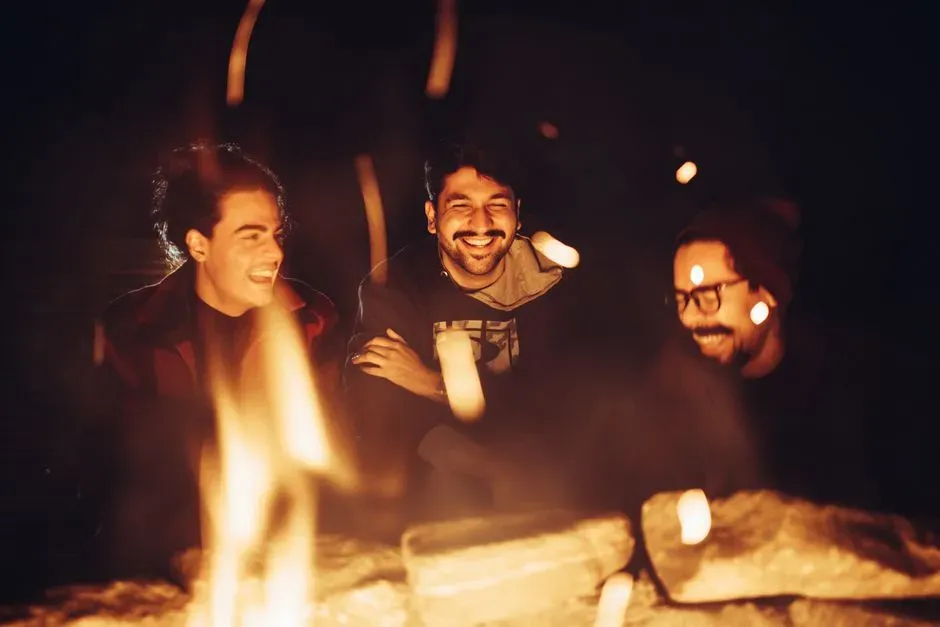
Not all campfire stories are solemn epics; some of the most memorable ones are ridiculous, embarrassing, or wildly exaggerated. From a trust perspective, that’s not a bug, it’s a feature. Laughing together, especially at ourselves or at shared hardships, is one of the fastest ways to show that we are willing to be a little vulnerable. When someone tells a story that paints them as foolish or naive, they are effectively saying: I trust you not to use this against me. If the group responds with acceptance instead of cruelty, the signal bounces back: We’ve got you.
There’s also a strange relief in hearing that other people have made similar mistakes or faced similar fears. Around a fire, those small confessions can land softly instead of harshly, wrapped in the warmth and low light. This emotional calibration – revealing just enough, getting just enough support – teaches people how far they can safely go in future disclosures. Over many nights, that pattern builds a map of psychological safety within the group. In that sense, humor, teasing, and even mildly scary tales around a fire are like trust exercises that don’t feel like exercises at all.
Memory, Repetition, and the Trustworthiness of the Storyteller
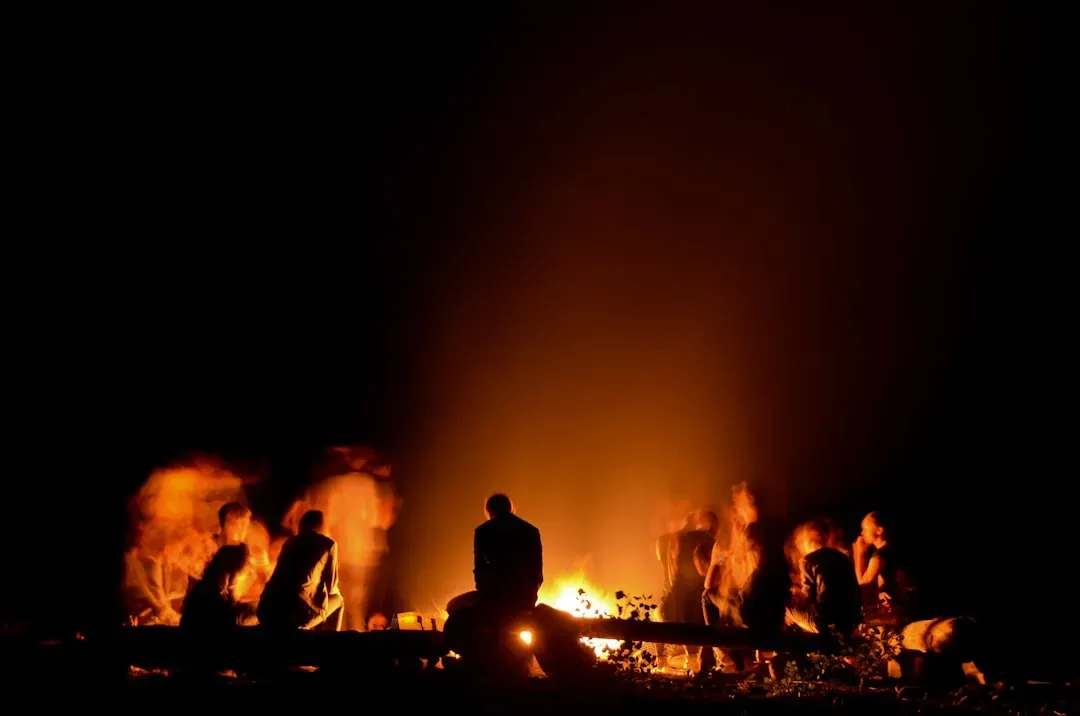
In societies without writing, the storyteller’s accuracy matters a lot, but it is not checked by footnotes or documents; it is checked by repetition and group memory. When a story is told over and over in front of people who know it well, big changes get noticed. The storyteller gains a reputation based on how reliably they stick to the core of the tale and how fairly they portray the people and events involved. That reputation is a form of social capital. A teller known for fairness and consistency will be trusted on more serious matters offstage too.
At the same time, storytellers are not robots. They add details, shift emphasis, and adjust tone depending on who is listening and what the group is going through. This flexible repetition allows communities to keep their stories alive while still anchoring them in a shared version of reality. For trust, this balance is crucial. A story world that never changes feels dead and irrelevant, while one that changes constantly without acknowledgment feels unreliable. Skilled storytellers walk that line, signaling to the group: you can trust me to keep what matters, but also to make sense of what’s happening now.
Personally, when I think back on the people I instinctively trust most, they’re often the ones who tell stories in this way – consistent enough that I know they are not fabricating wildly, but flexible enough to show that they are paying attention to context. Campfire storytelling, in that sense, trained humans for millennia in how to read and reward that particular blend of stability and adaptability.
From Campfires to Screens: Modern Echoes of an Ancient Habit
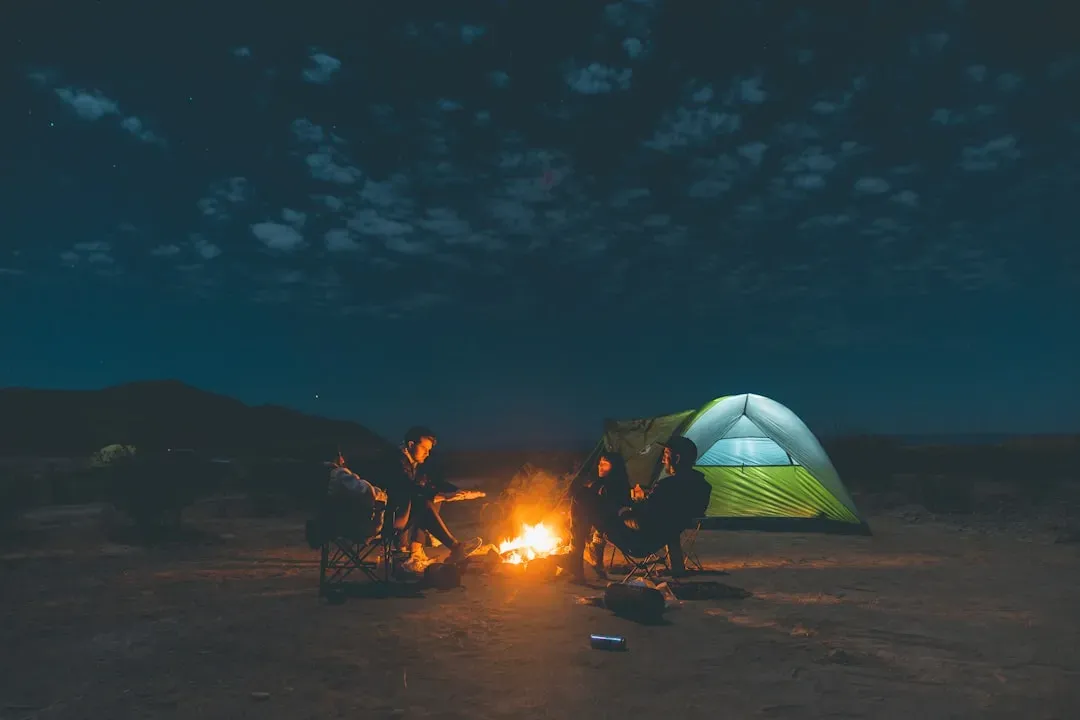
Even if you never sit around an actual fire, you probably feel its ghost in modern life. Think about late-night conversations in a dim bar, a binge-watched series shared with friends on a couch, or an online community that comes alive after dark to trade stories and jokes. The physical flames may be gone, but the pattern is familiar: daylight productivity gives way to nighttime narration and bonding. Many social media spaces and group chats are, in a way, fire circles without the smoke, humming along on the same human craving to tell and hear stories in a relaxed, semi-protected bubble.
The tricky part is that digital “fires” can lack some of the built-in safeguards of the original. In a physical circle, you see faces and body language; liars are easier to spot, cruelty is harder to ignore, and reputations are slow-cooked over many evenings. Online, anonymity and speed can strip away those cues, allowing mistrust, polarization, and manipulation to spread more quickly. If anything, this contrast makes the original fire-circle technology look even more impressive. Without formal rules or centralized control, it guided human groups toward trust by leaning on our evolved preferences: warmth, proximity, shared attention, and emotionally rich storytelling.
Why This Might Be Our Oldest Trust-Building Technology – And Why That Matters
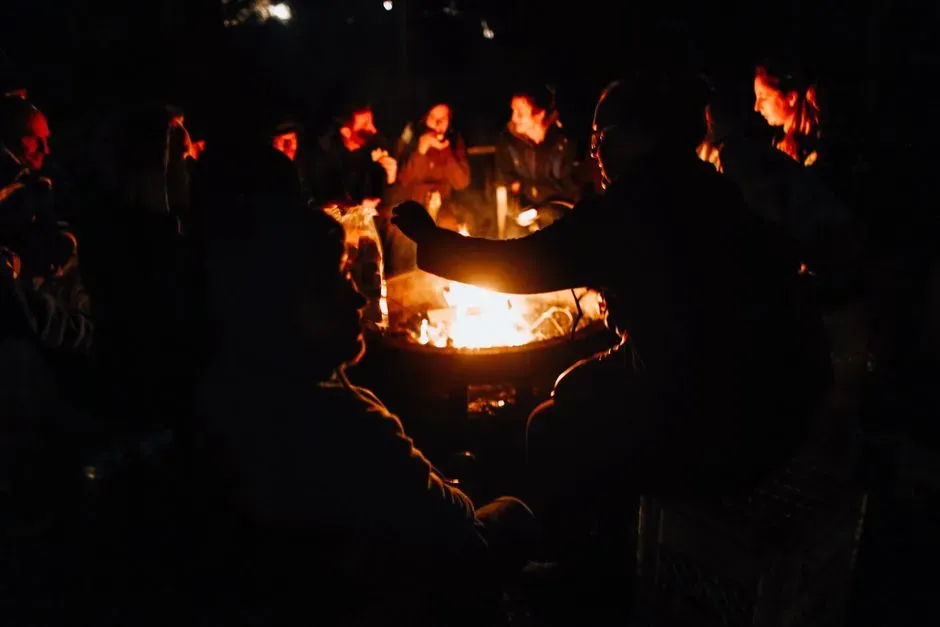
Stone tools are older than campfires, and controlled use of fire itself is incredibly ancient. But when it comes to technologies specifically tuned for building trust, the habit of gathering around a fire at night to tell stories stands out as a prime candidate for the earliest. It draws together so many of our species’ signature traits: language, imagination, social sensitivity, and the ability to coordinate over time. Long before there were laws, contracts, or institutions, there were circles of light in the dark where people practiced being honest, brave, ashamed, forgiven, and united.
To me, that makes the campfire not just a romantic image but a serious clue about what humans fundamentally need to thrive together. We do not just need shared rules; we need shared narratives and spaces that feel safe enough to explore them. In a world obsessed with new technologies for “building community” and “enhancing engagement,” it is worth remembering that one of our most reliable trust machines was simply this: create a small island of light, sit close enough to see each other’s faces, and trade stories until the embers die down. In your own life, the modern version might be a kitchen table, a group call, or a late-night walk – but the question is the same: where is your fire, and who do you trust enough to sit beside it?