Imagine waking up in 2036, opening a news app, and seeing a reconstruction of a dinosaur that looks nothing like the animals you grew up with in books. Not just a tweak to the colors or a few extra feathers, but a creature whose posture, skin, behavior, and even family life feel radically reimagined. That is almost certainly where we are heading. Dinosaur science is moving so fast that what we think of as “realistic” today will probably feel as outdated in ten years as a rubber monster suit from an old movie.
Over the next decade, the surprises will not just be about which dinosaur was biggest, scariest, or fluffiest. The real shocks will come from quiet revolutions: genetic insights extracted from ancient molecules, AI-driven pattern spotting in fossil data, new fossils from previously inaccessible regions, and a complete rethink of how these animals lived day-to-day. Some of the ideas many people still argue about now – like feathered tyrannosaurs or warm-blooded sauropods – may soon feel boringly obvious, while things we take for granted today could be overturned. Let’s look at where dinosaur science is really heading, and why the next ten years are probably going to mess with your mental picture of the Mesozoic.
Dinosaur Appearance Will Get a Wild, Reality-Based Makeover
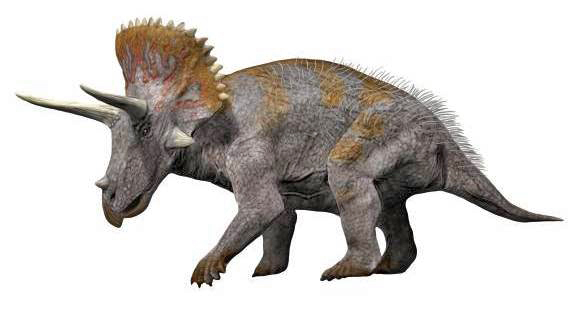
One of the biggest shocks in the next decade will be just how different dinosaurs will look in new reconstructions. We already know from fossilized melanosomes in some feathered dinosaurs that scientists can sometimes infer shades of color, and that alone has turned a few once-drab creatures into patterned, crow-like, or even iridescent animals. Over the next ten years, more fine-grained fossil preservation, better microscopes, and improved techniques for identifying pigment structures could expand this from a handful of species to dozens. The more species we map, the more we realize that the old gray-green, lizard-skinned dinosaurs were mostly a product of human imagination and 20th-century art, not evidence.
It won’t stop at color. There is growing evidence that a lot of dinosaurs had elaborate soft tissues that rarely fossilize: wattles, spines, keratin crests, inflated throat sacs, and even rudimentary “cheeks” or lips. As new fossils with exceptional preservation are found, especially in fine-grained lake beds and volcanic ash deposits, those soft tissues will get filled in and normalized. The dinosaurs of 2036 will probably look more like a mash-up of birds, rhinos, cassowaries, and crocodiles than the sleek reptile-dragons many of us still picture. It’s going to feel strange at first – like learning that your favorite movie creature always wore the wrong costume – but once you see the evidence, you can’t unsee it.
We’ll Finally Get Close to the Truth on “How Warm-Blooded” Dinosaurs Really Were
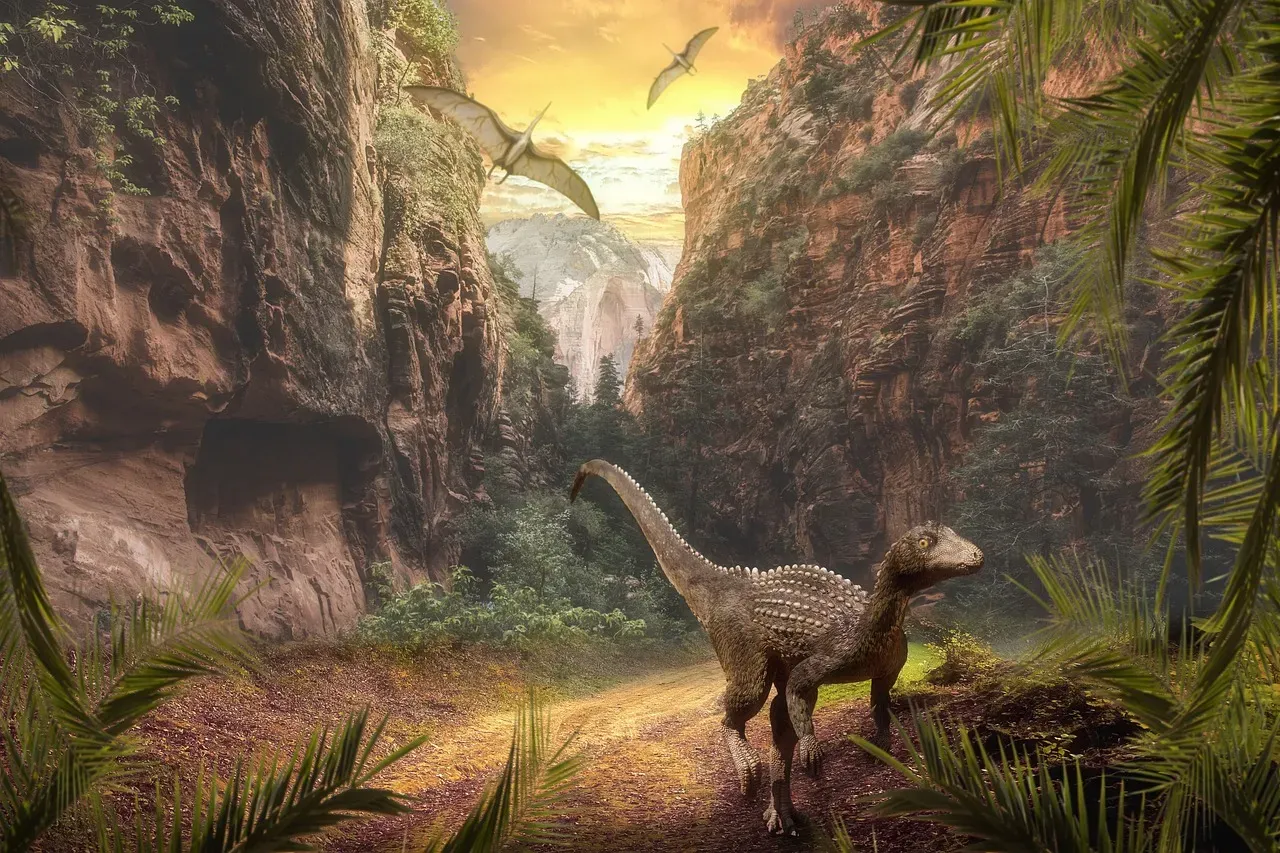
The question of whether dinosaurs were warm-blooded, cold-blooded, or something in between has been argued for decades, and right now the answer is more “messy middle” than clear yes or no. Recent work on bone growth rings, blood vessel density in dinosaur bones, and comparisons with modern birds and crocodiles suggest that many dinosaurs had high metabolic rates closer to mammals and birds, while some may have been slower and more reptile-like. Over the next decade, advances in chemical analysis of bones and teeth, plus huge datasets processed by AI, are likely to refine these estimates and split the broad label “dinosaurs” into metabolic categories that actually reflect different lifestyles.
The surprising twist is that the public probably expects one big answer – dinosaurs were all warm-blooded! – while the science is heading toward a much more nuanced story. We might learn that small, active theropods were blazing hot endurance machines, while some giant sauropods relied more on sheer size and slow cooling, and certain armored dinosaurs may have been metabolic misers. That could flip how we picture their daily rhythm: which species hunted at dawn, which rested through the heat, and which could power long migrations. Once metabolism is better pinned down, everything from growth rates to parenting strategies to maximum running speed will be recalculated, and some classic scenes from movies are going to age badly.
Behavior Will Shift From Guesswork to Evidence-Based Stories
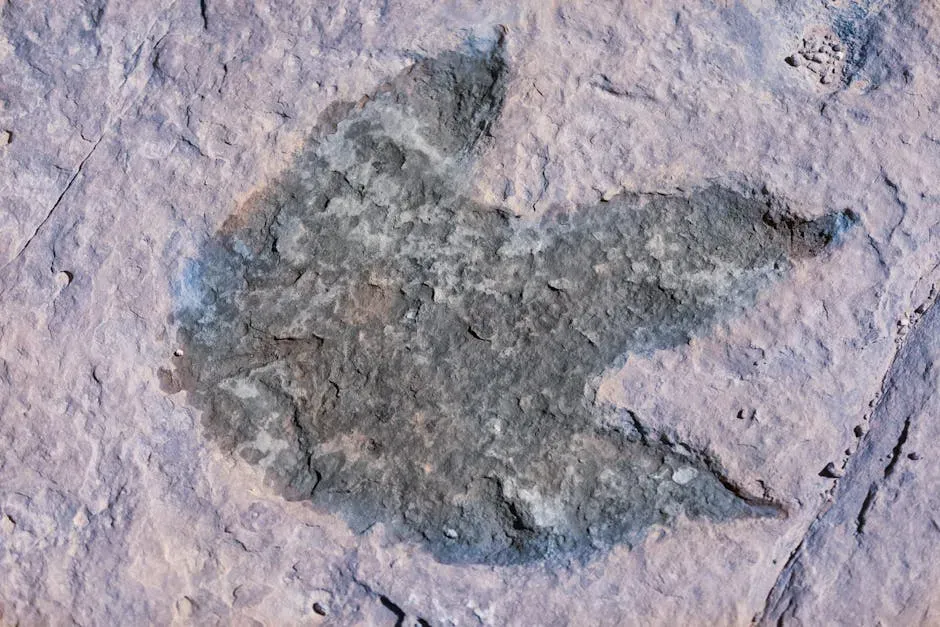
Right now, many dinosaur behavior scenes you see in documentaries are educated speculation stitched together from bone shape, footprint trails, and modern animal comparisons. Over the next 10 years, that behavior will get anchored in much more direct evidence: fossil trackways showing group movements, nests with embryos preserved in life position, bite marks that tell us who attacked whom, and bonebeds that capture entire herds in a single catastrophe. Each new discovery forces scientists to ask, not just “could they have done this?” but “what scenario actually matches the fossils in front of us?”
I think this is where many people will be most surprised. We may end up with compelling evidence that certain herbivores migrated seasonally, that some small carnivores hunted socially in loose packs, or that certain ceratopsians were less like slow, lumbering cows and more like dangerous, unpredictable bison. Advances in biomechanical modeling will help too: more realistic simulations of muscle, tendon, and body mass will show which behaviors were physically plausible. Instead of generic “T. rex roars at the sky” scenes, you’ll see more nuanced portrayals: complex courtship displays, tense stand-offs, parental care, and opportunistic scavenging. Dinosaurs will feel less like movie monsters on a loop and more like real, complicated animals caught in specific moments of their lives.
Feathers, Skin, and the Blurry Line Between Dinosaurs and Birds Will Get Weirder
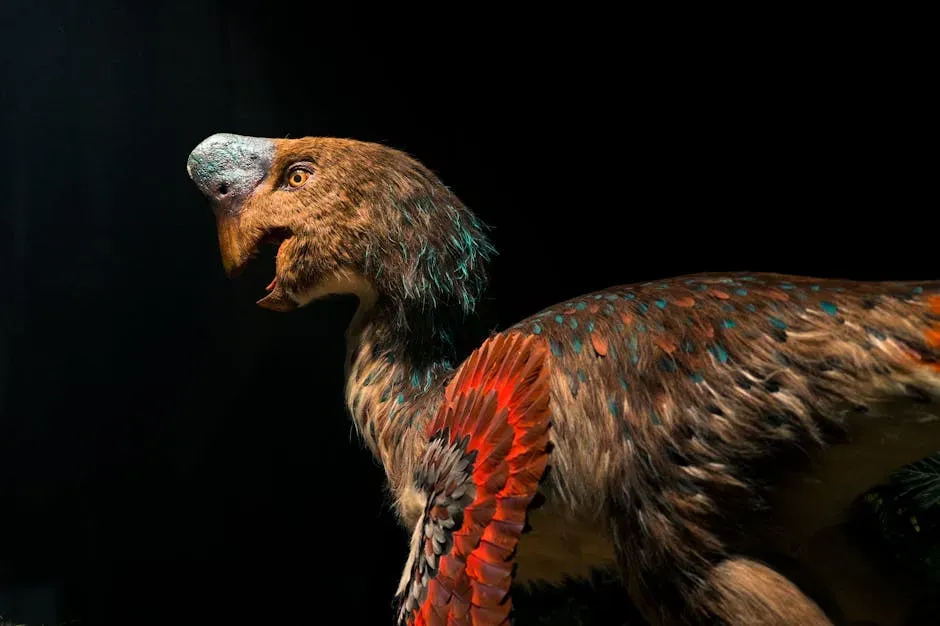
People are finally getting used to the idea that many theropod dinosaurs had feathers, but the full picture is still only half-painted. As more fossils are discovered in places that preserve fine details – northern China, parts of South America, and possibly new regions opened by politics or technology – the diversity of feathers and skin coverings is likely to explode. We may learn that certain herbivorous dinosaurs had bristles or quills, that some carnivores had fuzzy coats only as juveniles, or that there were wild combinations of scales, armor, and filament-like feathers on the same body. The visual variety could rival modern birds and mammals combined.
This will push us to question where we draw the line between “dinosaur” and “bird” even more. Scientifically, birds are already considered living dinosaurs, but culturally many people still imagine a clean break: dinosaurs went extinct, birds flew on. Ten years from now, I suspect that distinction will feel even more artificial. Genomic work on living birds, paired with detailed studies of dinosaur growth and bone microstructure, will probably clarify which traits birds inherited straight from their non-avian dinosaur ancestors and which evolved later. The shock is not going to be that birds came from dinosaurs – we already know that – but just how far along the “birdiness” scale many non-avian species actually were.
Ancient Biomolecules Will Push the Limits of What We Thought Could Survive
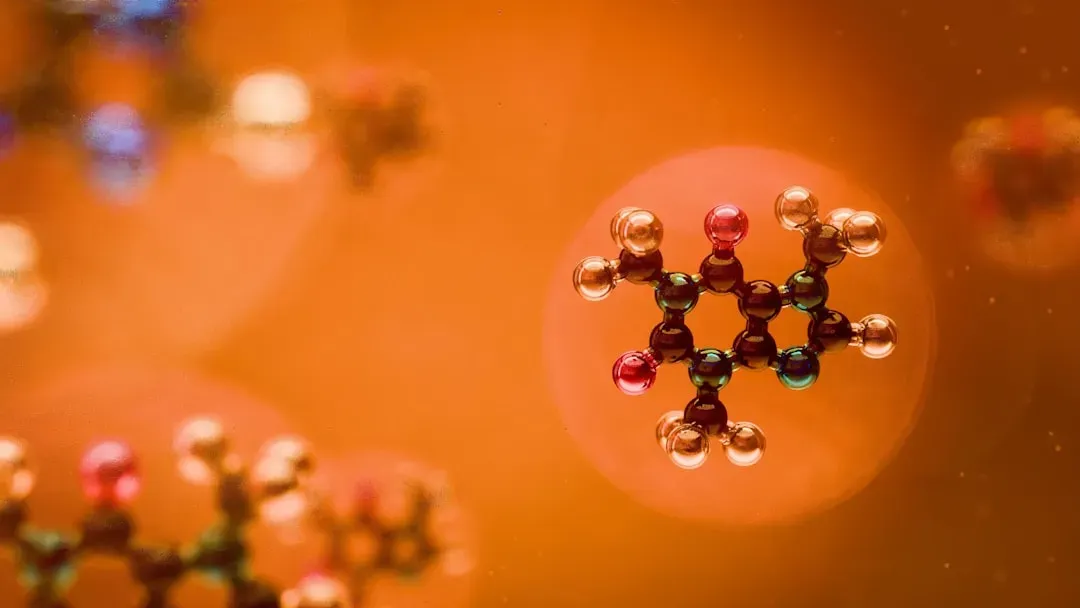
This is the part that always sounds like science fiction, so it needs to be handled carefully: there will be more discoveries related to ancient biomolecules in dinosaur fossils, and they will surprise people, but we’re not talking about cloning a T. rex. Researchers have already reported traces of proteins, possible blood vessel remnants, and chemical signatures of original organic materials in some well-preserved dinosaur bones. These claims are hotly debated, but the techniques for verifying them – including advanced mass spectrometry, synchrotron imaging, and strict contamination controls – are improving rapidly.
In the next decade, I’d expect more cautious but solid evidence of specific molecules, maybe fragments of proteins or their breakdown products, that help pin down relationships, physiology, and even aspects of tissue structure. That will feel mind-blowing to anyone who grew up being told that nothing soft could possibly survive tens of millions of years. Still, the important thing to keep in mind is that partial molecular survival is not the same as intact DNA or viable cells. There is a world of difference between reconstructing a metabolic pathway or collagen sequence and resurrecting a living dinosaur, and the public conversation will need to keep those boundaries clear. The real beauty here isn’t in some fantasy park; it’s in the way a few stubborn molecules can let us peek into the biology of animals that vanished long before humans existed.
The Dinosaur Family Tree Will Be Redrawn (Again), Changing Old Narratives
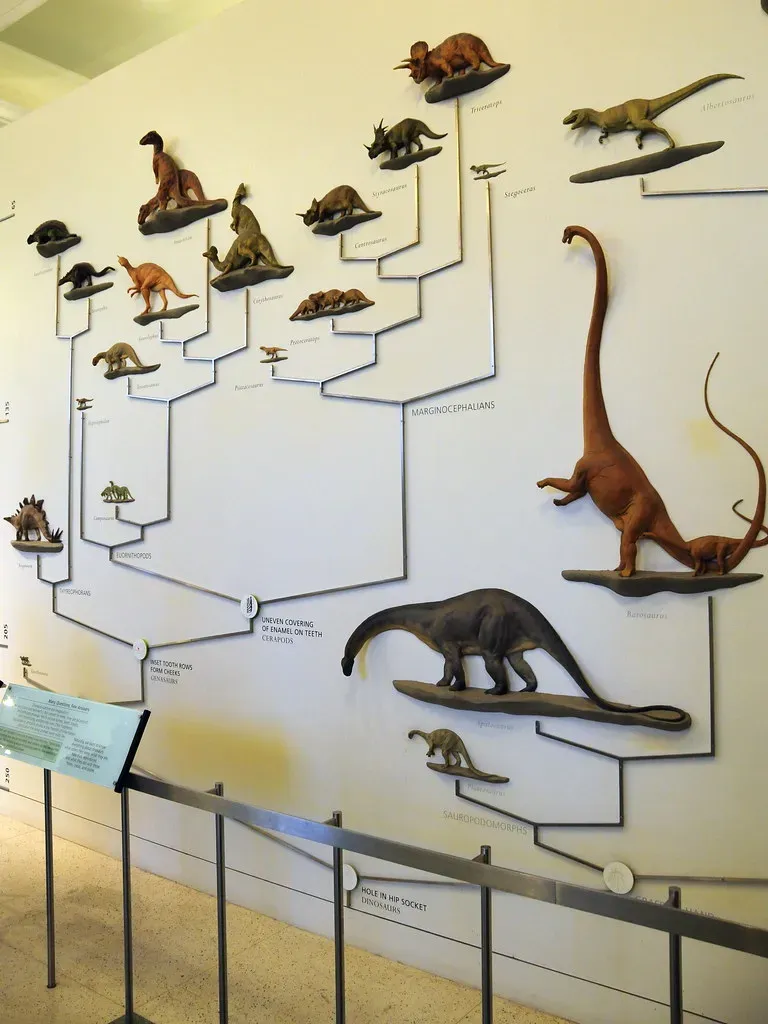
If you think the dinosaur family tree is settled, the next ten years will disabuse you of that idea in a hurry. Even in the last decade, paleontologists have proposed major reshuffles of how the main dinosaur groups are related, with some hypotheses challenging century-old arrangements. As more species are described and more detailed anatomical datasets are compiled, computer-based phylogenetic analyses will keep testing and retesting those branches. Small tweaks in which group is closest to which can totally change how we tell the story of dinosaur evolution, from the origin of feathers to the rise of giant sauropods.
On top of that, new finds from underexplored regions – parts of Africa, Asia, and South America that have been difficult to access for logistical or political reasons – will almost certainly reveal species that do not fit neatly into current categories. Those “oddballs” are the ones that usually force a rewrite of the tree. This kind of behind-the-scenes taxonomic chaos might sound dry, but it ripples outward. A change in family relationships can change our ideas about where dinosaurs first evolved, how they spread across ancient continents, and which traits evolved once versus many times. To the public, it will feel like the map of dinosaur evolution keeps shifting underfoot, and in a way, that is exactly what’s happening.
We’ll Rethink Why Some Dinosaurs Thrived and Others Vanished Before the Asteroid
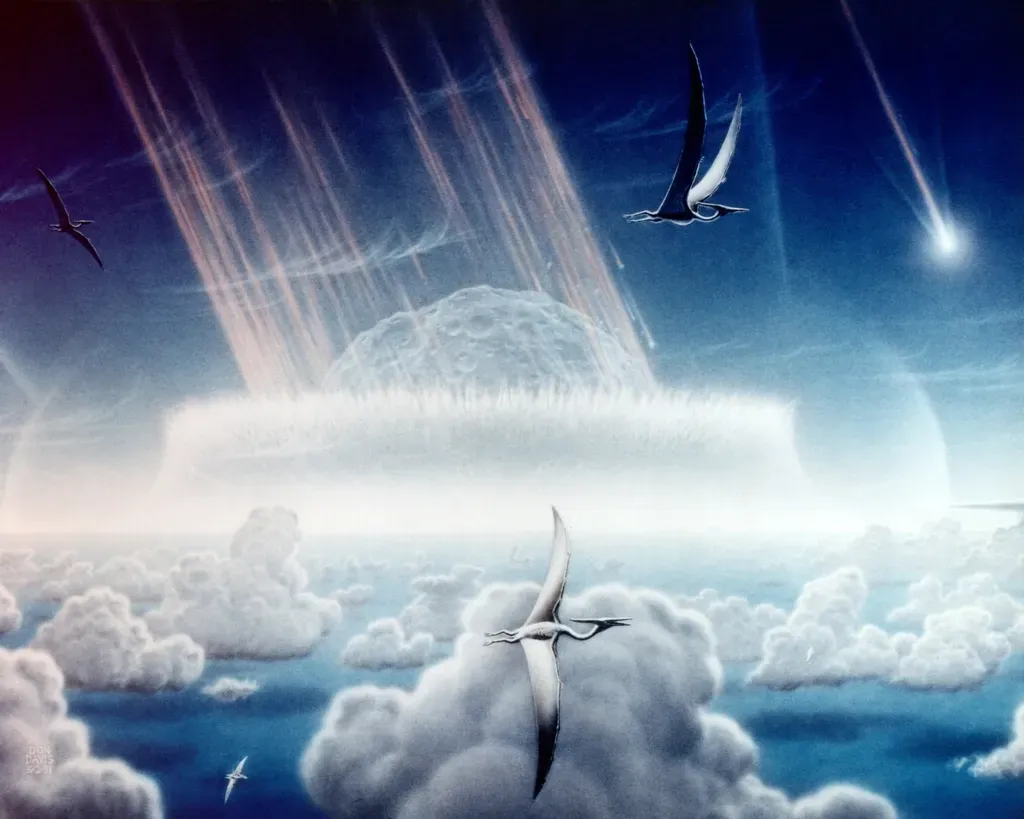
Most people know the asteroid story: a catastrophic impact about sixty-six million years ago helped wipe out the non-avian dinosaurs. What gets less attention is that dinosaur ecosystems were already complex and changing in the millions of years before the impact. Over the next decade, more precise dating of rock layers, better climate models, and large fossil datasets will probably reveal more about which dinosaur groups were flourishing, which were declining, and how that set the stage for the final extinction event. The boring version of the story – everything was great until one rock ruined it all – is already fading.
I suspect many will be surprised by how patchy and regional these patterns turn out to be. Some areas may show stable, diverse communities right up until the impact, while others reveal long-term stress from climate swings or volcanic activity. Certain clades might look fairly robust until the very end, while others were barely hanging on. This matters, because it shifts extinction from a single, simple cause to a layered, contingent story: a world already pushed in various ways meets an overwhelming catastrophe. That richer picture is less cinematic than a single fireball, but it is much more honest about how extinction usually works, including in our own time.
Digital Dinosaurs, AI, and Public Imagination Will Evolve Together
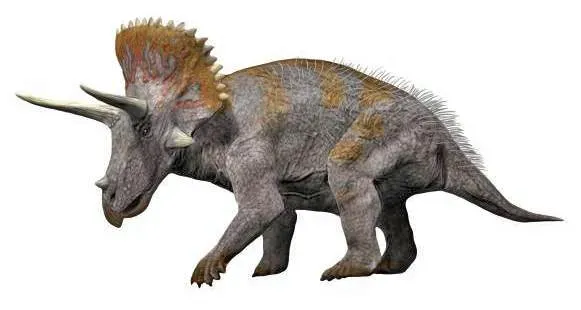
One of the quieter but most powerful shifts coming is how digital tools and artificial intelligence will reshape not just what scientists know about dinosaurs, but what the rest of us see and believe. High-resolution 3D scans of fossils, combined with sophisticated physics engines, will allow researchers to test posture, locomotion, and bite forces in ways that go far beyond the rough estimates of past decades. AI systems trained on enormous datasets of bones, muscles, and modern animal motion will be able to flag unexpected patterns – like subtle correlations between limb proportions and habitat – that no single human could easily spot.
At the same time, those same technologies will make it easier than ever to produce highly polished but potentially misleading dinosaur content. Hyper-realistic animations can spread online in minutes, sometimes long before the underlying science is peer reviewed or even plausible. Over the next ten years, dinosaur science and dinosaur storytelling will be in a constant tug-of-war. The optimistic view, which I share, is that scientists and science communicators will learn to use these tools to bring people closer to the real animals, not just flashier movie monsters. Whether they succeed will shape what the next generation thinks a dinosaur actually is.
Conclusion: The Next Decade Will Make Dinosaurs Feel Strangely More Familiar
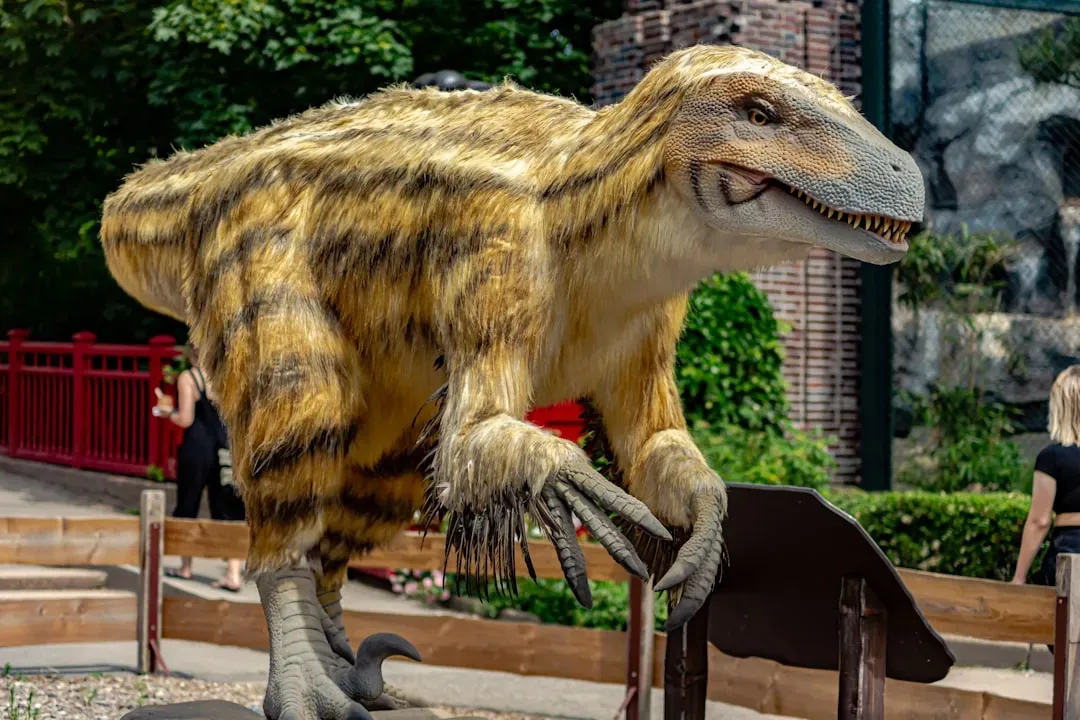
When you zoom out, the pattern is clear: everything about dinosaur science is moving from vague, dramatic sketches toward sharp, sometimes uncomfortable detail. We are going to trade a bit of the cinematic simplicity – the idea of dinosaurs as giant, scaly villains or heroes – for a messier reality full of feathers, social lives, metabolic quirks, and evolutionary dead ends. Personally, I think that trade is worth it. The more we learn, the more dinosaurs stop being mythical monsters and start feeling like real animals that once breathed, bled, fought, nested, and navigated changing worlds, just as living creatures do today.
In ten years, a lot of what we currently see on posters and toys will probably look charmingly wrong, and that is a sign of progress, not a loss. The surprises to come – from molecular traces in bones to radical new reconstructions – will not just redraw our favorite prehistoric creatures; they will also challenge how we think about life, extinction, and our own place in Earth’s story. The question is not whether dinosaur science will surprise everyone in the next decade, but how ready we are to let go of the versions we grew up with and embrace what the evidence actually says. When the dust settles, which of your mental dinosaurs do you think will still be standing?