Ever wonder why a basket of fries, buttered popcorn, or crispy chicken skin feels almost impossible to resist, even when you are not that hungry? That intense pull toward foods that are both salty and fatty is not just a modern weakness or clever marketing. It is a deeply wired survival system, carved into our brains over hundreds of thousands of years, back when getting enough calories could literally mean the difference between life and death.
Today, that ancient wiring is colliding with a world where high-fat, high-salt foods are everywhere and effortless to get. Science is slowly piecing together how a flavour combination that once helped our ancestors find precious animal tissue is now helping to fuel modern problems like obesity and heart disease. Understanding that story does not magically fix our cravings, but it does change how we see them: not as a moral failure, but as an echo from the Stone Age playing out in a supermarket world.
The prehistoric logic behind loving fat and salt together
From an evolutionary point of view, fat was the jackpot. Gram for gram, it offers more than double the calories of carbohydrates or protein, which meant that any early human who could find and prioritize fatty foods had a better shot at surviving lean seasons. Animal tissue, especially organ meat and marrow, packed this precious fat in ways wild plants almost never did, so learning to track and value it was like having a built-in survival cheat code. Over time, brains that lit up in response to fat were more likely to be passed on through the generations.
Salt, on the other hand, was about staying alive at the cellular level. Humans need sodium for nerve signals, fluid balance, and muscle contractions, but in many ancestral environments it was hard to come by. Combining fat and salt was not just a tasty bonus; it became a chemical signal that often pointed to animal tissue, blood, and other nutrient-dense parts of an animal. When your tongue picked up that fatty-salty combo, your brain could interpret it as a message: you have just found something rare, powerful, and worth eating as much of as you can.
How your tongue “reads” animal tissue like a survival code
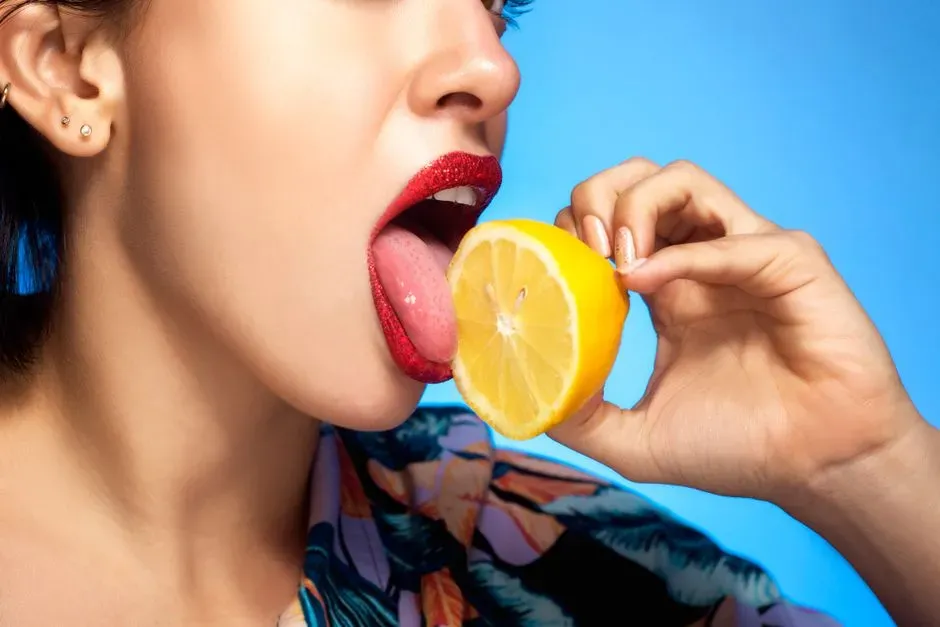
Your tongue is not just registering pleasant flavours; it is running a primitive diagnostic test on everything you eat. Specialized receptors detect fat, salt, and other taste qualities, then send rapid-fire messages up to the brain about what kind of food you are dealing with. In ancestral times, a mouthful that hit both fat and salt at once often meant you were eating flesh, skin, or marrow rather than fibrous, lower-calorie plant material. The body could use that information to predict a big energy payoff from a relatively small amount of food.
This is also why the “mouthfeel” of certain foods is so powerful. The slick, rich sensation of fat, combined with the sharp hit of salt on the tongue, creates a multi-layered signal that says this is safe, dense, and worth swallowing. For a hunter who had just spent hours tracking an animal, that signal was a reward and a reassurance. For us, it shows up in the satisfaction of biting into a salty, fatty snack, even when we are sitting still on the couch and energy scarcity is the farthest thing from reality.
The brain’s reward system: why fatty-salty hits feel so addictive
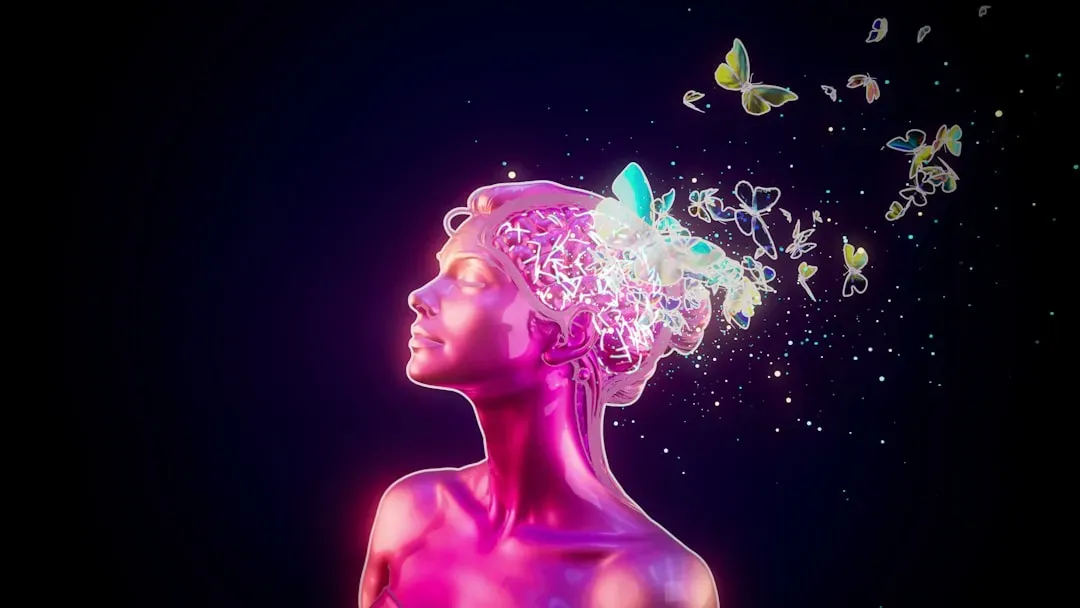
Modern brain imaging studies show that when we eat foods rich in fat and salt, reward circuits in the brain light up in ways that look strikingly similar to responses to other rewarding stimuli. Dopamine pathways, especially in regions that process motivation and pleasure, respond strongly to this kind of food. In a world of scarcity, that strong response was adaptive: it pushed our ancestors to keep hunting, foraging, and seeking out the few foods that could help them store energy efficiently.
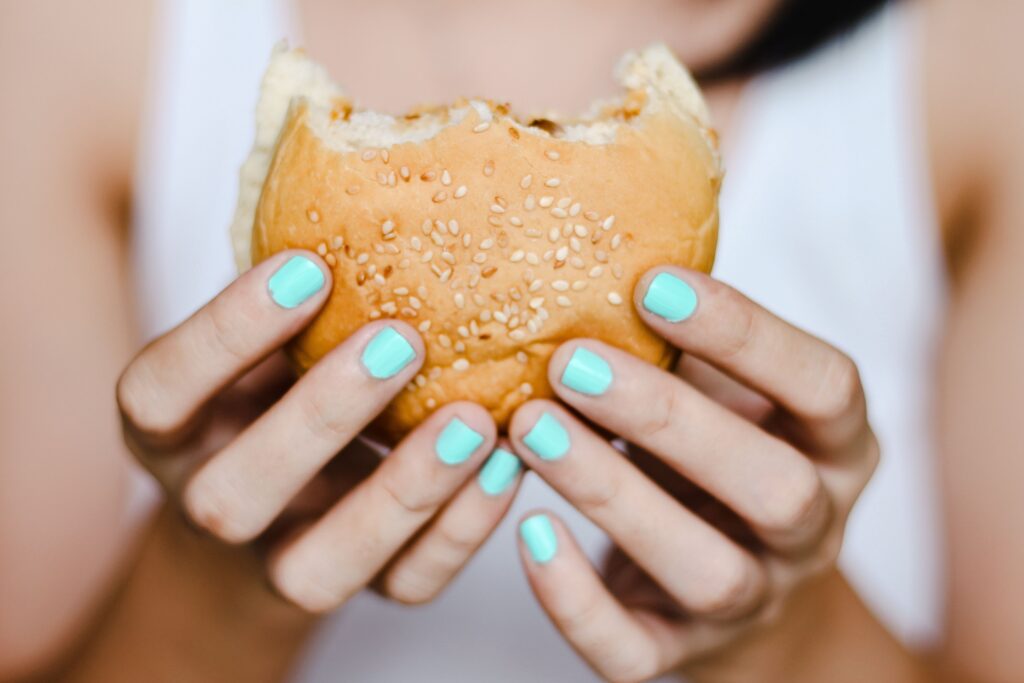
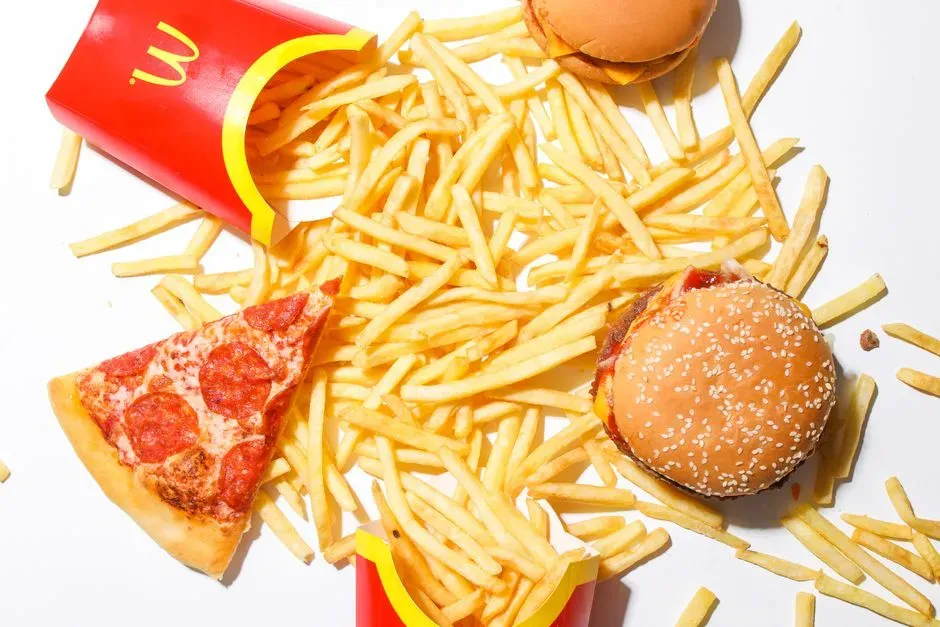
Today, that same reward circuitry can feel like a trap. Food companies have learned, sometimes through trial and error and sometimes through very careful research, that combinations of fat, salt, and sometimes sugar trigger the strongest responses. The result is that a bag of chips or a fast-food burger can hijack neural systems that evolved to protect us from starvation. It is not that the food is literally addictive in the same way as drugs, but the brain’s motivation networks are absolutely being played in a way that feels eerily close.
From hunting and scavenging to drive-thrus and delivery apps

For most of human history, getting fatty animal tissue required serious effort and real risk. People had to track animals, read the landscape, cooperate with a group, and sometimes face off against predators or the elements just to get close to a calorie-dense meal. Even then, they did not eat rich, fatty foods every day; there were long stretches of scarcity, unpredictable seasons, and plain bad luck between the big wins. In that context, a strong craving for fat and salt was like gas in the tank, pushing people to keep going when the payoff was uncertain.
Now, the equation has flipped. High-fat, high-salt foods can be ordered in a few taps without leaving the couch, and the hardest physical effort might be walking to the front door. Our bodies, however, are still responding as if every salty, fatty bite signals a rare and precious opportunity that should be seized. This mismatch between an ancient operating system and a modern food environment shows up in skyrocketing rates of weight gain and metabolic disease, especially in places where ultra-processed foods are cheap and widely available.
Why plant foods never triggered the same fierce cravings
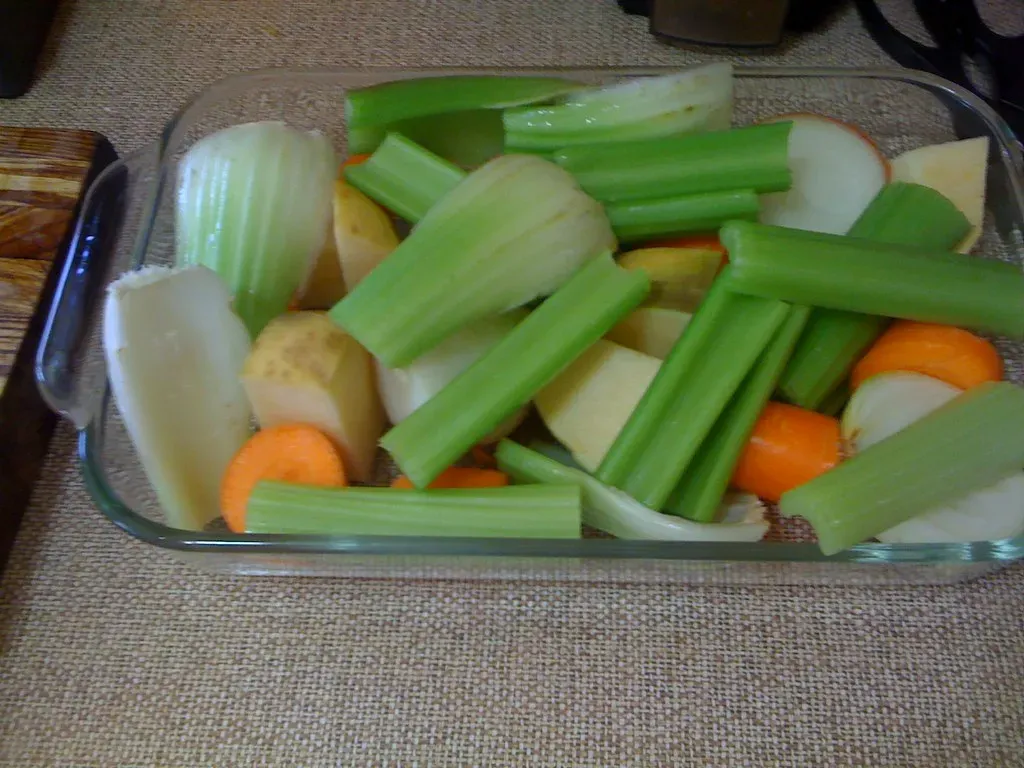
Wild plant foods, the ones our ancestors relied on, tended to be high in fiber, lower in calories, and much less predictable from season to season. Some would have been bitter, tough, or mildly toxic unless carefully prepared. While they were critical for vitamins, minerals, and daily survival, they simply did not match the sheer energy payload of animal tissue. Evolution did not need to make us obsess over leaves and roots in the same way; we just had to like them enough to eat them when available.
That difference still shows up today. People rarely report feeling out of control with cucumbers, lentils, or plain boiled potatoes, even though those foods can be filling and nourishing. It is the foods that mimic the sensory profile of animal tissue – fatty, salty, rich, sometimes umami-heavy – that tend to set off stronger cravings. In a strange twist, we now have plant-based snacks engineered to hit those same notes, effectively dressing plant ingredients in the sensory clothing of meat to capture the same ancient responses.
The modern food industry’s perfect storm: engineered prehistoric signals
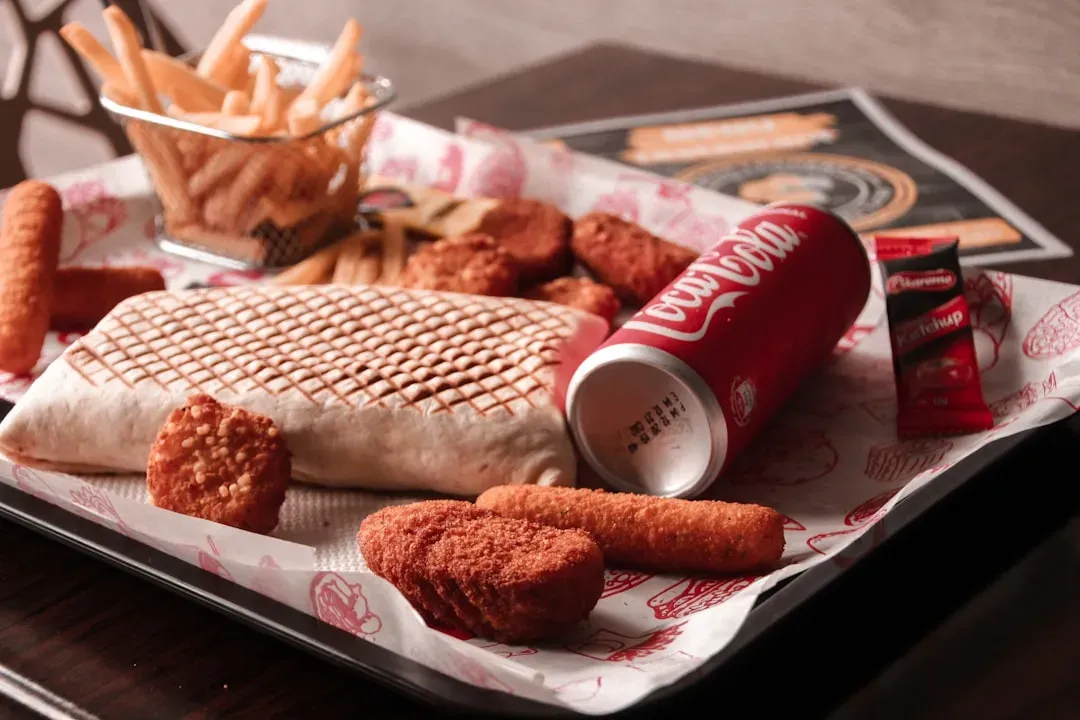
Once you understand that fat and salt together signal caloric treasure to the brain, it is hard not to see packaged foods differently. Many processed products are carefully formulated to deliver that prehistoric flavour combo in a way that feels effortless and repeatable. The crunch of a chip, the creaminess of a cheese-flavoured coating, the sharpness of salt, and the richness of added oils all stack on top of each other to create a sensory experience our brains are almost too well prepared to love.
The tricky part is that these foods often strip away the context and limits that shaped our ancestors’ eating patterns. There is no long hunt, no communal butchering, no need to share scarce resources across a group. Instead, there is a bottomless bag or a value meal that can be bought again and again. In that setting, the same biological systems that once nudged us toward survival now quietly nudge us toward overconsumption, often without us fully realizing how intentionally the cues are being amplified.
Can we work with our ancient cravings instead of against them?
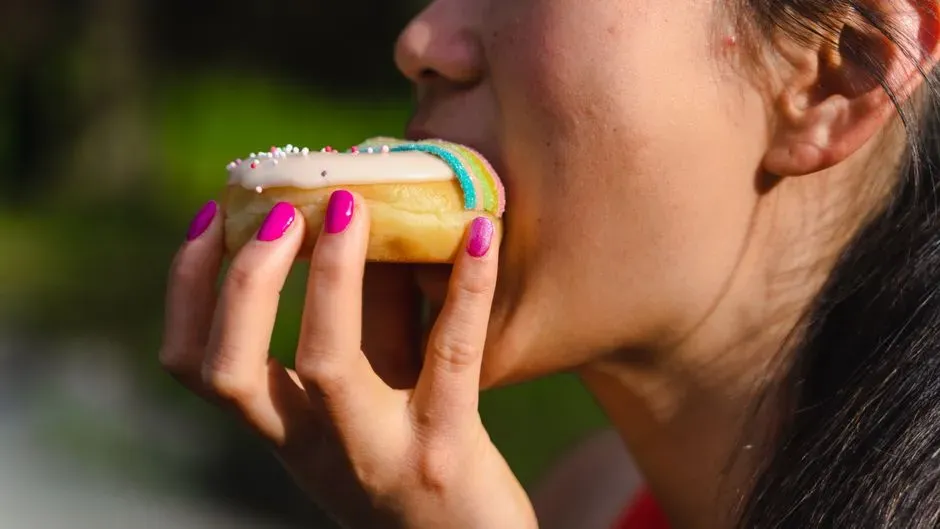
Trying to simply shut down the desire for salty, fatty foods is like trying to argue with your own survival instincts; it rarely ends well. A more realistic approach is to accept that those cravings are part of being human and learn to manage them with a mix of strategy and self-compassion. That might look like planning satisfying meals with some healthy fats and enough salt to feel good, instead of swinging between rigid restriction and late-night raids on ultra-processed snacks. It is less about becoming a person who does not crave these foods and more about becoming someone who knows how to navigate those cravings with a bit of grace.
Some people find it helpful to “upgrade” the way they answer their prehistoric signals. Instead of reaching automatically for chips or fast food, they experiment with options like roasted potatoes in olive oil, nuts with a pinch of salt, or home-cooked dishes that are rich but controlled in portion and ingredients. Personally, I have noticed that when I allow myself genuinely satisfying, flavourful meals earlier in the day, the pull toward mindless salty, fatty snacking at night drops way down. It feels less like fighting my ancient brain and more like giving it what it is trying to ask for, just in a way that fits modern life.
Opinionated conclusion: our cravings are ancient, but our choices do not have to be
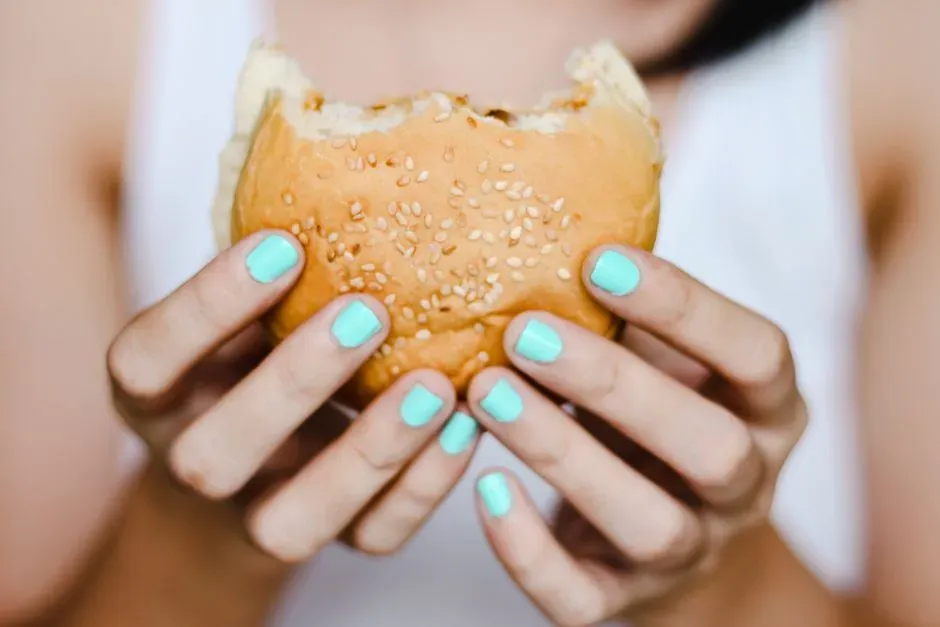
It is tempting to blame willpower when we feel hooked on fries, bacon, or chips, but that story misses the deeper truth. Our intense love for fatty and salty foods is not some personal flaw; it is a prehistoric survival feature that was once an advantage, now mismatched with a world of constant abundance. In my view, pretending we can simply out-discipline millions of years of evolution is naive and unfair to ourselves. The more honest and empowering move is to admit that the deck is stacked by biology and industry – and then decide how we want to play our hand anyway.
We are the first generation in history to understand, at a scientific level, how our own taste systems evolved and how they are being manipulated. That knowledge can feel uncomfortable, but it also gives us leverage: we can choose when to lean into these ancient flavours for pleasure and connection, and when to step back and design an environment that does not constantly poke at our survival wiring. In the end, the real question is not whether we crave fatty and salty foods – that part is almost guaranteed – but what kind of relationship we want to build with those cravings in a world our ancestors could never have imagined. What kind of story do you want your next salty, fatty bite to be part of?