Imagine walking through a forest with no grocery stores, no labels, and no food safety checks – just you, your nose, your tongue, and a whole lot of guesswork. In that world, choosing the wrong leaf or berry could mean the difference between life and death. That ancient reality is still wired into your tongue today, every time a doughnut feels comforting and a kale smoothie feels like a moral achievement. Our love for sweet and suspicion of bitter did not appear by accident; it is an evolutionary filter that quietly shaped who survived long enough to become our ancestors.
Now fast‑forward to a world where that same survival filter walks through supermarket aisles instead of forests. The human craving for sweetness has been turned into a business model, carefully engineered into breakfast cereals, coffee drinks, sauces, snacks and even “health” bars. What once helped us avoid poison and find calories now feeds a global industry measured in trillions of dollars, with flavor labs, marketing teams and algorithms learning our preferences almost as well as our own brains do. How did we get here, and what does it mean that our Stone Age taste buds are steering our modern plates?
The ancient brain behind your sweet tooth
It is almost shocking how much your brain lights up for sugar, considering how ordinary a cookie feels in your hand. From an evolutionary point of view, sweetness signaled energy‑dense, often nutrient‑rich sources like ripe fruits, honey, and some roots. For early humans who never knew when their next meal would appear, being strongly drawn to sweet flavors was not a guilty pleasure; it was a survival advantage that pushed them toward foods that could fuel long hunts, cold nights, and demanding physical lives.
Bitter, on the other hand, was nature’s warning label. Many plant toxins taste bitter, and animals that ignored that signal simply did not live long enough to pass on their genes. Over countless generations, natural selection sharpened this taste divide: preference for sweet and caution around bitter became the default setting. What feels like a simple like or dislike today is really a kind of biological risk assessment tool, tuned by millions of years of trial and fatal error long before nutritionists or calorie counts existed.
How taste buds turned into survival sensors
Your tongue is not just about pleasure; it is a tiny biochemical laboratory. Taste receptors for sweetness respond to certain sugars and related molecules, sending a message to the brain that essentially says, this is safe energy, eat more. Receptors for bitterness, by contrast, are tuned to detect a huge variety of potential toxins, and they often trigger instinctive rejection, even gagging. This split reaction helped ancestral humans swallow what would keep them alive and spit out what might quietly kill them later.
What makes this even more fascinating is how early in life these preferences show up. Infants typically relax into sweet tastes and visibly reject bitter ones, long before anyone teaches them what candy or coffee even is. That early, almost automatic response hints that the taste system is not just learned culture, but deeply wired biology. In a harsh, unpredictable environment, every bite carried a decision: do I trust this or not? Taste buds became frontline sentries in that decision‑making process.
From wild fruit to refined sugar: an evolutionary mismatch

For most of human history, “sweet” meant something rare, seasonal, and physically demanding to get: climbing trees for fruit, braving bees for honey, or digging for starchy roots. The sweetness our ancestors found in the wild usually came packaged with fiber, water, vitamins, and physical work. That meant their bodies got both concentrated energy and useful nutrients, and they burned a lot of calories just acquiring the food in the first place. Sweetness was precious enough that the body evolved to treat it almost like gold.
Modern sugar could not be more different. Industrial refining strips away fiber and most nutrients, leaving pure, fast‑absorbed calories that the body still greets as if starvation might be around the corner. Instead of scrambling over rocks to find a few figs, we can swipe a card and walk out with more sweetness in one drink than a forager might stumble on in a day. This mismatch between an ancient reward system and a modern environment of abundance is at the heart of why sweet cravings can be so powerful, and sometimes so destructive, today.
Why bitterness feels like punishment (even when it is good for you)
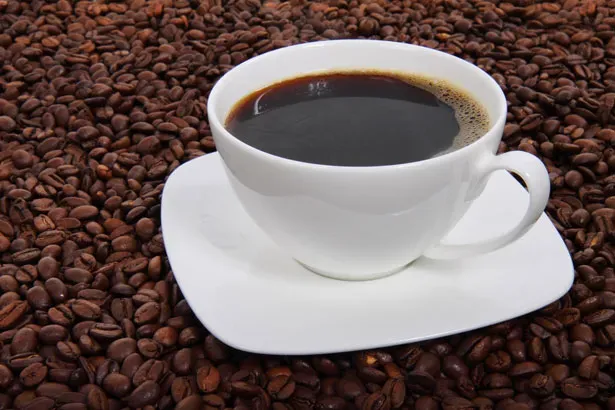
It is almost ironic that some of the most health‑promoting plant compounds taste bitter or sharp. Many vegetables, teas, and medicinal herbs contain phytochemicals that support long‑term health, but evolution tuned us to be suspicious of that flavor profile because similar tastes often signaled poison. The brain was designed to be cautious first and curious second, because one careless swallow could be fatal. That instinctive flinch away from bitterness still whispers in the background when you taste dark leafy greens or strong coffee.
Cultural habits can soften that instinct, which is why some people learn to love bitter foods with repetition and context. Think about how many people “earn” a taste for black coffee or dark chocolate over time, especially when they associate it with adulthood, sophistication, or comfort rituals. We are basically retraining an ancient alarm system, reassuring it that in this case, the bitterness is not danger but nuance. Yet the default setting remains: sweet goes down easy, bitter demands an explanation.
How the food industry hacked your evolutionary wiring

Once manufacturers understood that humans are biologically drawn to sweet and wary of bitter, the path forward was obvious: lean hard into sweetness and soften or hide bitterness wherever possible. Processed foods are often formulated to hit what researchers sometimes call a bliss point, a combination of sugar, fat, and sometimes salt that feels almost irresistibly satisfying. This is not random; it is a deliberate tuning of products to sit right on top of ancient reward circuits that once guided hunters and gatherers toward survival.
Sweetness has also crept into places our ancestors would never expect it: salad dressings, pasta sauces, breads, yogurts, and drinks that sound vaguely healthy but are effectively liquid desserts. Bitterness, when present, is frequently masked with sugar or artificial sweeteners so that products still slide down without resistance. What began as a biological filter to avoid poison has become a marketing lever, where companies that best match the brain’s liking for sweet flavor often capture more loyalty and more sales, especially among children.
A trillion‑dollar marketplace built on taste
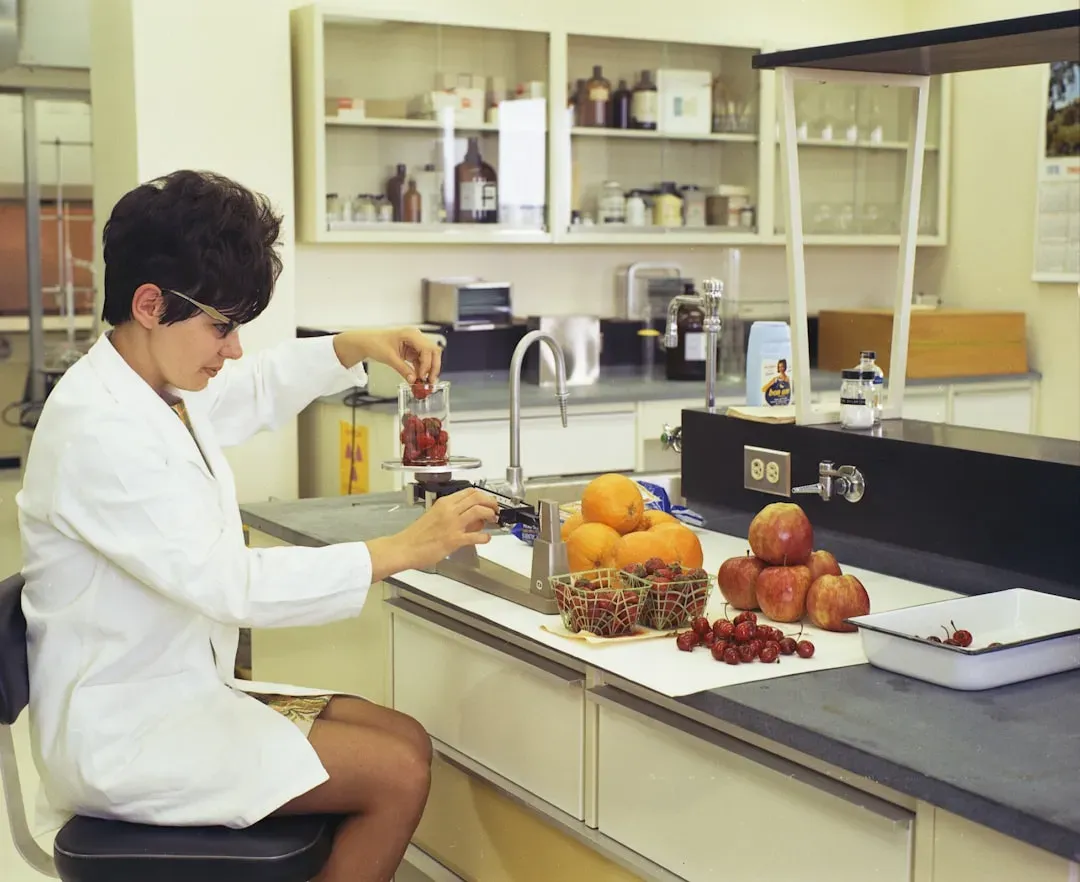
The global food and beverage industry is now worth several trillions of dollars, and a substantial chunk of that value is driven, quite simply, by taste. Products that reliably trigger the brain’s pleasure pathways sell better, repeat more often, and inspire stronger brand loyalty. Sweet snacks, desserts, sugary drinks, and refined carb foods form a giant slice of this economy, often outcompeting plainer, less immediately rewarding options even when those options are nutritionally better.
Behind the scenes, companies pour serious resources into flavor science, consumer testing, and data analytics to understand exactly how people respond to different levels and kinds of sweetness. It is not just about adding sugar; it is about creating experiences that feel comforting, nostalgic, exciting, or indulgent. The same survival filter that once helped us find ripe fruit now helps shape entire product lines, advertising campaigns, and corporate strategies. Our tongues are not just eating; they are voting with every purchase.
Health consequences: when survival instincts backfire
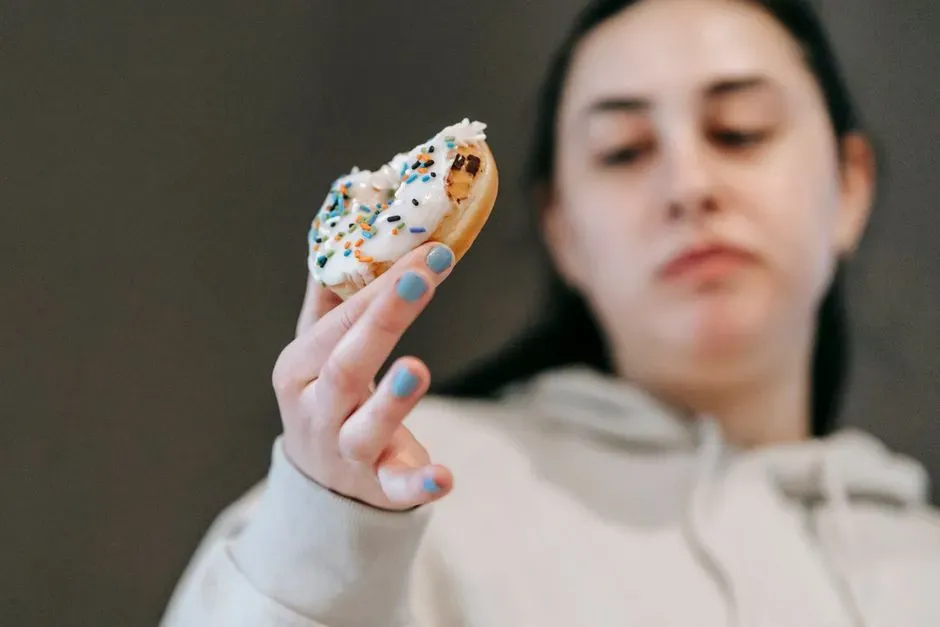
There is a harsh twist to this story: the evolutionary preferences that once protected us can now work against our long‑term health. In a world where sweet, calorie‑dense foods are cheap, constant, and heavily promoted, following your instincts can easily lead to overconsumption. Over decades, that steady excess can contribute to weight gain, metabolic problems, and a higher risk of chronic illnesses that our ancestors rarely lived long enough to face.
It is not that sweetness suddenly became bad; it is that the environment changed faster than our biology could adapt. Our bodies still act as if famine might be hiding around the next corner, so they store surplus energy efficiently and encourage us to seek more of what tastes sweet and comforting. Without conscious choices and structural changes in food environments, we are basically asking Stone Age hardware to navigate a neon buffet. It is no surprise that so many people feel like they are constantly fighting themselves around food.
Can we retrain our taste buds without losing joy?

The good news is that taste is not entirely fixed; it is a mix of biology and experience. Over time, people can genuinely learn to enjoy foods that seemed too bitter, too bland, or not sweet enough at first. Cutting back on added sugars can slowly reset what tastes “normal,” making naturally sweet foods like fruit feel more satisfying again. This is less about punishment and more about quieting down a system that has been overstimulated for years.
On a larger scale, there is a real opportunity – and in my view, a responsibility – for the food industry to evolve as well. Instead of endlessly pushing sweeter, more engineered products, companies could celebrate complexity: gentle bitterness, subtle sweetness, and genuine ingredients that respect both our biology and our long‑term health. I have personally found that once the constant sugar rush calms down, flavors I used to ignore, like the slight bitterness of good olive oil or the tartness of plain yogurt, become surprisingly enjoyable. The question is whether we are willing to trade a bit of instant intensity for a deeper, steadier kind of satisfaction.
Conclusion: ancient instincts in a modern supermarket

Our preference for sweet over bitter began as a lifeline in a dangerous world, a simple, powerful filter that nudged us toward nourishment and away from poison. That same reflex now sits in front of endless shelves and scrolling menus, doing the best it can in an environment it was never designed to handle. In my view, pretending we can simply “willpower” our way out of this mismatch misses the point; the system is working exactly as evolution intended, just in a radically different context.
If anything needs to change, it is not our biology but our relationship with it and the environment we have built around it. Recognizing that a trillion‑dollar industry is built on exploiting a survival filter should make us both impressed by human ingenuity and a little uneasy. The real challenge of this century might be learning to respect our ancient instincts without letting them be endlessly gamed. When you take your next bite of something sweet, will you taste only the sugar – or also the story of the millions of years that made it irresistible?