
Most people remember The Flintstones for its talking dinosaurs, bowling nights and that ridiculous foot-powered car. It feels like pure cartoon chaos. But tucked under all the jokes is something weirdly impressive: a lot of those goofy “Stone Age” gadgets are actually not that far off from real prehistoric technology. Not literally, of course – nobody in the Upper Paleolithic had a pelican for a dishwasher – but the basic ideas? Shockingly on point.
Once you strip away the animal gags, you start to see patterns: clever use of leverage, early versions of refrigeration, realistic quarrying, and even social tech like timekeeping and mass entertainment. It’s like the writers took real archaeological ideas, cranked the absurdity up, and trusted kids would just roll with it. Let’s dig into ten Flintstones “inventions” that, beneath the slapstick, echo genuine Stone Age know‑how a lot more than you’d think.
1. The foot-powered car and the real human power economy

Yes, the Flintmobile is ridiculous – nobody is sprinting while steering a stone chassis with their big toes. But the core joke is that human bodies are the engine, and in a weird way, that’s historically accurate. For almost all of human history, the main source of everyday power was human and animal muscle; if something needed dragging, lifting, or moving, it was done with legs, backs, and clever tools, not motors.
Prehistoric people moved huge loads with sledges, rollers, and cooperative hauling, sometimes over astonishing distances. Think of the Flintstones’ car more as a cartoon shortcut for a drag-sledge with a platform on top: people did move heavy frameworks using only human power and friction-reducing tricks. So while nobody was commuting to the quarry in a convertible, the idea that transportation was built entirely around human effort is very much on the mark.
2. Fred’s stone quarry job and real prehistoric stone working

Fred Flintstone working at a giant quarry is played for laughs, but the image of big blocks of stone being extracted, shaped, and transported is rooted in real technology that began long before cities and pyramids. Stoneworking goes way back: early humans learned to read rock, exploit natural fractures, and use controlled strikes to get the shapes they wanted, first for tools and later for larger structures. It wasn’t glamorous, but it was highly skilled labor.
Instead of dinosaurs acting as cranes, real prehistoric and early historic builders relied on ramps, levers, sledges, and lots of coordinated human hands. Huge megaliths at places like Stonehenge or Göbekli Tepe show that groups could organize to move multi-ton stones with no machinery. So when you see Fred punching a time clock at a quarry, under the jokes is a nod to one of the earliest specialized jobs humans ever had: wrangling rock into something useful.
3. Animal-powered appliances and the logic of draft animals

The Flintstones love the gag where some unfortunate bird or mammoth is secretly the guts of a home appliance. In reality, Stone Age people didn’t have domesticated animals as early as the show pretends, but the principle – outsourcing heavy or repetitive work to other creatures – is right in line with how technology evolved. Once humans began domesticating animals, they very quickly turned them into engines: pulling loads, grinding grain, and pumping water.
Even earlier, hunter-gatherers understood animal power in a more indirect way, planning movements and food storage around migration patterns and predictable behavior. The show compresses a timeline, sticking Ice Age megafauna and later domestication ideas back into one era, but the underlying logic – turn living muscle into labor-saving devices – is exactly how real technology advanced once we stopped relying only on our own legs and arms.
4. The conch “phone” and real Stone Age communication hacks

In Bedrock, people yell into conch shells and talk through animal “headsets,” a goofy parody of phones. No, there were no paleo-phones, but prehistoric people absolutely built tools to extend their voices and signals. Simple horns made from animal parts, drums, and even fire and smoke were used to send messages over distances, long before anyone etched the first written symbol. They were crude networks, but they were networks.
Conch shells and bone trumpets are real artifacts, and they could carry sound far beyond the range of normal shouting. Some were likely used in rituals, others probably had more practical signaling roles. So when the show exaggerates that into a full voice-call system, it is riffing on a true idea: humans have always hacked sound and visibility to connect across space, using whatever materials they had at hand.
5. Stone “record players” and early music technology

One of the most iconic Flintstones gags is the stone record player, usually involving some creature “reading” grooves in a slab. Obviously, nobody in the Paleolithic had vinyl or recorded audio. But music technology itself is incredibly ancient, and some of it is surprisingly sophisticated. Early humans made flutes from bone, percussion instruments from wood and stone, and probably used caves and rock shelters as natural amplifiers.
The deeper idea the show stumbles into is that people will always seek ways to replay, enhance, and share sound. Echoes in caves, rhythmic drumming that could be repeated exactly, and patterns of carved notches or markings may all have been part of preserving songs and rituals. The Flintstones’ record player is absurdly literal, yet it mirrors a very real urge: to take a fleeting moment of sound and make it portable, repeatable, and communal.
6. Flint tools and the show’s obsession with sharp “gadgets”
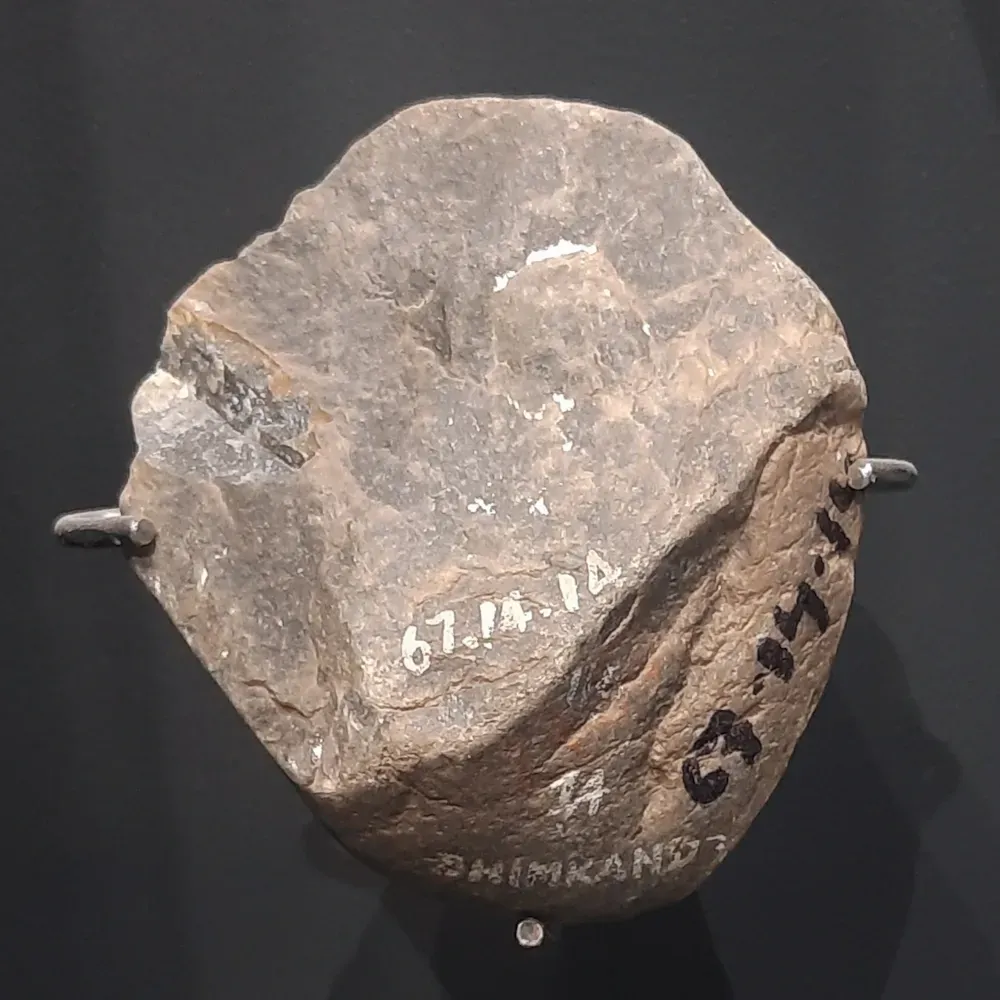
The entire Flintstones aesthetic revolves around flint – chipped stone edges on everything from razors to kitchen knives. That part is uncannily accurate: sharp stone tools were the original multipurpose gadget, and they were everywhere. Early humans learned to systematically shape flint, obsidian, and other stones into blades, scrapers, points, and drills, each with a clear function, long before metals were in the picture.
Archaeological sites are basically littered with these tools, plus the waste flakes from making them. Specialized toolkits developed for hunting, hide processing, woodworking, and plant preparation. The show exaggerates by turning every household object into a stone parody, but the underlying idea that stone edges powered almost every daily task is spot on. If you lived then, your “tech stack” really did begin and end with rocks you knew how to shape.
7. Bedrock’s construction boom and real prehistoric architecture

Bedrock is a fully built town: stone houses, furniture carved out of rock, even multi-story buildings. The timeline is wrong for the real Stone Age, but the concept of durable, planned structures is not. Some of the earliest known monumental sites and dwellings date back many thousands of years, and they already show impressive planning – aligned stones, communal gathering areas, and complex layouts that weren’t just random huts thrown together.
Prehistoric builders experimented with stone, earth, wood, and bone to create shelters that lasted, sometimes combining them in surprisingly clever ways. Thick walls for insulation, fire pits in strategic locations, and shared storage spaces all appear early in the archaeological record. Bedrock’s suburban sprawl is a cartoon mashup of many eras, but its basic claim – that humans invest huge effort into fixed, shared spaces – is rooted in one of our oldest technological obsessions: permanent home.
8. The “icebox” fridge and early food preservation tricks

The show often shows Wilma using some kind of stone or animal-based icebox to keep food cool, a Stone Age twist on the refrigerator. While nobody had a neat little kitchen unit, prehistoric people absolutely used temperature and environment to keep food from spoiling. Deep pits, caves, shaded rock shelters, and streams were all used to slow down decay, especially in colder climates where natural ice and snow could be part of the strategy.
On top of that, people leaned on drying, smoking, fermenting, and salting (once salt was more accessible) to extend the life of meat and plants. Think of the Flintstones’ fridge as a compressed symbol of all those methods. The cartoon just slaps a door on it and adds a complaining animal, but the scientific idea is completely sound: control temperature and exposure, and you bend nature’s clock just enough to store tomorrow’s meal without it turning deadly today.
9. Stone-age “timekeeping” and Bedrock’s daily routines
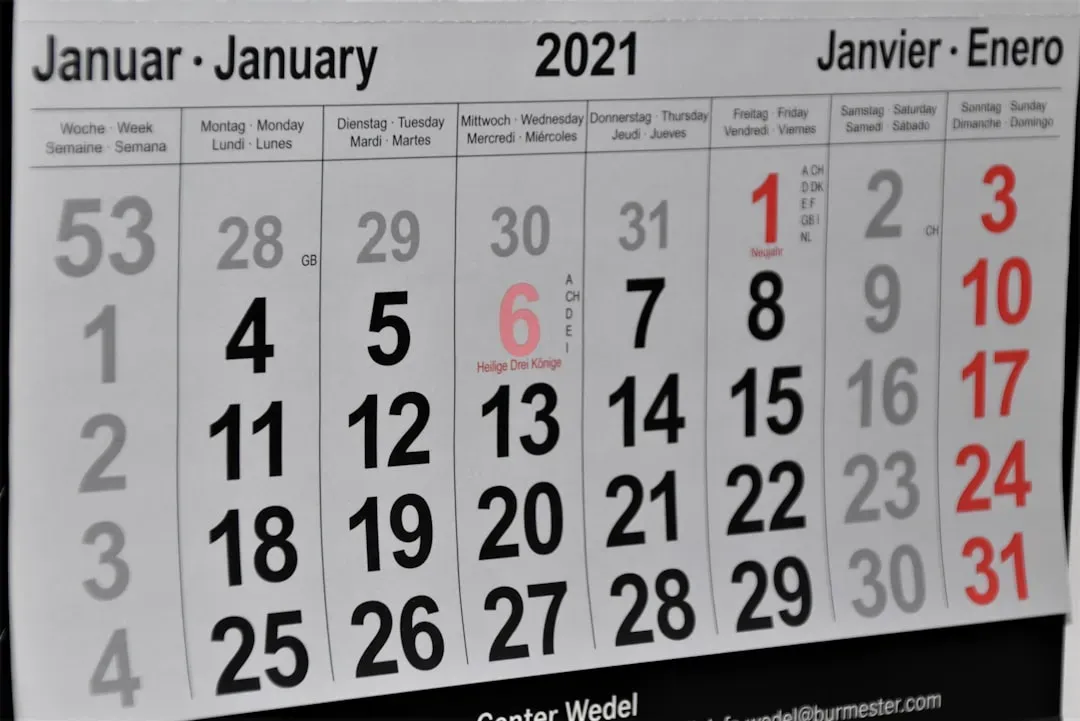
In the series, people show up to work on time, go to school, and watch scheduled TV shows, which is obviously more modern than prehistoric life. But early humans did track time, just differently. They watched the sun, moon, and stars, and they mapped seasons by animal migrations, plant cycles, and environmental cues. Calendar-like markings on bones and stones suggest that people were consciously counting days or lunar cycles a very long time ago.
The idea that a community can synchronize its activities – meeting at dawn for a hunt, returning before dark, celebrating at a particular phase of the moon – rests on early timekeeping. Bedrock’s punch clocks and stone wristwatches are parodies of that impulse to coordinate. Under the comedy is a serious truth: once a group starts to agree on “when,” it unlocks huge social and technological advantages, from shared hunts to planned building projects.
10. Entertainment, bowling nights, and real Stone Age social tech

Fred’s bowling nights, drive-in movies made of shadows, and rock concerts all feel ridiculously modern, but the core behavior is ancient: humans gathering for shared stories, games, and rituals. Archaeologists keep finding evidence that communal entertainment is as old as society itself. Cave paintings, carved figurines, musical instruments, and large gathering spaces all point to evenings spent doing more than just surviving.
Think of a Stone Age “bowling night” as a communal hunt retold around a fire, with stories, teasing, and maybe competitive games or dances. The Flintstones turn this into suburban leisure, but they’re not wrong about the importance of downtime. Early humans used entertainment to build trust, pass on knowledge, and define identity. That might not look like a ten-frame game with stone pins, but the emotional role it plays is strikingly similar.
Conclusion: A silly cartoon that accidentally honored real ingenuity

When you peel back the talking dinosaurs and running gags, The Flintstones ends up doing something unexpectedly respectful: it quietly admits that people with “primitive” tools were incredibly clever. The show mashes Stone Age, Bronze Age, and modern tech into one chaotic timeline, but underneath that, it keeps trusting that human brains will find a way to build cars, kitchens, and community out of whatever is lying around, even if that’s just rocks and bones.
I think that’s why the jokes still land today – they hint at a deeper continuity between us and our distant ancestors. We all want comfort, shortcuts, and fun, and we’ll hack the world until we get them. The real Stone Age did not look like Bedrock, but the mindset that powers it absolutely did. Next time you rewatch an episode, it’s worth asking: if you were dropped into that world with no modern tools, how long would it take you to invent your first Flintstones-style “gadget” for real?