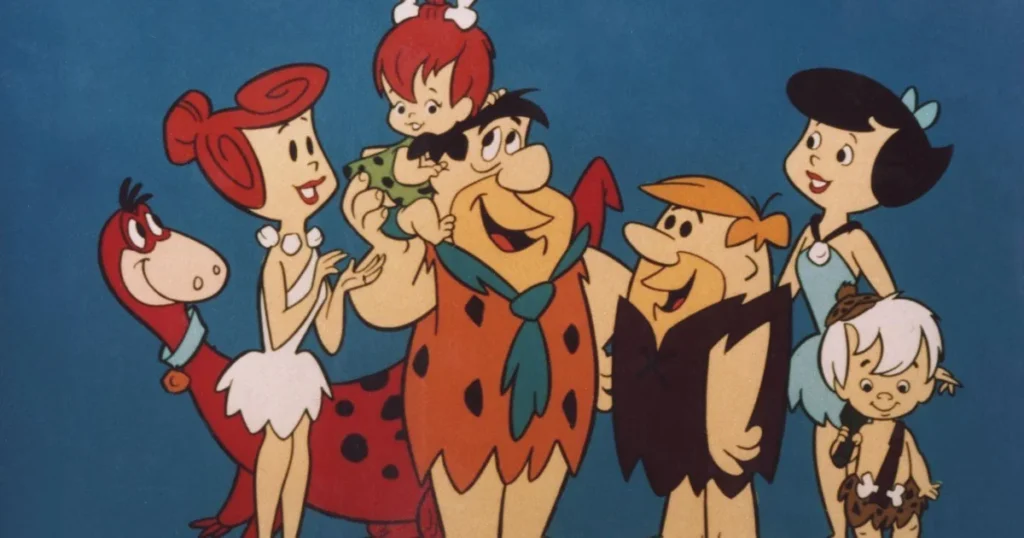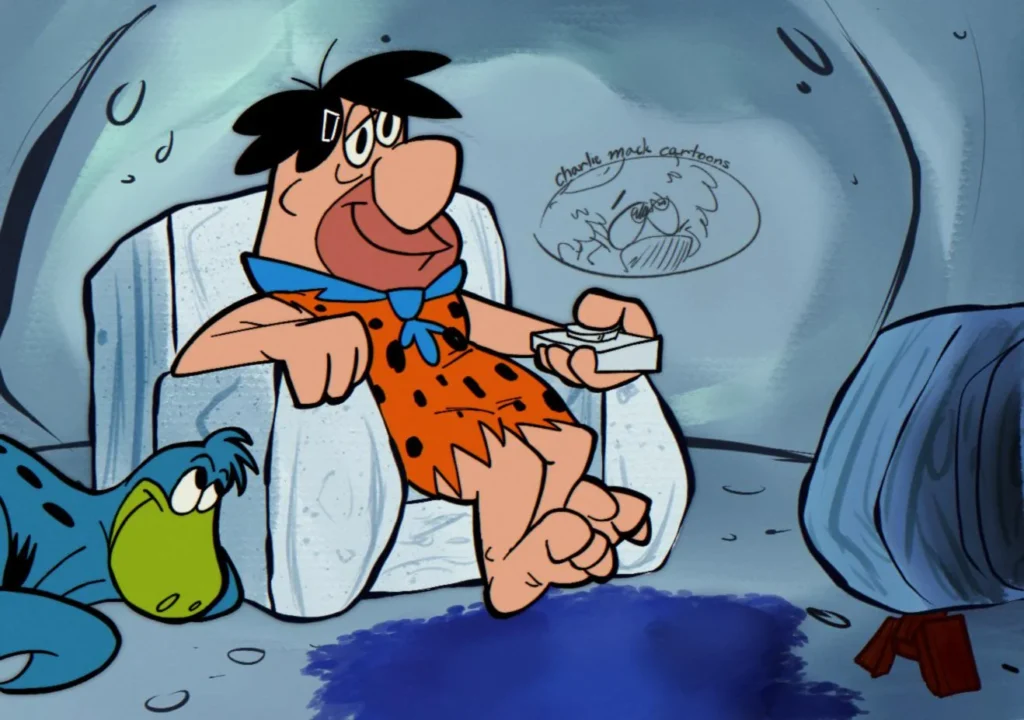
Most of us met the Stone Age not in a museum, but on a couch, watching a loud guy in an orange tunic yell at his pet dinosaur. For an entire generation, history class started with Bedrock, not with fossils or timelines. And honestly, nobody seemed bothered that almost none of it lined up with how prehistoric life actually worked.
But that disconnect between the real Stone Age and the world of Fred and Wilma says a lot about how we use the past as a playground. Bedrock mashed up cavemen, dinosaurs, suburban life, and mid‑century American culture into one big cartoon smoothie, and we all just nodded along. Let’s dig into eight ways Bedrock completely broke with Stone Age reality – and why, in the end, barely anyone minded.
1. Dinosaurs and humans hanging out like next‑door neighbors
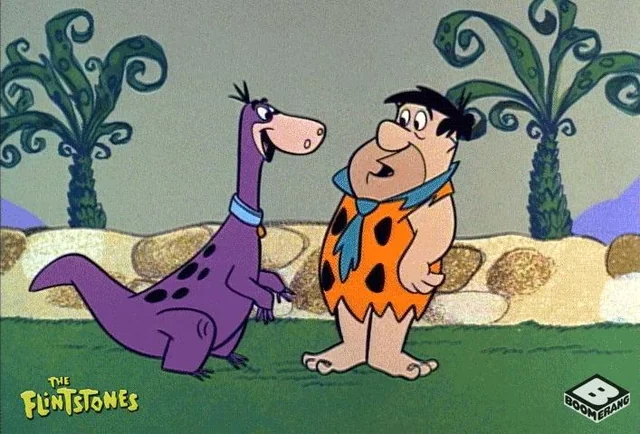
If you grew up with Bedrock, it feels totally normal that Fred has to slam on the brakes because a brontosaurus ambles across the road. In reality, by the time humans showed up, non‑bird dinosaurs were already ancient history, gone for tens of millions of years. The last big dinosaurs disappeared long before the first Homo sapiens even appeared on the scene.
The real Stone Age humans were more likely to run into mammoths, woolly rhinos, giant ground sloths, or sabertooth cats than a stegosaurus. Bedrock basically skipped over that entire cast and grabbed the more famous reptiles because they look cooler and kids recognize them instantly. It turned prehistory into a mashup of every museum favorite at once, like throwing all the exhibits into one giant, noisy diorama and calling it a day.
2. Suburban life with caves instead of cul‑de‑sacs
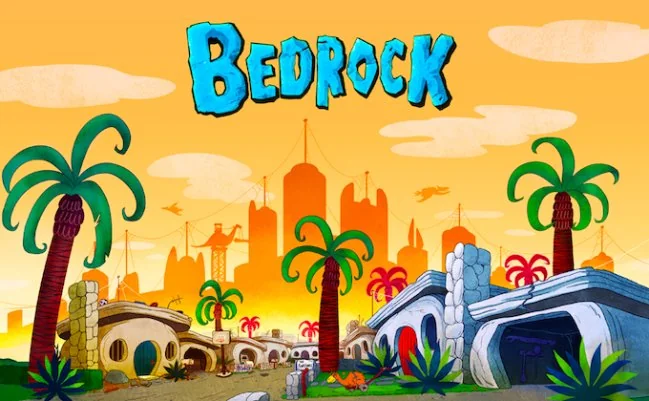
Bedrock is basically a 1960s American suburb in a stone costume: quiet streets, detached homes, neighbors who gossip over fences. It mirrors car culture, shift work, television evenings, and bowling leagues almost beat for beat, just with rock puns thrown everywhere. The real Stone Age, especially in the Paleolithic, was nothing like that settled, low‑stress sprawl.
Most early humans lived in small, mobile bands, following herds, foraging, and adjusting constantly to climate shifts and scarce resources. Permanent neighborhoods and tidy home lots only really appear once farming takes off, thousands of years after the era the show pretends to reflect. Bedrock flattened all those differences into something as familiar as any American suburb, because relatability was more important than accuracy. Viewers did not want a lesson in nomadic life; they wanted to see themselves, just in fur clothing.
3. Caveman fashion that never changes and never stinks
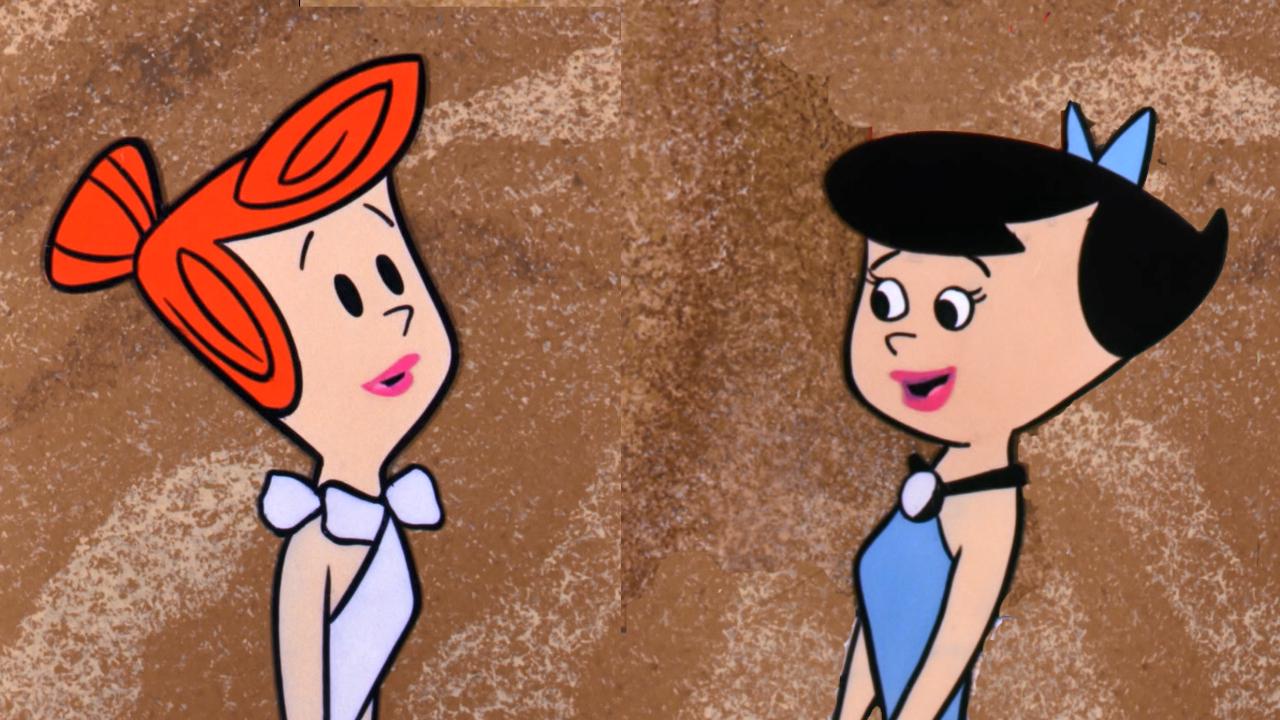
Fred’s orange tunic with black triangles is so iconic that you can recognize it on a Halloween rack from across the store. But real Stone Age clothing would have been far more practical, layered, and constantly repaired, especially in colder regions. People used hides, furs, plant fibers, and whatever they could get to stay warm and dry, not to stage a stylized pattern that looks good in a line drawing.
On top of that, genuine prehistoric clothing would have been messy: smoke‑scented, patched, oily from animal fats and natural dyes. Bedrock’s wardrobe never ages, never wears out, and never shows much seasonal change, even though early humans had to think about climate all the time. The show cleans up the entire sensory world of the Stone Age – no mud, no bad smells, no itching fur – because that reality would have made Saturday morning feel a lot less cozy.
4. Rock‑powered gadgets doing modern jobs
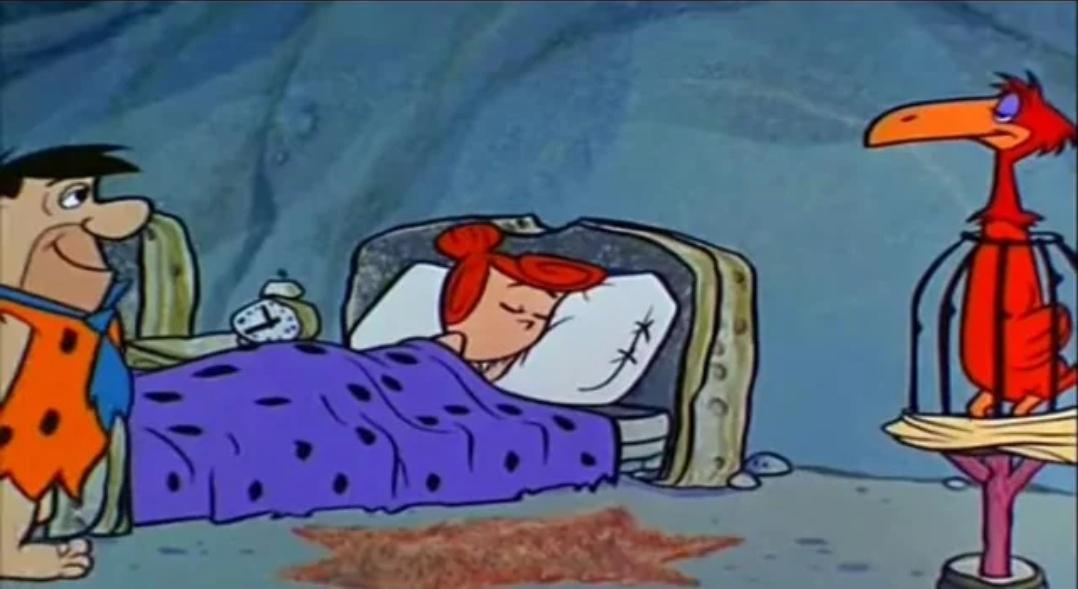
Bedrock’s main joke is simple: take any modern appliance, then ask, “How would a caveman do this?” Suddenly your garbage disposal is a dinosaur, your vacuum is a mammoth, and your record player is a beak scratching on a stone disc. It is clever and fun, but it quietly suggests Stone Age people had a version of almost every modern convenience, just “with rocks.”
Real Stone Age technology was impressive in its own way, but it focused on survival: stone blades, fire, adhesives, shelters, clothing, and later on, more sophisticated tools like bone needles and composite weapons. There were no analogues for dishwashers or cranes, because people organized their lives to avoid needing such machines in the first place. Bedrock flips that logic and retrofits a full industrial society into the distant past, as if the only missing ingredient was electricity. It makes prehistory into a parody of the present instead of a fundamentally different way of living.
5. Nine‑to‑five jobs in a world with no real clocks
Fred Flintstone punching in at a quarry whistle feels so normal you barely notice how bizarre it is. The routine is pure modern industrial life: scheduled shifts, a boss, workplace safety jokes, union grumbling, the sweet relief of quitting time. Actual Stone Age societies did not operate on time clocks or fixed shifts, because there were no factories and no rigid hour‑by‑hour schedules in that sense.
Work in hunter‑gatherer groups was more fluid: long stretches of foraging or hunting, periods of crafting, and then rest, all tied to daylight, seasons, animal behavior, and resource availability. Bedrock shrinks all that complexity down into a stone version of a mid‑century job site, with helmets and equipment that feel familiar to any adult viewer. It sells the past as safe and structured, even though real prehistoric life demanded constant adaptation and had far fewer guarantees that tomorrow’s meal would be on the table.
6. Nuclear‑family suburbs instead of complex social webs
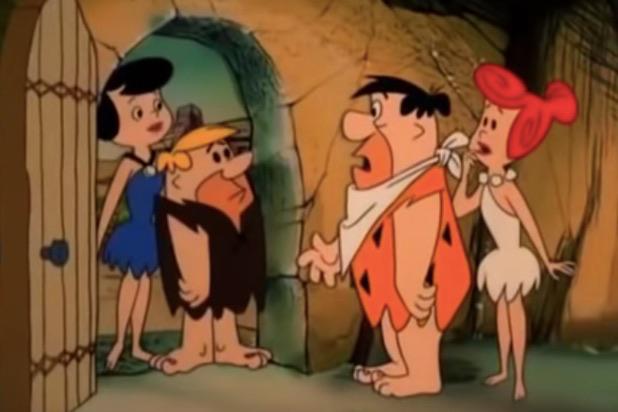
In Bedrock, the social world orbits around two neat little families next door to each other. You get a narrow slice of life: husband, wife, kids, and maybe a pet and some in‑laws. Real Stone Age groups were built out of larger, intertwined networks of kin, allies, and flexible band memberships that shifted over time.
People relied on extended family and trade or marriage connections with neighboring groups just to survive difficult years, share knowledge, and avoid inbreeding. Children were often raised with help from a wide circle of adults, not just two parents under one roof. Bedrock collapses all that complexity into something that looks like a small American street, because that model is easy to write stories for and instantly recognizable. It quietly turns a rich, adaptive social fabric into a sitcom template that just happens to feature rocks and dinosaurs.
7. Pop culture, media, and sports in a world without mass audiences
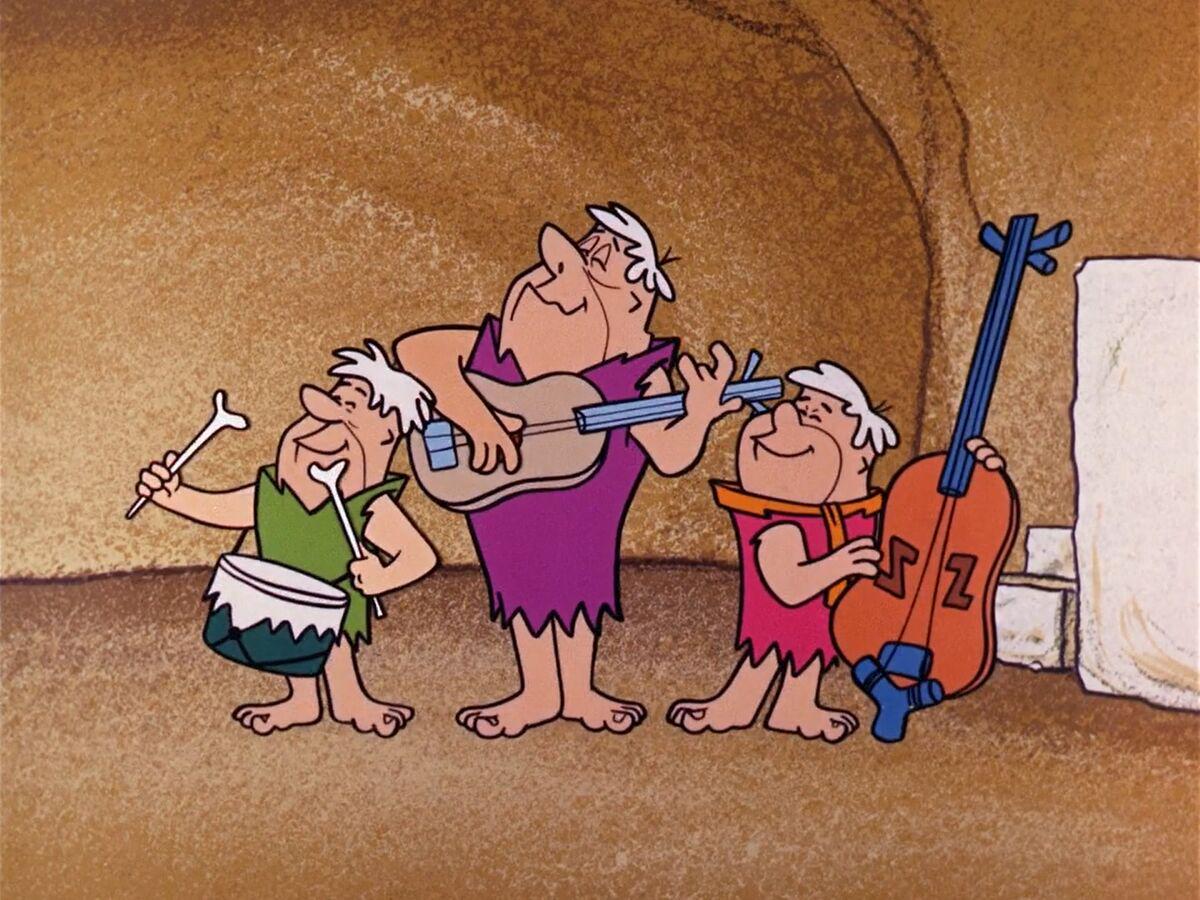
Bedrock has everything from movies and records to celebrity culture and organized sports, all translated into stone puns and animal contraptions. That implies a dense, settled population with leisure time, shared trends, and businesses built around entertainment. True Stone Age communities were tiny by comparison, scattered and mobile, with no stadium crowds or national fan bases to support that kind of lifestyle.
Art did exist, of course, and it was extraordinary: cave paintings, carved figurines, decorated tools, and music made from simple instruments and voice. But these works lived in intimate spaces and small audience circles, not global markets. The show trades that subtle, communal creativity for a noisy, modern entertainment industry painted over with rock textures. It tells viewers that any era worth caring about must look a little like ours – complete with fandoms and sports nights – even when that erases what made prehistoric culture unique.
Part of what made Bedrock so easy to love is exactly what made it so wildly inaccurate. It promised viewers a Stone Age where all the hard parts were filtered out, and the only things left were jokes, friendships, and familiar problems: bills, bosses, and bratty kids. As a kid, I never questioned it once; I just assumed cavemen had bad commutes, too, because that is what adulthood looked like on TV.
From a scientific point of view, it is tempting to roll your eyes and dismiss the whole thing as nonsense. But culturally, Bedrock did something revealing: it showed that we are more attached to our modern routines than we are to historical truth. We would rather drag the past backwards into our comfort zone than admit that people once lived in ways that do not map neatly onto suburban life. Maybe the real issue is not that Bedrock got the Stone Age wrong, but that we secretly prefer it that way.
8. A prehistoric world almost completely missing real risks
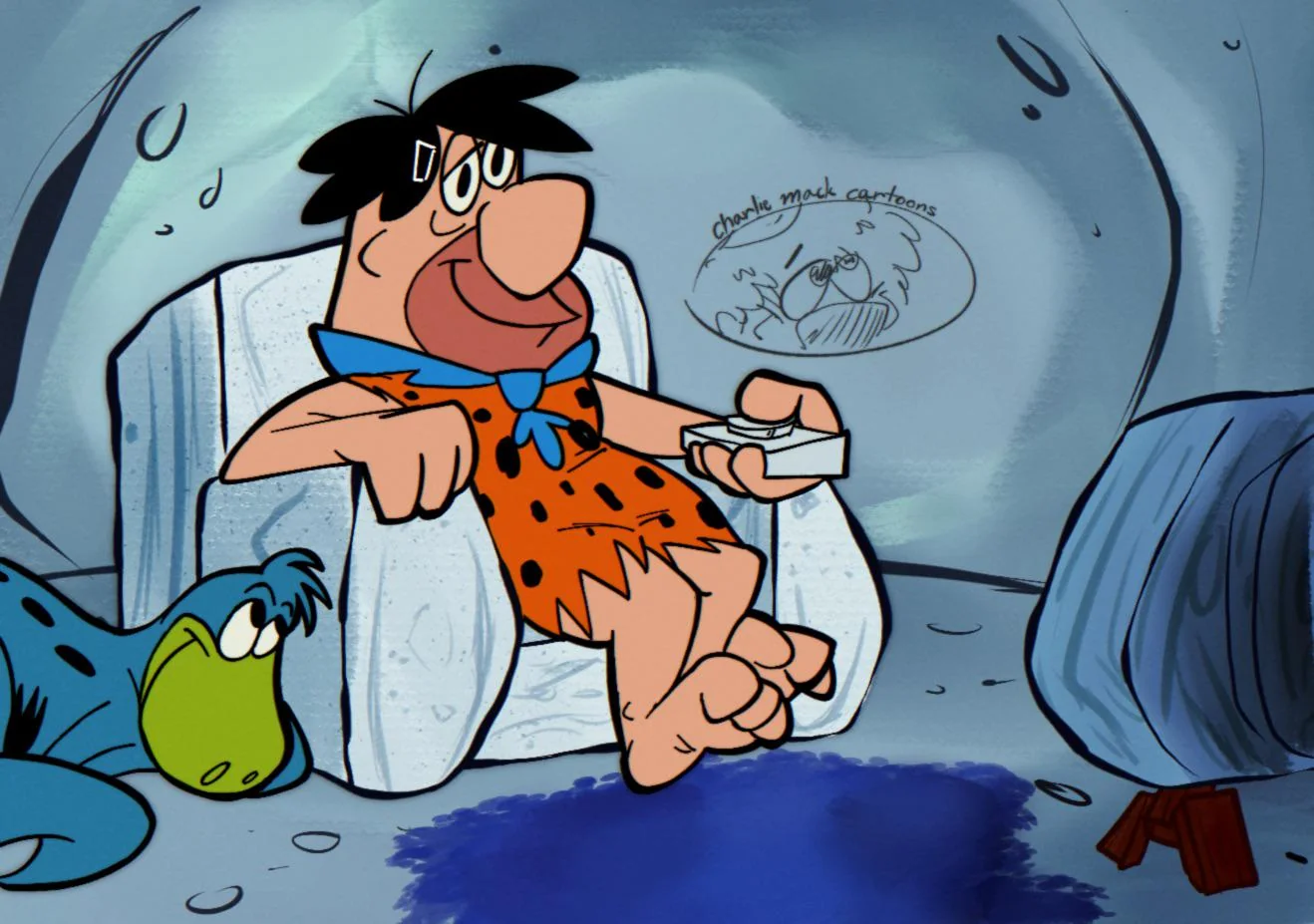
In Bedrock, danger is mostly slapstick: a fall from a dinosaur’s back, a small explosion, a boss who yells but never really ruins anyone’s life. The real Stone Age was full of serious, everyday risks: infections, injuries, childbirth, predators, sudden weather shifts, hunger, and conflict. People had amazing coping strategies, but they did not live in a cushioned, cartoon version of reality where everything bounces back.
By sanding down those threats, the show turns prehistory into a harmless playground where the stakes are no higher than a broken club or a messed‑up bowling game. That makes sense for a family cartoon, but it quietly trains us to see the deep past as a silly, low‑stakes period instead of a hard‑won chapter in human resilience. Bedrock’s world lets us enjoy the aesthetic of the Stone Age without facing its brutal edges, and many viewers, myself included, were more than happy to take that trade.
Conclusion: Why nobody cared that Bedrock broke history
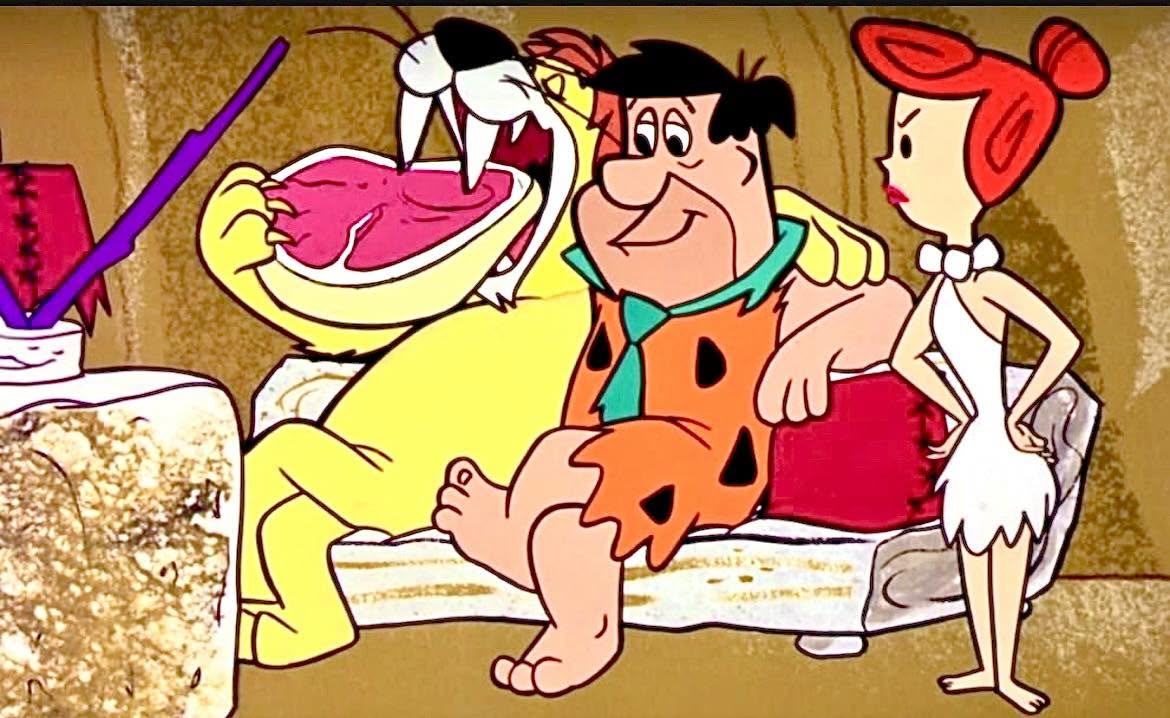
When you lay it all out – the dinosaurs, the suburbs, the time clocks, the missing dangers – it is almost shocking how little Bedrock owes to the real Stone Age. Yet that mismatch barely dented its popularity, and honestly, it still does not. We were never watching it to learn about prehistory; we were watching to see ourselves, our jobs, our neighbors, and our frustrations played back at us in a funhouse mirror made of stone.
That is the uncomfortable truth: we do not just rewrite the past by accident, we do it on purpose because a tidy, funny version fits better into our lives than a messy, alien reality. I think that is both charming and a little dangerous. Charming, because it shows how endlessly creative we are with stories; dangerous, because it can quietly flatten our understanding of how radically different human life once was. The next time you hear that familiar “yabba‑dabba” catchphrase in your head, it is worth asking yourself: how much of the past are you willing to trade away for a good joke and a cozy, familiar world?