
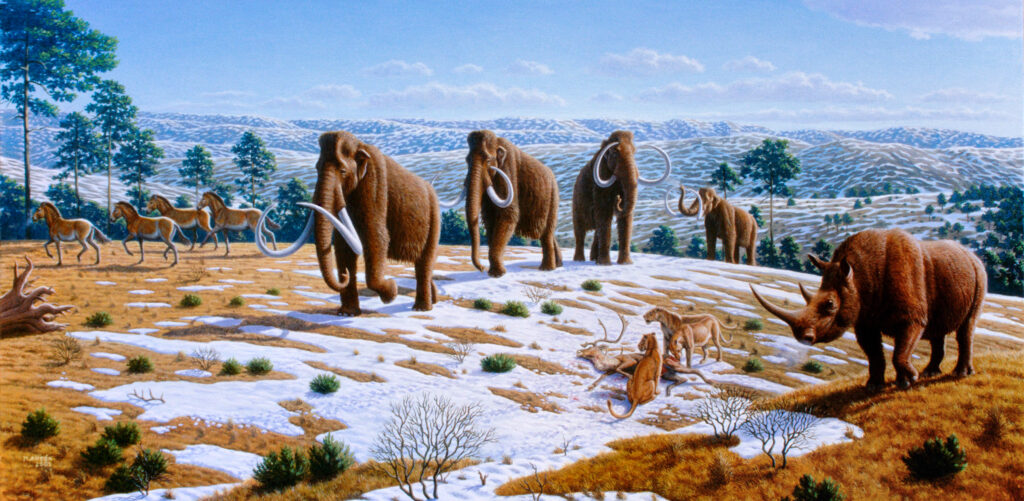
Ice Ages sound like the backdrop of a fantasy movie: giant lions on frozen plains, oceans rising and falling like a yo‑yo, and humans scraping out a living next to glaciers taller than skyscrapers. The wild part is that much of it actually happened, and the rocks, fossils, and even your own DNA are the receipts. When you zoom out from human history and look at the last few million years, the planet starts to feel far stranger – and far more dramatic – than any story we tell about it.
What follows are eight Ice Age realities that sound like clickbait, campfire tales, or straight-up exaggerations, yet they’re grounded in serious, boring lab work: sediment cores, isotope ratios, and fossil catalogues. I remember the first time I saw a glacial striation carved into bedrock and realized a wall of ice once bulldozed across that exact spot; it felt like being told that dragons were real and then being shown the claw marks. That’s the vibe of the Ice Age: unbelievable at first glance, undeniable once you look closely.
1. Sea levels once dropped so far you could walk from Siberia to Alaska
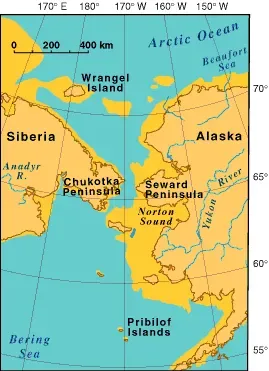
It sounds like a plot twist – people “walking to America” – but during the last Ice Age, sea levels fell by roughly about one hundred meters compared with today because so much water was locked up in ice sheets. When that happened, the shallow seafloor between Siberia and Alaska turned into a vast, cold grassland known as Beringia. Instead of an icy ocean gap, there was a broad, habitable land bridge several hundred kilometers wide at times, complete with plants, animals, and roaming humans.
Geologists did not just guess this from old maps; they reconstructed ancient coastlines from submerged shoreline features and marine sediments, then matched that with global sea level curves derived from oxygen isotopes in deep-sea cores. Fossil bones of mammoths, bison, and other steppe animals have been dredged from the now‑underwater Bering Sea floor, proving this was dry land in the recent geological past. Today, that whole region is flooded, but if you could drain the ocean down to Ice Age levels, you’d see a continuous route from northeast Asia straight into North America under your flight path.
2. North America and Europe were buried under ice sheets thicker than skyscrapers
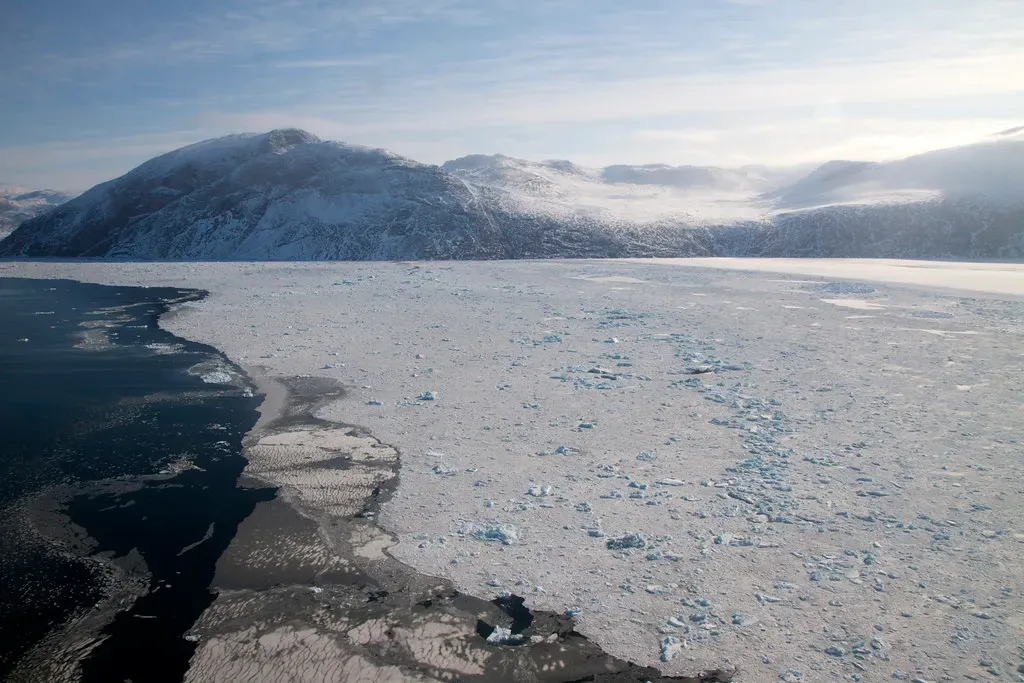
It is genuinely hard to picture what it means for places like New York or Berlin to sit under a slab of ice up to three kilometers thick, but that is what the evidence shows. During the peak of the last glacial period, huge ice sheets – Laurentide in North America, Fennoscandian in northern Europe – spread out from the poles and highlands, flattening forests, grinding mountains, and covering entire regions we now treat as normal, everyday landscapes. Imagine the skyline where you live, then stack a dozen or more copies of it vertically; that is roughly the height of the ice overhead.
We know this is real because the bedrock still carries the scars. Glacial striations – long, parallel grooves – were carved by rocks frozen into the base of the moving ice. The land itself is still rebounding upward even today, a process called isostatic uplift, because the crust is slowly springing back after being squashed by the weight of the ice. Geologists have mapped the ancient margins of these ice sheets from the pattern of moraines (piles of debris left at the ice edge), erratic boulders transported hundreds of kilometers, and layers of glacial till spread like a dirty blanket over the landscape.
3. There were giant ground sloths and beavers the size of small cars
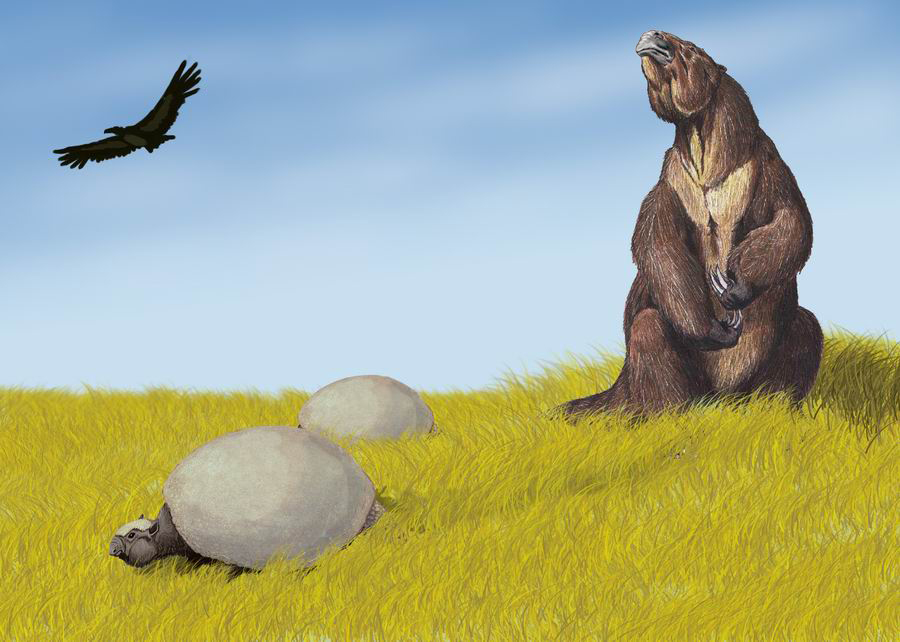
The Ice Age was not just about cold; it was a golden age of megafauna that seems almost too ridiculous to have been real. North and South America hosted giant ground sloths as tall as a giraffe when standing upright, with massive claws and heavy bones that look like they belong in a superhero movie. There were also beavers that reached the size of a small car and short‑faced bears that stood higher than a person on all fours, built like bodybuilders on steroids.
Fossil skeletons and, in some cases, preserved dung and hair make it clear these animals were not mythological. Paleontologists can study growth rings in their teeth and bones, similar to tree rings, to understand their lifespans and diets. Some of these fossils are so well preserved in cave deposits and permafrost that you can still see fur and tendons. The scale of these creatures is not an exaggeration – museum mounts around the world display them towering over visitors, a reminder that Ice Age ecosystems were more like a bizarre mashup of safari park and monster movie than the relatively tame fauna we see today.
4. Humans once lived side by side with woolly mammoths, not just in stories
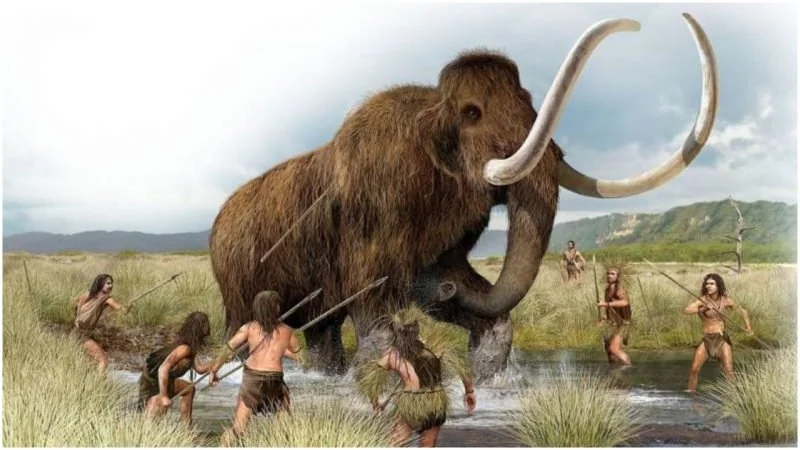
It is tempting to think of mammoths as purely prehistoric, separated from us by an unbridgeable gulf of time, but anatomically modern humans literally walked past them. In Eurasia and North America, people hunted mammoths, carved their tusks, and sometimes even used their huge bones as structural supports for shelters on treeless glacial plains. Archaeologists have uncovered campsites where stone tools, mammoth bones, and hearths are mingled together in the same layers, showing they coexisted in the same landscapes.
The cultural traces of this relationship are scattered through Ice Age art – engravings, carvings, and cave paintings that carefully depict woolly mammoths with curved tusks and shaggy coats. Radiocarbon dating of mammoth remains shows that small, isolated populations survived on Arctic islands until surprisingly recently, well into the era of developed human societies elsewhere. When you realize that humans and mammoths overlapped for thousands of years, mammoths stop feeling like distant fossils and start feeling more like lost neighbors we once took for granted.
5. The Ice Age climate flickered between warm and cold in just decades
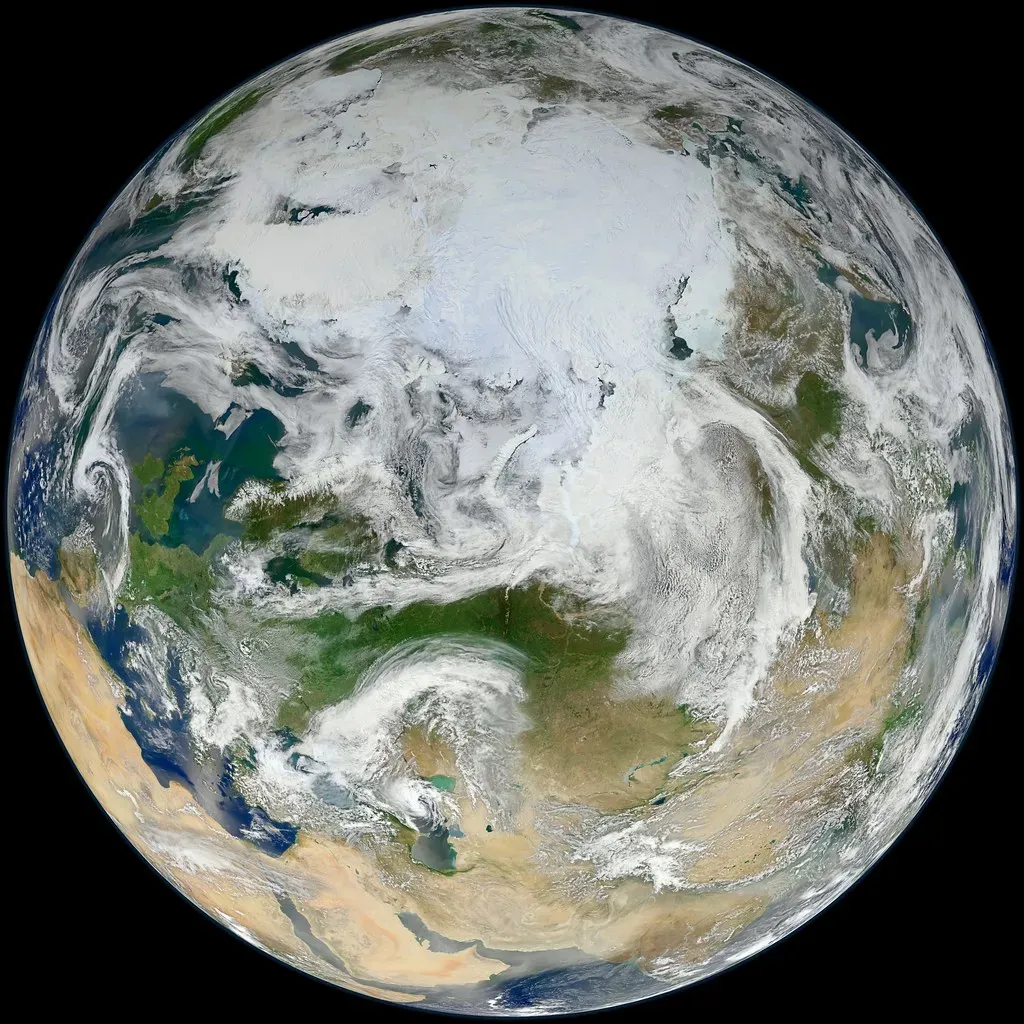
People often imagine the Ice Age as a single, unbroken block of deep freeze, but the climate records tell a much more chaotic story. When scientists drilled ice cores from Greenland and Antarctica, they found that temperature and greenhouse gas levels sometimes shifted dramatically in just a human lifetime. In some cases, average temperatures in the North Atlantic region jumped by several degrees within a few decades – a blink of an eye in geological terms – before swinging back again.
These rapid shifts, known from patterns in oxygen isotopes and trapped air bubbles in ice cores, line up with changes in ocean circulation and the buildup or collapse of ice sheets. They created a world where ecosystems and human groups had to constantly adapt to abrupt climate whiplash, not just slow, gentle trends. To me, that is one of the most unsettling Ice Age facts: the idea that a person could be born in a relatively mild, grassy landscape and grow old in a harsher, colder, wind‑blasted one, without ever leaving their home region.
6. Enormous freshwater lakes from melting ice could flip ocean circulation
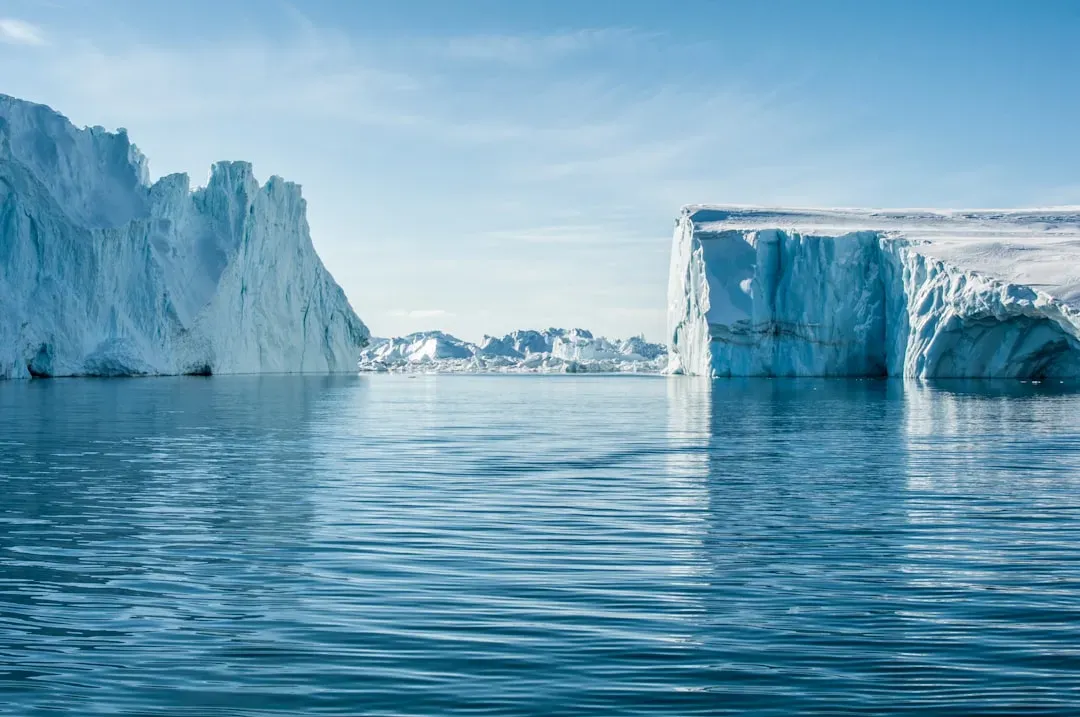
One of the more mind‑bending Ice Age discoveries is that lakes formed along the edges of ice sheets could grow so huge and then drain so suddenly that they disrupted global ocean currents. As ice dams failed, vast volumes of cold, fresh water poured into the North Atlantic, diluting its salinity and interrupting the conveyor‑belt circulation that normally moves warm water northward. Geological evidence links some of these flood events to sudden cooling episodes, where temperatures in parts of the Northern Hemisphere dropped sharply again just when things had started to warm.
You can trace these ancient super‑lakes in the landscape: old shorelines etched into hillsides, thick layers of lake sediments, and spillways carved into bedrock where catastrophic outflows roared through. The story is almost cinematic – imagine a freshwater sea stretching across the interior of a continent, then releasing like a broken dam and subtly rearranging global climate patterns. It challenges the comforting idea that the oceans are too big to be altered by anything happening on land; the Ice Age shows that given enough ice and time, they absolutely can be pushed around.
7. Thick ice sheets literally warped Earth’s crust and changed gravity
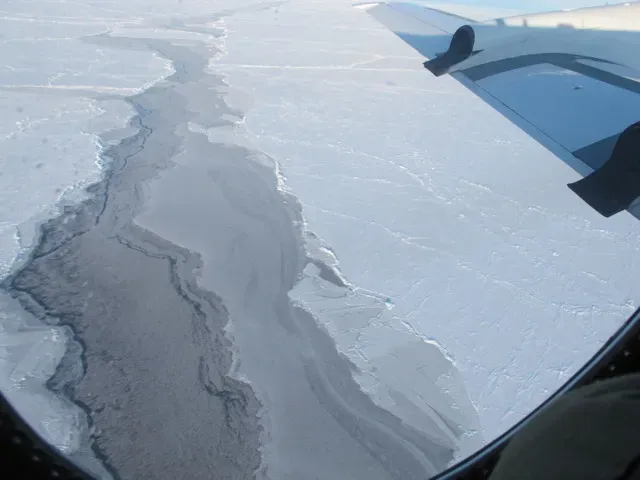
This one sounds like science fiction: during the peak of the Ice Age, the sheer weight of the ice sheets was so enormous that it pushed Earth’s crust downward and slightly deformed the planet’s shape. Think of the lithosphere as a stiff but flexible mattress – pile a mountain of ice on top and it will sag, while areas around it will bulge upward. Modern satellite measurements and precise GPS data actually track the ongoing rebound in northern regions as the crust very gradually rises back up after the ice melted.
The effect went beyond just the land surface. Because mass distribution changed, local gravity fields shifted as well, something modern satellites can detect by measuring tiny variations in Earth’s gravitational pull. This means that during the Ice Age, where you stood on the planet subtly influenced how strongly gravity tugged on you, simply because of the nearby mountain of ice. It is a quiet reminder that Earth is not a perfectly rigid ball; over thousands of years, ice can knead and flex it like slow‑motion dough.
8. Our own species carries genetic fingerprints of surviving the Ice Age

Perhaps the most personal Ice Age twist is hidden in human DNA. Genetic studies show that our species went through periods of expansion, contraction, and isolation that line up with Ice Age climate swings and shifting habitats. Some lineages appear to have sheltered in more hospitable “refugia” during the coldest times – southern Europe, parts of Africa, or pockets of Asia – before spreading out again when conditions improved, leaving subtle signatures in the patterns of genetic diversity we see today.
Traits like adaptations to low‑light conditions, cold tolerance, or metabolism may have been shaped by these long, harsh glacial cycles. To me, that makes the Ice Age feel less like an abstract chapter of Earth’s history and more like a formative chapter of our own family story. When you look around at the staggering diversity of faces, cultures, and languages on the planet, you are partly looking at different solutions to the problem of how to survive an unstable Ice Age world for tens of thousands of years.
Conclusion: The Ice Age was stranger – and more familiar – than we like to admit
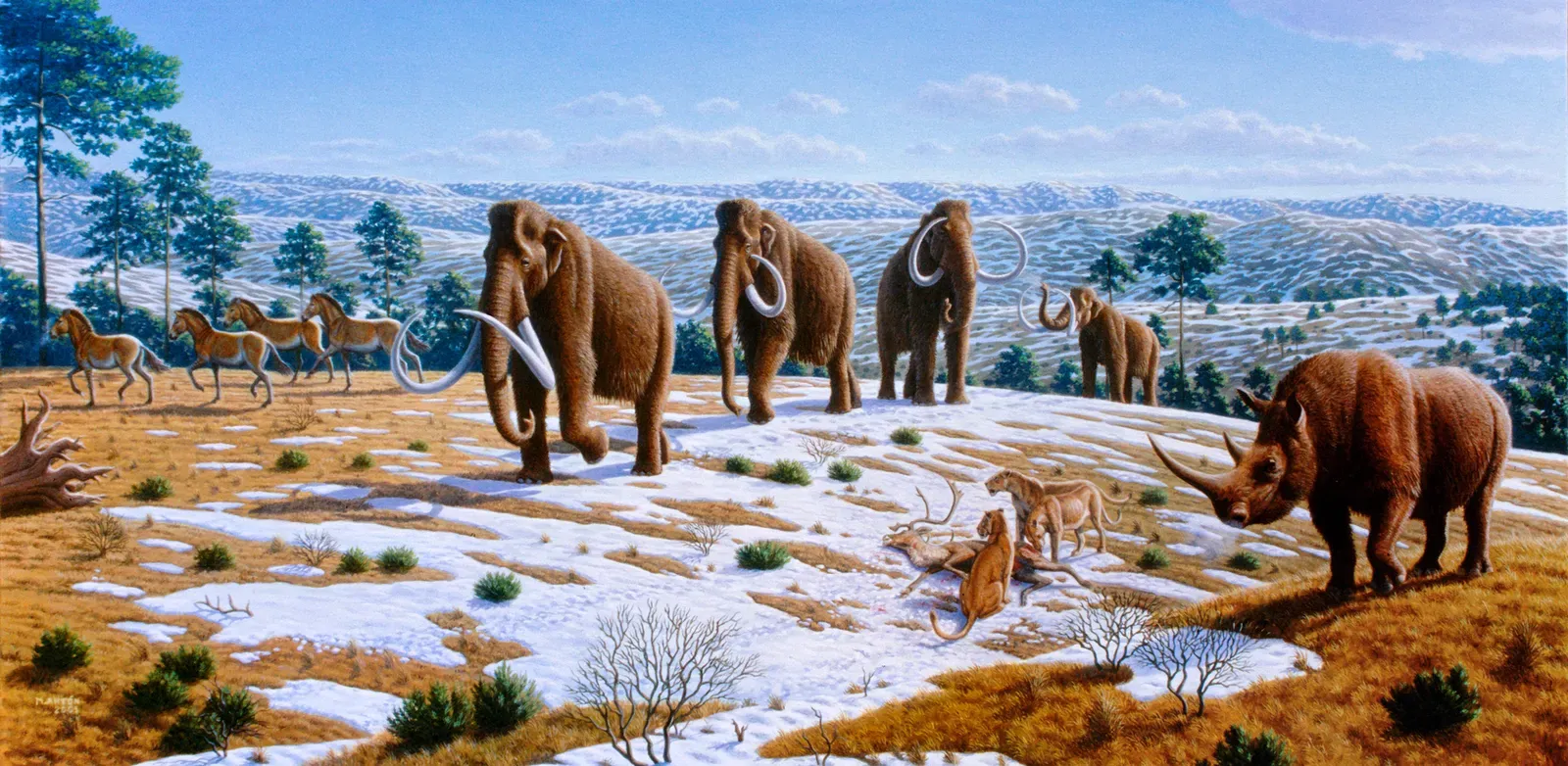
When you put all of this together – walking across dry seafloors into new continents, living under the shadow of kilometer‑thick ice, sharing the world with giant sloths and mammoths – it becomes clear that the Ice Age was not some distant fantasy. It was the stage on which our species learned to be adaptable, inventive, and stubborn enough to hang on through wild climate swings and planetary mood shifts. In my view, we severely underestimate how weird and extreme our recent past really was, probably because it makes our current version of “normal” feel a lot more fragile.
The rocks, fossils, and genomes all tell the same blunt story: Earth can flip between radically different states, and humans are capable of surviving in worlds that look nothing like the one we are used to. That should be both humbling and a little unsettling as we tinker with the climate today, assuming it will remain basically stable. The Ice Age evidence says otherwise; it says change, even big change, is the rule, not the exception. So the real question is not whether the Ice Age was unbelievable, but which part of our present will future geologists find hardest to believe – what would you guess?