
It is wildly strange to imagine that the air above Denver’s skyscrapers was once a warm, shallow sea packed with gigantic, sharp‑toothed reptiles. Yet for millions of years during the Late Cretaceous, roughly the time of the last dinosaurs on land, much of what is now Colorado lay beneath the Western Interior Seaway, an ocean that sliced North America in two. If you could peel back the highways and ski towns and drop yourself into that water, you would find yourself eye to eye with some of the most formidable marine predators Earth has ever produced.
These were not just big fish. We are talking about animals with skulls as long as a person is tall, jaws lined with conical teeth the size of your fingers, and bodies built for speed in open water. Some looked like nightmare dolphins, others like dragon‑sized crocodiles with flippers, and a few were basically biological torpedoes. What makes it better is that their bones have literally turned up in Colorado rock, sometimes shockingly close to places people now hike, drive, and build homes. Let’s dive into eight of the most impressive sea monsters that once patrolled the ancient seas above modern Colorado.
Mosasaurus: The Apex Reptile That Ruled Colorado’s Ancient Sea
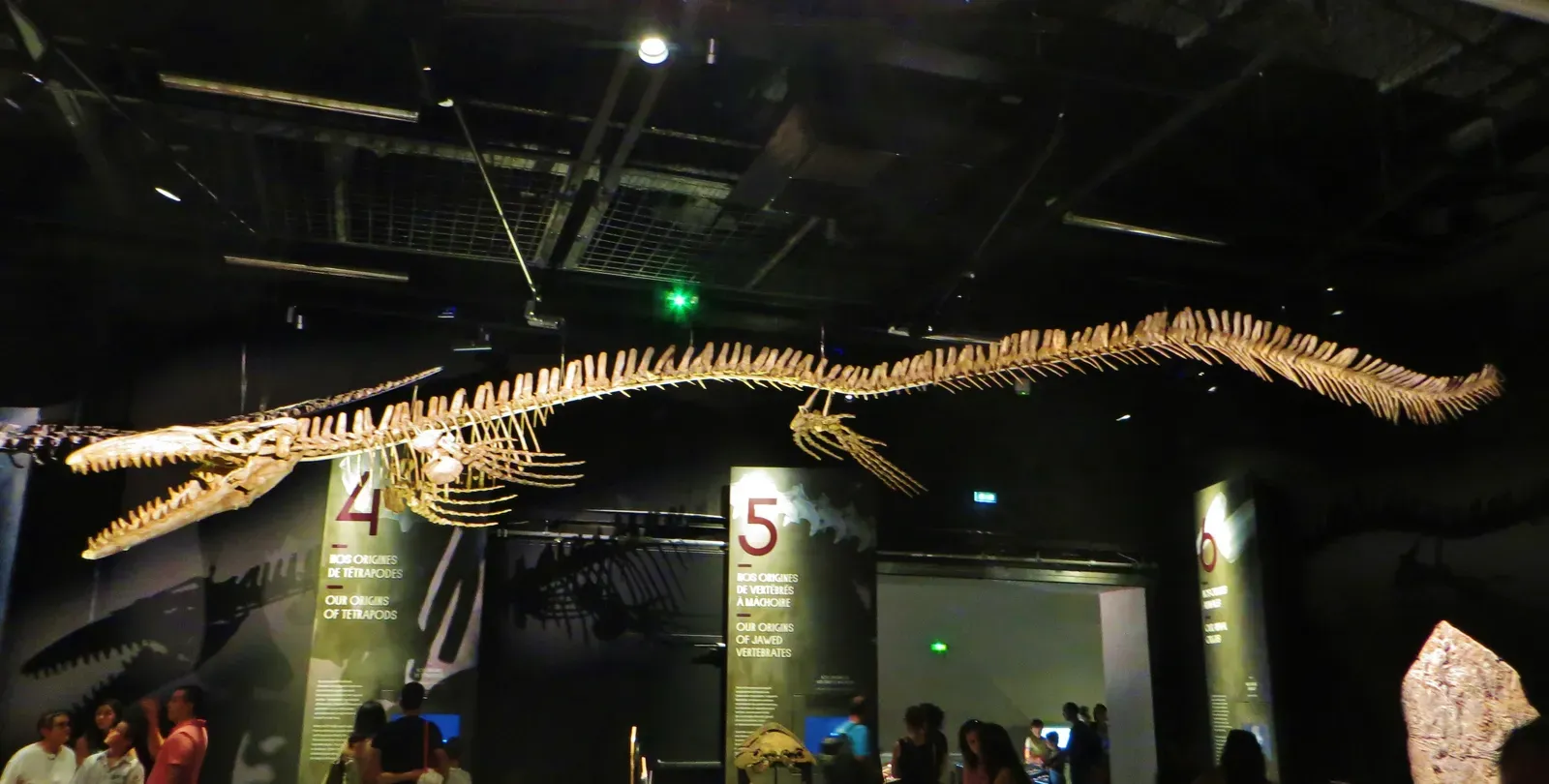
Mosasaurus is the celebrity of the Western Interior Seaway, the massive, torpedo‑shaped marine reptile that dominated the food chain near the very end of the Cretaceous. Imagine a komodo dragon stretched out to the size of a bus, then streamlined with flippers, a powerful tail, and jaws lined with heavy, cone‑shaped teeth made for gripping and tearing. While complete Mosasaurus fossils from Colorado are rare, related large mosasaurs from the same group are well documented in nearby states, and Colorado preserves the same seaway rocks from that time window, making their presence here almost certain.
These predators were not picky eaters. They fed on fish, sharks, turtles, and even other marine reptiles, and some skulls from their relatives show bite marks that look suspiciously like mosasaur on mosasaur violence. If you stood on today’s Front Range around 70 million years ago, the shoreline would have been nearby, and off that coast an adult Mosasaurus might have been cruising the deeper water, hunting with a combination of speed and ambush tactics. Picture it twisting its body to rocket forward, jaws opening just enough to snap around an unlucky animal – one bite, a violent shake, and the meal would be gone in a cloud of shredded flesh.
Tylosaurus: The Spear‑Nosed Missile of the Western Interior Seaway
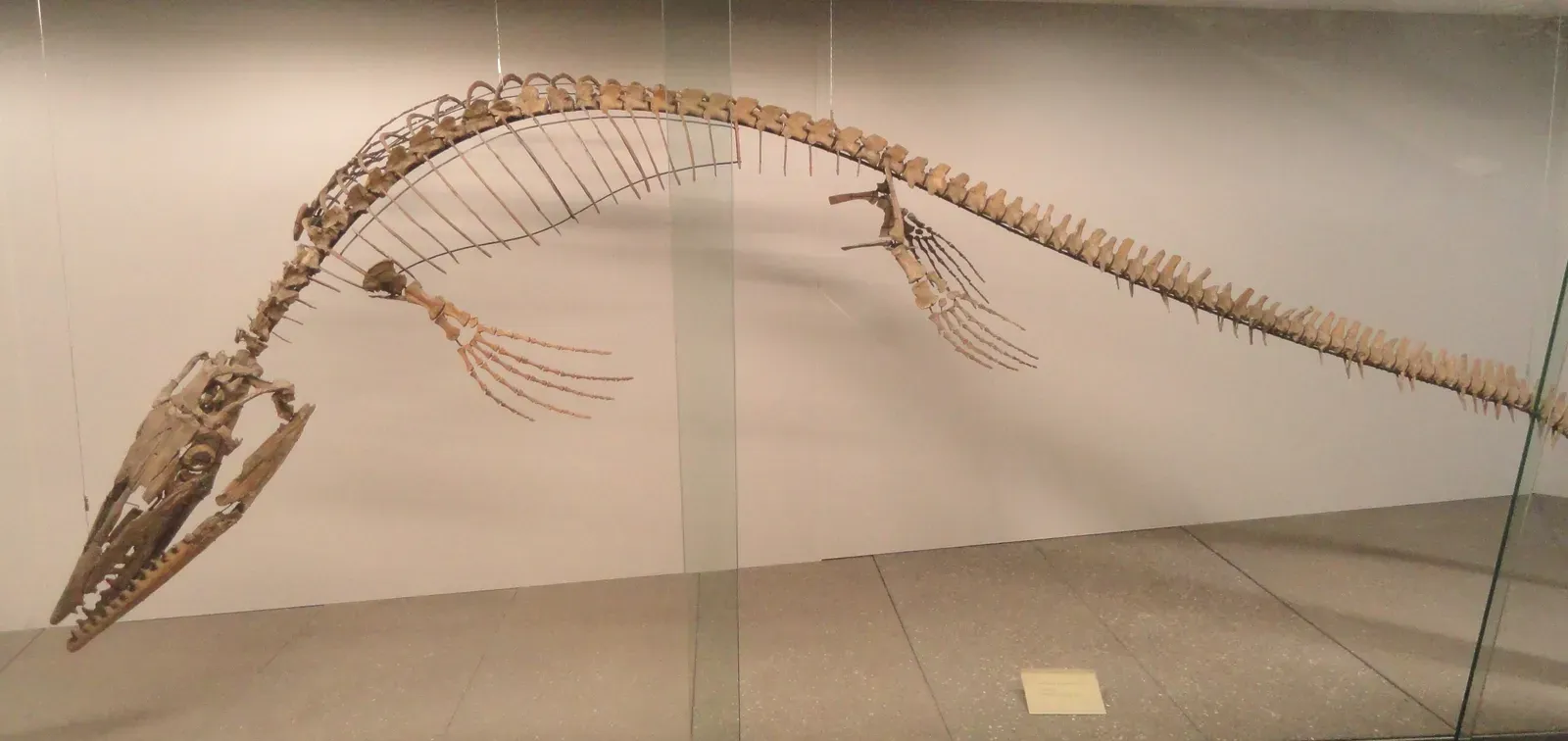
Tylosaurus was another giant mosasaur, and to me it is even more terrifying in design than Mosasaurus itself. Instead of a mouth full of evenly spaced teeth right up to the snout, Tylosaurus had an elongated, bony “ramming” snout with the teeth set slightly back. That gave it a built‑in battering ram, which many paleontologists think it used to stun prey before delivering the killing bite. Fossils of Tylosaurus and close relatives have been found in seaway rocks extending into the broader region, and the same formations that yield them appear in parts of eastern and northeastern Colorado.
Some of the most striking fossils of this animal from the region include stomach contents: fish, smaller mosasaurs, birds, and even parts of marine reptiles like plesiosaurs. That tells us Tylosaurus was not just big; it was fearless, happily attacking almost anything its size or smaller. I like to picture it as the stealth fighter jet of that ancient sea, cruising just below the surface and then surging forward in a sudden burst to slam into a victim. If you have ever watched a modern orca ram a seal or shark, you have seen the same brutal strategy in action, just on a different evolutionary stage.
Platecarpus: The Flexible, Fast‑Turning Mosasaur
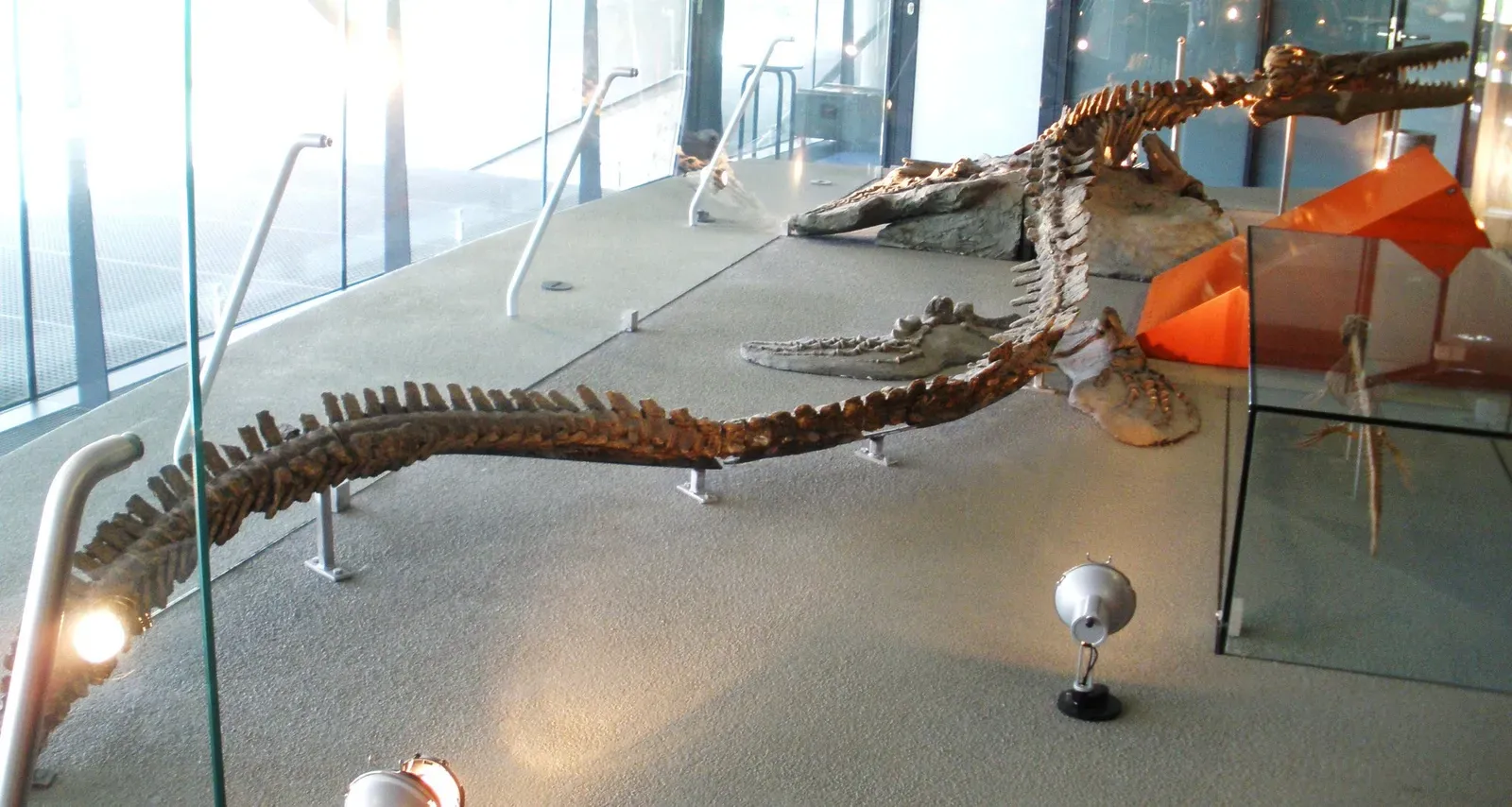
Not all mosasaurs were colossal, bone‑crushing monsters. Platecarpus, which is known from Western Interior Seaway rocks and likely swam over what is now Colorado, was more mid‑sized and agile. It had a more streamlined body and a long, flexible tail that ended in a vertical fluke, a bit like a modern shark’s tail. That tail design would have allowed it to generate quick bursts of speed and make sharp turns, perfect for chasing schooling fish or darting squid‑like cephalopods in dim, turbid water.
Exceptional fossils of Platecarpus from the region have even preserved soft tissues like the outline of the tail and traces that hint at possible skin patterns and internal organs. Those rare fossils show an animal that looked more like a sleek, underwater hunter than a lumbering reptile. It is easy to imagine Platecarpus weaving through the water column above what is now the plains of eastern Colorado, using big eyes to track prey and its flexible body to corkscrew through sudden turns. If the giant mosasaurs were the heavyweight bruisers of the seaway, Platecarpus was more like an underwater fighter pilot, dancing between them in the gaps of the food web.
Elasmosaurus: The Long‑Necked Phantom of Colorado’s Ancient Depths
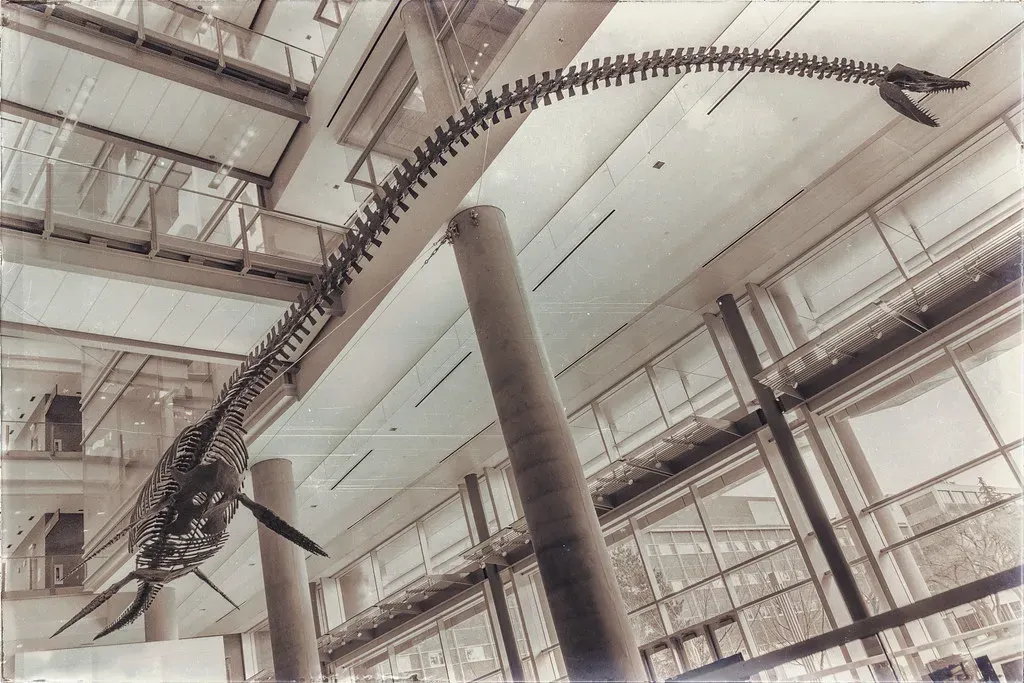
Elasmosaurus is one of the most iconic plesiosaurs, and its claim to fame is almost absurd: an extremely long neck with dozens of vertebrae, making up nearly half its total body length. Fossils of Elasmosaurus are known from the same Western Interior Seaway system that covered large swaths of Colorado, and closely related long‑necked plesiosaurs are documented in Colorado’s Cretaceous marine rocks. Imagine swimming and seeing a small head on a neck like a flexible pole suddenly emerging from the dark water beneath you – that is the kind of eerie presence this animal would have had.
Scientists still debate exactly how Elasmosaurus used that neck. One popular idea is that it kept its bulky body deeper while extending the neck upward or sideways to snatch fish near the surface, staying hidden until the last second. Another possibility is that it moved the neck in sweeping arcs, grabbing multiple small prey animals in quick succession. Whatever the precise strategy, that neck was both a tool and a vulnerability: powerful for stealth feeding, but dangerous if a large mosasaur managed to latch onto it. Over what is now Colorado, Elasmosaurus and its kin would have been the ghostly, slow‑rising figures in the water column, contrasting with the muscular, straight‑line power of the mosasaurs.
Dolichorhynchops: The Short‑Necked Speedster Plesiosaur
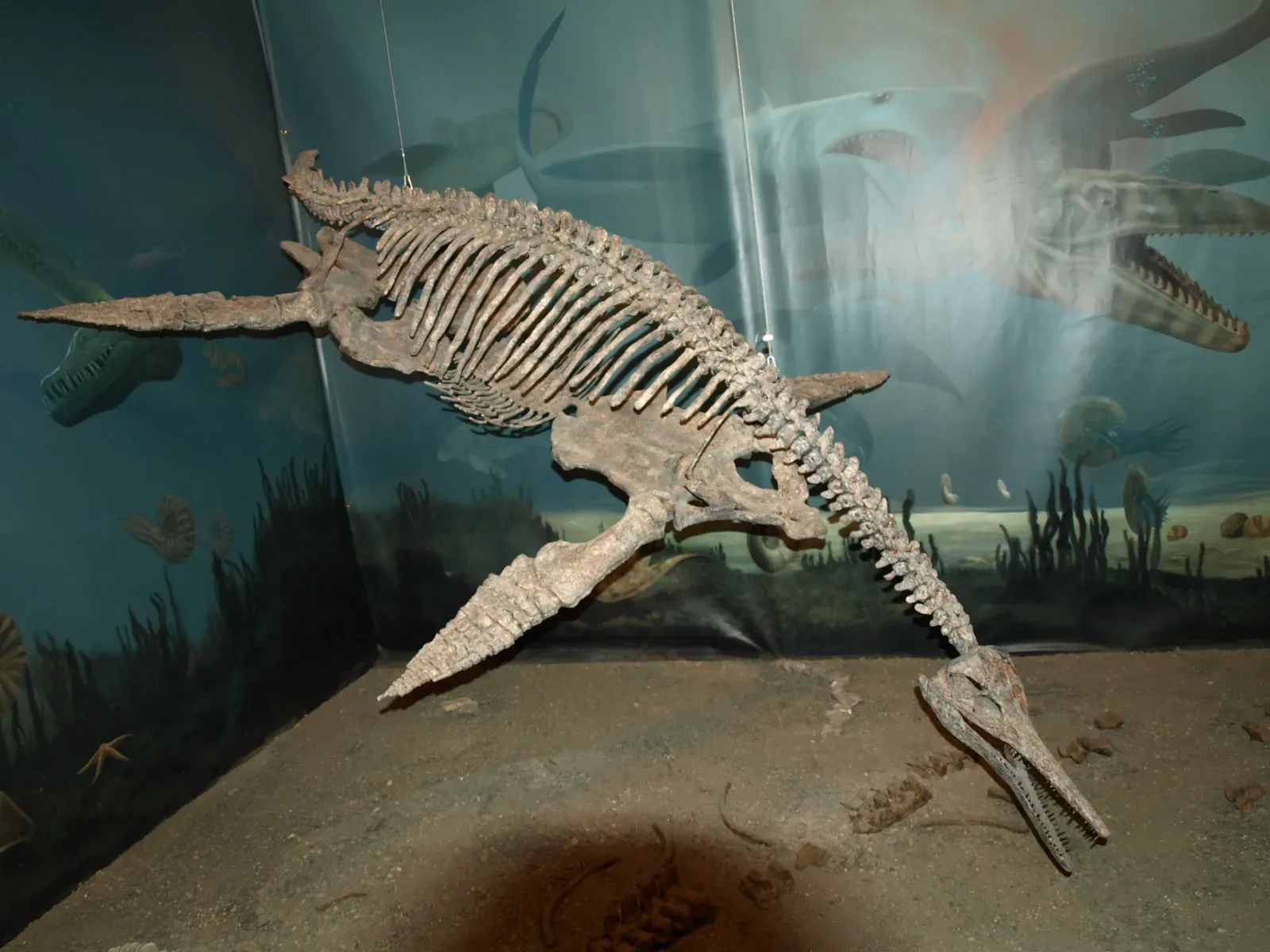
On the other end of the plesiosaur spectrum sits Dolichorhynchops, a short‑necked, long‑snouted predator built for speed rather than reach. Fossils of Dolichorhynchops have been found in Western Interior Seaway rocks that outcrop in and around Colorado, making it one of the best‑documented marine reptiles of the region. It had a compact body, four powerful flippers, and a relatively short neck leading to an elongated skull full of sharp, interlocking teeth perfect for grabbing slippery prey.
This body plan turned Dolichorhynchops into an aquatic sprinter. Its four flippers worked like underwater wings, flapping in a way somewhat similar to how sea turtles or penguins swim today, but with more emphasis on speed and maneuverability. I like to imagine Dolichorhynchops weaving through schools of fish, twisting its whole body in tight, controlled turns the way a fighter jet banks through a canyon. While the giants dominated the heavy drama of the seaway, it was probably animals like Dolichorhynchops that were doing much of the day‑to‑day hunting, constantly on the move through the ancient Colorado waters.
Clidastes: The Nimble, Mid‑Sized Mosasaur
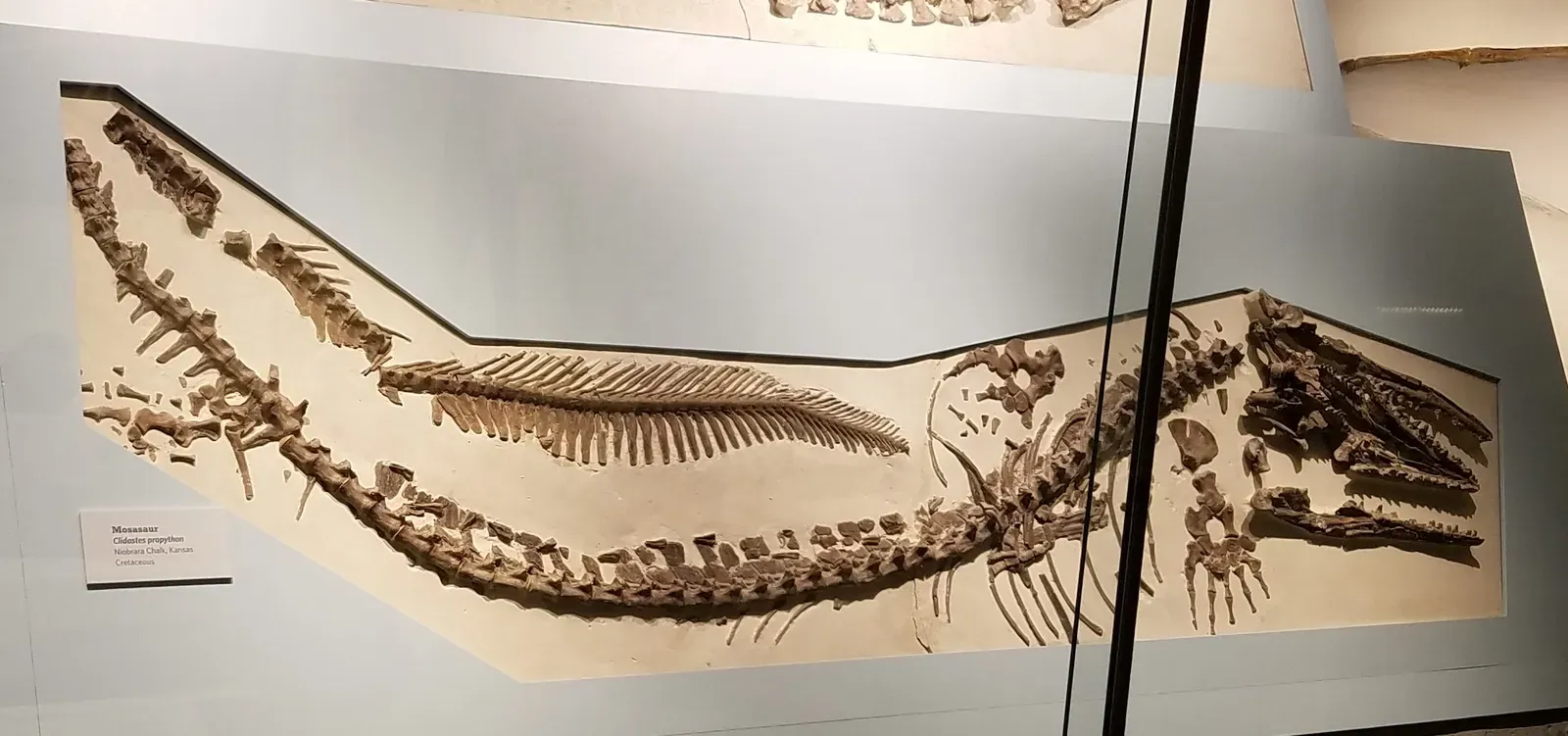
Clidastes does not get the same headlines as the giants, but it might be one of the most important mosasaurs for understanding daily life in the Western Interior Seaway. This genus, found in the same marine layers that extend across parts of Colorado, was smaller and more gracile than monsters like Tylosaurus. Its vertebrae locked together in a way that still allowed considerable flexibility, and its body was relatively narrow and streamlined, suggesting an animal that could twist and turn with ease.
Because of its mid‑size and agile build, Clidastes likely filled a role similar to that of many modern medium‑sized sharks or dolphins – abundant, versatile predators that eat a wide range of prey. Instead of focusing only on giant meals, it probably hunted fish, squid‑like animals, and juvenile reptiles, and it may have been active near shorelines and shallower waters that lapped against what is now eastern Colorado. If you picture the seaway as a crowded, living ocean, Clidastes feels like the ever‑present hunter in the background: not the star of the show, but always there, always hungry, and always ready to dart in when opportunity appeared.
Hesperornis: The Tooth‑Jawed Diving Bird of Colorado’s Seas
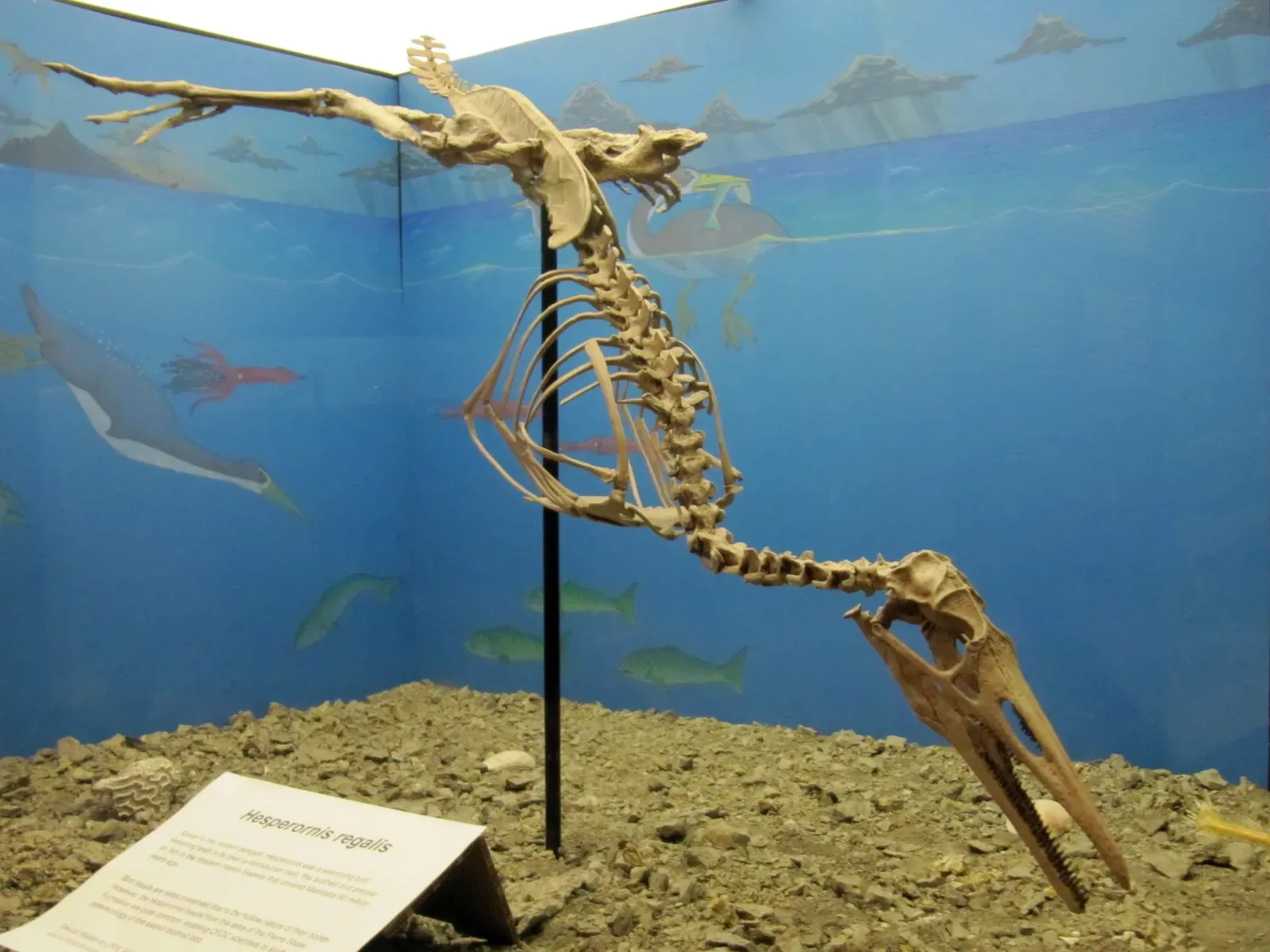
Not every sea monster in ancient Colorado had four flippers or a tail fluke. Hesperornis was a large, flightless diving bird that lived along the shores of the Western Interior Seaway and is known from the same rock systems that run into Colorado. Picture something vaguely like a cross between a loon and a small penguin, but with a long, narrow jaw lined with sharp teeth set in a groove. Those teeth helped it grab and hold fast to slippery fish as it chased them underwater.
Hesperornis used its legs and feet as powerful underwater paddles, propelling itself through the water in pursuit of prey, then likely clambering awkwardly onto the shoreline to rest, nest, and molt. I find it oddly endearing that in a world of massive reptiles, a toothy bird was carving out its own niche in the same ecosystem. It reminds me of how modern seabirds share the ocean with sharks and whales – small but relentless hunters in their own right. Standing near what is now the edge of the Great Plains during the Late Cretaceous, you might have seen Hesperornis slipping beneath the waves, vanishing into the same dark water patrolled by mosasaurs.
Cretoxyrhina: The Great White‑Like Shark of the Cretaceous
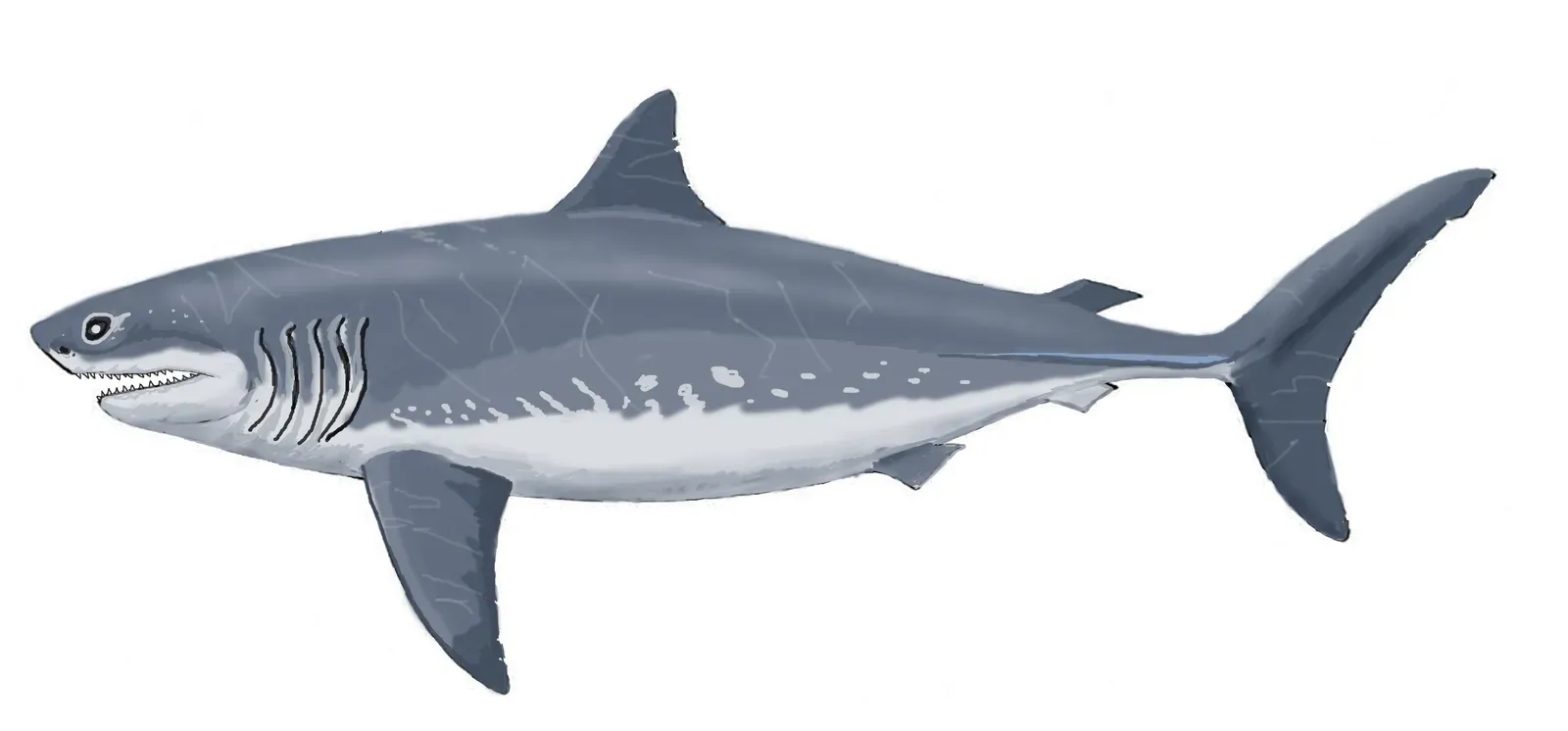
Rounding out this roster is a shark that would have felt disturbingly familiar: Cretoxyrhina, often nicknamed the Cretaceous great white. This large, robust shark prowled the Western Interior Seaway and is known from teeth and skeletal remains across the region, including formations closely tied to Colorado’s ancient seas. It had a stocky body and heavy, triangular teeth with sharp cutting edges, suggesting a powerful predator capable of tackling large prey, not just little fish.
What makes Cretoxyrhina especially fascinating is that it coexisted with mosasaurs and plesiosaurs, meaning the ancient Colorado seas were a rare stage where giant reptiles and big sharks shared the top tiers of the food web. Some fossils even hint at possible interactions, with bite marks on marine reptile bones that match the shape of large shark teeth. When I think about standing on a Cretaceous beach in what is now Colorado, I picture a horizon hiding both sleek sharks and muscular mosasaurs cruising somewhere below the surface. It was not a question of whether something big and toothy was out there; the only question was which kind of monster got to you first.
Conclusion: Colorado’s Sky Hides an Ocean’s Ghosts
For me, the most mind‑bending part of this story is that you can drive across modern Colorado, glance up at the open sky, and realize that all of it was once water thick with reptilian bodies, shark fins, and diving birds. The same state now famous for high‑altitude skiing and mountain biking used to be closer in spirit to a tropical archipelago, its lowlands drowned under an inland sea full of tooth and muscle. When we list mosasaurs like Mosasaurus and Tylosaurus, plesiosaurs like Elasmosaurus and Dolichorhynchops, nimble hunters like Clidastes, strange birds like Hesperornis, and sharks like Cretoxyrhina, we are not talking about isolated curiosities – we are sketching a complete, brutal ecosystem floating where neighborhoods and ranches now sit.
In my opinion, this makes Colorado’s fossil heritage deeply underrated. Too often, the spotlight goes to famous dinosaur bonebeds while the marine layers are treated as a side note, even though they preserve an ocean that feels both alien and eerily familiar. Next time you see the distant shimmer over the Eastern Plains, it is worth pausing and imagining waves instead of heat, a dorsal fin instead of a highway sign, and a long‑necked plesiosaur drifting just out of sight. The monsters are gone, but their world is still written in the rocks under our feet – how many other ordinary landscapes are quietly hiding an ancient ocean above them in plain view?