
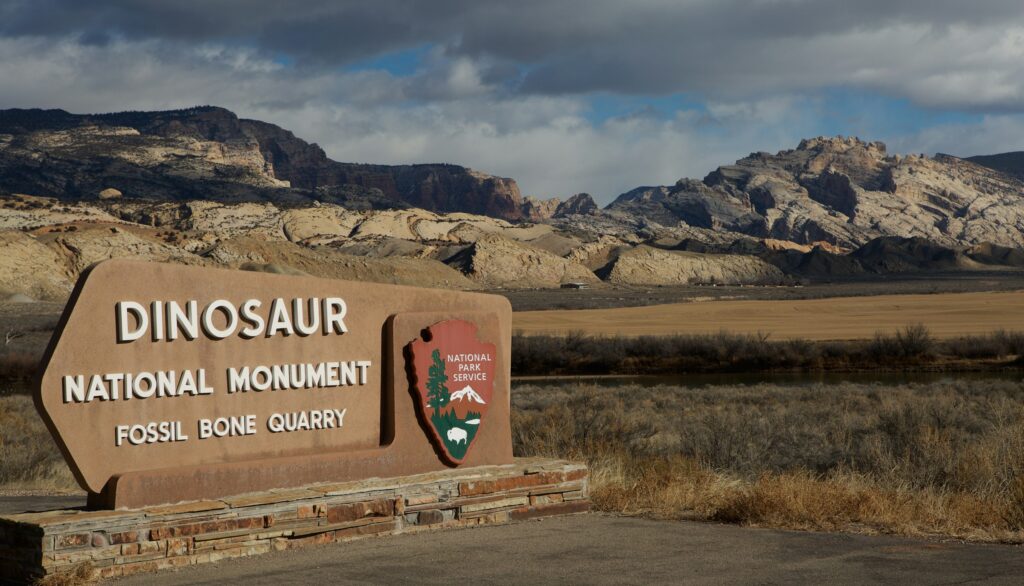
If you grew up imagining dinosaurs stomping across your backyard, here’s the wild part: in a lot of the United States, that fantasy is not that far off. Under parking lots, cow pastures, and road cuts, there are real bones from real dinosaurs that once walked the exact same ground. Some states are absolute gold mines for fossils, while others are almost blank on the dinosaur map.
In this article, we’ll tour the states where your odds of crossing paths with dinosaur history are surprisingly high, and we’ll zero in on the one state that has produced more named dinosaur species than any other. Spoiler: it is not always the place casual dino fans expect. Along the way, we’ll talk geology, paleontologists with shovels and patience, and why some places are strangely fossil-rich while others are basically prehistoric deserts.
Why some states are dinosaur treasure chests and others are almost empty
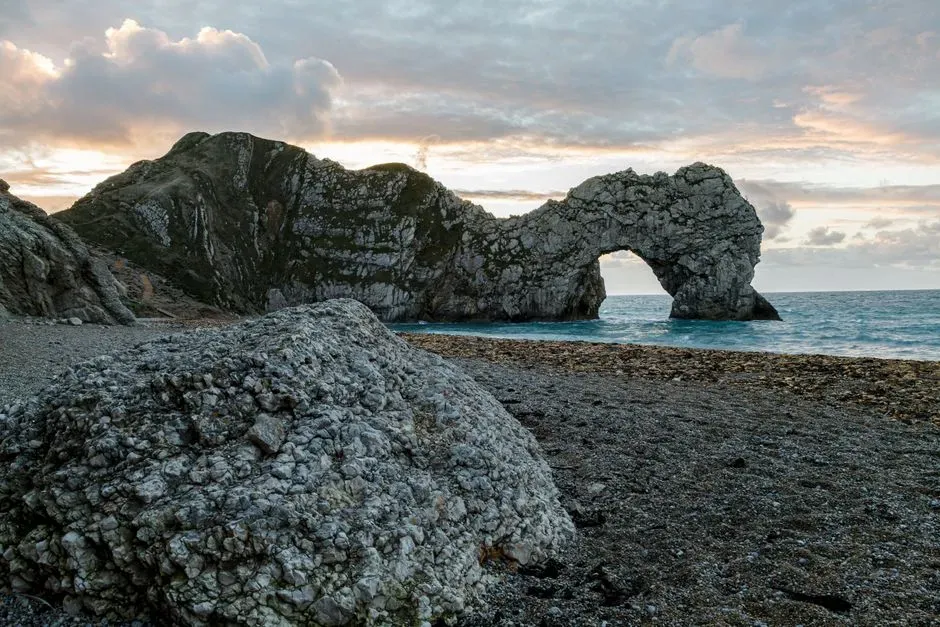
Here’s the first surprising truth: it’s not about where dinosaurs lived, it’s about what rocks have survived. Dinosaurs roamed essentially all of what is now the United States during the Mesozoic Era, but only states with rock layers of the right age, in the right conditions, near the surface today, actually preserve and expose their remains. If a state is mostly covered in vegetation, young sediments, or has the wrong-aged rocks at the surface, you can have had plenty of dinosaurs and almost no dinosaur fossils.
That’s why dry, eroding landscapes in the American West dominate fossil headlines. Wind and water are constantly stripping away younger layers, revealing older Jurassic and Cretaceous rocks below, like pages of a history book being peeled open. Meanwhile, much of the East is blanketed in forests, soil, and younger deposits, so the Mesozoic story is buried or eroded away. It feels unfair, but the fossil record is a lottery where geology, not popularity, picks the winners.
Colorado: the crossroads of dinosaur time
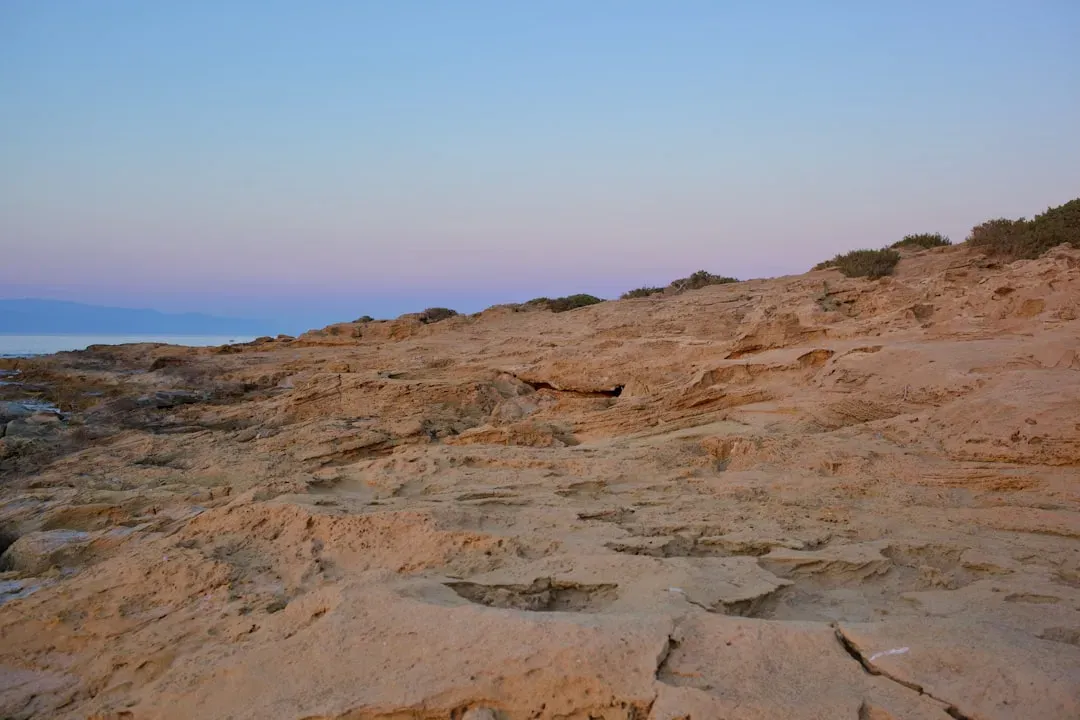
Colorado is one of those places that feels like it was built for dinosaur hunting. The state exposes an incredible spread of Mesozoic rocks, from the iconic Jurassic Morrison Formation to younger Cretaceous layers that recorded the rise of duck‑billed and horned dinosaurs. At sites like Dinosaur Ridge near Denver and along the Front Range, you can literally walk on ancient dinosaur trackways and stand beside bones still locked in the rock, which is as close as most people will ever come to a time machine.
What makes Colorado especially powerful for paleontology is the mix of rock types and time slices. Museums and dig sites in the state have yielded long‑necked sauropods, plated stegosaurs, meat‑eating theropods, and early birds, along with the plants and ecosystems that surrounded them. When you look at Colorado’s maps of fossil localities, it is clear this is not just a place with a few lucky finds; it is a living laboratory where new fossils keep turning up as construction, erosion, and research push into new outcrops.
Utah: the quiet giant of dinosaur diversity
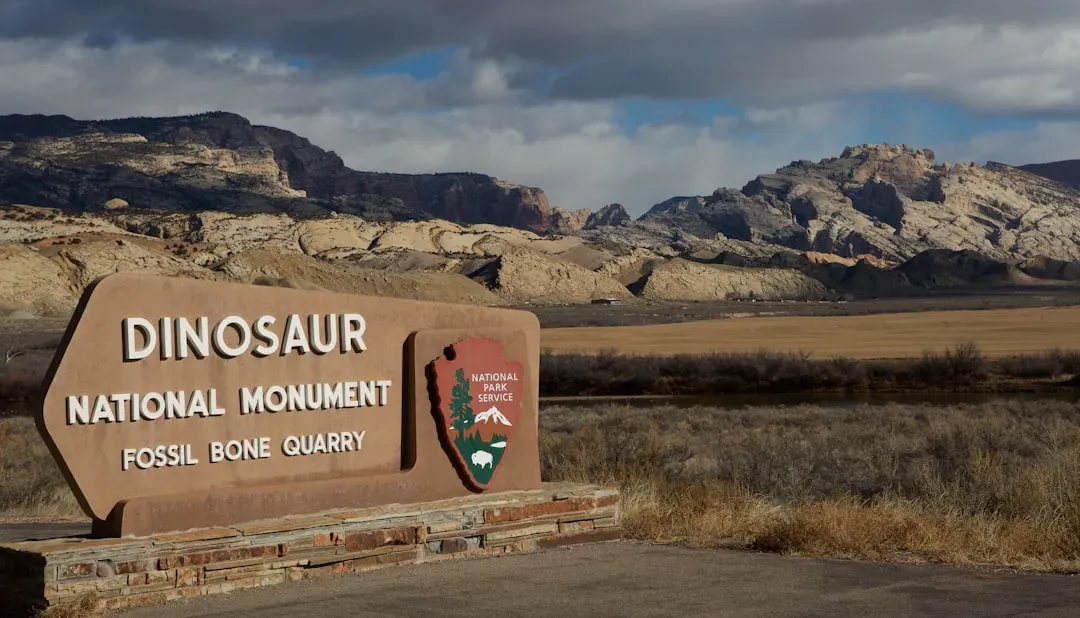
If there is a state that deserves more bragging rights in dinosaur conversations, it is Utah. With vast exposures of Jurassic and Cretaceous rocks, especially across the central and eastern parts of the state, Utah has produced an impressive number of named dinosaur species. Places like the Cleveland‑Lloyd Dinosaur Quarry and the broader San Rafael Swell region have given paleontologists tangled bonebeds packed with bones from multiple individuals, turning every excavation into a puzzle of life, death, and ancient behavior.
In the last few decades, Utah has arguably been one of the hottest spots on the planet for new species announcements from the Late Jurassic and Cretaceous. It has yielded unique horned dinosaurs, strange duck‑bills, massive predators, and multiple long‑necked titans that have reshaped how scientists picture dinosaur communities. When paleontologists quietly talk about where the next big North American dinosaur is likely to come from, Utah is almost always on the short list.
Wyoming: classic bonebeds and the business of big dinosaurs
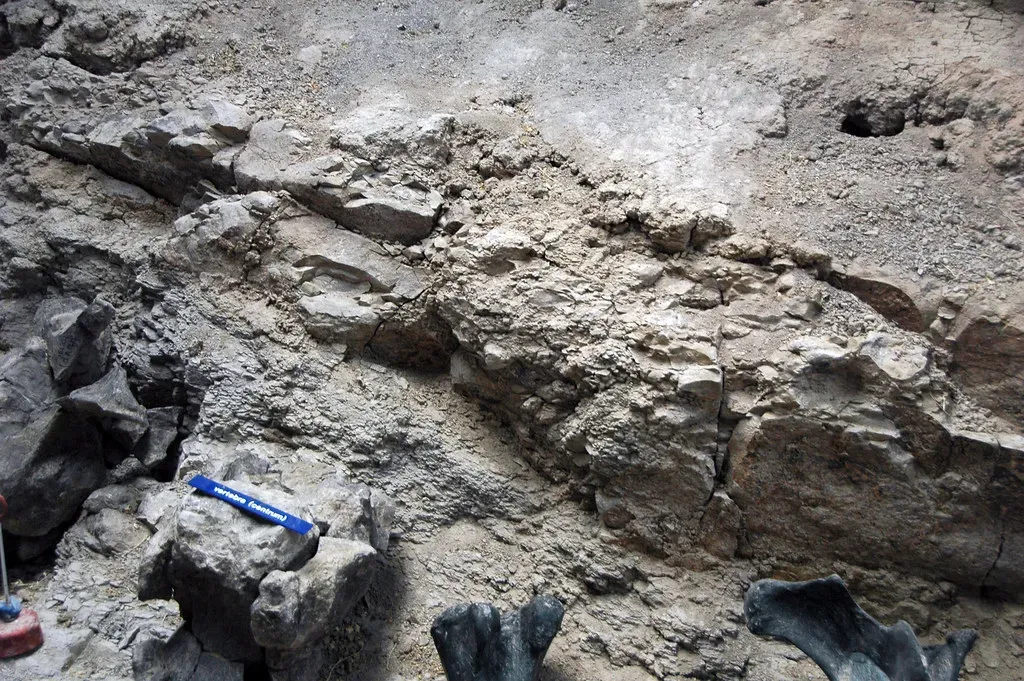
Wyoming sits at the heart of classic dinosaur country, and its fossil sites have been fueling museum halls and private collections for more than a century. From the Morrison Formation in the south and central regions to rich Cretaceous exposures farther north and east, Wyoming has turned out some of the most famous long‑necked sauropods and giant predators ever discovered. Many of the towering skeletons that dominate exhibit halls around the world were pulled from windy, lonely quarries in this state.
One thing that sets Wyoming apart is the scale of its bonebeds and the long tradition of commercial as well as academic digging. Ranchers, private collectors, and research teams have all been part of the state’s fossil economy, sometimes cooperating and sometimes colliding over ownership and ethics. Love that or hate it, the result is that Wyoming continues to be one of the places where people are most likely to literally trip over dinosaur bones while walking the badlands or checking on cattle.
Montana: where the Hell Creek keeps on giving
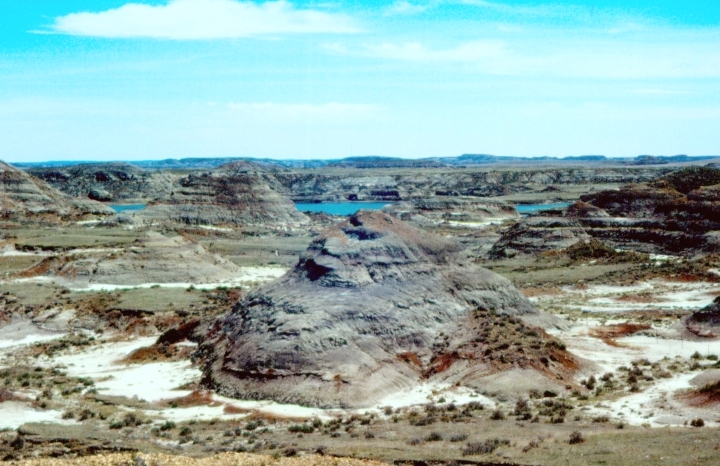
Montana’s dinosaur reputation is anchored to one formation that almost every dino‑fan knows by name: the Hell Creek. Sprawling across parts of the state’s eastern plains, these late Cretaceous rocks record the final stretch of dinosaur history before the asteroid impact, which makes them scientifically priceless. This is the land of Triceratops skulls, Tyrannosaurus teeth, duck‑bill skeletons, and even hints of the ecosystems that recovered after catastrophe.
What fascinates many researchers about Montana is that it offers a window into both the everyday and the extraordinary. You get worn chewing surfaces on herbivore teeth telling you what they ate, weathered bones showing injuries and diseases, and, in rare cases, exquisitely preserved fossils with soft‑tissue traces or skin impressions. For people dreaming of finding a dinosaur fossil themselves, Montana’s mix of public lands, eroded hillsides, and active research projects makes it one of the most likely places in the country where that fantasy could become reality, at least with proper permits and supervision.
New Mexico: underrated but packed with Mesozoic secrets
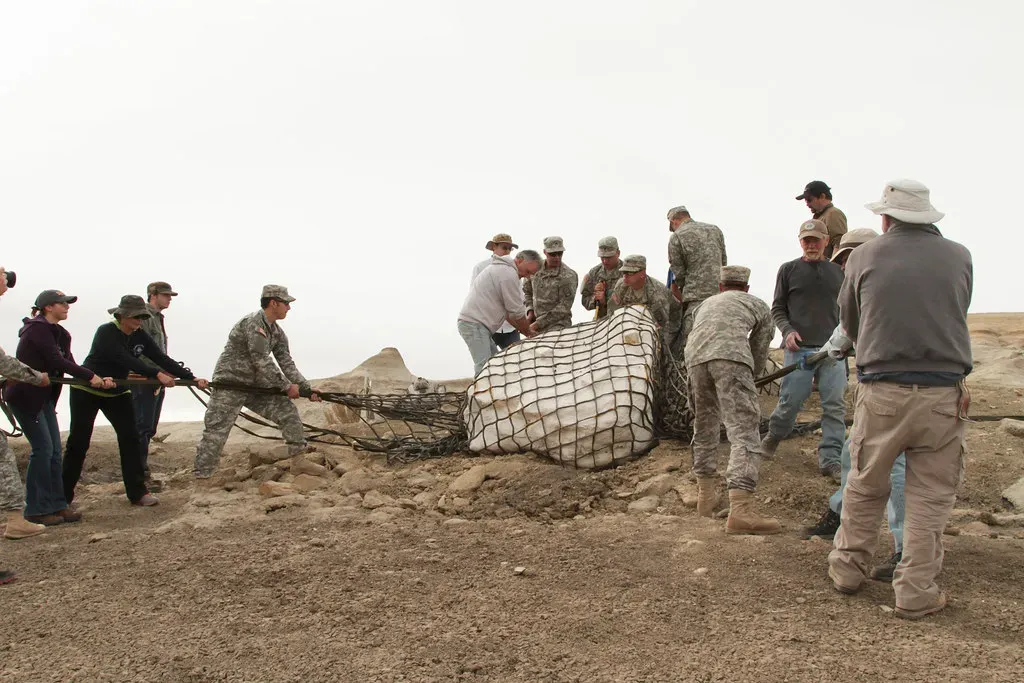
New Mexico does not always make the casual fan’s top dinosaur list, but that undersells how important it has been for understanding early dinosaur evolution and later desert ecosystems. The state preserves rocks from the Triassic through the Cretaceous, which means you can follow the story from the dawn of dinosaurs right up into the age of big, specialized herbivores and predators. In some regions, you literally climb hillsides and walk forward through millions of years of history with every step.
Paleontologists have pulled out early relatives of dinosaurs, primitive meat‑eaters, and distinctive long‑necked and armored species that fill in gaps left by better‑known states further north. The dry climate and broad exposures mean fossils weather out onto the surface, waiting for someone with a sharp eye to spot an out‑of‑place bone fragment. If you asked working researchers to name the most quietly productive states for new dinosaur discoveries, New Mexico would show up far more often than social media conversations suggest.
Texas: from coastal swamps to trackways under your feet
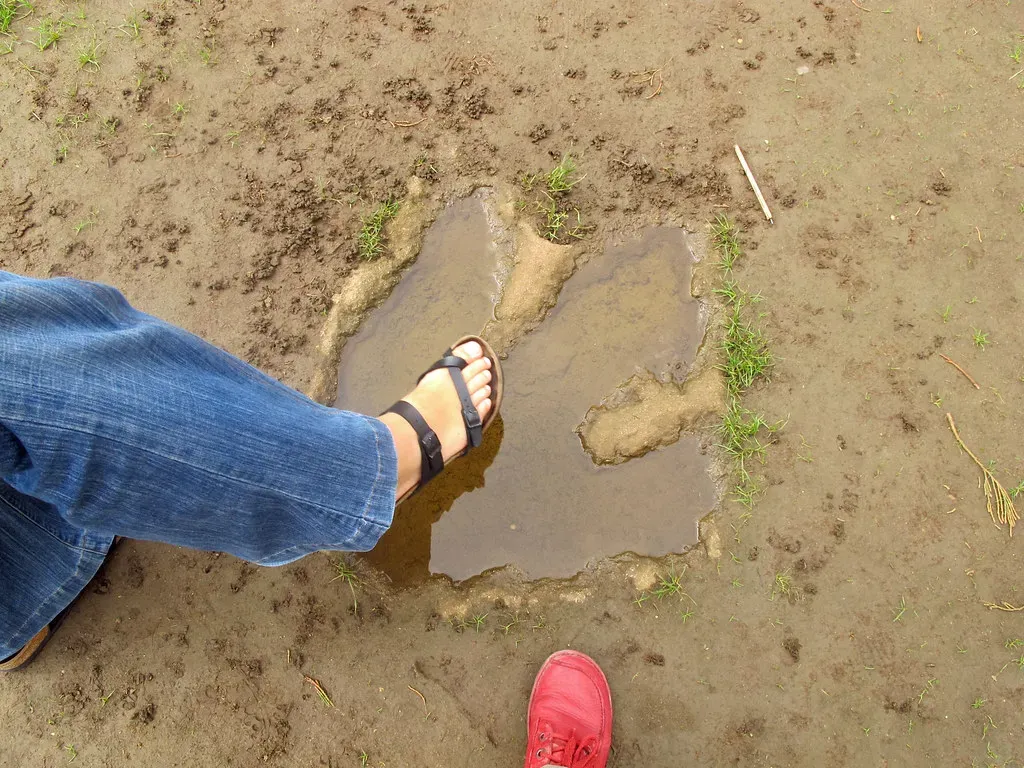
Texas is enormous, and so is its geological variety, which is a big part of why it shows up often on maps of dinosaur fossil finds. Much of the state preserves Cretaceous rocks, especially from times when shallow seas and coastal wetlands covered the region. That coastal setting favored the preservation of not just bones but also footprints, giving us trackways that capture living animals moving across muddy flats that have long turned to stone.
What makes Texas especially interesting for everyday people is that some of its most famous dinosaur evidence is not hidden away in quarries but built into the landscape. State parks and riverbeds display long lines of sauropod and theropod tracks, sometimes only exposed when water levels drop. Standing in those footprints, you get a physical, almost eerie sense that a living, breathing animal put weight into that exact spot, which can be more emotionally powerful than looking at a skeleton in a glass case.
Why some eastern states barely register on the dinosaur fossil map
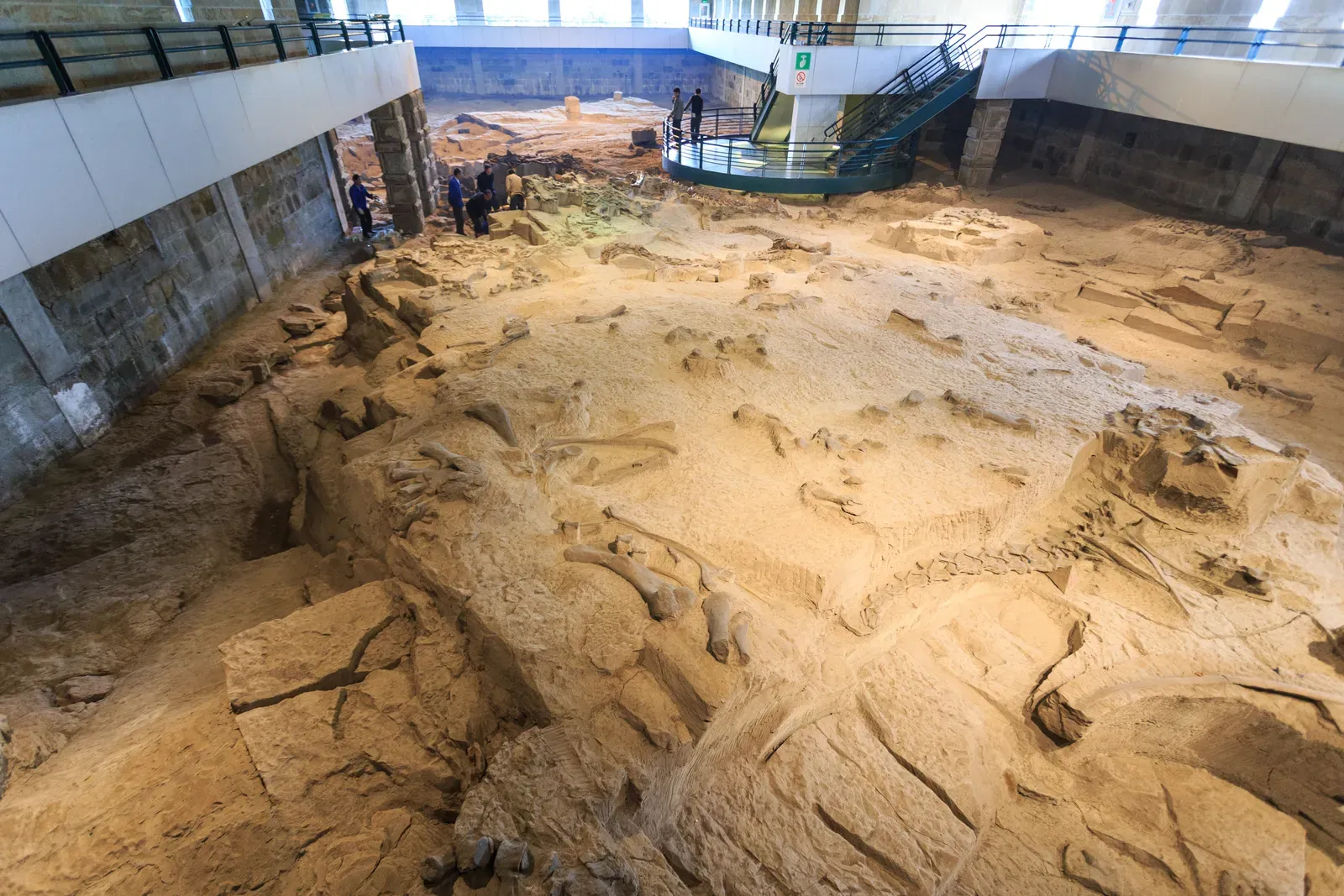
Given how heavily populated and explored states in the eastern United States are, you might expect more dinosaur fossils to show up there. The reality is that large parts of the East simply do not have the right Mesozoic rocks at the surface, or those rocks have been heavily eroded or buried under younger sediments. Dinosaurs absolutely lived there, but the combination of climate, vegetation, and geology has erased or hidden most of the evidence they left behind.
There are exceptions, of course, like scattered trackways and bones from places such as New Jersey and the Connecticut River Valley, but they are relatively rare compared with the fossil bonanza out West. This mismatch can be oddly frustrating if you live east of the Mississippi and love dinosaurs, yet it also makes the occasional finds from those states feel almost magical. When a bone turns up in a construction trench in a region that rarely yields fossils, it instantly becomes a big deal, because it is a fragment from a chapter of the story we barely get to read.
The one state that has produced more named dinosaur species than any other
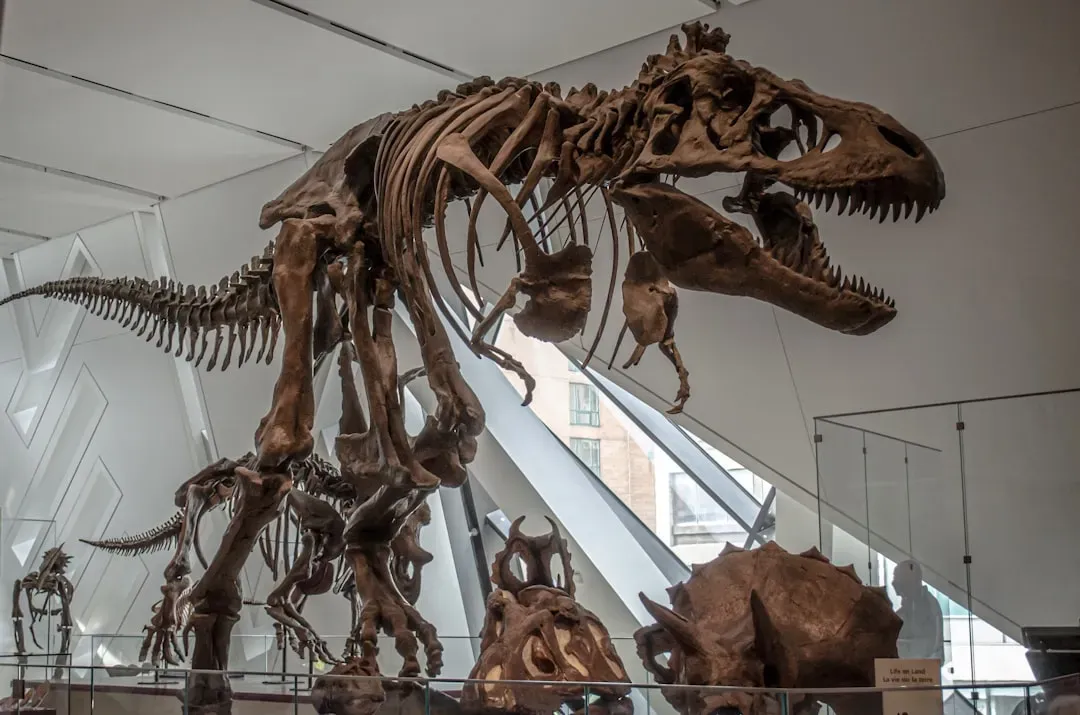
Ask a room full of dinosaur fans which US state has produced more named dinosaur species than any other, and you will usually hear guesses like Montana, Utah, or Colorado. The twist is that, once you factor in sheer territory, geological variety, and decades of intense collecting and research, Texas stands out as the state with a particularly high count of named species tied to its Cretaceous rocks. The combination of coastal environments, inland floodplains, and marine settings has preserved an unusually broad range of dinosaurs and other Mesozoic life, from giant plant‑eaters to nimble predators and flying reptiles.
Is the crown permanently locked in? Probably not. Paleontology is not static, and as Utah, New Mexico, Montana, and other western states continue to yield new finds, the tally of named species will keep shifting. But the bigger point is that one state does not dominate because it had more dinosaurs; it dominates because its rocks, climate, and history of exploration lined up just right. In my view, that is both humbling and exciting, because it means the next big state‑level shake‑up in dinosaur diversity could be hiding in plain sight on a hillside we have barely bothered to check.
Conclusion: the real dinosaur capital might still be waiting to be discovered
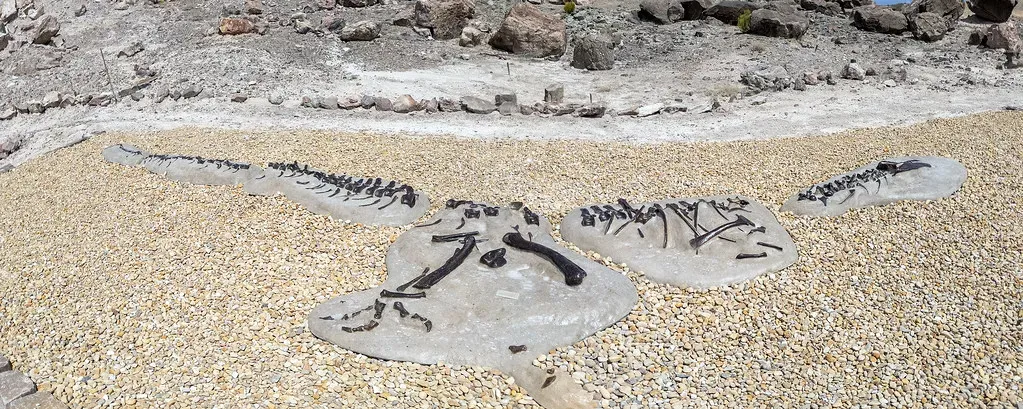
The more you look at the map of US dinosaur finds, the more you realize it is not a story about a few lucky states, but about how uneven and fragile the fossil record really is. Colorado, Utah, Wyoming, Montana, New Mexico, and Texas all feel like dinosaur wonderlands today because their rocks happen to be exposed, accessible, and heavily searched, while other regions remain quiet more by chance than by lack of ancient life. Claiming that one state owns the title of ultimate dinosaur capital feels a bit like handing out trophies in the first quarter of a game that could go into overtime.
Personally, I think the most exciting part is that this scoreboard is still changing, sometimes year by year. New quarries open, storms strip away soil, construction projects cut into untouched rock, and suddenly a state that barely showed up in the conversation can leap forward with a spectacular new species. So yes, some states are currently the safest bet if you are dreaming about dinosaur fossils, and one stands out for sheer variety of named species so far, but the story is far from over. When the ground beneath your feet can still surprise you with a creature that has not seen sunlight in tens of millions of years, how can you not wonder what is still waiting just below the surface?