
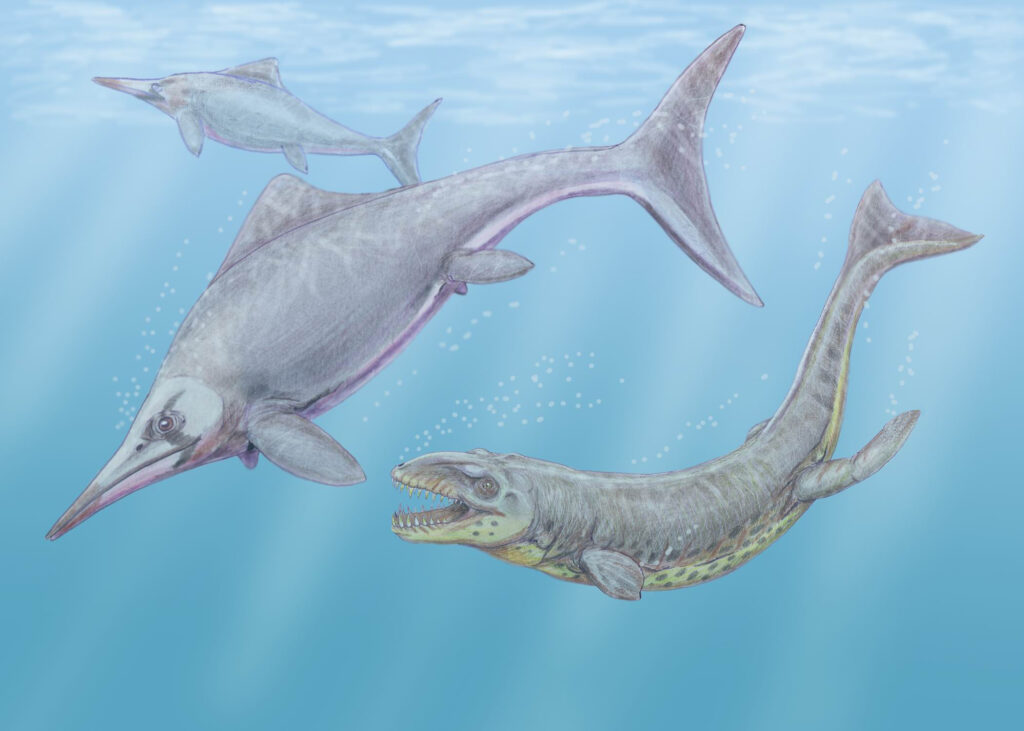
When most people picture the Jurassic, they imagine roaring dinosaurs thundering across lush, fern-filled landscapes. The oceans, though, were just as wild – and in many ways far more alien – ruled by predators so specialized and strange that they feel like something out of science fiction. Yet, outside of a few famous names, these marine giants are often overlooked, hiding in museum drawers and technical papers instead of movie screens and memory.
This is a shame, because were a brutal, beautiful arena where evolution ran wild, producing sleek torpedo hunters, armored ambush predators, and colossal lizards that blurred the line between reptile and living submarine. Let’s dive into six of the most fascinating yet forgotten rulers of those ancient oceans – animals that deserve to stand shoulder to shoulder with any T. rex or Velociraptor in your imagination.
1. Metriorhynchus – The Crocodile That Became a Dolphin
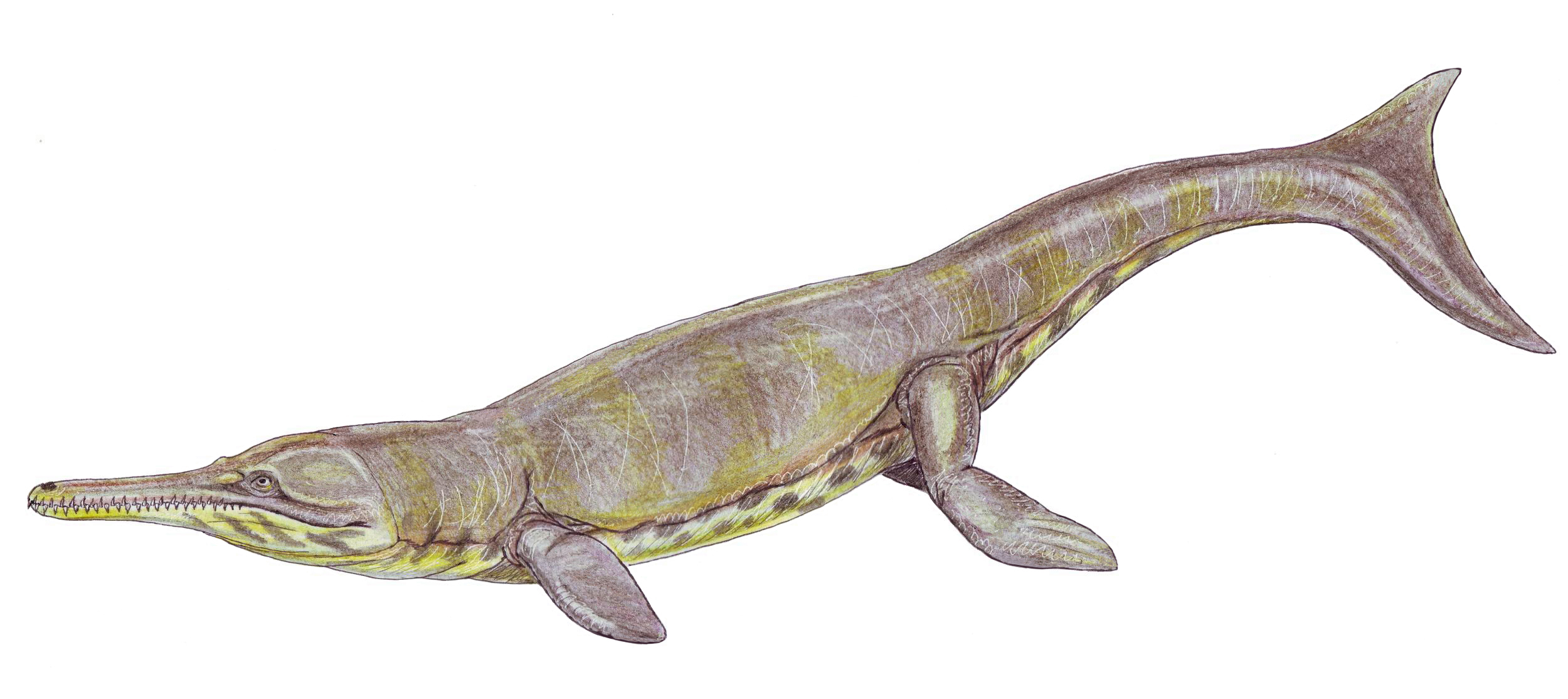
Metriorhynchus is the kind of animal that makes you realize evolution has no problem breaking its own rules. It started out in the crocodile family tree, but by the Middle to Late Jurassic it had become so perfectly adapted to open-water life that it barely looked like a crocodile anymore. Instead of bulky limbs for walking, it had flipper-like legs and a streamlined body better suited to slicing through waves than lurking in rivers.
Unlike modern crocs, Metriorhynchus fully abandoned life on land – it even lost the heavy armor plates that weigh down its modern cousins, trading protection for speed. Its tail ended in a fin that looked uncannily like a shark’s tail, a convergent design for powerful propulsion in the open ocean. I find this animal especially wild because it feels like a crocodile that refused to stay in its proper ecological lane and just committed fully to being a marine predator.
2. Ophthalmosaurus – The Big-Eyed Torpedo of the Deep
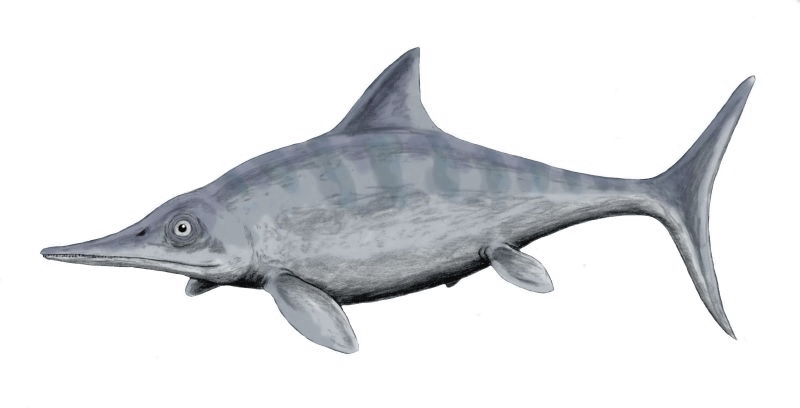
Ophthalmosaurus was an ichthyosaur, part of that iconic group of marine reptiles that looked a lot like modern dolphins, but with a Jurassic twist. Its name means “eye lizard,” and for good reason: it had enormous eyes, some of the largest relative to body size of any vertebrate we know. Imagine a sleek, torpedo-shaped predator with dinner-plate-sized eyes peering into the dark – this was an animal built for hunting in low light, possibly diving deep or prowling in the dim twilight zone of the sea.
Its body was built for efficiency: a pointed snout lined with small, gripping teeth, a powerful tail fin, and narrow flippers for steering with precision. While it did not reach the monstrous size of some later marine reptiles, Ophthalmosaurus seems like one of the smartest design solutions nature ever came up with for chasing fast, slippery prey like squid and small fish. To me, it feels like the stealth bomber of the Jurassic ocean – minimal, specialized, and brutally effective in its niche.
3. Liopleurodon – The Controversial Giant Hunter
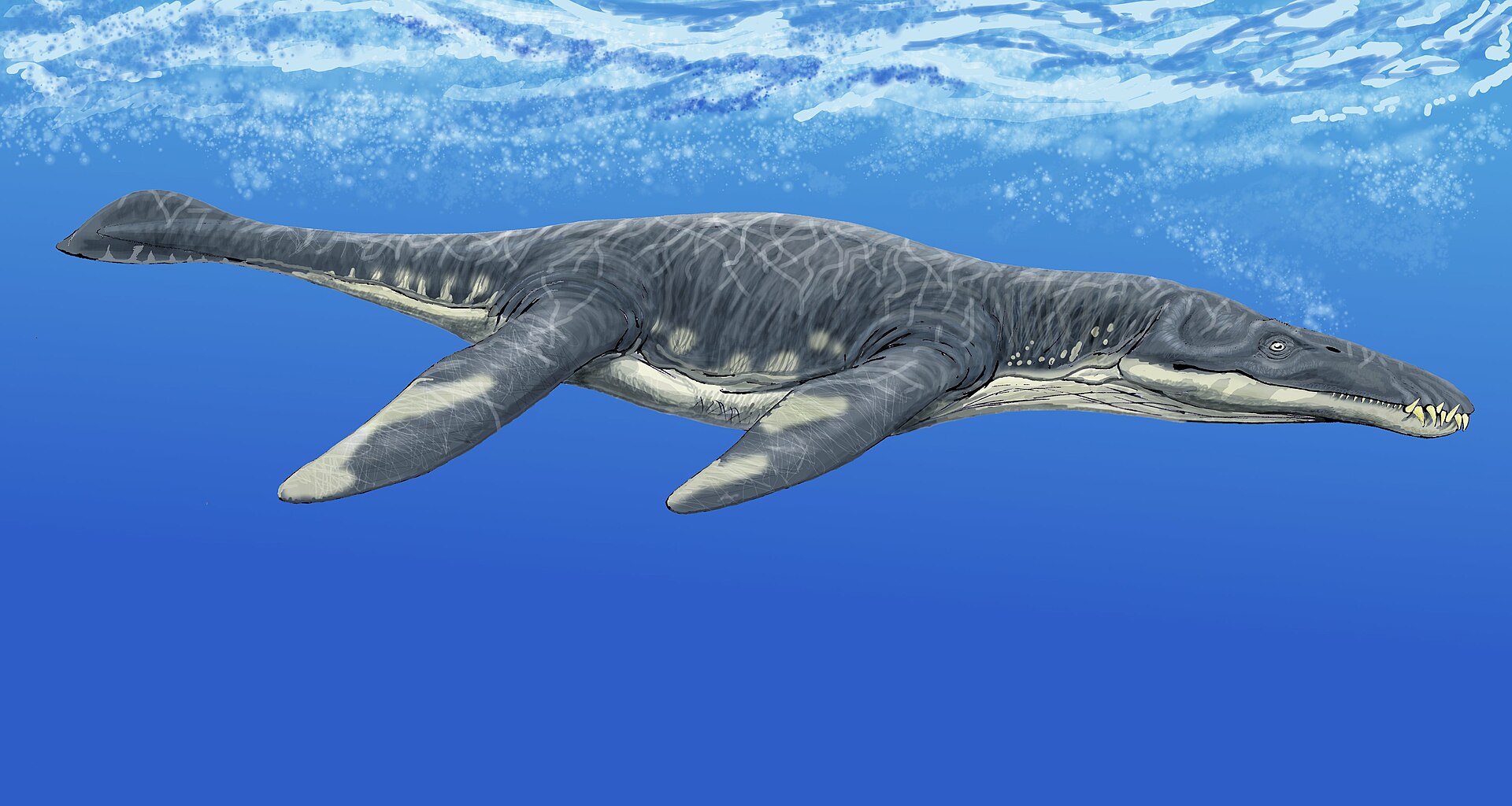
Liopleurodon might be the most famous “forgotten” king on this list, because it briefly became a pop culture star thanks to a documentary that massively upsized it. Some older media portrayed it as a titanic super-predator longer than a city bus, but later research has pulled that back, suggesting more modest (though still impressive) dimensions. Even with the hype stripped away, you’re still looking at a short-necked pliosaur that was a muscular, barrel-chested missile of bone and muscle.
What makes Liopleurodon so compelling is not just its size, but the way it probably hunted. With a stocky body, huge skull, and four powerful paddle-like limbs, it was built for explosive bursts of speed rather than graceful cruising. I picture it as an underwater ambush specialist, lunging from below or behind to clamp those enormous jaws around an unlucky ichthyosaur or fish. The debate around its exact length almost distracts from the real story: this was a brutally efficient apex predator, even without the exaggerated numbers.
4. Carcharodon-like Hunters Before Sharks Took Over – Hybodonts and Their Rivals
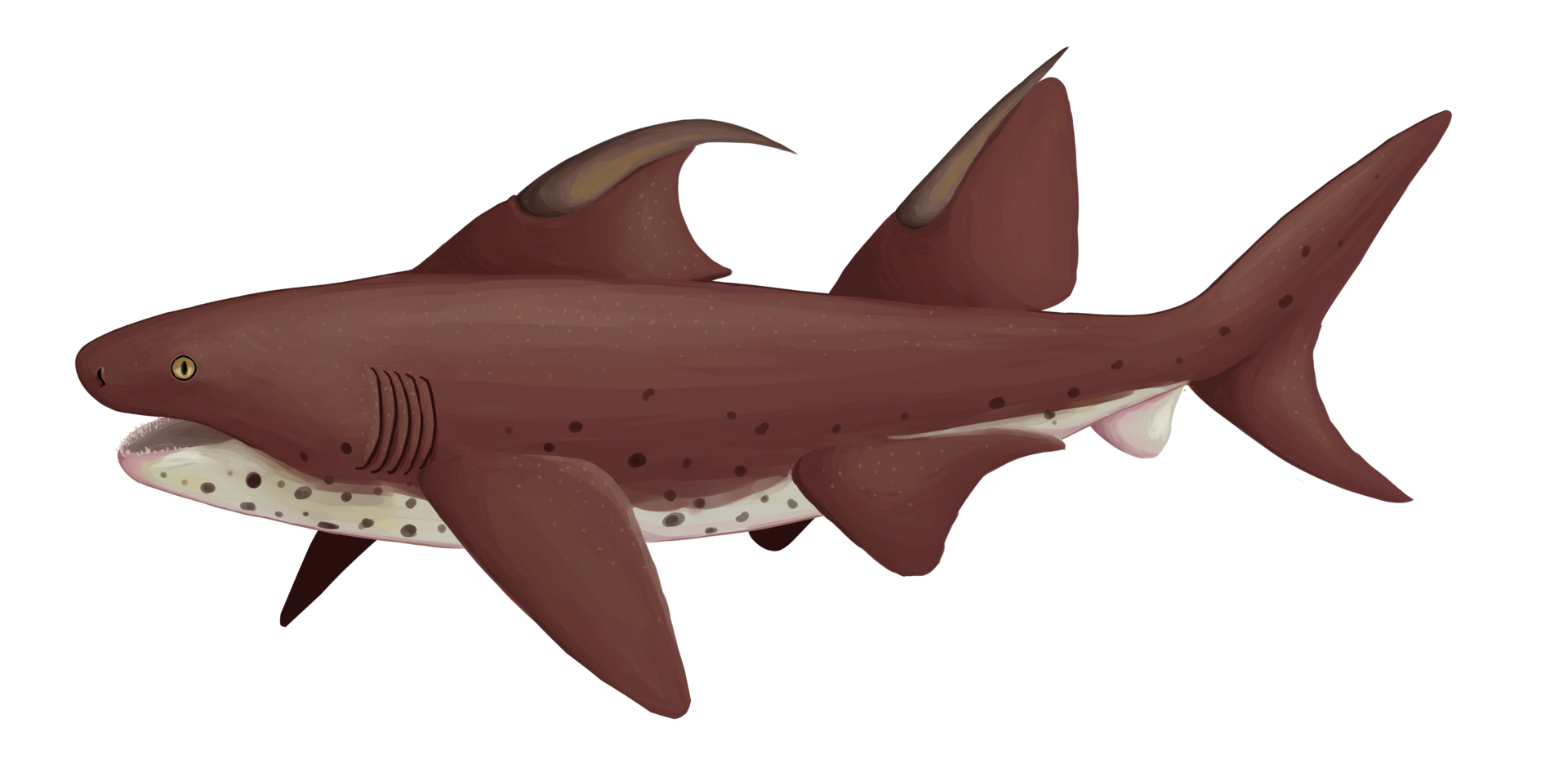
Long before modern great white sharks patrolled the oceans, had their own line-up of cutting-edge cartilaginous hunters. Hybodont sharks, while not as massive or iconic as later giants, were serious players, armed with spined dorsal fins and teeth adapted to a mix of crushing and slicing. They shared the seas with early relatives of rays and other shark-like fishes, filling a wide range of predator roles that we now take for granted as “just what sharks do.”
These animals rarely get the spotlight because they lacked the outrageous size of some marine reptiles and did not leave behind towering tooth fossils like later Cenozoic sharks. Yet they were the constant background threat in Jurassic oceans, always circling, always testing the boundaries of what they could bite, crack, or swallow. In my view, they were the steady, underrated workhorses of the marine food web – never the loudest stars, but always on stage, shaping the lives and evolution of everything around them.
5. Cryptoclidus – The Elegant Net-Headed Filter Feeder
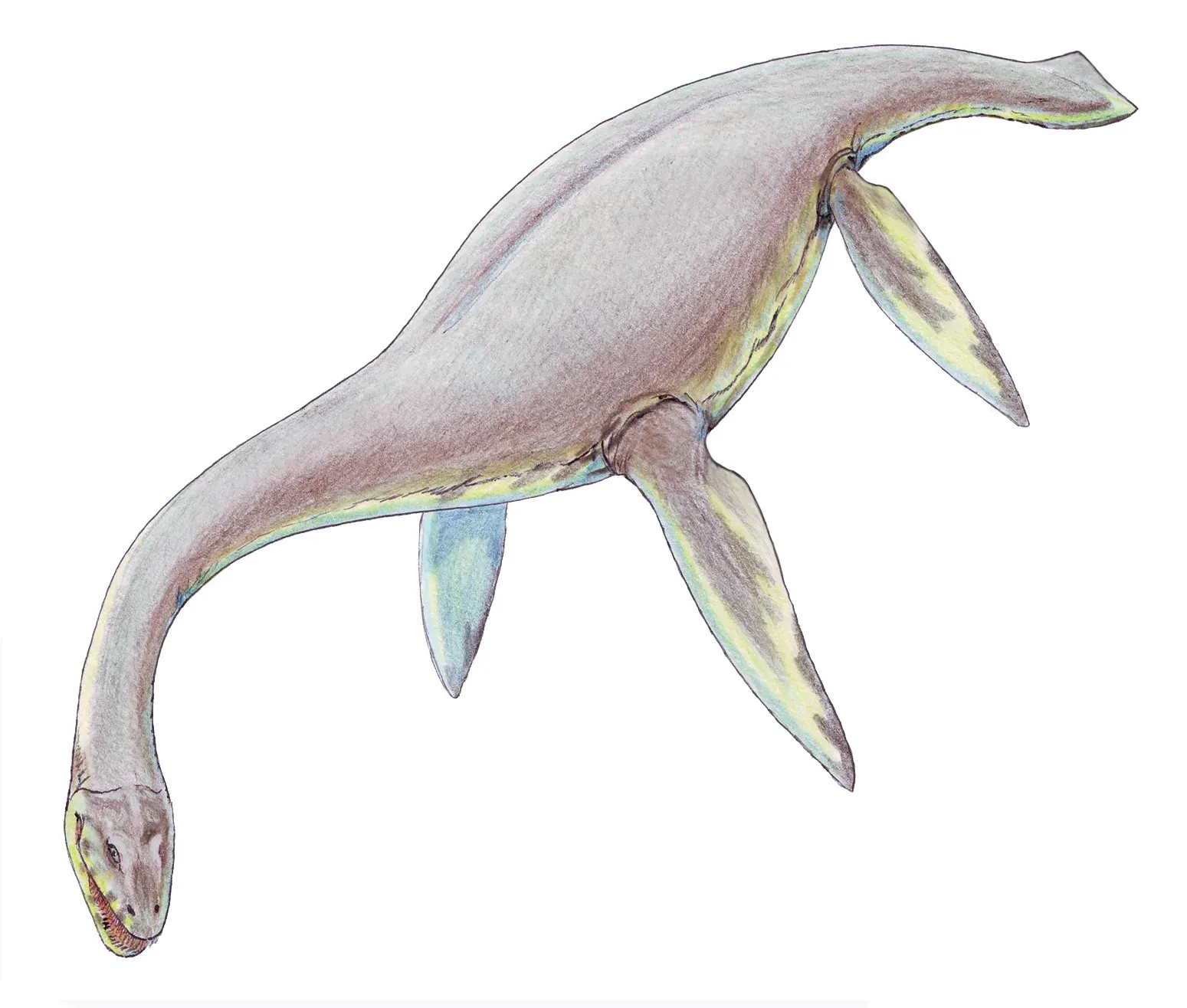
Cryptoclidus was a plesiosaur that did not need to be a savage biter to dominate its ecological niche. With a long, flexible neck and a relatively small head filled with slender, closely packed teeth, it probably specialized in scooping up schools of small fish and invertebrates rather than wrestling big, struggling prey. Some paleontologists have suggested that it may have used its mouth almost like a living sieve, filtering out food as water flowed past its tooth combs.
Its body had the classic plesiosaur layout: four strong flippers for underwater “flight” and a compact torso that helped it twist and maneuver as it hunted. When I think of Cryptoclidus, I imagine it as the graceful ballet dancer among heavier, more brutal marine reptiles – less about bone-crushing power and more about finesse, timing, and precision. It shows that not all Jurassic sea rulers were throat-ripping monsters; some won by quietly mastering a very particular, very efficient way of feeding.
6. Dakosaurus – The “Killer Croc” With a Dinosaur’s Bite
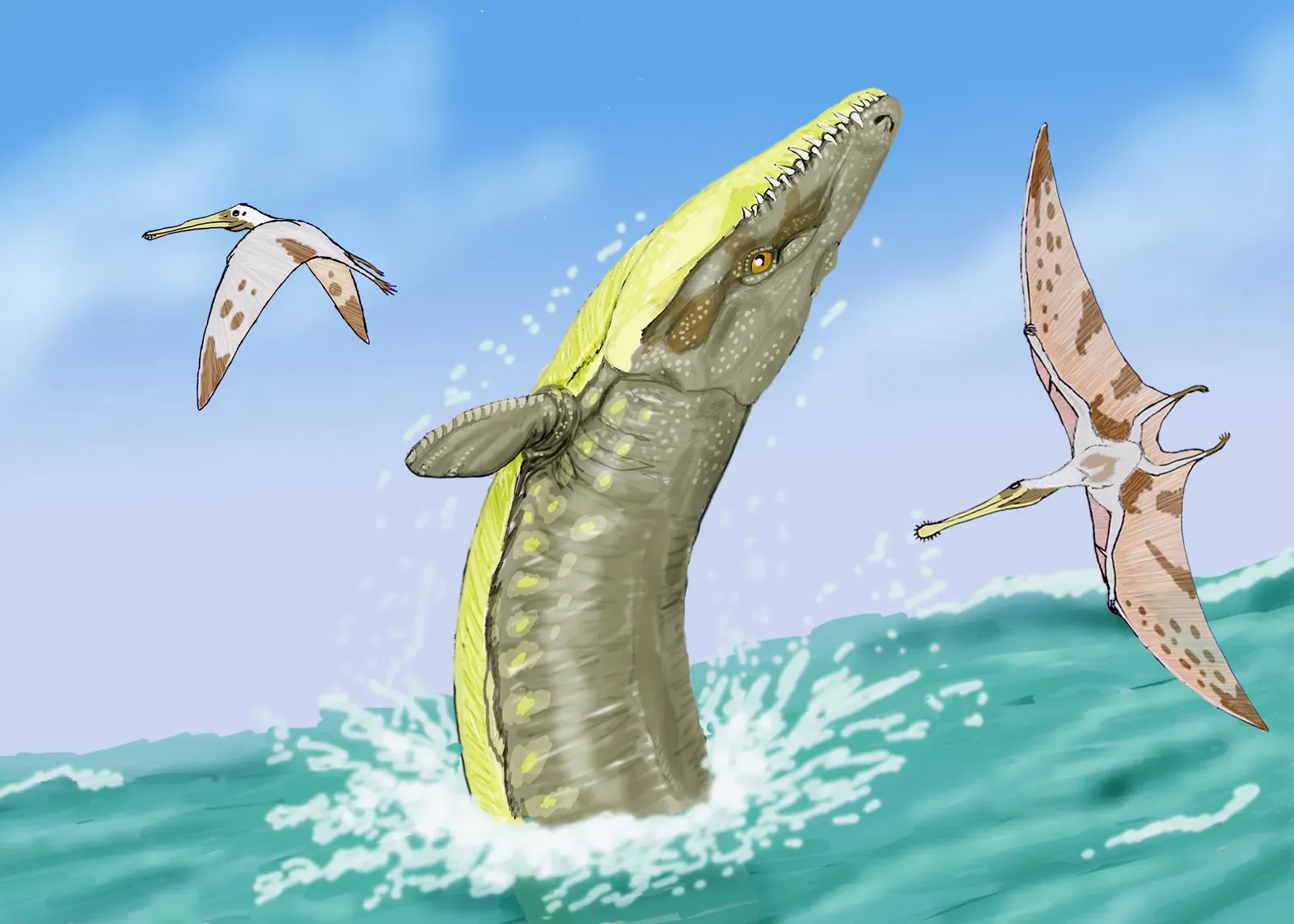
Dakosaurus takes the idea of a marine crocodile and turbocharges it into something almost nightmarish. Unlike the more streamlined, dolphin-like Metriorhynchus, Dakosaurus had a deeper skull and large, serrated teeth that looked strikingly similar to those of theropod dinosaurs. This was not a fine-scale fish specialist – it was geared toward tearing into large chunks of flesh, possibly from other marine reptiles or sizable fish.
Its body, though still adapted for open water, seems to have favored powerful strokes and short, violent chases over gentle cruising. In a way, Dakosaurus feels like the Jurassic ocean’s equivalent of a big cat: not the fastest swimmer all the time, but terrifyingly dangerous in the few seconds that really mattered. I think it stands as one of the most underrated villains of the ancient seas, combining the crocodile lineage with a dinosaur-like killing toolkit in a way that feels almost unfair to its prey.
Conclusion: Were Wilder Than We Let Ourselves Imagine
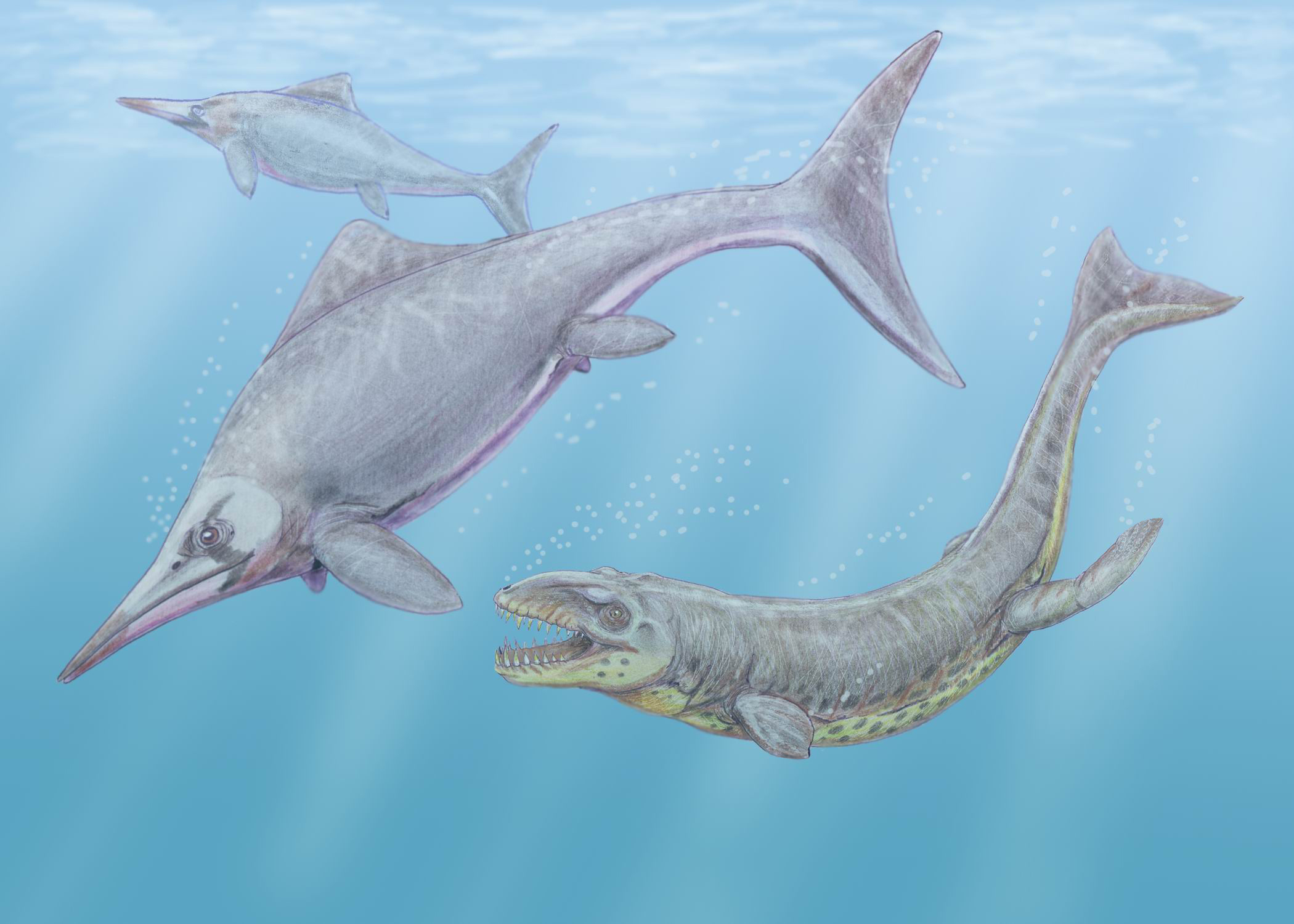
When you pull back and look at Metriorhynchus, Ophthalmosaurus, Liopleurodon, ancient shark lineages, Cryptoclidus, and Dakosaurus side by side, a pattern emerges: the Jurassic oceans were not just dinosaur-adjacent scenery, they were their own world of arms races and radical experiments. Crocodiles turned into pseudo-dolphins, reptiles evolved eyes engineered for dark, crushing depths, and toothy ambush predators rewrote what it meant to rule underwater. Honestly, it feels like we’ve been underselling this chapter of Earth’s history, letting land animals hog the glory while the real science-fiction-level weirdness swam just offshore.
My opinion is that if more people knew these forgotten kings, our mental picture of prehistory would shift from a dinosaur-dominated cartoon to something much stranger, more layered, and more true. These marine reptiles and sharks were not side characters; they were central players in a planet buzzing with evolutionary chaos. Next time you think of the Jurassic, maybe let the camera pan away from the forests and into the waves, where eyes the size of plates and jaws lined with serrated blades were writing their own brutal stories – who would you have bet on in those ancient seas?