If you grew up thinking Tyrannosaurus rex was the wildest thing to ever stomp across the planet, you’re in for a reality check. As impressive as the famous tyrant lizard was, many of its prehistoric cousins looked like nature was experimenting on hard mode: sail-backed predators, duck-billed giants with built‑in trumpets, and tiny killers with raptor claws on their feet. T. rex starts to feel almost sensible once you meet the true weirdos of the Mesozoic.
What makes these dinosaurs so fascinating is not just how bizarre they looked, but what their bodies hint about how they actually lived. Strange crests might have worked like neon signs, absurd claws like Swiss‑army tools, and giant sails like living billboards or solar panels. Let’s walk through eight species that make T. rex look positively conservative, and see how much stranger real prehistoric life was than anything in a monster movie.
Spinosaurus: The Crocodile-Backed “Sailboat” Hunter
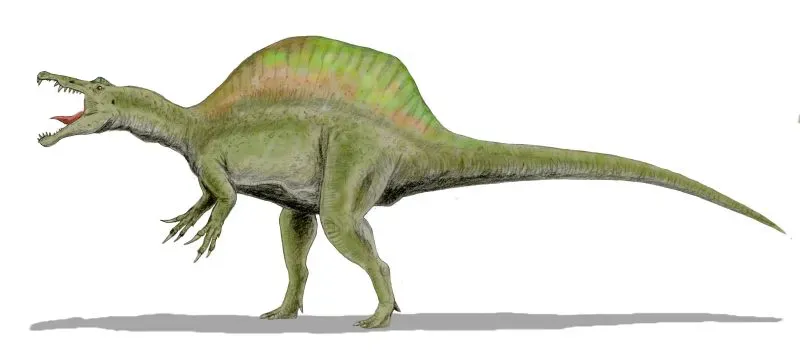
Spinosaurus is one of those dinosaurs that almost feels like a science-fiction mashup: part crocodile, part heron, part dragon with a giant sail on its back. Its skull was long and narrow, packed with sharp, conical teeth perfect for gripping slippery prey, and its nostrils sat higher on the snout, which hints at a semi‑aquatic lifestyle. Some fossils even suggest dense bones that would have helped it stay submerged rather than float like a cork.
Then there is that extraordinary sail: elongated neural spines sticking up from the vertebrae, forming a structure taller than most humans. Scientists still debate what it was for, and that uncertainty is half the fun. It could have helped regulate body temperature, acted as a flashy visual display to impress mates, or made the animal look larger and more threatening. Either way, compared to the fairly straightforward bulk of T. rex, Spinosaurus looks like evolution decided to design a river monster to be noticed from very far away.
Therizinosaurus: The Giant “Freddy Krueger” Herbivore
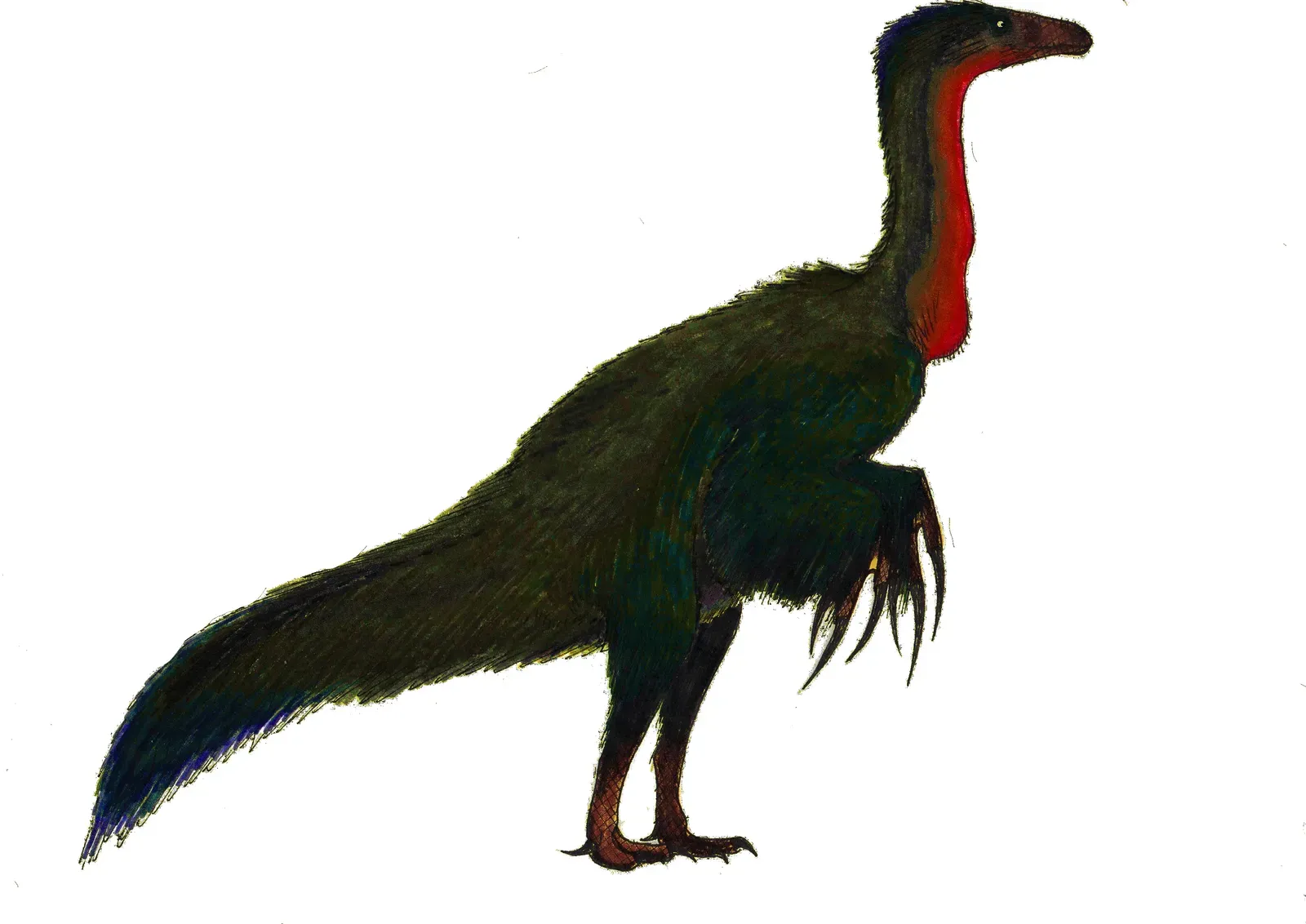
Therizinosaurus is the dinosaur that makes you question your assumptions about claws. Its hand claws were longer than a man’s arm, curved like scythes, and at first glance they scream nightmare predator. Yet most evidence points to this towering animal being primarily herbivorous, related to feathered theropods and probably sporting a bulky body, long neck, and a surprisingly small head with a beak more suited to plants than meat.
Those crazy claws were likely multipurpose tools: reaching and pulling branches toward the mouth, stripping leaves, and maybe swiping at predators when things got desperate. When I first saw a reconstruction of Therizinosaurus in a museum, it looked like someone had glued horror‑movie hands onto an oversized bird‑sloth combo, and that feeling has never quite gone away. T. rex had big, bone‑crushing jaws but laughably small arms; Therizinosaurus flipped the script and turned its arms into the main event.
Ankylosaurus: The Living Tank With a Wrecking-Ball Tail
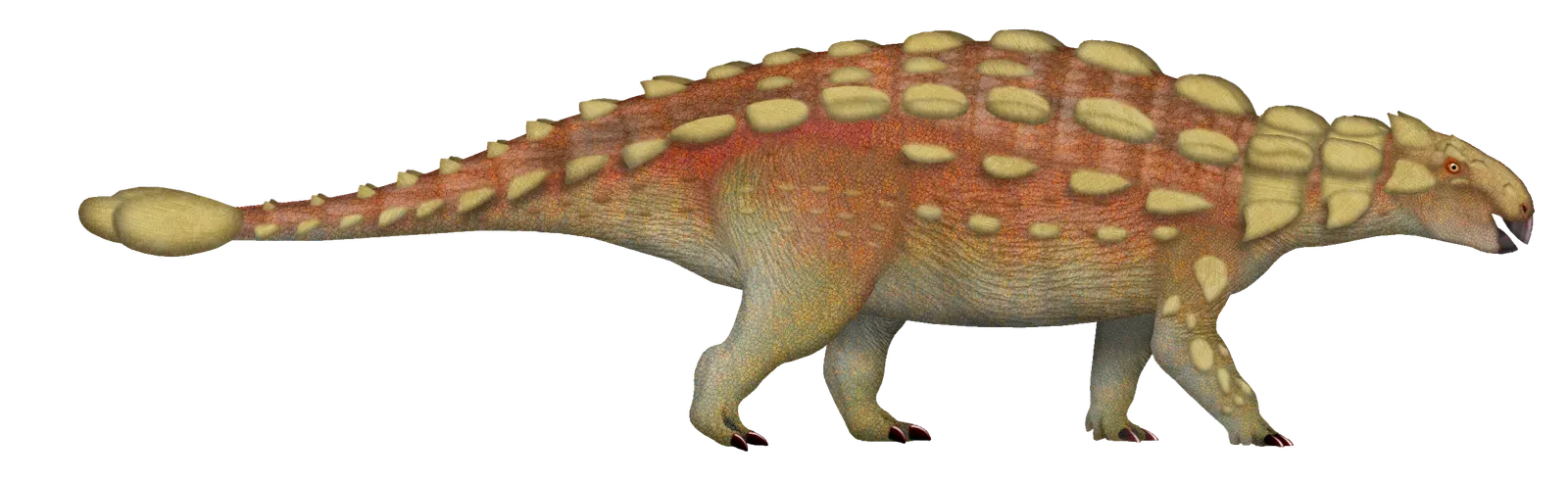
If T. rex was the apex predator, Ankylosaurus was the walking rebuttal: a low‑slung, heavily armored herbivore that looked like a cross between a tank and a turtle. Its back was covered in thick bony plates and knobs, with some species sporting spikes along the sides for good measure. Even the eyelids in some armored dinosaurs had extra protection, which feels like overkill until you imagine trying to survive daily life with giant carnivores nearby.
The showstopper, though, was the tail. Ankylosaurus carried a massive bony club at the end of a stiffened tail, effectively a prehistoric baseball bat made of solid bone. Biomechanical studies suggest a solid hit could have shattered the leg of a predator, instantly turning the hunter into the hunted. While T. rex relied on terrifying offense, Ankylosaurus proves that defense can be just as dramatic, and in its own way, even stranger: it is one of the few dinosaurs that looks purpose‑built to send a forty‑foot predator limping home.
Parasaurolophus: The Dinosaur With a Built-In Sound System
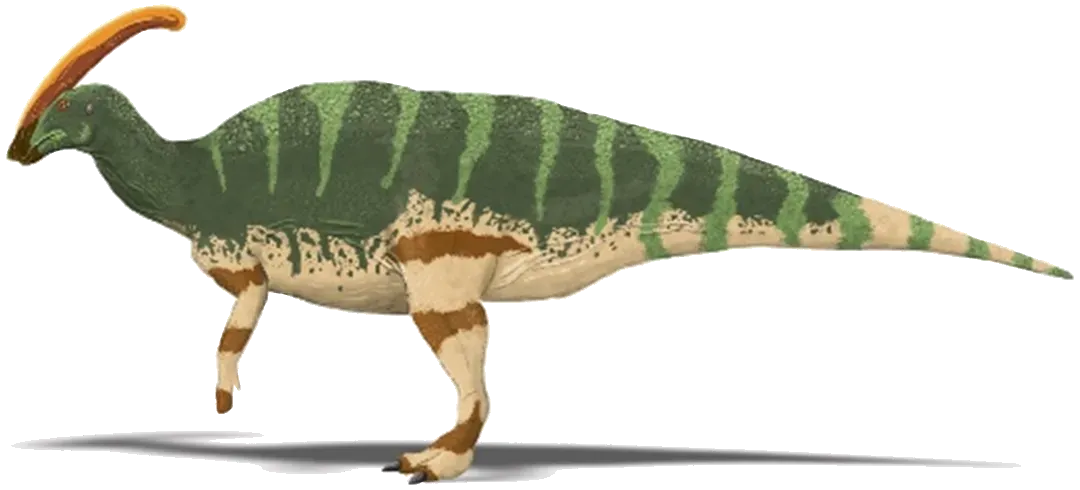
Parasaurolophus is one of those dinosaurs that makes you pause and think, “There is no way that thing is real,” thanks to the long, backward‑sweeping tube on its head. That crest was not just decoration; inside it ran an intricate system of hollow passages connected to the nasal cavity. Many paleontologists think it worked like a natural wind instrument, letting the animal produce deep, resonant calls that could carry a long distance.
Imagine a herd of these duck‑billed herbivores moving through a prehistoric floodplain, their crests turning them into living brass instruments communicating through haunting sounds. The crest may also have helped with visual display and possibly even temperature regulation, but the acoustic idea is the one that really fires the imagination. Standing next to a T. rex might be terrifying, but standing inside a forest echoing with low, booming calls from Parasaurolophus would feel just as otherworldly in a completely different way.
Deinocheirus: The Mismatched Giant With “Mystery Arms”
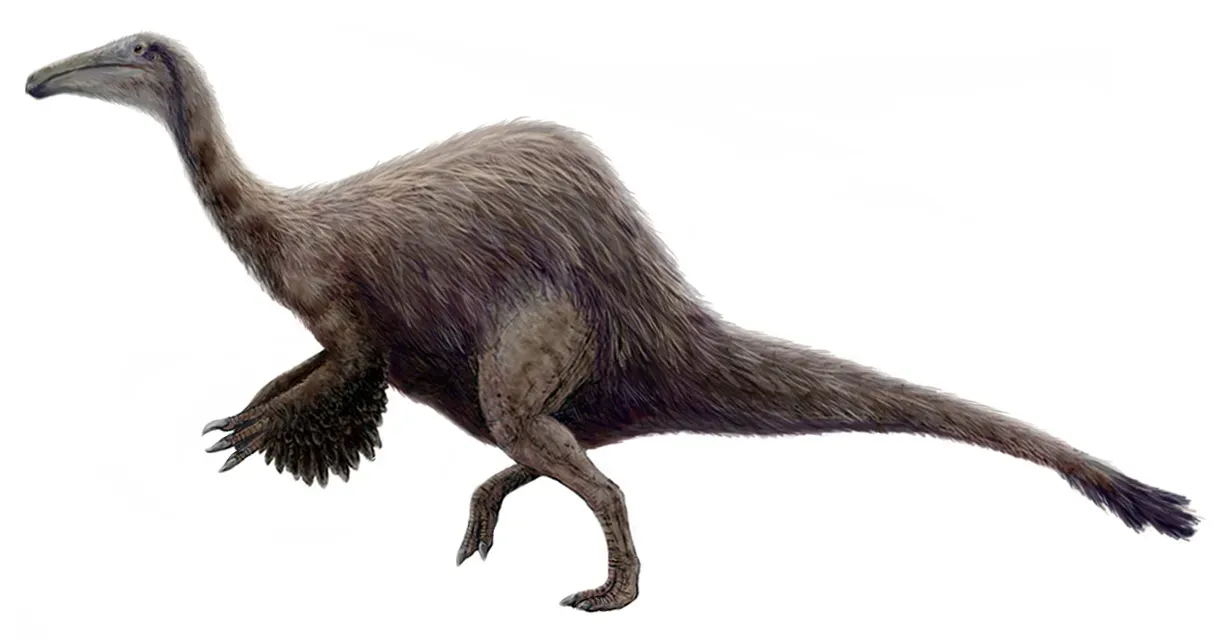
For decades, Deinocheirus was basically a pair of enormous arms and not much else, and that mystery gave it almost a mythic reputation. When more complete fossils finally turned up, they revealed a dinosaur that looked like it had been assembled from the spare parts of several different species: a long duck‑bill style snout, a humped back with high spines, massive clawed arms, and broad, flat feet. It was big too, roughly as long as some smaller predatory giants but built more like an overgrown, odd‑bodied omnivore.
Evidence from its gut contents and teeth suggests Deinocheirus ate plants, small animals, and whatever else it could scoop up in river environments, more like a strange mix of moose and stork than a classic killer theropod. To me, this is where it beats T. rex in sheer weirdness: while T. rex is firmly locked into the role of giant predator, Deinocheirus blurs the line between categories. It reminds us that evolution does not care what looks tidy on a museum label; it just keeps tinkering until something works.
Pegomastax: The Tiny, Fanged, Parrot-Faced Oddball
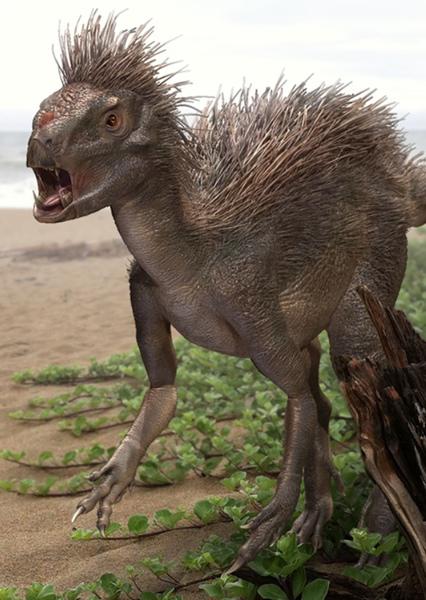
Pegomastax shows that you do not need to be enormous to be strange. This small dinosaur, only about the size of a house cat, had a short, beak‑like face reminiscent of a parrot, with sharp, fang‑like teeth jutting from the front of the jaws. Its body was likely covered in bristle‑like filaments, giving it a scruffy, almost mammal‑like texture that contrasts sharply with the scaly giants people usually imagine.
Despite those fierce little fangs, its teeth suggest a diet focused on plants, seeds, and maybe the occasional insect or small animal. I like to think of Pegomastax as the prehistoric version of a feisty backyard bird: small but constantly ready to defend itself with attitude far bigger than its body. Against the broad, blockbuster image of T. rex, this weird little creature reminds us that the dinosaur world was also full of scrappy, unconventional specialists eking out a living at ground level.
Amargasaurus: The Double-Spined “Goth” Sauropod
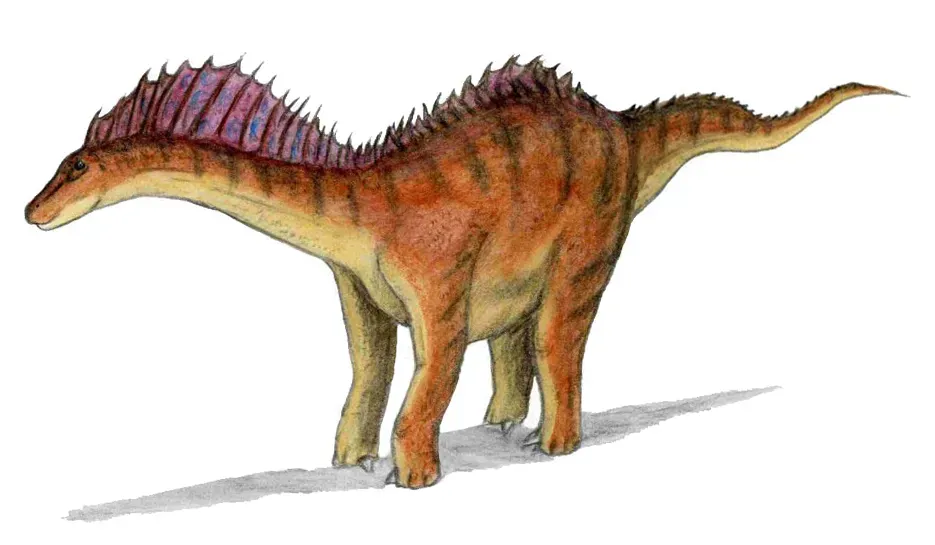
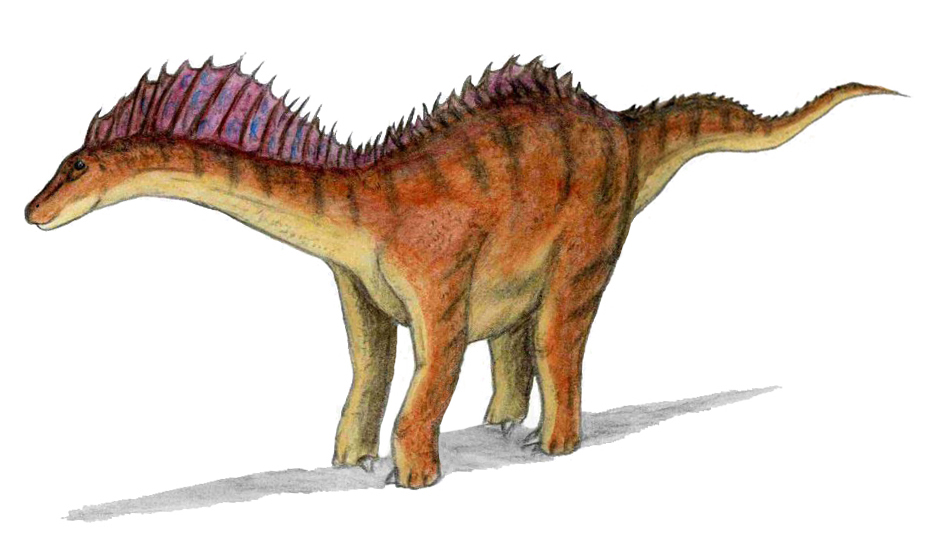
Most long‑necked sauropods followed a similar template: huge body, pillar‑like legs, long neck and tail, fairly understated heads. Amargasaurus broke that mold with a row of tall, paired spines running down its neck and upper back, like a dinosaur trying out a mohawk. These spines may have supported a sail of skin, or they might have stood more or less free as long bony spikes, either of which would have made the animal instantly recognizable from a distance.
There is still debate over whether this structure was mainly for display, defense, or some mix of both, but whatever the function, the visual impact is undeniable. Amargasaurus looks like a heavy metal album cover compared to the plain, sensible bulk of many other sauropods. Stack it next to T. rex, and you realize that even among the plant‑eating giants, evolution sometimes went full stylist instead of sticking to purely practical shapes.
Stygimoloch: The Spiky-Headed “Demon” of the Late Cretaceous
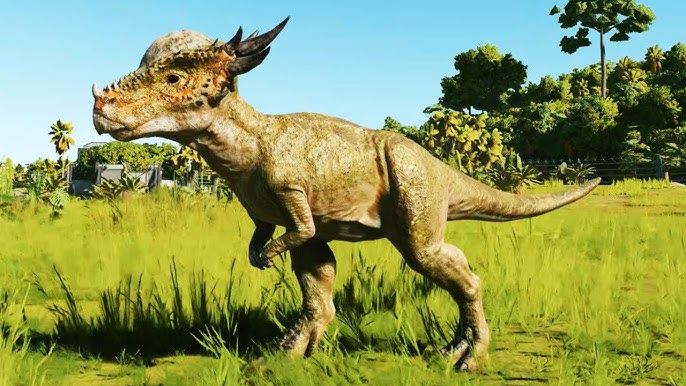
With its thick, dome‑shaped skull surrounded by fearsome spikes, Stygimoloch looks like it walked straight out of a fantasy illustration. Its name even nods to that impression, referring to a river of the underworld and making it sound like a demon dinosaur. The skull bones were dense and sturdy, and many researchers think these domed pachycephalosaur dinosaurs used their heads as battering rams, either by ramming each other in contests or pressing and shoving side by side.
There is an ongoing debate about whether Stygimoloch is truly a separate genus or a growth stage of another dome‑headed dinosaur, but either way, the anatomy is striking. Those spikes and the solid skull suggest a life full of physical displays, like living, bone‑armored teenagers constantly testing each other. T. rex certainly had more raw firepower, but in terms of style and strange behavioral hints locked into the skeleton, Stygimoloch is in a whole different category of odd.
Conclusion: The Real Dinosaur World Was Weirder Than the Movies
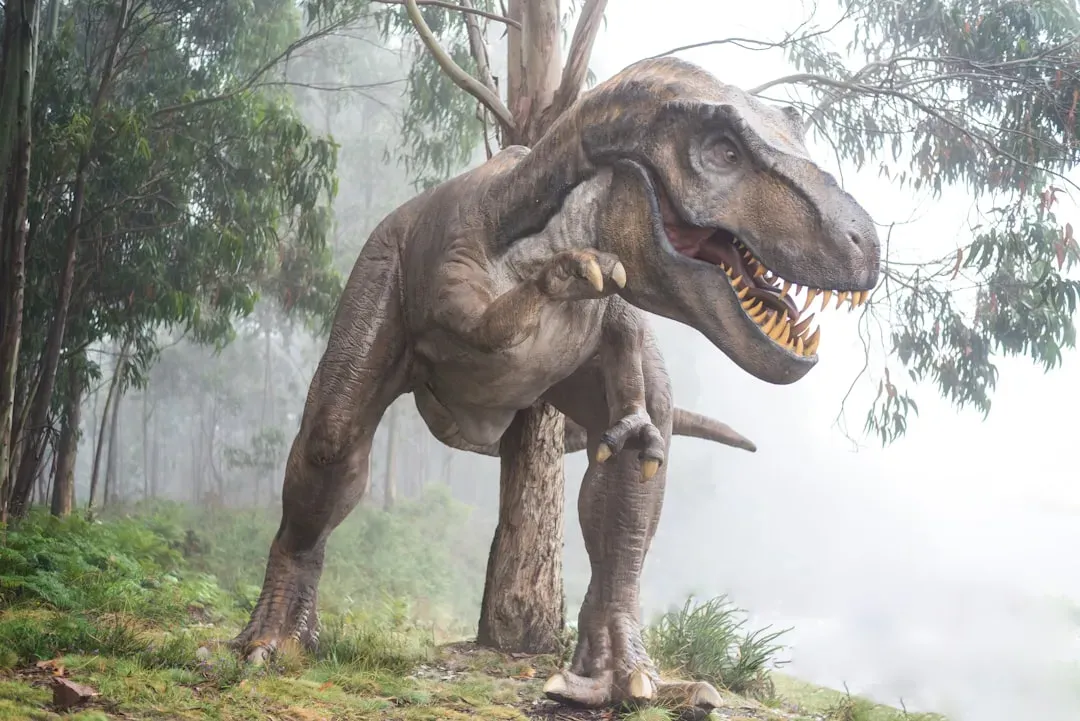
When you line these eight dinosaurs up, T. rex starts to feel almost conservative: big jaws, big teeth, giant predator, end of story. Spinosaurus dips in and out of rivers like a reptilian crocodile‑heron, Therizinosaurus wields garden‑tool claws on a plant‑eater’s body, and Ankylosaurus turns defense into a kind of prehistoric martial art. Parasaurolophus and Deinocheirus show how far evolution can run with crests and odd limbs, while Pegomastax and Amargasaurus prove that both the tiny and the towering could look downright experimental.
Personally, I think our long obsession with T. rex has made us underestimate how wild the dinosaur age really was. The fossil record tells a story full of anatomical risks and eccentric designs, from spiked skulls to house‑sized sails, that makes any movie monster look almost restrained. The more we dig, the clearer it becomes that weirdness was not the exception but the rule in prehistoric ecosystems. Next time you picture dinosaurs, will you still imagine only the big toothy tyrant, or will one of these stranger creatures steal the spotlight in your mind instead?