If you could time‑travel to during the age of dinosaurs, you wouldn’t recognize the place. Seas sliced the continent in half, volcanoes rumbled, and herds of reptiles the size of buses and buildings stomped over ground that now holds our cities and highways. It is both thrilling and a little unsettling to realize that the calm landscapes we know today were once the backdrop for some of the most dramatic animal lives in Earth’s history.
What makes these ancient giants feel strangely close is that we keep finding their bones in everyday places: construction sites, road cuts, even behind shopping centers. The eight dinosaurs below did not just live in ; for their time, they owned it. From sharp‑toothed apex hunters to gentle long‑necked skyscrapers, each one ruled a different corner of the continent – and together they paint a wild, constantly changing world that humans arrived far too late to see with our own eyes.
Tyrannosaurus rex: The Tyrant of the Western Interior
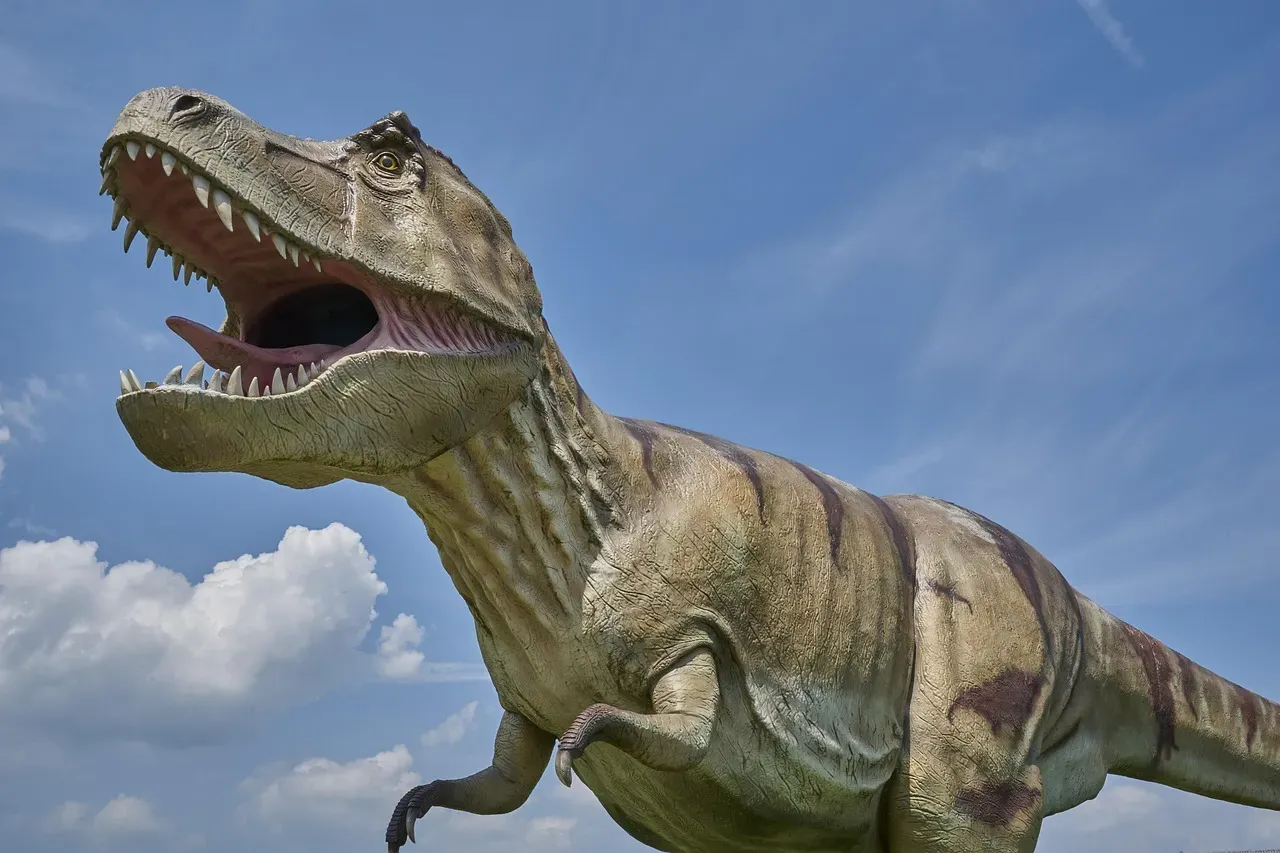
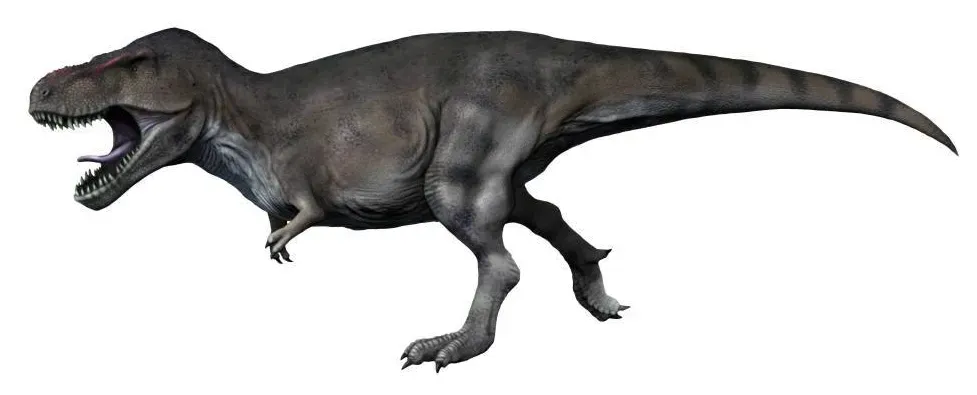
Tyrannosaurus rex is the one dinosaur nearly everyone can name, and honestly, it earned the hype. Living in what is now western about sixty‑six to sixty‑eight million years ago, T. rex stalked floodplains and coastal lowlands at the very end of the Cretaceous period, right before the mass extinction that wiped it out. It was a top predator in an ecosystem that included horned dinosaurs, duck‑billed herds, and smaller, fast‑moving carnivores, which meant it sat at the very peak of a complex food web.
This animal was absurd in almost every way: a skull longer than many people are tall, bone‑crushing teeth the size of bananas, and a bite force stronger than that of any land animal known today. The famously tiny arms, which look comical on museum skeletons, were actually thickly muscled and probably useful for gripping struggling prey or helping the animal rise from a resting position. When I first stood under a T. rex skeleton in person, it felt less like looking at a fossil and more like standing under a wrecking ball someone forgot to turn off – powerful, overbuilt, and clearly designed to dominate.
Triceratops: The Horned Tank of the Late Cretaceous
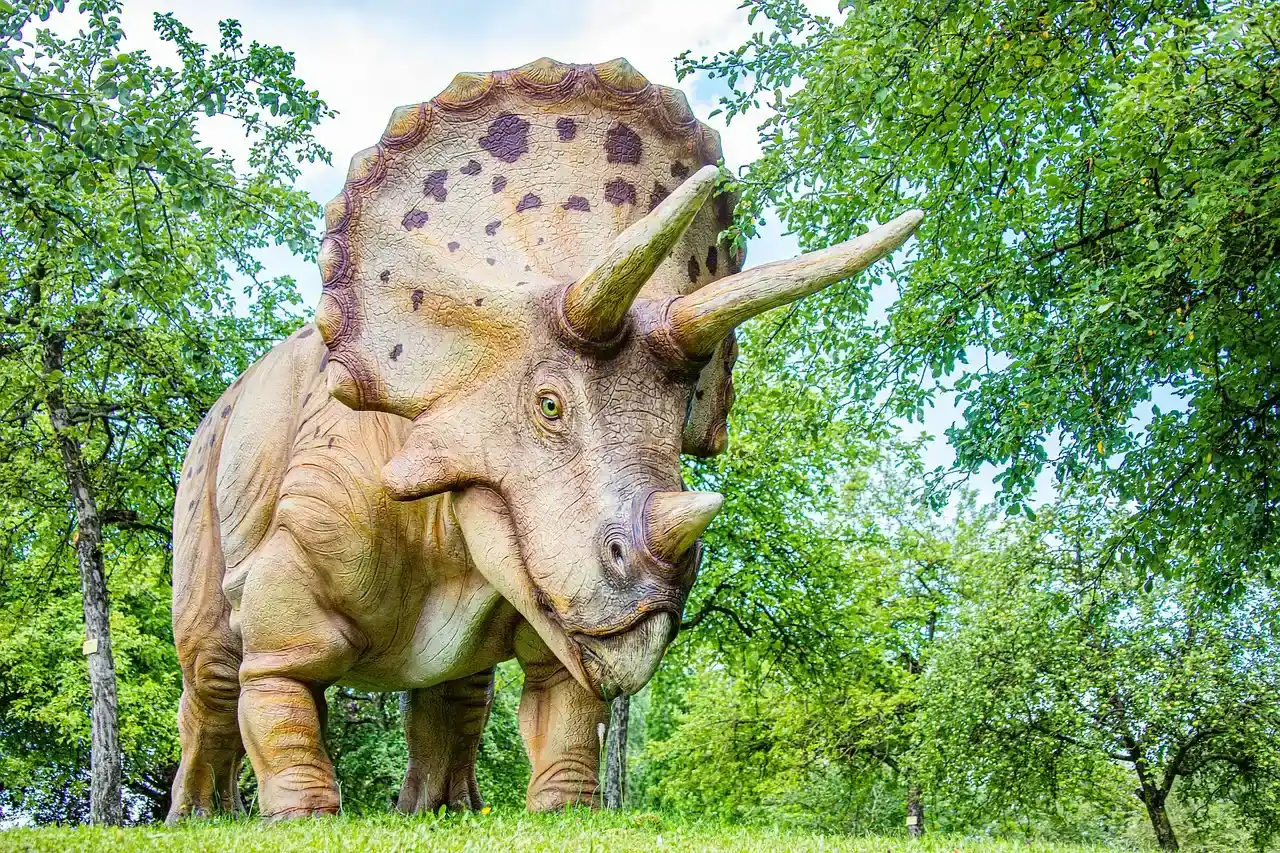
Triceratops may look peaceful at first glance, with its beaked mouth and lumbering body, but it was basically a walking tank. Roaming the same Late Cretaceous landscapes as T. rex in what is now the western United States and Canada, this three‑horned giant grew to the size of a large truck, with a heavy skull shielded by a solid bony frill. Its neck and shoulders were built like a linebacker’s, wide and powerful, supporting that massive headgear.
Those iconic horns over the eyes, along with the shorter nose horn, were not just decorations. Evidence of healed wounds and horn damage suggests they were used for fighting – probably for territory, mates, or defense against predators. Imagine two multi‑ton Triceratops colliding horn‑first, like a prehistoric version of jousting. At the same time, the frill and horns were almost certainly used in visual displays, a bit like how modern deer or antelope size each other up. That mix of brute force and subtle signaling makes Triceratops feel surprisingly familiar, like a cross between an armored vehicle and a very stubborn cow.
Velociraptor’s Bigger Cousin: Deinonychus and the Raptor Revolution
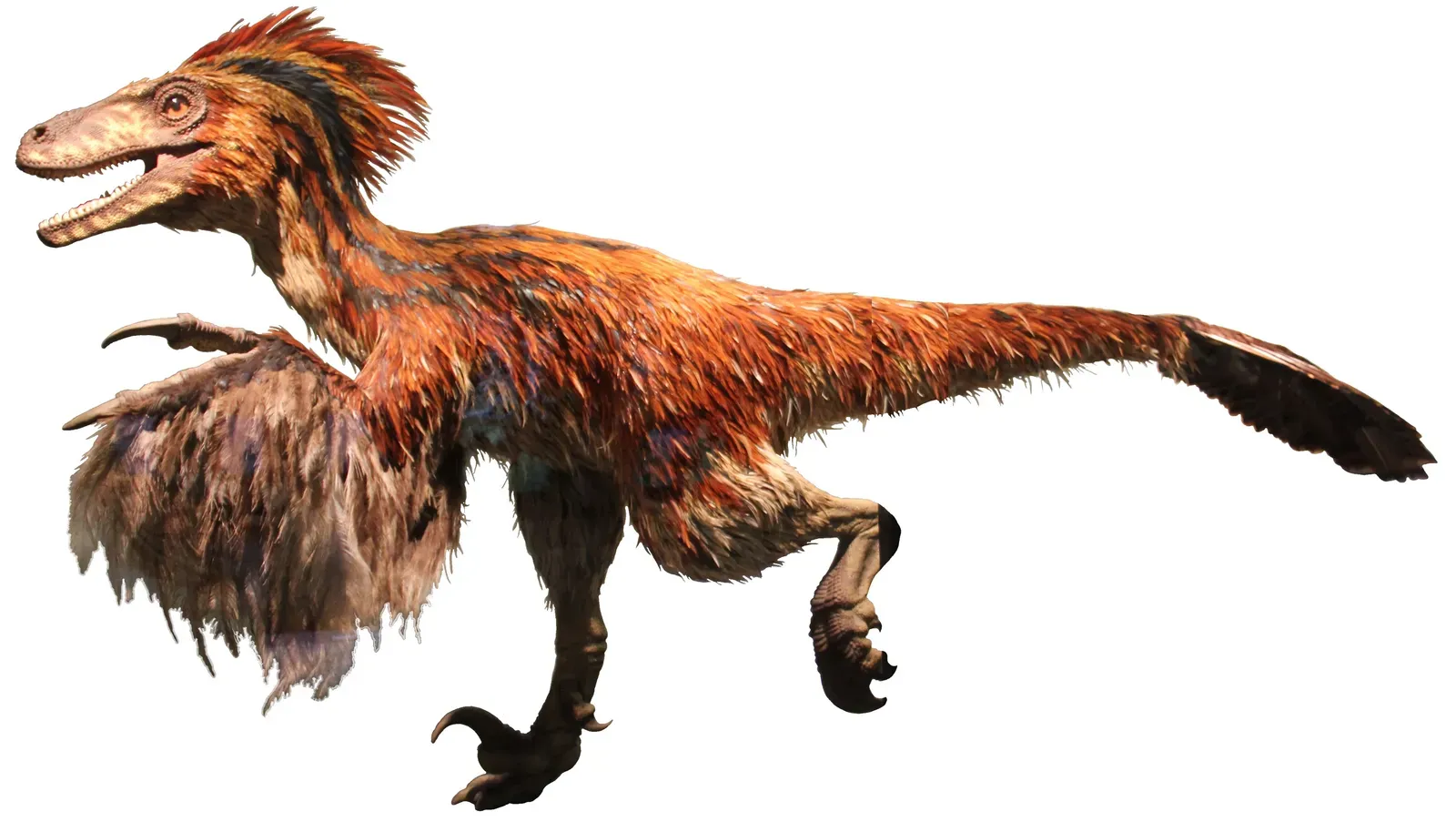
When people think of “raptors,” they often picture the slender, intelligent pack hunters from the movies called Velociraptor. In reality, the animal that inspired that image was more like Deinonychus, a larger, n dromaeosaur that lived during the Early Cretaceous in what is now the western and southern United States. Deinonychus was not massive, but it was terrifying in a different way: it was built for agility, with a long tail for balance and a signature curved claw on each foot used for gripping or slashing prey.
What makes Deinonychus truly important is not just its fear factor, but what it did to dinosaur science. Fossils of this animal were found alongside the bones of its prey, suggesting active, dynamic hunting behavior rather than sluggish, tail‑dragging laziness. That evidence helped trigger a major scientific shift in the twentieth century, overturning the old idea that dinosaurs were slow and stupid. For many paleontologists, Deinonychus was the animal that rebooted dinosaurs as warm‑blooded, bird‑like athletes, which is a wild legacy for a predator that only a few people outside the dinosaur fandom can name correctly.
Edmontosaurus: The Unsung Workhorse of the Northern Plains
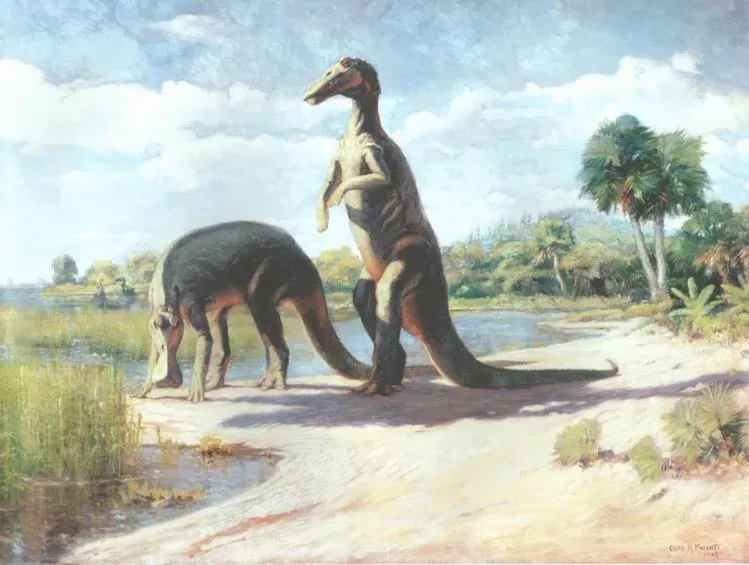
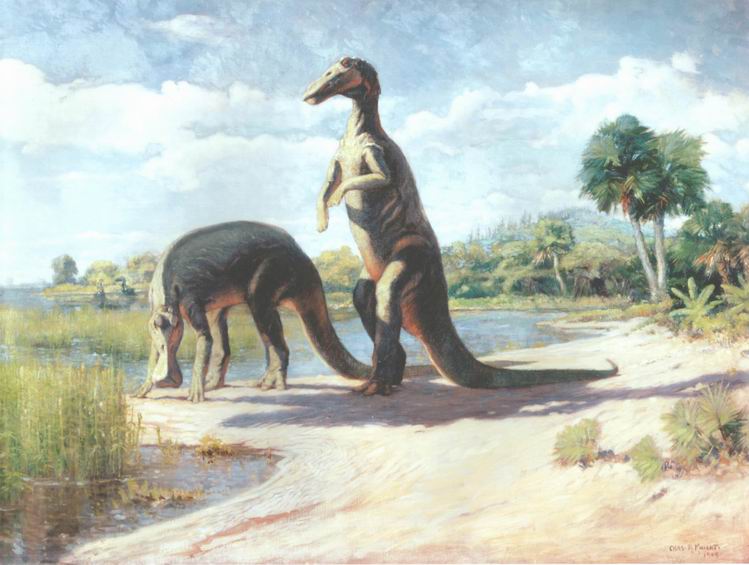
Not every dinosaur ruler had horns or giant teeth. Edmontosaurus, a large hadrosaur or “duck‑billed” dinosaur, dominated Late Cretaceous floodplains from Alaska down through the western interior of . These animals likely moved in groups, maybe even large herds, grazing on tough plants with jaws packed full of grinding teeth. If T. rex was the lion of its ecosystem, Edmontosaurus was more like the bison – abundant, sturdy, and absolutely central to the food chain.
What fascinates me about Edmontosaurus is how it quietly underpinned the success of so many predators and scavengers. Its remains are found in huge numbers, sometimes as bone beds that hint at mass death events like floods or droughts. This suggests Edmontosaurus populations were high, and where you have large, predictable herds, you get rich predator communities and intense ecological drama. In a way, these big herbivores ruled through sheer numbers and staying power, proving that in nature, dominance does not always mean being the scariest – it can also mean being the species everything else depends on.
Allosaurus: The Jurassic Apex Hunter
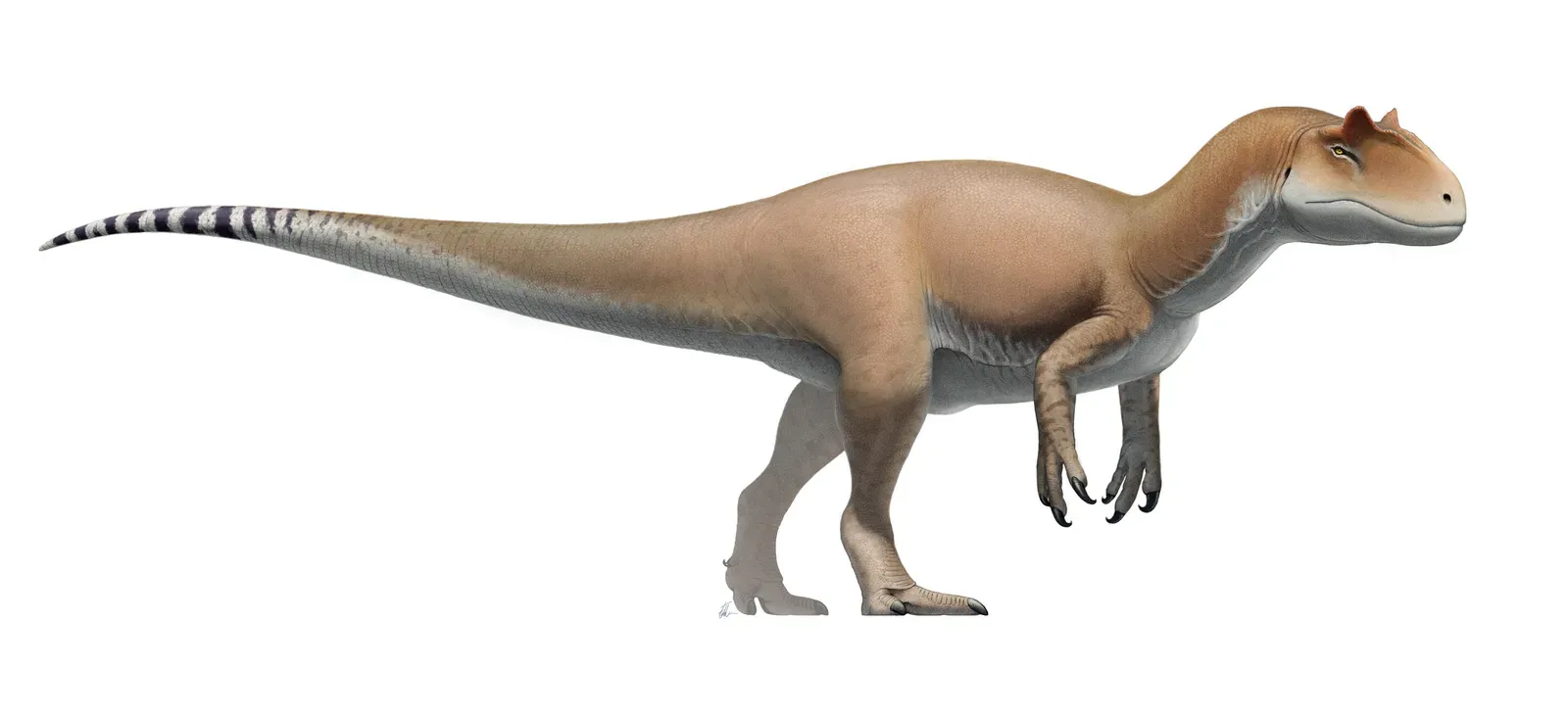
Long before T. rex appeared, Allosaurus was already ruling parts of as a top predator during the Late Jurassic period. Its fossils are especially common in formations like the Morrison, stretching across states such as Colorado, Utah, and Wyoming. Allosaurus was a large theropod with a lighter, more flexible build than T. rex, equipped with strong jaws, sharp teeth, and large, grasping claws on its hands.
What makes Allosaurus stand out is how embedded it is in classic Jurassic ecosystems. It hunted or scavenged among long‑necked sauropods, stegosaurids, and smaller ornithopods, filling the same sort of role big cats fill on African savannas today. I like to think of Allosaurus as the “prototype” mega‑predator: not as overengineered as T. rex, but incredibly successful for millions of years. Fossil evidence, including injuries and healed bones, hints at rough lives full of combat, hunting mishaps, and survival against long odds – a reminder that ruling an ecosystem is rarely a peaceful job.
Stegosaurus: The Spiked Icon of the Jurassic West
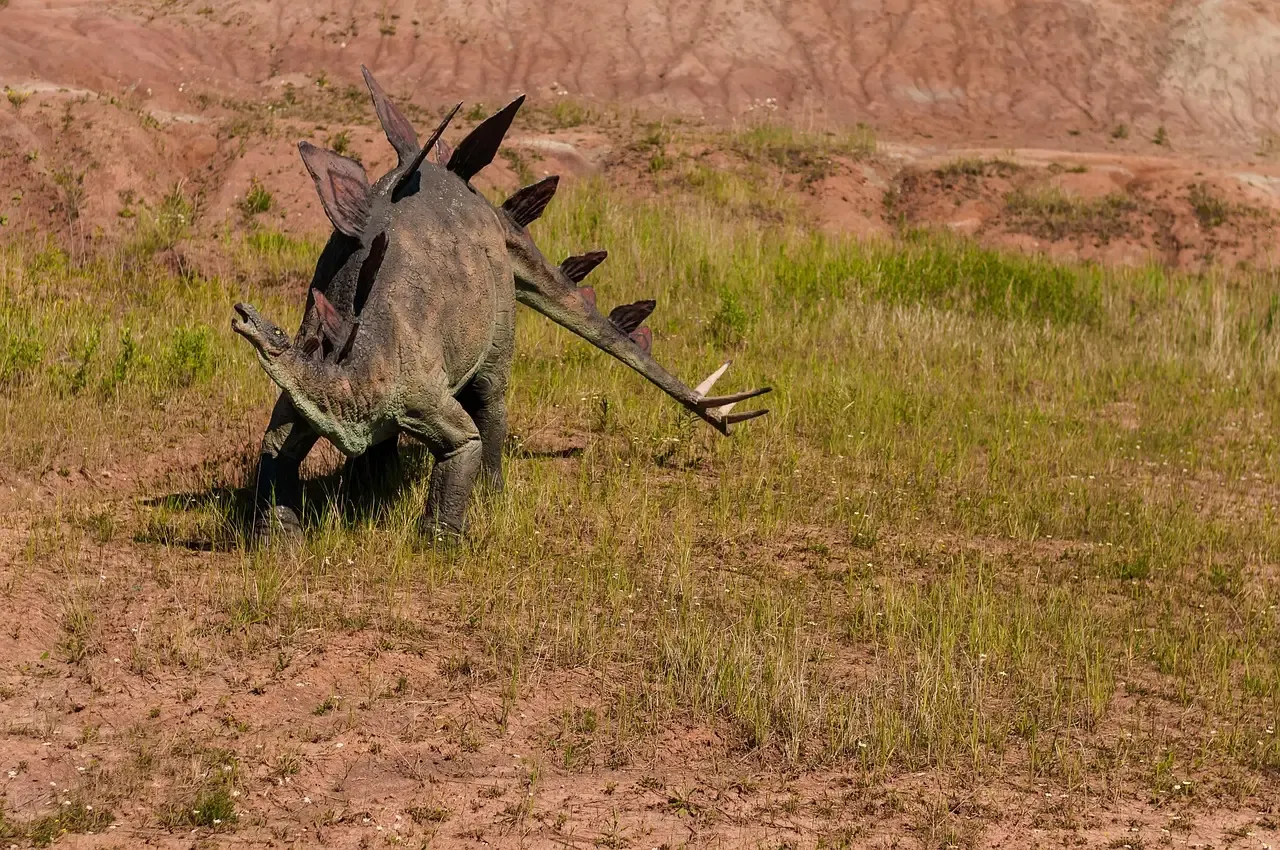
Stegosaurus is almost cartoonishly distinctive, with its double row of plates along the back and wicked tail spikes, yet it was very real and very at home in Jurassic . Living alongside Allosaurus in the Morrison Formation, Stegosaurus was a medium‑to‑large herbivore with a small head, beaked mouth, and robust body. Its brain was famously tiny relative to its size, which has led to a lot of jokes, but brain size alone does not define an animal’s success.
The plates and tail spikes are where things get interesting. The plates may have helped with display, species recognition, or even some degree of temperature regulation, while the spiked tail – sometimes nicknamed the thagomizer – was clearly built to hurt anything that attacked from behind. Imagine a predator misjudging that swinging tail and taking a spike to the ribs; suddenly, Stegosaurus looks less like a harmless plant‑eater and more like a living fortress with mood lighting. To me, Stegosaurus represents an earlier chapter of n dinosaur rule, when elaborate defense and visual flair were as evolutionarily successful as raw speed or intelligence.
Diplodocus and the Long‑Necked Giants of the West
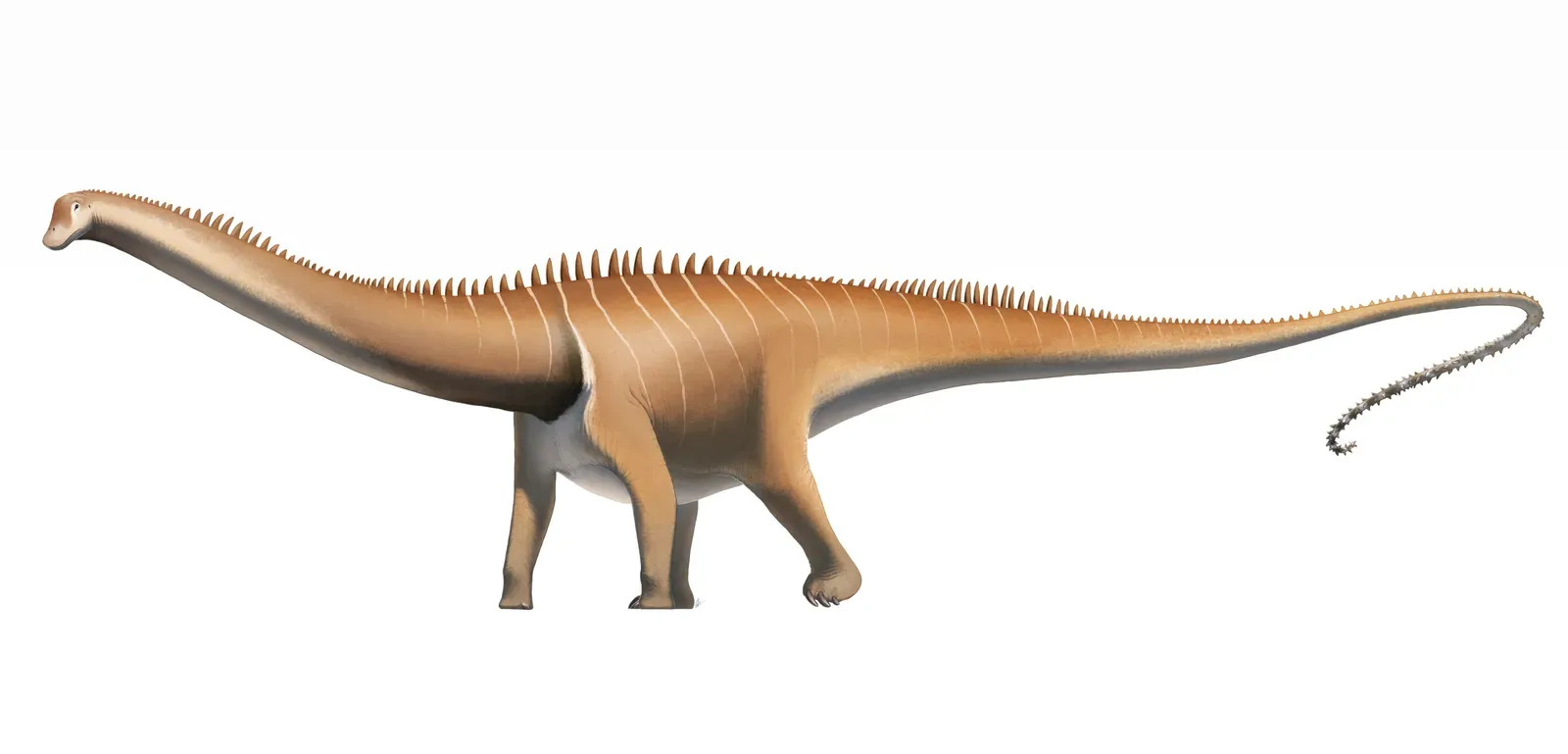
If there were true skyscrapers in Jurassic , they were sauropods like Diplodocus. This long‑necked giant roamed the same Morrison ecosystems as Allosaurus and Stegosaurus, browsing on vegetation other dinosaurs could not reach. Its body plan was extreme: a long neck, whip‑like tail, and columnar legs that supported tons of weight with surprising grace. Walking beside one would have felt like standing next to a moving bridge.
Diplodocus and its sauropod relatives ruled the plant‑eating niche not by being fast or heavily armored, but by scaling up to sizes that deterred many predators outright. A coordinated attack from multiple Allosaurus might bring down a juvenile or sick individual, but a healthy adult sauropod was likely a risky target. What I love about Diplodocus is how it forces us to rethink what is physically possible for land animals; it stretched anatomy to the limits, yet clearly worked, because these giants thrived for millions of years. In a world where size can be power, sauropods were the quiet, towering monarchs of their time.
Utahraptor: The Heavyweight Raptor of the Early Cretaceous
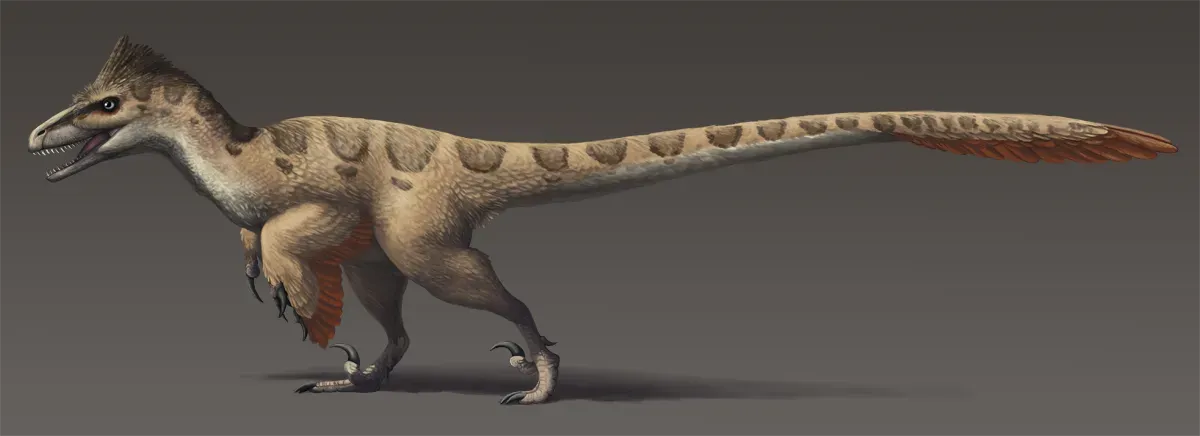
Utahraptor is what you get if you scale up the raptor body plan into something genuinely alarming. Found in Early Cretaceous rocks of what is now Utah, this dromaeosaur was far larger than the Velociraptor made famous in pop culture, with a sickle‑shaped claw on each hind foot that could reach the length of a human forearm. It combined the agility and balance typical of raptors with raw physical heft, making it one of the most formidable mid‑sized predators of its era in .
Fossil evidence hints that Utahraptor may have hunted in complex environments like dune fields or forested areas, possibly taking on prey larger than itself. Whether it truly hunted in coordinated groups is still debated, and it is easy for our imaginations to sprint ahead of the evidence. Even so, the idea of several Utahraptors working a slope together, harassing a panicked herbivore, is hard not to picture. To me, Utahraptor is a reminder that raptors were not just clever side characters in the dinosaur story; in the right setting, they were headline predators that could rule their local landscapes as effectively as any larger carnivore.
Conclusion: Who Really Ruled, and Does It Even Matter?
Looking across these eight dinosaurs, one thing jumps out: there is no single way to rule an ancient continent. Some, like T. rex and Allosaurus, owned their ecosystems with teeth and muscle, while others, like Edmontosaurus and Diplodocus, dominated through numbers, longevity, or sheer size. A horned fortress like Triceratops ruled by refusing to be an easy meal. Raptors like Deinonychus and Utahraptor added brains and agility to the mix, quietly shifting our entire understanding of what dinosaurs were capable of.
If I had to pick, I would argue that the real rulers of ’s dinosaur age were the big herbivores, because they shaped the landscapes, fed the predators, and anchored the food webs. Predators may steal the spotlight, but without vast herds of plant‑eaters, they would have had nothing to rule over in the first place. In the end, these animals did not “rule” in any human sense – they were simply astonishingly well adapted to worlds that no longer exist. Standing in a museum under their bones, though, it is hard not to feel like we are the temporary ones. So when you picture in deep time, which of these ancient giants do you see standing tallest in your mind’s eye?