
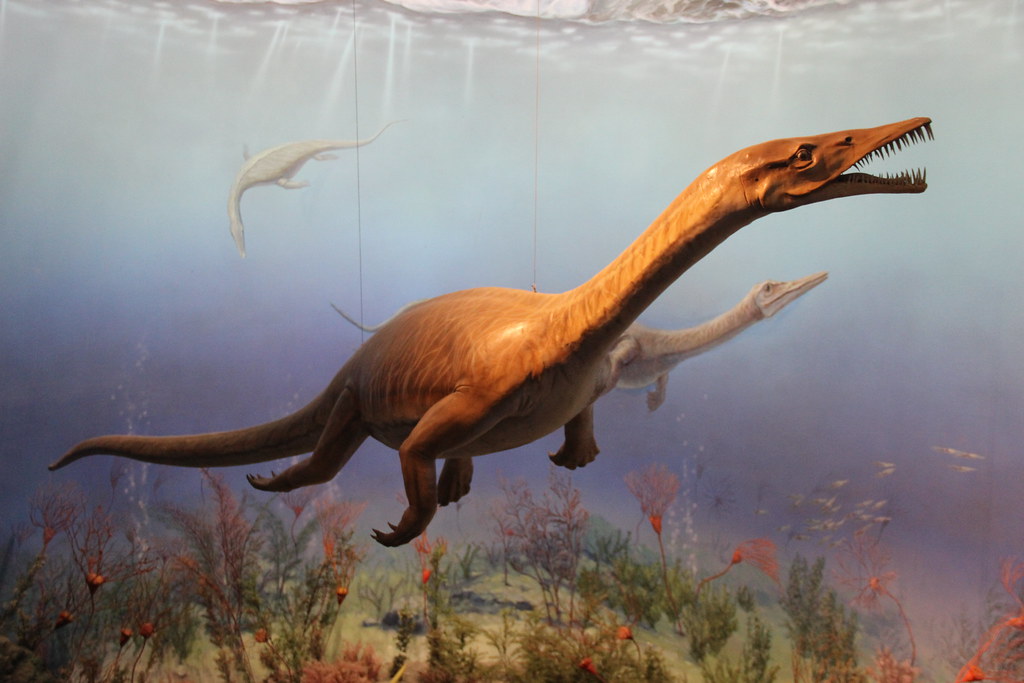
When most people think of prehistoric monsters, they jump straight to land stomping through jungles and deserts. But the real nightmares were in the water. Ancient seas were home to reptiles so bizarre, so alien-looking, they make even Tyrannosaurus look kind of basic by comparison.
These were not , but a whole different lineup of marine reptiles that ruled the oceans long before whales ever showed up. From crocodile-like speed demons to wide-eyed deep-sea hunters, each of these creatures pushes the limits of what we imagine life can look like. Let’s dive into seven of the strangest, and you can decide for yourself if were ever really the main event.
1. Mosasaurus – The Ocean’s Apex “Lizard Shark”
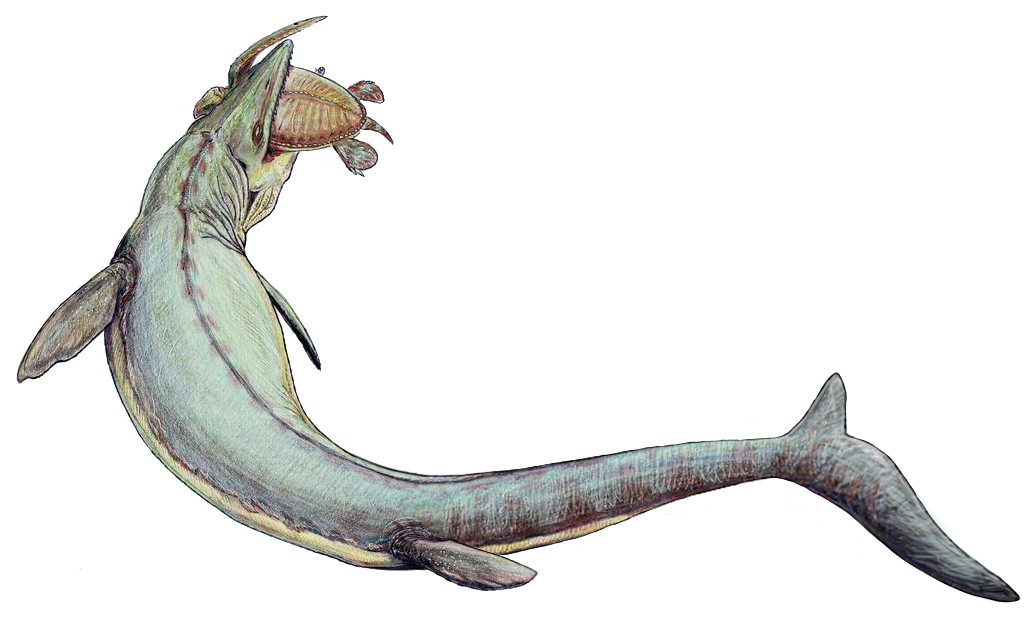
Mosasaurus is the one that looks like it crawled right out of a nightmare: a massive marine reptile with the basic body plan of a crocodile fused with a shark, then supercharged. It was not a dinosaur but a giant, fully marine lizard related more closely to modern monitor lizards and snakes. Some species stretched longer than a city bus, armed with rows of conical teeth perfect for grabbing and ripping apart anything unlucky enough to cross its path.
What makes Mosasaurus especially eerie is how adapted it was to life in the open ocean. Its limbs turned into paddle-like flippers, it had a powerful tail for fast bursts of speed, and its jaws were flexible enough to swallow large prey, a bit like modern snakes. Picture a reptilian torpedo cruising through ancient seas, ambushing fish, turtles, and even other marine reptiles. If dinosaurs had lived next door, they might have thought twice before going for a swim.
2. Elasmosaurus – A Neck That Broke the Rules
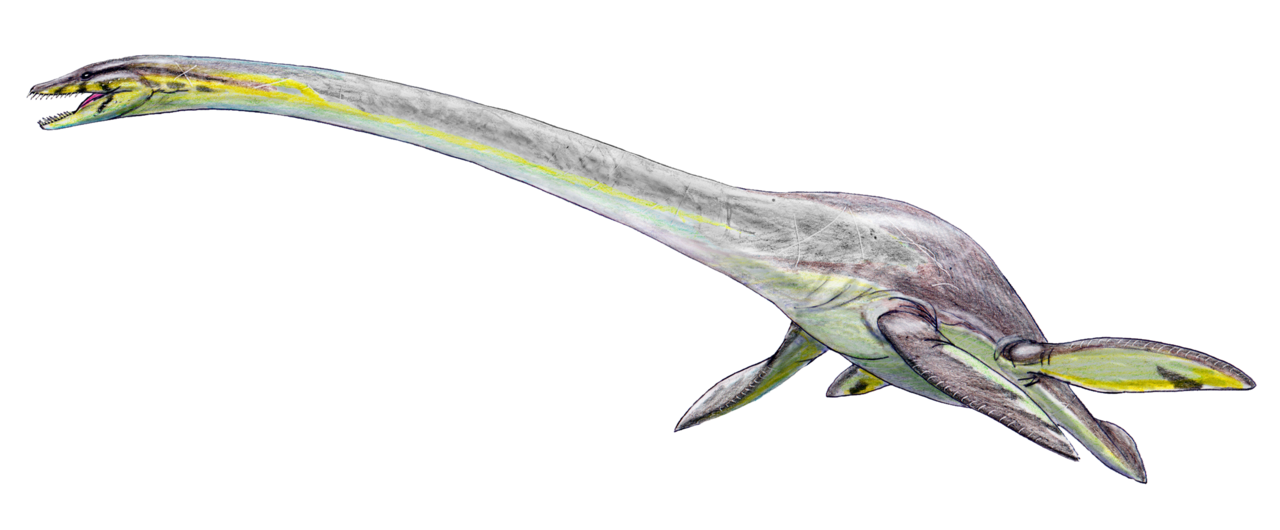
Elasmosaurus looks like someone took a normal reptile, grabbed its neck in a design program, and dragged the “length” slider way too far. This marine reptile had an absurdly long neck with dozens of vertebrae, making up more than half of its total body length. Imagine a reptilian body topped with a long, flexible stalk ending in a small, sharp-toothed head, like a snake glued onto a sea turtle.
Scientists still argue about exactly how it used that neck, which is part of why it feels so strange. It probably did not wave its head above the surface like a sea serpent; that would have been too heavy. Instead, it likely hovered with its body in deeper water while sweeping its head through schools of fish, snapping up prey with quick sideways motions. Compared to land dinosaurs, which mostly follow familiar body plans, Elasmosaurus feels like evolution just decided to experiment with geometry.
3. Thalattoarchon – The Giant That Ate Its Own Kind
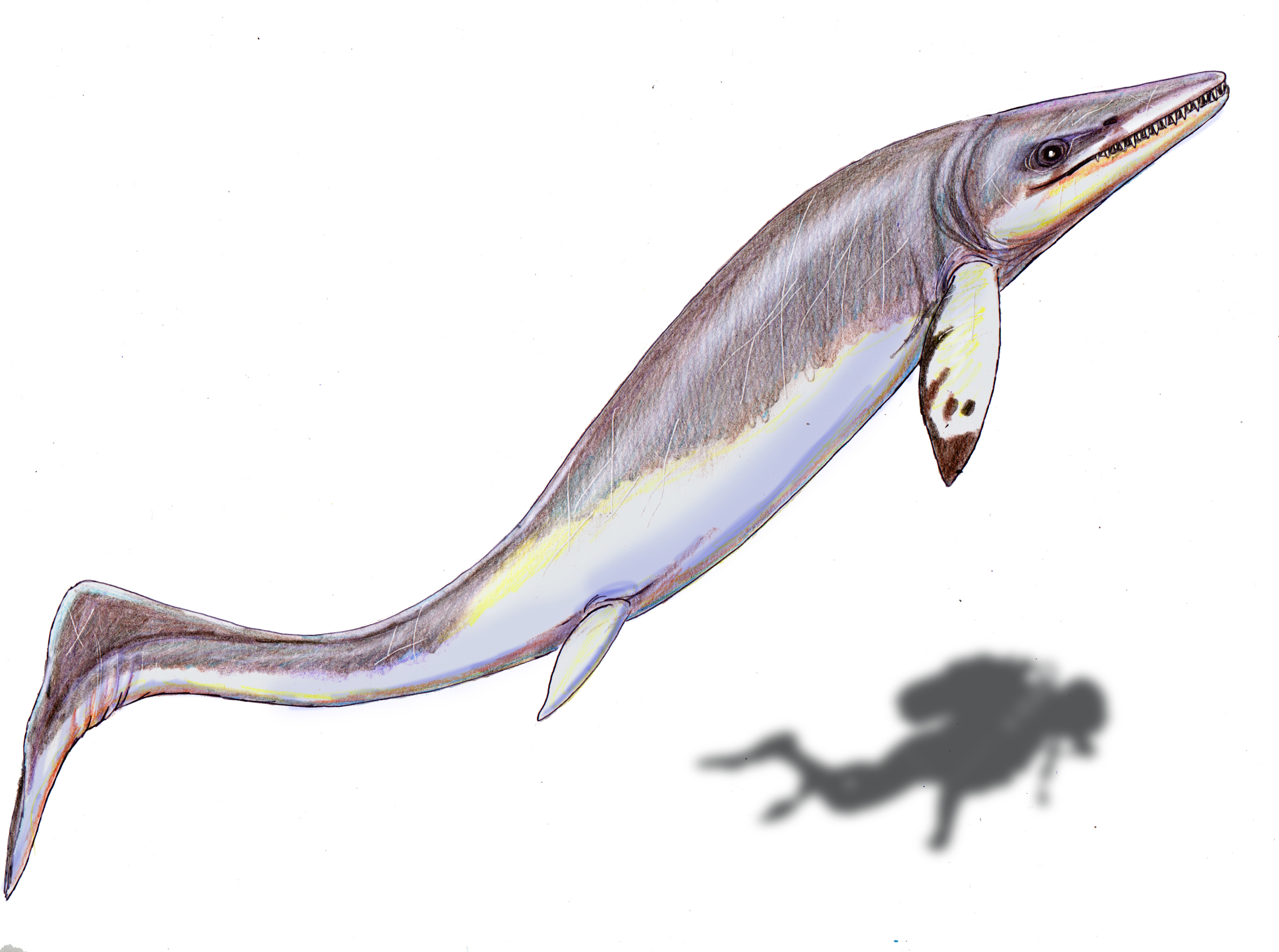
Thalattoarchon was an early ichthyosaur, part of a group of marine reptiles that looked a bit like fish or dolphins but were very much reptiles. This one stood out because it was big, powerful, and, based on its teeth, probably hunted other large marine animals about its own size. That alone earns it a spot on the “” list. It was like a reptilian orca long before mammals took over the oceans.
Its jaws were equipped with large, blade-like teeth that could slice through bone, not just grip slippery prey. This suggests it was a true top predator, not just grabbing little fish but tackling big, struggling victims. In a way, Thalattoarchon shows that the ocean got its giant, fast, brutal hunters very early after the end-Permian extinction, while dinosaurs on land were still figuring themselves out. On the weirdness scale, a reptile fish that eats other reptile fish is hard to beat.
4. Tylosaurus – The Spear-Headed Missile of the Sea
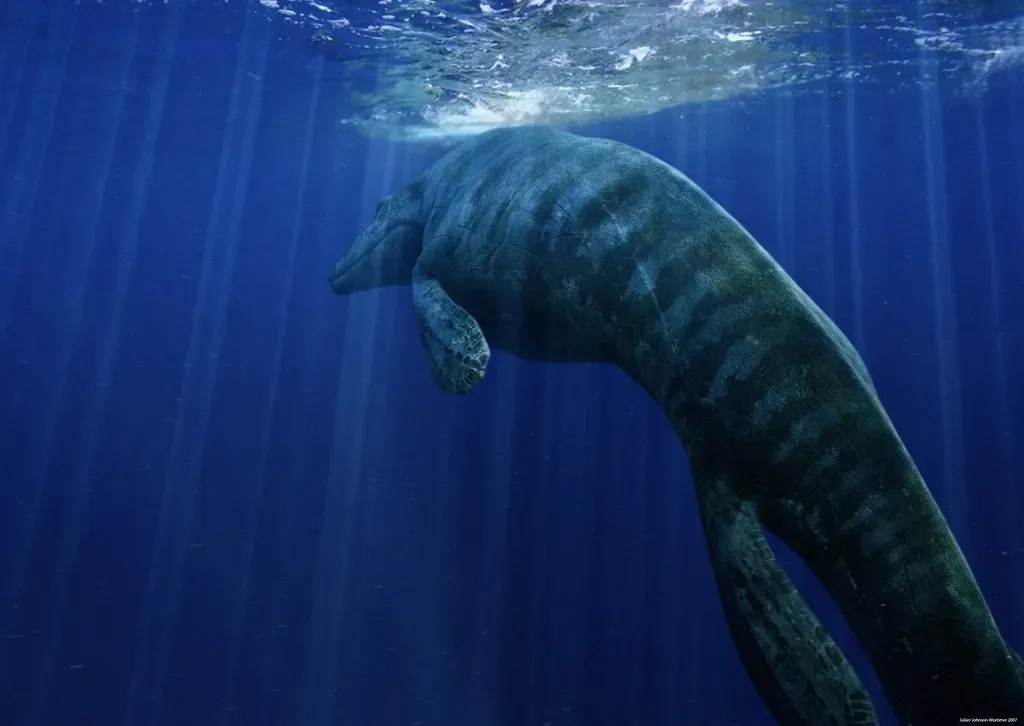
Tylosaurus was another mosasaur, but with a particularly menacing twist: a long, solid bony snout that acted like a battering ram. Instead of a mouth full of teeth right at the tip, it had a more extended snout ideal for ramming or stunning prey before biting in. Think of a submarine with a reinforced prow designed to smash into things, except this one also has jaws and attitude.
Fossil evidence suggests that Tylosaurus was not picky about what it ate. Remains found in its stomach include fish, birds, other marine reptiles, and even smaller mosasaurs. It ruled shallow inland seas like a living torpedo, propelled by a powerful tail and guided by keen senses. Dinosaurs might have reigned on nearby coastlines, but in those waters, Tylosaurus was the thing you absolutely did not want to meet, stranger and arguably more terrifying than anything stomping around on land.
5. Shonisaurus – The Whale-Sized Reptile Before Whales
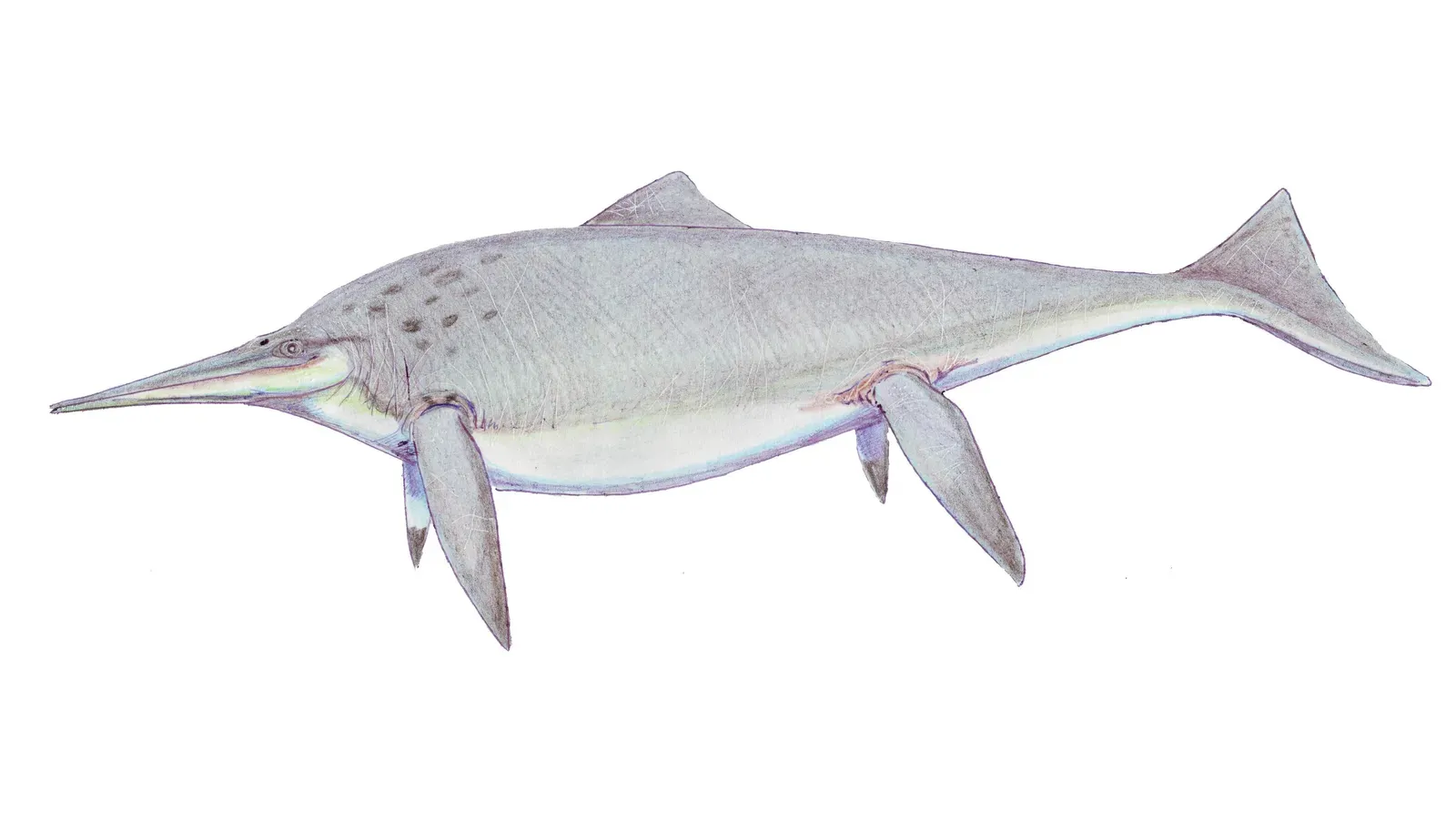
Shonisaurus is one of those creatures that quietly forces you to rethink the history of life. This enormous ichthyosaur grew to lengths comparable to modern whales, yet it lived tens of millions of years before whales even existed. With its long, streamlined body, paddle-like limbs, and large eyes, it looked more like a sleek aquatic machine than a typical reptile.
What makes Shonisaurus so strange is how it converged on a body plan similar to whales and big fish while coming from a completely different starting point. Its skull and teeth suggest it maybe fed on soft-bodied prey like squid, cruising vast open oceans in slow, powerful movements rather than sprinting like smaller predators. There is something deeply eerie about knowing that giant reptiles had already claimed the “whale role” in the ecosystem long before mammals ever got the chance.
6. Henodus – The “Turtle” That Wasn’t a Turtle
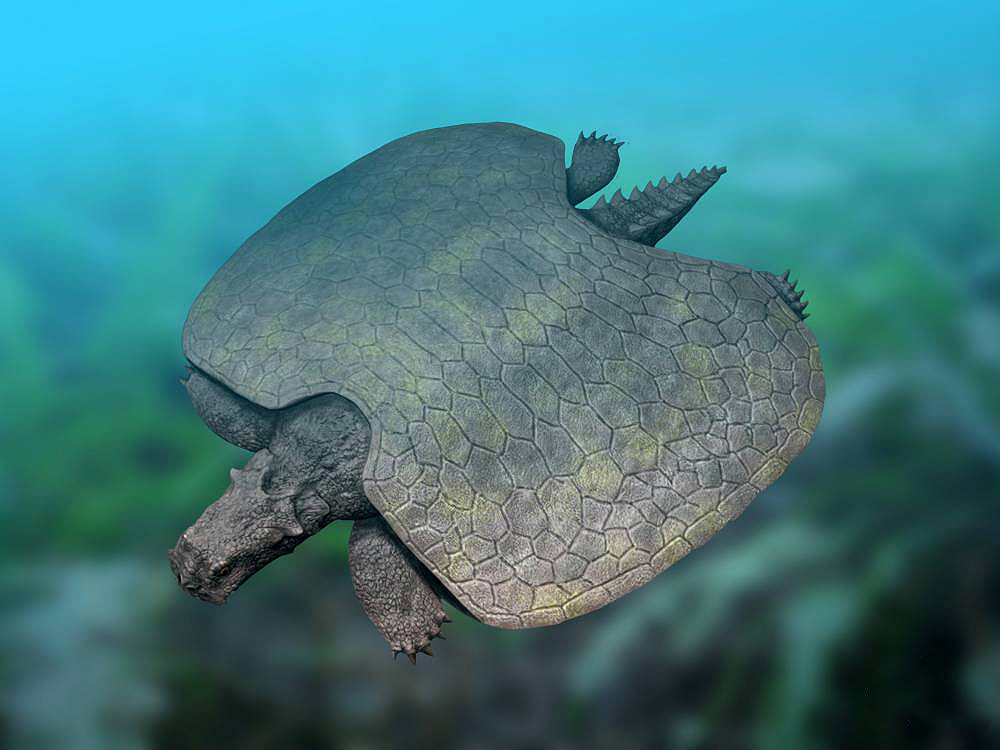
Henodus is not the biggest or scariest marine reptile, but it might be one of the strangest-looking. At first glance, you could easily mistake it for a turtle: it had a broad, flat body and a shell-like structure covering its back. But it was actually a placodont, a different group of marine reptiles, and its “shell” evolved independently from that of turtles. It is a reminder that nature loves to recycle good ideas in weirdly different ways.
Instead of being a fast predator, Henodus seems to have been a slow-living specialist, probably feeding in shallow lagoons or coastal waters. Its front part of the mouth is narrowed, possibly adapted for filter-feeding or nibbling on plants or small invertebrates. Compared to fierce, toothy dinosaurs, Henodus looks like an aquatic oddball, more like a living shield plate hugging the seafloor. Its strangeness is quieter but no less fascinating: it is the kind of creature you would never think to invent, yet there it was.
7. Ophthalmosaurus – The Giant-Eyed Deep-Sea Hunter
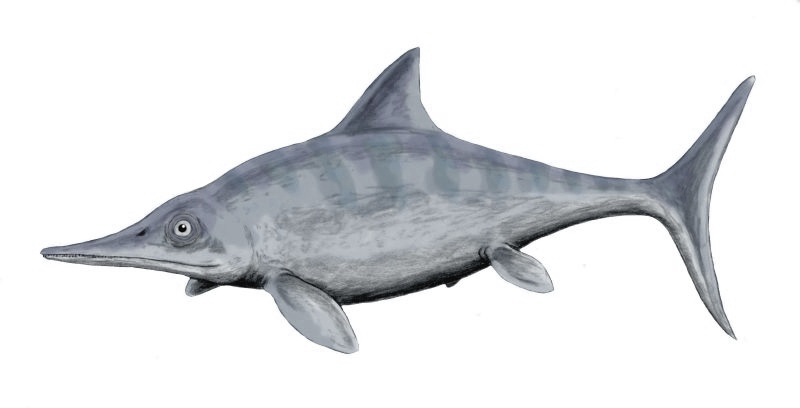
Ophthalmosaurus is proof that weird does not always mean huge or monstrous; sometimes it is about one exaggerated feature. In this case, it is the eyes. This ichthyosaur had some of the largest eyes, relative to body size, of any known vertebrate. Each eye was protected by a ring of bone, like built-in armor, suggesting it needed strong, stable eyes for life in demanding conditions such as deep, dark waters.
Those massive eyes probably gave it superb vision in low light, letting it dive deep and hunt in the gloom where other predators struggled. It likely chased fast prey like squid and fish, using a powerful tail and streamlined body to rocket through the water. Compared with land dinosaurs, which mostly had fairly ordinary eyes, Ophthalmosaurus feels strangely advanced, like a stealth submarine with night-vision gear. It is hard not to feel that if you dropped this animal into today’s oceans, it would fit right in with minimal adjustments.
Conclusion: Were Dinosaurs Really the Main Attraction?
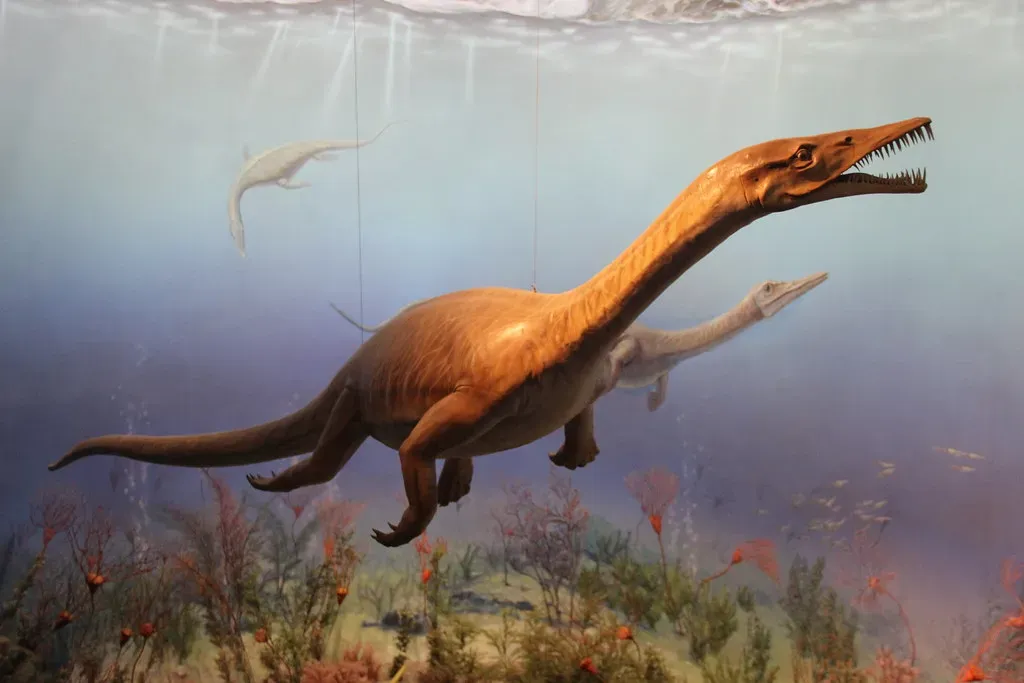
The more you look at these marine reptiles, the more land dinosaurs start to feel like only half the story. Yes, the big names on land get the museum posters and movie roles, but in the water, evolution was running wild with designs that seem more experimental, more daring, and honestly, more unsettling. From necks that stretch belief to eyes built for eternal twilight, these creatures pushed anatomy to places dinosaurs never quite reached.
Personally, I think if we could travel back in time, most of us would be less afraid of a tyrannosaur on a cliff than of whatever was lurking in the waves below. There is something about the unknown depth, the hint of movement just out of sight, that makes marine reptiles feel more alien and more dangerous. In a way, they remind us that Earth has always been stranger than our favorite dinosaur stories admit. So next time you picture the prehistoric world, ask yourself this: would you really rather walk the ancient shore, or dive into those reptile-haunted seas?