
Imagine diving into an ancient ocean where the rules of life look almost alien: armored fish the size of buses, squid-like hunters with shells like coiled rams’ horns, and sharks that look like they were designed by someone doodling in the margins of a notebook. were not just earlier versions of today’s oceans; they were strange, experimental worlds where evolution tried some truly wild ideas.
What makes these long‑extinct creatures so addictive to read about is how familiar and unfamiliar they feel at the same time. You can see echoes of them in modern sharks, squids, and whales, yet their shapes, teeth, and armor feel straight out of science fiction. Let’s dive into ten of the most and explore why they still capture our imagination millions of years later.
Dunkleosteus: The Armored Giant With Guillotine Jaws
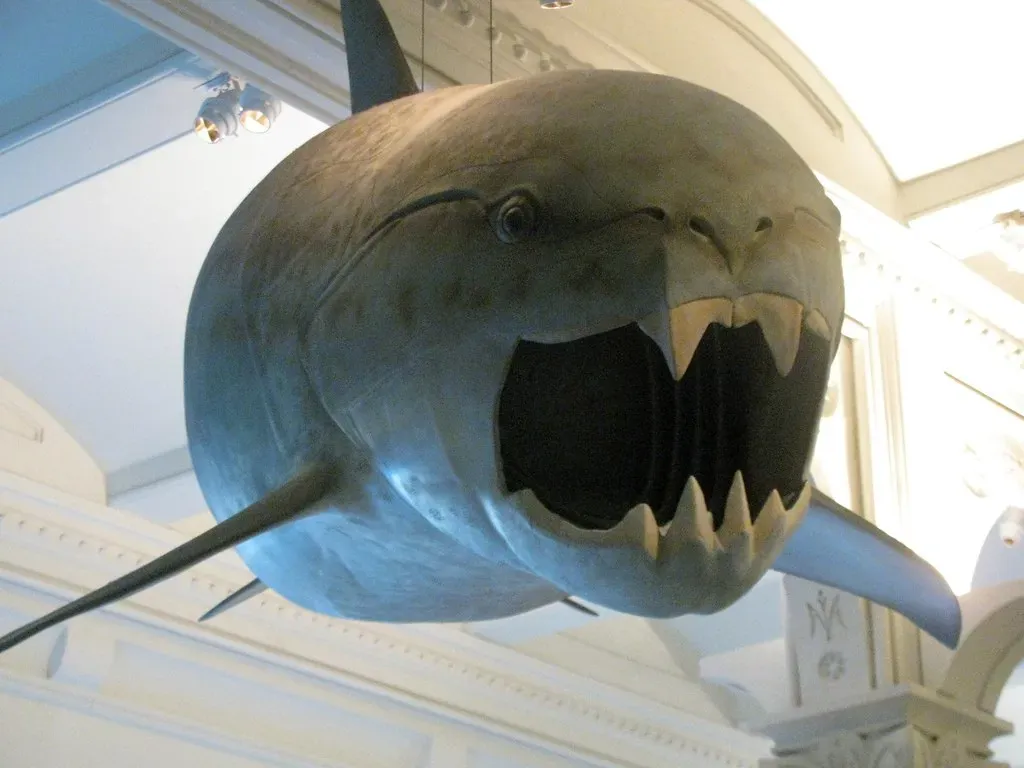
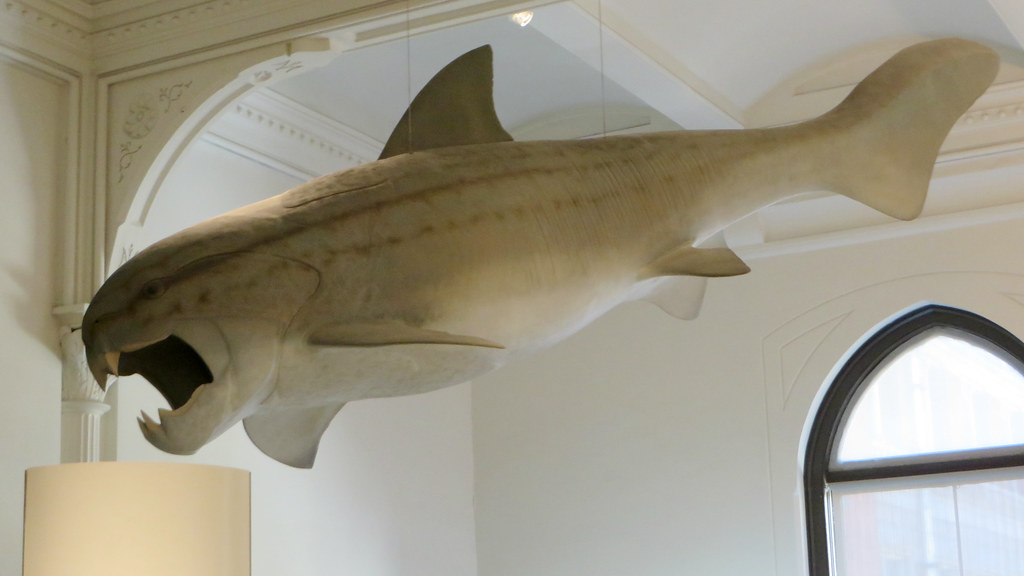
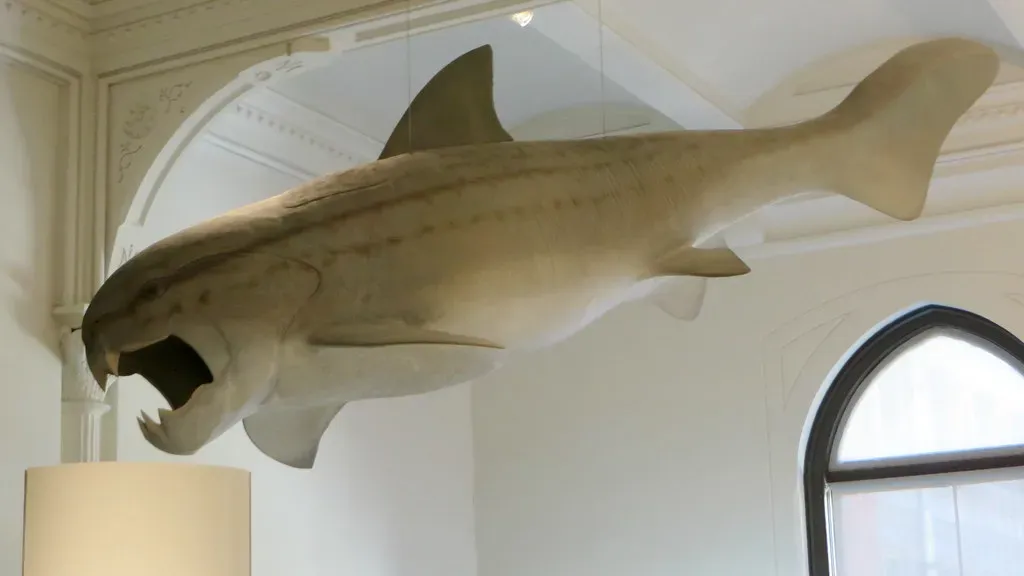
Dunkleosteus was a titan of the Devonian seas, a heavily armored fish that could grow longer than a small car and likely weighed as much as a modern rhino. Instead of regular teeth, it had sharpened bony plates that worked like a brutal guillotine, slicing through prey and even the armor of other ancient fish. Scientists estimate its bite force was among the most powerful ever produced by a fish, enough to crush thick shells and bones with terrifying ease.
What I love about Dunkleosteus is how purpose-built it looks for dominance, like evolution said, “Let’s see what happens if we overdo it.” Its front half was encased in thick, interlocking armor plates, but its rear was more flexible, built for strong bursts of speed. This combination of protection and power made it the perfect apex predator of its time, ruling the seas roughly about three hundred fifty million years ago before suddenly vanishing as the Devonian period came to a close.
Megalodon: The Super‑Sized Shark That Haunts Our Imagination
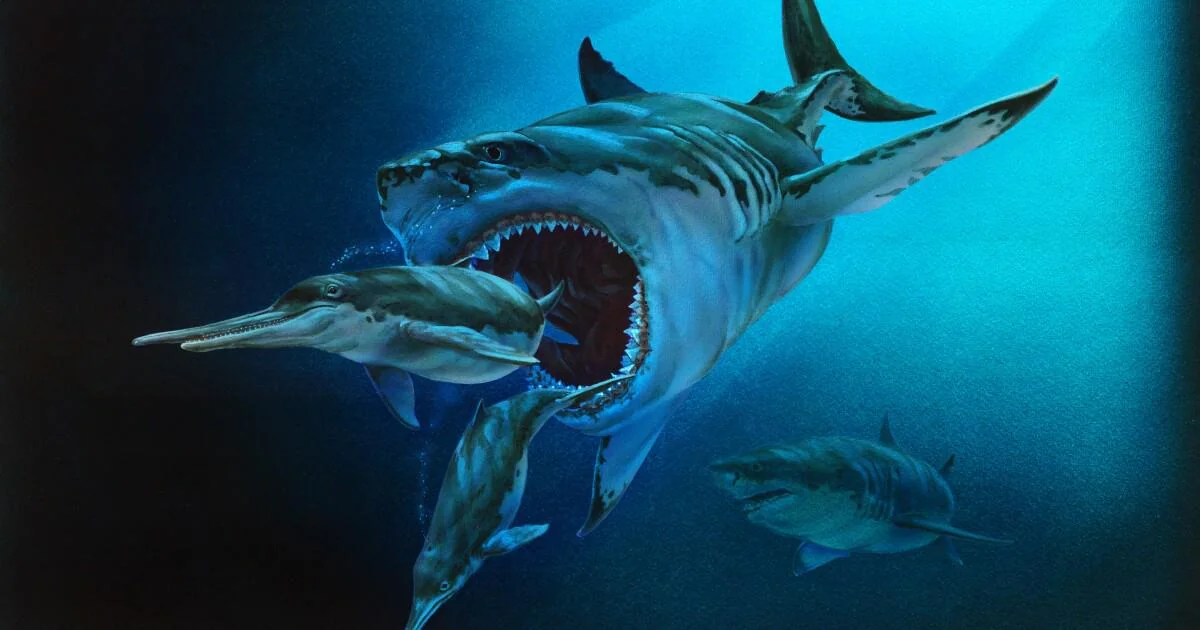
Megalodon might be the most famous prehistoric sea predator, and for good reason: it was a shark so massive that even modern great whites would look like snacks beside it. Estimates vary, but many researchers think it reached lengths similar to a city bus, with jaws wide enough to swallow a grown human in a single gulp. Its teeth, some longer than a human hand, are still found in sediments worldwide and are prized by fossil hunters.
There is something deeply unsettling yet fascinating about a predator this large roaming relatively recent seas, swimming alongside early whales and dolphins. Evidence suggests it preyed on marine mammals, biting through thick bone and blubber with ease, and may have preferred warmer waters. When you realize that it only disappeared a few million years ago, it feels weirdly close in time, like an almost‑modern monster that just barely missed humanity.
Mosasaurus: The Marine Reptile That Wasn’t a Dinosaur
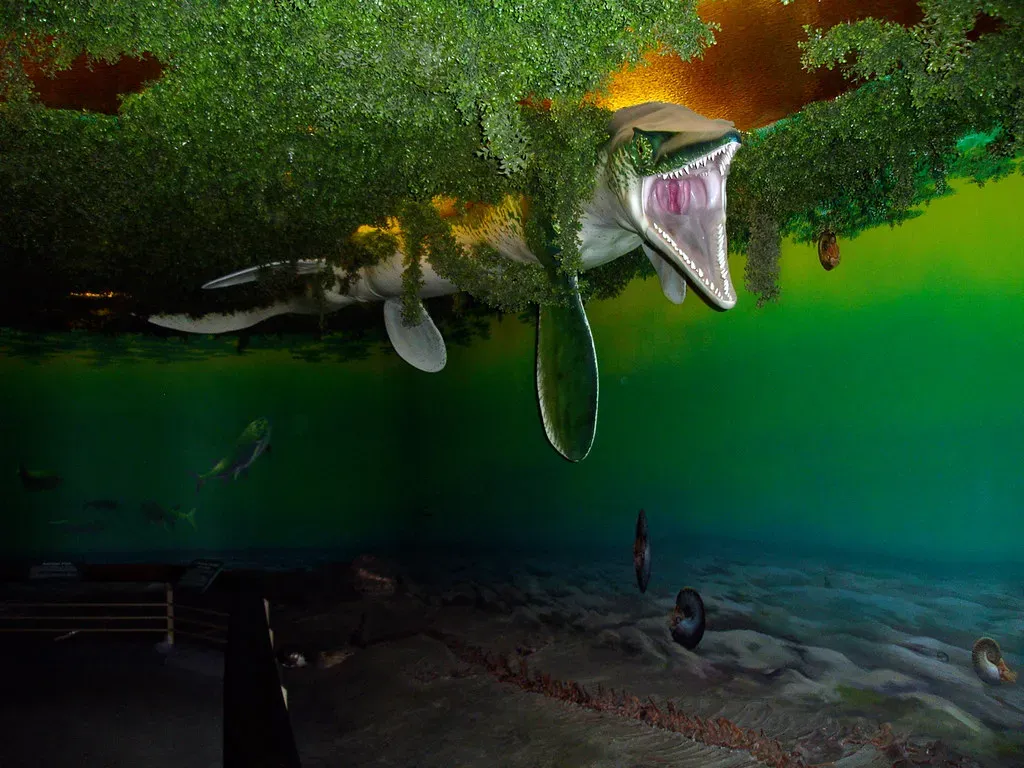
Mosasaurus is often lumped in with dinosaurs in popular culture, but it was actually a marine reptile, more closely related to monitor lizards and snakes than to T. rex. Picture a massive, torpedo‑shaped body, a powerful tail, and a long, crocodile‑like head lined with conical teeth perfect for seizing slippery prey. It cruised the Cretaceous seas, hunting fish, squid‑like animals, turtles, and probably even smaller marine reptiles.
What makes Mosasaurus so compelling is how it represents a complete lifestyle shift: land reptiles that moved back into the water and took over. Its limbs evolved into flippers, its tail developed a strong fin, and its lungs and metabolism adapted for a fast‑swimming, air‑breathing life at sea. If you imagine a mashup of a crocodile, a whale, and a giant monitor lizard, you’re not far off from the terrifying elegance of a Mosasaurus in motion.
Ammonites: Spiral‑Shelled Icons of Ancient Oceans
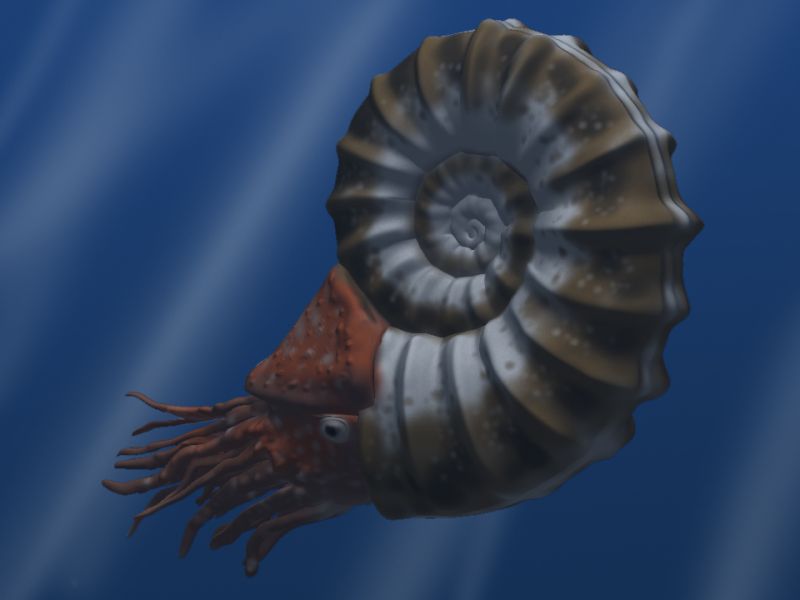
Ammonites are some of the most visually striking fossils you can hold in your hand: perfectly coiled shells with intricate inner chambers, often gleaming with iridescent colors after fossilization. They were cephalopods, relatives of squids and octopuses, that lived inside those shells and propelled themselves through the water using jets of water, just like modern squid. Inside the shell, gas‑filled chambers helped control buoyancy, allowing them to drift or dive as needed.
I think of ammonites as the “clock faces” of , because their fossils are so widespread and change so consistently over time that geologists use them to date rock layers. They filled countless ecological roles, from small plankton feeders to larger predators snapping up fish and crustaceans. When they disappeared at the end of the Cretaceous, along with the dinosaurs, an entire style of life – spiral‑shelled cephalopods dominating the open oceans – came to a dramatic close.
Opabinia: The Five‑Eyed Oddball of the Cambrian Seas
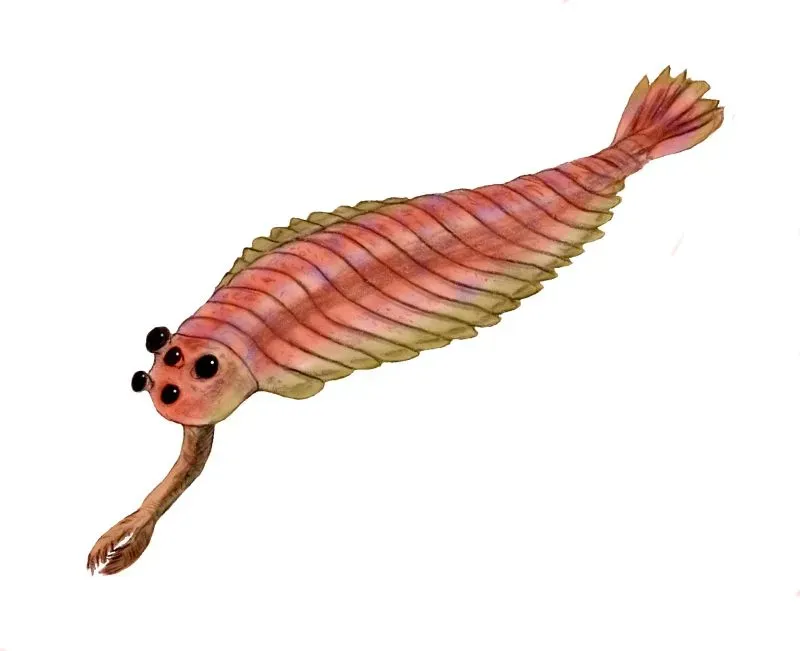
Opabinia looks so bizarre that when it was first presented to scientists, people reportedly laughed at the reconstruction. It had five eyes perched on top of its head and a long, flexible proboscis ending in a claw‑like structure, which it probably used to grab bits of food and pass them to its mouth. Its body was soft and segmented, with flaps along the sides for swimming and a fan‑shaped tail to help it maneuver.
To me, Opabinia is proof that early evolution was wildly experimental, throwing out body plans that would never be repeated. Living in Cambrian seas more than five hundred million years ago, it likely sifted through the seafloor, scavenging or hunting small organisms. It is not just an oddity; it is a window into a time when life was still figuring out the basic “design templates” of complex animals, long before familiar creatures like fish or squid evolved.
Leedsichthys: The Gentle Giant Filter Feeder
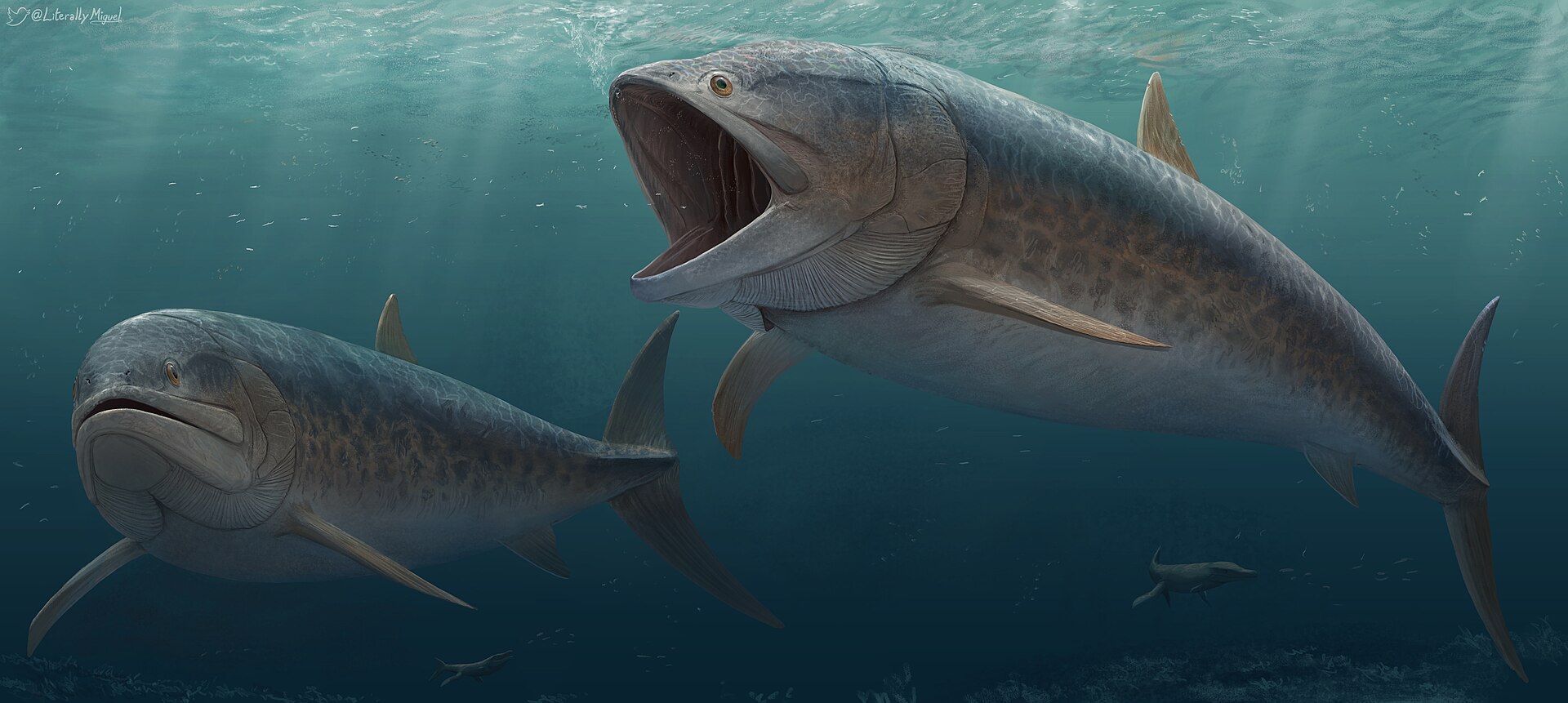
Not all prehistoric sea monsters were predators; some were massive, peaceful filter feeders, and Leedsichthys is a stunning example. This enormous bony fish from the Jurassic period may have reached lengths comparable to a train car, yet it fed mostly on tiny plankton floating in the water. Its gill structures were specialized to strain out these microscopic organisms as it swam with its mouth open, similar to how modern whale sharks and basking sharks feed.
I find Leedsichthys strangely calming to think about, like a slow‑moving cloud gliding through a sunlit ancient sea. While other marine reptiles and sharks clashed in violent hunts around it, this giant just cruised, hoovering up the small stuff that most animals ignored. The existence of such a huge fish built on such tiny food shows how rich and productive those oceans must have been, and it reminds us that size and ferocity do not always go hand in hand.
Liopleurodon: The Short‑Necked Powerhouse of the Jurassic Seas
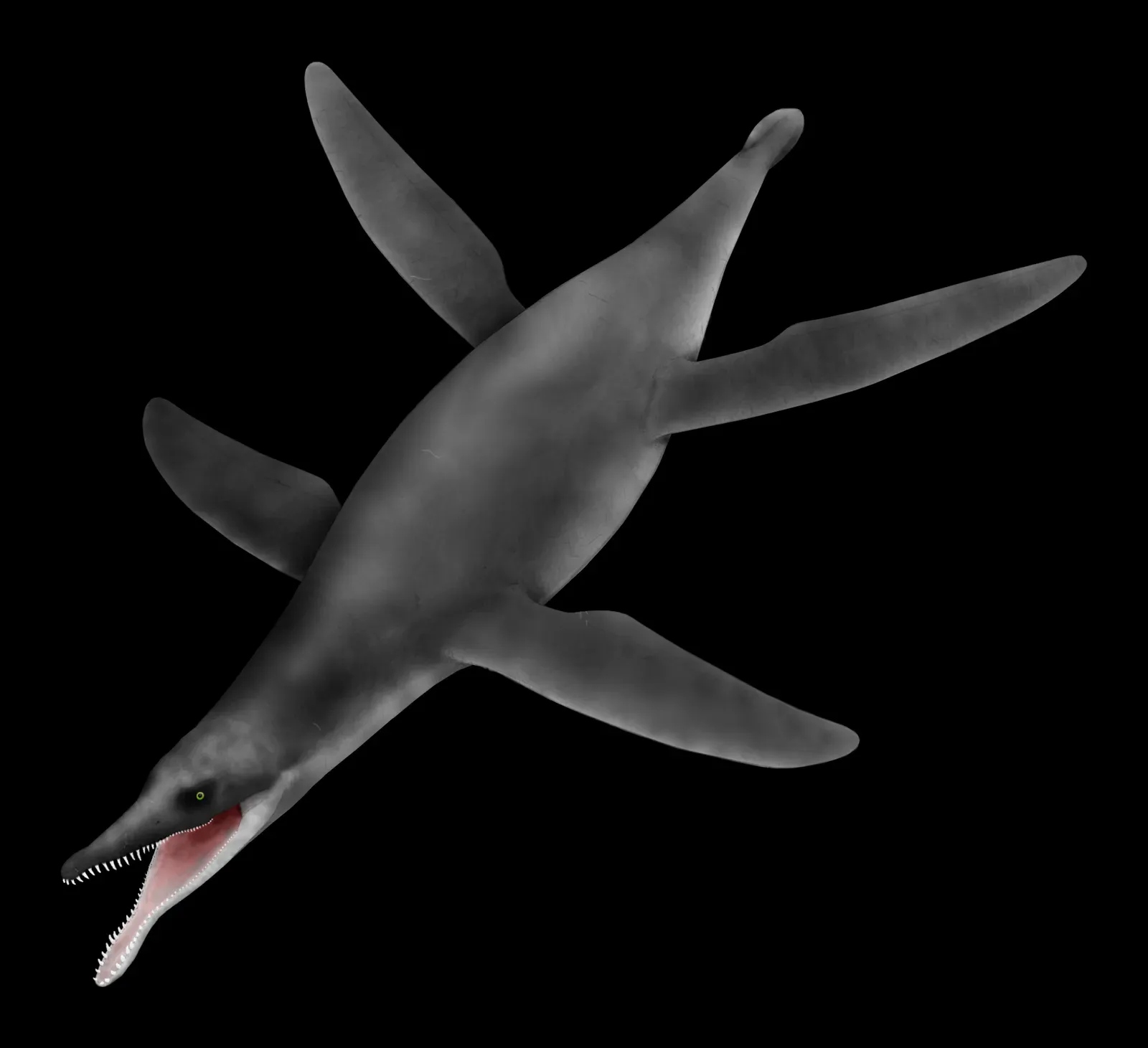
Liopleurodon was a pliosaur, a group of marine reptiles with big heads, short necks, and four strong flippers that acted almost like underwater wings. While its size is sometimes exaggerated in popular media, it was still a formidable hunter, with a broad skull lined by large, conical teeth ideal for gripping prey. It probably stalked the mid to upper levels of the water column, ambushing fish, ichthyosaurs, and other marine reptiles with bursts of speed powered by its strong flippers.
What makes Liopleurodon particularly fascinating is this combination of power and control, like a muscular swimmer doing perfect strokes through the water. Its body design suggests it was optimized for quick, forceful movements rather than long‑distance cruising, which fits the profile of an ambush predator. Imagine being a smaller marine reptile, gliding along peacefully, only to feel the water shift as this compact, muscular shadow lunged from below with jaws wide open.
Helicoprion: The Shark With a Buzzsaw Jaw
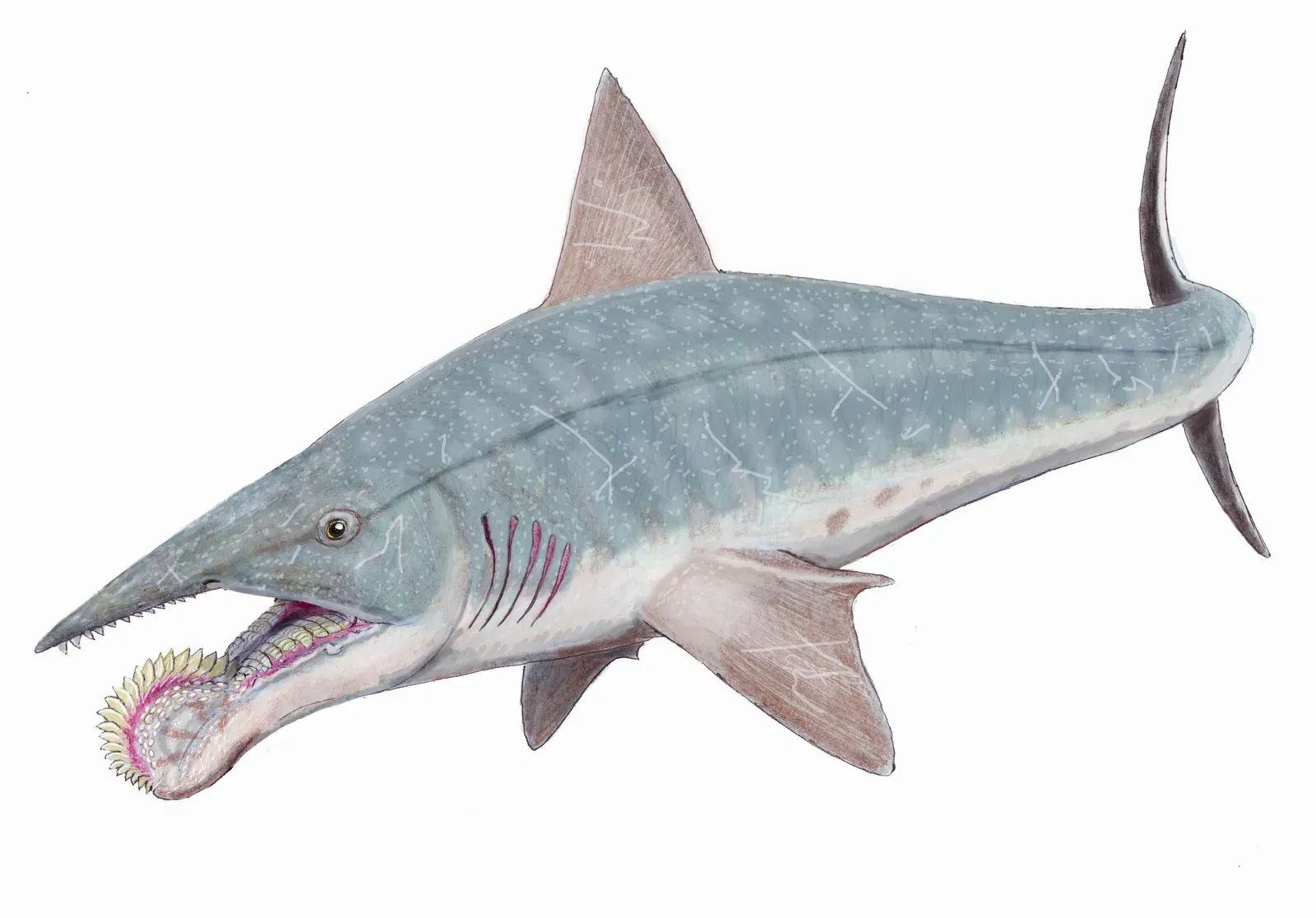
Helicoprion might be one of the strangest sharks ever to exist, known not for its body but for its absurd jaw structure: a spiral of teeth that looked like a circular saw blade rolled up inside its lower jaw. For a long time, paleontologists argued over how this “tooth whorl” fit into the mouth, but the prevailing idea is that it sat inside the lower jaw and rotated as new teeth grew. Instead of rows of discarded teeth like modern sharks, it basically kept them all, stacking them into that spiral over time.
The function of this buzzsaw jaw is still debated, but one popular idea is that it helped slice soft‑bodied prey like squid and other cephalopods. I love this animal because it feels like a reminder that evolution is not always tidy or obvious; sometimes the solutions it comes up with look downright ridiculous to our eyes. Even so, Helicoprion was clearly successful enough to persist for millions of years, proving that in the , weird could also mean effective.
Ichthyosaurus: The Dolphin‑Shaped Reptile Ahead of Its Time
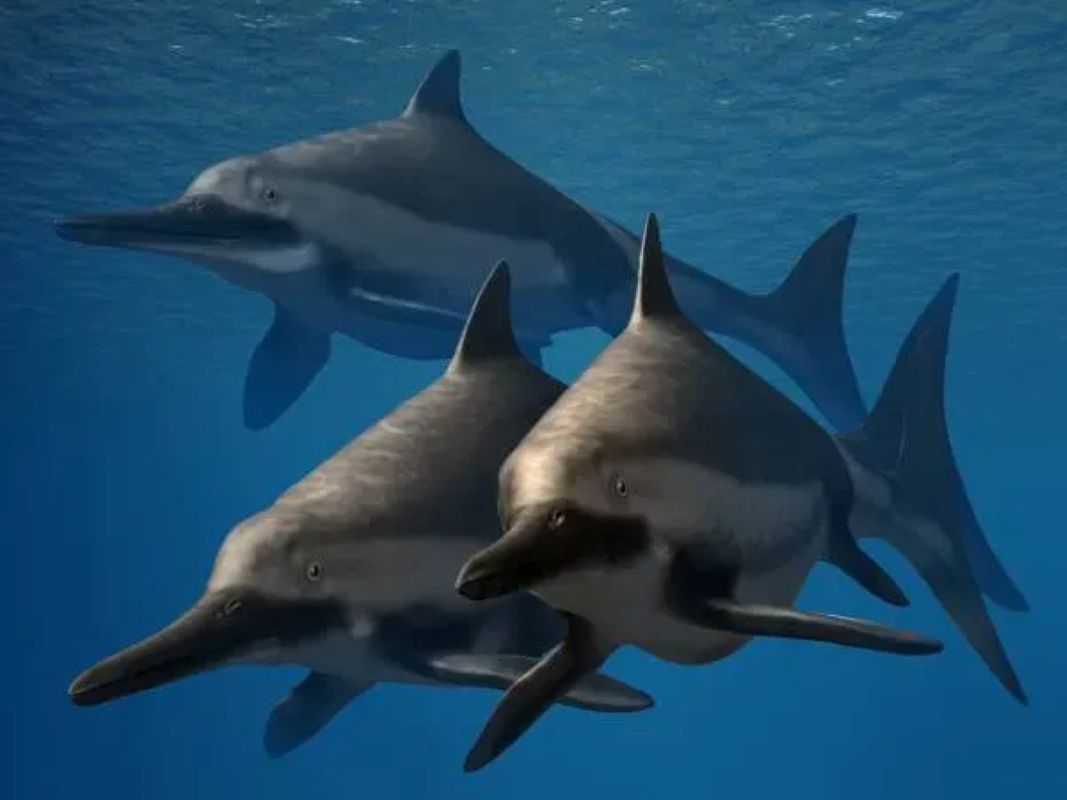
Ichthyosaurus looked so much like a modern dolphin that it is easy to forget it was actually a reptile. It had a streamlined body, a long snout full of sharp teeth, and large eyes that suggest it hunted in dim light or deeper waters. Its tail fin and flippers were superbly adapted for fast, agile swimming, making it well suited to chasing fish and squid‑like animals in the open sea.
I think Ichthyosaurus is one of the clearest examples of convergent evolution: the idea that unrelated animals can evolve similar shapes when they face similar challenges. Millions of years before dolphins appeared, these reptiles had already perfected a very similar body plan for speed and maneuverability in water. It is hard not to see it as nature quietly reusing one of its best designs, long before mammals ever decided to give ocean life a try.
Its life cycle may also have been surprisingly advanced, with evidence suggesting it gave birth to live young rather than laying eggs on land, further blurring the line between reptilian stereotype and marine sophistication.
Thalassomedon: The Long‑Necked Ghost of the Deep
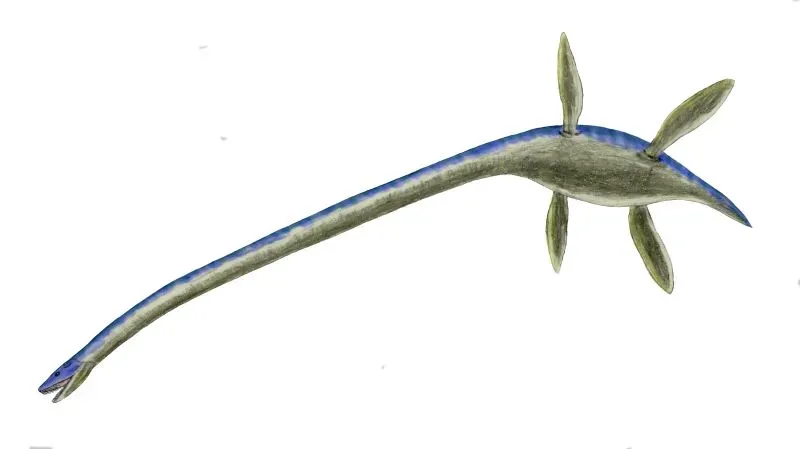
Thalassomedon was a type of plesiosaur, famous for its extremely long neck that could include dozens of vertebrae. Picture a broad, barrel‑shaped body with four powerful flippers, topped by a small head at the end of a neck so long it looks almost fragile. This bizarre proportion raises a simple but haunting question: why would an ocean predator need such a ridiculous neck?
One idea is that Thalassomedon used its long neck to sneak up on schools of fish or squid from below or from the side, keeping its bulky body farther away to avoid detection. Another possibility is that it used that reach to strike quickly into dense shoals, snapping up prey before they could react. To me, it feels like a sea serpent stepped halfway into reality, an eerie, ghost‑like shape gliding through ancient waters, its head appearing suddenly out of the blue gloom.
Conclusion: The Were Wilder Than We Like to Admit
When you line up creatures like Dunkleosteus, Megalodon, Opabinia, and Helicoprion, it becomes obvious that were not just rough drafts of today’s oceans; they were radically different worlds with their own rules and monsters. Modern marine life is impressive, but I would argue that the sheer variety and strangeness of these extinct animals easily outshines what we see now. We are left piecing them together from scattered bones and shells, trying to imagine the sounds, colors, and movements of oceans that no human will ever witness firsthand.
Personally, I think that is part of the magic: these animals are just close enough for us to understand, yet distant enough to feel mysterious and slightly unsettling. They challenge our assumptions about what a predator should look like, how big an animal can get, or how a jaw is “supposed” to work. As we keep finding new fossils and revising old ideas, I suspect we will discover that the were even stranger than we currently believe. Which of these ancient ocean dwellers would you least want to bump into on a dark dive?