
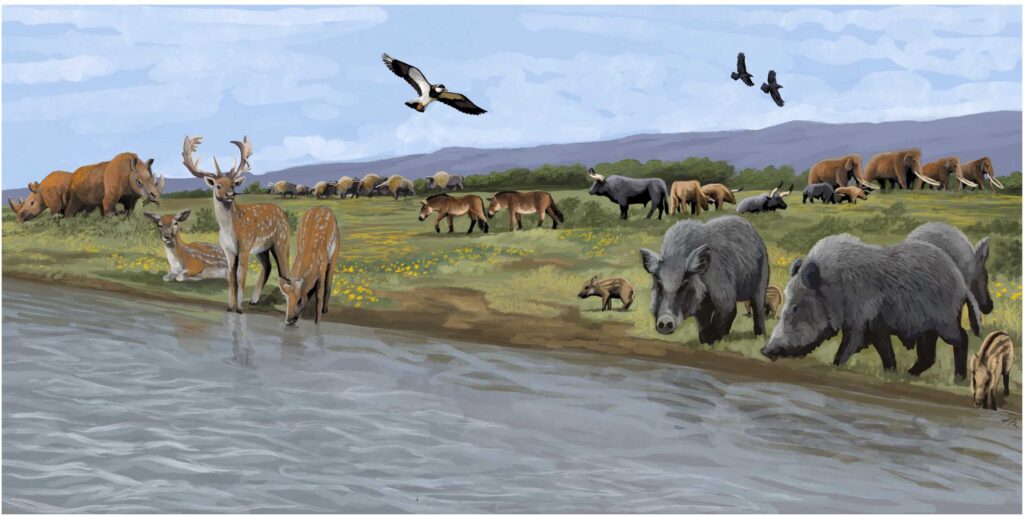
It is a little unsettling to realize how close we came to sharing the planet with animals that look like they walked straight out of a fantasy movie. Not just dinosaurs in a vague, distant past, but giant ground sloths, razor‑toothed marsupial “lions,” and elephant‑birds tall enough to look a giraffe in the eye. In some cases, our own species missed them by what is essentially a geological blink.
When scientists say a creature “almost” , they usually mean one of two things: either humans and those animals actually overlapped for a while, or those species died out just before humans arrived in their region. In both scenarios, the haunting takeaway is the same: if the clock of Earth’s history had ticked just a little differently, our stories, myths, and daily lives might include some truly wild neighbors. Let’s dive into eight of the most fascinating cases.
1. The Woolly Mammoth: The Ice Age Icon That Nearly Made It
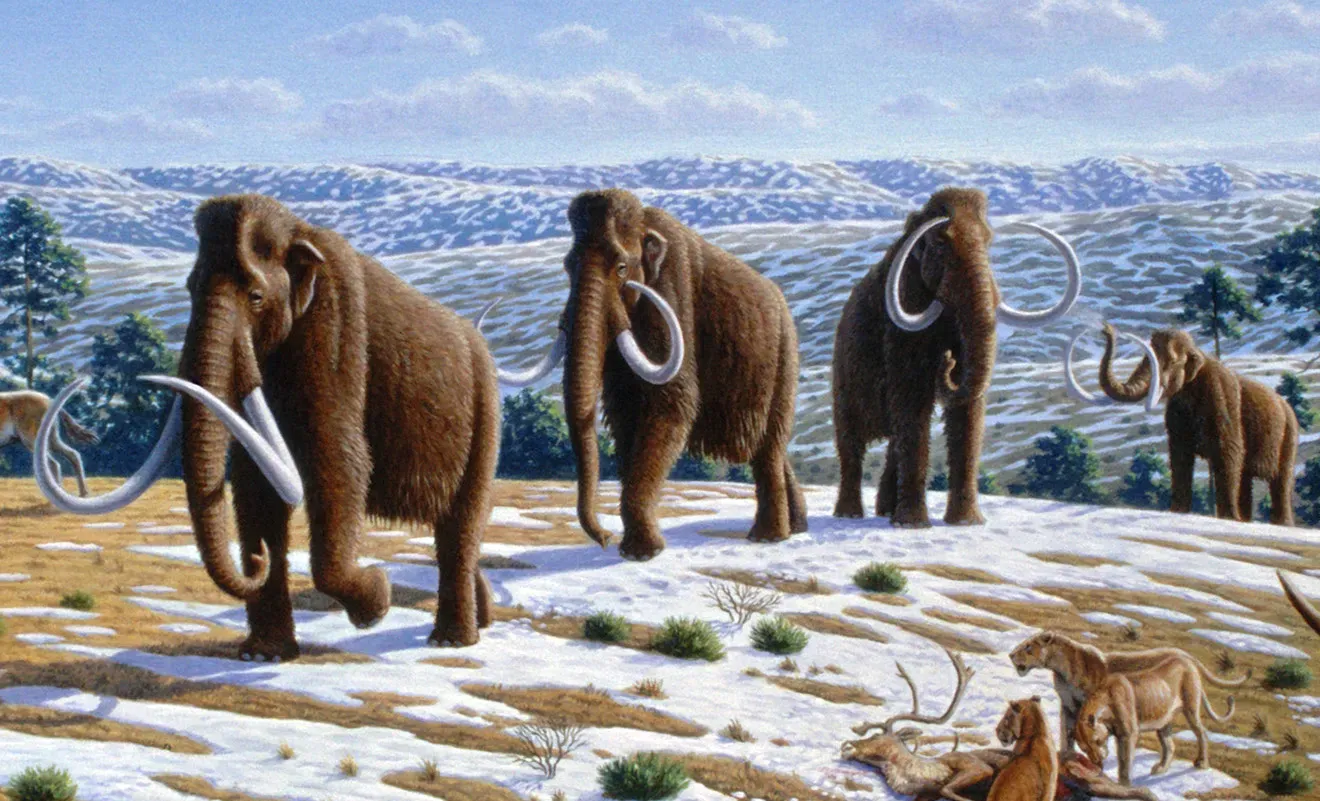
The woolly mammoth is the classic Ice Age giant that everyone recognizes, but what most people do not realize is just how recently these animals were still walking the Earth. While most mammoth populations disappeared at the end of the last Ice Age, a tiny group survived on remote Arctic islands until only a few thousand years ago, well into a period when human civilizations were already farming and building early cities. There is a decent chance that when pyramids were being raised in Egypt, the last mammoths were still trudging through the snow on their isolated island homes.
We know so much about mammoths because the cold preserved their remains incredibly well, right down to fur and stomach contents in some frozen carcasses. Genetic studies suggest that the final island populations were small, inbred, and vulnerable, a bit like the last flickering candles of a once‑vast empire. If sea levels, hunting pressure, or climate shifts had played out even slightly differently, the idea of herds of shaggy mammoths still roaming the Arctic tundra alongside reindeer and musk oxen is not totally impossible to imagine.
2. The Giant Ground Sloths: Slow, Gentle Giants of the Americas
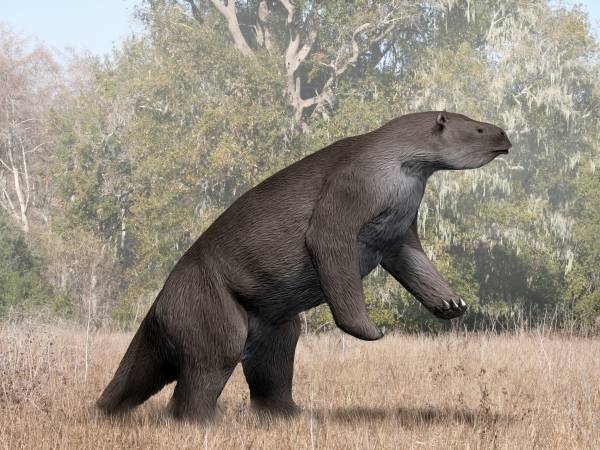
Forget the cute, tree‑hugging sloths you see in memes; their Ice Age relatives were towering ground dwellers the size of small elephants. These giant ground sloths, especially species like Megatherium in South America, lumbered across grasslands and woodlands, tearing down branches and digging up roots with huge, clawed forelimbs. Fossil evidence shows that humans and these animals overlapped in time and space in the Americas, which raises a hard question: did we help push them over the edge?
Many paleontologists think a combination of rapid climate change at the end of the last Ice Age and human hunting pressure spelled disaster for these slow‑moving herbivores. There are rock art depictions and archaeological sites that strongly hint at people encountering, hunting, or at least observing ground sloths. Picture early human communities watching a massive, shaggy sloth rear up like a living excavator. It is not hard to imagine that, in another version of history, modern ranches in Argentina or Texas might have had fenced “sloth pastures” the way we keep bison or cattle today.
3. The Terror Birds: Apex Predators With Beaks Like Battle Axes
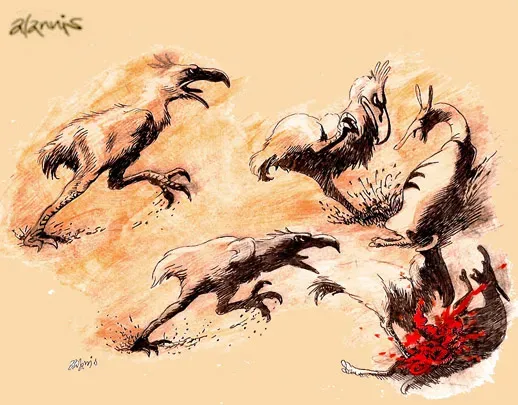
Terror birds, as the name suggests, were not exactly the cuddly type. These large, flightless birds dominated parts of South America for millions of years, and some species reached heights over two meters, with heavy, hooked beaks that worked like built‑in hatchets. For a long time, they ruled as top predators, filling roles that big cats and wolves would later take over. The idea of walking across a plain and seeing a sprinting bird the size of a human sprint toward you with a bone‑crushing beak is frankly nightmare fuel.
What makes them especially intriguing in the context of human times is that some terror bird species survived into the relatively recent geological past, including migrating into North America after the continents connected. They seem to have faded out before humans ever reached those regions in large numbers, but the timing is close enough that it is not absurd to imagine a world where early hunter‑gatherers had to watch the horizon not only for saber‑toothed cats but also for a charging, carnivorous bird. If even one lineage had hung on just a bit longer, these animals could have easily become the stuff of early legends instead of obscure fossils.
4. Diprotodon: The Bus‑Sized Wombat of Ancient Australia
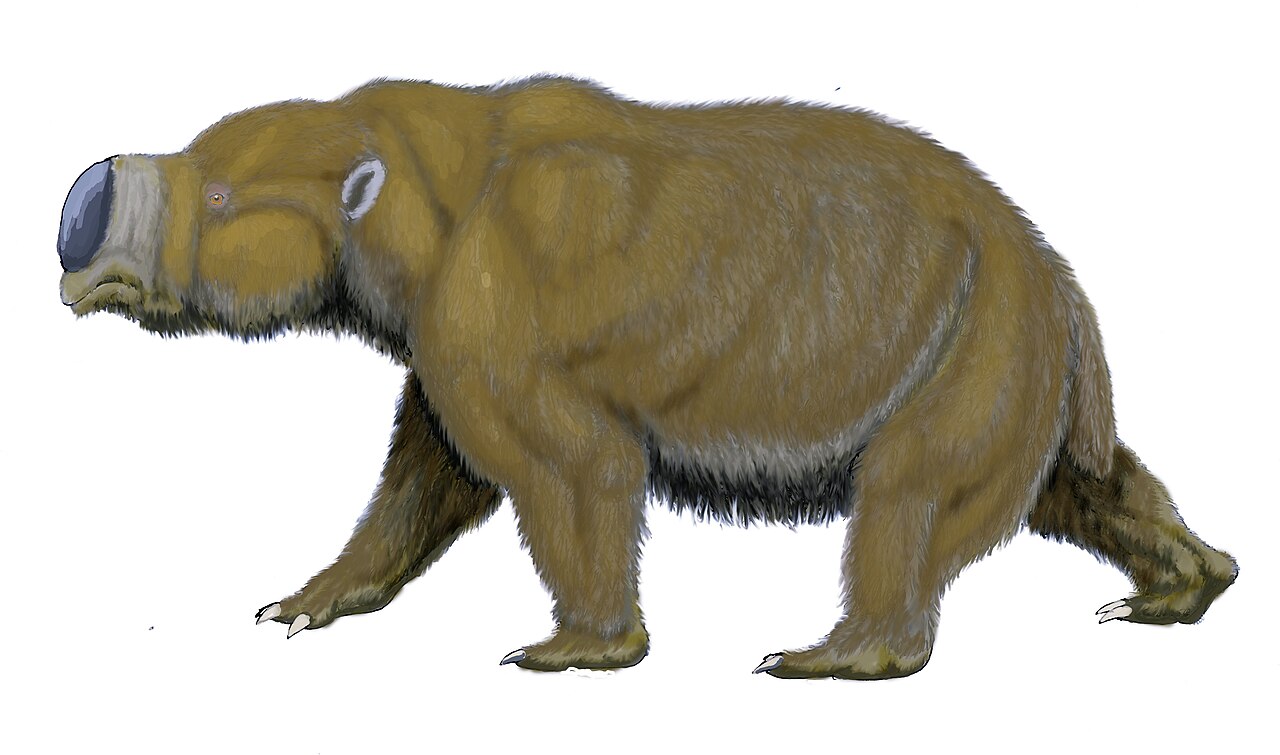
Diprotodon is one of those creatures that sounds made‑up when you first hear about it: an enormous, plant‑eating marsupial often compared to a giant wombat crossed with a hippo. These animals were the largest marsupials that ever lived, roaming Australia’s ancient landscapes in herds. Their bones have been found in what were once lakes, rivers, and open woodland, painting a picture of a continent that looked very different from the dry outback we picture today.
The striking part is how closely their decline lines up with both climate change and the arrival of humans in Australia. Many researchers argue that a mix of shifting ecosystems and human activities, possibly including hunting and landscape burning, contributed to diprotodon’s extinction. We actually have Aboriginal stories and rock art that some scientists interpret as cultural memories of these megafauna, which suggests humans at least overlapped with them. If diprotodon had hung on, modern Australia might not just be known for kangaroos and koalas, but also for massive marsupial grazers lumbering across national parks.
5. The Moa: Giant New Zealand Birds Gone in a Geological Blink
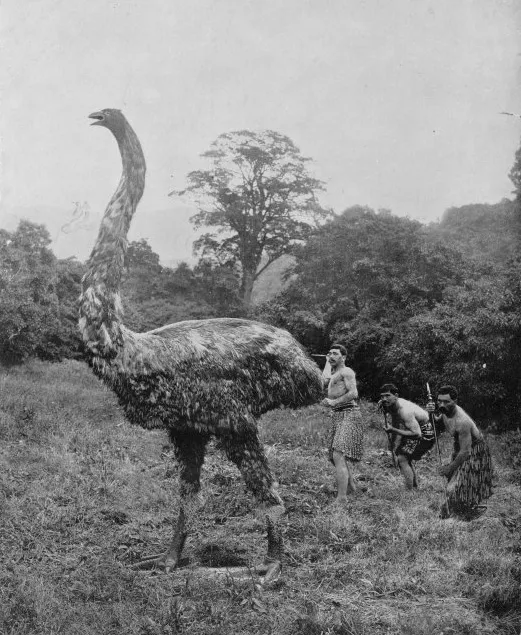
New Zealand’s moa were another group of giant, flightless birds, but unlike the earlier terror birds, they survived until extremely recently. Some species stood as tall as a tall human or higher, and they filled the role that deer or antelope might in other ecosystems. They browsed plants and shrubs while keeping forests and grasslands in balance, forming the backbone of a food web that also included the legendary Haast’s eagle, one of the largest eagles ever known.
When humans finally arrived in New Zealand, the moa had no idea what was coming. Within only a few centuries, overhunting and habitat change wiped them out completely. This is one of the clearest examples we have of humans eliminating a large animal group in what is effectively an instant in geological terms. If the earliest Polynesian settlers had used different hunting strategies, or if the moa had evolved a bit more wariness, it is easy to picture modern New Zealand offering guided tours to see wild giant birds rather than just kiwi and introduced deer.
6. The Elephant Birds of Madagascar: True Giants in the Shadows
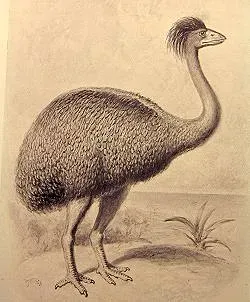
The elephant birds of Madagascar were so large that the biggest species may have weighed as much as a small car. They laid eggs big enough that a single one could feed a large family, at least in theory, and their presence would have been impossible to ignore for anyone sharing the island. These were not predators but heavy‑bodied, plant‑eating birds that moved slowly through forests and open areas, shaping vegetation as they went.
What really makes elephant birds feel like they almost stepped into modern times is that they appear to have survived until the last couple of thousand years, overlapping with human cultures on Madagascar. There are hints in local stories and scattered historical reports of enormous eggs and giant birds that might reflect late encounters with these creatures. Their disappearance fits a now‑familiar pattern of hunting pressure, habitat change, and fragile island ecosystems. Personally, I find it striking that we might have lost a living symbol of deep time just a short step before the age of global exploration, cameras, and modern science.
7. Thylacoleo: The Marsupial “Lion” With Bone‑Crushing Jaws
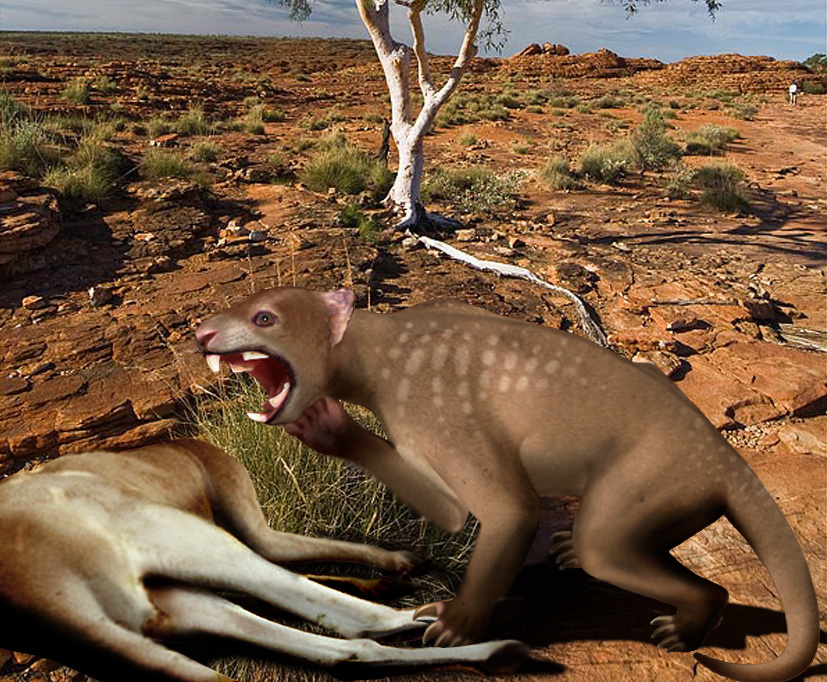
Thylacoleo, often called the marsupial lion, was not a lion at all but a carnivorous marsupial unique to Australia. It had powerful forelimbs, retractable claws, and unusual blade‑like teeth that could slice and crush bone, making it one of the top predators in its ecosystem. Its body plan is odd enough that it looks like someone mixed features from a big cat, a wombat, and a possum in a blender, then pressed “randomize.”
Like diprotodon, thylacoleo disappeared around the time humans spread widely across Australia and climates shifted toward drier conditions. Cave art has been interpreted by some researchers as possible depictions of these animals, suggesting at least some human contact or memory. Imagine the risk calculus of early people camping under the stars, knowing that the dark bush might be hiding a silent, tree‑climbing predator with shearing teeth. If this species had persisted, Australian wildlife documentaries today would look radically different, and hikers might be warned about marsupial ambush predators instead of just crocodiles and snakes.
8. The Short‑Faced Bear: A Giant Built for Speed and Power
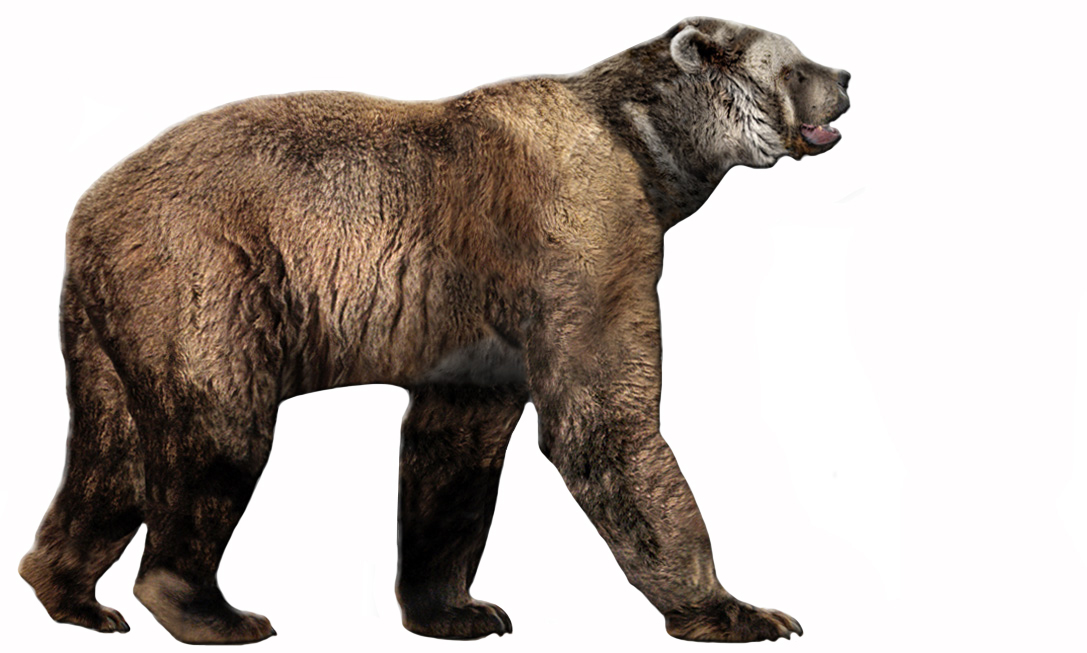
North America’s short‑faced bear was one of the largest land carnivores of the Ice Age, towering over modern grizzly bears and possibly standing as tall as a basketball hoop when rearing up. Its long legs and body shape suggest it may have been surprisingly fast for its size, either using its speed to run down prey or to intimidate other predators off their kills. The idea of a bear that combines the bulk of a tank with the legs of a runner is both awe‑inspiring and a bit terrifying.
These bears overlapped in time with early humans in the Americas, and there is a real possibility that our ancestors encountered them while following herds of mammoths, bison, and other megafauna. As climates warmed and large prey animals dwindled, competition between humans and big predators intensified, and the short‑faced bear eventually vanished. Had it survived, modern camping and hunting in North America would have taken on an entirely different flavor. Warning signs at trailheads might mention not just black bears and grizzlies but a towering, long‑legged bear that could claim any carcass it wanted.
Conclusion: A Near‑Miss With a Much Wilder World
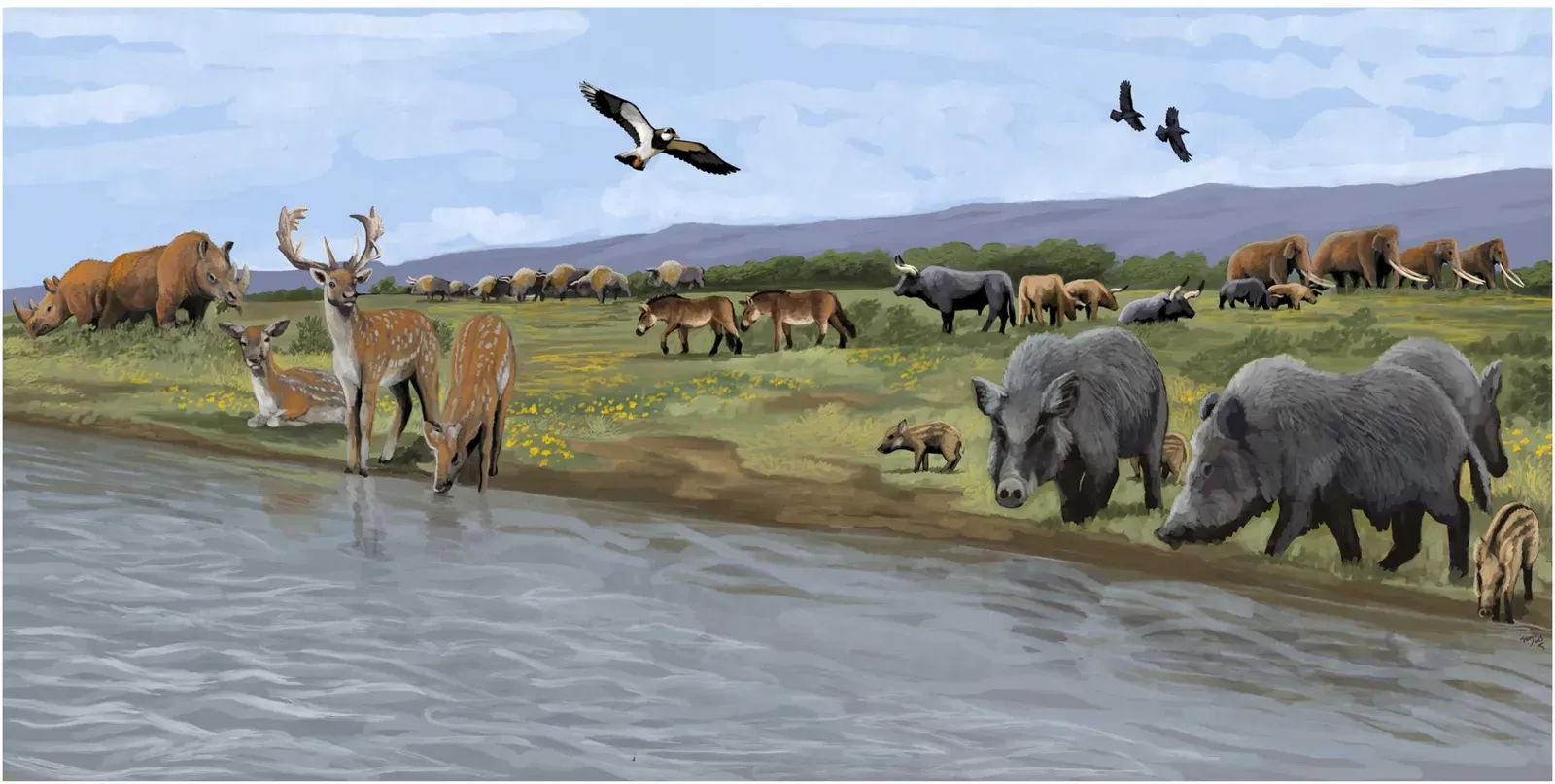
Looking at these eight creatures, what jumps out is not just their size or strangeness, but how often they hovered right on the edge of our own story. In many cases, they did not just almost reach human times; they overlapped with us and then disappeared so fast that only bones, faint cultural echoes, and scientific detective work remain. It makes our current world of deer, cows, and pigeons feel oddly tame, like we are living on a stage that has already been cleared of its most dramatic actors.
My own opinion is that thinking about these near‑misses should change how we see modern wildlife. The line between “normal” animals and “lost megafauna” is thinner than we like to admit, and our species has often been the deciding factor. We could easily have grown up in a world where weekend road trips meant watching mammoths on distant tundra or spotting giant birds in island forests. Instead, we live with their absence and the knowledge that today’s elephants, rhinos, whales, and big cats are facing pressures that look disturbingly familiar. The real question is this: when future humans look back, which of today’s creatures will they say almost survived into their time?