If you grew up imagining dinosaurs as giant scaly lizards stomping around like slow-motion movie monsters, the real science is about to feel almost like a prank. The more paleontologists dig, scan, and argue, the weirder and more mind-bending the dinosaur world becomes. Some of the best-supported facts about them genuinely sound like something a bored screenwriter made up on a Friday afternoon.
What makes it even stranger is that most of these discoveries are not fringe ideas buried in obscure journals – they are pretty mainstream among researchers. We now know that many dinosaurs were faster, fluffier, smarter, and just plain stranger than the pop-culture versions that live in our heads. Here are ten dinosaur facts that seem at first glance, but are very much grounded in real science.
1. Many Dinosaurs Were Covered In Feathers, Not Just Scales
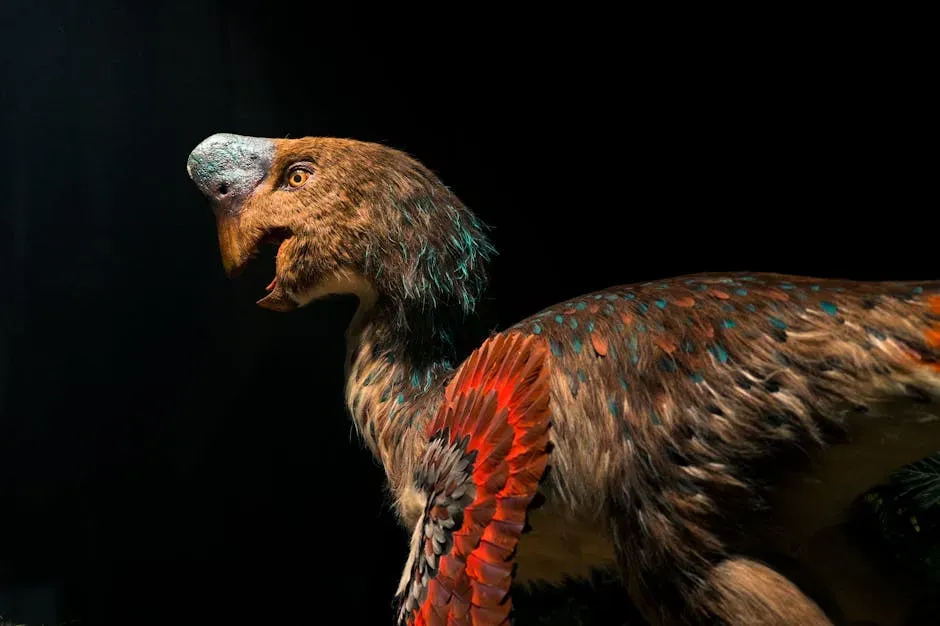
The mental image most people have of dinosaurs is basically a giant crocodile on legs, but fossils keep blowing that picture apart. Scientists have found skin impressions and spectacular fossilized feathers on a growing list of species, especially among theropods, the group that includes famous predators like Velociraptor and the ancestors of modern birds. Some of these feathers were simple fuzzy filaments, while others formed more complex structures that would not look out of place on an oversized bird-of-paradise.
This does not mean every dinosaur looked like a chicken in a Halloween costume, but it does mean that a lot of them – especially smaller predators and some early relatives of larger species – were fluffy or at least partially feathered. Feathers probably started out as insulation or display structures long before they were useful for gliding or powered flight. Once you accept that, the Jurassic suddenly looks less like a reptile park and more like a chaotic mashup of birds, lizards, and furry dragon-thingies running around.
2. The Tyrannosaurus rex Bite Could Crush A Small Car
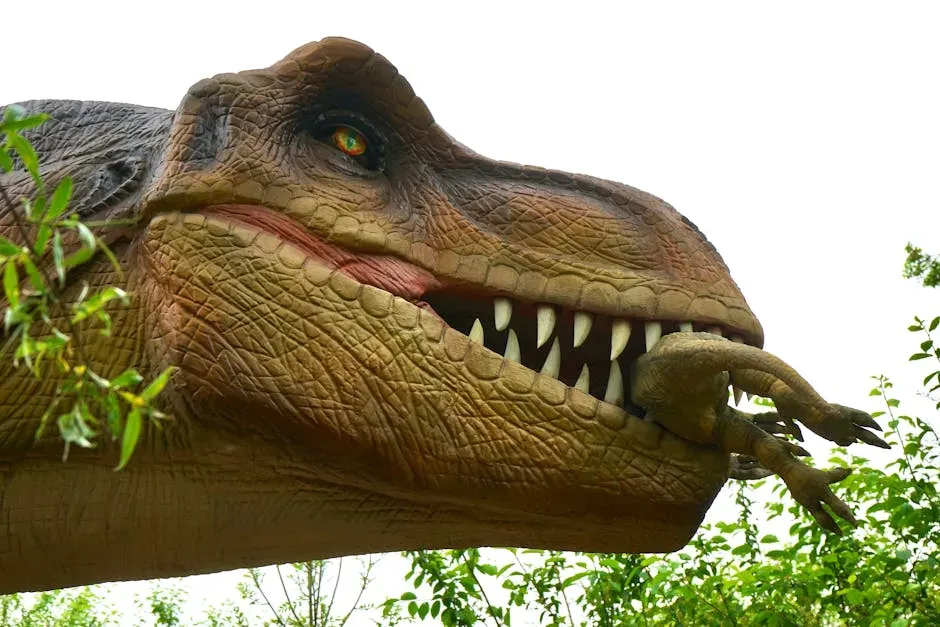
Movie T. rex is scary, but real T. rex was almost stupidly overpowered. Studies that modelled the skull and jaw muscles suggest that its bite force could reach several tons, strong enough to bite through thick bone like it was tough bread crust. Fossils of prey animals actually show healed bite marks where T. rex teeth punched straight into bone, suggesting it regularly treated skeletons as chew toys.
If you tried to map that to everyday life, you are looking at something close to the force needed to crush a small car door or snap a giant metal wrench. That power was not just for dramatic kills; it let T. rex access the rich, fatty marrow inside bones that many other predators could not reach. It was basically the industrial-grade waste-disposal unit of its ecosystem, turning entire carcasses – bones and all – into calories.
3. Some Dinosaurs Had Giant, Air-Filled Skeletons Like Living Balloons
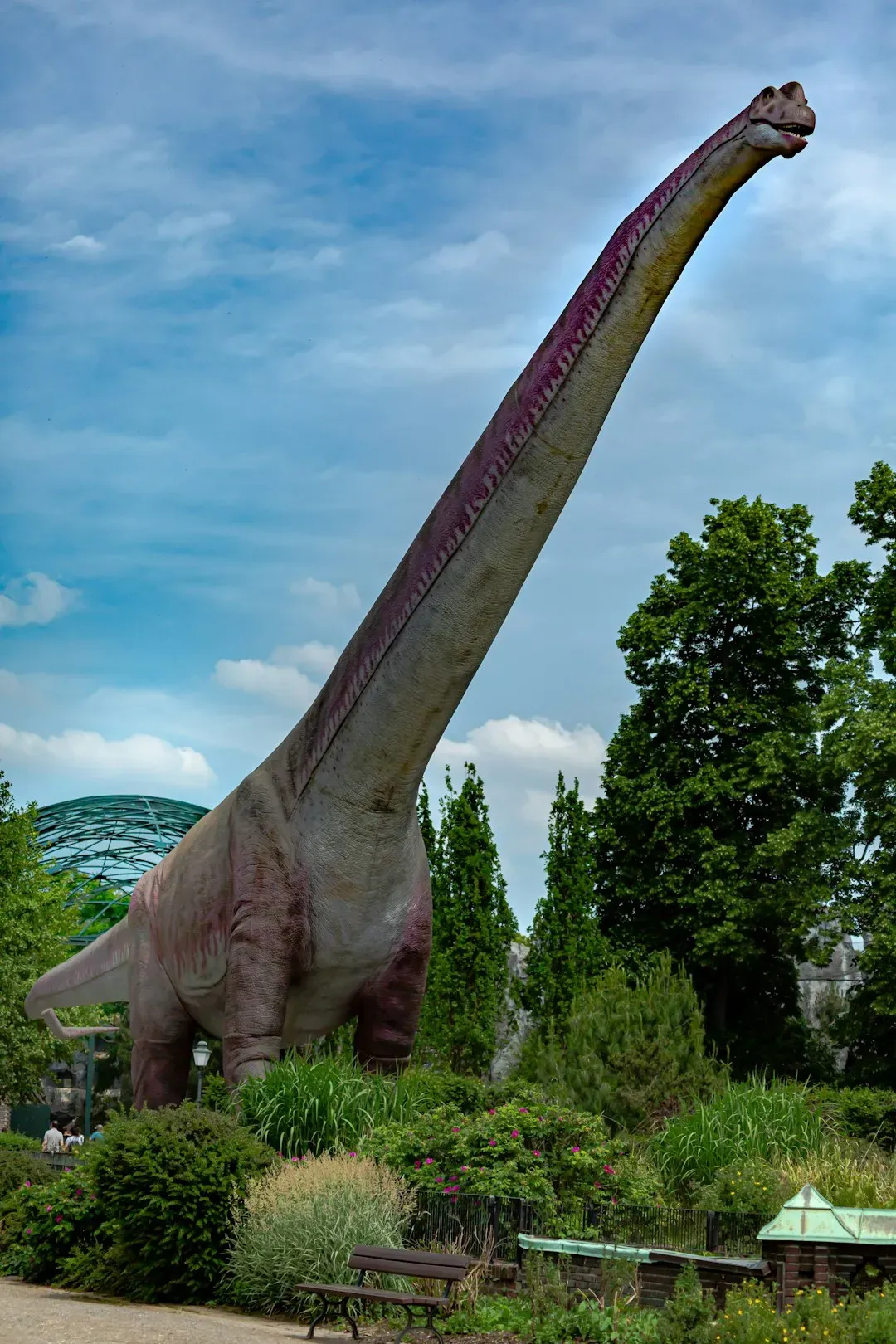
The idea of a massive dinosaur being light is so counterintuitive that it almost sounds like a joke, but that is exactly what we see in many long-necked sauropods and birdlike theropods. Their bones were riddled with air spaces connected to a complex system of air sacs, very similar to what we see in modern birds. This does not mean they were fragile; think more along the lines of a high-tech carbon-fiber bike frame instead of a solid steel rod.
These air-filled structures did two crucial things at once: they made the skeletons much lighter so the animals could grow to absurd sizes, and they helped with breathing by acting like bellows to move air through the lungs. A huge sauropod could be as long as several buses but still weigh far less than a solidly built mammal of the same dimensions. The physics of their bodies make much more sense once you stop thinking of them as stone statues and more like walking zeppelins made of bone and muscle.
4. Tiny “Raptors” Were Probably About Turkey-Sized, Not Wolf-Sized
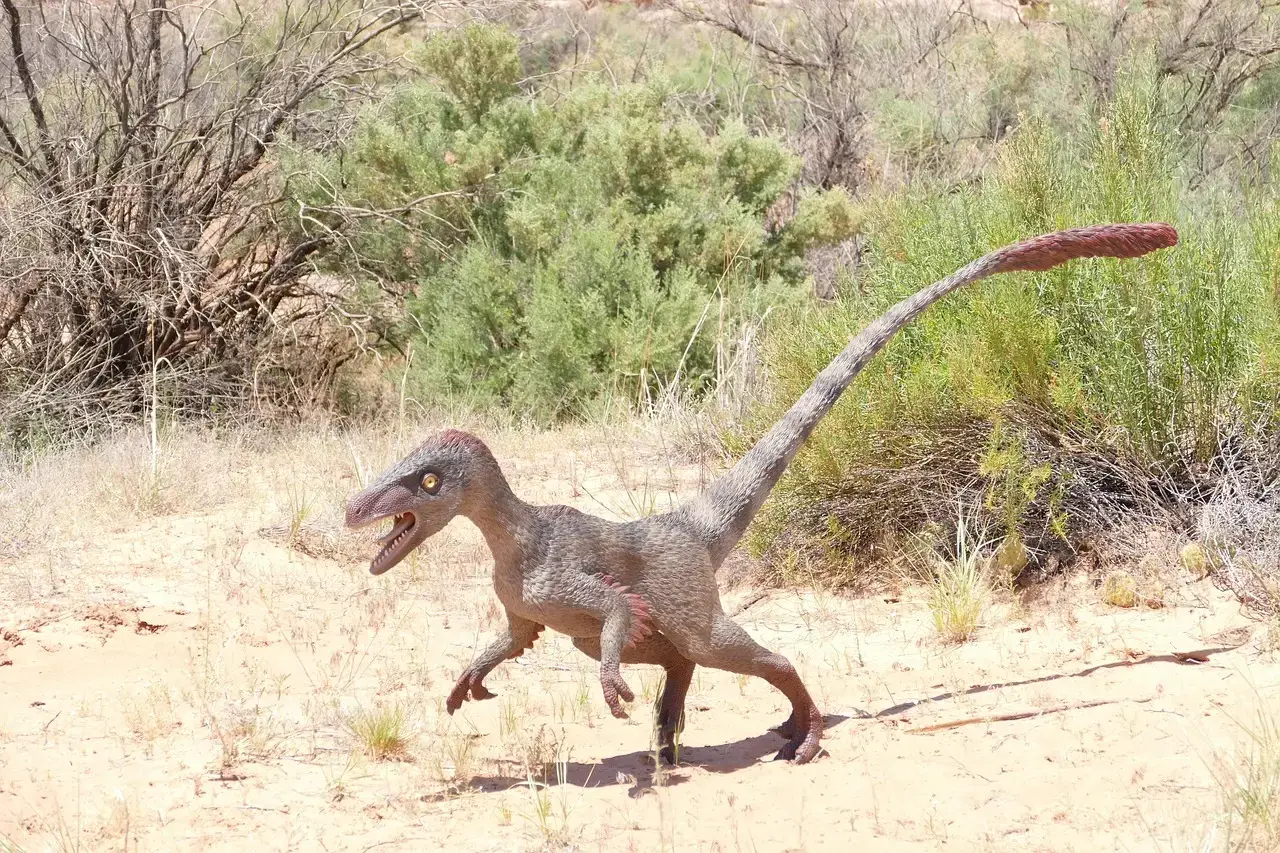
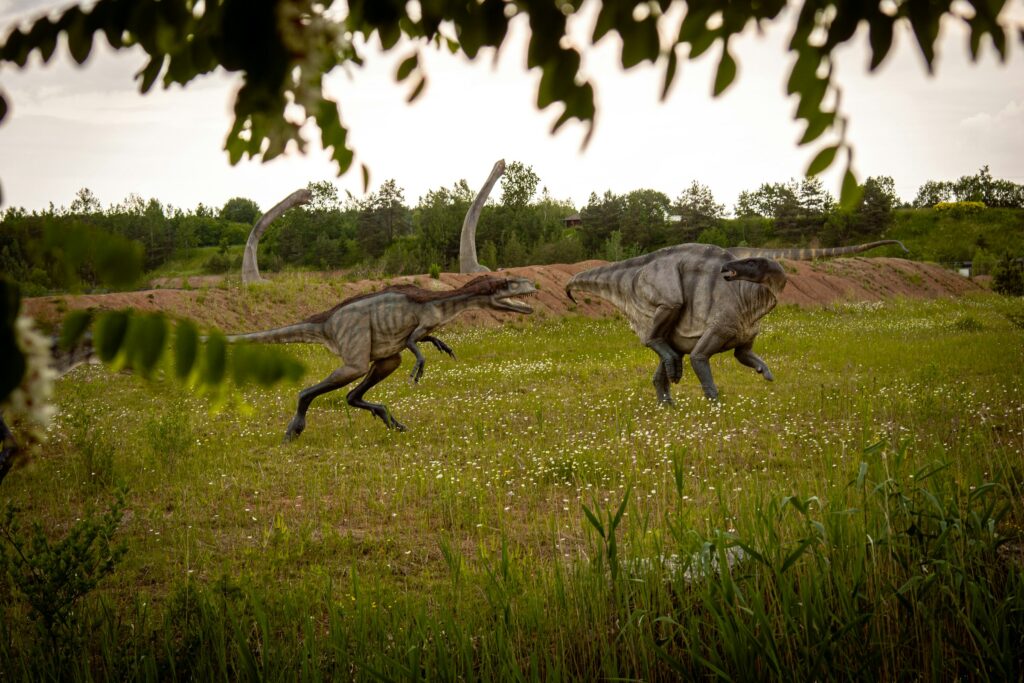
Blame the movies for this one: Velociraptor on screen is a six-foot-tall nightmare with kitchen-door-opening intelligence, but the real animal was closer in size to a big turkey. The fossils show an animal that was lightly built, feathered, and likely weighed about as much as a medium dog at most. It still had that terrifying sickle-shaped claw and a predator’s mindset, but it would not have towered over a human the way the blockbuster version does.
The truly large “raptor” you are probably imagining is actually based more closely on Deinonychus and a few other bigger cousins, but even those were not the tank-like monsters people think. They were agile, lightly built, and more slash-and-run than heavyweight boxer. Once you picture Velociraptor as a terrifying murder-turkey instead of a giant lizard, the whole ecosystem starts to feel more like a very dangerous bird park than a reptile zoo.
5. Some Dinosaurs Had Built-In Night Vision And Possibly Colorful Displays
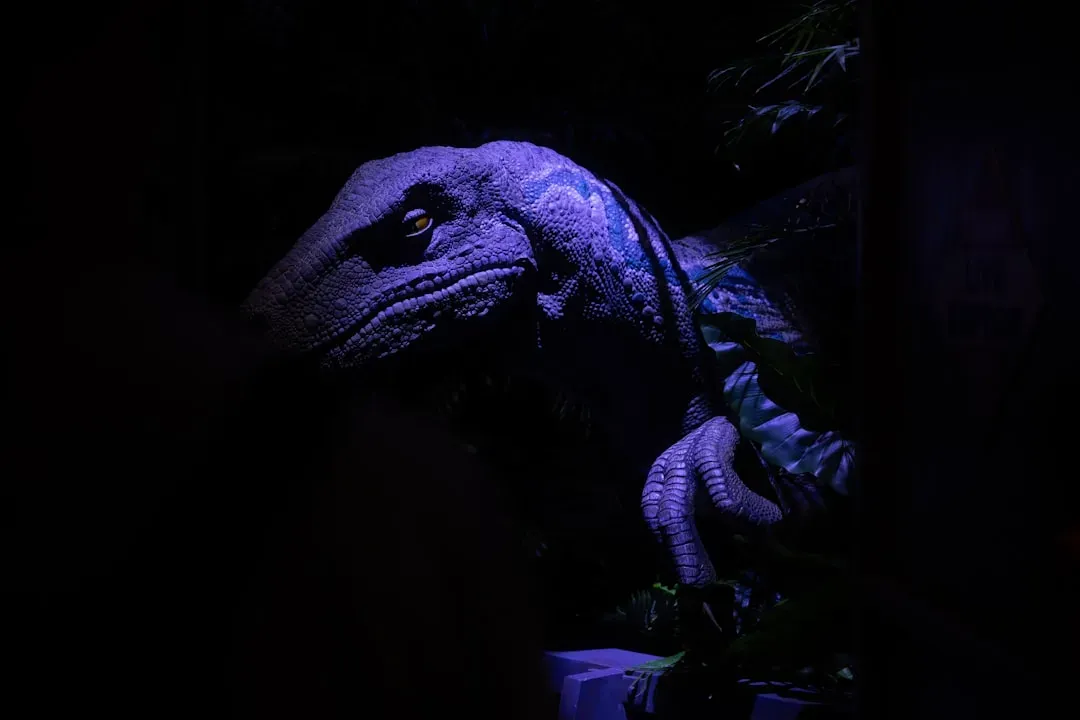
Looking at bare skulls, it is hard to imagine what a dinosaur saw, but detailed studies of the bones and comparison with living animals suggest that some species were adapted for low-light life. Large eye sockets, certain features of the eye bones, and the environments they lived in all hint that a few predators and smaller dinosaurs were likely active at dusk or even at night. That makes the idea of silent, feathered hunters slipping through prehistoric darkness feel a lot less like fantasy.
On top of that, evidence from feather structure and comparisons with birds strongly suggests many dinosaurs could see color and used it for signaling. Iridescent sheens, bright crests, and bold patterns are all on the table as reasonable options for display and mate attraction. If you have ever seen a peacock or a hummingbird in bright light, you have a rough idea of the kind of visual drama that might have been happening on forest floors and riverbanks while the sun was going down.
6. Some Long-Necked Dinosaurs Grew From Housecat-Sized Babies
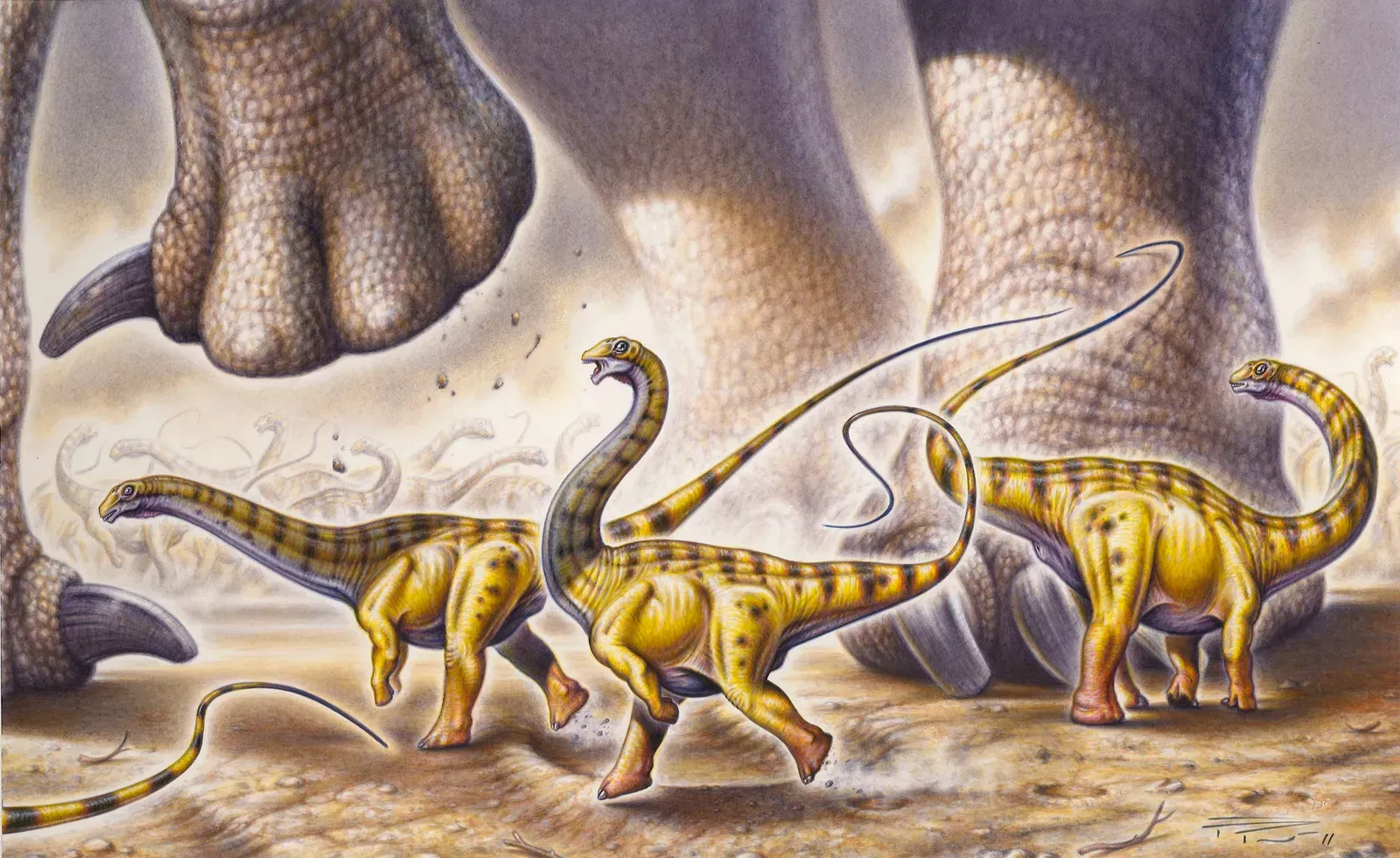
The biggest sauropods weighed as much as a handful of elephants combined, yet they started life small enough to hold in your arms. Fossil eggs and tiny sauropod skeletons show that newborns could be roughly the size of a housecat or small dog. The growth curve from that to a multi-ton giant is almost ridiculous, requiring insanely fast growth rates and conveyor-belt levels of constant eating.
To pull this off, they likely spent their early years in growth overdrive, packing on weight in a way that would make any gym influencer jealous. The trade-off was probably a relatively short maximum lifespan and a high risk of dying before reaching full size. Picture a world where entire herds of cute, long-necked “calves” were racing to get huge before their environment or the local predators caught up with them – it is equal parts adorable and brutal.
7. Some Dinosaurs Could Probably Run Faster Than Most Humans
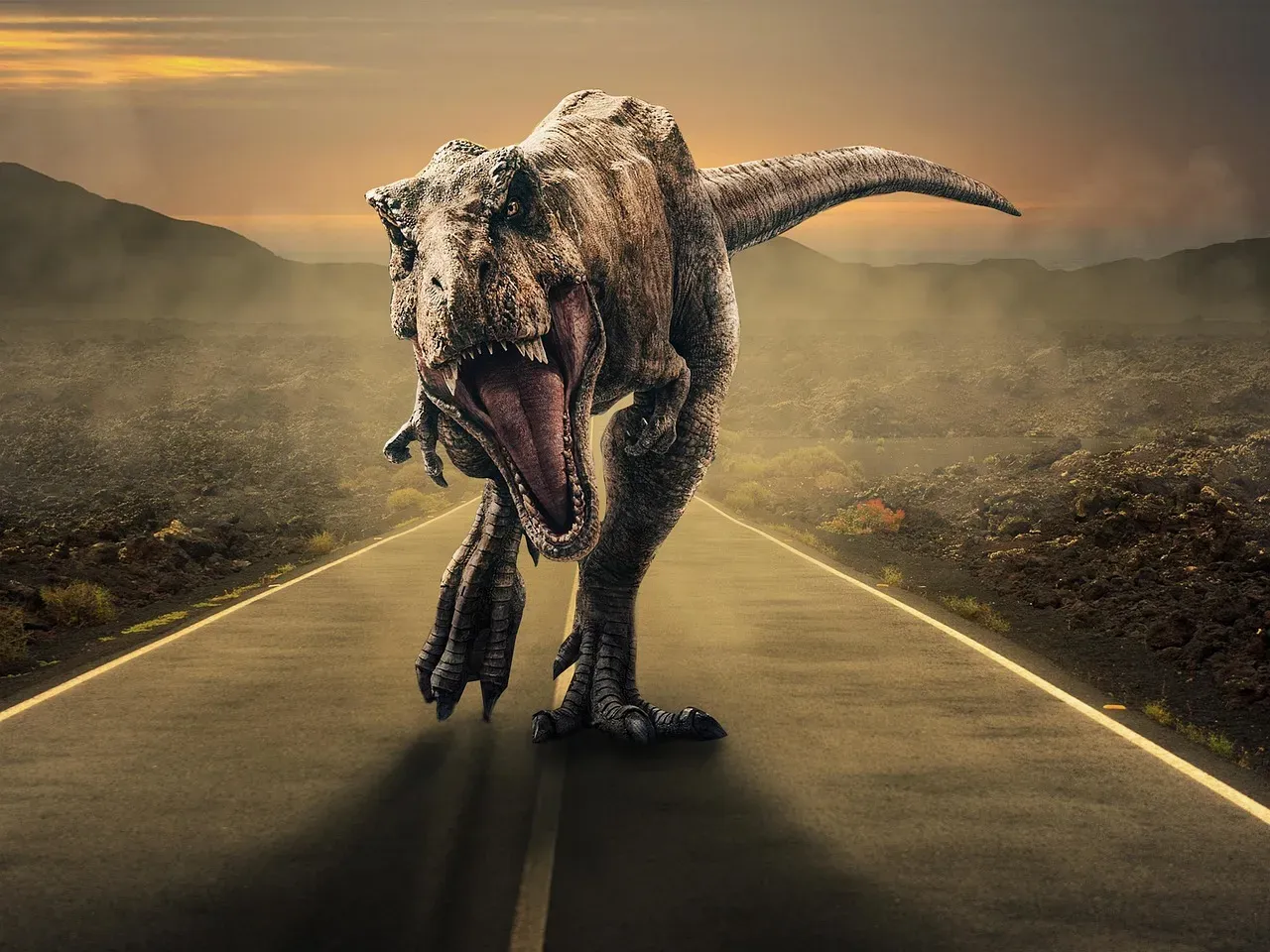
Dinosaur skeletons are fossils, but biomechanics is very much alive, and it paints a surprisingly athletic picture for many species. By modeling limb proportions, estimated muscle mass, and how joints moved, researchers have shown that quite a few medium-sized dinosaurs could reach serious running speeds. They were not just lumbering tanks; many were more like ostriches with bad attitudes.
Predators and nimble herbivores with long legs and lightweight bodies may have easily outrun a fit human sprinter. This is not just speculation based on one bone; it comes from comparing limb ratios and mechanical constraints with living animals like birds and mammals. The prehistoric chase scene starts to feel less like a clumsy stomp and more like a high-speed pursuit across open floodplains, with dust and feathers flying.
8. Some Plant-Eating Dinosaurs Had Built-In Food Processors In Their Mouths
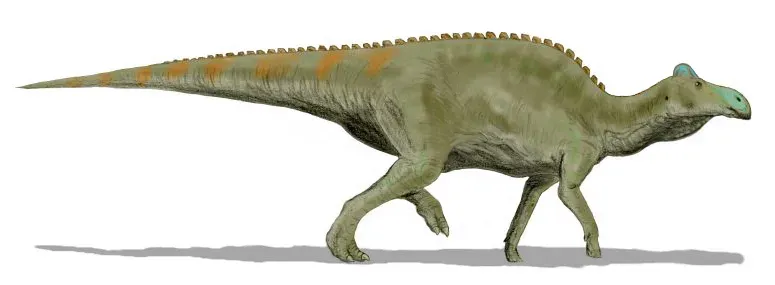
It is easy to picture plant-eating dinosaurs as simple lawnmowers, just grabbing leaves and swallowing them whole, but some of them had incredibly complex chewing systems. Hadrosaurs, often called duck-billed dinosaurs, had dental batteries made up of hundreds of teeth tightly packed together. As they wore down, new tooth surfaces kept coming into play, turning the whole jaw into a self-renewing grinding plate for tough vegetation.
In practical terms, they were walking food processors that could handle fibrous plants that would shred most modern herbivores’ mouths. This level of specialization rivals or even beats some of the most efficient chewing systems seen in mammals today. Next time you see a hadrosaur skeleton, imagine it not as a goofy duck-faced animal, but as the prehistoric equivalent of a high-end blender rolling through the undergrowth.
9. Dinosaurs Lived In Polar Regions And Endured Long, Dark Winters
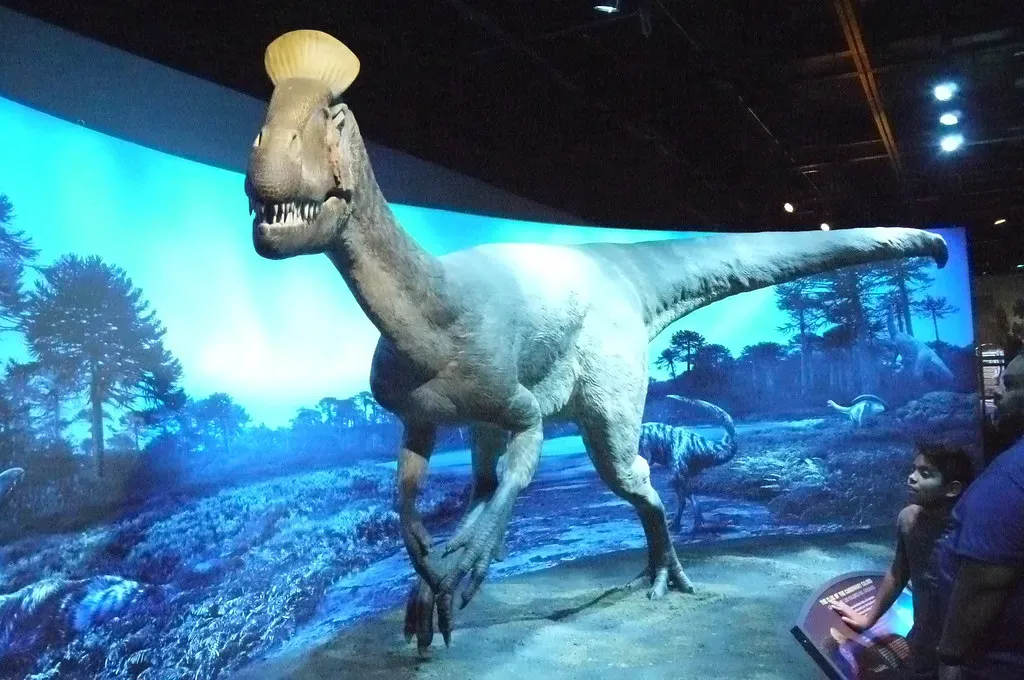
The stereotype of dinosaurs always under blazing tropical sun does not hold up when you look at where their fossils turn up. Remains of dinosaurs have been found in what were high-latitude regions during the Mesozoic, including areas that would have experienced long periods of winter darkness. While the climate back then was generally warmer, those regions still had seasonal shifts and months of low or no sunlight.
That means some dinosaurs, including juveniles, survived in conditions that sound more like a nature documentary about Arctic animals than a Jurassic postcard. They may have had insulating feathers, seasonal behaviors, or even partial hibernation-like strategies, though the details are still debated. Either way, the idea of herds of dinosaurs crunching through chilly, dim forests under a pale sky feels almost too strange to be real – and yet the rocks keep hinting that it was.
10. Birds Are Literally Living Dinosaurs
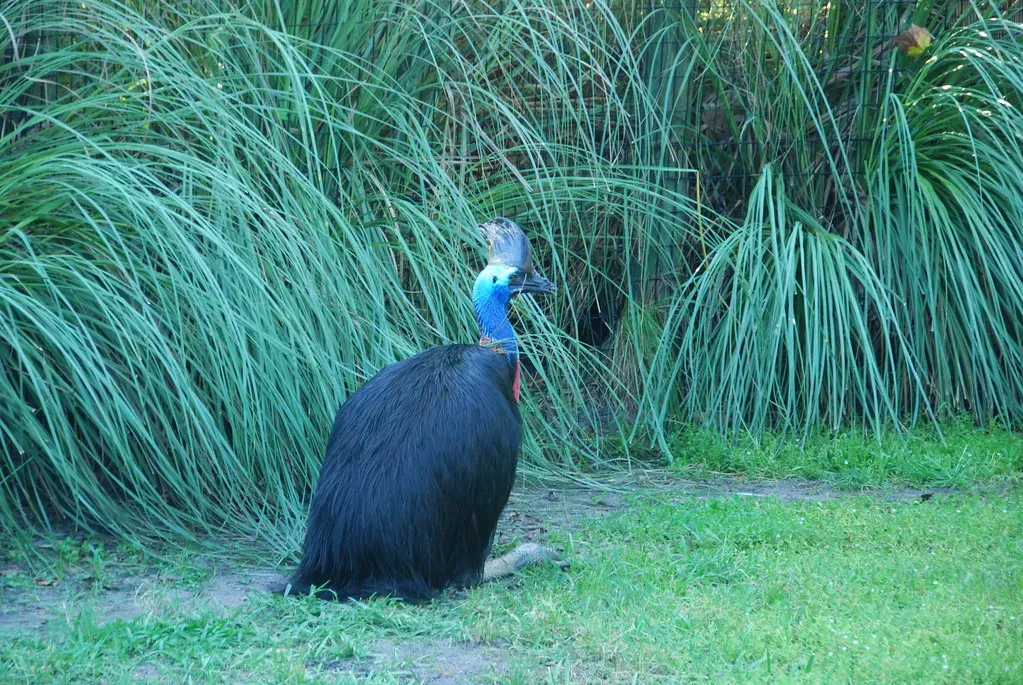
This is the fact that sounds most like a quirky meme but is actually the sober consensus of modern paleontology: birds are not just “related to” dinosaurs; they are dinosaurs. Specifically, they are the surviving branch of small, feathered theropods that made it through the mass extinction at the end of the Cretaceous. Anatomically, when you look at their skeletons, respiratory systems, and even how they lay eggs, the family resemblance is almost painfully obvious.
So every time you watch a pigeon strut, a hawk dive, or a chicken sprint across a yard, you are seeing a very small, highly modified dinosaur going about its day. The planet never really stopped being a dinosaur world; it just swapped out the giant ground-dwellers for compact, airborne versions. Personally, I find that both comforting and slightly unsettling – our skies are full of survivors from a world that otherwise burned and broke.
Conclusion: Dinosaurs Were Stranger, Smarter, And Closer Than We Like To Admit
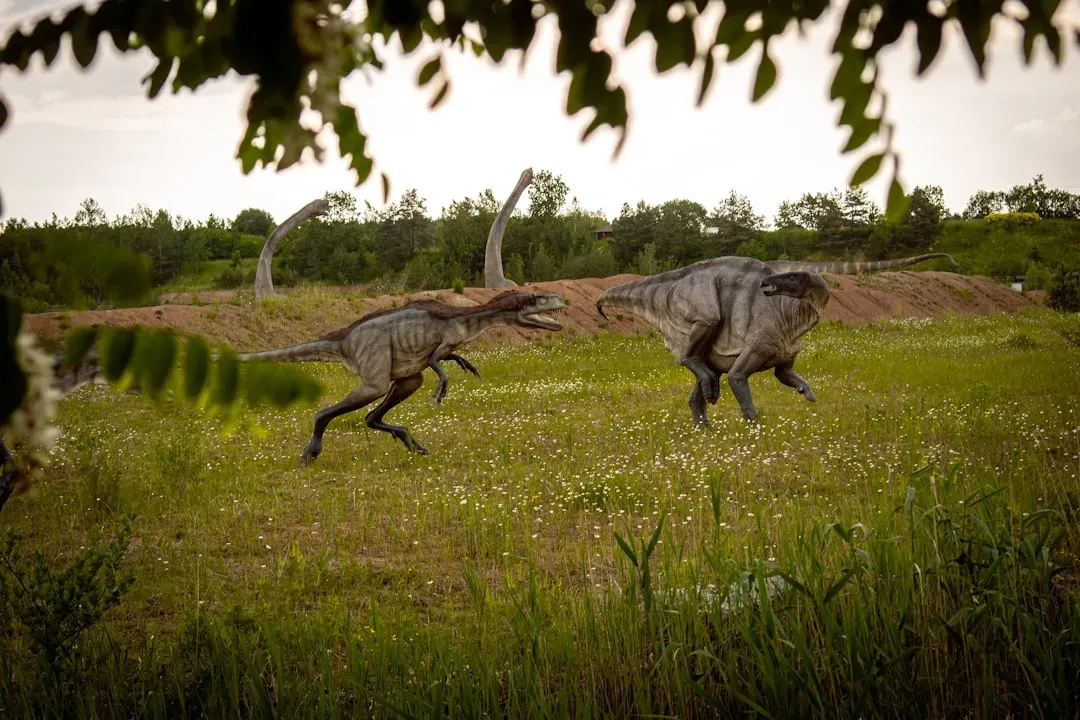
When you put all of this together – feathered predators, balloon-boned giants, murder-turkeys with night vision, Arctic herds, and living avian descendants – it becomes obvious that our old picture of dinosaurs was wildly incomplete. The real story is not a lineup of gray, roaring reptiles, but a tangled, colorful, and deeply alien set of ecosystems that nonetheless connect directly to the birds at our feeders and the fossils in museum halls. The more we learn, the more it feels like we underestimated just how inventive evolution can be when it has millions of years to play.
My own bias is pretty clear: I think we still cling to the clunky, lizard-like movie version partly because it is psychologically easier than accepting how fluid and surprising nature really is. It is comforting to keep dinosaurs locked in the past as monsters instead of recognizing them, in feather and bone, all around us today. Maybe the weirdest fact of all is not that some dinosaurs had feathers or lived at the poles, but that we share a planet with their descendants and mostly shrug it off. Next time a crow glares at you with that too-smart stare, will you see just a bird – or a tiny, surviving dinosaur sizing you up?