
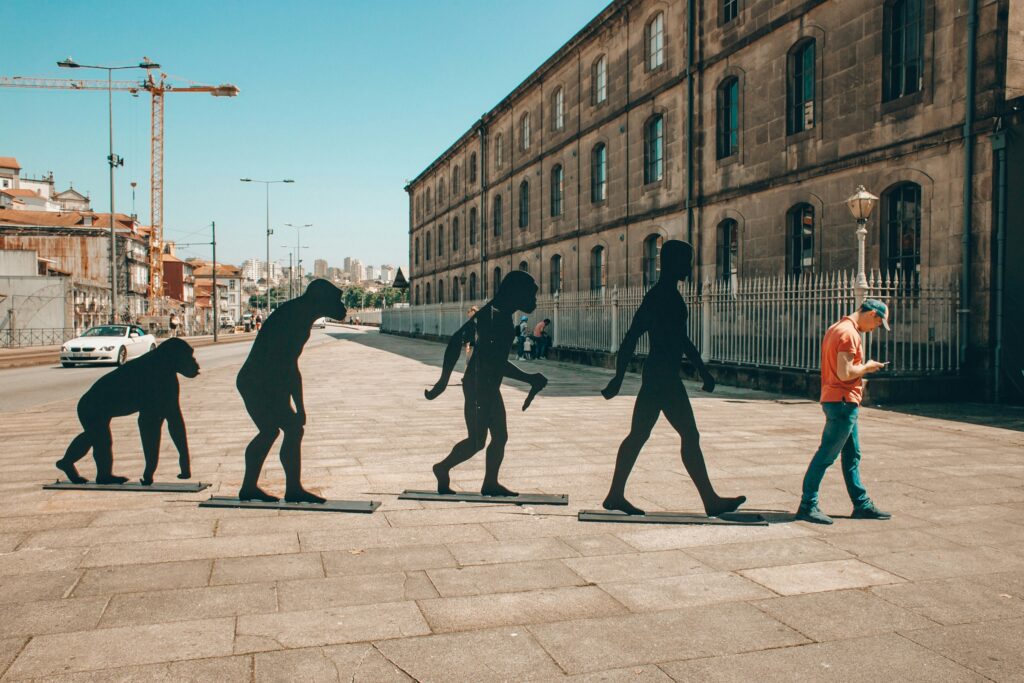
Human evolution sounds like a story we already know: apes, caves, fire, smartphones. Easy, right? Except the deeper scientists dig into our past, the more the story twists in ways nobody expected. Old assumptions are collapsing, new mysteries keep popping up, and the human family tree looks less like a neat diagram and more like a tangled set of earbuds pulled from your pocket.
What shocks researchers today is not just what we know, but how much we clearly do not. Our ancestors interbred with other species, reshaped entire ecosystems, and adapted to extreme conditions in staggeringly short stretches of time. Some of the most basic questions – where we came from, why our brains exploded in size, why there are no other humans left – are still very much open. Let’s dive into eight evolution facts that continue to puzzle and fascinate the scientists who study them.
1. We Are Not a Single Lineage but a Braided River of Species
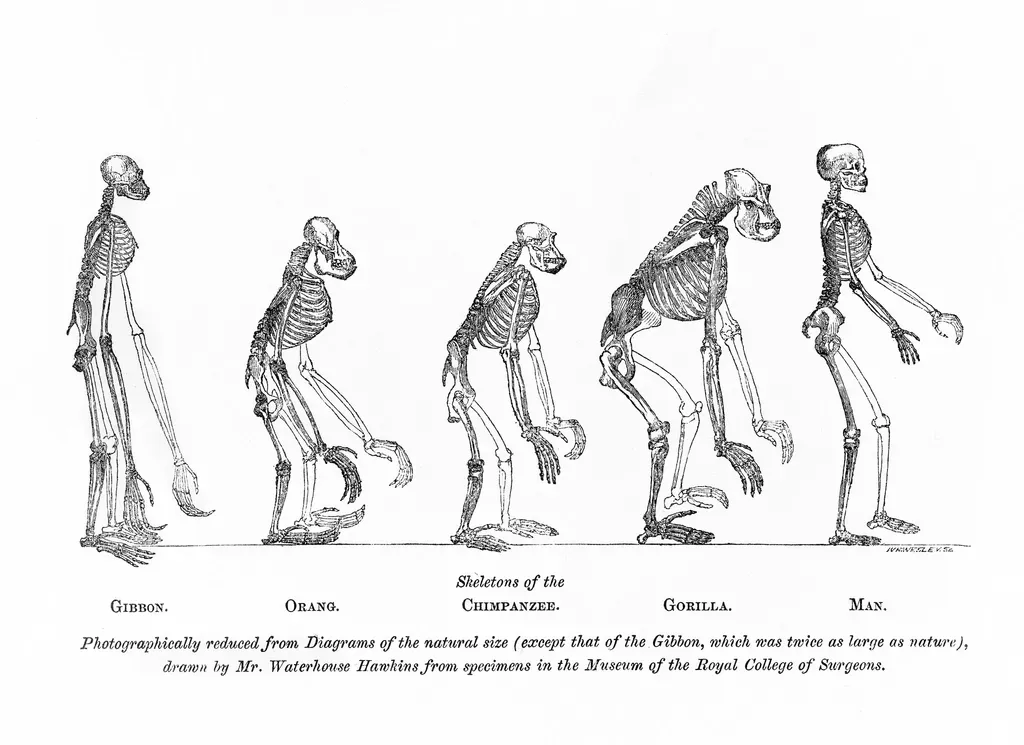
For a long time, textbooks showed human evolution as a simple ladder: one species replacing another in a tidy sequence ending with us. Now, fossil and genetic evidence paints a different picture – more like a braided river, with several human species coexisting, splitting, and sometimes flowing back together. At different points in the last few hundred thousand years, our own ancestors shared the planet with Neanderthals, Denisovans, and likely a few other mysterious relatives only known from tiny bone fragments and DNA.
That means our story is not one of straightforward replacement, but of messy overlap and contact. Some groups likely competed for resources; others may have shared tools, ideas, and genes. The surprising part for many scientists is just how entangled those lineages appear to be. Instead of a single Chosen Line marching toward modernity, we are the outcome of a whole cluster of experiments in being human, most of which ended – but still live on, subtly, in us.
2. Modern Humans Carry Ghost DNA from Lost Human Species
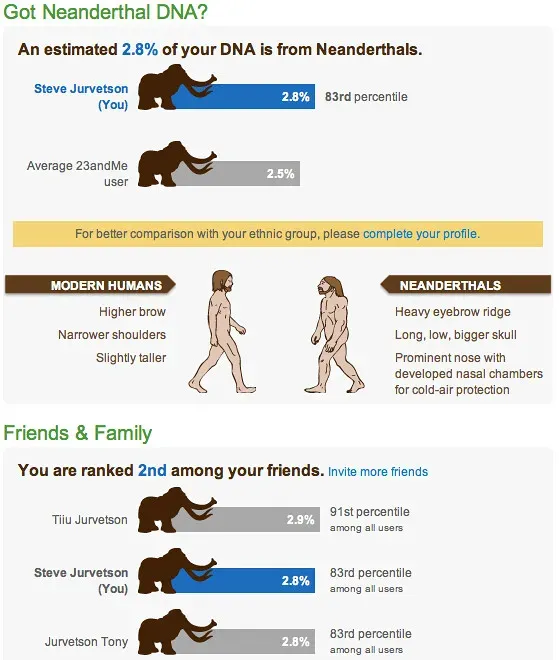
Here is something wild: your genome is a kind of haunted house. Many people outside of Africa carry small segments of Neanderthal DNA, and people with ancestry from parts of Asia and Oceania carry bits of Denisovan DNA. Even more surprising, geneticists have found hints of ancient DNA that seems to come from human species we have not even identified yet – ghost lineages that left no clear fossils but did leave a genetic fingerprint.
This hidden inheritance shows that early Homo sapiens did not live in isolation. When different human species met, they sometimes had children who were fertile and blended those lineages together. We are not pure anything; we are composites. Scientists are still figuring out what this ghost DNA does – some of it seems to impact immunity, metabolism, and even how our bodies handle high altitudes or cold climates. The unsettling, fascinating truth is that parts of your biology may have evolved in bodies that would not have looked quite like yours at all.
3. Our Brains Got Huge, but Not for the Reasons Many People Assume
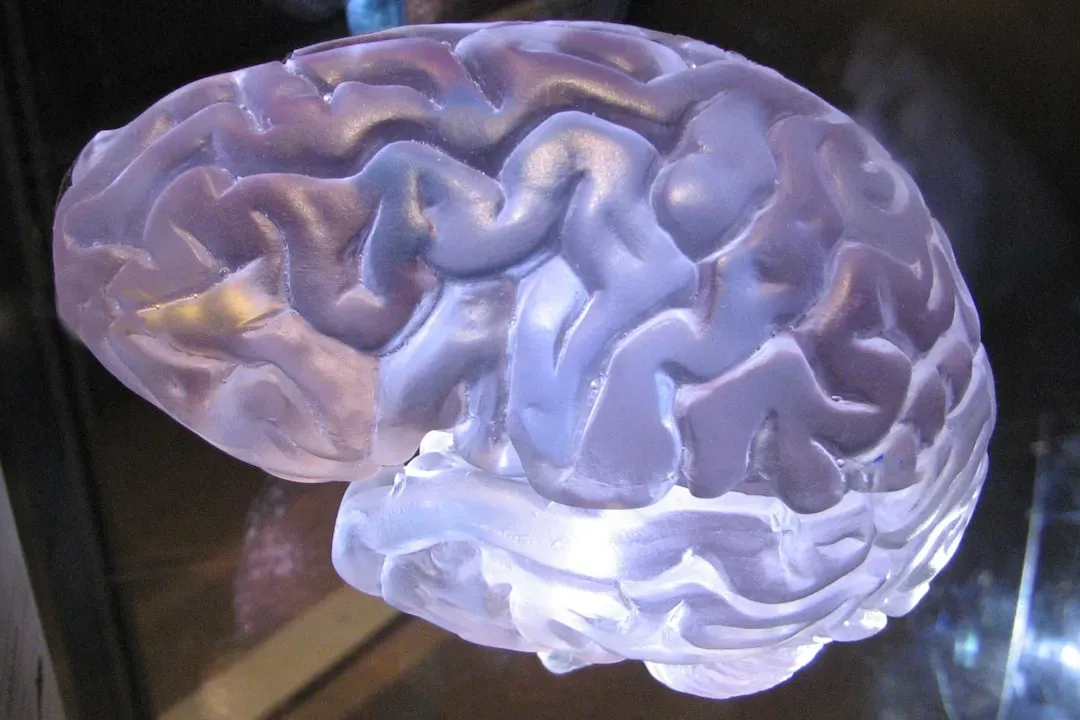
Human brain expansion is one of evolution’s most dramatic gambles. Our brains are energy-hungry organs, using a surprisingly large share of our daily calories. For years, scientists pushed single-explanation theories: maybe big brains evolved mainly for tool use, or mainly for language, or mainly for living in big social groups. Today, the consensus is much less tidy. The evidence suggests brain growth was driven by a messy combination of ecological challenges, changing diets, social complexity, and even climate instability.
What still surprises researchers is that brain size alone does not straightforwardly explain our intelligence or behavior. Some extinct humans had brains as large as or even larger than ours, yet their material culture appears simpler. Meanwhile, within our own species, the average brain size has actually decreased slightly in the last few thousand years, even as our societies have become more complex. It feels almost offensive to our ego, but the emerging view is that how the brain is wired and used may matter more than sheer volume, and that cultural evolution can amplify mental abilities far beyond what raw biology predicts.
4. Human Evolution Did Not Stop When “Modern” Humans Appeared
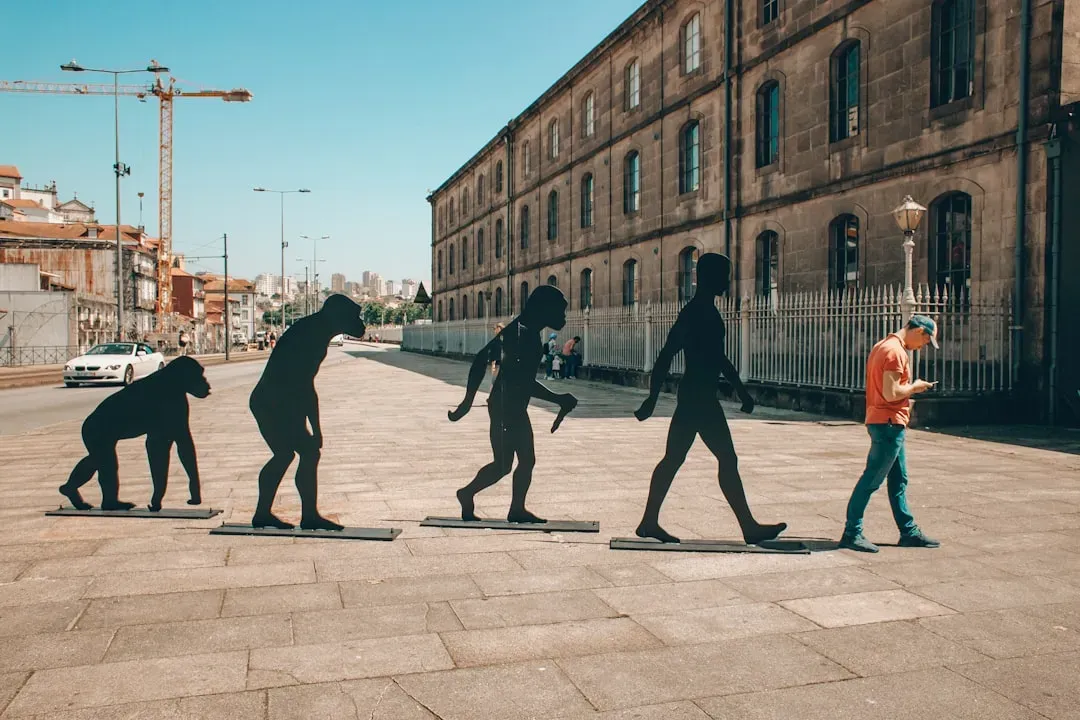
There is a persistent myth that evolution is something that happened long ago and has now more or less stopped for humans. Genetic studies say otherwise. Our species has continued to evolve rapidly over the last ten thousand years, especially as agriculture, cities, and new diets transformed our environment. Traits related to disease resistance, digestion of certain foods, and even our body shapes show clear signs of recent selection.
Think about how fast some of these shifts occurred. The ability of many adults to digest lactose from milk, for example, spread in certain populations over a relatively short evolutionary timescale, linked to the rise of dairy farming. Similarly, genes linked to high-altitude survival among populations in the Himalayas and Andes appear to have been strongly favored in those harsh environments. Rather than a finished product, we are more like a software update that is still downloading, shaped continuously by the changing world we have built for ourselves.
5. Our Bodies Still Carry “Stone Age” Features That Do Not Quite Fit Modern Life
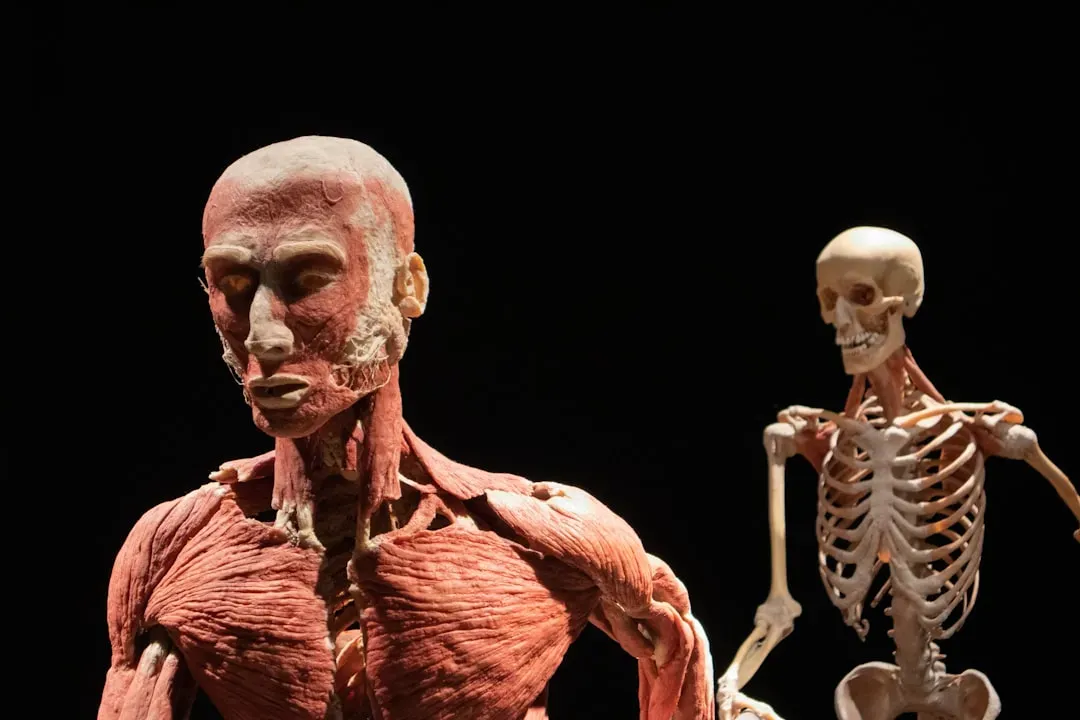
One of the most uncomfortable facts about human evolution is that our bodies were mostly tuned for a hunter-gatherer lifestyle, not for sitting at desks and doomscrolling. Many features that once made sense in a world of scarce food, constant movement, and frequent injury now clash with modern conditions. Our back problems, for example, are partly the price of walking upright on a spine that originally evolved for four-legged movement and then got repurposed, somewhat awkwardly, for bipedalism.
Scientists are especially intrigued by the mismatch between our evolutionary past and our current diets, sleep patterns, and activity levels. Systems designed to store energy efficiently can tip into obesity and metabolic disease when calories are cheap and plentiful but movement is optional. Stress responses that once helped us survive predators and conflict now get triggered by email alerts and financial worries. Evolution equipped us for one kind of world; we built another at breakneck speed, and our biology is still trying to catch up.
6. Culture Is Now One of Our Strongest Evolutionary Forces

When people hear “evolution,” they usually think genes. But in humans, culture and behavior have become powerful evolutionary forces in their own right, sometimes outrunning biology entirely. From fire and cooking to language, writing, and now digital technology, we constantly reshape the selective pressures acting on us. In a very real sense, we have become our own primary environment, and that is a twist in evolution that continues to surprise researchers.
Consider how quickly cultural innovations can spread compared to genetic changes. A new medical treatment or public health measure can transform survival patterns in a generation, while genes take many generations to shift. Some scientists argue that cultural evolution and genetic evolution are now deeply intertwined, each pushing and pulling on the other. It is a bit like driving a car while also rebuilding the engine as you go – our habits, norms, and inventions keep rewriting the rules for what traits are favored in the next generation.
On a personal level, I find this both exciting and unsettling. We are no longer just passengers on the evolutionary ride; we are co-pilots messing with the controls, often without fully understanding the long-term consequences.
7. The Human Family Tree Keeps Getting New, Unexpected Branches
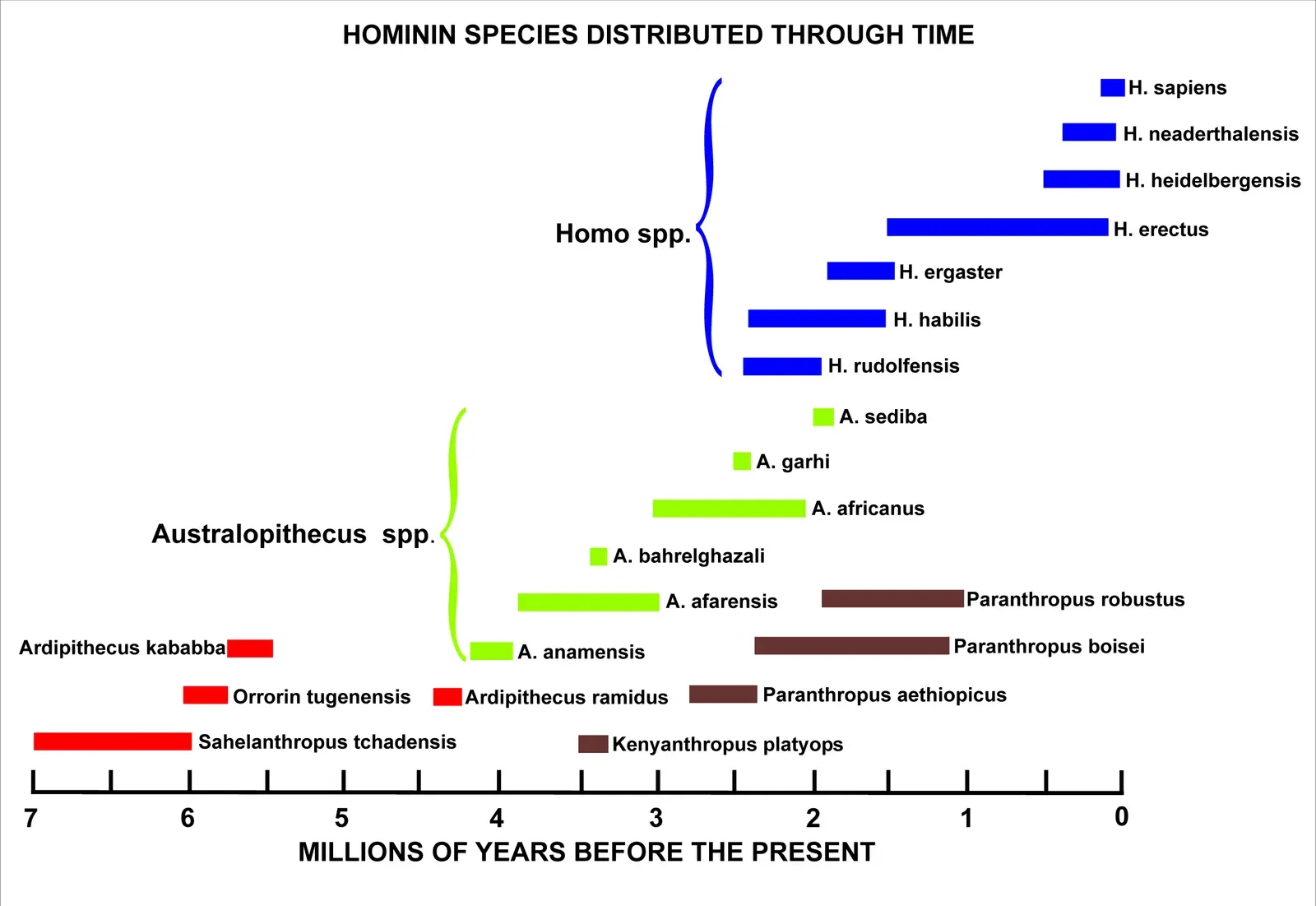
Every few years, it feels like there is another headline announcing a newly discovered human species or a surprising fossil that does not fit the old story. From small-bodied hominins on isolated islands to ancient skulls that mix features in unexpected ways, scientists keep stumbling on evidence that our family tree is more diverse than anyone guessed a generation ago. Many of these finds blur the neat lines between “us” and “them,” showing traits once thought unique to Homo sapiens appearing in other branches.
This constant reshuffling has forced researchers to question old labels and categories. Terms like “archaic” and “modern” turn out to be less helpful when fossils show mosaics of traits rather than clean transitions. The big surprise is how often evolution seems to produce similar solutions independently, a pattern called convergence. Tool use, long-distance walking, or even complex social structures may have emerged in slightly different ways in different human species, suggesting that there was not just one path to being smart, social, and adaptable.
8. We Are the Last Humans Standing – and No One Fully Knows Why
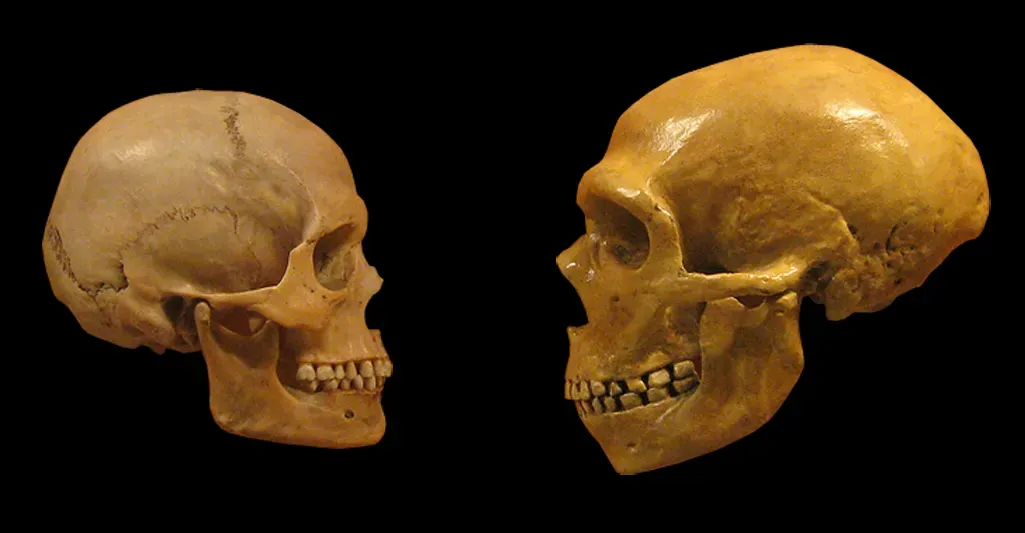
Perhaps the most haunting fact in human evolution is that we once shared the planet with several other human species – and now we are alone. Neanderthals, Denisovans, and other close relatives disappeared while our lineage survived and spread almost everywhere. Scientists have proposed plenty of explanations: climate shocks, competition for resources, differences in social structure, disease, or even subtle advantages in communication or cooperation. The uncomfortable truth is that no single theory fully explains why we made it and they did not.
Some evidence suggests that interbreeding, rather than simple replacement, played a role, meaning those lineages did not so much vanish as get absorbed. Even so, the end result is a world with only one surviving human species, which is biologically unusual. Many mammals have closely related sister species; we do not. That loneliness is evolution’s biggest twist in our story – and it raises a quiet, unsettling question: are we uniquely resilient, or just uniquely lucky so far?
Conclusion: A Story That Refuses to Sit Still
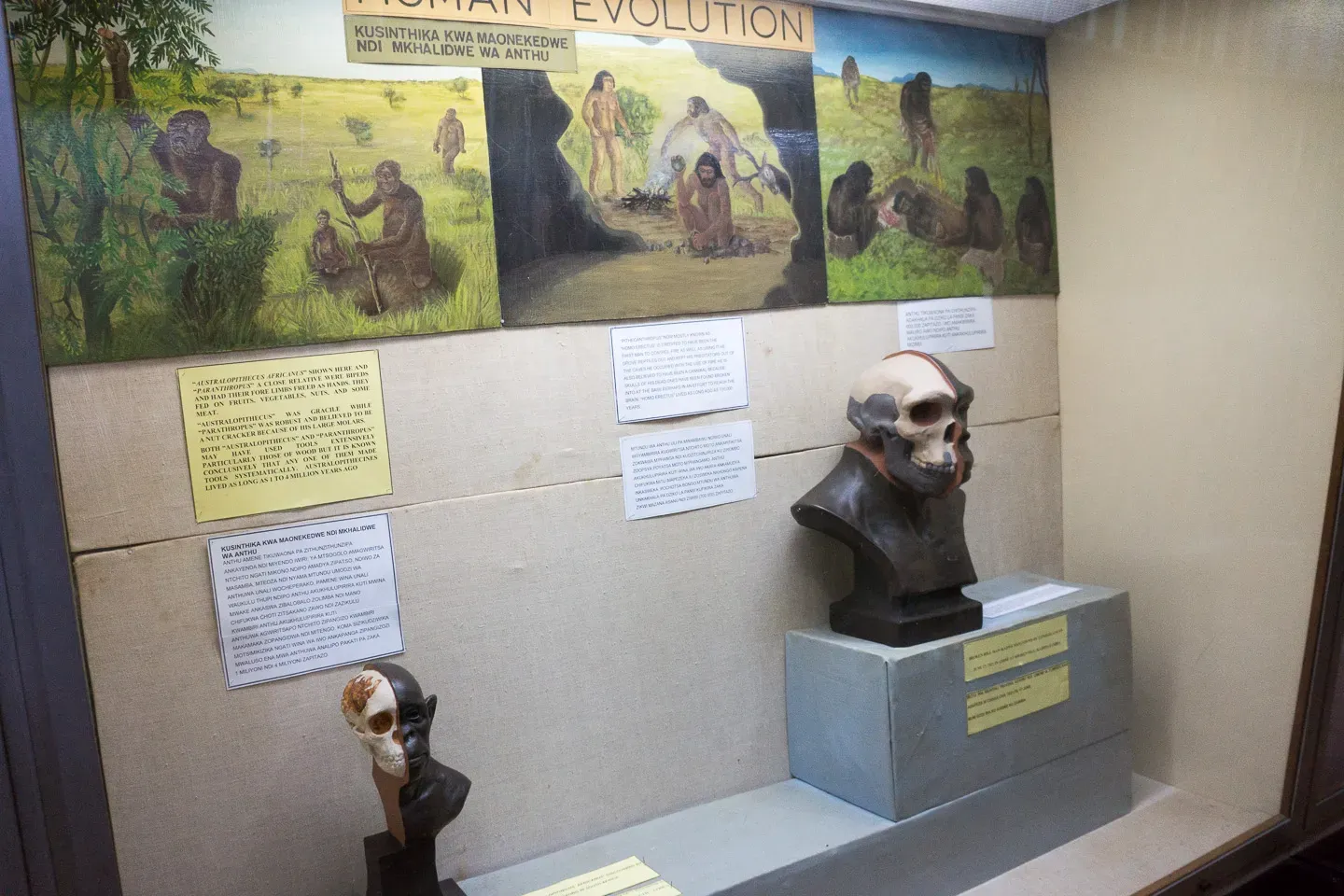
Human evolution turns out to be less a finished saga and more an ongoing detective story with missing pages, unreliable narrators, and new clues surfacing all the time. The facts that most surprise scientists today all point in the same direction: our past is messier, more intertwined, and far more contingent than the simple charts we grew up with. We are hybrids of vanished species, running on slightly outdated hardware, hacking our own evolution through culture and technology at a pace nature never anticipated.
My opinion? The most dangerous mistake we can make is believing the story is over or that we somehow stand outside of evolution now. We are still changing, still improvising, still gambling with traits and environments in ways we barely grasp. Instead of viewing ourselves as the grand finale, it might be wiser – and humbler – to see our species as a particularly strange chapter in a much longer, unfinished book. Knowing that, what kind of ancestors do you actually want us to be?