
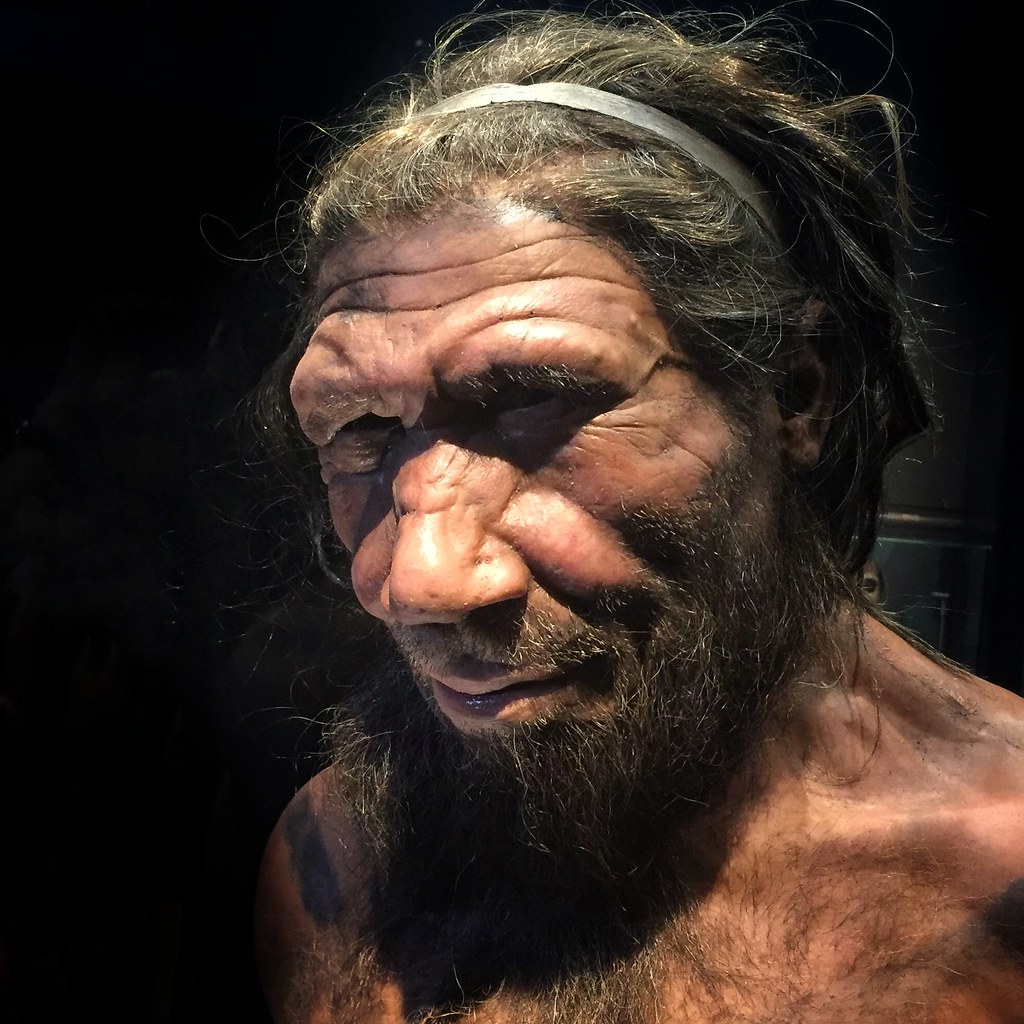
used to be the punchline of human evolution: the slow, clumsy, not-quite-us version that vanished while we marched triumphantly into the future. That story sounded neat, but it turns out it was almost completely wrong. Over the last couple of decades, archaeology and genetics have blown up the old stereotypes and replaced them with something far more intriguing, and honestly, a lot more relatable.
What we now see is not a failed experiment in humanity, but a different kind of human who shared our world, our landscapes, and even our beds for tens of thousands of years. Their story is woven into our DNA, our diseases, and maybe even our emotions. Once you realize how many traces of them are still inside us, it becomes hard not to wonder: where do they end, and where do we begin?
They Were Not Brutes – They Were Human In A Different Way
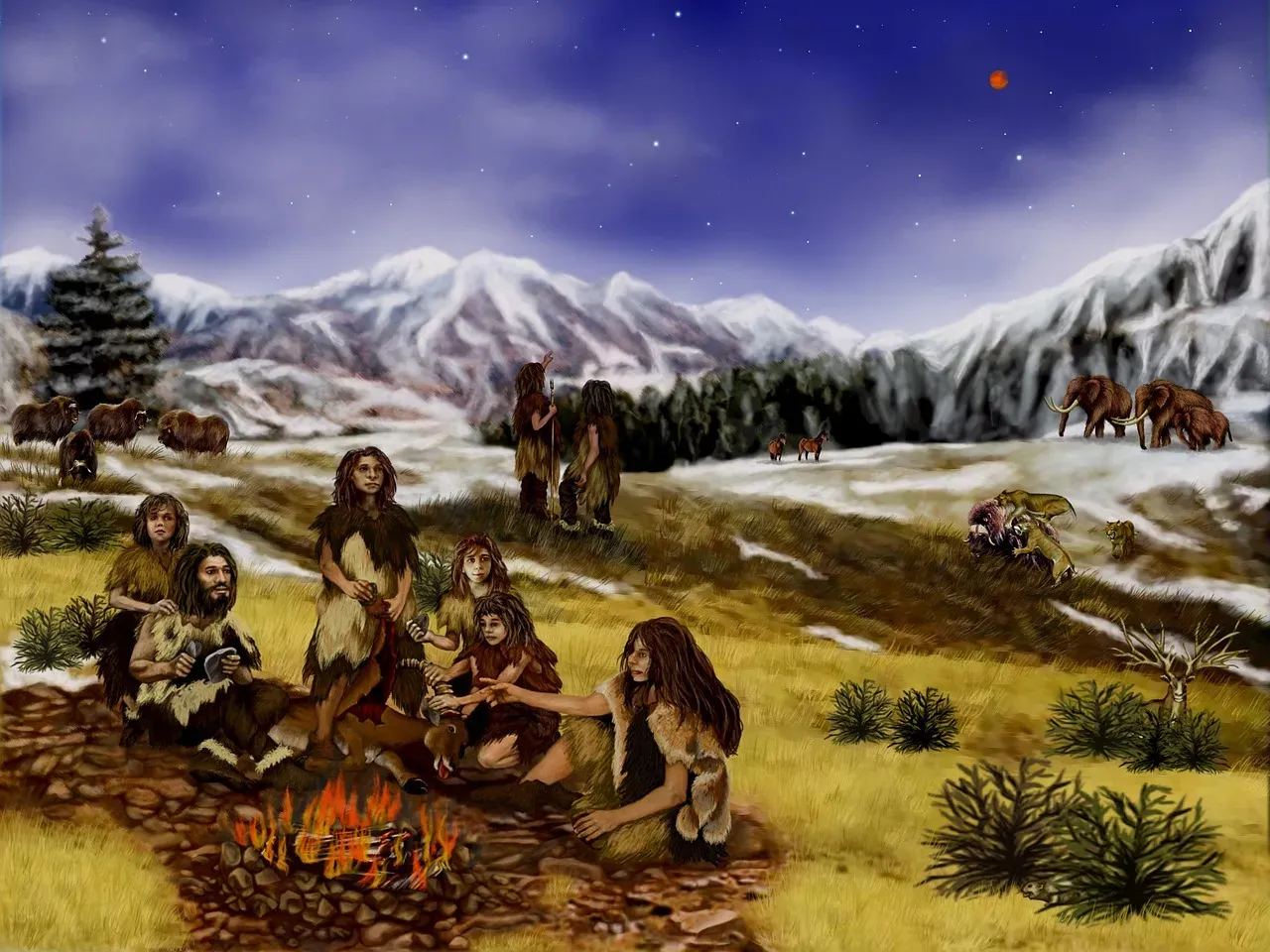
One of the most surprising discoveries is how far are from the old caveman cliché. Their brains were at least as large on average as those of modern humans, and in some individuals even slightly larger. They walked upright, made decisions, organized their lives, and dealt with the same basic problems we still face: finding food, staying warm, raising children, and avoiding danger.
When I first really dove into the research, I remember feeling almost embarrassed at how cartoonish my old mental image had been. Instead of grunting, hunched figures, picture stocky, cold-adapted humans with broad noses and powerful builds, wrapped in animal hides, planning hunts and navigating complex social lives. They were different, yes, but not a different category of creature. They were another branch of us.
We Carry Their DNA – And It Still Affects Our Bodies
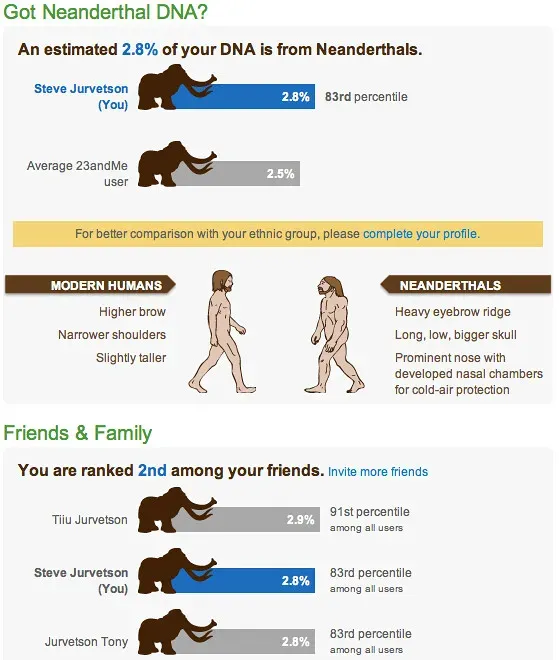
One of the biggest scientific shocks of the last decade or so was the confirmation that most people with ancestry outside sub-Saharan Africa still carry small fragments of Neanderthal DNA. That means our ancestors and did not just pass each other on the steppe; they had children together, repeatedly, across different regions and times. These brief episodes of contact left permanent marks written into our genomes.
Those Neanderthal genes are not just historical curiosities; some of them help shape how our immune systems react to infections, how our skin responds to sunlight, and even how easily we put on fat. Some variants appear to increase risk for certain modern conditions, like autoimmune problems or depression, while others may have provided survival advantages in colder, darker environments. It is a strange feeling to realize that a flu response you have this winter might be influenced by a liaison that happened between two distant hominins forty or fifty thousand years ago.
They Crafted Sophisticated Tools And Used Fire With Skill
For a long time, researchers liked to draw a clean line between Neanderthal stone tools and the supposedly more advanced technology of early Homo sapiens. Recent discoveries, though, have made that boundary look messier and far more interesting. Neanderthal sites show evidence of carefully shaped stone points, hafted tools attached to wooden handles, and tools designed for specialized tasks like scraping hides or woodworking.
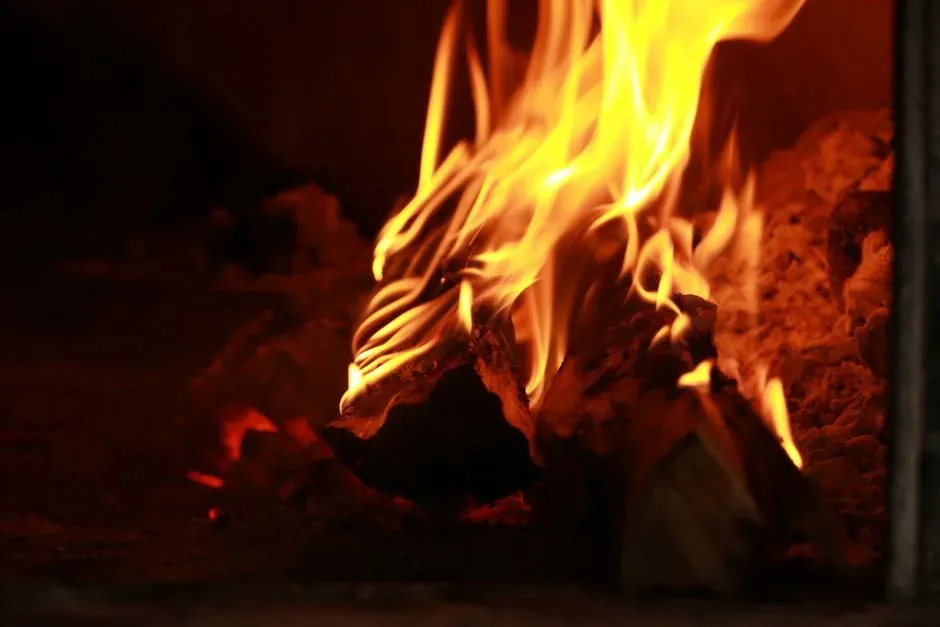
They also controlled fire in a surprisingly flexible way. Evidence from hearths suggests they organized living spaces around repeated fire use, cooked meat and plants, produced smoke for protection from insects, and likely used fire to harden wooden points. Once you imagine a Neanderthal evening around a fire, eating cooked food, sharing warmth, and probably telling some kind of story in their own way, the gap between them and us feels much smaller than the textbooks used to suggest.
They Had Culture, Symbolism, And Maybe Even Early Art
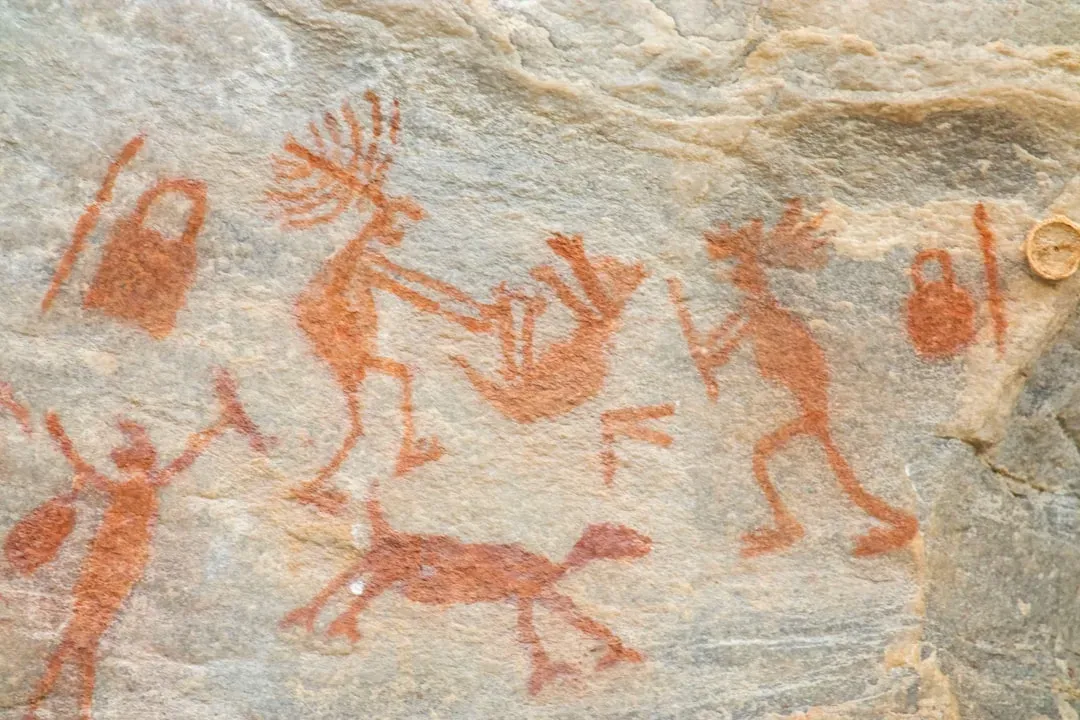
One of the most emotional shifts in Neanderthal research has been the growing case that they had symbolic behavior and some form of culture, not just bare survival routines. Archaeologists have found pigments such as ochre and manganese that seem to have been used for body decoration or coloring objects, along with pierced shells and other items that look suspiciously like personal ornaments. These are not smoking guns of a complex religion, but they do suggest a mind that cared about meaning, not only about meat.
There are also hints that may have created or at least contributed to cave markings and carefully arranged objects in ways that go beyond simple practicality. Some researchers argue that we still underestimate the subtlety of their symbolic world because so little survives over tens of thousands of years. Whether or not they painted detailed scenes, the evidence already forces us to admit that they were not living in a purely animal present. They thought about identity, group belonging, and maybe the line between life and death.
They Cared For Their Sick And Buried Their Dead
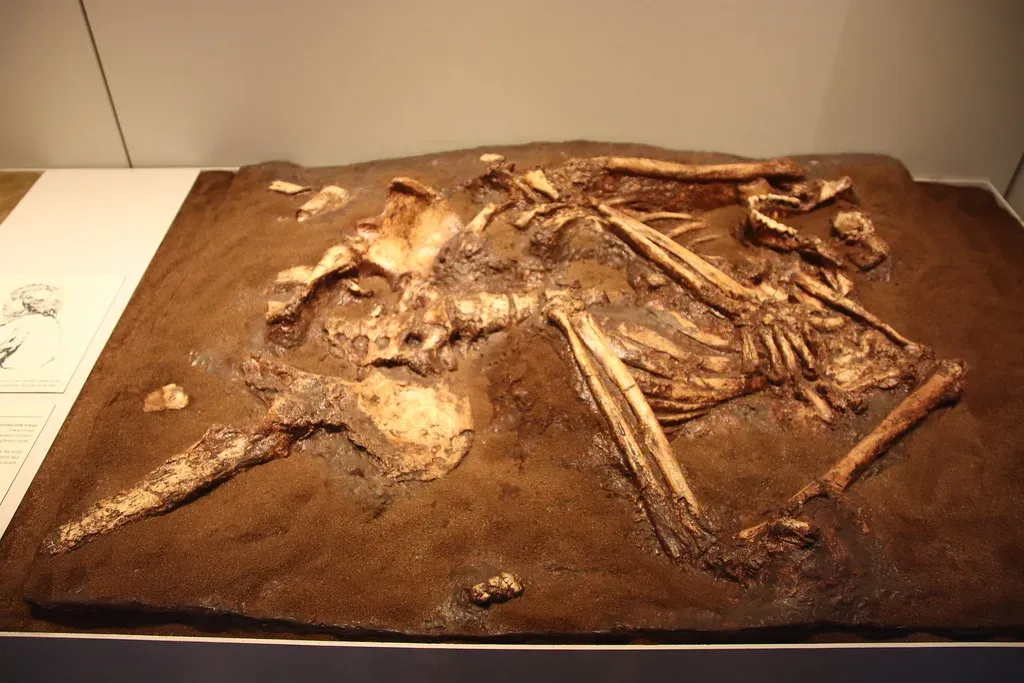
Another discovery that hits hard on a human level is the evidence for care, compassion, and some form of social responsibility among . Skeletal remains show individuals who lived for years with serious injuries, missing limbs, or chronic diseases that would have made independent survival nearly impossible. That implies that others must have helped, shared food, protected them, and adapted the group’s routines to support the vulnerable.
Some Neanderthal sites also show what many researchers interpret as deliberate burials: bodies placed in pits, sometimes with minimal disturbance and in positions that suggest intentional placement rather than random accumulation. The meaning behind these practices is still debated, but at minimum it shows that the dead were not simply abandoned like carcasses. There is a kind of quiet dignity in imagining taking a moment to lay a body down, perhaps feeling grief, confusion, or a wordless sense that a life had ended and mattered.
They Were Remarkably Adapted To Harsh Ice Age Environments
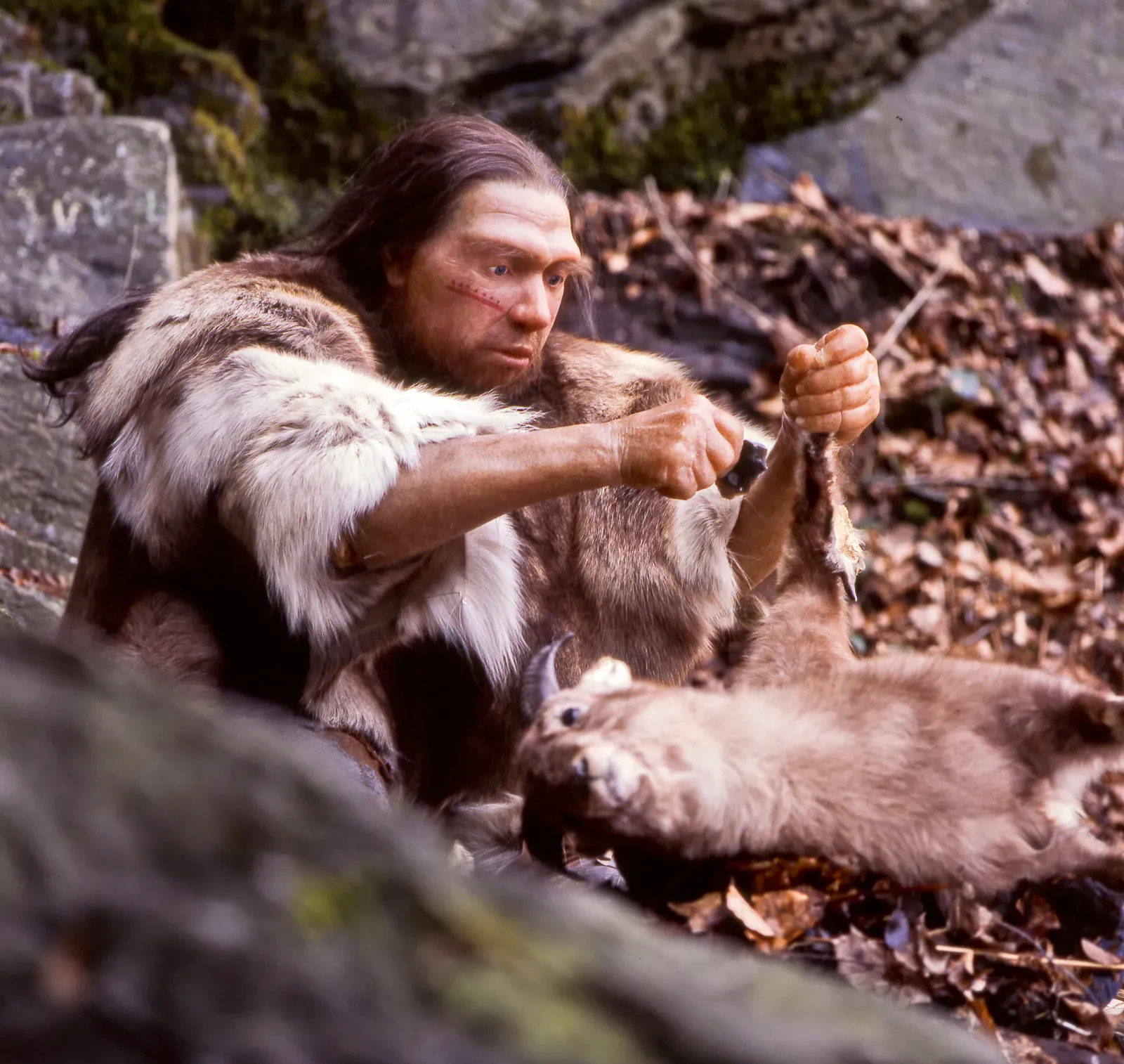
thrived in Eurasia for hundreds of thousands of years, through repeated ice age cycles that would make most of us miserable within minutes. Their bodies were built for that world: shorter limbs, barrel-like chests, and robust bones that helped conserve heat and withstand heavy physical loads. They likely consumed high-calorie diets rich in meat and fat, hunted large mammals, and used shelters, clothing, and fire to push deeper into cold landscapes than many other species could.
What impresses me most is how routine those extremes must have felt to them. Where we imagine freezing winds and endless snow as almost apocalyptic, built entire lifetimes around them: child-rearing, travel, alliances, and probably moments of joy and boredom. Their survival strategies were not just brute endurance; they were innovations shaped by trial and error, shared knowledge, and group memory. In a sense, they were the first true specialists in living on the edge of the world.
Their Disappearance Was Not A Simple Story Of Inferiority
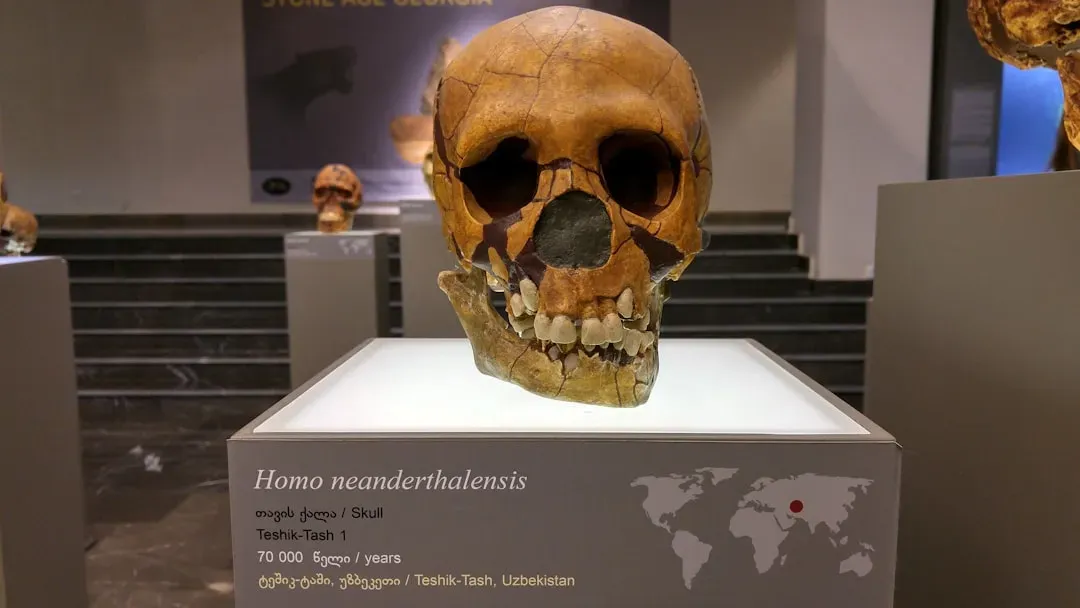
For many years, the narrative was comfortingly clear: modern humans were smarter, more innovative, and inevitably outcompeted , who faded away like an obsolete version of software. The more data we collect, the less that story holds up. Climate instability, shrinking habitats, small populations, and random bad luck likely all played a role, along with competition and mixing with Homo sapiens. Instead of a clean replacement, it looks more like a tangled process of contact, gene flow, and gradual decline.
That actually makes their disappearance feel sadder and more familiar. It is not a myth about obvious winners and losers; it is a story about how fragile even a successful species can be when conditions shift faster than it can adapt. Some researchers suggest that may simply have been absorbed into expanding modern human groups through interbreeding, which means they did not so much vanish as dissolve into a newly blended population. In that sense, they are not gone at all. They are part of us, and we are the last living chapter of their lineage.
Conclusion: Force Us To Rethink What It Means To Be “Us”
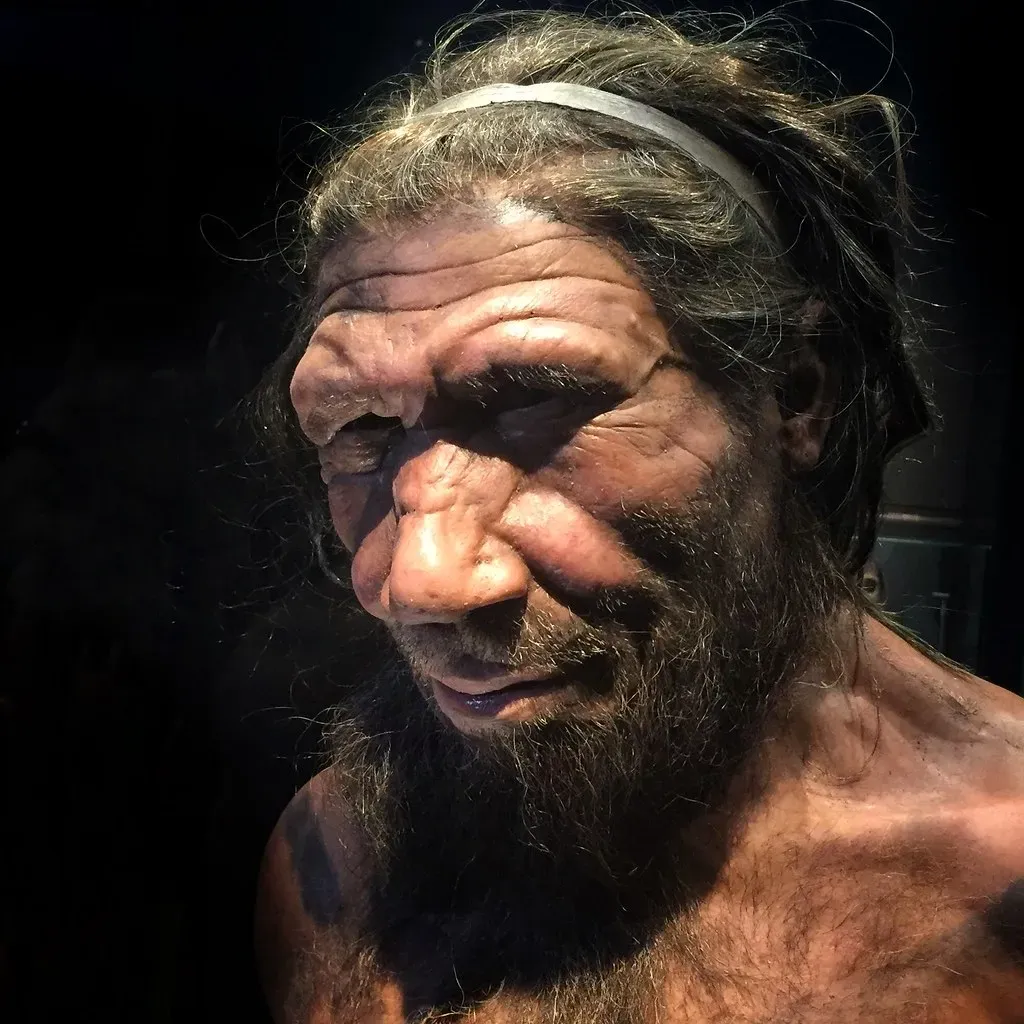
When you put all these discoveries together, the old notion of as a failed, stupid side branch collapses completely. What emerges instead is a picture of tough, clever, emotionally complex humans who built lives in brutal environments, cared for one another, experimented with symbolism, and left a genetic legacy still echoing in our bodies. I think it is time we drop the lazy insult and start treating “Neanderthal” as the name of a cousin we barely understand but deeply underestimate.
To me, the most unsettling and beautiful part is this: if another kind of human could be this close to us and yet think, feel, and see the world in subtly different ways, then our definition of humanity is far too narrow. Their story is a reminder that being human has never been a single shape, a single culture, or a single destiny. Next time you hear someone dismiss something as primitive or caveman-like, it might be worth asking: are we really so sure we would have done better out on that ice, or are we just lucky survivors telling the story our way?